

Creating a relaxing bedroom space has always been something I personally struggled with. My bedroom used to be a chaotic mix of furniture, bright colors, and gadgets everywhere. I never realized how much my environment affected my mood until I decided to rethink my space completely. Over time, I learned that designing a bedroom that truly promotes calm isn’t just about picking pretty colors or trendy décor—it’s about crafting a space that soothes your mind and body the moment you step inside. Think of it like giving your soul a soft landing at the end of the day. This guide is my way of sharing what worked for me, blending practical tips, sensory details, and little tricks that make a huge difference in how you feel in your bedroom.
Key Points:
- Soft colors and lighting instantly set a calming mood.
- Minimal clutter makes your mind feel lighter.
- Comfortable furniture is non-negotiable for true relaxation.
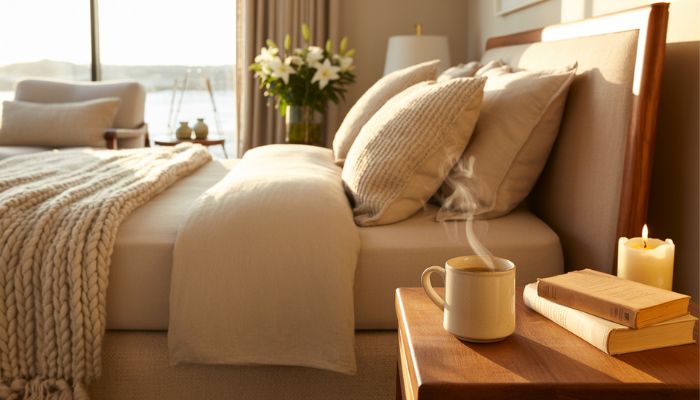
Understanding the Importance of a Relaxing Bedroom Space
I remember coming home after a long week of teaching and collapsing onto my bed, only to feel restless because the room just didn’t feel peaceful. That’s when I realized a relaxing bedroom space is more than decoration; it’s a sanctuary. Your bedroom should be a place where you can disconnect from stress and reconnect with yourself. Research even shows that a well-designed bedroom can improve sleep quality, reduce anxiety, and boost overall well-being. For me, it became a form of self-care—a daily reset button for my mind.
Creating this space begins with intentional design choices, from the colors on the walls to the textures under your hands. I found that focusing on comfort, natural elements, and sensory cues like scent and lighting transformed my bedroom from a chaotic room into a tranquil haven.
5 Best Bedroom Light: Transform Your Space with Smart LED Strip Lights
Choosing Calming Colors for Your Bedroom
Color sets the tone of a room more than any other element. When I started redesigning my bedroom, I moved away from harsh whites and bold reds and embraced soft earth tones like gentle browns, muted greens, and soft blues. These colors are calming and promote relaxation by mimicking the soothing shades found in nature.
I even experimented with a color table to understand which shades felt right for me:
| Color | Mood Effect | Best Use in Bedroom |
| Soft Blue | Calms nerves, lowers heart rate | Walls, bedding |
| Muted Green | Encourages balance, connection to nature | Accent walls, plants |
| Warm Beige | Creates cozy and inviting vibe | Furniture, curtains |
| Lavender | Promotes restful sleep | Bedding, accessories |
By carefully selecting the right shades, I noticed I could unwind faster in the evenings and sleep more soundly.
Incorporating Comfortable and Functional Furniture
Comfortable furniture is more than a luxury—it’s essential. I invested in a plush bed, soft mattress, and fluffy pillows that made it impossible to leave the room when I wanted to just relax. I also added a small lounge chair where I could read or meditate. Every piece of furniture serves a purpose and encourages relaxation rather than clutter.
| Furniture Piece | Purpose | Comfort Tip |
| Bed with upholstered headboard | Main relaxation area | Adds softness and supports leaning back comfortably |
| Lounge chair | Reading or meditation | Choose a chair with soft cushions and a gentle backrest |
| Bedside table | Convenience and minimal clutter | Keep only essentials like books, water, or aromatherapy items |
Investing in furniture that aligns with both function and comfort transforms the room into a serene retreat.
Lighting Choices That Promote Calm
Lighting affects mood more than I ever realized. I swapped out harsh fluorescent bulbs for Edison-style bulbs and soft lamps. I even introduced candles for evenings—they give off a flickering, calming glow that instantly signals my brain that it’s time to wind down. For natural light, sheer curtains allowed sunlight in during the day without creating harsh glare.
Multiple light sources also allow flexibility. For example, I use a small bedside lamp for reading, a floor lamp for gentle overall illumination, and candles during meditation. Layering light like this creates a soft and inviting ambiance.
Top Unique Bedroom Floor Lamp Ideas: Illuminate Your Sanctuary in Style
The Role of Nature and Plants
Bringing nature indoors was a game-changer. I filled my room with low-maintenance plants like succulents and pothos. They not only purify the air but also create a visual connection to the outdoors. Small touches like a mini water fountain or wind chimes by the window added subtle sensory cues that reminded me of calm natural spaces.
The presence of natural elements helps balance the room’s energy and provides a grounding effect, which is crucial when trying to let go of stress at the end of the day.
Soft Textures and Fabrics
Textures influence how a room feels even more than colors. I layered my bed with plush throw blankets, soft pillows, and cozy rugs. Every touch is inviting, making it easy to sink into comfort. Soft fabrics invite relaxation—they engage your sense of touch in ways that instantly reduce tension.
Adding tactile variety, like a soft area rug underfoot or a velvet pillow, gives your room a multi-sensory appeal. It’s the kind of detail you don’t notice until it’s missing, but once it’s there, you can’t imagine life without it.
Best Area Rugs for Family Room: Cozy, Stylish, and Durable Choices
Reducing Clutter for a Clear Mind
Clutter is stress in disguise. When I first decluttered, I was amazed at how much lighter I felt in my mind. Storage solutions like bins, shelves, and a tidy dresser helped me keep non-essential items out of sight. A clean, organized space frees mental energy and allows you to focus on rest.
Decluttering also means being intentional about what stays. I only keep items that either serve a practical purpose or bring me joy. This principle applies to decorations, furniture, and even electronics.
The Role of Scent in Relaxation
Aromatherapy changed my bedroom experience completely. I keep lavender and earthy incense in rotation, and the scents instantly relax me. Scents trigger memories and emotions, so choosing the right fragrance can transport you to a peaceful mental state. For example, earthy scents remind me of hikes in the forest, instantly calming my mind.
I recommend experimenting with diffusers, candles, and essential oils. Even small changes in scent can create a dramatic difference in how you perceive your space.
Personalization and Meaningful Décor
Your bedroom should reflect who you are. I added items with sentimental value: books I cherish, photos that make me smile, and artwork that inspires calm. Every object should tell a story or add joy—this helps create an environment that feels truly personal and soothing.
Personalized décor ensures that your space doesn’t just look relaxing but feels emotionally restorative, which is the ultimate goal.
Technology and Electronics Management
Electronics can be major distractions. I created a rule for myself: no screens when using the bedroom for relaxation. This includes turning off TVs, phones, and gaming devices during meditation or reading. Having a tech-free zone helped my mind slow down, which made sleep come more naturally.
If you can’t remove devices completely, at least dedicate a drawer or storage area where they are out of sight during your winding-down routine.
Creating a Multi-Sensory Experience
Combining light, scent, textures, and sound creates a holistic relaxation environment. I often play soft music or ambient nature sounds while sitting in my room. The combination of these sensory elements reinforces calm and makes the room feel like a sanctuary.
Even small touches, like a soft rug, a gentle diffuser scent, and a warm throw blanket, create layers of comfort that your brain associates with rest.
Tables for Easy Reference
| Element | Key Tip | Example |
| Colors | Choose soft, muted shades | Blue, beige, muted green |
| Lighting | Use layered, soft lighting | Edison bulbs, lamps, candles |
| Furniture | Prioritize comfort and purpose | Plush bed, lounge chair, soft headboard |
| Texture | Incorporate tactile variety | Throw blankets, rugs, pillows |
| Element | Avoid | Recommended |
| Clutter | Excess knick-knacks | Storage bins, minimal décor |
| Electronics | TV and phone near bed | Keep out of sight during relaxation |
| Harsh lighting | Bright overhead lights | Use lamps, candles, soft bulbs |
| Strong scents | Overpowering fragrances | Subtle aromatherapy scents |
FAQs
How can I design a relaxing bedroom space on a budget?
Focus on decluttering, soft lighting, and cozy textiles. You don’t need expensive furniture to create a peaceful vibe.
What colors are best for a calming bedroom?
Soft earth tones like muted blues, greens, beige, and pastels are ideal. Avoid harsh or overly bright colors.
How important is lighting in a relaxing bedroom?
Very important. Layered, soft lighting sets the mood and signals your brain that it’s time to relax.
Can plants really make a bedroom more relaxing?
Yes, they improve air quality, provide visual calm, and connect you to nature. Even low-maintenance plants help.
Should I remove all electronics from my bedroom?
If possible, yes. At the very least, turn off devices during rest and relaxation periods.
What role does scent play in bedroom relaxation?
Scent triggers memories and emotions. Using lavender, chamomile, or earthy aromas can enhance calm and aid sleep.
Is clutter really that disruptive to relaxation?
Absolutely. Clutter keeps your mind active. A clean, organized space supports calm and mental clarity.
How can I make my bed more relaxing?
Add a plush mattress, soft pillows, layered throws, and a cozy headboard to make it inviting and supportive.
Create a soothing retreat with our guide on how to design relaxing bedroom space for ultimate comfort, calm, and restful sleep every night.