

Sometimes, the simplest joys—like a quiet night of sleep—can feel impossible when the world around your bedroom seems determined to keep you awake. I’ve spent countless nights lying awake, frustrated as every creak from the floor above or murmur from the living room seeped into my space. That constant intrusion made me realize just how important it is to create a peaceful retreat. Over the years, I’ve experimented with multiple tips to reduce bedroom noise, and I’ve learned that small, intentional changes can make a huge difference. Whether you’re renting an apartment or living in a family home, these strategies can help transform your bedroom into a serene sanctuary where noise doesn’t dictate your sleep or mood.
Key Points:
- Small changes can dramatically reduce noise.
- Layering sound-absorbing materials works best.
- Your bedroom layout matters as much as insulation.

Understanding Noise and Its Impact on Sleep
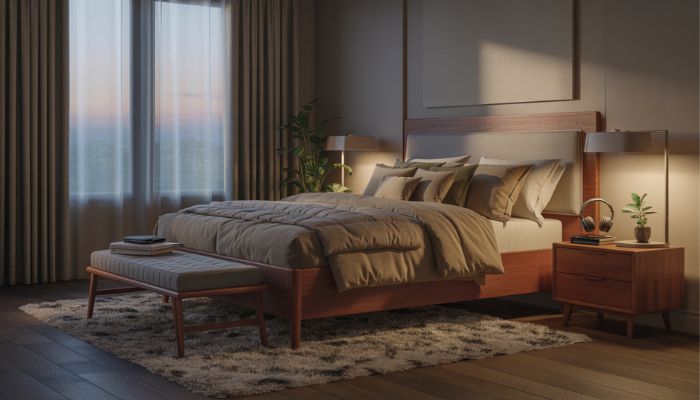
Noise isn’t just a minor inconvenience; it directly affects sleep quality, mood, and even overall health. I remember one particularly chaotic week in my first apartment. Every time my neighbor walked in heels across the floor, I’d jolt awake. I didn’t just feel tired the next day—I felt anxious and irritable. Experts agree that consistent exposure to disruptive sounds can elevate stress hormones and reduce deep sleep cycles. Realizing this, I started observing my environment carefully. I noticed that most noise seeped through weak spots: hollow doors, thin walls, windows with gaps, and bare floors. Addressing these areas systematically became my game plan.
1. Solid-Core Doors and Sealing Gaps
A hollow door is basically a megaphone for your roommates’ conversations. I replaced mine with a solid-core door, and the difference was night and day. The weight and density help block sound from traveling through. But it doesn’t stop there—air leaks around the door are just as sneaky. I used compression weather stripping along the edges and a draft stopper at the bottom. Suddenly, muffled noises replaced sharp, clear sounds. It’s amazing how much of a difference adding mass and sealing gaps can make.
2. Thick Rugs and Floor Pads
Bare floors are like echo chambers, bouncing every footstep into the room. I invested in a high-density felt rug pad under a thick area rug. Walking on it felt luxurious, but more importantly, it absorbed sounds before they could travel. You don’t need to break the bank—layering rugs or using quilted underlays works too. Table 1 below shows the comparative effectiveness of different floor materials I experimented with:
| Floor Material | Sound Reduction | Comfort Level | Cost |
| Hardwood (bare) | Low | Medium | $$ |
| Carpet + Rug Pad | High | High | $$ |
| Tile | Low | Low | $$ |
| Cork Flooring | Medium | Medium | $$$ |
3. Heavy, Layered Window Treatments
Windows can betray your peace more than you realize. I once ignored the thin blinds and suffered through a summer of street noise and passing cars. Adding velvet or heavily woven curtains, hung with extra fullness, made a noticeable difference. The weight of the fabric and the coverage over gaps around the frame are what block sound waves. Tip: extend the curtain rod several inches beyond the window to trap sound at the edges. Combining this with a thick rug below the window completes a mini noise shield.
4. Wall Panels, Art, and Acoustic Decor
Here’s where I got creative. Acoustic panels are effective, but I didn’t want my bedroom to look like a studio. Instead, I layered decorative tapestries, framed artwork, and even vintage rugs on the walls. Not only did the space feel warmer, but sound absorption improved noticeably. Denser materials, especially on walls facing the source of noise, dampen echo and reduce ambient sound. Using multi-layered textiles creates both a functional and aesthetic solution.
5. Strategic Furniture Placement
Oddly enough, the placement of furniture can act as a sound buffer. I used a bookshelf filled with books along the wall that shared space with the living room. This added mass and density, blocking the path of noise. Even moving the bed away from shared walls or placing larger items between you and the sound source can reduce noise perception significantly. Think of it as creating a maze for sound waves, forcing them to lose energy before reaching your ears.
6. White Noise and Sound Masking
I can’t stress enough how much white noise helped me. A simple white noise machine or even a fan created a consistent ambient sound that masked sporadic noises. Personally, I prefer brown noise for its lower, more rumbling frequencies—it feels like gentle waves rather than harsh static. Once I incorporated this into my bedtime routine, sudden noises became less jarring. It’s like giving your mind a soft background hum to focus on instead of reacting to every creak or shout.
7. Greenery and Nature-Based Absorption
Plants aren’t just for aesthetics—they also absorb sound. I filled my room with ficus trees, rubber plants, and even preserved moss panels. Leaves, bark, and textured surfaces break up sound waves and reduce reflections in the room. Plus, they create a calming vibe. I noticed that my room felt quieter and more relaxing just by strategically placing plants near noise sources. It’s a natural, subtle solution that also enhances mental well-being.
Table 2: Quick Comparison of Noise-Reducing Methods
| Method | Ease of Implementation | Effectiveness | Cost |
| Solid-core door + sealing | Medium | High | $$ |
| Thick rugs + floor pads | Easy | Medium-High | $-$$ |
| Heavy window curtains | Easy | Medium | $$ |
| Wall panels / tapestries | Medium | Medium | $$ |
| Bookshelves / furniture buffer | Easy | Medium | $-$$ |
| White / brown noise machines | Very Easy | Medium | $-$$ |
| Plants / natural absorption | Easy | Low-Medium | $-$$ |
Best Rug Pad for Hardwood Floors: Non-Slip, Safe, and Durable Options
8. Creating a Layered Approach
What I realized over time is that no single solution completely eliminates noise. The key is layering multiple methods: block, absorb, and mask. Solid doors and rugs reduce transmission. Curtains, wall hangings, and furniture absorb residual noise. White or brown noise fills in the gaps. This layered approach gave me the best results, and my bedroom finally felt like the sanctuary it should be.
FAQ
What is the fastest way to reduce bedroom noise?
Adding a solid-core door and a draft stopper provides immediate impact.
Do rugs really help with soundproofing?
Yes, especially when paired with a dense rug pad—they absorb footfalls and echo.
Are acoustic panels worth it in a bedroom?
They help reduce reflection and improve sound quality but won’t block external noise alone.
Can plants reduce sound in a room?
Yes, dense foliage and textured surfaces absorb some noise, though it’s subtle.
Is white noise effective?
Absolutely, it masks intermittent sounds, making them less disruptive to sleep.
Will rearranging furniture help?
Placing heavy furniture along shared walls can reduce noise travel significantly.
Do heavy curtains make a difference?
Yes, tightly woven or velvet curtains block and absorb noise entering through windows.