

Choosing the perfect bedding has always felt like a mix of art and science to me. Over the years, I’ve spent countless hours in stores, scrolling through endless online collections, trying to figure out what truly makes a bed feel like heaven. Bedding isn’t just fabric; it’s the embrace that greets you after a long day, the subtle luxury that whispers comfort, and the layer that can completely change your sleep quality. I’ve learned that selecting the right bedding is not about chasing trends or expensive labels—it’s about understanding your personal preferences, the climate you live in, and the subtle nuances of materials, textures, and fit. Each choice, from thread count to pillow type, shapes the experience of rest in ways that are surprisingly transformative. In this guide, I’ll walk you through tips for choosing perfect bedding that I’ve discovered through trial, error, and a lot of cozy nights spent testing options.
Quick Takeaways:
- Comfort starts with material that suits your skin and climate.
- Proper fit prevents slipping, bunching, and restless nights.
- Layering thoughtfully enhances both sleep and style.
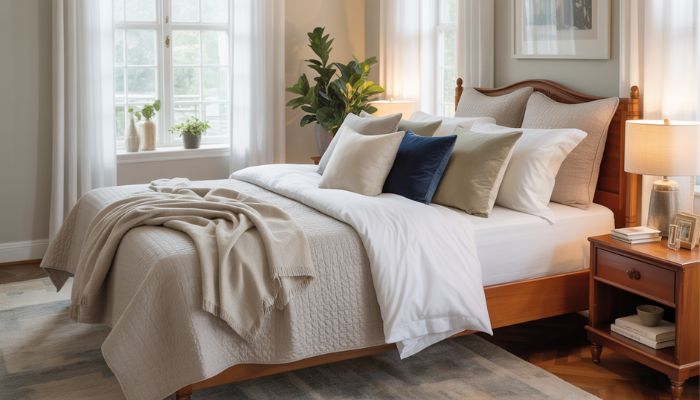
Understanding the Importance of Quality Bedding
When I first started paying attention to bedding, I underestimated how much it could affect my sleep. Cheap sheets might feel soft at first touch, but within weeks, they lose shape, comfort, and charm. High-quality bedding isn’t just about luxury—it’s about creating a space that supports rest and rejuvenation. Think of your bed as a sanctuary; every thread contributes to a feeling of calm and security. Investing in quality sheets, duvets, and pillows means fewer restless nights, better posture, and even improved mood. I noticed a huge difference once I switched to breathable cotton sheets. The nights became cooler, the mornings brighter, and my overall sleep satisfaction soared. Bedding quality directly impacts how deeply and peacefully you sleep, making it one of the most underrated aspects of wellness.
Exploring Different Bedding Materials
Cotton: The Everyday Favorite
Cotton has been my go-to for years because of its soft touch and breathability. Long-staple varieties like Egyptian or Pima cotton feel luxurious while maintaining durability. Cotton adapts to temperature changes effortlessly—it keeps you cool in summer and cozy in winter. The softness improves over time, which is a rare blessing because no one likes sheets that start rough after a few washes.
Linen: Natural and Breathable
I have to admit, linen felt intimidating at first—rough, heavy, and wrinkly. But after trying a linen set, I was hooked. Its texture has this rustic, tactile appeal that just feels grounding. Linen wicks moisture beautifully and regulates temperature, making it ideal for humid climates or hot sleepers. The best part? It softens with each wash, creating a lived-in comfort that feels uniquely yours.
Silk and Bamboo
Silk is indulgent and silky-smooth—perfect for a luxurious, spa-like experience. I treat silk bedding as a splurge for weekends or special occasions because it requires more care. Bamboo, on the other hand, is a sustainable option I keep on rotation. It’s naturally hypoallergenic, odor-resistant, and soft, which is perfect for allergy-prone friends or anyone who loves eco-friendly choices.
Table 1: Comparison of Common Bedding Materials
| Material | Softness | Breathability | Durability | Care Ease | Best For |
| Cotton | High | Excellent | High | Easy | All seasons, everyday use |
| Linen | Medium | Excellent | Very High | Medium | Hot climates, natural look |
| Silk | Very High | Good | Medium | Delicate | Luxury feel, spa-like |
| Bamboo | High | Excellent | High | Medium | Allergy-friendly, eco-conscious |
Thread Count and Weave Explained
Thread count has been a tricky concept for me. I once thought higher always meant better, but that’s not the full story. A very high thread count can lead to a dense weave that restricts airflow. My personal sweet spot is between 200 and 400, where sheets feel soft yet breathable.
Weave also changes the feel dramatically. Percale has a crisp, matte finish that’s perfect for hot nights or those who love a cooling feel. Sateen, by contrast, is smooth and silky, giving a warmer, luxurious touch. Linen, with its looser weave, offers a textured, airy experience that makes mornings feel fresh. Understanding weave helps in matching the bedding to your sleep patterns and climate.
Sheets: Selecting the Perfect Fit and Feel
I learned the hard way that the wrong sheet size can ruin a good night’s sleep. Fitted sheets must match mattress depth; otherwise, they slip and bunch, leaving you frustrated at 3 a.m. Pillows also need correctly sized cases to prevent them from sagging or sticking out awkwardly. I always keep at least two sets of sheets per bed—one for use, one ready in the laundry. This small tip has been a game-changer in maintaining a tidy and cozy bed.
Choosing the Right Pillows and Pillowcases
Pillows are deceptively important. I went through years of trial-and-error with firmness and loft before finding the perfect combo. Down provides a moldable softness, while memory foam offers firm, contouring support. For sensitive sleepers, hypoallergenic microfiber fills are lifesavers. Pillowcases should match your sheets in feel and material for a seamless sleeping experience. Switching to breathable, soft pillowcases dramatically reduced neck stiffness for me, proving their underrated value.
Duvets, Comforters, and Quilts
I like my bed to feel like a warm hug, and duvets are the heroes here. European-style duvets offer a fluffy, luxurious touch, while coverlets provide lighter warmth for summer nights. Quilts, with their stitched designs, add artistic flair and functional warmth. When layering, I always consider fill weight and hypoallergenic options—this ensures comfort without causing night sweats or allergies.
Table 2: Bedding Warmth Guide
| Bedding Type | Warmth Level | Seasonal Use | Care |
| Lightweight Blanket | Low | Summer, mild nights | Easy |
| Quilt | Medium | Spring/Fall | Medium |
| Duvet/Comforter | High | Winter | Medium/High |
| Coverlet | Low-Medium | Summer/Layering | Easy |
Blankets and Throws for Comfort and Style
I often use throws to add personality to the bed. A textured throw at the foot gives visual interest and extra warmth. Lightweight blankets are surprisingly versatile; I keep a few folded on the sofa or guest beds. Blankets aren’t just functional—they become part of the room’s style story. Choosing color and texture wisely lets you refresh the look without replacing your core bedding.
Mattress Selection and Foundation Considerations
A great mattress is the foundation of perfect sleep. I’ve learned that coil systems reduce motion transfer, which is a lifesaver if you share a bed. Mesh borders enhance airflow, and a proper mattress pad protects against allergens and moisture. Bed skirts aren’t just decorative—they cleverly hide under-bed storage, keeping the bedroom visually clean and organized.
Seasonal Bedding Tips
Adapting bedding for summer and winter has transformed my sleep. Light cotton or linen sheets in hot months, and layered quilts and duvets in winter, make a world of difference. I rotate duvet covers and blankets seasonally—it’s a small ritual that makes sleep feel curated and intentional. Breathable fabrics and adaptable layers are my secret to year-round comfort.
Best Duvet Cover: Transform Your Bedroom with Comfort and Style
Maintaining and Caring for Your Bedding
Proper maintenance prolongs the life of bedding and keeps it fresh. I wash sheets regularly, follow care labels, and use mattress protectors. Pillows benefit from covers that block allergens. Regular care prevents a buildup of dust mites, allergens, and odors, making each night feel like slipping into a freshly prepared bed.
5 Best Waterproof Mattress Protectors: Ultimate Comfort and Protection Guide
Choosing Colors, Patterns, and Styles
Bedding isn’t just functional—it’s expressive. I gravitate toward soft blues and neutrals for calm mornings, but occasionally add a bold quilt or patterned throw to brighten the space. Coordinating shams, pillowcases, and accessories elevates the bed’s visual appeal. Layering textures like cotton, linen, and knits creates a tactile richness that feels inviting the moment you step into the room.
Creating a Personalized Sleep Sanctuary
For me, every bedding choice tells a story. Combining sheets, duvets, pillows, and decor thoughtfully turns a bedroom into a retreat. I like stacking pillows of varying heights, folding a throw at the edge, and letting color contrasts pop subtly. These touches transform the bed from a mere piece of furniture into a personal sanctuary that welcomes rest, reflection, and relaxation.
Shopping Tips and Brand Considerations
I’ve found that choosing the right brand matters almost as much as the material. Look for quality certifications, authentic customer reviews, and easy return policies. Investing in trusted brands reduces the risk of disappointment. When I bought bedding with clear care instructions and proven durability, I felt more confident and content with my choice, which ultimately improved my sleep experience.
Common Mistakes to Avoid When Choosing Bedding
Don’t fall for thread count alone—it’s not the sole indicator of quality. Misjudging fit or ignoring seasonal needs can lead to discomfort. I once bought a “high-thread-count” sheet that was suffocating in summer, teaching me that understanding material, weave, and context is crucial. Small errors in selection can overshadow even the most luxurious fabrics.
FAQ
What is the best material for bedding?
Cotton and linen are excellent for everyday comfort; silk and bamboo are great for luxury or allergy-friendly options.
How important is thread count?
Thread count matters but isn’t everything. 200–400 is often the best balance of softness and durability.
Should I match sheets and pillowcases?
Yes, matching materials improves comfort, while coordinating colors enhances bedroom style.
How often should I wash my bedding?
Sheets and pillowcases should be washed weekly; duvets and blankets can be cleaned monthly or seasonally.
What pillow type is best for side sleepers?
Medium-firm pillows, memory foam, or down blends provide the right support and alignment.
Are hypoallergenic options worth it?
Absolutely, especially if you suffer from allergies or dust sensitivity.
How do I choose bedding for all seasons?
Layer lightweight sheets and throws in summer; add quilts and duvets in winter for warmth and versatility.