

Improving the air in my bedroom was something I never really thought about until I started waking up with headaches and feeling groggy, even after a full night’s sleep. I always assumed my bedroom was just fine because it looked clean. But over time, I realized that what we can’t see—the invisible dust, allergens, and stale air—matters just as much as what we can. Once I started paying attention to how to improve bedroom air quality, I noticed a dramatic difference in my energy, mood, and even productivity during the day. It’s fascinating how small changes like proper ventilation or an air purifier can transform a space into a truly healthy sanctuary. This article will walk you through practical tips, insights, and a few personal tricks that worked wonders for me.
Key Points:
- Small changes in cleaning and ventilation can dramatically improve air quality.
- Air filtration and smart furniture choices reduce allergens and pollutants.
- Indoor plants and humidity management enhance breathing comfort.
Understanding Bedroom Air Quality
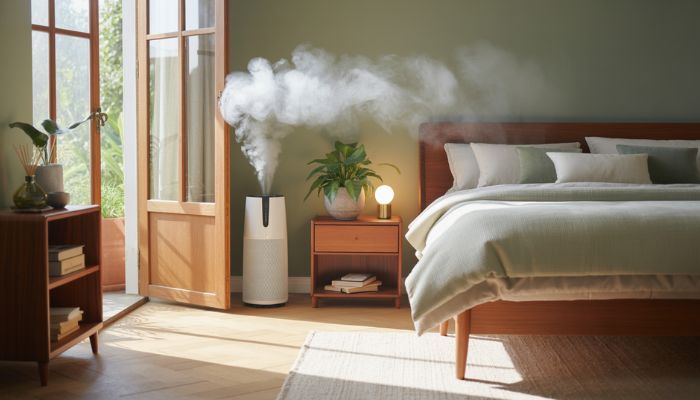
When I first researched bedroom air quality, I realized it’s not just about dust. It’s a combination of allergens, chemicals, humidity, and airflow. I found out that most bedrooms are hotspots for invisible pollutants, even if they look spotless. Things like dust mites in bedding, VOCs from furniture or paints, and even cooking fumes that linger in the house can make your room unhealthy. Honestly, knowing this felt a bit scary at first. But then I thought, if I can identify these hidden culprits, I can tackle them methodically. That’s how I started experimenting with air purifiers, proper ventilation, and regular cleaning routines, and the results were astounding.
Best Diffusers for Bedroom: Enhance Sleep and Air Quality Today
1. Regular Cleaning: The Unsung Hero
I used to think vacuuming once a week was enough. Boy, was I wrong. Dust, pet dander, and even tiny fabric fibers accumulate far quicker than we imagine. I now vacuum carpets twice a week and mop the floors regularly. Washing bedding in hot water every week became a non-negotiable ritual. I also started wiping down surfaces with a damp cloth instead of dry dusting. The difference? My sneezing fits reduced drastically, and the air smelled fresher. It’s amazing how something as simple as a cleaning habit can revolutionize the space you spend nearly a third of your life in.
2. Air Filtration: My Game Changer
I bought a HEPA air purifier after reading how effective it is in removing tiny airborne particles. At first, I thought it was overkill, but within days, I noticed fewer dust particles on surfaces and less congestion at night. I paired this with HVAC filters in my house, which I replaced every three months without fail. Table 1 below shows a comparison of different air purifier types I considered:
| Type of Air Purifier | Efficiency | Noise Level | Price Range |
| HEPA Filter | High | Low | $$ |
| Activated Carbon | Medium | Low | $ |
| Ionic Purifier | Low | Medium | $ |
Using a purifier near my bed at night made the most noticeable difference. The air felt lighter, and I actually looked forward to sleeping rather than dreading congestion or dry throat.
3. Ventilation: Letting Fresh Air Work Its Magic
One thing I never paid attention to was opening windows and using exhaust fans effectively. I live in a city, so initially, I hesitated to open windows due to pollution. But I started opening them early in the morning when air quality is better. I also installed a small fan near the window to push stale air outside. The improvement was almost immediate; my room no longer felt stuffy, and the fresh breeze actually helped me feel more awake in the morning.
Best Indoor Plants for Bedroom Air Quality: Top Picks for Cleaner Air
4. Managing Humidity: The Silent Factor
High humidity can quietly create a nightmare in your bedroom. I noticed mold developing behind my wardrobe and a musty smell in the air. Using a dehumidifier and monitoring humidity levels (keeping it below 50%) made a huge difference. Not only did the air feel fresher, but my sinus issues also reduced significantly. Table 2 below summarizes my humidity management strategy:
| Method | Frequency | Impact |
| Dehumidifier | Daily during humid months | Removes excess moisture |
| Exhaust Fans | While cooking or showering | Reduces indoor humidity |
| Moisture Absorbers | Weekly | Prevents mold growth |
It’s crazy how such a subtle environmental factor can affect sleep and health.
5. Indoor Plants: Beauty Meets Function
I was skeptical at first about adding plants, thinking they’d just be decor. But certain plants like peace lilies and spider plants help filter toxins naturally. I now have a small indoor garden, and I noticed the air feels calmer and the room more vibrant. Of course, if you have allergies, choose plants carefully. Plants are like little roommates who quietly help your air quality without complaining.
6. Furniture and Material Choices
I swapped out old carpets and heavy drapes for hardwood floors and light, washable curtains. Soft furnishings trap dust and allergens, which I learned the hard way. Choosing low-VOC furniture and paints further reduced chemical exposure in my room. These small adjustments made the air feel cleaner and my room visually lighter.
7. Daily Habits That Make a Difference
Some habits are so simple but effective. I avoid smoking indoors, minimize clutter, and ensure pets stay out of my bedroom if I’m sensitive to dander. Even keeping the bedroom door open during the day improves airflow. Over time, these habits compounded, and I noticed fewer allergy symptoms and better sleep quality.
FAQ
How can I improve bedroom air quality quickly?
Start with regular cleaning, opening windows, and using a HEPA air purifier near your bed.
Do indoor plants really help air quality?
Yes, plants like peace lilies and spider plants can filter some toxins, but choose carefully if you have allergies.
How often should I wash bedding for best air quality?
Weekly washing in hot water removes dust mites and allergens effectively.
Can ventilation reduce respiratory issues?
Absolutely. Fresh air circulation and exhaust fans help reduce pollutants that trigger congestion and asthma.
Are HEPA filters worth it?
Yes, HEPA filters remove tiny particles, allergens, and pollutants efficiently, improving sleep and comfort.
How does humidity affect air quality?
High humidity fosters mold and dust mites; keeping it below 50% improves air quality and health.
Is carpet bad for bedroom air quality?
Carpets trap dust and allergens; hardwood or washable rugs are healthier alternatives.