

Setting up a small office can feel like solving a puzzle with too many pieces. I remember when I first tried to carve out a workspace in my tiny apartment—it felt impossible. Every corner seemed taken, every wall crowded, and yet, I knew I needed a spot that would make me productive without driving me crazy. Over time, I discovered a mix of creative tricks, practical furniture choices, and personal touches that transformed that cramped space into a functional and inspiring office. Today, I want to share these small office ideas with you, blending style, efficiency, and comfort, so you can make your workspace work for you, not against you.
Key Points:
- Maximize vertical and hidden spaces
- Blend style with functionality
- Use multipurpose furniture smartly

Optimize Your Space with Vertical Storage
When space is tight, thinking upward is a lifesaver. Tall shelves, floating cabinets, and wall-mounted organizers can store everything from books to office supplies without cluttering the floor. I used to stack boxes and piles of files on the floor, which made the room feel chaotic. Installing a tall bookcase changed everything—it not only organized my things but visually lifted the room.

Adding a few decorative baskets on the top shelves added charm while keeping small items tucked away. Vertical storage is like giving your office a second dimension; suddenly, there’s room to breathe, even in a tiny footprint.

Table 1: Vertical Storage Options for Small Offices
| Storage Type | Best For | Pros | Cons |
| Floating Shelves | Books, decor, small supplies | Saves floor space, stylish | Limited weight capacity |
| Tall Bookcases | Files, books, larger items | Maximizes wall height, organized | Can feel heavy if overfilled |
| Wall-mounted Cabinets | Office equipment | Hidden storage, clutter-free | Installation required |
Multi-Functional Furniture Is Your Best Friend

I can’t stress enough how much multi-functional furniture saved my sanity. My desk doubles as storage, my chair has built-in pockets for notebooks, and a small rolling cart acts as a filing system and side table. When you live in a small space, every piece of furniture needs to earn its keep. For example, a wall-mounted drop-down desk gave me a place to work without permanently occupying floor space. Investing in pieces that pull double duty not only saves room but also keeps your workflow seamless. I felt like I’d unlocked a secret level of home office magic once I embraced this approach.
Create Zones for Focus and Relaxation

Even in a tiny office, zoning your space can make a huge difference. I used a small corner rug to define my desk area and a cozy lamp to create a warm ambiance. It may seem minor, but these cues help your brain shift into work mode. On the other side of the room, I kept a small reading nook with a plant and a soft chair. This separation, though subtle, gives you mental clarity and prevents burnout. Even if your office is the size of a shoebox, visual boundaries can make it feel like a fully functional workspace.

Clever Lighting for Small Office Ideas
Lighting can make or break a small office. I used to think a single overhead light was enough, but I quickly realized it left harsh shadows and drained my energy. Layering light—combining task lamps, pendant lights, and natural sunlight—made my workspace not only brighter but more inviting.

One trick I love is placing mirrors opposite a window to reflect natural light. Suddenly, a tiny room felt spacious, almost airy. Lighting is more than functionality; it’s emotional. A well-lit office keeps your mood elevated, creativity flowing, and eyes strain-free.
Utilize Mirrors to Open Up the Space
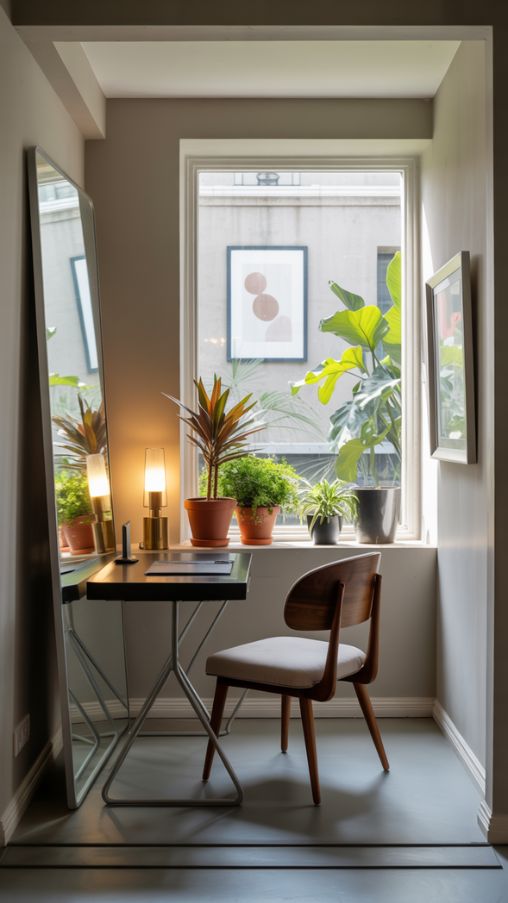
Mirrors aren’t just for checking your reflection. I leaned a tall mirror against the back wall of my office, and it made the room feel twice as big. Position it to bounce light and reflect greenery or art, and you get both visual expansion and aesthetic charm. Mirrors are a secret weapon in small office ideas. They play tricks on the eyes, making the room seem deeper and more open. Combine mirrors with light-colored walls, and even the tiniest office can feel like a luxurious, expansive haven.
Table 2: Mirror Placement Tips
| Mirror Type | Placement | Effect | Tips |
| Full-length | Opposite windows | Expands room visually | Avoid reflecting clutter |
| Wall-mounted | Beside desk | Adds light | Angle to reflect outdoor view |
| Decorative | Behind chair | Focal point | Use with colorful frame |
Add a Personal Touch
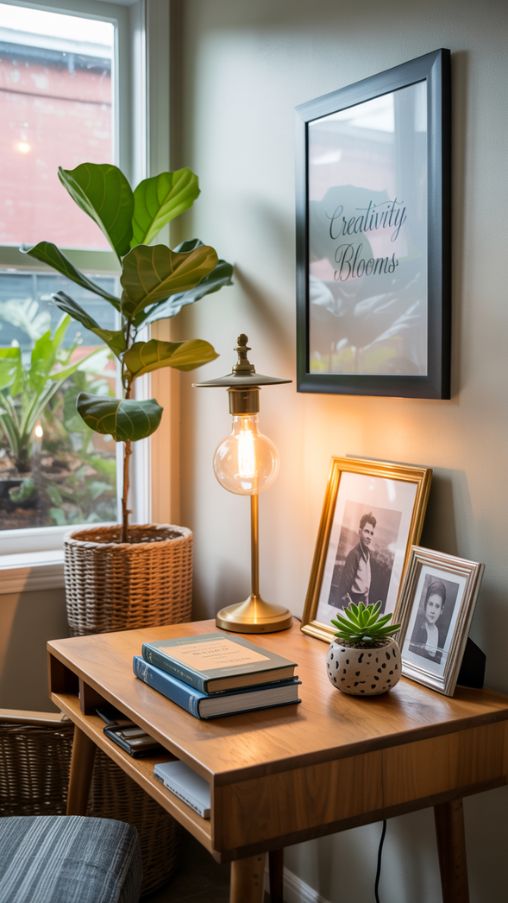
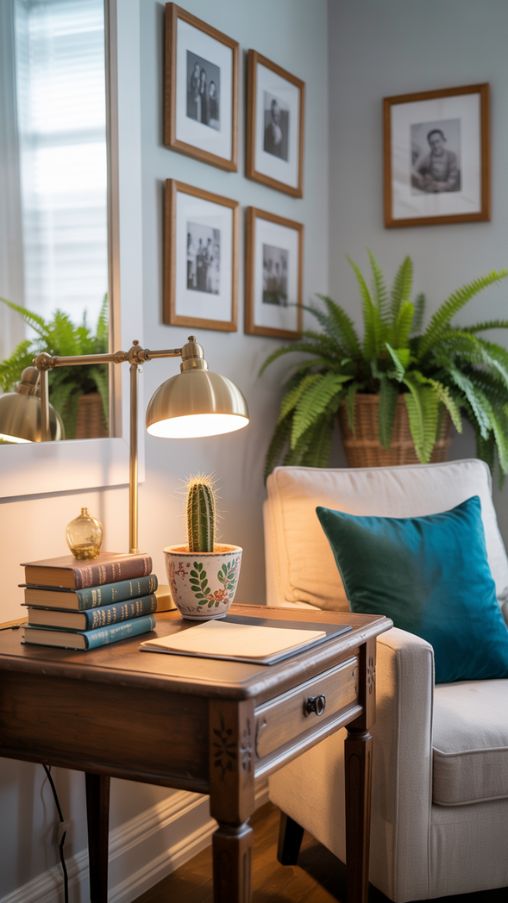
A small office can easily feel sterile if it lacks personality. I added framed photos, a tiny cactus, and a few favorite books. These small touches made the space feel like mine, a place where I wanted to spend hours working. Plants are especially magical—they introduce life, fresh air, and subtle color without taking up much room. I always say, your office should inspire, not just exist. Even in 100 square feet, you can create a vibrant, motivating atmosphere with thoughtful decorations.
Smart Cable Management
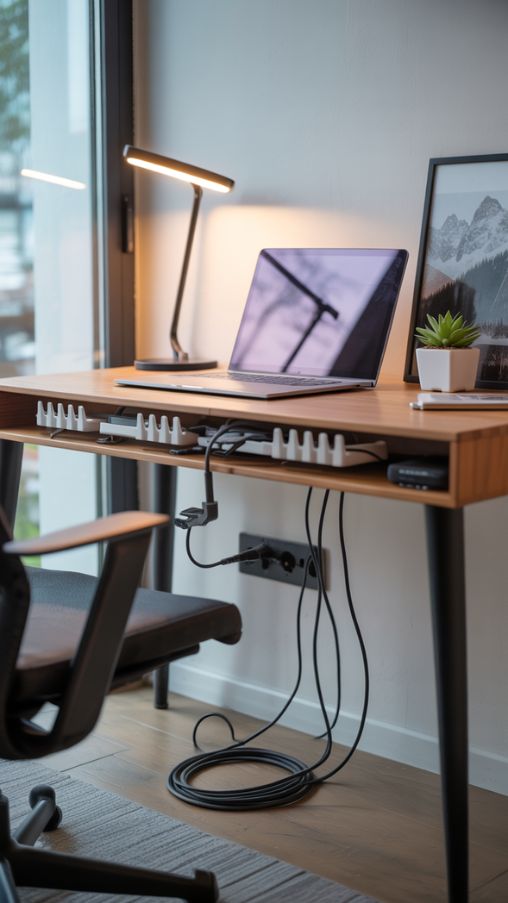
Let’s be honest—cables are a nightmare in any office, but especially in small spaces. I used cable organizers, tubing, and discreet clips behind my desk. This simple step transformed the office from messy to sleek and professional. Clear floors make the room look larger, and tidy cables prevent frustration. It’s a small change that pays huge dividends, both aesthetically and mentally.
Convert Closets or Alcoves

One of my favorite small office ideas is creating a “cloffice.” Converting an unused closet into a workspace was a game-changer. A fold-down desk, built-in shelves, and a comfy chair made it functional and cozy. When not in use, I can close the doors, instantly hiding the workspace. This approach maximizes unused spaces and keeps your office tidy. Alcoves work similarly, especially if you measure the space carefully and select compact furniture.
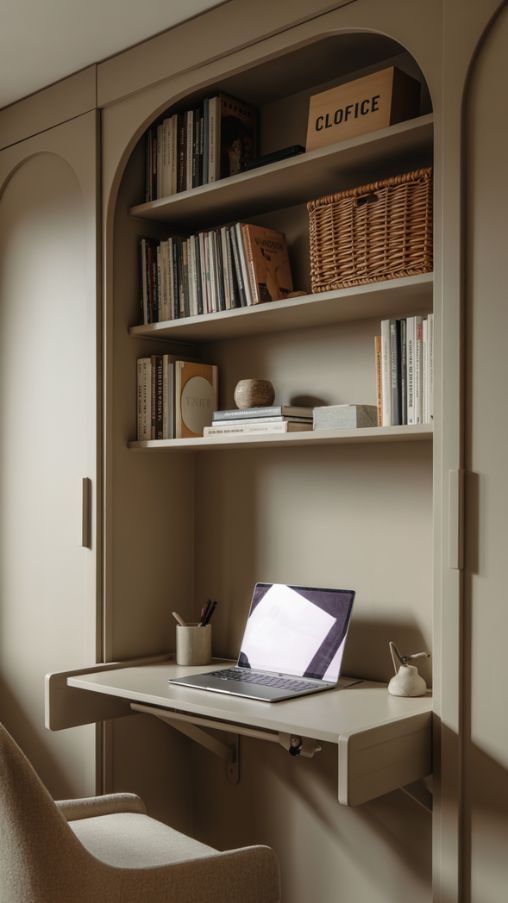
Color Choices That Boost Productivity

Color affects mood and focus. I personally went for soft greens and pale blues to create a calming vibe. Bright white can make a small space feel clean and open, while a dark accent wall adds depth. Plants and nature-inspired prints complement these colors beautifully. Choosing the right palette can subtly improve your productivity, creativity, and overall satisfaction with your office.
Maximize Small Windows and Natural Light

I learned quickly that even a small window is a treasure. Positioning my desk near natural light gave me energy boosts throughout the day. Add sheer curtains to diffuse harsh sunlight without blocking it. Combining mirrors, light walls, and natural sunlight makes any small office feel bigger, more inviting, and productive.

Floating Desks and Wall-Mounted Solutions
I invested in a floating desk that gave me floor space underneath. Wall-mounted shelves above it created vertical storage, and the minimalist aesthetic made the room feel airy. Wall-mounted solutions are perfect for modern small office ideas—they combine style and function while maintaining openness.
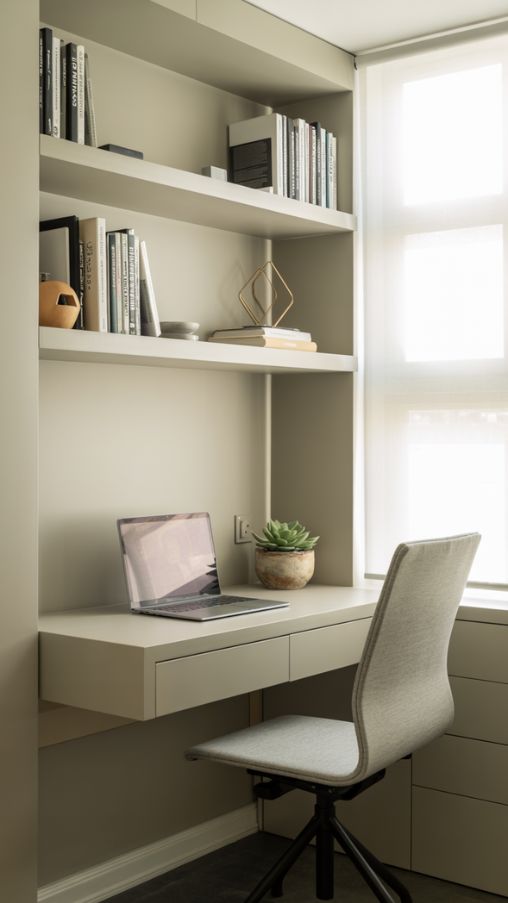
Light Colors and Minimalist Decor
A minimalist office with light colors always feels more spacious. I used white walls, soft neutral accents, and avoided unnecessary furniture. The result? A serene, organized, and visually open environment. Combine this with functional decor and your office can feel both luxurious and practical, no matter the square footage.
FAQ
What are the best small office ideas for maximizing space?
Using vertical storage, wall-mounted desks, and multi-functional furniture are the top ways to make the most of small office spaces.
How can I make a small office look bigger?
Light colors, mirrors, and ample natural lighting create the illusion of space and make a small office feel airy.
What furniture works best in a small office?
Compact desks, drop-down desks, floating shelves, and multi-purpose furniture like storage chairs work best in limited spaces.
Can I use a closet as an office?
Yes! A “cloffice” is an excellent small office idea, turning unused closets into functional, cozy workspaces.
How should I manage cables in a small office?
Use cable organizers, tubing, and discreet clips behind furniture to keep the workspace neat and visually appealing.
What colors are ideal for a small office?
Soft greens, pale blues, whites, and neutral shades help maintain a calm, open, and productive environment.
How important is lighting in a small office?
Very important—layer natural light with task and ambient lighting to improve mood, productivity, and comfort.
Are plants useful in a small office?
Absolutely! Plants boost mood, improve air quality, and add visual interest without consuming much space.