

Storing your car and furniture can feel like juggling two very different worlds at once. I remember when I first faced the challenge of moving into a smaller apartment while keeping my beloved vintage car and my grandmother’s antique furniture safe. It was overwhelming. How do you find a storage solution that protects both delicate upholstery and your car’s paint job? That’s when I realized the magic of storage units for cars and furniture—the perfect mix of security, space, and convenience. Choosing the right unit isn’t just about square footage; it’s about peace of mind. I’ve spent hours researching, visiting facilities, and talking to storage experts, and I’m here to break it all down for you, like I would explain to a close friend. By the end of this guide, you’ll know exactly how to select a storage unit that keeps both your car and your furniture in top condition, without stressing over hidden fees or cramped spaces.
Key Takeaways:
- Indoor units protect against weather and theft
- Size and layout matter for both cars and furniture
- Climate control preserves delicate materials

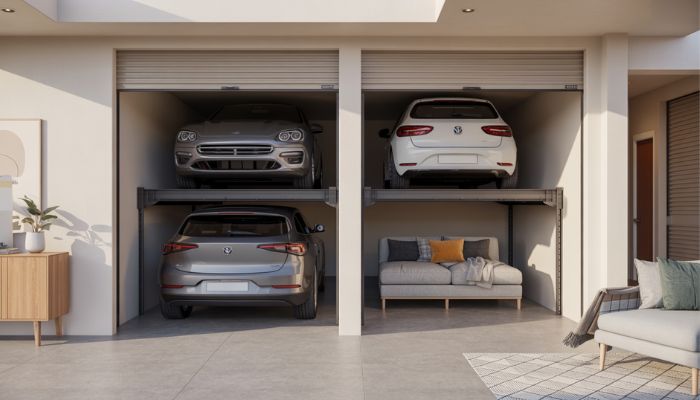
Why You Should Consider Storage Units for Cars and Furniture
Let’s be honest—life happens. Sometimes we downsize, travel for extended periods, or simply need extra room. I’ve been there when I moved to a city apartment with no garage. My car was perfectly fine in the driveway, but rain, sun, and the occasional errant shopping cart made me nervous. That’s why storage units are lifesavers. They give your possessions a safe home away from home. Furniture, especially wooden or antique pieces, can warp or get moldy in humid climates. Cars, too, suffer from rust, sun damage, or flat tires if left outdoors. A good storage unit solves both problems. Personally, I always look for units with strong security features, climate control, and easy access—trust me, it’s worth the few extra dollars.
Types of Storage Units
Indoor Storage Units
Indoor units are my top pick. They feel like giving your belongings a cozy room of their own. My car, covered with a soft cloth, feels as if it’s in a mini garage. Furniture is safe from moisture and sunlight, preventing fading and cracks. These units usually come with climate control, which is a must if you have delicate upholstery or wooden pieces. The added security and controlled environment make indoor units slightly pricier, but if your items are valuable or sentimental, it’s well worth the investment.
Outdoor Covered Storage Units
Outdoor covered units are a nice middle ground. Think of them as a carport plus storage combo. Your car and furniture get some shelter, but they aren’t fully enclosed. For short-term storage or moderately valuable items, this option works beautifully. I once stored my beach cruiser bike and a couple of chairs here during a summer move, and they were safe from sun and rain. Just remember to invest in a durable cover to protect against dust, debris, and unexpected weather swings.
Outdoor Uncovered Storage Units
Outdoor uncovered units are like parking on the street, but safer. They’re the cheapest option but offer minimal protection. I’ve used this type for a camping van I wasn’t too worried about. These units work for durable items, cars you don’t mind getting a little dusty, or temporary storage. Pairing it with a good cover is essential.
How to Choose the Right Size
Picking the right size is like buying shoes—you want it snug but not tight. Here’s where measuring your items comes first.
| Unit Size | Best For | Approximate Space |
| 10’ x 15’ | Compact cars, small furniture | 150 sq. ft. |
| 10’ x 20’ | Sedans, SUVs, larger furniture | 200 sq. ft. |
| 10’ x 30’ | Large trucks, multiple furniture sets | 300 sq. ft. |
For my vintage car and my mid-century couch, the 10’ x 20’ unit hit the sweet spot. It gave me enough room to move around, store a few extra boxes, and never worry about scraping the walls. The takeaway? Always leave a little breathing room; cramming items in can cause accidental damage.
Security Features to Look For
Security is a huge concern. I’ve read stories about break-ins at storage facilities, and it’s scary. Here’s what I look for:
- 24/7 surveillance cameras
- Individual unit alarms
- Gated access with personalized codes
- Onsite staff and regular patrols
A high-security facility may cost a bit more, but for priceless furniture and cars, it’s peace of mind that’s priceless.
Climate-Controlled Storage for Sensitive Items
Not all furniture is created equal. Leather couches, antique desks, and pianos need protection from humidity and temperature swings. Similarly, cars with leather interiors or classic finishes benefit from stable climates. I personally chose a climate-controlled unit when storing a leather armchair and my classic 1975 Mustang. Both came out in impeccable condition months later. Investing in climate control is like giving your belongings a spa treatment—they come out looking and feeling fantastic.
Accessibility and Convenience
A storage unit isn’t helpful if you can’t access your items easily. Consider these points:
- Drive-up access for cars
- Wide aisles for furniture
- Flexible hours for retrieval
I once had a weekend project where I needed my sofa moved quickly. Thanks to a unit with 24-hour access, I got it done without hassle. Accessibility is key—think about how often you’ll need to get your items in and out.
Storing Cars: Preparations
Before I park my car in a unit, I follow a ritual. It’s like preparing a guest for a long stay:
- Wash and wax it thoroughly
- Fill the gas tank to prevent condensation
- Inflate tires properly
- Disconnect the battery if storing long-term
- Use a high-quality car cover
These steps keep the car in pristine condition and prevent issues that could cost a fortune to repair later.
Storing Furniture: Preparations
Furniture needs love, too. Wrap delicate pieces in blankets, disassemble large items, and use moisture absorbers. I once learned the hard way: leaving a wooden table uncovered led to warping. Lesson learned. Treat your furniture like family—it deserves care.
| Item Type | Storage Tip |
| Leather Sofa | Wrap in breathable cover, climate control recommended |
| Wooden Furniture | Disassemble if possible, use protective padding |
| Electronics | Keep in original boxes if available, avoid humidity |
Cost Considerations
Storage isn’t cheap, but it doesn’t have to break the bank. Indoor units are pricier but worth it for valuable items. Outdoor units save money but may require extra covers or insurance. Think of it as balancing a budget while buying peace of mind. I usually compare a few facilities online, read reviews, and weigh the costs against potential risks. It always pays off in the long run.
Insurance for Stored Items
Insurance is often overlooked. Your car insurance or home insurance may not cover storage. I got additional coverage for my car and furniture. The peace of mind knowing that, in the unlikely event of theft or damage, I’m protected, is priceless.
Tips for Long-Term Storage
- Rotate tires on stored vehicles occasionally
- Air out furniture to prevent odors
- Check units periodically for leaks or pests
- Keep a small toolkit and cleaning supplies handy
I follow these tips religiously. It’s a small effort for major returns in preservation and peace of mind.
Eco-Friendly Storage Options
Some facilities now offer solar-powered lighting, eco-friendly insulation, and recycling options. I chose one for my unit—it felt good knowing my storage choices were sustainable. It’s a win-win: protect your items and the planet.
When to Upgrade Your Storage Unit
As life changes, your storage needs may grow. Moving from a small sedan to an SUV or acquiring new furniture might require a bigger unit. Always reassess every year. I moved from a 10’ x 20’ to a 10’ x 30’ when my collection of vintage chairs grew. It made the unit feel spacious again and gave me room to breathe.
How to Choose the Best Facility
Look for:
- Customer reviews
- Security and climate features
- Location convenience
- Flexible rental terms
I always visit in person before committing. Pictures online are helpful, but nothing beats seeing the unit yourself.
Common Mistakes to Avoid
- Skipping measurements
- Ignoring climate control
- Overcrowding units
- Forgetting insurance
I made some of these mistakes early on, and trust me—they can be costly. Plan ahead, and you’ll thank yourself.
FAQs
What size storage unit do I need for a car and furniture?
It depends on the car’s size and the amount of furniture. Generally, 10’ x 20’ works for a sedan and moderate furniture, while 10’ x 30’ is better for multiple large items.
Can I store my car and furniture together?
Yes, but ensure there’s enough space to avoid scratches or damage. Climate control is recommended for sensitive items.
Is indoor storage necessary?
For long-term storage or valuable items, yes. Indoor units provide the best protection against weather and theft.
How do I prepare my car for storage?
Wash, wax, fill the tank, inflate tires, disconnect the battery if long-term, and use a quality cover.
Do I need insurance for stored items?
It’s highly recommended. Storage facilities may not cover damage, so supplemental insurance protects your valuables.
What furniture should be climate controlled?
Leather, wooden antiques, electronics, and delicate fabrics benefit the most from climate-controlled units.
Can I access my storage unit anytime?
It depends on the facility. Some offer 24-hour access, others have limited hours. Check before renting.
How can I save money on storage?
Compare units, choose outdoor options for short-term storage, and avoid paying for unnecessary space.