

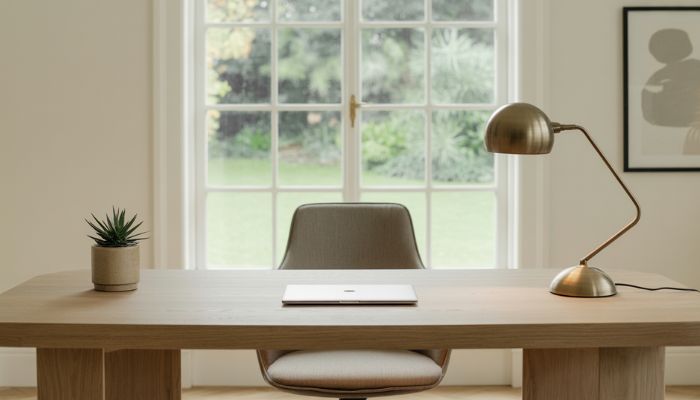
Office decor ideas have always fascinated me because I’ve spent countless hours trying to make my workspace feel like home without losing productivity. I remember my first cubicle: gray walls, flickering fluorescent lights, and a chair that felt like it had been designed to test my patience. Over time, I realized that transforming a workspace isn’t just about aesthetics; it’s about creating an environment that sparks creativity, reduces stress, and keeps you motivated even during the mid-afternoon slump. That’s why I’ve tried dozens of office decor ideas, mixing colors, lighting, and personal touches, until my office finally felt like a place I wanted to linger in rather than escape from.
It’s amazing how small tweaks—like adding a plant, rearranging furniture, or hanging a piece of art—can completely change the energy in a room. Whether you’re working from home, in a corporate office, or a cozy cubicle, the right decor can make all the difference. In this article, I’ll share practical, research-backed tips, personal stories, and creative ideas to transform your workspace with style and purpose. By the end, you’ll have actionable insights to revamp your office without feeling overwhelmed or overbudgeted.
Key Points:
- Small changes can have a huge impact on mood and productivity.
- Personalization is essential to making your workspace feel alive.
- Functional decor balances aesthetics with organization.
Why Office Decor Ideas Are Essential for Productivity
When I first moved into my tiny home office, I didn’t think much about decor. But after a few weeks of staring at dull walls and a cluttered desk, I noticed my productivity plummeting. That’s when I realized that the environment we work in shapes how we feel, think, and create. A well-decorated office is like a well-tuned instrument: everything needs to be in harmony. Colors, furniture placement, and even lighting affect focus and mood in subtle ways.
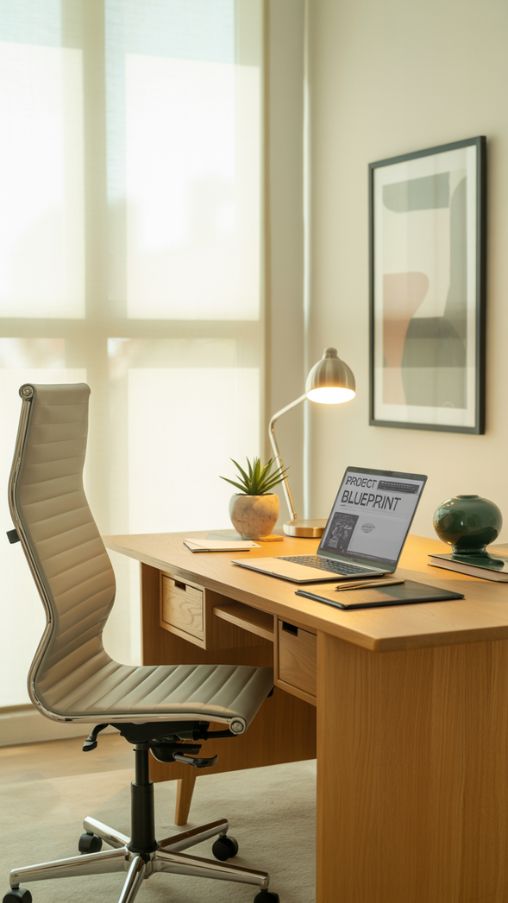
Research shows that aesthetically pleasing spaces can increase productivity by 20% because they reduce stress and mental fatigue. For instance, I added a few indoor plants to my desk and noticed an immediate improvement in my focus and creativity. Even something as simple as hanging an inspiring poster or using a calming color palette can make long hours at a desk feel less taxing. The key is blending practicality with personality. Your office shouldn’t just look good; it should function perfectly for your workflow.
Choosing the Right Office Design Theme
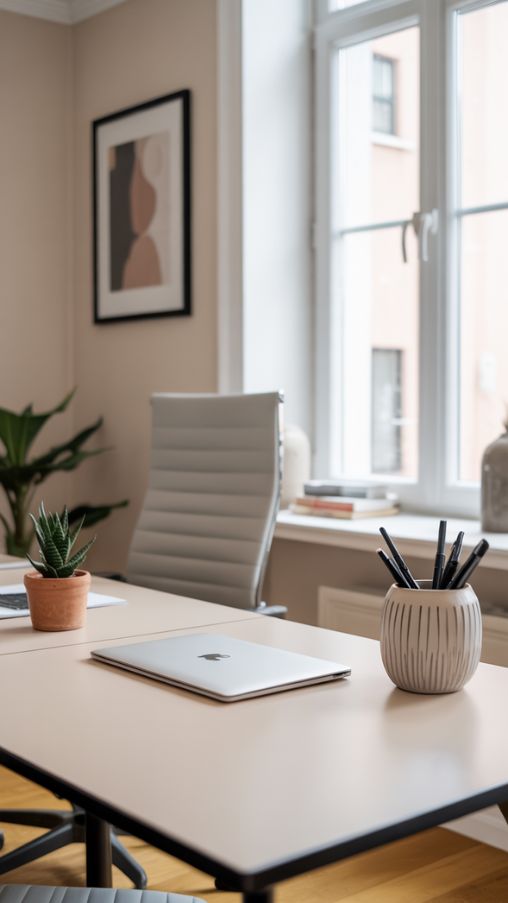
When I talk about themes, people often think it’s just about style—but it’s really about creating a consistent vibe that supports your work habits. For example, my first attempt at a modern theme with sleek white furniture and metallic accents made the room feel sterile. It wasn’t until I added warm wooden textures, cozy rugs, and pops of greenery that it felt inviting and inspiring.
Best Area Rugs for Family Room: Cozy, Stylish, and Durable Choices
Contemporary vs. Minimalist vs. Rustic
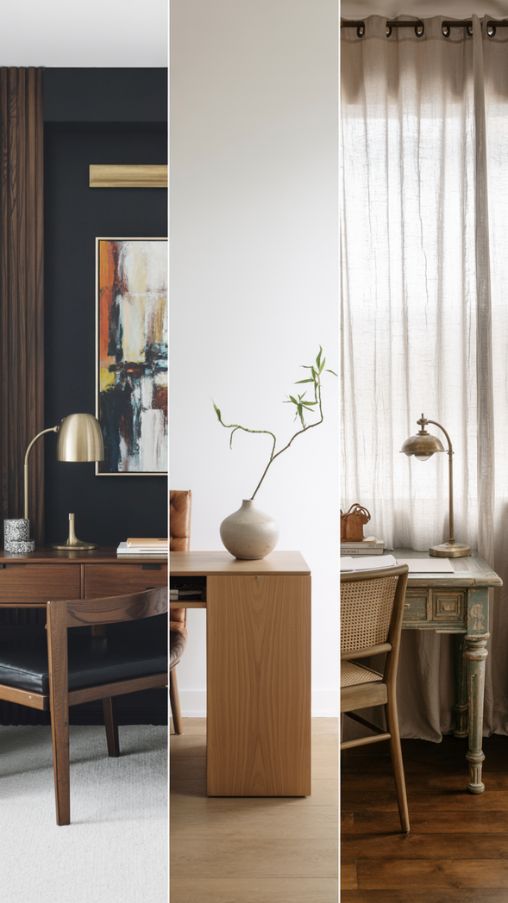
Contemporary spaces are all about clean lines, metallic finishes, and bold accents. Minimalist offices emphasize simplicity and clutter-free surfaces, which I love for my writing desk because it keeps distractions low. Rustic themes, on the other hand, use earthy tones and wooden textures to create a grounded, calm environment—perfect for a home office.
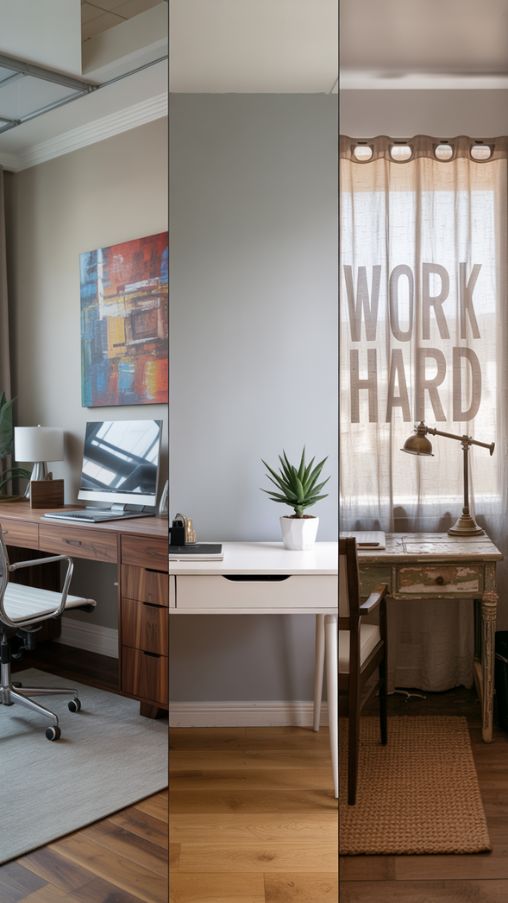
Aligning Your Theme With Your Work

If you’re in a creative role, a bold, colorful theme might spark ideas. For corporate settings, subtle, calming designs often work best. I personally combine minimalism with warm textures—a clutter-free desk paired with soft rugs and personal artwork—which makes long hours feel comfortably productive.
Effective Color Palettes for Your Office
Colors are more than decoration—they are mood regulators. Early in my office revamp journey, I experimented with bright reds and oranges, thinking they would energize me. Instead, they made me feel anxious after a few hours. I switched to soft blues, pastel greens, and neutral beige tones, and the difference was night and day. Calm colors help maintain focus, while accent colors can add personality without overstimulation.
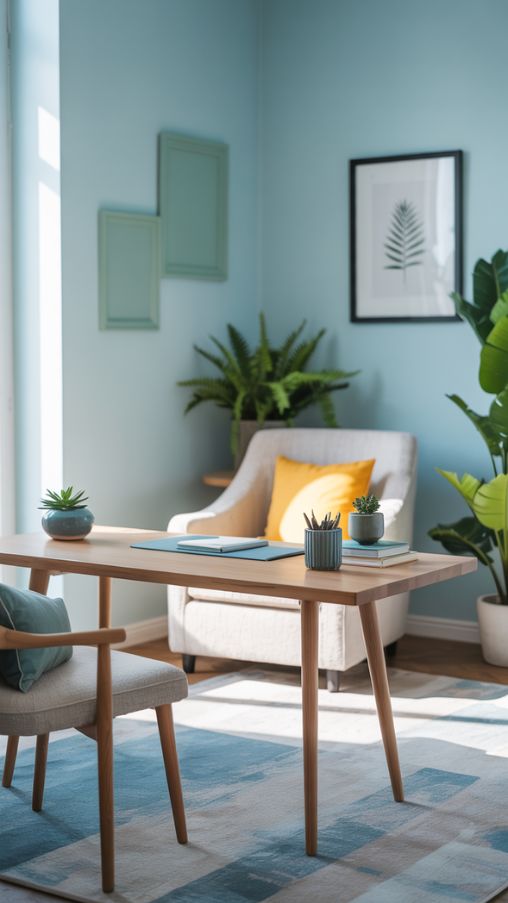
Here’s a quick reference table I made for my color experiments:
| Color | Effect on Mood | Best Use |
| Soft Blue | Calm, focused | Walls, desk accessories |
| Pastel Green | Refreshing, creativity boost | Plants, small decor items |
| Neutral Beige | Neutral, warm | Furniture, rugs, large walls |
| Bold Accents | Energy, inspiration | Chairs, art pieces, cushions |
For brand-aligned offices, incorporating company colors can boost morale and create a cohesive professional environment. I’ve found that even subtle accents—like a chair or pen holder in your brand’s color—make a big psychological difference.
Incorporating Plants and Biophilic Design
I can’t stress this enough: plants are life-changers for an office. I started with a small snake plant, and gradually added a mix of succulents and a tiny potted fern. The transformation wasn’t just visual—the air felt fresher, and I felt calmer during stressful workdays.
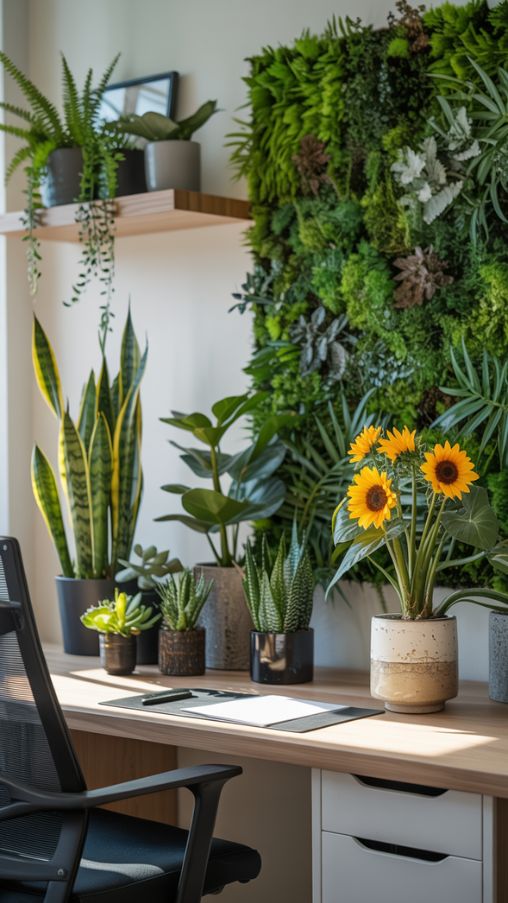
Low-Maintenance Desk Plants
If you’re like me and have a busy schedule, go for plants that survive neglect. Snake plants, pothos, and ZZ plants require minimal care but offer maximum aesthetic and psychological benefits.
Living Walls and Larger Plants
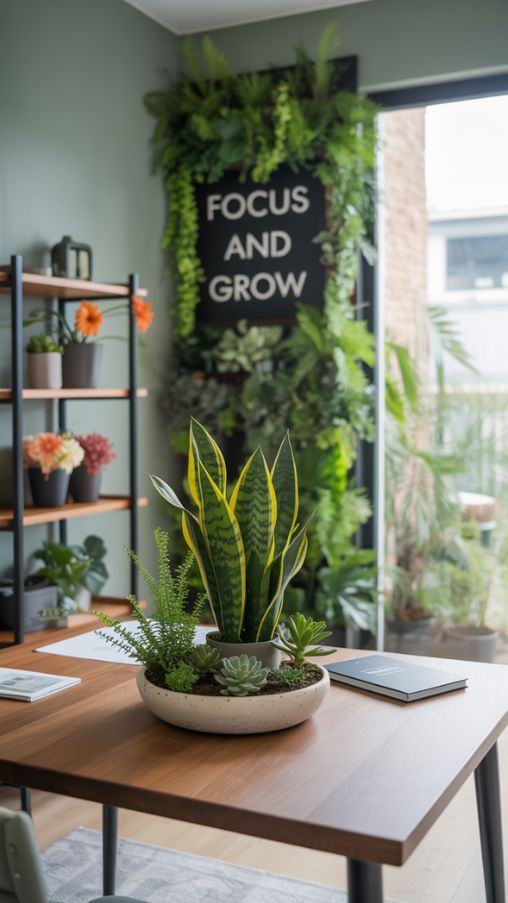
For bigger spaces, I installed a living wall panel. It’s amazing how vertical greenery can make a room feel alive and spacious. I also rotate seasonal flowers on my desk—it adds a fresh, vibrant vibe that keeps me inspired.
| Plant Type | Care Level | Benefit |
| Snake Plant | Low | Air purification, low light tolerant |
| Succulents | Very Low | Decorative, minimal watering |
| Ferns | Medium | Adds texture, improves humidity |
| Pothos | Low | Easy to propagate, trailing beauty |