

Creating a small home office can feel like trying to fit an elephant into a closet. I’ve been there—staring at a tiny corner of my apartment, trying to imagine how a desk, chair, lamp, and storage could all coexist without making the space feel like a chaotic mess. But over time, I learned that small spaces can be transformed into functional, stylish workstations with the right approach. It’s about more than just squeezing furniture in; it’s about thoughtful planning, clever storage, and personal touches that make you actually want to sit down and work. From under-stairs offices to corner nooks, there are endless ways to create a workspace that feels both cozy and inspiring. I’ll share everything I’ve learned and experimented with over the years so you can design your ideal compact home office.
Quick Takeaways:
- Maximize vertical space with shelves and wall-mounted storage.
- Choose multifunctional furniture to save floor space.
- Personalize with colors, plants, and decor to make it inviting.
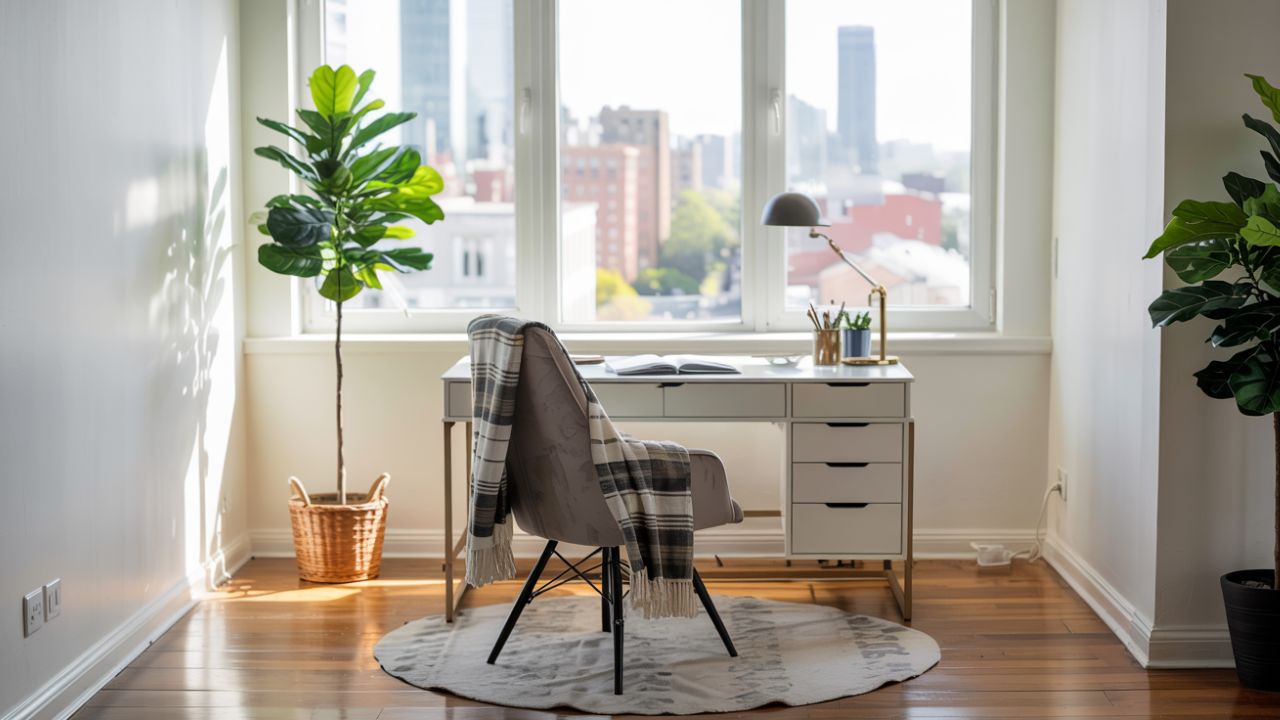
Why Small Spaces Require Smart Home Office Design
When I first started working from home, I underestimated the challenge of a small space. My desk was too big, my chair felt cramped, and the lighting was dreadful. What I realized is that small home offices demand a strategic approach. It’s not just about having a desk—it’s about creating zones for productivity, comfort, and mental clarity. You want your space to feel open, even if it’s physically limited.

That’s where creative layouts and multifunctional furniture come in. Think about how you move through the room, where natural light falls, and what items you truly need at arm’s reach. For me, adding vertical storage and a fold-down desk completely changed how functional my office felt.
Clever Use of Vertical Space
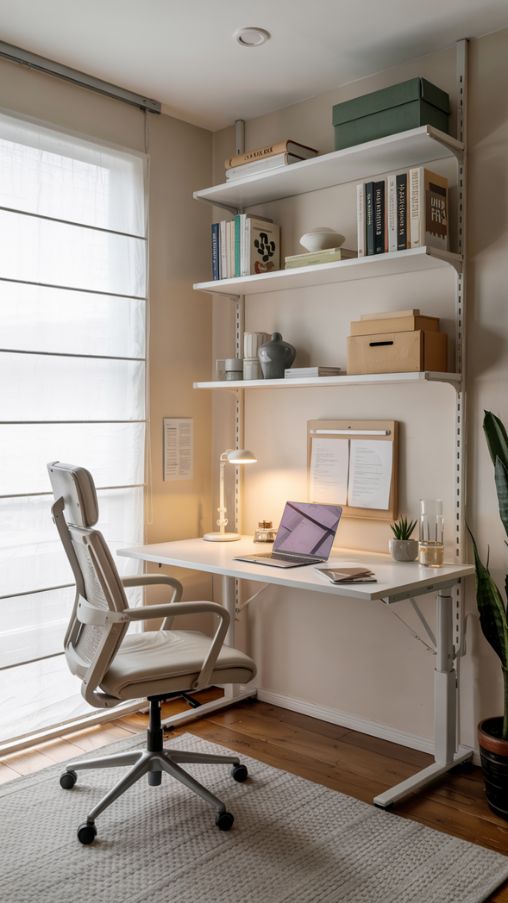
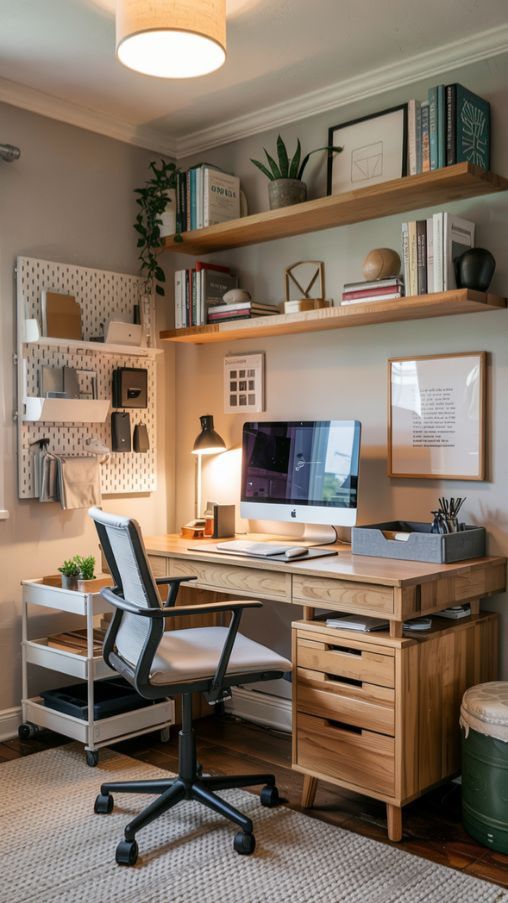
Vertical space is your secret weapon in a compact home office. I used to cram everything on my desk, creating a cluttered nightmare. Then I installed floating shelves above my workstation, which instantly freed up valuable surface area.
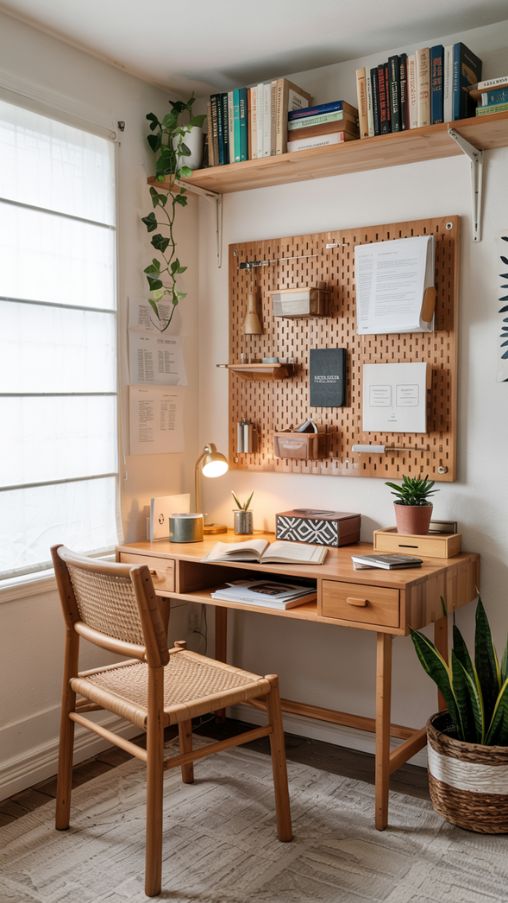
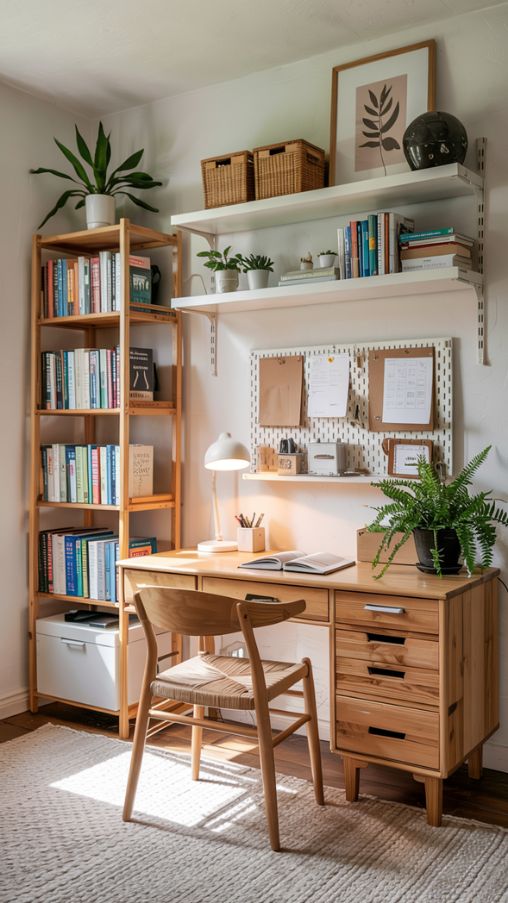
Modular shelving units can be rearranged as your storage needs evolve, which is perfect for small apartments or studios. Pegboards are another lifesaver—they keep office supplies visible but organized. When I added a tall bookshelf beside my desk, I realized I could store books, decorative items, and storage boxes without crowding the floor. Suddenly, my office didn’t feel claustrophobic anymore; it felt airy and organized, with every item having its place.
Multi-Functional Furniture for Small Spaces
I can’t stress this enough: investing in multi-functional furniture changes the game. My fold-down desk doubled as a dining table when friends came over, and a lift-top coffee table became a casual workspace when I needed a change of scenery.

L-shaped desks work wonderfully in corners, turning underutilized space into a productive zone. It’s like giving your small office two lives in one—you can work efficiently during the day and reclaim the area for other uses after hours. Choosing furniture that adapts to your needs allows your office to feel spacious rather than cramped, and it makes working from home a more enjoyable experience.
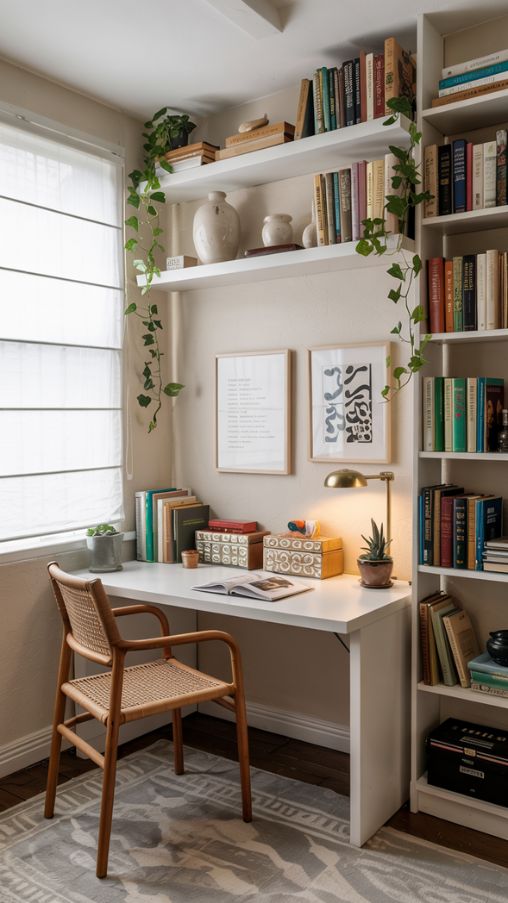
Transforming Unused Areas into Workspaces
I had a closet that was basically a storage graveyard, until I decided to turn it into a cloffice. Removing the doors and installing a small desk, floating shelves, and adequate lighting transformed it into a cozy, functional nook.

Similarly, under-stairs spaces can be hidden gems for compact offices. Hallways or stair landings, which often go unused, can host a small desk or a rolling cart workstation. These unconventional setups make a small apartment feel larger because you’re not fighting for square footage—you’re reclaiming it creatively. It’s amazing how a simple adjustment in perspective can completely change the usability of your home.

Maximizing Natural Light and Using Mirrors
Lighting makes or breaks a small office. My first workspace had no natural light, and I constantly felt drained. Once I moved my desk near a window, my energy and focus skyrocketed. Mirrors are another game-changer—they reflect light and create the illusion of a larger room.
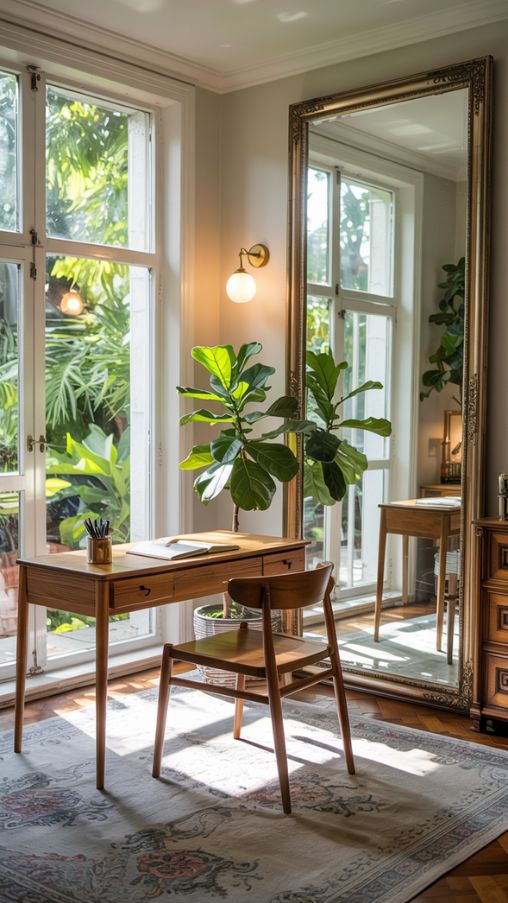
I placed a tall mirror opposite my window, and suddenly my office felt twice as big and infinitely brighter. Pairing natural light with soft task lighting ensures that you can work comfortably at any time. A small space doesn’t mean you have to compromise on brightness or ambiance—strategic lighting can make it feel luxurious.

Creative Storage Solutions
Keeping a small office organized is essential. I use a combination of rolling carts, hidden cabinets, and vertical shelves to store everything from stationery to electronics. Cable management is another lifesaver—no one wants a spaghetti mess of cords in a tiny space.

Small trays, pencil cups, and drawer organizers keep essentials at hand without cluttering the desk. I even created a table comparing some practical storage solutions I’ve tried:
| Storage Solution | Best Use Case | Pros | Cons |
| Floating Shelves | Books, decor, supplies | Frees desk space, customizable | Needs wall support |
| Rolling Cart | Mobile storage, mini workstation | Flexible, portable | Can look cluttered if overfilled |
| Pegboard | Office tools, small items | Visible, organized | Aesthetic depends on arrangement |
| Built-in Cabinet | Hidden storage | Seamless, reduces clutter | Expensive, less flexible |
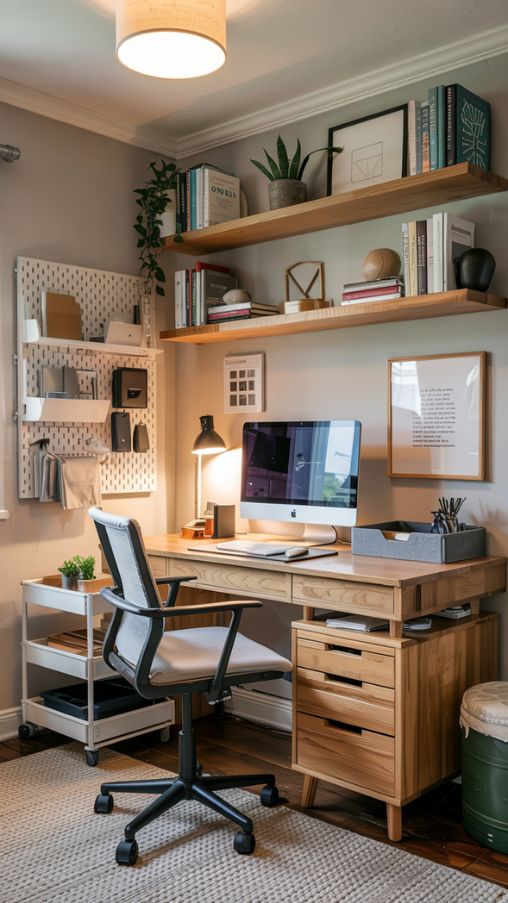
By mixing and matching storage options, you can make your small office efficient and visually appealing without feeling cramped.
Styling Tips for Compact Home Offices
Small spaces don’t have to feel boring. Adding color, plants, and artwork brings personality without overwhelming the room. I love using pastel tones or muted shades as a backdrop, then adding bold accents like a bright desk lamp or a patterned chair.
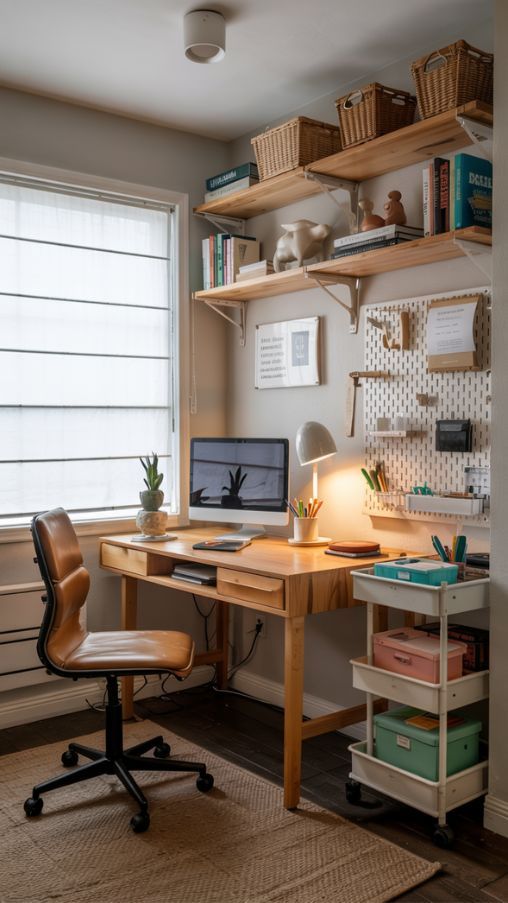
Plants are another favorite—they bring life and freshness. Even a small cactus on my desk makes the room feel warmer and less sterile. Personal touches, like framed photos or a mood board, create an emotional connection with your workspace, making you want to spend time there. A well-styled office boosts both mood and productivity.
Designing Dual-Purpose Spaces
Sometimes, your office has to wear multiple hats. I combined my workspace with a guest room by installing a Murphy bed, and it works beautifully. A sofa-back desk setup in a long, narrow living room allowed me to separate my work zone from relaxation space. Dual-purpose setups require careful planning: pick furniture that’s functional, foldable, or movable.
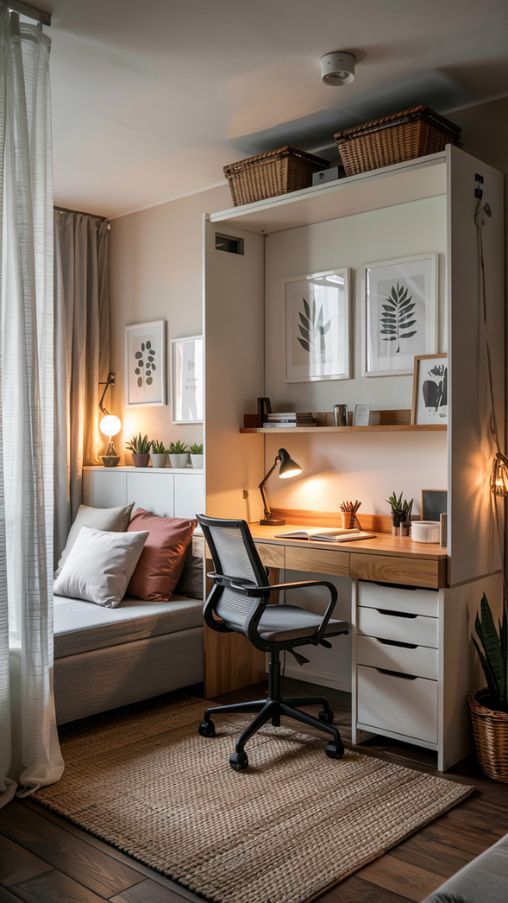
It’s incredible how a small area can feel versatile, giving you both a private office and a usable living space. The key is to think beyond conventional office layouts.
Ergonomics in Small Home Offices
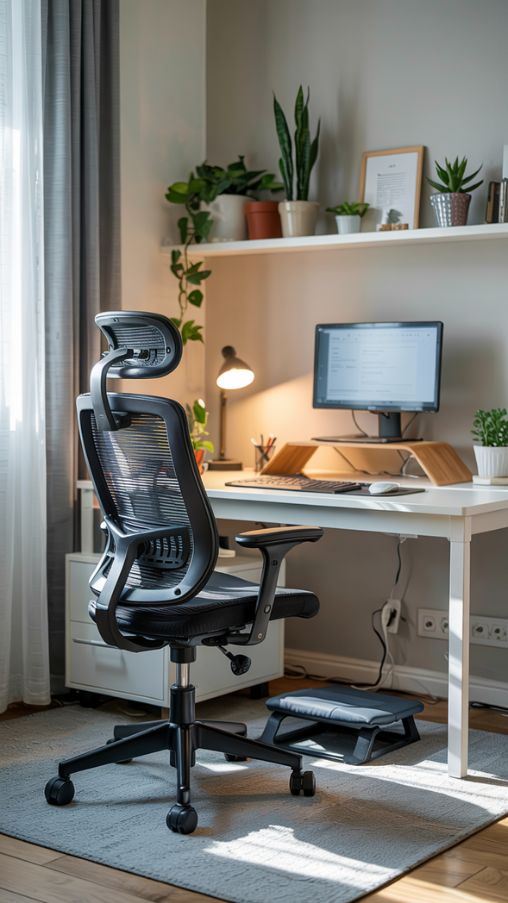
I learned the hard way that ergonomics can’t be ignored, even in small spaces. My first tiny office caused back pain because my chair and desk weren’t aligned. Choosing a compact, ergonomic chair and adjusting desk height made a massive difference. Monitor risers and laptop stands help prevent neck strain, and even a small footrest can improve posture. Ergonomics isn’t just about comfort—it’s about sustaining productivity over long hours without sacrificing health, which is often overlooked in cramped setups.
Smart Lighting Solutions
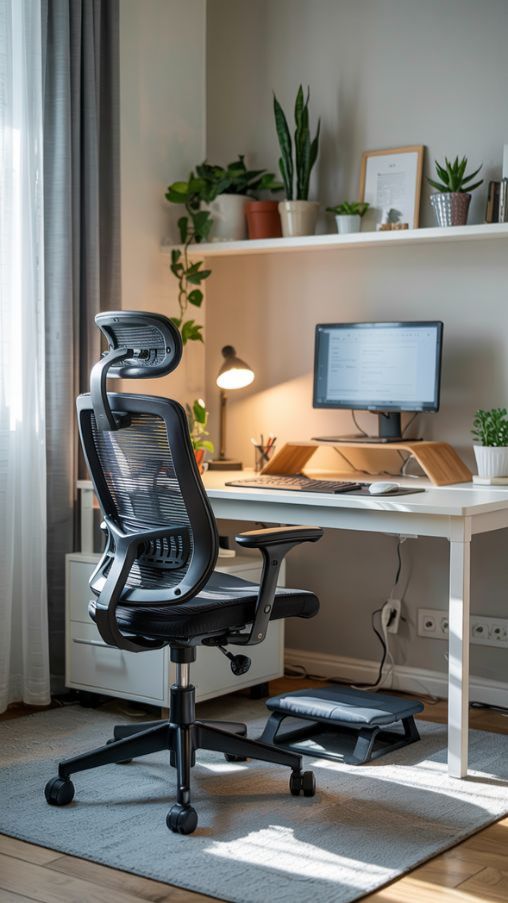
Lighting goes beyond aesthetics; it’s crucial for comfort. Layering ambient light with task lighting ensures your office is usable day and night. I installed a pendant lamp over my desk for style, and a small LED desk lamp for focused work. Adjustable lighting allows you to control the mood depending on the task.

Even in windowless areas, clever use of light can create a bright and welcoming environment, which improves focus and reduces eye strain.
Incorporating Minimalism and Decluttering
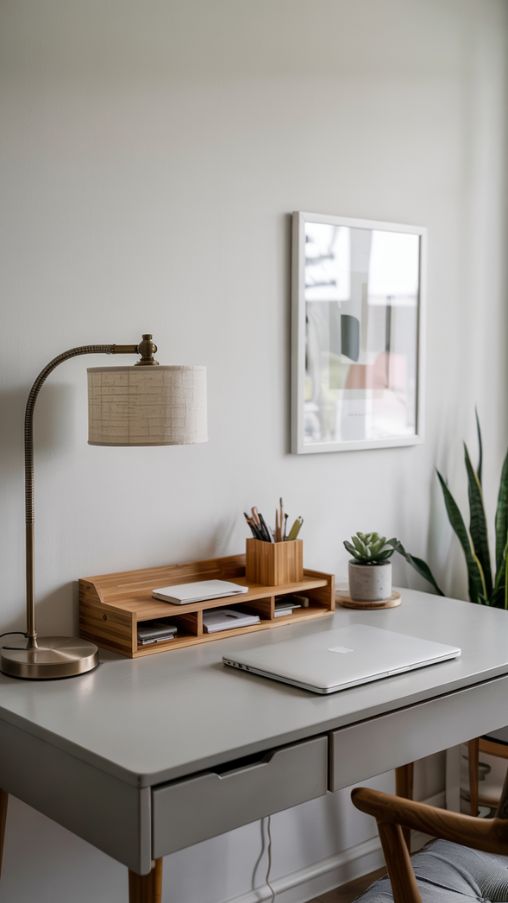
Minimalism is a lifesaver in small home offices. I keep only what I truly use on my desk and digitize documents to reduce paper clutter. Functional decor—like a beautiful desk organizer or a stylish lamp—serves a purpose while keeping the aesthetic clean. Decluttering isn’t just practical; it clears mental space, helping you concentrate better. Minimalist setups also make small offices feel larger, calmer, and less chaotic.
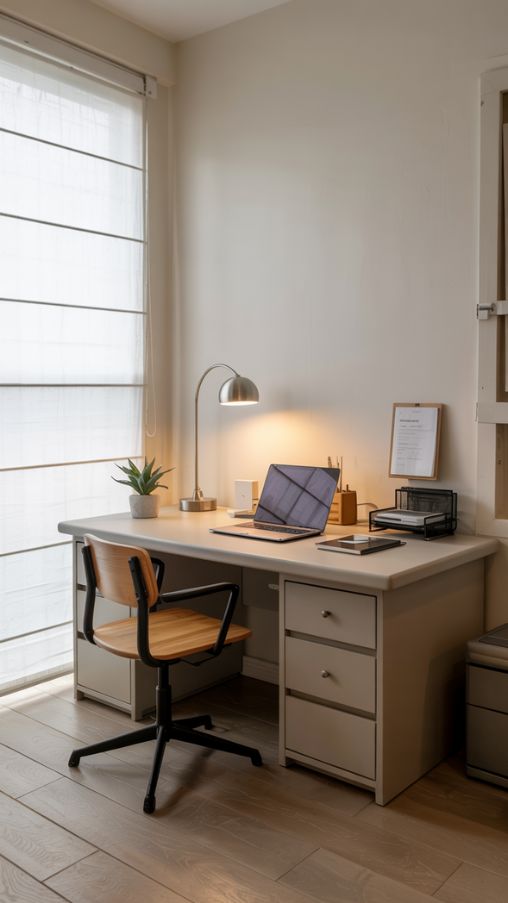
Small Office Layout Ideas
Optimizing layout is essential. I experimented with L-shaped and U-shaped layouts to see which works best. A corner desk along with vertical storage keeps the floor open, while a narrow L-shaped desk along two walls provides multiple zones for work.

Zoning with plants or low shelves helps separate work from relaxation. Thoughtful layout planning ensures your office feels spacious despite limited square footage.

Adding Personality and Comfort
Small offices benefit immensely from personal touches and cozy elements. I added a soft rug under my chair, textured cushions, and a few decorative objects. It sounds trivial, but these small details make your office inviting. Comfortable spaces increase motivation, reduce stress, and turn work into something you actually enjoy doing. Small offices don’t have to sacrifice personality—they just require intentional styling.
Innovative & Quirky Small Home Office Ideas
Some of my favorite setups are unconventional: sunrooms turned into offices, laundry rooms transformed into minimalist workstations, and even mezzanine spaces optimized for productivity. I once set up a tiny office in a pass-through space between my bedroom and bathroom—it was quirky, but it worked perfectly. Thinking creatively about underutilized areas allows you to maximize functionality and make the space uniquely yours.
| Innovative Space | Furniture/Setup | Benefits | Drawbacks |
| Mezzanine Nook | Slim desk, ladder access | Separates work zone | May feel isolated |
| Sunroom Office | Desk, swivel chair | Bright, inspiring | Seasonal light variations |
| Laundry Room Desk | Minimalist desk, storage | Quiet, private | Not conventional |
These setups show that even the strangest nooks can become productive, stylish offices.
FAQs
What are the best furniture choices for a small home office?
Compact desks, fold-down tables, L-shaped desks, and ergonomic chairs are ideal. Multifunctional furniture works best.
How can I make a small office feel bigger?
Use mirrors, light colors, vertical storage, and minimize clutter to visually expand the space.
Is it possible to have a cozy office in a small area?
Absolutely. Adding personal touches, plants, rugs, and soft lighting creates a cozy environment.
What’s a cloffice?
A cloffice is a closet converted into a functional office space. Removing doors and adding shelves makes it practical and private.
How do I manage cables in a tiny office?
Use cable clips, boxes, or under-desk trays to keep cords organized and out of sight.
Can a small office double as a guest room?
Yes, using Murphy beds, sofa-back desks, or convertible furniture allows dual-purpose use.
How should I position my desk in a small space?
Ideally near a window for natural light, perpendicular to the wall to reduce glare, and away from high-traffic areas.
Are bold colors suitable for a small office?
Yes, if balanced with neutral tones. Accent walls or small pops of color keep the space lively without feeling cramped.