

Creating a room that serves as both a home office and a guest space can feel like trying to fit a puzzle into a tiny box. When I first tried this, I remember staring at my spare bedroom thinking, “How can I make this work without it feeling cramped or cold?” But over time, I discovered that with the right furniture, layout, and a sprinkle of creativity, a hybrid space can be both functional and welcoming.

The key is to balance comfort with productivity, ensuring your guests feel cozy while you still have a space where you can actually focus on work. I learned that every piece of furniture matters, and clever organization can make a small room feel surprisingly spacious. Even little touches like a warm rug, a few indoor plants, or a well-placed lamp can transform a simple room into a multi-purpose haven. This article shares my personal experiences, tried-and-true tips, and creative solutions for anyone looking to design an office guest room combo that works beautifully.
Quick Key Points:
- Multi-functional furniture is the backbone of hybrid spaces.
- Strategic layout separates work and rest areas seamlessly.
- Décor and lighting create an inviting, productive environment.
Best Products for an Office Guest Room Combo
Six highly rated, bestselling Amazon finds that make your dual-purpose room actually work — beautifully.
Queen or Full wall bed + pull-out desk in white or bark grey
Faux leather convertible sleeper with dual cup holders
Fold-up murphy-style desk with storage shelves and hooks
Button-tufted sofa daybed that rolls out to sleep two
3-in-1 convertible with memory foam cushion and adjustable armrests
High-back, 400 lb capacity desk chair with 4D flip-up arms
Why Combine a Home Office and Guest Room?
When I first moved into my apartment, space was at a premium. I didn’t have the luxury of separate rooms for work and guests, so combining the two became essential. Honestly, it felt intimidating at first. How could a room feel welcoming for visitors while also allowing me to focus without distractions?
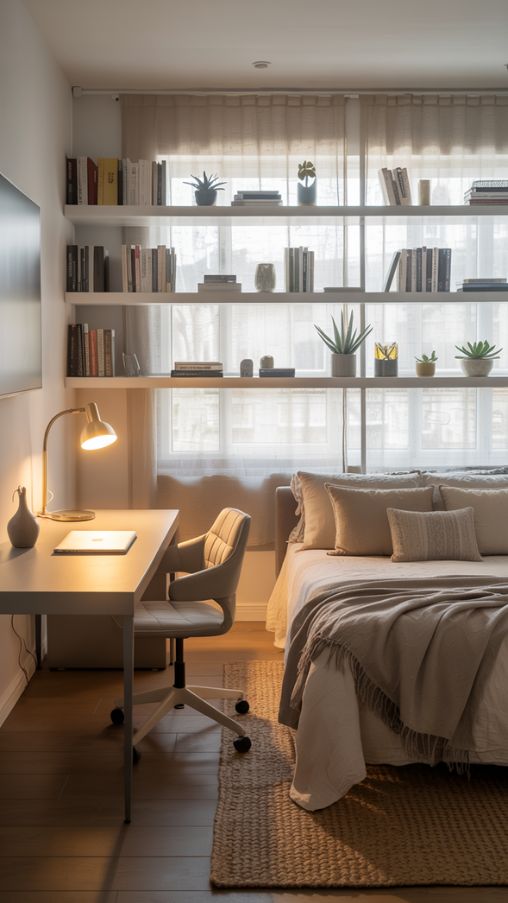
But I soon realized the magic of a well-planned office guest room combo. A hybrid room can save money, reduce clutter, and turn a single space into a versatile retreat. I learned that it’s not just about furniture placement; it’s about creating distinct zones that serve different purposes without overwhelming the senses. For instance, keeping the work area crisp and minimal while letting the guest side feel cozy with pillows and throws makes both uses feel natural. The key is balance—too much office vibe, and guests feel unwelcome; too much guest vibe, and your work suffers.
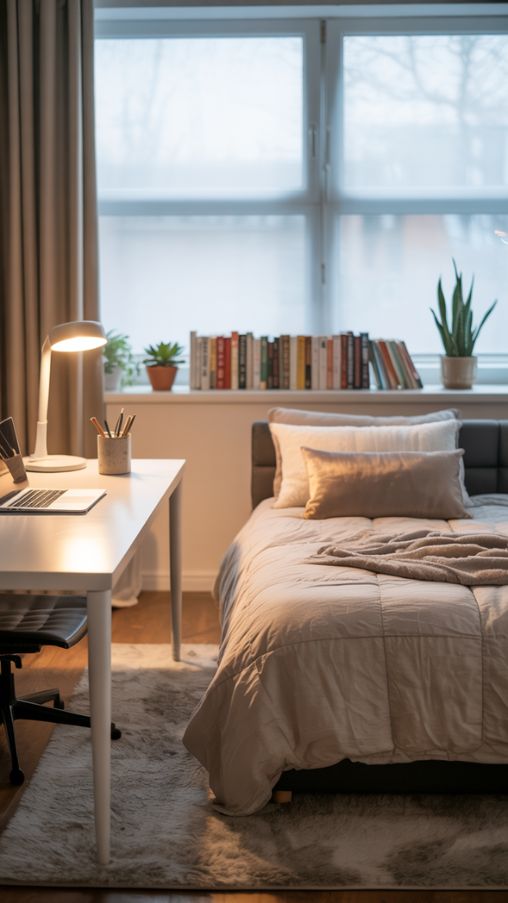
Choosing the Right Furniture for Office Guest Room Combos
The first hurdle in my design journey was furniture. I knew I needed multi-functional pieces to avoid a cramped space. My best investment was a Murphy bed. At first, I was skeptical—how sturdy could it be? But now, folding it up each morning gives me instant office space and clears the floor entirely.

Another piece I can’t live without is a daybed with hidden storage. It doubles as a sofa during the day and keeps guest blankets, office supplies, and extra pillows tucked away neatly. For the work area, a convertible rolling desk made a huge difference. I could move it when guests stayed over and bring it back without stress. When picking furniture, I’ve learned to think: will this serve two purposes without compromising style or comfort? This mindset has made the room feel cohesive and functional, rather than cluttered and chaotic.

Multi-Functional Beds and Sofas
In small spaces, the bed often dictates the room. I opted for a pull-out sofa alongside the Murphy bed for flexibility. On nights when I had friends stay over, it became obvious how important it was to provide different sleeping options.
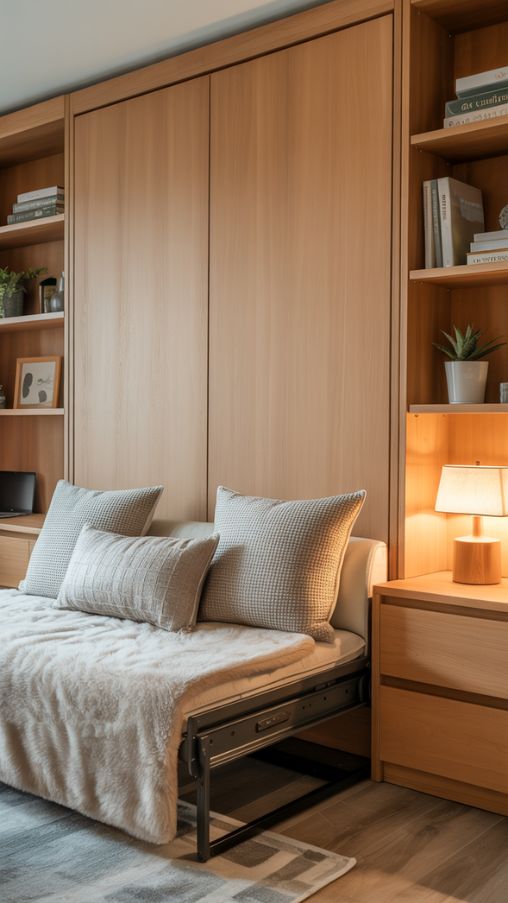
Guests appreciated a comfortable mattress, while I loved that the sofa could double as a casual work lounge during the day. Choosing beds with built-in drawers or shelving underneath is another game-changer—it hides office supplies while keeping the room clean. Even simple touches, like layered blankets or a few accent pillows, make a big difference in creating a cozy, welcoming atmosphere for overnight visitors.
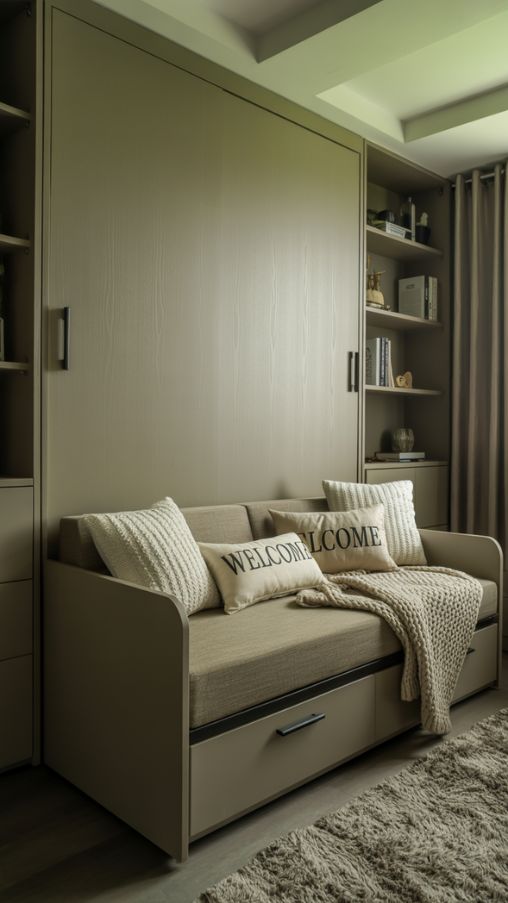
Space-Saving Layout Tips for a Hybrid Room
When arranging my office guest room, I realized that floor plan matters more than furniture alone. I experimented with desk placement, bed orientation, and seating until the room finally felt balanced. Placing the desk near a window was a lifesaver—I get natural light for work, and my guests get a separate, sunny spot for relaxation.

Using vertical space for storage was another revelation. I installed shelves above the desk and Murphy bed, giving me ample storage without crowding the floor. Small rugs or mats subtly divide the office from the sleeping area, creating a sense of different zones. The trick is to ensure each area feels intentional and uncluttered while leaving room to move freely.

Table 1 – Example Layout for Small Office Guest Room
| Feature | Placement | Purpose |
| Murphy Bed | Wall opposite desk | Folds away for work, unfolds for guests |
| Rolling Desk | Near window | Flexible workspace with natural light |
| Daybed / Sofa | Adjacent to desk | Seating by day, guest bed by night |
| Wall Shelves | Above bed & desk | Vertical storage for office & guest items |
| Accent Chair | Corner nook | Lounge or reading area for guests |
Room Dividers for Privacy and Visual Separation
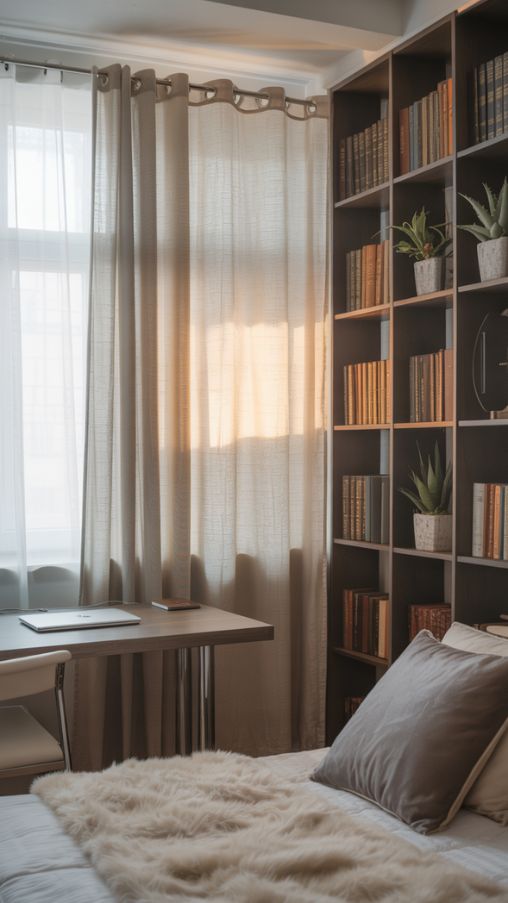
I never realized how much a simple curtain or screen could transform a room until I added one. Tension rods with flowing curtains created a soft barrier between my work area and guest bed. The room suddenly felt more organized and intentional, rather than like a cluttered multi-purpose mess. I’ve also seen bookcases used as dividers—they provide storage while subtly separating spaces. The key is to choose dividers that are functional and aesthetically pleasing. My favorite solution was a light, airy screen that didn’t block light but still offered privacy.
Decorating with Neutral and Bold Colors
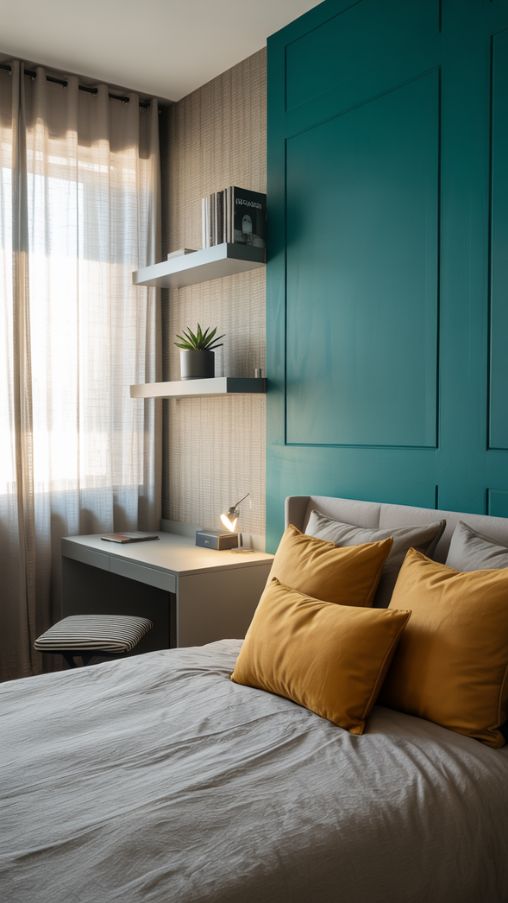
Color is like the emotional tone of a room. I found that using neutral colors like beige, white, and soft gray created calm vibes for both work and rest. But I also added pops of bold colors, like mustard yellow pillows or a teal accent wall, to energize the space. This combination keeps the office from feeling sterile while giving guests a warm, inviting feel.
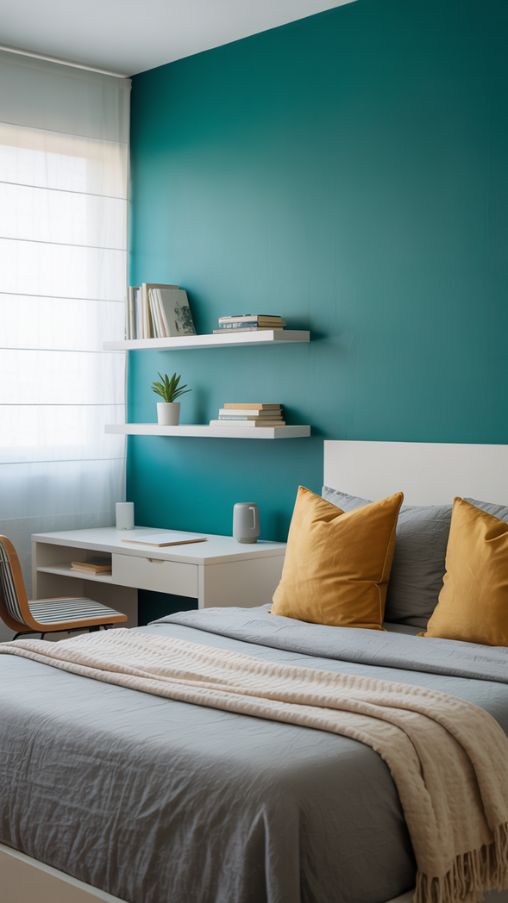
Stripes, accent walls, and textured wallpaper can create depth and make small rooms feel bigger. I’ve learned that color doesn’t just decorate a room—it sets the mood and productivity levels.
Lighting Solutions for Work and Relaxation
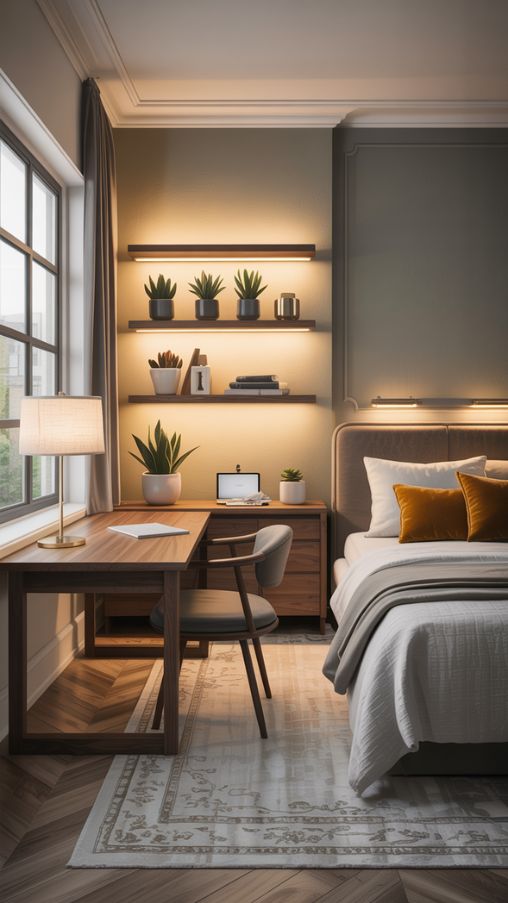
Good lighting is a game-changer. I installed dimmable table lamps for flexibility—bright enough to work but cozy for guests at night. Natural light near the desk keeps me alert and motivated during work hours. I also used warm-toned LED strips under shelves and around the bed for ambient lighting. It’s amazing how light can make a room feel both functional and cozy. Choosing stylish fixtures that match your décor adds an extra layer of personality and warmth.
Storage Ideas to Keep the Space Organized
Clutter can ruin both work and relaxation vibes. I love built-in shelving and hidden storage. Drawers under beds, daybeds with compartments, and floating shelves keep everything neat. For small items like pens, chargers, or magazines, attractive boxes or baskets work perfectly. Leaving a small section of the closet empty for guests ensures they don’t feel like they’re intruding into your office. A tidy room equals a tidy mind—both for work and for hosting.
Table 2 – Storage Solutions for Office Guest Rooms
| Storage Solution | Use Case | Benefit |
| Built-in shelves | Books, office supplies | Vertical storage saves floor space |
| Daybed drawers | Blankets, pillows | Hides guest essentials |
| Wall-mounted cabinets | Files, stationery | Keeps desk area uncluttered |
| Magazine racks | Leisure reading | Keeps room organized & stylish |
| Closet space | Guest belongings | Ensures personal space for visitors |
Incorporating Comfortable and Stylish Seating
Seating isn’t just for guests—it’s for your sanity during work breaks. I added a small upholstered chair near the desk and a tufted ottoman for my feet or for casual laptop work. Guests love having a cozy corner to relax, read, or enjoy morning coffee. Even small choices like the softness of the cushion or the texture of the upholstery can make the room feel welcoming and functional.
Maximizing Small Rooms with Smart Design Tricks
Small rooms demand clever thinking. Floating desks, narrow console tables, and corner workstations make tight spaces workable. Mirrors add depth, while light-colored walls keep the room from feeling claustrophobic. Multi-functional furniture, like beds with storage or foldable desks, ensures the room never feels cramped. I’ve learned that every inch counts, and small touches can make a huge difference in creating harmony between work and rest areas.
Personal Touches to Make the Room Inviting
I can’t stress enough how decor affects mood. Rugs, throw pillows, blankets, and indoor plants give the room warmth and personality. A small coffee station or a vase of fresh flowers adds hospitality without taking up space. Personal touches remind guests that they’re welcome while keeping the office vibe professional and focused.
DIY and Budget-Friendly Solutions
Not everyone has a large budget. I repurposed an old wooden dining table as my desk, painted it a soft white, and added storage baskets underneath. Curtains from a thrift store became stylish dividers. These small hacks saved money while maintaining style. Creative thinking allows budget-conscious hybrid spaces to look elegant and functional without breaking the bank.
Inspirational Examples and Layout Ideas
Pinterest and blogs became my lifelines when designing my hybrid room. I collected layouts, furniture suggestions, and décor ideas until I found what suited my lifestyle. From Murphy beds to corner desks and Scandinavian minimalist styling, inspiration helps visualize a functional, beautiful office guest room combo.
Tips for Maintaining a Flexible Hybrid Space
Flexibility is key. Swap décor seasonally, rotate bedding, or switch furniture as needed. Multi-purpose spaces require ongoing attention and adaptability, but the payoff is huge: a room that works for both productivity and hospitality.
Final Thoughts: Designing a Space That Works for Everyone
Designing a hybrid room is like juggling two worlds—work and hospitality—but with the right strategy, it becomes a personal sanctuary. Choose multi-functional furniture, define zones, and add warmth through decor and lighting. Every detail, no matter how small, contributes to a room that’s productive, cozy, and welcoming for guests.
FAQ
What is an office guest room combo?
It’s a hybrid space that functions as both a home office and a guest bedroom.
How do I maximize space in a small office guest room?
Use Murphy beds, foldable desks, vertical storage, and stylish dividers.
Can I make a small room feel cozy for guests and functional for work?
Yes, balance decor, lighting, and furniture placement to create zones.
What furniture is best for a hybrid office guest room?
Murphy beds, daybeds with storage, rolling desks, and corner workstations.
How can I separate work and rest areas visually?
Use curtains, screens, bookcases, rugs, or furniture placement.
Are DIY solutions effective for office guest room combos?
Absolutely, repurposing furniture and using budget-friendly hacks can be stylish and functional.
How do I make the space welcoming for guests?
Add cozy textiles, plants, ambient lighting, and personal touches like a small coffee station.