

Office lighting plays a much bigger role in our daily work life than most of us realize. I remember when I first set up my home office, I thought any desk lamp would do. Boy, was I wrong. Working under poor lighting left me with constant headaches and sore eyes, and even my mood felt flat. It wasn’t until I experimented with layered lighting that I realized how transformative the right setup could be. Office lighting ideas aren’t just about illumination; they’re about creating an environment that feels alive, inspiring, and, yes, productive. Combining ambient, task, and accent lighting transforms any workspace into a place that energizes rather than drains you.
Lighting doesn’t have to be boring. You can add a bit of personality through fixtures or experiment with warm and cool tones to influence your mood and focus. Overhead lights might give you general illumination, but they can’t replace the magic of a well-positioned desk lamp or an accent LED strip behind your shelves. And here’s the kicker: when your workspace feels right, your brain seems to respond accordingly—you focus better, think clearer, and even feel more confident in tackling challenging tasks.
I’m going to share a mix of practical tips, creative suggestions, and a sprinkle of personal experiences so that your office can truly shine. Let’s jump right into some office lighting ideas that will change the way you see your workspace.
Key Points:
- Combine ambient, task, and accent lighting for balance.
- Utilize natural light and reflective surfaces.
- Consider smart and adjustable lighting for flexibility.

Why Good Office Lighting Matters
Good lighting is more than just seeing what’s on your desk. It influences your mood, energy levels, and even creativity. I once tried to work in a small room with a single overhead fluorescent light. Within hours, my concentration plummeted. It wasn’t the work—it was the lighting. Proper office lighting ideas help reduce eye strain, prevent headaches, and even regulate your circadian rhythm. Imagine starting your day in a room that feels like a cave versus a space filled with soft, balanced light. The difference is almost magical.

In offices—especially home setups—we often underestimate the effect of lighting on productivity. A well-lit space signals your brain that it’s time to focus, while dim, uneven lighting can lull you into sluggishness. Think of lighting as the invisible coworker who quietly shapes your energy and attention throughout the day. This is why investing thought into your office lighting is essential, not optional.
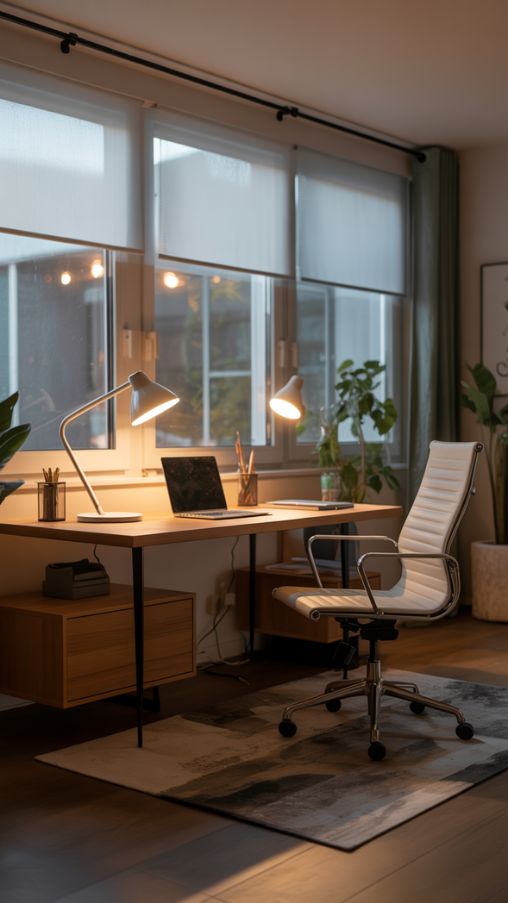
Understanding the Types of Office Lighting
Office lighting isn’t one-size-fits-all. I learned early on that combining ambient, task, and accent lighting creates a balanced, functional, and aesthetically pleasing workspace.
Ambient Lighting

Ambient lighting is the foundation. It’s the general light that fills your office and ensures you can see comfortably. Ceiling fixtures, recessed lights, or track lighting work best. I installed a semi-flush mount ceiling light in my office, and suddenly, my workspace felt open, welcoming, and much less stressful. Without ambient lighting, other fixtures feel isolated and ineffective.
Task Lighting

Task lighting focuses on where you need it most—your desk. Adjustable desk lamps, clip-on lights, or gooseneck lamps are perfect for reading, writing, or working on a computer. My favorite is an adjustable LED desk lamp that lets me control brightness and color temperature. It reduces glare and eye strain, which is a lifesaver for long work hours.

Accent Lighting
Accent lighting is where creativity meets functionality. It’s perfect for highlighting artwork, bookshelves, or textures. Think LED strips behind monitors, wall sconces, or decorative pendants. I added a warm LED strip under my floating shelves, and it created a cozy glow that made the entire room feel curated and inspiring.
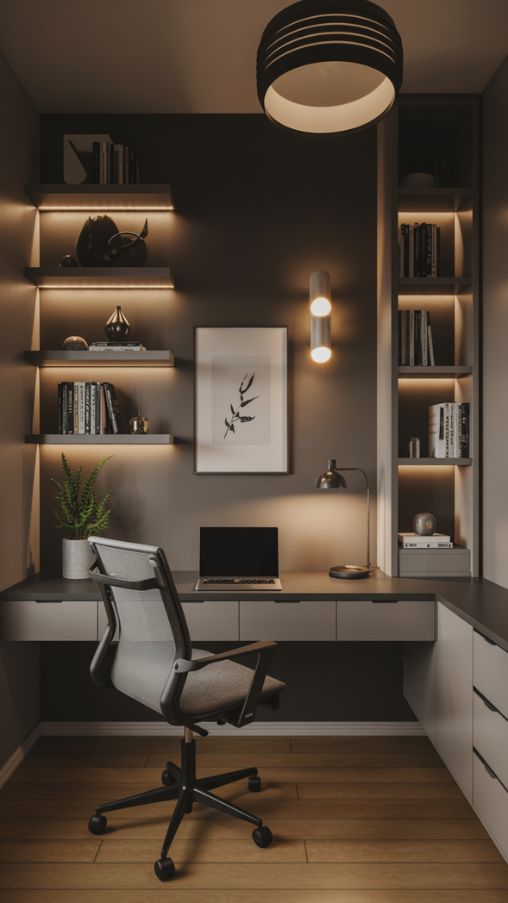
Choosing the Right Ceiling Lights for Your Office
Ceiling lights set the tone for the entire space. Pendant lights, chandeliers, or track lighting can make a statement while providing essential ambient lighting. When I first installed a geometric pendant light, it wasn’t just about brightness—the piece added character and a modern touch to my office.
Table 1 below summarizes some popular ceiling lighting options:
| Type of Ceiling Light | Best For | Key Benefit |
| Pendant Lights | Medium to large offices | Stylish, adds design focus |
| Chandeliers | High ceilings | Dramatic statement, ambient light |
| Track Lighting | Adjustable, focused areas | Flexible, highlights zones |
| Semi-Flush Mount | Low ceilings | Subtle, practical, space-saving |
| Recessed Lighting | Minimalist look | Even distribution, modern style |
The trick is to balance form and function. Your ceiling light should provide ample illumination without overwhelming the room or creating shadows that strain your eyes.
Desk and Task Lighting Ideas
Desk lighting is the unsung hero of productive workspaces. My desk setup has an adjustable arm task light that I can tilt, rotate, and dim. This single light dramatically improved my ability to focus without harsh overhead glare.
Clip-on lights are excellent for smaller desks—they provide focused illumination without eating up desk space. If your work involves precision tasks or creative projects, consider using a desk lamp with a color-adjustable LED, so you can switch between warm and cool tones depending on the task.
Wall Sconces and Space-Saving Lighting Solutions
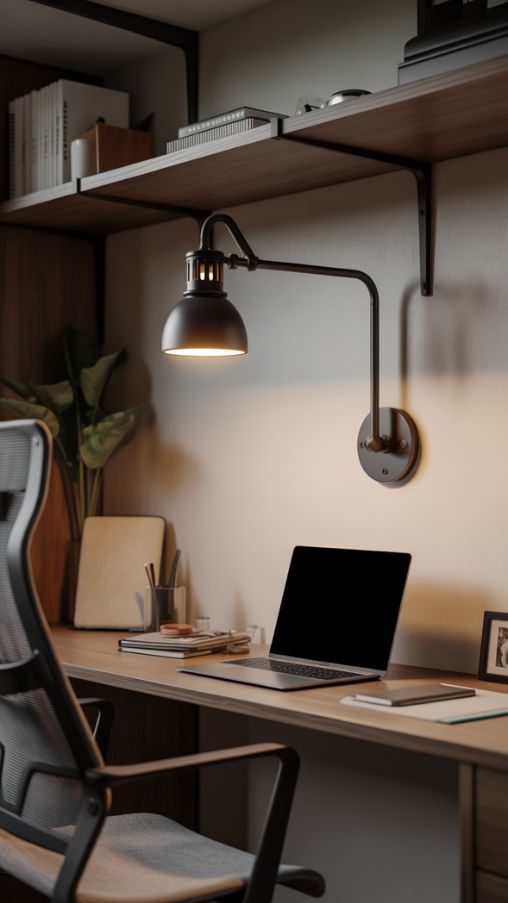
Wall-mounted lighting is perfect for saving surface space while adding style. Plug-in sconces or double wall sconces offer flexibility. I installed a black metal industrial wall sconce above my floating desk. It gave me extra light without cluttering the workspace and added a touch of character to the room.
This solution works especially well in home offices with limited desk space. It keeps surfaces clear while still delivering effective task and accent lighting.
Floor Lamps for Functional and Decorative Lighting
A floor lamp isn’t just a decorative element—it can be a multi-purpose lighting solution. My office features a three-arm floor lamp in the corner, which illuminates my reading chair, desk, and even the shelves.
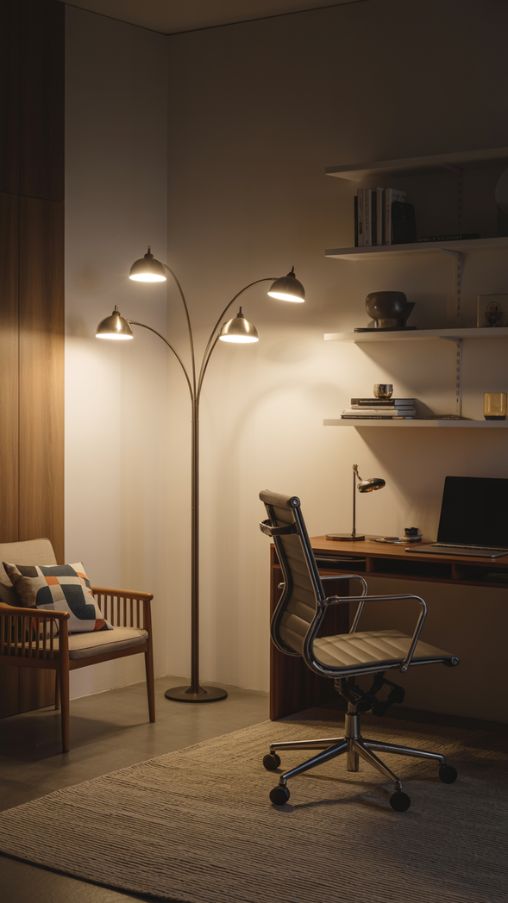
Table 2 below lists floor lamp options and benefits:
| Floor Lamp Type | Ideal Use | Key Benefit |
| Multi-Arm Floor Lamp | Large offices | Multiple directions of light |
| Arc Lamp | Over desk or table | Elegant design, direct lighting |
| Brass or Sculptural Design | Accent and ambiance | Adds style, warms the space |
| Mid-Century Modern Style | Vintage-inspired office | Stylish and functional |
Floor lamps give flexibility—you can move them around and adjust the direction of light as needed, which is something ceiling or wall fixtures can’t offer.
Incorporating Natural Light

Natural light is unbeatable. Positioning your desk at a 90-degree angle to a window prevents glare while maximizing daylight. I remember working in a windowless office and feeling perpetually drained. Once I shifted my desk to face a window, I noticed an instant uplift in mood and productivity.
Mirrors can also amplify natural light, making small offices feel bigger. Combining natural light with well-placed artificial lighting ensures your workspace is bright without being harsh.
Smart and Adjustable Lighting Solutions

Smart lighting has changed the game for me. Using dimmable LED bulbs and programmable color temperatures, I can mimic natural light cycles even in a basement office. Early mornings feel bright and energizing, while late evenings shift to softer tones, reducing eye strain.
Adjustable lights aren’t just convenient—they’re empowering. Everyone has different lighting needs, and giving yourself control over brightness and hue enhances both comfort and productivity.
Accent and Decorative Lighting Ideas
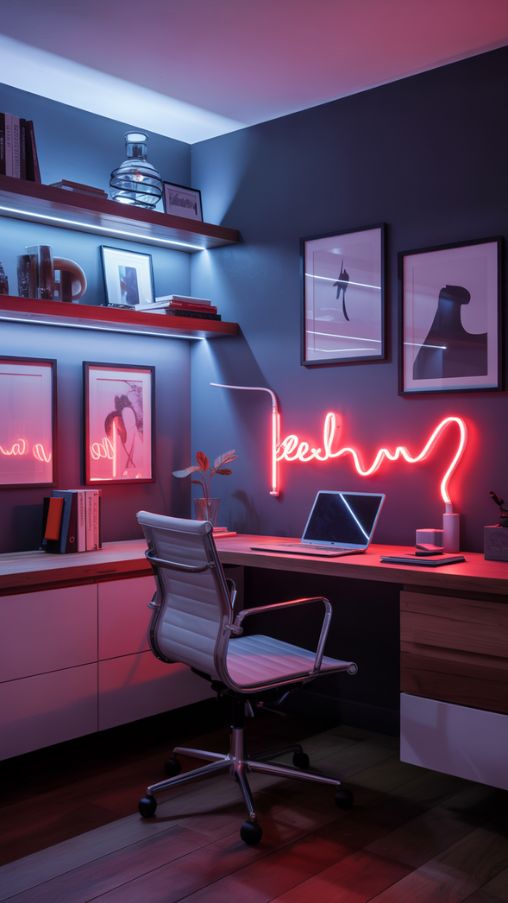
Accent lighting is where personality meets functionality. LED strips under shelves, neon lights, or picture lights add flair. I installed a neon wall light behind my desk, and it instantly transformed the space from dull to vibrant.
These lights can set a mood without overwhelming the room. They’re subtle but impactful—perfect for making your office feel curated, warm, and uniquely yours.

Lighting Tips for Small Home Offices
Small spaces require clever strategies. Layered lighting is essential—overhead lighting, a desk lamp, and accent lighting can coexist without feeling cluttered. I’ve used clip-on lamps and under-shelf LED strips to illuminate corners and shelves in my compact office.
Light colors on walls and decor reflect more light, making the room feel bigger. Even minor adjustments like repositioning your desk or swapping a lamp for a slim design can drastically improve light distribution.
Choosing the Right Hue and Brightness
Blue or white light mimics daylight and boosts alertness, ideal for windowless offices. Warm yellow light fosters creativity and relaxed discussion. I alternate between the two depending on my task: blue for spreadsheets, warm for brainstorming sessions.
Programmable lighting that adjusts with the time of day can enhance focus and reduce fatigue. Dimmable bulbs are also perfect for creating a cozy atmosphere for client meetings or evening work sessions.
Common Office Lighting Mistakes to Avoid
Poor lighting can sabotage your productivity. Common mistakes include relying solely on overhead lights, using flickering bulbs, or uneven illumination. I once worked under a harsh fluorescent light for weeks and experienced constant headaches. Adding a desk lamp and a warm LED strip corrected the issue almost instantly.
Avoid glare by positioning screens at 90-degree angles to windows. Replace flickering bulbs promptly and consider using light filters to soften fluorescent light. Small tweaks can make a massive difference.
Modern Office Lighting Trends
Modern trends focus on combining aesthetics with function. Geometric pendants, mid-century chandeliers, and industrial fixtures are popular. I opted for a geometric ceiling pendant, which not only lights my office but also feels like art on the ceiling.
The goal is to select lighting that complements your style while enhancing productivity. Even a bold fixture can work if it’s strategically placed and doesn’t create shadows on your workspace.
Creating a Layered Lighting Plan for Your Office
A layered lighting plan is like creating a symphony: each source has its part. Start with ambient lighting, add task lighting where you work most, and finish with accent lighting to enhance aesthetics.
Layered lighting ensures that no corner is too dark or too harshly lit. I’ve found that this combination keeps my office balanced, visually appealing, and ready for any type of work—from creative brainstorming to focused analytical tasks.
FAQ Section
What are the best office lighting ideas for productivity?
The best ideas combine ambient, task, and accent lighting with natural light. Adjustable and dimmable lights are also highly effective.
Can I use warm lighting in a home office?
Yes, warm lighting fosters creativity and comfort. It works best for brainstorming or relaxed discussions.
How do I reduce eye strain in my office?
Position screens at 90-degree angles to windows, use desk lamps for focused tasks, and avoid flickering bulbs.
Are LED strips effective in small offices?
Absolutely. LED strips under shelves or behind monitors create ambient glow without taking up desk space.
Should I use smart bulbs in my workspace?
Yes, they allow you to adjust brightness and color temperature, improving comfort and aligning with circadian rhythms.
What color temperature is best for office work?
Blue or white light is ideal for alertness and focus, while warm tones encourage creativity and relaxed discussion.
How do I create a layered lighting setup?
Combine ambient ceiling lights, task desk lamps, and accent lights like LED strips or wall sconces to cover all lighting needs.