

Transforming a basement into a productive office has always fascinated me. When I first moved into my home, I looked at the unfinished basement and felt a mix of dread and curiosity. It was dark, cold, and full of echoes, but I could see its potential. I imagined a warm, inviting workspace tucked away from the hustle and bustle upstairs. Over time, I experimented with layouts, lighting, furniture, and decor, learning firsthand what worked and what didn’t. Basement office ideas aren’t just about aesthetics—they’re about crafting a space that fuels creativity, focus, and joy. Through trial and error, I discovered that small tweaks—like adding layered lighting or incorporating personal touches—can transform an otherwise gloomy basement into a sanctuary for work.
- Maximize light and warmth.
- Use walls and corners creatively.
- Incorporate personal touches for comfort.
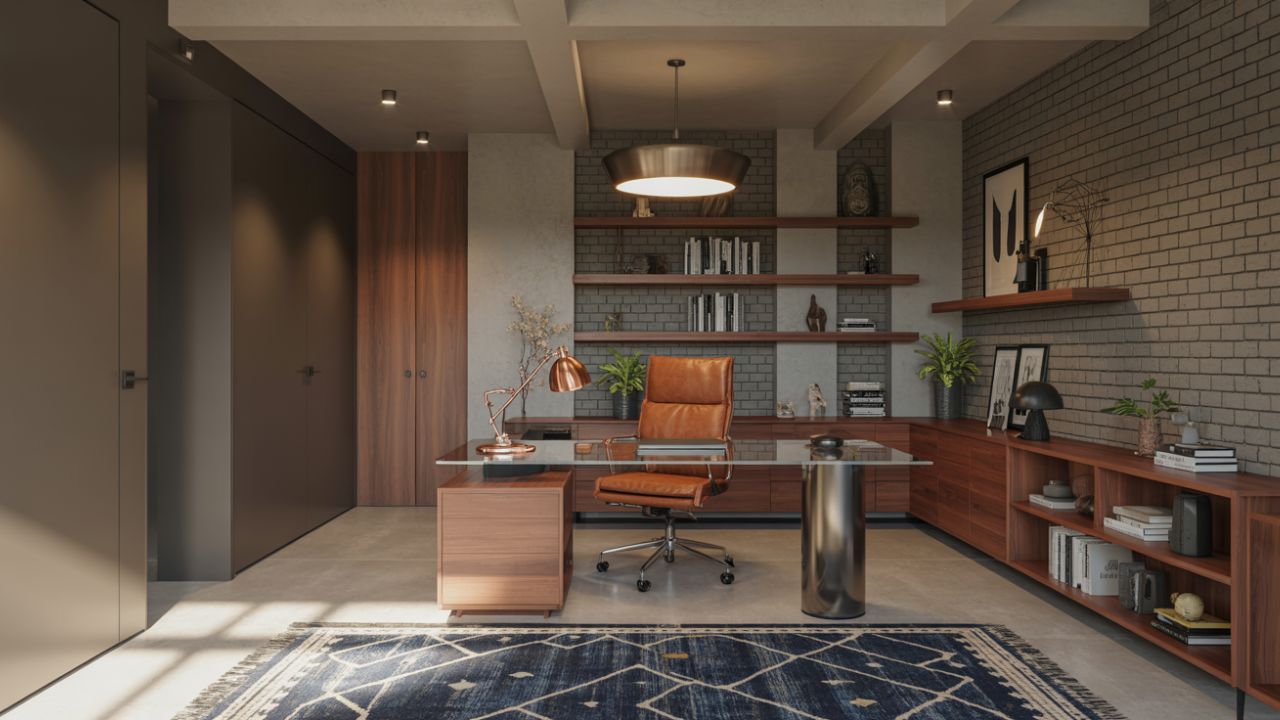
Minimalist Basement Office Ideas
When I first embraced the idea of a minimalist basement office, I thought it would feel cold. Surprisingly, it didn’t. A sleek desk, an ergonomic chair, and clean lines brought clarity to my workday. Minimalism isn’t just about reducing clutter; it’s about creating mental space. I remember sitting at my new desk, feeling almost meditative, surrounded only by the essentials. Neutral colors, like soft greys and whites, amplified light and made the basement feel surprisingly airy. Even small basements can benefit from this approach. Minimalist design also encourages focus and productivity, which is often the main goal when working from home.
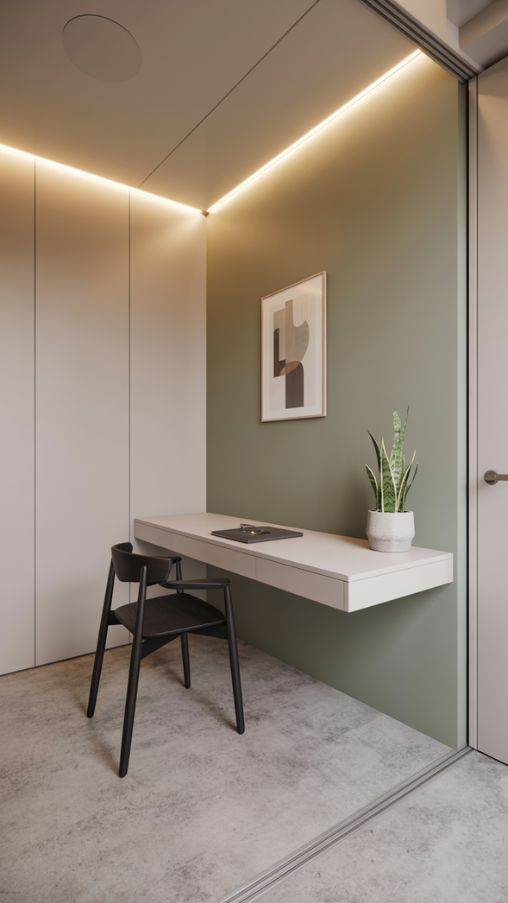
Table 1: Minimalist Design Essentials for a Basement Office
| Element | Purpose | Tip |
| Sleek Desk | Decluttered work surface | Opt for floating desks if space is tight |
| Ergonomic Chair | Comfort for long hours | Choose adjustable options for flexibility |
| Neutral Wall Colors | Makes the basement feel larger and brighter | Soft whites, light greys, or beige work best |
| Simple Decor | Reduces mental distraction | One or two inspiring pieces rather than many |
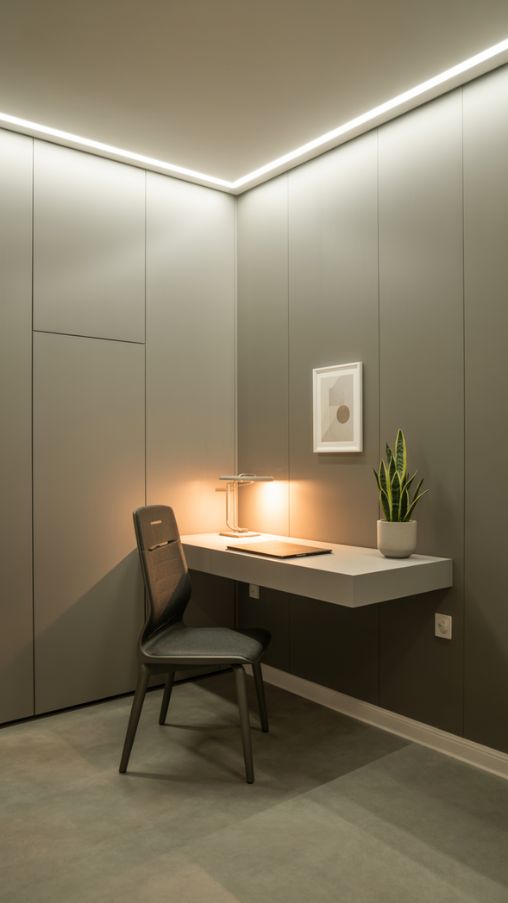
Bold Accent Walls to Add Personality
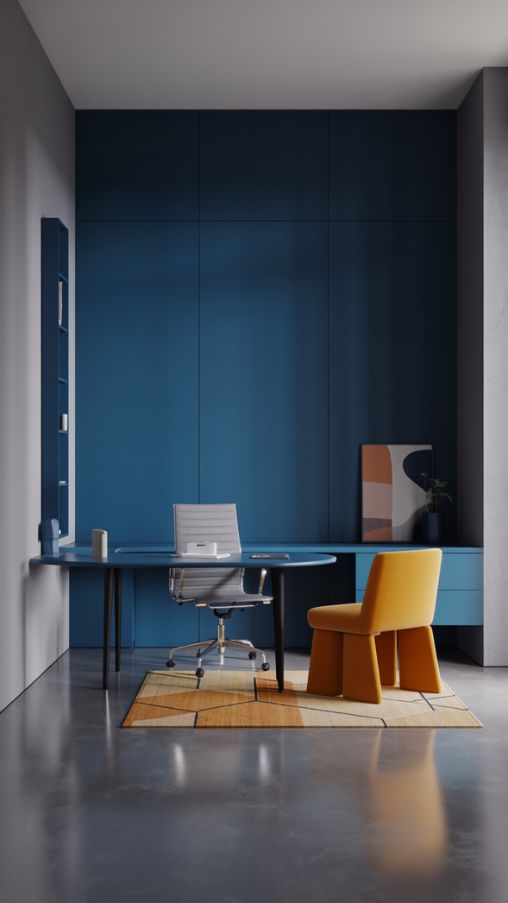
I never realized how a single wall could change the vibe of an entire basement. Painting one wall in a deep blue or vibrant pattern instantly made the space feel less like a basement and more like a curated office. Bold accent walls add personality without overwhelming the room. My favorite trick was combining the wall color with small decor items that echoed the hues.
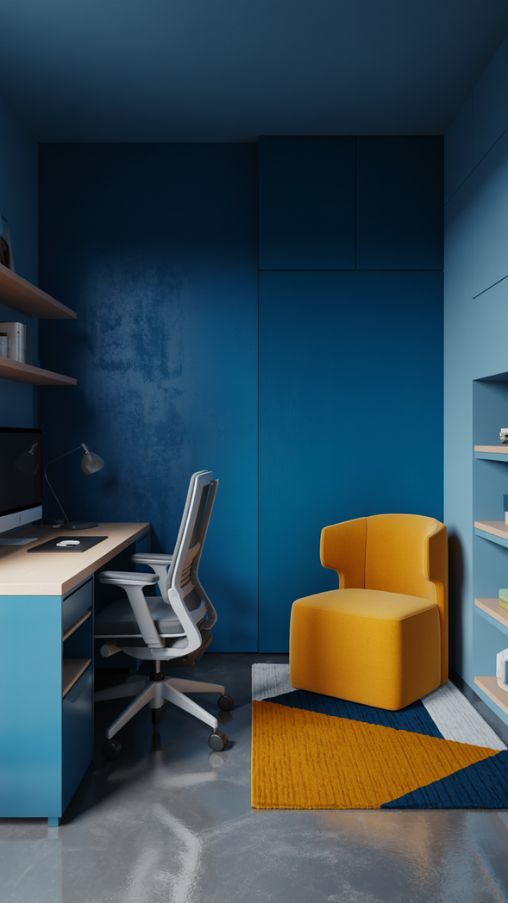
For instance, a mustard yellow chair or bright rug can complement a navy accent wall. I noticed that working in this environment made me more energized, as if the space itself whispered motivation to me.
Cozy Rustic Basement Office Design

Rustic designs are like a warm hug after a long day. Incorporating wooden furniture, neutral tones, and framed art made my basement office feel inviting and practical. The wooden desk added texture and warmth, while small details like a vintage clock or handmade frames brought personality.

I love how rustic decor doesn’t demand perfection; its charm lies in imperfections and natural materials. Even if your basement is small or windowless, layering cozy textures—like rugs and soft cushions—creates a sanctuary. For me, this approach transformed the basement from a cold storage space into a homey work hub.
Functional Lighting Solutions for Windowless Spaces

Lighting can make or break a basement office. I learned this the hard way after working in a dimly lit corner for months. Adding layered lighting, including overhead lights, floor lamps, and task lighting, brightened the space dramatically. I even experimented with light wells and mirrors to reflect light.

This change didn’t just improve visibility; it affected my mood and energy levels. When natural light is scarce, the right lighting can mimic sunshine and make a small basement feel airy. Trust me, investing in good lighting is worth every penny for both comfort and productivity.
Built-In Shelving and Smart Storage Solutions
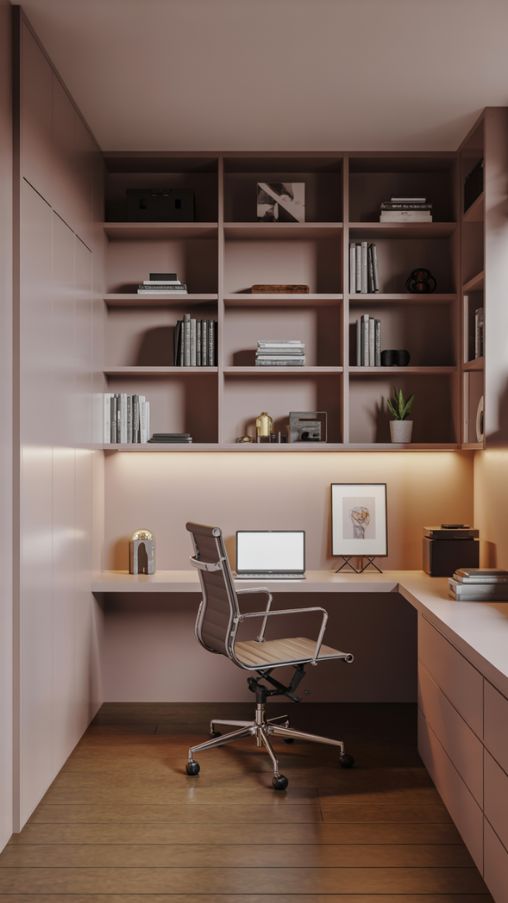
Organization was my biggest challenge initially. Papers, books, and office supplies seemed to multiply overnight. Installing built-in shelves and vertical storage was a game-changer. Not only did it free up floor space, but it also made everything easier to find. I love having a place for everything, from journals to tech gadgets, without sacrificing style. I even incorporated a few decorative items to make the storage visually appealing. For small basements, vertical storage is essential. You can maximize every inch of wall space while maintaining a neat and inspiring work environment.
Double Desk and Multifunctional Layouts

Sometimes, I needed to collaborate or share the office space with family. A double desk setup solved this beautifully. It allowed two workstations without crowding the basement. Multifunctional layouts are also great for combining office and other activities, like a mini gym, craft area, or family corner. In my experience, planning the layout carefully and leaving open pathways ensures the space feels balanced and accessible. This approach turned the basement into a versatile zone that could accommodate multiple needs without losing its cozy, productive feel.

Industrial Style Basement Office Ideas

Adding industrial elements like exposed pipes, concrete walls, and metal furniture gave my basement office a modern edge. I loved the raw, unfinished feel combined with polished decor. This style is perfect if you want a contemporary, urban look. Industrial design also emphasizes functionality, which is a bonus for small or multi-use basements. Pairing metal furniture with warm wood tones softens the space while keeping the aesthetic sharp.

Over time, I realized industrial elements could blend seamlessly with minimalist or rustic touches, offering flexibility in style.
Comfortable Seating Options
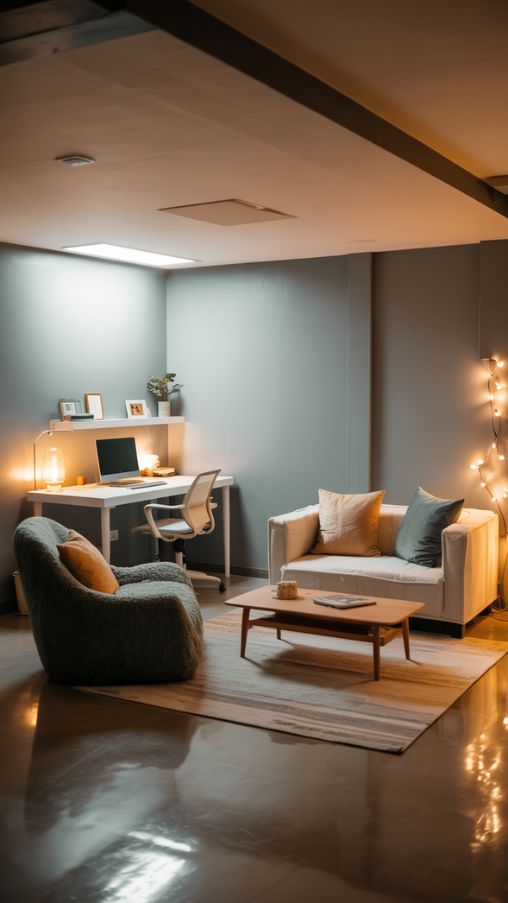
A cozy basement office isn’t complete without alternative seating. I added an armchair and small couch, creating a reading and brainstorming nook. Stepping away from the desk occasionally helped me recharge and approach tasks with a fresh perspective. This addition made the space feel less rigid and more welcoming. Even a single comfortable chair can transform the basement into a retreat where work doesn’t feel like a chore. For me, comfort isn’t a luxury—it’s essential for sustained productivity and well-being.
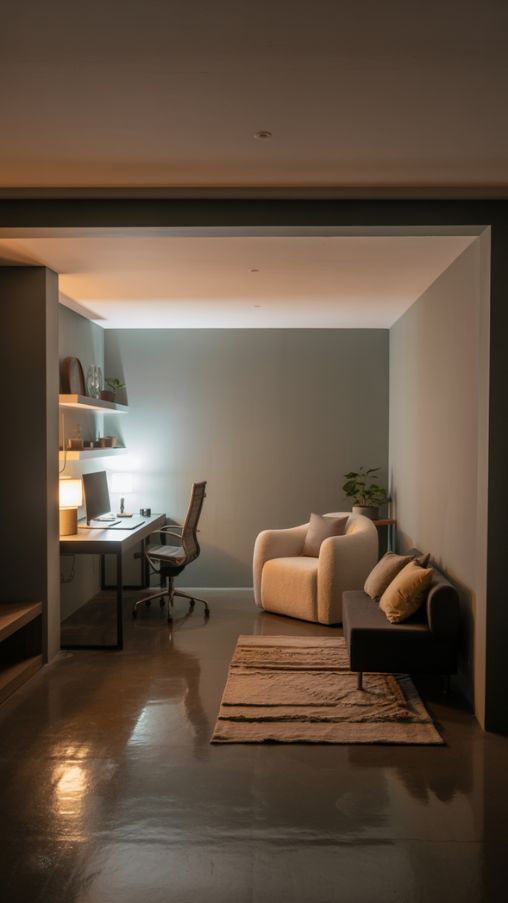
Personal Touches and Decor
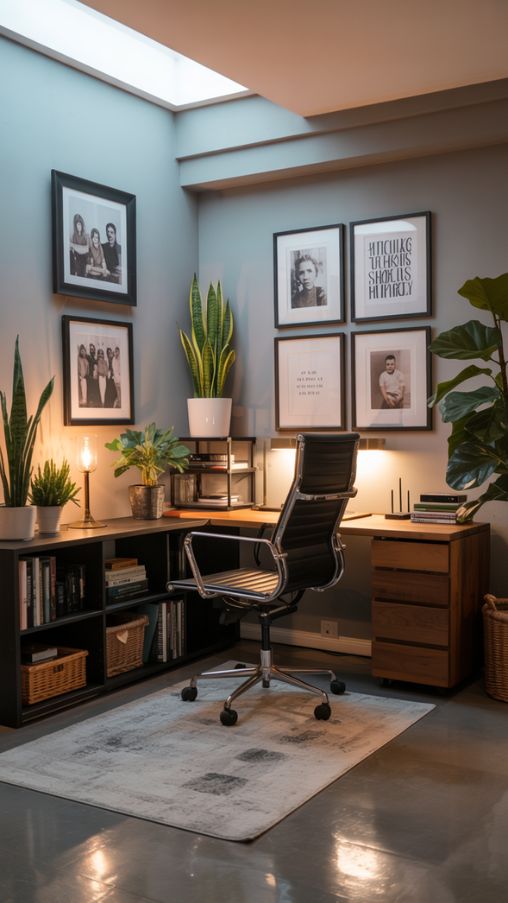
I’ve always believed that a workspace should reflect personality. Adding plants, artwork, and decorative items made my basement office feel like an extension of myself. These touches weren’t just aesthetic; they motivated me and uplifted my mood. A well-curated office creates an emotional connection, turning work into a more pleasant experience. Over the years, I’ve noticed that small personal touches—like family photos or favorite quotes—make even long workdays more enjoyable and inspiring.
Utilize Every Corner and Hallway Space
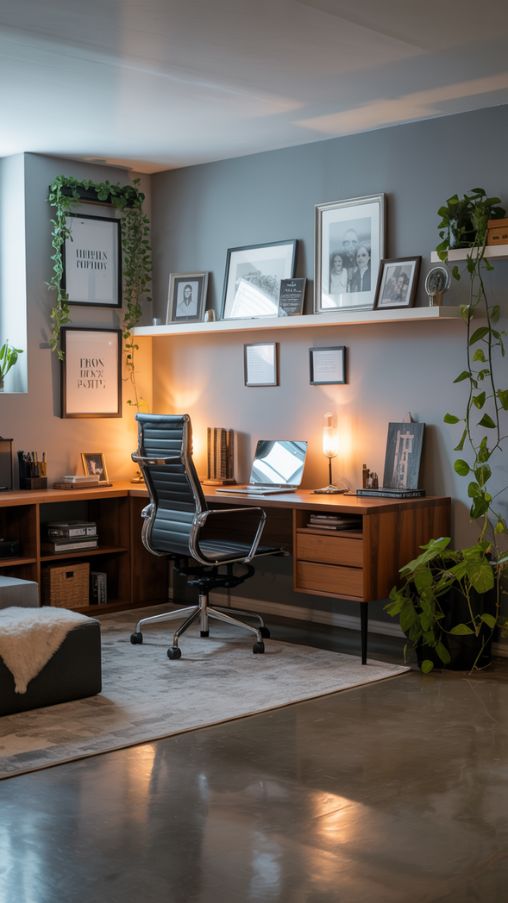
Basements often have odd corners and hallways that go unused. I converted under-stair areas into desk nooks and installed shelves in hallway corners. It amazed me how much space I could reclaim with a bit of creativity. Maximizing every corner ensures the office doesn’t feel cramped and maintains a smooth workflow. Small spaces can feel luxurious when each area serves a purpose. Clever use of corners transforms the basement into an organized, efficient, and surprisingly roomy office.
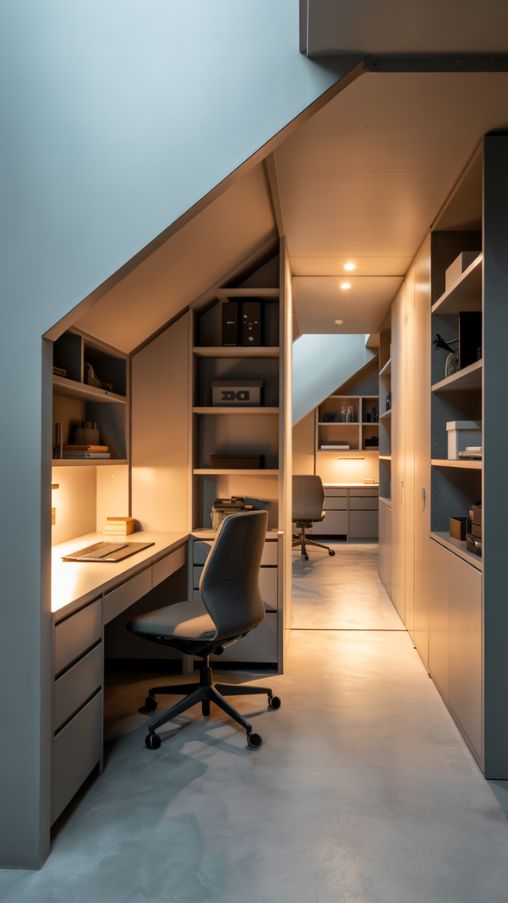
Table 2: Optimizing Basement Office Corners
| Area | Use Case | Tip |
| Under Stairs | Compact desk or reading nook | Use built-in drawers for hidden storage |
| Hallway Corners | Mini shelves or filing stations | Add wall-mounted lighting for bright workspace |
| Windowless Nooks | Book or craft corner | Incorporate mirrors to create illusion of space |
| Multi-Use Corners | Office + gym or hobby area | Choose foldable furniture for flexibility |
Address Practical Challenges
Basements can present moisture, temperature, and insulation challenges. I invested in a dehumidifier and insulated walls to maintain a comfortable environment. Smart thermostats helped regulate temperature efficiently. These adjustments not only preserved my furniture but also created a space where I could focus without distractions. Comfort in a basement office is non-negotiable; it directly impacts productivity and mental clarity. Even small changes can make the basement office feel like a professional, fully equipped workspace.
Embrace Natural Light Where Possible

If your basement has windows, leverage them. I positioned my desk to catch sunlight at different times of the day. Even basements with small windows benefit from reflective surfaces and light-colored walls. Natural light has a subtle but profound effect on mood and energy. In my experience, seeing sunlight—even briefly—while working helps maintain a positive mindset and improves focus, turning a potentially gloomy space into a bright, lively office.

Creative Alternatives to Traditional Desks
Not all workspaces need a conventional desk. I sometimes use a large table for writing, crafts, or homework supervision. Tables can be multifunctional and adapt to various needs. They offer flexibility, particularly in small basements where a traditional desk may feel restrictive. This approach allowed me to seamlessly integrate work and home activities, making the basement a hub for both productivity and creativity.
Sliding Doors and Room Separation Ideas
Sliding barn doors or partitions help divide office areas from recreational zones. I loved how they provided privacy without taking up extra floor space. When friends visited, I could switch off work mode quickly, keeping responsibilities out of sight. This simple addition also enhanced the style of the basement, creating a clean and functional visual separation.
Optimize Video Call Backgrounds
With remote work, having a professional background is essential. I placed my desk in front of a stylish set of built-ins, making video calls look polished. This small adjustment boosted my confidence during virtual meetings. Even for casual home offices, a curated background improves aesthetics and leaves a positive impression on colleagues or clients.
Frequently Asked Questions
What are the best basement office ideas for small spaces?
Use minimalist furniture, vertical storage, and light colors to maximize space.
Can I have a cozy basement office without windows?
Yes, layered lighting, mirrors, and warm decor create a bright, inviting atmosphere.
How do I make my basement office more comfortable?
Add ergonomic chairs, sofas, rugs, and control temperature and moisture.
What color schemes work best in basement offices?
Neutral colors like greys and whites brighten spaces; accent walls add personality.
How can I make a basement office multifunctional?
Use flexible furniture, foldable tables, and designate corners for different activities.
Are industrial designs suitable for basements?
Absolutely, combining metal, concrete, and wood creates a modern, functional look.
What are essential lighting tips for basement offices?
Layer overhead, task, and floor lighting; mirrors and reflective surfaces help spread light.