

Picture your Minecraft base at sunset, a gravel path curling up to the front door, and then nothing. No border, no gate, just open grass and a creeper somewhere behind you. A good fence changes that scene in about five minutes, and it does a lot more than keep mobs out.
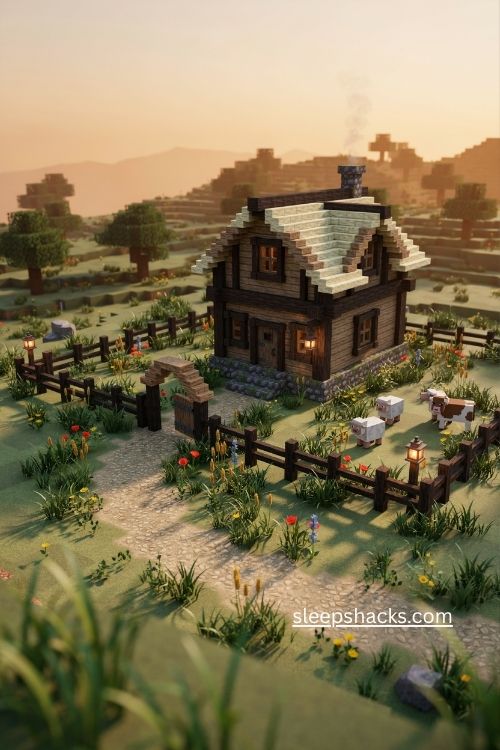
Fences set the mood of a build before anyone sees the inside. A dark spruce rail feels cozy and a little wild, pale birch posts look clean and modern, and a cherry blossom border turns a plain yard into something you’d screenshot. These minecraft fence ideas cover gates, walls, arches, farm pens and a few of the styles people keep searching for, so you can grab one and start building tonight.
1. Cherry Blossom Fence
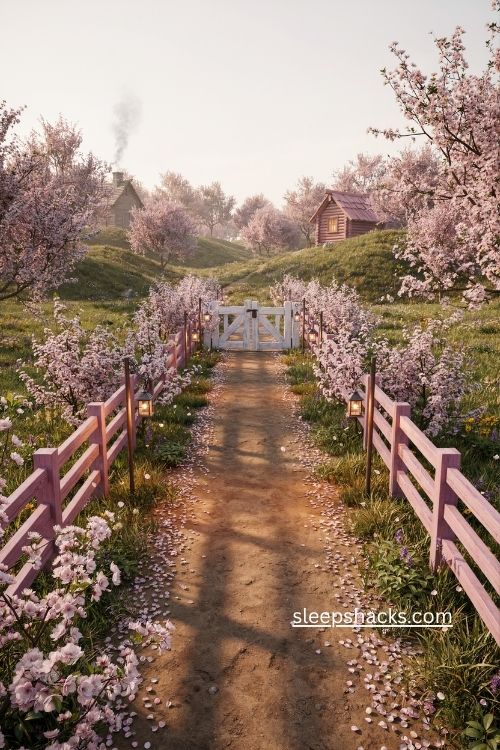
Cherry wood gives you that soft pink tone straight out of the box, so a fence made from cherry planks already feels like spring before you plant a single tree. Run it along a path lined with cherry saplings and you get a border that looks like it belongs in a quiet village tucked into the hills.
Use stripped cherry logs as corner posts to add some depth, and keep the ground a plain dirt path so the pink really stands out. If you want it dreamier, hang a lantern from every third post and let the fallen petals pile up along the base of the rail. A white wool gate at the entrance adds a nice contrast.
2. Spruce Fence with Dark Trim
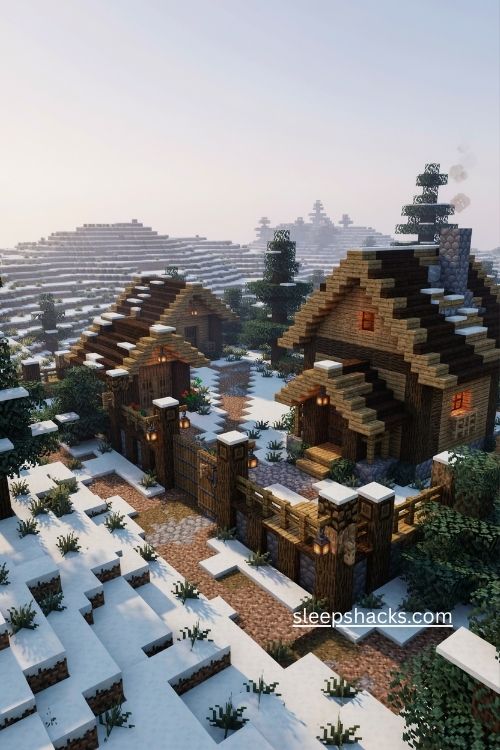
Spruce is the workhorse of survival builds, and a spruce fence has a warm, slightly weathered look that suits cabins, farmhouses and anything near a snowy biome. The brown is deep enough to feel rustic without disappearing against dark oak walls, which makes it easy to match with whatever you’ve already built.
Try capping the fence line with spruce trapdoors set flat on top, so the rail looks like it has a real wooden cap instead of a bare post. Space a gate every ten blocks or so, and tuck a few leaf blocks and a lantern near the corners to soften the whole line without much effort. Pair it with a darker roof and it looks even richer.
3. Medieval Stone and Timber Fence
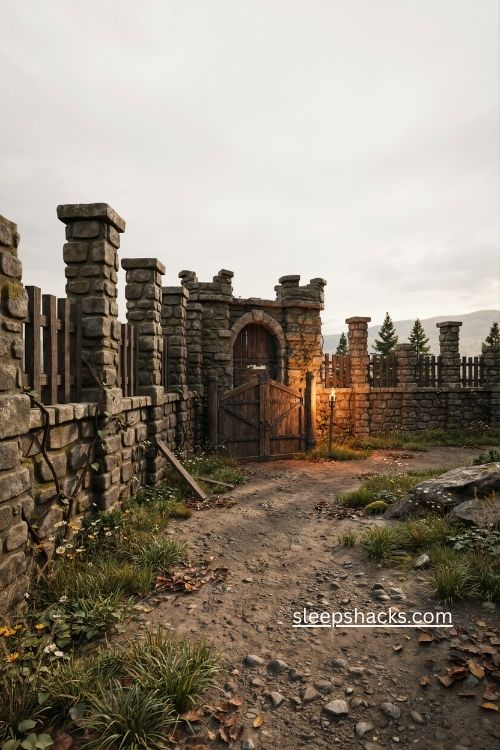
Medieval builds live or die by texture, and the easiest way to get it is to mix materials. Alternate cobblestone pillars with dark oak fence runs between them, and suddenly you have a boundary that looks like it was patched together over a few hundred years by people who knew exactly what they were doing.
Make the pillars two or three blocks taller than the fence so the line rises and falls as it moves. Add a few mossy cobblestone blocks and some stray vines for age, and use a spruce fence gate for the main entrance so the whole thing reads like an old castle approach rather than a tidy suburban yard.
4. Stone Wall with a Fence on Top
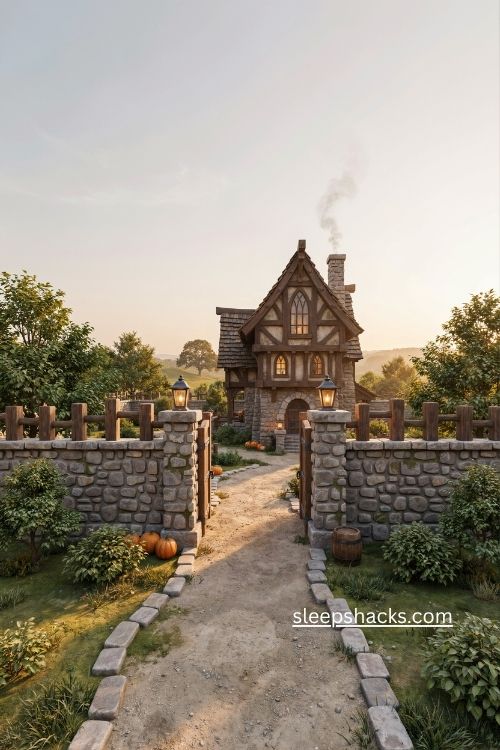
Stone walls give you a weight that wood fences simply can’t, which is why they work so well around castles, farms and big estates. A cobblestone or stone brick wall base, two blocks high, makes the boundary feel solid, while the fence sitting on top lets the line breathe instead of looking like a prison block.
Set a spruce or oak fence directly on top of the wall for a staggered profile, then add a row of stone slabs along the base so there’s a small step at ground level. Finish the corners with a taller pillar and a lantern, and the whole thing starts to look like it belongs to a proper estate.
5. Classic Oak Fence for Cottages
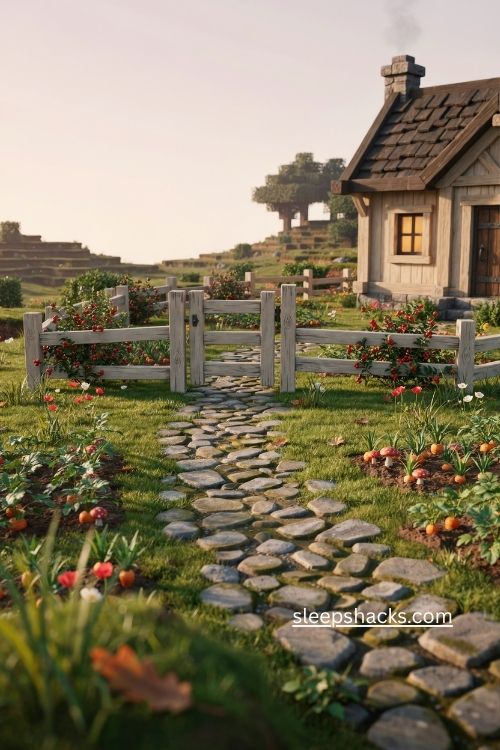
Plain oak gets overlooked because it’s the first wood everyone crafts, but that pale golden color is exactly why it works so well for cottage and farm builds. An oak fence looks friendly and open, the way a country garden fence should, and it never fights with the other colors in your yard.
Break up long runs with a stripped oak log post every fourth block so the line doesn’t feel flat. Keep the lawn grassy, plant a few sweet berry bushes right behind the rail for color, and add a simple oak gate with a stone path leading through it so the entrance feels welcoming from the street. It’s a forgiving wood to start with.
6. Arched Fence Gate Entrance
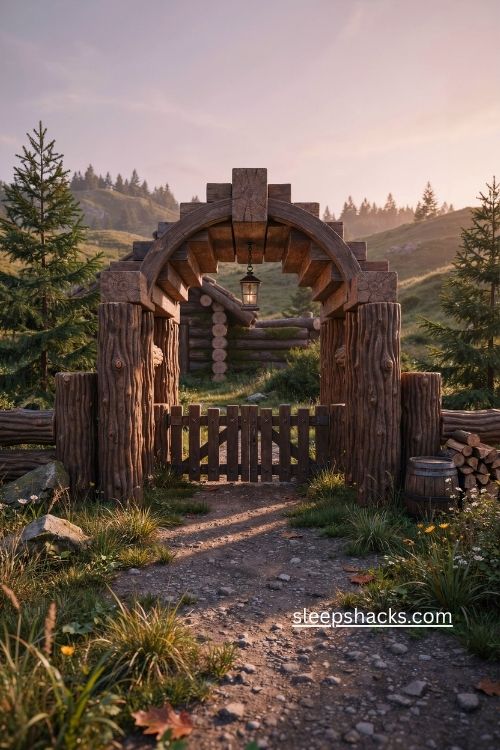
Entrances are where a fence stops being a boundary and starts being part of the design, and an arch is the simplest way to make that happen. Frame a spruce fence gate with two tall log pillars, bridge the top with stair blocks, and you’ve got a gateway that feels like the start of a story.
Make the arch four blocks tall so players and horses can pass through without ducking, and hang a lantern from the center on a chain. Keep the curve gentle, two stair steps on each side, and finish the top with a slab so the silhouette reads as a rounded arc from across the yard, even from the hillside behind it.
7. Aesthetic Cottagecore Fence
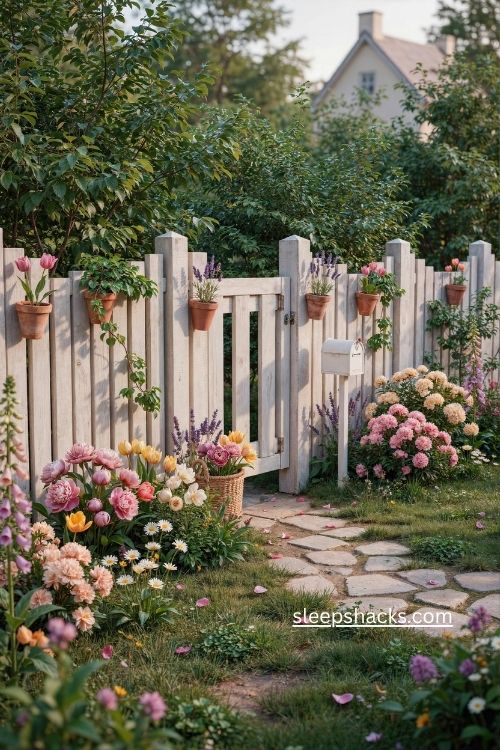
The aesthetic crowd tends to skip dark colors and go for pale birch, white concrete and lots of green, and a fence built that way looks like it was lifted out of a dreamy storybook. Birch planks, a few flower pots set on the posts, and a small gate are really all it needs.
Line the base with tulips, peonies and azalea bushes so the flowers climb right up to the rail, and let a few vine blocks drape over the top. Soft pastels are the whole point here, so avoid mixing in dark wood unless it’s a single accent, like a little mailbox by the gate. Keep the gate low and white so it stays gentle.
8. Double Fence Gate for Big Entrances
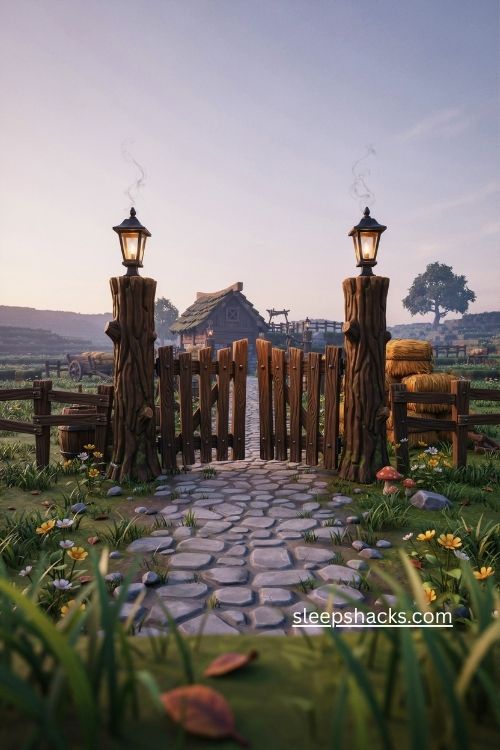
One gate works for a footpath, but a pair of gates side by side makes a proper entrance for a farm, a driveway or a market. Two spruce fence gates meeting in the middle give you a wide opening that swings both ways, and it’s the sort of detail that makes a build feel finished.
Put tall posts on either side, two or three blocks above the fence line, and top them with lanterns so the entrance glows at night. Run a stone path straight through the middle, and stack a few hay bales beside one post if it’s a farm entrance, just to give it some character. It also makes moving animals or carts much easier.
9. Low Wall Border for Gardens
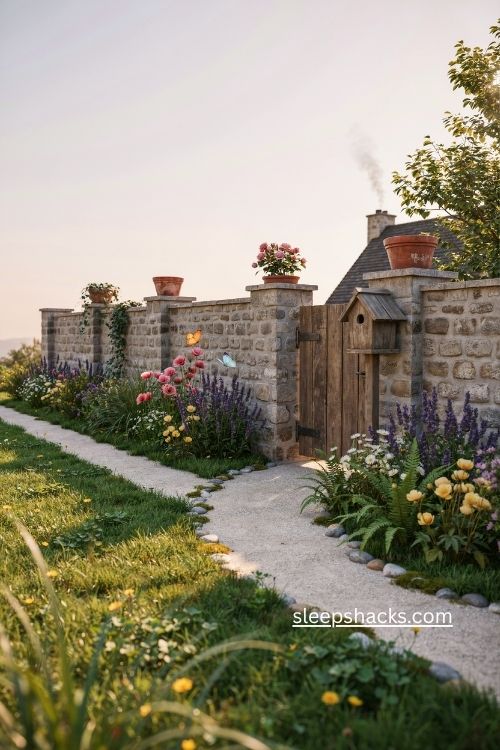
Not every boundary needs to loom, and a single row of stone brick wall blocks is a lovely way to mark a garden edge without blocking the view. Walls and fences are both a block and a half tall for collision, so even this low border stops players and mobs from hopping straight over.
Use cobblestone walls for a rougher look, or polished andesite walls for something cleaner, and run a strip of gravel along the inside edge. Leave a gap for a short wooden gate, and set a few flower pots on top of the wall here and there so the border has some life along its length. It’s a gentle way to separate lawn from path.
10. Wooden Farm Pen
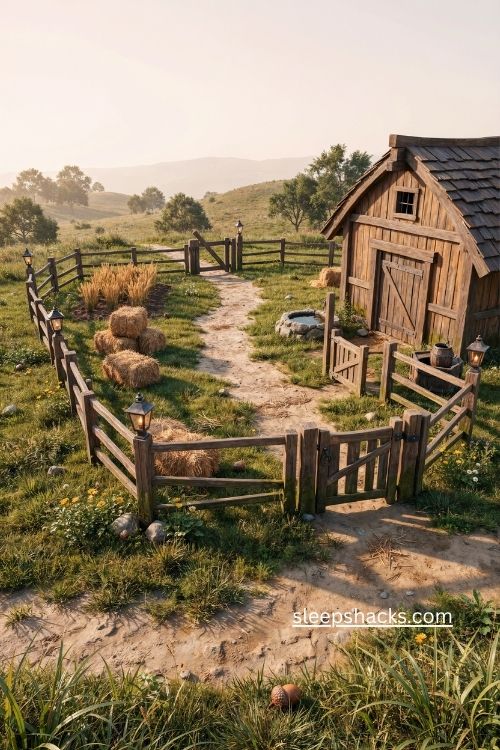
Animal pens are about practicality first, but they don’t have to look boring. Use an oak or spruce fence for the outer line, put the gate on the side closest to your barn, and build the pen at least twice as wide as you think you need, since animals breed fast and a crowded pen gets messy.
Inside, scatter hay bales and a water trough made from a cauldron or a simple water block, then plant a small patch of wheat near the gate. Put a lantern on each corner post so the pen stays lit and hostile mobs don’t spawn along the edge while you’re away. A second gate on the far side makes herding much easier.
11. Bamboo Fence for a Japanese Garden
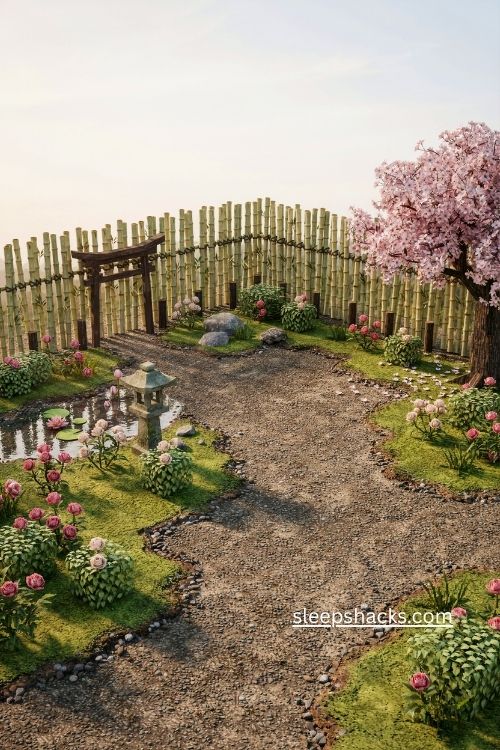
Bamboo fences have a clean, calm look that suits a Japanese garden build better than almost anything else. The pale green-yellow blocks are narrow, which gives the fence line a delicate rhythm, and a long row of them looks like something you’d find around a quiet temple courtyard.
Pair the bamboo with dark oak posts and a small torii-style gate, then lay a path of coarse dirt and gravel inside. Keep the planting minimal, just one cherry tree, a few azalea blocks and a stone lantern, because the whole style depends on leaving open space between things instead of filling every corner. Add a small pond with lily pads and the garden feels finished.
12. Dark Oak Fence with Stone Pillars
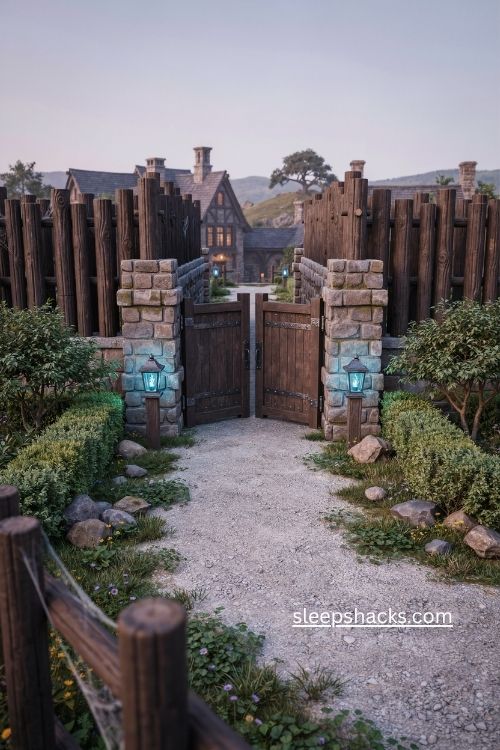
Dark oak is the moody one in the fence family, rich and almost chocolate colored, and it makes any build look a little more expensive. It’s especially good around mansions, taverns and anything with a stone base, because the contrast between pale and dark makes every edge pop.
Pair it with stone brick or deepslate pillars at the corners, and set a dark oak fence gate in the center with a lantern on either side. If your build is huge, break up the long runs with a stripped log post every five or six blocks so the line never feels endless. Soul lanterns near the gate give a cooler glow against the brown.
13. Light Birch Fence for Modern Builds
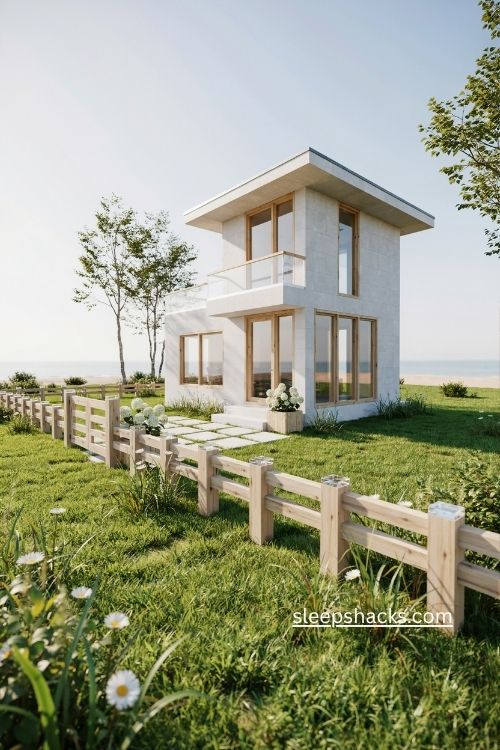
Birch is the lightest of the wood fences, and it’s a favorite for modern and beach builds because it stays quietly out of the way. The pale cream color picks up sunlight beautifully, so it looks fresh even on a cloudy day, and it makes neighbors like quartz and white concrete look even crisper.
Try a simple post every few blocks with fence runs in between, and tuck some tall grass and a few oxeye daisies along the base. Birch gates look plain on their own, so add a quartz slab on top of each post to give the whole line a clean, finished edge. Birch is easy to find, so you can build a long run without much hunting.
14. Warped or Crimson Fence for Nether Builds
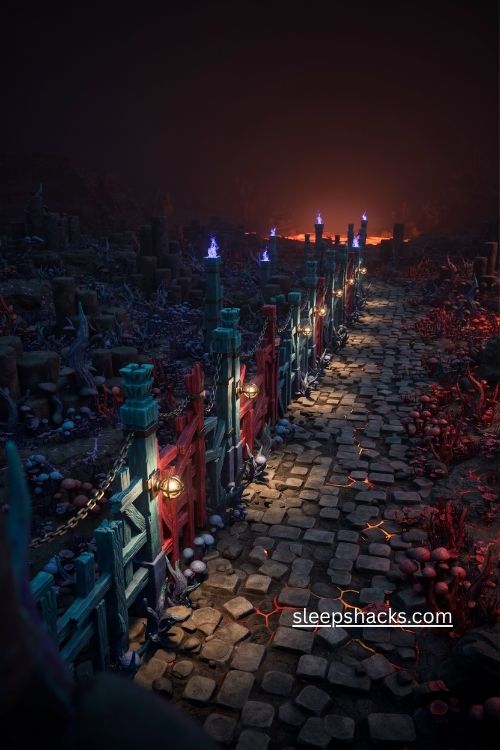
If you’re building anywhere near the Nether, a crimson or warped fence looks like it grew right there. Crimson planks give you a deep red-purple tone, while warped planks are a cool teal, and both stand out against the black and dark red blocks you’d normally use for that kind of build.
Run warped fences along a basalt or blackstone path to create a glowing, alien feel, then set shroomlights on top of a few posts for warm light. These planks are fireproof, so they hold up near lava and soul fire without any of the worry you’d have with plain oak. A few chains hanging from the posts add an industrial edge.
15. Leafy Hedge and Fence Combo
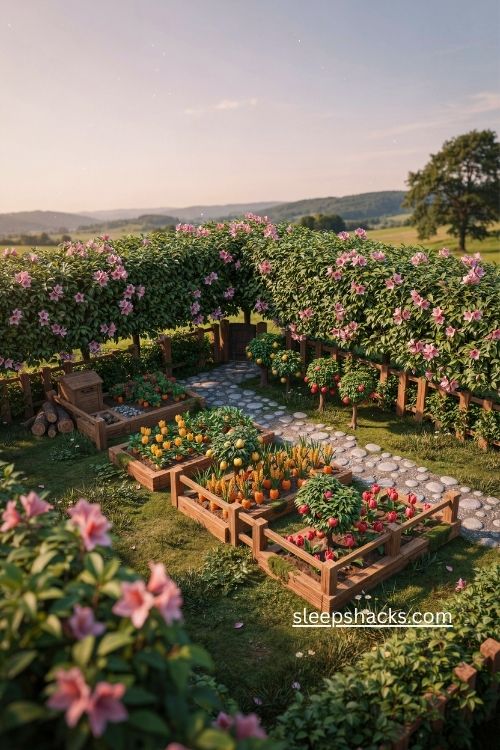
A hedge is really just a fence made of leaves, and it might be the easiest way to make a yard look grown-up and established. Alternate oak or azalea leaf blocks with fence posts along the boundary, and the line reads as a trimmed garden hedge with a wooden skeleton keeping it tidy.
Leaves you place yourself stay put, so there’s no decay to worry about, and you can stack them two high for privacy. Mix in a few flowering azalea leaves for pink and purple blossoms that pop out of the green, and keep the top flat so it looks like someone actually trims it. It works especially well around gardens and small orchards.
16. Lantern-Lit Fence Along a Path
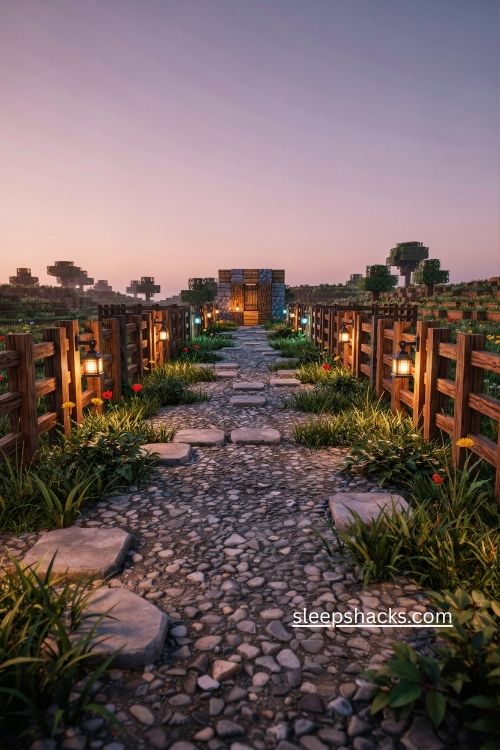
A fence along a path works best when it does a little lighting too, and lanterns are the easiest way to manage that. Set one on top of every second post, and the path reads as a proper walkway in daylight and a glowing line of light once the sun goes down.
Choose a consistent spacing, like every fourth block, and keep the fence the same height all the way to the door. It’s also a very quiet way to stop mobs from spawning near your entrance, since the light level along the line stays high enough to discourage most of them. Soul lanterns make a nice change for a cooler, bluer look in winter builds.
17. Survival Base Fence with a Gate
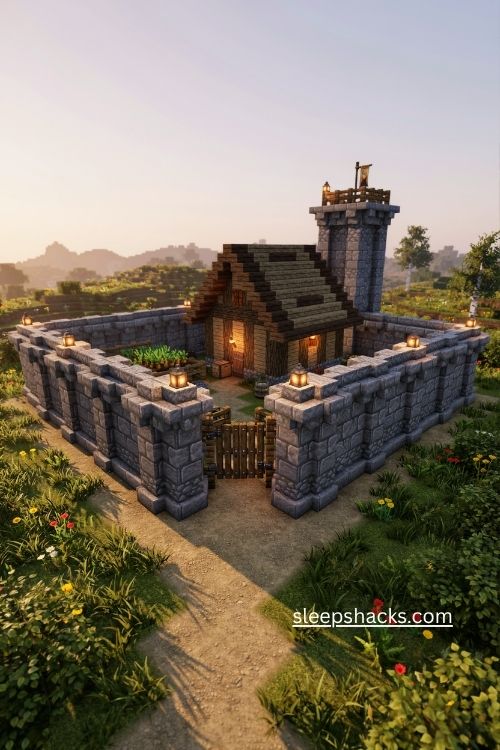
For survival players, the best fence is the one that actually keeps the base safe. A ring of stone brick wall blocks around your house, two high, stops zombies, skeletons and creepers from walking straight up to the front door, and it still looks tidy from the inside.
Put a fence gate in the center and a button just inside so you can open it quickly, then add an overhang of upside-down stairs along the top so spiders can’t climb over. Keep the whole line well lit, and it looks decorative while quietly doing its job every night. A small guard tower at one corner makes the ring feel intentional and gives you a lookout.
Final Thoughts
Pick one idea from this list and build a ten-block stretch of it before you decide anything else. Seeing it next to your actual house tells you more than any screenshot will, and it only takes a few minutes of crafting and placing.
If it feels right, extend it around the yard. If it doesn’t, swap the wood type or add a stone base and try again. Fences are cheap, forgiving and easy to rebuild, so the only real mistake is leaving that open patch of grass empty for another week. Start with the front gate tonight, since that’s the piece people notice first.
Frequently Asked Questions
Q: What is the best fence for Minecraft?
Oak and spruce are the easiest all-around picks since they’re cheap and match most builds. For a stronger look, pair them with stone or cobblestone walls.
Q: Can mobs jump over a Minecraft fence?
No, fences and walls are a block and a half tall for collision, so zombies and most other mobs can’t hop over them. Spiders can still climb, so add an overhang if that’s a concern.
Q: How do you make a fence gate in Minecraft?
Craft it with four sticks and two planks of the same wood, putting the planks down the middle column and a stick on each side. Each wood type makes its own matching gate.