

There’s a reason Mexican home decor never really goes out of style. It’s warm without being overwhelming, colorful without being chaotic, and rooted in a kind of handmade tradition that no mass-produced item can replicate.
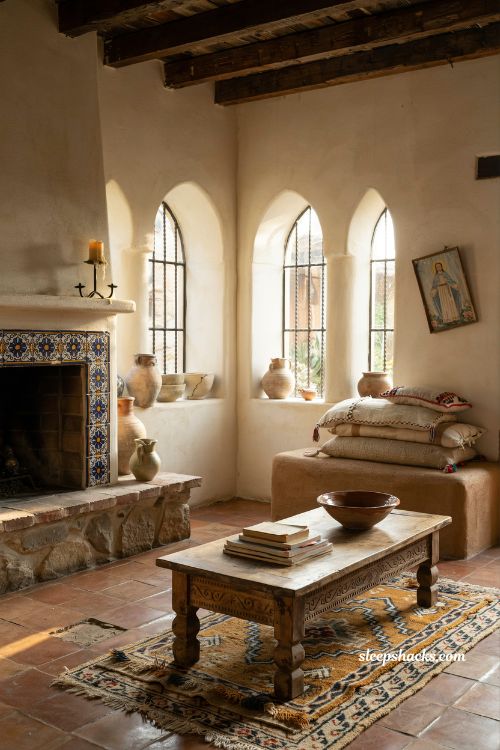
Whether you’re starting from scratch or just looking for a few pieces that bring more soul into your space, Mexican-inspired decor has this beautiful ability to make a home feel genuinely lived-in and loved. These 15 ideas pull from traditional hacienda design, folk art, Talavera craft, and that rich mix of color and texture that makes Mexican interiors so unmistakably inviting.
1. Talavera Tile Accents
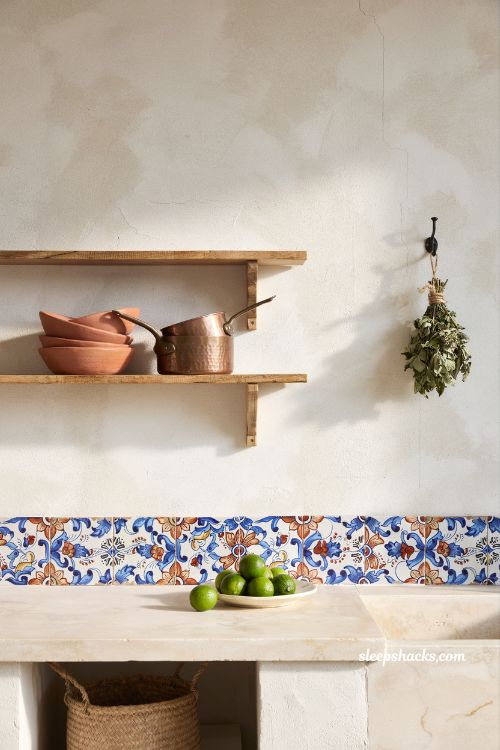
Few things make a statement as quickly as Talavera tile. Those bold cobalt, terracotta, and cream patterns have been a signature of Mexican craft for centuries, and they work beautifully in kitchens, bathrooms, or even as a fireplace surround. You don’t need to go all-in — a single row of hand-painted tiles along a backsplash or around a window frame is enough to anchor the whole room. The imperfections in hand-painted Talavera are part of the charm. Each tile is slightly different, which gives your space something that feels genuinely one-of-a-kind.
2. Saltillo Terracotta Floor Tiles
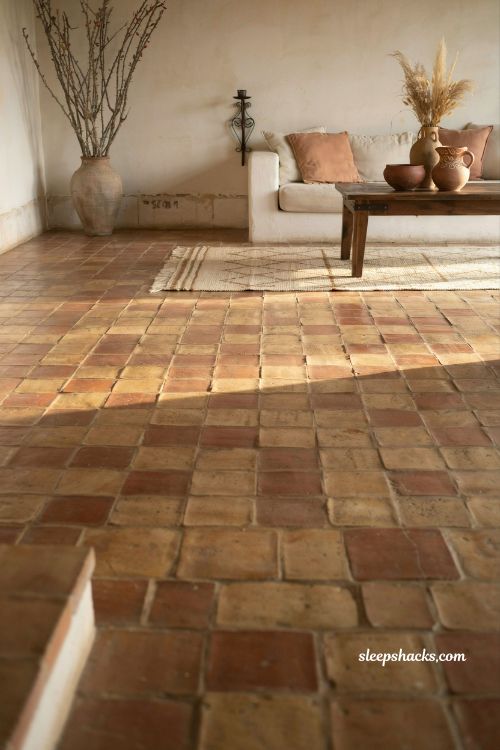
If there’s one element that instantly reads “Mexican hacienda,” it’s Saltillo tile on the floor. These large, earthy terracotta tiles are warm underfoot and gorgeous in natural light, especially when they pick up warm tones from the sun. They work just as well in a living room as they do in a kitchen or entryway. Pair them with a woven Zapotec rug and some dark wood furniture, and the whole space comes together in a way that feels both rustic and intentional. It’s a classic combination for a reason.
3. Handcrafted Tin Mirrors
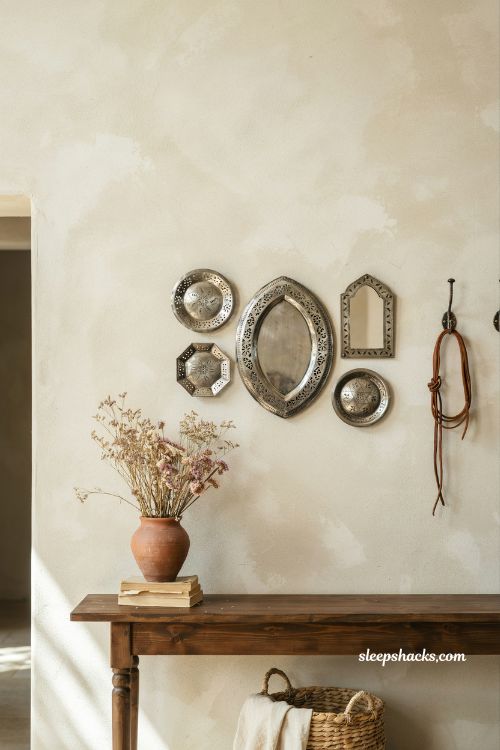
Tin mirrors are one of the most recognizable elements of Mexican folk art, and they’re incredibly versatile. The punched tin borders catch light beautifully and add texture to any wall without feeling heavy. They come in everything from small statement pieces to large ornate frames, so you can use one as a focal point above a console table or cluster a few smaller ones for a gallery wall effect. The craftsmanship that goes into each one is real — these aren’t mass-produced items, and that handmade quality shows in the finished piece.
4. Vibrant Serape Textiles
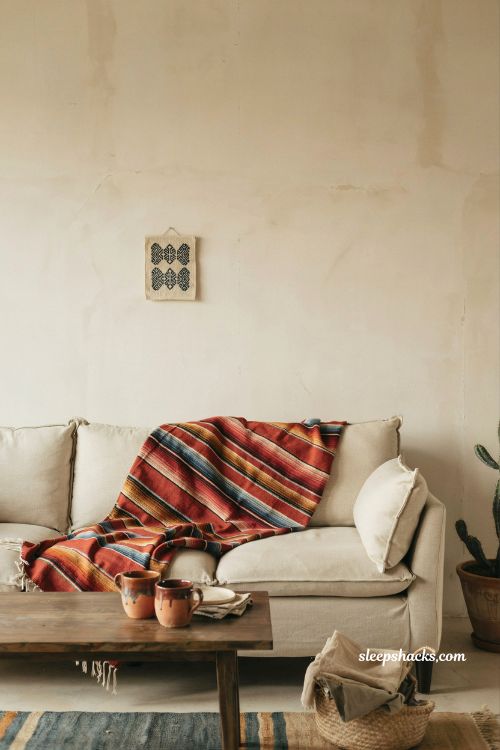
A serape blanket on a sofa or hung on a wall does more for a room than most people expect. The bold striped patterns and saturated colors — think deep reds, ochre yellows, and electric blues — bring energy into any space without requiring a full decor overhaul. Use a serape as a throw blanket layered over a neutral sofa, or frame one as textile wall art in a bedroom. The natural fibers have a texture that photographs beautifully and feels warm in person. It’s one of the easiest ways to bring Mexican color into a home.
5. Talavera Pottery and Planters
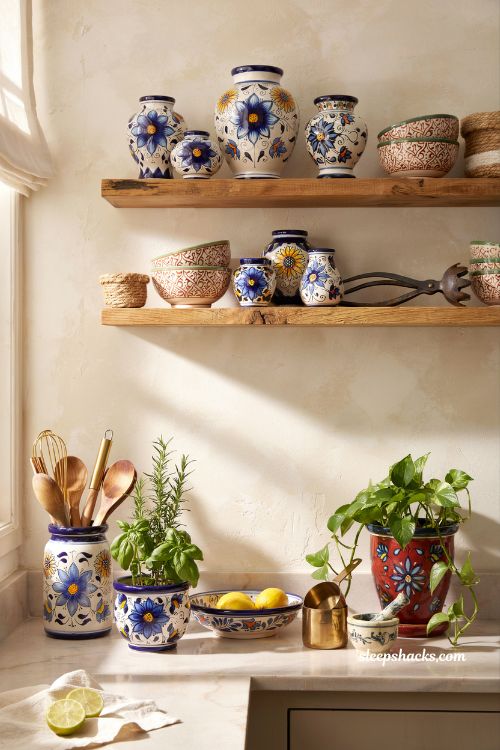
Beyond tile, Talavera pottery is one of the most practical and beautiful ways to bring Mexican craft into your home. Think oversized painted planters on a patio, a Talavera utensil crock on the kitchen counter, or a decorative vase on a shelf. The blue and white combinations are timeless, but the full-color versions with floral motifs feel even more festive. Talavera pieces look especially good grouped together — a small collection on a windowsill or kitchen shelf creates that collected-over-time feel that’s hard to manufacture with modern decor.
6. Hand-Painted Wooden Crosses
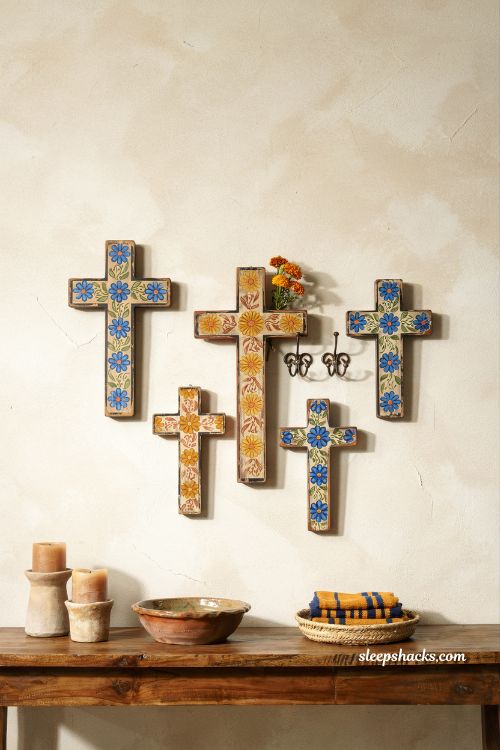
Decorative crosses are a constant presence in Mexican home design — not just as religious objects, but as genuine folk art pieces. Hand-painted wooden crosses in bright florals, Talavera-inspired patterns, or carved relief designs add color and meaning to a wall without needing a full gallery setup. They work beautifully in an entryway, a bedroom wall, or grouped with other small art pieces. The craftsmanship varies widely, so it’s worth seeking out pieces made by actual artisans — the difference in quality and character is immediately visible when you compare them side by side.
7. Equipale Leather Furniture
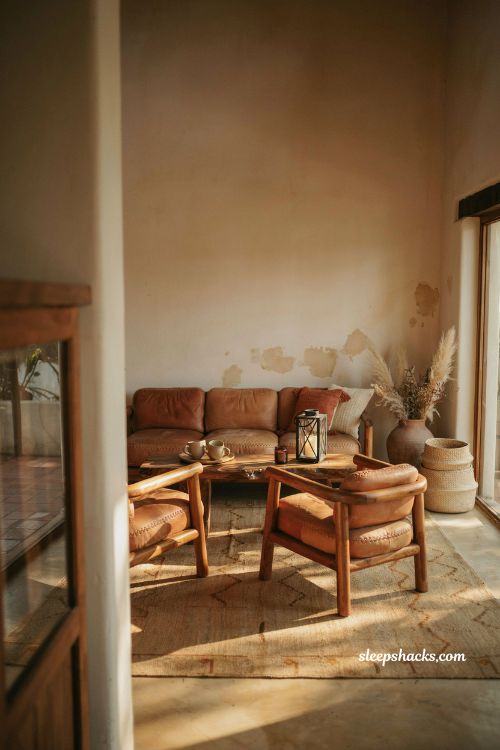
Equipale chairs and sofas are made with cedar frames and hand-stitched pigskin leather — a furniture tradition that goes back hundreds of years in Mexico. The rounded silhouettes and warm honey-brown tones work beautifully in a hacienda-style living room or on a covered patio. They’re surprisingly durable and only get better looking with age. If you want to bring a piece of authentic Mexican craft into your seating, equipale is one of the most distinctive choices you can make. It’s the kind of furniture that becomes a conversation piece without trying to be.
8. Folk Art Alebrijes
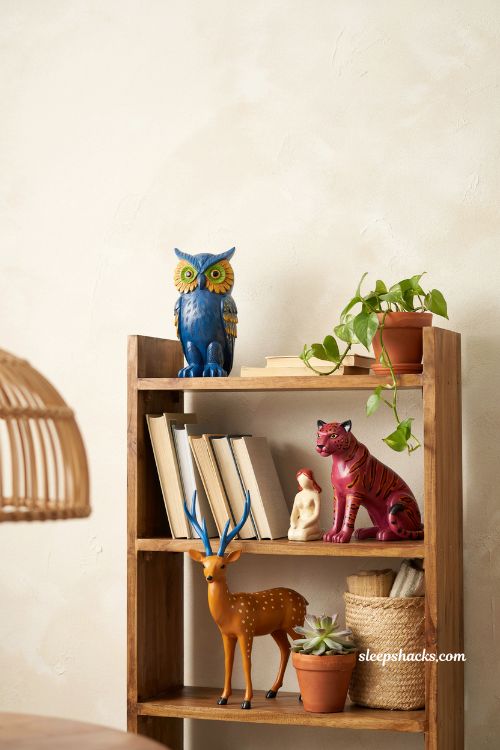
Alebrijes are those fantastical painted animal sculptures — brightly colored, carved from wood or made from papier-mâché — that originated in Oaxaca. They’re visually striking and deeply personal, since no two are exactly alike. A cluster of alebrijes on a bookshelf or side table brings an unmistakably Mexican energy to a room. They work well as focal points on their own or as part of a curated shelf display alongside books, plants, and other small objects. If you’re looking for one statement piece that starts conversations and carries real cultural weight, this is it.
9. Exposed Wood Beam Ceilings
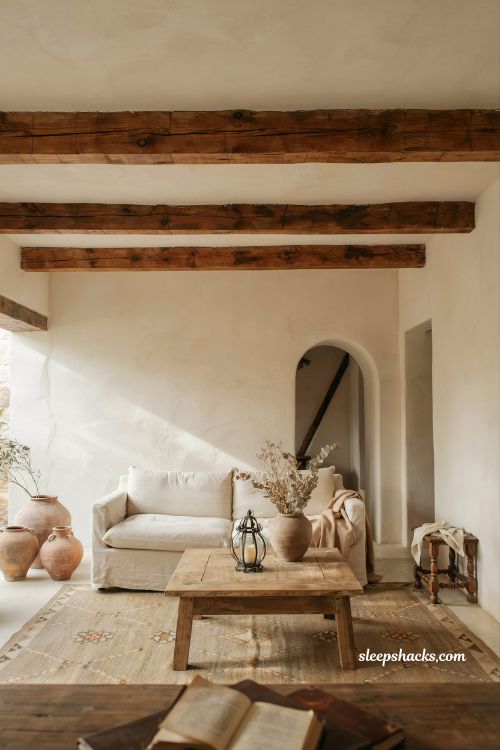
In traditional Mexican hacienda design, exposed wooden ceiling beams are one of the defining architectural features. If you have the option to add them — or if your home already has them — lean into it. Dark, rough-hewn beams against white plaster walls are one of the most beautiful design combinations in any style of home. They add warmth, texture, and a sense of history that no paint color or accessory can replicate. In a kitchen or living room, wood beams instantly shift the whole feeling of the space toward something grounded and deeply warm.
10. Barro Negro Decorative Vases
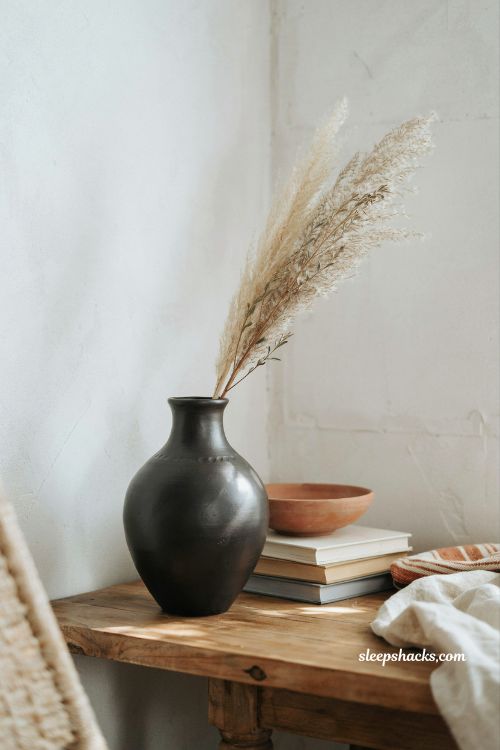
Barro negro — black clay pottery from Oaxaca — is one of the most striking and recognizable crafts in all of Mexico. The deep black finish comes from a traditional polishing and firing technique that’s been passed down for generations. A barro negro vase on a shelf or side table brings a sculptural quality that’s completely different from what you’d find in mainstream home decor. The contrast between the matte-black clay and a warm terracotta or white wall is visually stunning. It’s a piece that reads as sophisticated and artisanal without trying hard at all.
11. Ceramic Nicho Shadow Boxes
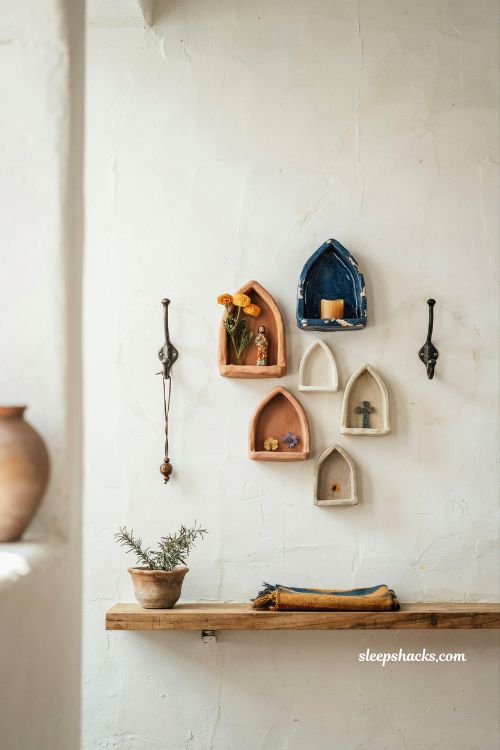
Nichos are small ceramic or tin shadow box frames — traditionally used to hold a small religious icon or personal keepsake — and they’ve become a beloved element of Mexican home decor beyond their spiritual function. A handmade ceramic nicho on a wall or shelf adds depth, texture, and a sense of personal meaning to a space. Some hold a candle, some a small figurine, some stay empty as simple wall art. They’re quiet pieces, but they carry weight — the kind of decor that makes a space feel intentional and layered rather than styled for a catalog.
12. Zapotec Woven Rugs
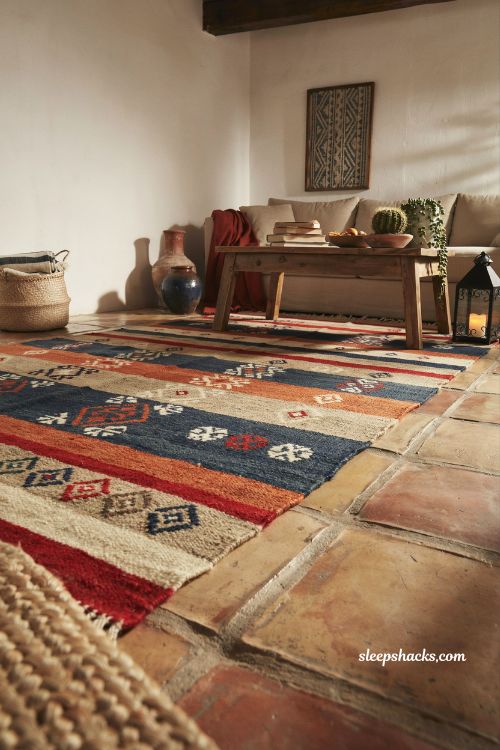
Zapotec rugs from Oaxaca are some of the most beautiful handwoven textiles in the world. Made on traditional pedal looms using natural wool dyes, each rug has geometric patterns that reflect centuries of indigenous craft tradition. A Zapotec rug on Saltillo tile or dark wood floors ties the whole room together while adding warmth and visual interest underfoot. The color combinations — deep indigos, warm reds, natural cream — complement almost every Mexican decor style. Because they’re made by hand, the colors have a depth and variation that machine-made rugs simply can’t match.
13. Blown Glass Decorative Objects
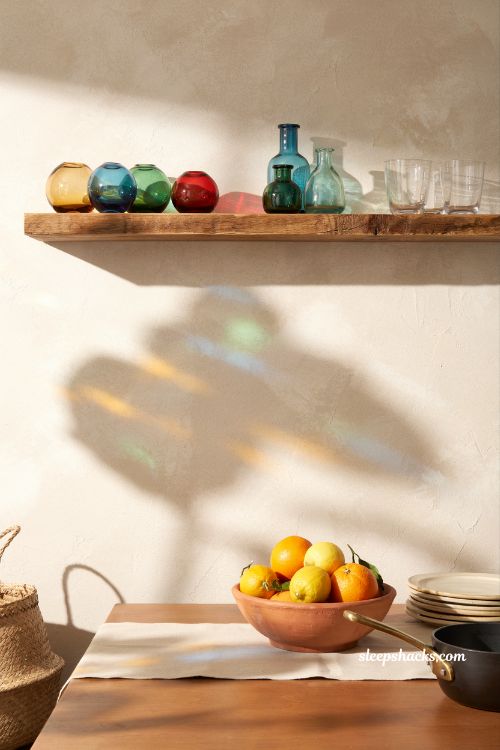
Tonalá and Tlaquepaque in Jalisco are famous for their hand-blown glass workshops, producing everything from colorful drinking glasses to decorative orbs and vases. A set of hand-blown glass pieces on a dining table or kitchen shelf brings color and light into a space in a way that feels effortless. The small bubbles and slight irregularities in hand-blown glass are what make it beautiful — it’s the opposite of mass-produced perfection. Group several pieces in complementary colors on a windowsill where the light can pass through them, and the effect is genuinely stunning in person.
14. Guadalupe and Milagro Wall Art
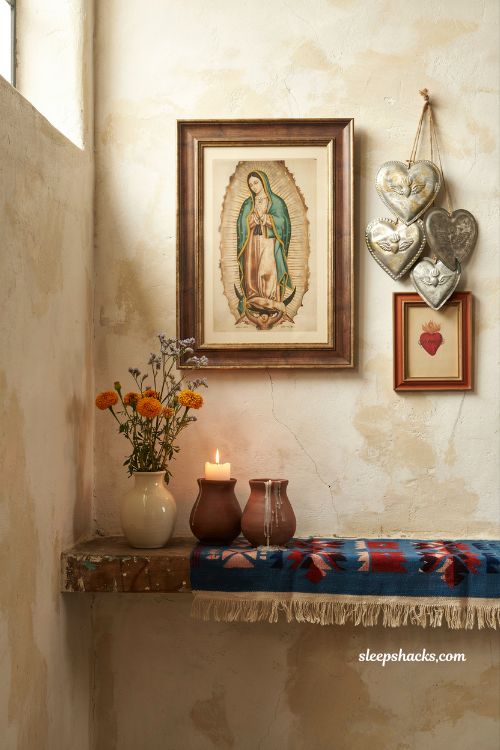
Images of Our Lady of Guadalupe and milagro (miracle) tin art are deeply woven into Mexican visual culture, and they’ve also become a beloved part of Mexican-style home decor. A framed Guadalupe print, a tin milagro heart, or a sacred heart canvas print brings color, meaning, and a sense of devotion into a space — even for those who appreciate them purely as folk art. These pieces work especially well in a hallway, bedroom, or small altar corner. They’re not just decorative — they carry a cultural and emotional resonance that gives a room genuine soul.
15. Rustic Hacienda Color Palettes
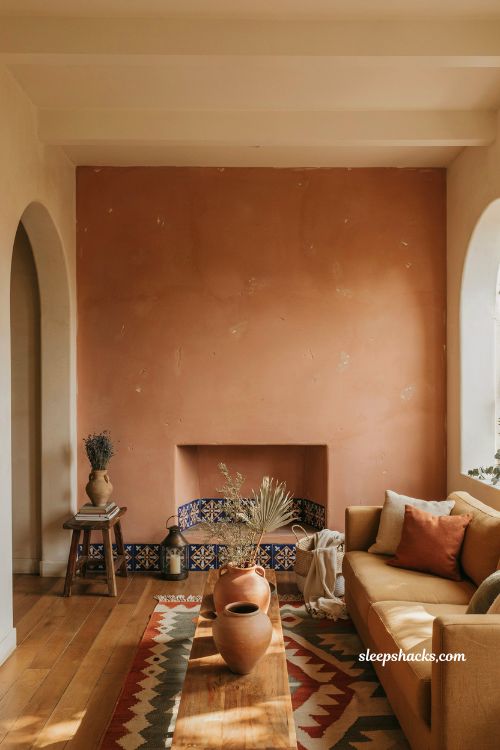
The colors of Mexican home decor aren’t accidental — they come from a long tradition of working with natural pigments, clay, and plant-based dyes. Terracotta orange, deep adobe red, warm ochre yellow, sage green, and cobalt blue are the palette of authentic Mexican design. If you’re painting walls or choosing textiles, lean into these colors rather than neutrals. A terracotta accent wall behind a sofa, deep cobalt blue kitchen tiles, or bright yellow in an entryway all create that warm, saturated look that makes Mexican-inspired spaces feel so alive. Color is the foundation — everything else builds from there.
Final Thoughts
Mexican home decor is one of those styles where the most important thing isn’t getting every element right — it’s letting the pieces tell a story. A single handmade tin mirror, a Zapotec rug, or a barro negro vase can shift the entire feeling of a room. You don’t need to redecorate everything at once. Start with one or two pieces that genuinely speak to you, and build from there over time. The best Mexican-inspired interiors always look collected, not curated — warm and full of life rather than carefully staged. That’s the spirit of it. And honestly, that’s what makes it work.
Frequently Asked Questions
Q: What are the key elements of Mexican home decor?
Talavera tile, hand-painted pottery, Zapotec woven rugs, tin mirrors, and earthy color palettes like terracotta, cobalt, and ochre are the most recognizable elements of authentic Mexican home decor style.
Q: How do I add Mexican decor to a modern home without it looking too busy?
Start with one or two statement pieces — a Talavera vase or a tin mirror — and keep the surrounding walls and furniture simple and neutral so the handmade pieces get to shine.
Q: Where can I buy authentic Mexican home decor?
Look for specialty importers like La Fuente Imports, artisan-focused shops like Lolo Modern Mexican Mercadito, or handcraft markets that source directly from Mexican artisan collectives for the most authentic pieces.