

I still remember the first time I tried to grow herbs inside my home. I had a tiny kitchen, one small window, and a lot of curiosity. I placed a pot of basil near the light and hoped for the best.
At first, nothing felt certain. But slowly, those little green leaves began to grow, and something shifted. It wasn’t just about herbs anymore. It became a quiet, daily joy. If you’ve ever thought about starting an indoor herb garden, you’re closer than you think.
- Start small and stay consistent
- Light matters more than anything else
- Fresh herbs change how you cook and feel
1. Sunlit Indoor Herb Garden For Fresh Flavor
Finding The Right Light
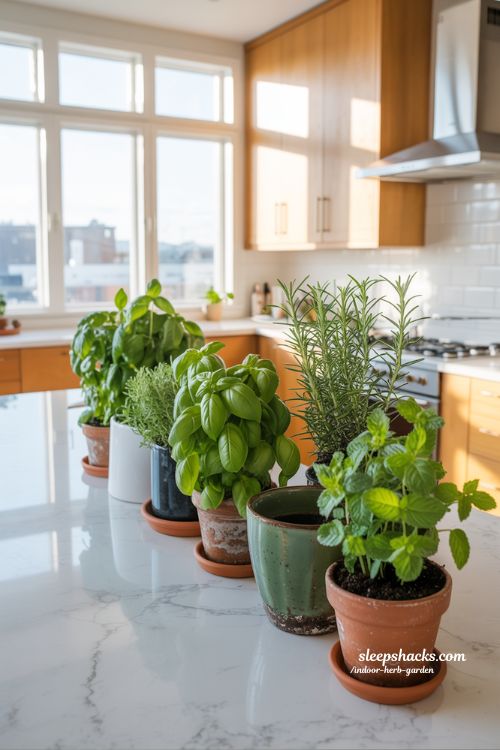
When I first set up my indoor herb garden, I didn’t realize how much light mattered. I placed my herbs wherever there was space, not where there was sunlight. Big mistake. Herbs love light, especially that soft, steady sunlight from a south-facing window. Once I moved them, everything changed. The leaves looked stronger, fuller, and honestly, happier. If your home doesn’t get much sun, don’t worry. A simple grow light can do wonders and keep your herbs thriving every day.
Creating A Calm Kitchen Corner
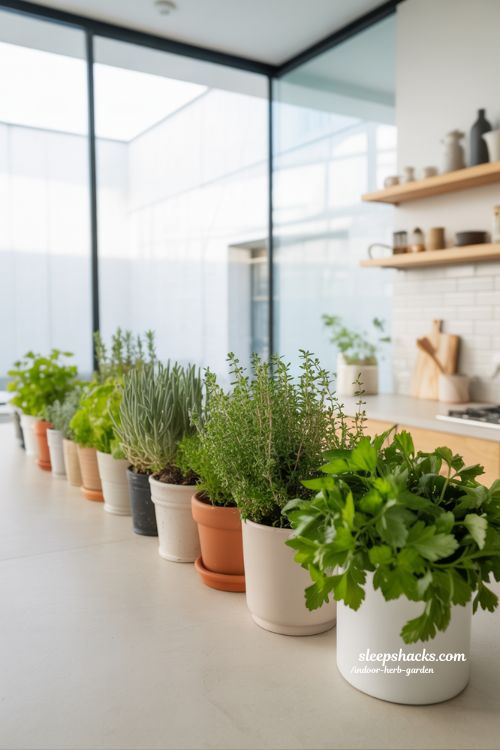
There’s something peaceful about having fresh herbs right by your kitchen window. It feels alive. I like to use simple clay pots or soft-colored containers so the green leaves stand out. It doesn’t need to be fancy. A small tray, a few well-spaced pots, and a bit of sunlight can turn your indoor herb garden into a cozy little corner that makes cooking feel more personal and warm.
- Place herbs where sunlight stays longest
- Keep pots simple and breathable
- Rotate plants every few days
2. Small Space Indoor Herb Garden Ideas
Making The Most Of Tiny Areas
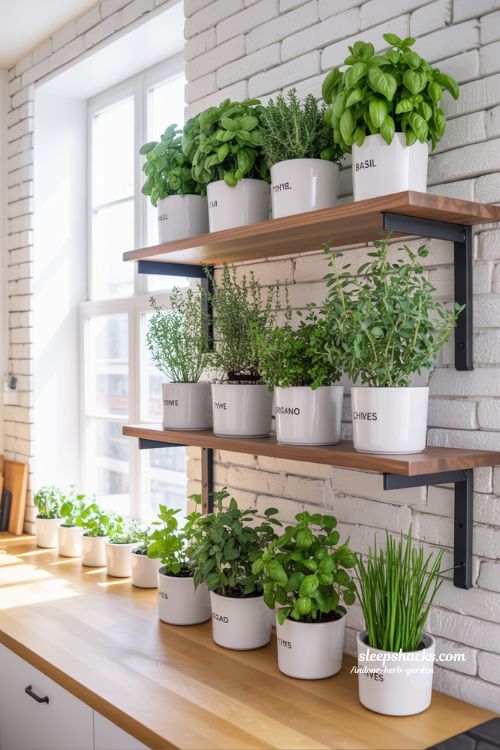
Not everyone has a big kitchen or wide windows. I didn’t either. My first indoor herb garden lived on a narrow shelf above the sink. What helped was thinking upward instead of outward. Wall shelves or hanging planters can turn even the smallest space into something green and useful. Herbs like thyme and oregano don’t take much room, and they’re very forgiving.
Keeping It Clean And Simple
In a small space, clutter builds fast. So I learned to keep my setup minimal. Matching pots, clear labels, and a simple layout made everything feel organized. It also made watering easier because I knew exactly where everything was. A neat indoor herb garden doesn’t just look good, it feels easier to take care of every single day.
- Use vertical space when possible
- Choose compact herb types
- Keep layout neat and easy
3. Beginner Indoor Herb Garden Setup
Starting Without Stress
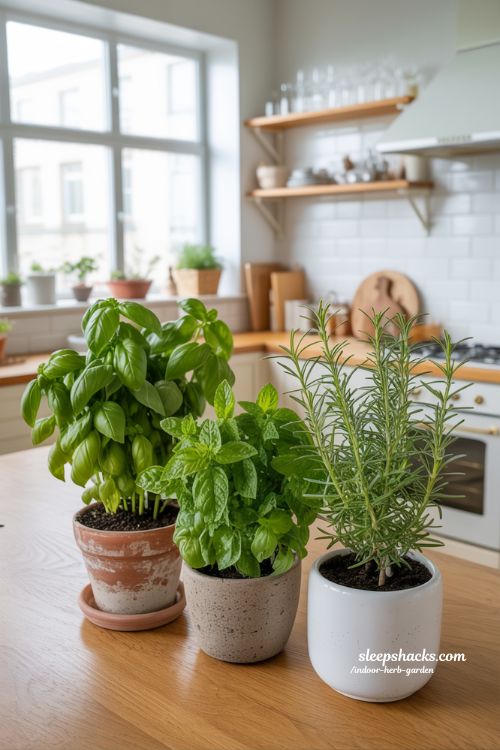
If you’re new, it’s easy to overthink things. I did. I tried seeds, fancy soil, and too many herbs at once. It didn’t go well. What worked later was keeping it simple. I started with basil and mint from a local shop. Already growing, already strong. That small step made my indoor herb garden feel doable instead of overwhelming.
Building Confidence Slowly
Once I saw those first leaves grow, I felt more confident. I began to understand when the soil needed water and how much light each plant liked. You don’t need to know everything on day one. An indoor herb garden teaches you as you go. You just need to pay attention and enjoy the process.
- Start with 2–3 easy herbs
- Use ready plants instead of seeds
- Learn by observing daily
4. Stylish Indoor Herb Garden Decor
Blending Plants With Home Style
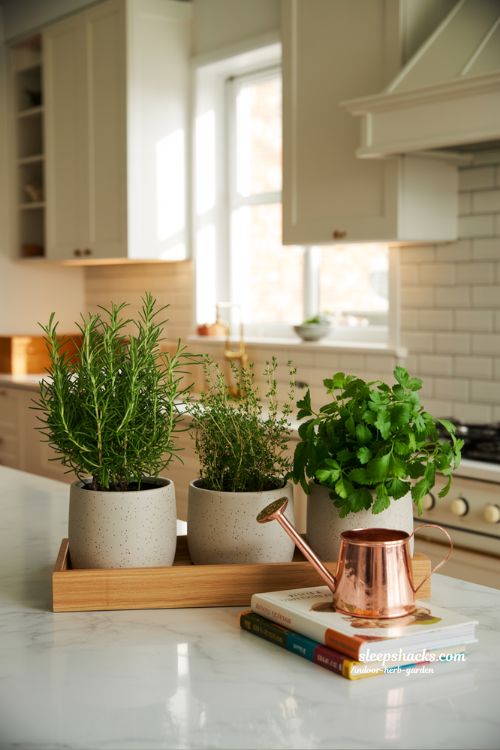
Your indoor herb garden can be useful and beautiful at the same time. I love using soft ceramic pots or wooden trays because they blend well with most kitchens. When the design feels calm, you’re more likely to enjoy taking care of it. It becomes part of your home, not just a project.
Creating A Warm Visual Feel
A small detail like matching containers or placing herbs in a row can change the whole look. I sometimes add a little label or a simple stand to lift the plants. It makes everything feel more thoughtful. A well-arranged indoor herb garden doesn’t need to be perfect, just balanced and warm.
- Choose colors that match your space
- Keep spacing even between pots
- Add small decorative touches
5. Indoor Herb Garden Without Sunlight
Using Grow Lights Effectively
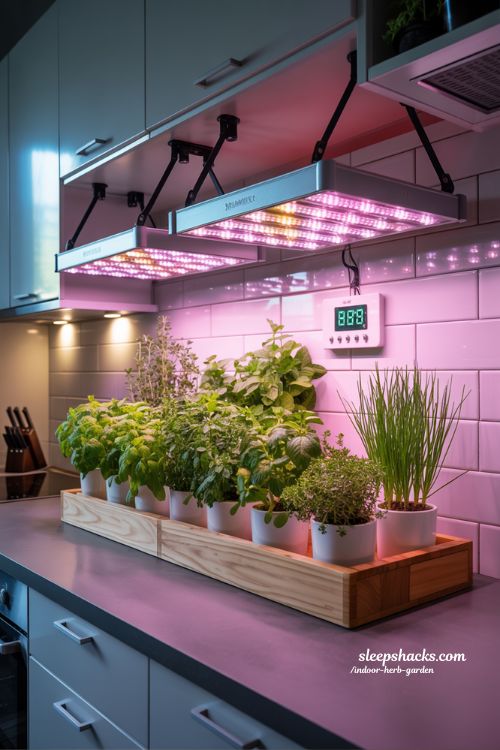
There was a time when my kitchen barely got sunlight, especially during cloudy days. That’s when I tried grow lights. At first, it felt odd, but it worked better than I expected. My indoor herb garden stayed healthy, and the plants didn’t stretch or weaken. Keeping lights on for about 12–16 hours made a big difference.
Choosing The Right Herbs
Some herbs handle low light better than others. Mint and parsley are quite adaptable. They don’t complain much and still grow well indoors. When you match the right herbs with the right light, your indoor herb garden becomes easier to manage and more rewarding over time.
- Use lights consistently every day
- Keep lights close to plants
- Pick herbs that adapt well
6. Indoor Herb Garden From Cuttings
A Simple Way To Grow More
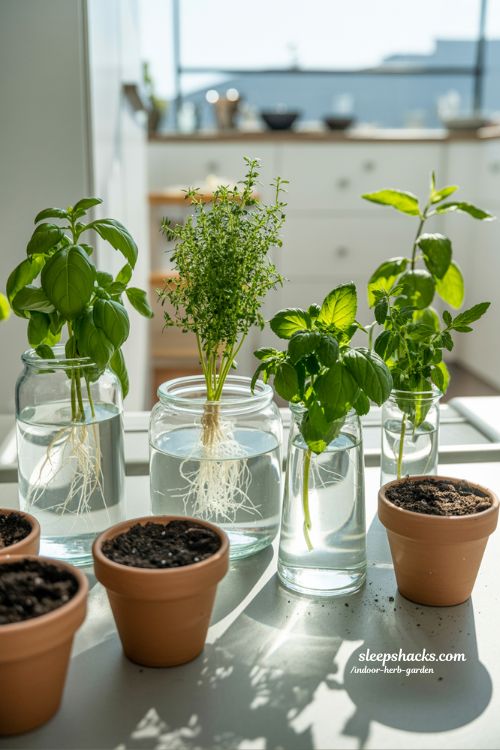
One of my favorite tricks is growing herbs from cuttings. It feels almost magical. I cut a small stem from basil, placed it in water, and waited. Within days, roots started to appear. That’s when I realized how easy an indoor herb garden can be.
Moving From Water To Soil
Once the roots grow a bit longer, I move them into soil. This step needs gentle care, but it works well. The plant adjusts quickly if you keep the soil moist at first. Growing herbs this way saves money and gives you a steady supply of fresh plants.
- Use clean water for cuttings
- Wait for visible roots
- Transfer gently to soil
7. Vertical Indoor Herb Garden Ideas
Saving Space With Height
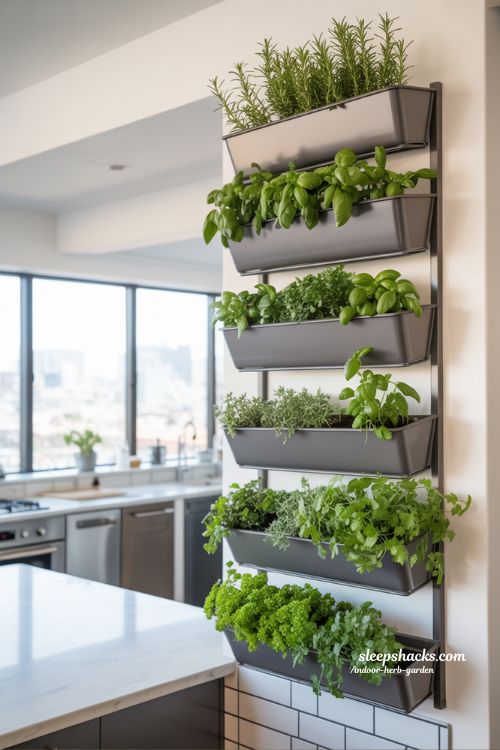
When space feels tight, going vertical changes everything. I installed a simple rack on my wall and placed small pots in rows. Suddenly, my indoor herb garden looked bigger without taking more room. It also made watering easier since everything was in one place.
Keeping It Balanced
The key is balance. Don’t overcrowd each level. Give plants enough space to breathe and receive light. A vertical indoor herb garden works best when it feels open, not packed. It becomes both practical and visually pleasing.
- Leave space between levels
- Keep top plants light-friendly
- Secure shelves properly
8. Best Herbs To Grow Together
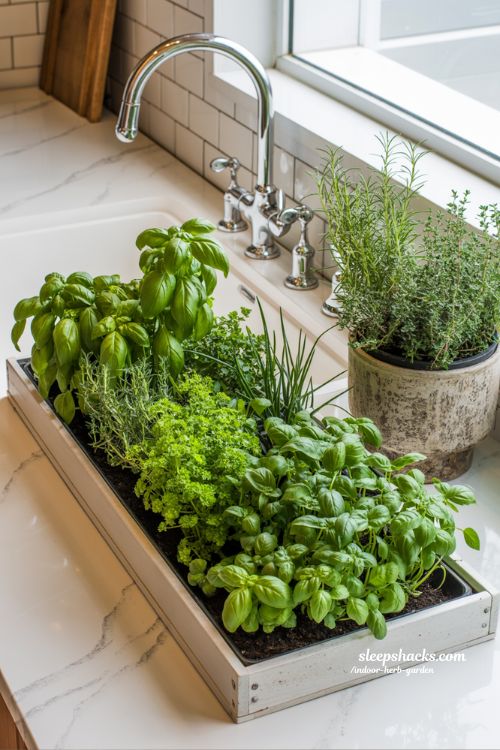
Choosing Compatible Plants
Not all herbs enjoy the same conditions. I learned this the hard way when one plant thrived and another struggled right beside it. Basil, parsley, and oregano tend to get along well because they like similar light and watering patterns.
Making Care Easier
Grouping herbs with similar needs makes your indoor herb garden easier to manage. You water them together, place them in the same light, and watch them grow at a similar pace. It reduces guesswork and keeps things simple.
| Herb Pair | Why They Work Well |
| Basil + Parsley | Similar watering needs |
| Thyme + Oregano | Prefer dry soil |
| Mint + Chives | Adaptable and hardy |
This kind of pairing saves time and keeps your indoor herb garden balanced and healthy.
- Group herbs with same needs
- Avoid mixing dry and moist lovers
- Keep observation simple
9. Indoor Herb Garden Kits
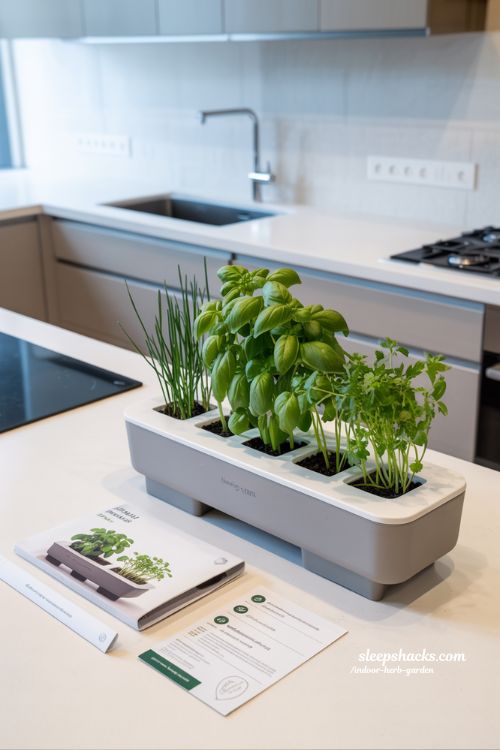
A Convenient Start
Sometimes you just want things to be easy. That’s where kits come in. I tried one when I felt too busy to plan everything. It came with pots, soil, and seeds. It removed the guesswork and helped me focus on caring for the plants.
When Kits Make Sense
Kits are great if you’re unsure where to begin. They guide you step by step and reduce mistakes. For a beginner indoor herb garden, this can be a comforting way to start without feeling lost.
- Choose simple starter kits
- Follow instructions closely
- Don’t overwater early
10. Recycled Container Herb Garden
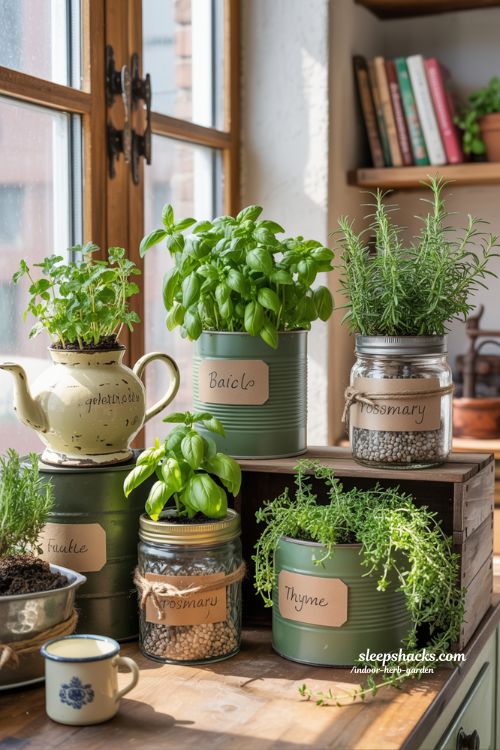
Turning Waste Into Growth
I once used an old glass jar to grow mint. It looked simple, but it worked. Reusing containers adds a personal touch to your indoor herb garden. It feels creative and mindful at the same time.
Making It Functional
Just make sure there’s drainage. I learned that the hard way when water collected at the bottom. A few small holes can fix that. A recycled indoor herb garden feels unique and full of character.
- Clean containers well
- Add drainage holes
- Use light soil mix
11. Windowsill Herb Garden
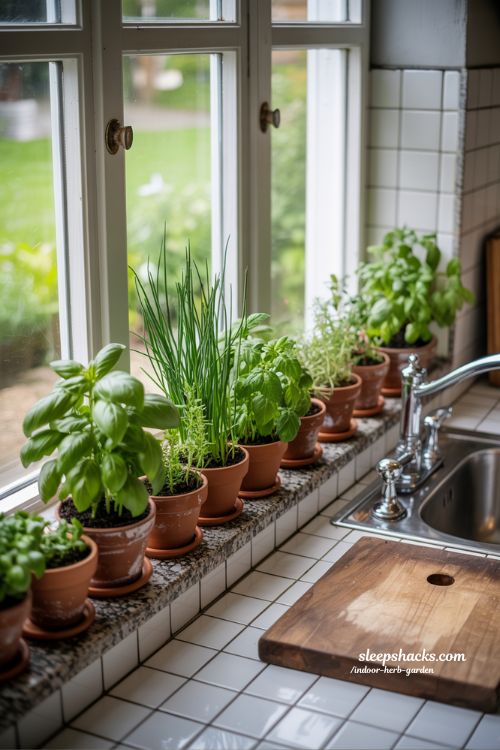
Keeping Herbs Within Reach
A windowsill is the heart of many indoor herb gardens. It’s where light meets convenience. I love picking fresh leaves while cooking. It feels immediate and satisfying.
Simple Yet Effective Setup
You don’t need much. A few small pots, steady sunlight, and regular care are enough. A windowsill indoor herb garden keeps things easy and enjoyable every day.
- Choose sunny windows
- Keep pots small
- Water lightly
12. Low Maintenance Indoor Herb Garden
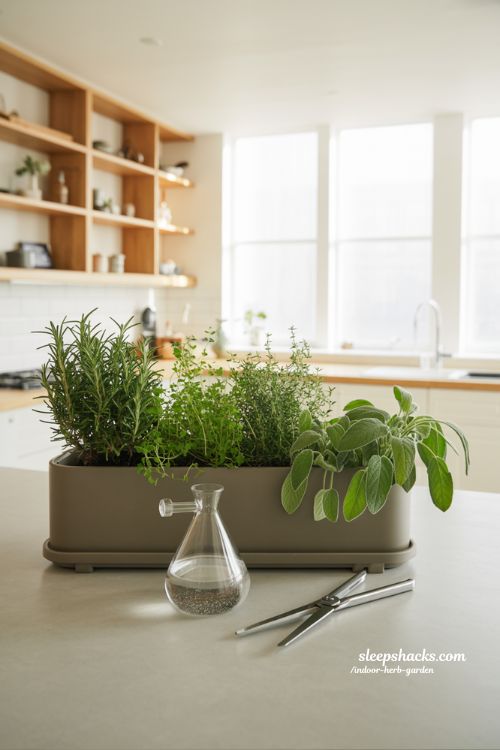
Keeping Care Simple
Life gets busy. I’ve had weeks where I almost forgot my plants. That’s why low-maintenance herbs like thyme and mint are helpful. They don’t need constant attention.
Building A Routine
A simple routine works best. Check soil, water lightly, and trim when needed. A low-effort indoor herb garden still brings fresh herbs without stress.
| Task | Frequency |
| Watering | Every 2–3 days |
| Trimming | Weekly |
| Light Check | Daily |
This rhythm keeps your indoor herb garden healthy without feeling like a chore.
- Pick hardy herbs
- Stick to simple routine
- Avoid overwatering
13. Cozy Indoor Herb Garden Style
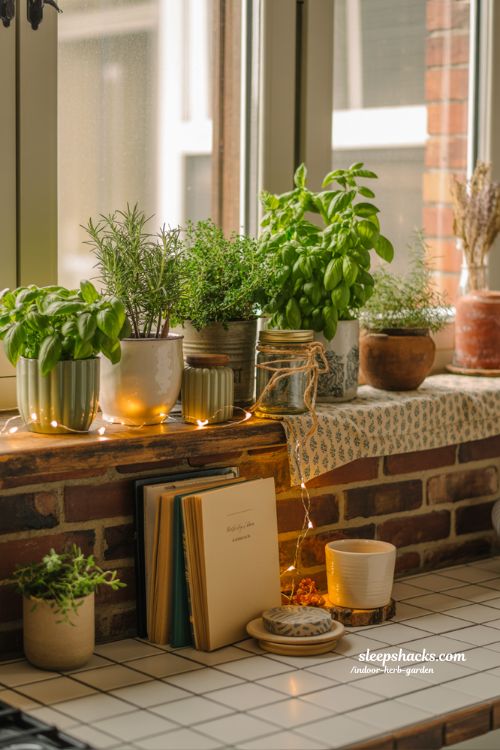
Creating Warm Atmosphere
I like soft lighting and earthy pots. It makes my indoor herb garden feel cozy, almost like a small retreat inside the home. It’s not just about growing food, it’s about feeling good.
Adding Personal Touch
A small cloth under the pots or a wooden tray can change the mood. These tiny details make the space feel lived-in and personal.
- Use warm colors
- Add natural textures
- Keep layout soft
14. Year Round Herb Care
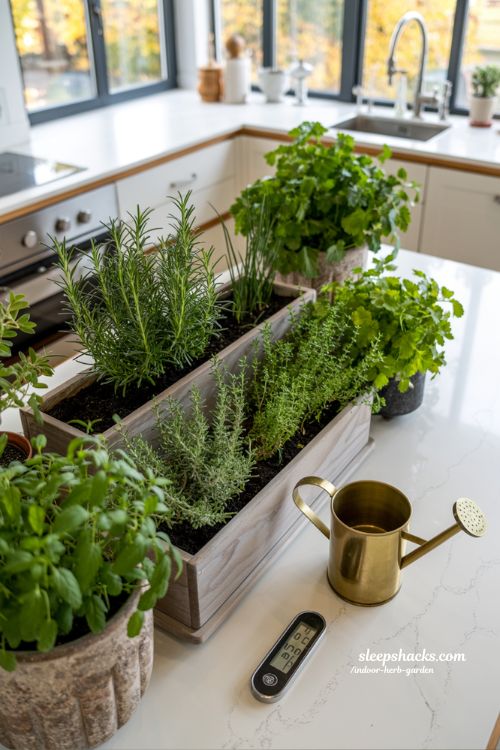
Keeping Growth Steady
Herbs need consistency. Light, water, and temperature all matter. When I kept things stable, my indoor herb garden stayed healthy even in colder months.
Watching Small Changes
Plants speak in small ways. Yellow leaves or dry soil tell you something is off. Paying attention helps you adjust quickly.
- Maintain steady temperature
- Watch leaf changes
- Adjust care gently
15. Compact Kitchen Herb Garden
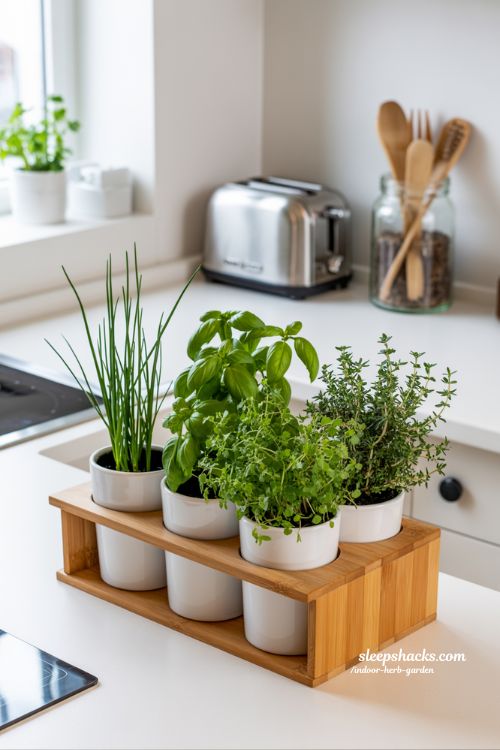
Making It Fit Anywhere
Even a tiny kitchen can hold a small indoor herb garden. I once used a corner shelf, and it worked perfectly.
Keeping It Practical
Choose only what you use often. A few herbs are better than too many crowded plants.
- Keep only useful herbs
- Use small containers
- Avoid overcrowding
16. Herb Garden Styling For Photos
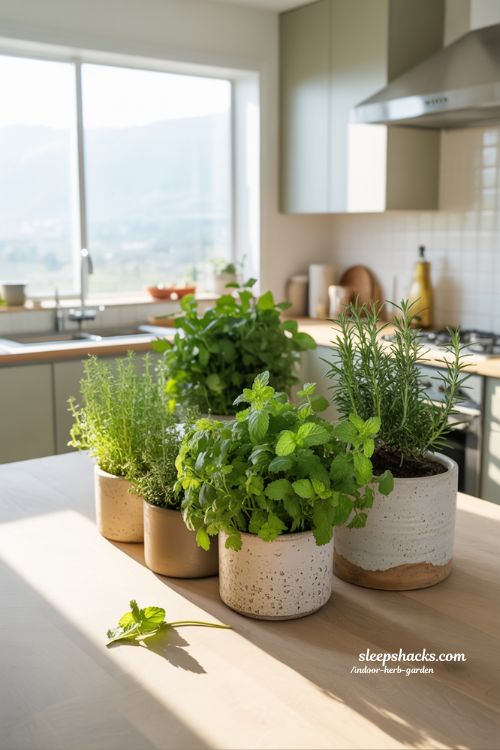
Making It Look Natural
Good light and clean space make a big difference. I like taking photos in the morning when sunlight feels soft.
Keeping It Real
Don’t over-style. Let the plants be the focus. A natural indoor herb garden always looks better than something forced.
- Use natural light
- Keep background clean
- Focus on greenery
17. Sustainable Herb Garden Ideas
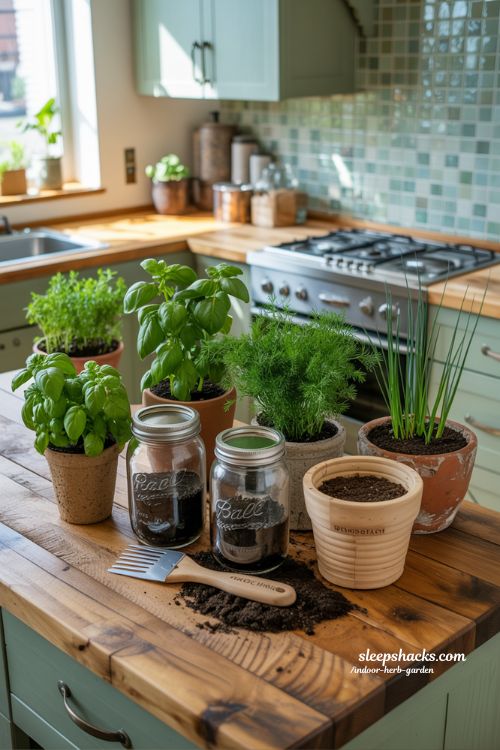
Growing With Care
Using organic soil and reusable pots makes your indoor herb garden more mindful. It feels good knowing you’re reducing waste.
Long Term Thinking
A sustainable setup lasts longer and needs fewer changes. It becomes part of your daily life, not just a short project.
- Reuse materials
- Choose organic soil
- Reduce waste
FAQs
How much light does an indoor herb garden need
Most herbs need about 4 to 6 hours of direct light daily. If natural light is low, a grow light can help keep plants healthy.
Which herbs grow best indoors
Basil, mint, parsley, and thyme are some of the easiest herbs to grow inside and adapt well to indoor conditions.
How often should I water indoor herbs
Water when the top layer of soil feels dry. Avoid watering too often to prevent root problems.
Can I grow herbs without sunlight
Yes, grow lights can replace sunlight and keep your indoor herb garden thriving all year.
What is the easiest way to start
Starting with small plants instead of seeds makes the process easier and faster for beginners.
Why are my herbs turning yellow
Yellow leaves often mean too much water or not enough light. Adjust care slowly and observe changes.
Do indoor herbs need fertilizer
They can benefit from light feeding every few weeks, but too much fertilizer can harm the plants.