

Walk down almost any street in the early evening and you can tell which houses have a garden people actually use. There is a chair that has been moved a few times, a watering can left by the step, a pot of herbs close to the kitchen door. None of it looks planned, yet it feels deeply right.
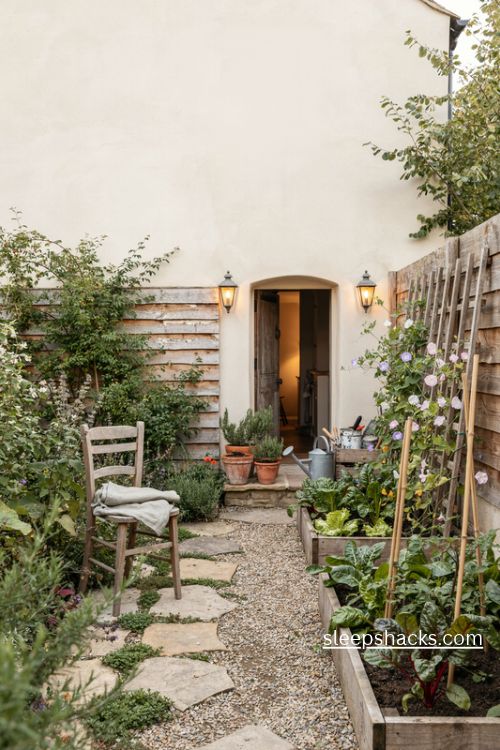
That is the kind of garden worth building. These 14 home garden ideas focus on small, doable changes using raised beds, containers, climbers, lighting, and simple layouts, so you end up with a space you enjoy every day rather than a project you feel guilty about.
1. Raised Beds Around a Seating Area
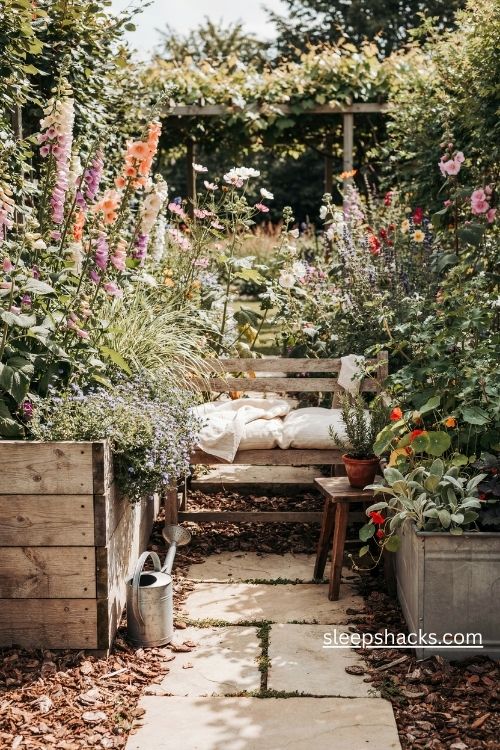
Large raised beds wrapped around a small patio make the whole space feel enclosed and lush. Fill them with tall flowers and leafy plants, and the seating area begins to feel like a secret room. Beds about eighteen to twenty-four inches high are comfortable for weeding without bending too far.
Use untreated cedar or galvanized steel, which last for years and look neat. Fill the bottom with branches and rough compost, then top with good soil, and the beds will drain well and need less watering during the warmer months.
2. A Container Garden by the Back Door
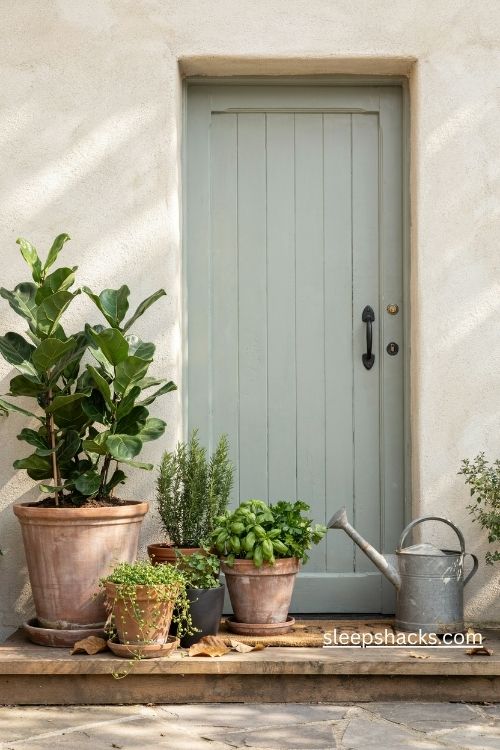
Pots clustered near the door are the easiest garden to maintain because you pass them every day. Group three to five containers in different heights, using one tall plant, a couple of mid-sized ones, and something trailing. The mix looks full and deliberate.
Choose pots with drainage holes and place saucers underneath to protect the floor. Stick to two or three pot materials, such as terracotta and matte black, so the group feels calm instead of cluttered, and move them around as the seasons change.
3. A Trellis with Climbing Flowers
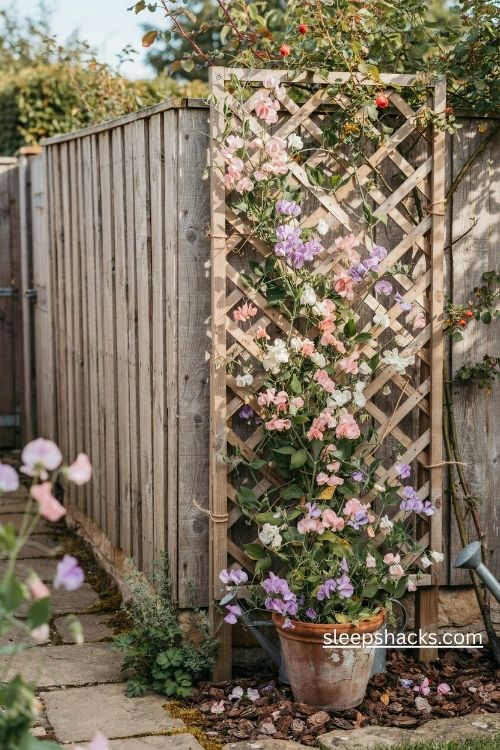
When ground space is tight, grow upward. A simple wooden trellis against a fence or wall can carry sweet peas, clematis, or climbing roses, and it adds height and color without taking a single extra square foot. In summer it becomes a living wall of blooms.
Anchor the trellis firmly into the wall or a deep planter so wind will not pull it loose. Tie new shoots gently with soft garden twine every week or two, and the plant will find its own way up with little extra effort.
4. A Kitchen Herb Corner
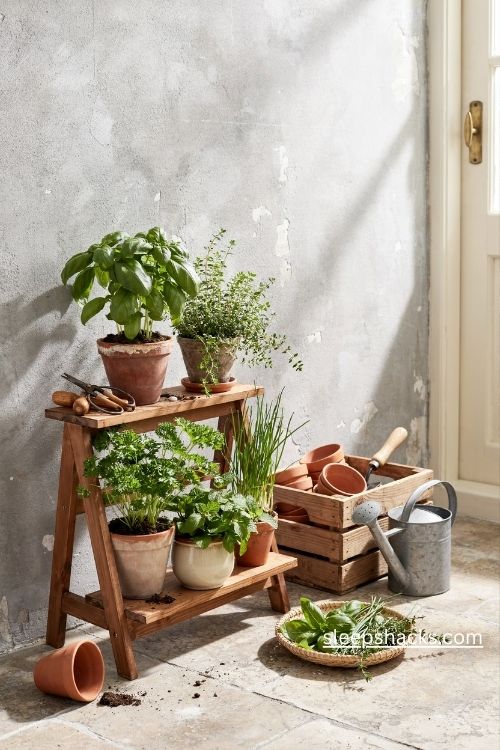
A few steps from your kitchen, a patch of herbs saves money and makes cooking more joyful. Basil, thyme, parsley, and chives thrive in a sunny spot, and even a single wooden crate or tiered stand is enough to start. The smell alone is worth the effort.
Keep mint in its own pot, because it spreads quickly. Harvest from the top of each stem regularly, and the plants will grow bushier, giving you fresh leaves well into the season.
5. A Gravel Path with Stepping Stones
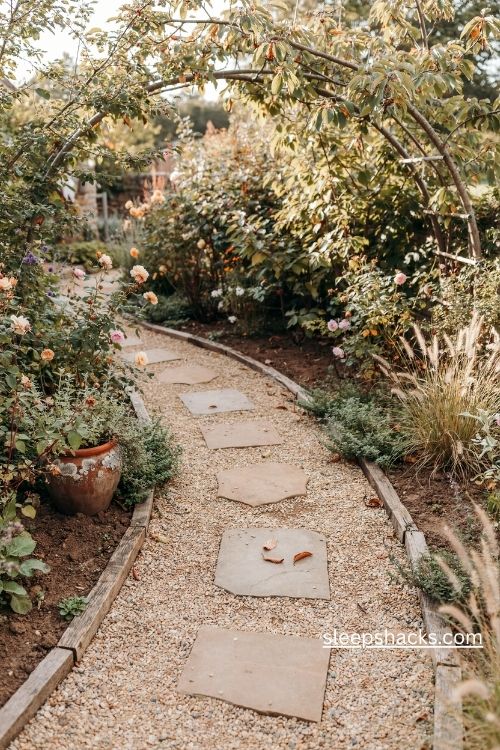
A simple path gives a garden structure and invites you to wander through it. Lay flat stepping stones about a stride apart, then fill the gaps with pea gravel or small pebbles for a soft, crunchy surface. Even a short path makes a small yard feel larger.
Line the ground with landscape fabric first, so weeds do not push through. Curve the path slightly rather than running it straight, since a gentle bend hides part of the view and makes the space feel more mysterious.
6. Staggered Height Planters
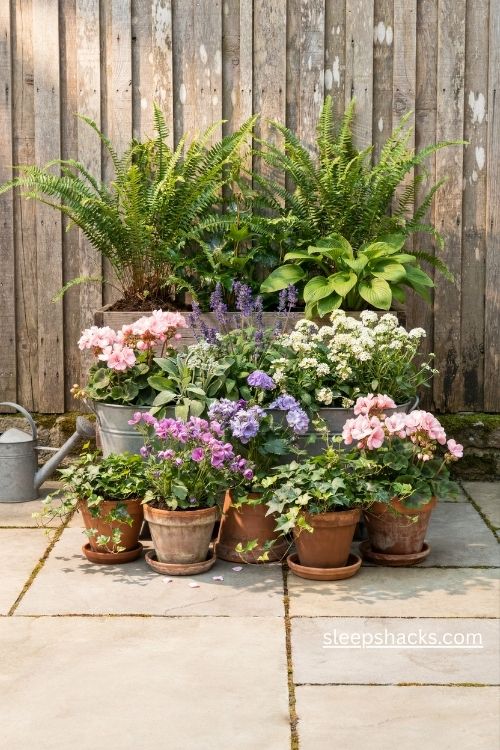
Planters at different heights create instant depth. Place tall ones at the back, medium ones in the center, and low ones near the front, and you get a layered look that feels like a proper border even on a plain patio. It also makes watering easier for the smaller plants.
Use boxes, crates, or overturned pots as risers if you are on a budget. Mix foliage plants like hostas and ferns with flowering annuals so there is always something green and something colorful in view.
7. A Pollinator Border
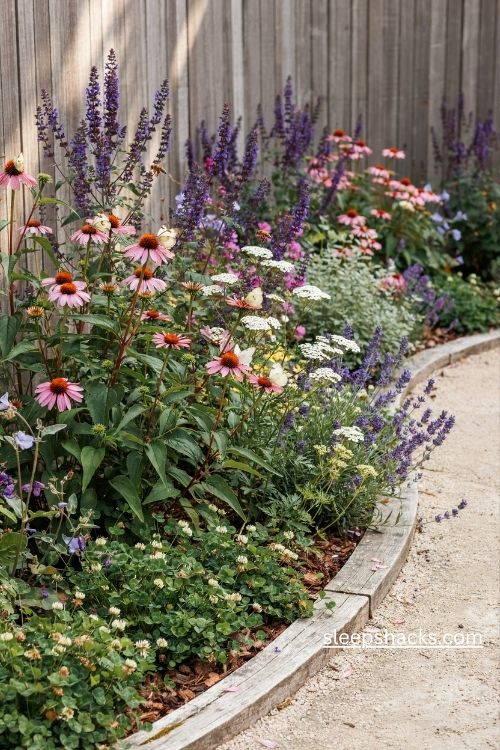
A border full of lavender, echinacea, and salvia will bring bees and butterflies to your garden within weeks. The movement and soft humming add a gentle energy, and the flowers look lovely together in purples, pinks, and soft whites. It is a living display that changes with the weather.
Choose plants that bloom at different times so there is nectar from spring through autumn. Skip heavy pesticides, and let a few weeds like clover sit near the edge, since pollinators enjoy them just as much as the showy flowers.
8. A Mirror to Double the View
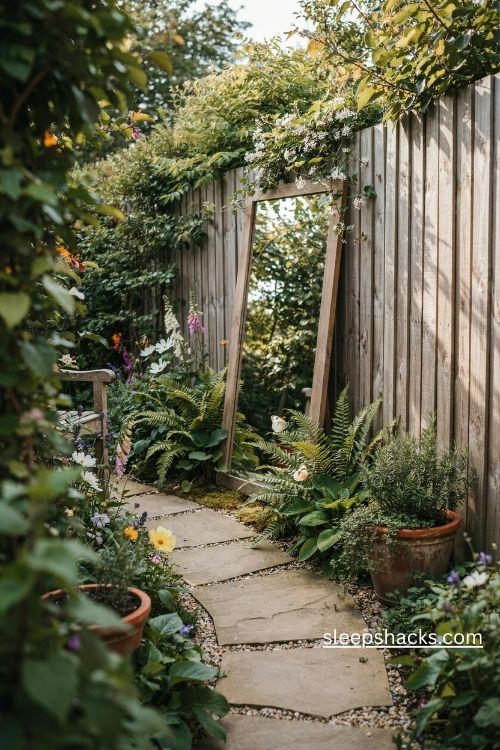
A weatherproof mirror fixed to a fence or wall reflects greenery and light, tricking the eye into seeing a larger garden. Set it at the end of a path or behind a cluster of plants, and the reflection suggests an opening into another space. It is surprisingly effective in narrow yards.
Tilt it slightly downward so birds do not fly into it, and partially hide the edges with climbing plants. Choose a mirror designed for outdoor use, since regular glass will cloud and the backing will deteriorate.
9. A Small Water Feature
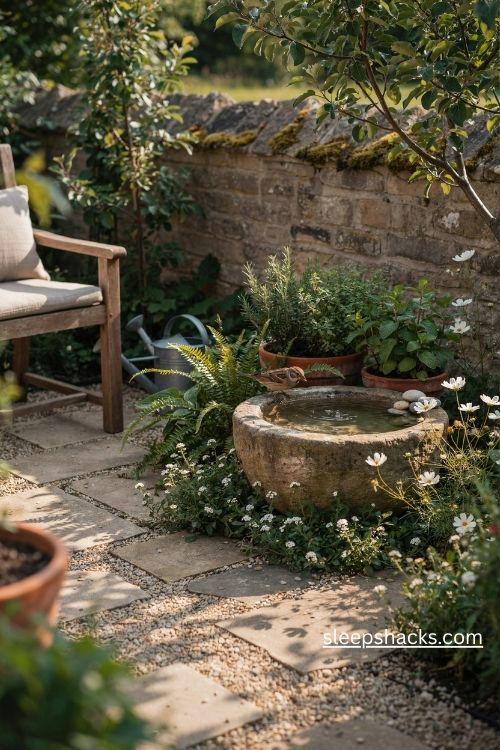
The sound of trickling water makes a small garden feel peaceful immediately. A wall-mounted spout, a bubbling stone, or a shallow bowl with a solar pump can fit into the tiniest corner. Birds love it too and will visit for a drink and a splash.
Place it near seating so you can hear it from your favorite spot. Keep the water moving to prevent mosquitoes, and clean the bowl every couple of weeks, so the water stays fresh and clear.
10. Solar Lights Along the Edges
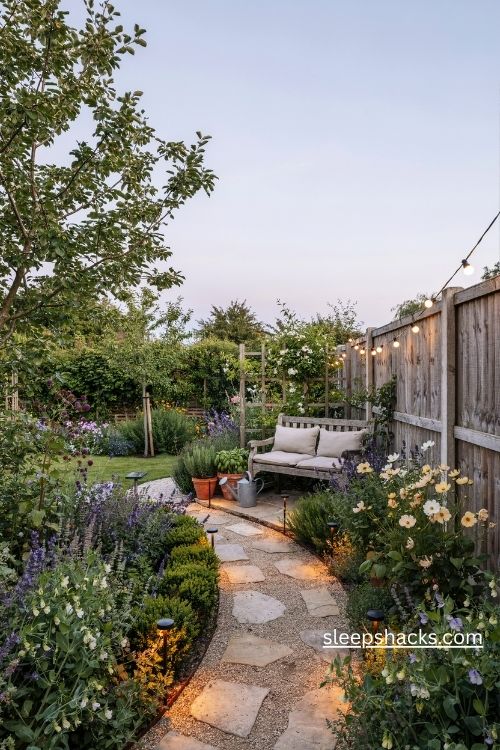
A little light extends your garden into the evening. Small solar stakes along a path or around a bed give a soft guide, while a string of warm bulbs across a fence makes the space feel like an outdoor room. You will find yourself sitting outside much later.
Choose warm white rather than cool, bluish light, which can look harsh on foliage. Place panels where they receive full sun for most of the day, and wipe them clean now and then so they hold a full charge.
11. A Built-In Bench with Storage
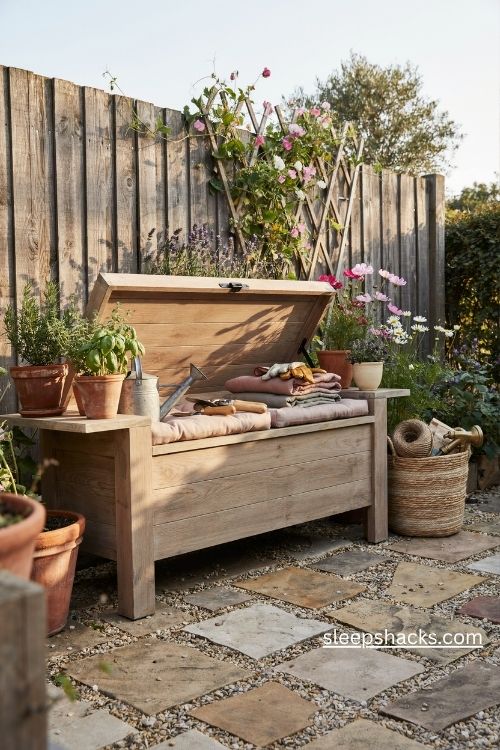
A bench along a fence gives you a place to sit and a place to hide tools, cushions, and watering cans. Choose a design with a hinged lid, and the garden stays tidy even when you are halfway through a project. It also becomes a natural backdrop for pots and baskets.
Weatherproof the wood with oil or exterior paint every year or two. Add a few outdoor cushions in a color that picks up your flowers, and the bench will look like part of the planting scheme.
12. Ornamental Grasses for Movement
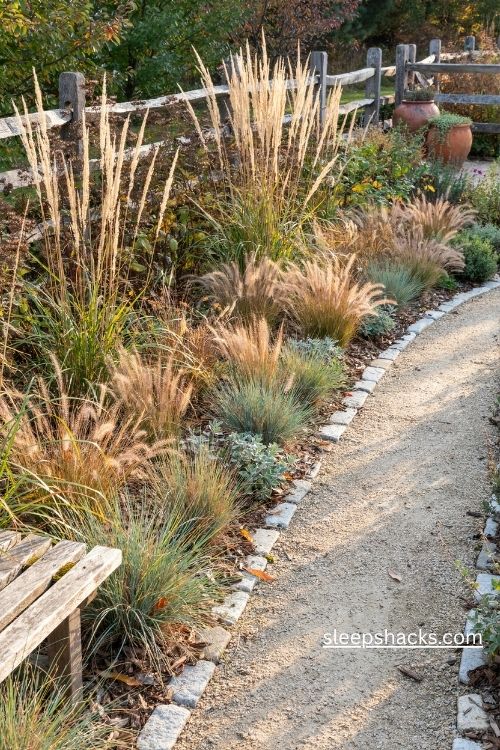
Grasses add softness and sound to a garden. Feather reed grass, fountain grass, and little bluestem sway in the slightest breeze, and they catch low sunlight in a way that flowers cannot. They also need very little care once established.
Plant them in drifts of three or five rather than singly, and the effect looks natural instead of spotty. Cut them back to a few inches in late winter, before new growth begins, to keep them fresh each year.
13. Recycled Containers as Planters
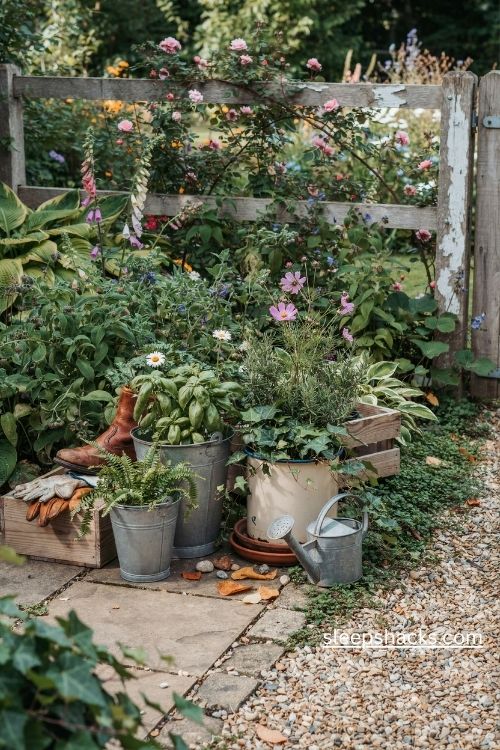
Old buckets, enamel pots, wooden crates, and even worn-out boots can become charming plant homes. Their chipped paint and rusty edges give a garden character that new pots simply cannot copy. It is also one of the cheapest ways to expand your planting space.
Drill a few drainage holes in the bottom of each container before planting. Group pieces with a similar color or texture, such as all enamel or all galvanized steel, and the collection will feel like a deliberate style choice.
14. Dwarf Fruit Trees in Large Pots
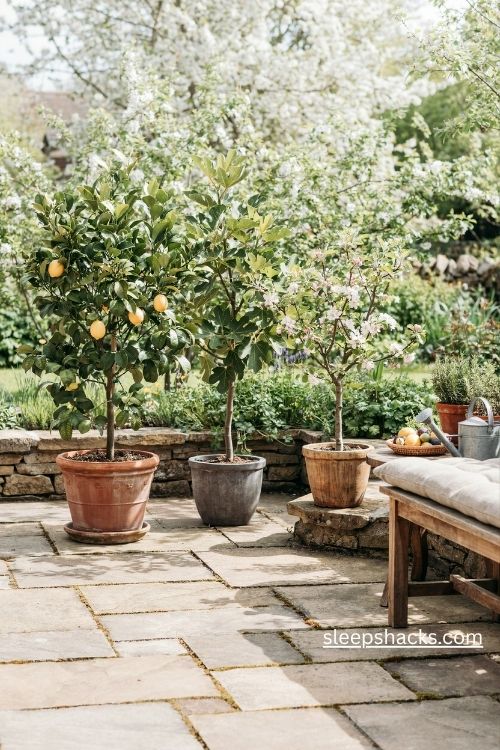
A dwarf lemon, fig, or apple tree in a big pot turns an ordinary patio into a mini orchard. The blossoms in spring are lovely, and picking fruit from your own tree gives a quiet kind of pride. They need far less room than full-sized trees.
Use a pot at least eighteen inches wide with excellent drainage, and feed the tree regularly during the growing season. In colder climates, wheel it to a sheltered spot for the winter so the roots do not freeze.
Final Thoughts
Here is the honest part: some of your plants will die. A few will be eaten by slugs, one pot will dry out during the one week you forget it, and a favorite shrub might simply refuse to cooperate. Every gardener goes through this, including the ones with the beautiful photos.
So start small, pick two or three ideas from this list, and treat the rest as an experiment. A garden is not a finished product. It is a long, slightly messy conversation with the weather, and you only get better at it by showing up.
Frequently Asked Questions
What is the easiest home garden idea for beginners?
A group of containers near your door is the simplest way to start, since you can control soil, water, and sunlight easily. Herbs and hardy flowers like marigolds are very forgiving.
How can I make a small home garden look bigger?
Use vertical elements like trellises, add a mirror, and curve any path instead of running it straight. Large plants with big leaves can also make boundaries fade into the background.
What are the best low-maintenance plants for a home garden?
Ornamental grasses, lavender, sedum, and hostas need little attention once they are established. Choose plants suited to your local climate and sun exposure to keep care to a minimum.