

I still remember the first time I built one of my own raised garden beds. It wasn’t perfect—crooked wood, uneven soil—but something about it felt deeply satisfying. Maybe it was the way I could finally control the soil, or how my plants seemed happier, like they finally had a place made just for them. If you’ve ever struggled with poor soil or messy layouts, you’ll understand that feeling.
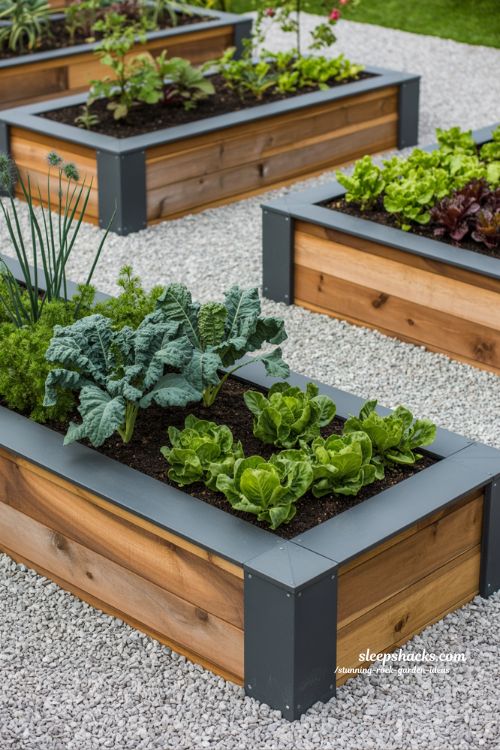
Raised garden beds aren’t just a trend—they’re a quiet upgrade to how we grow things. Whether you have a small balcony or a wide backyard, they offer a simple way to bring order, beauty, and productivity into your space. And honestly, once you start, it’s hard to go back.
- Better soil, better growth
- Easier on your back and knees
- Works in almost any space
1. Transform Small Spaces with Raised Garden Beds
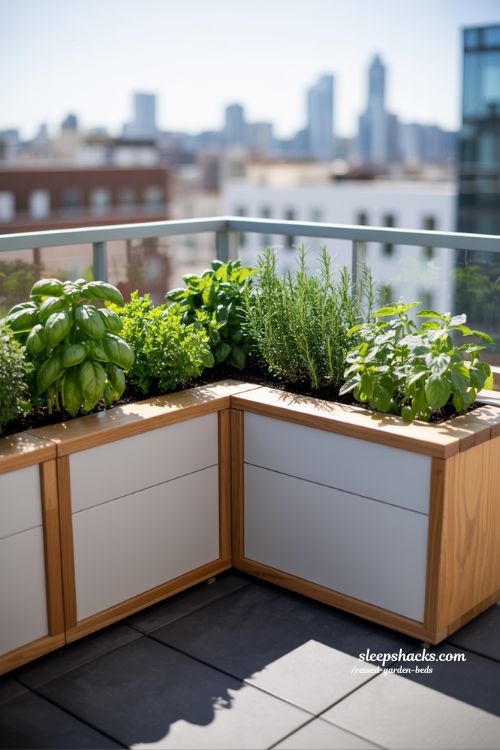
If you live in a tight space, you already know how tricky gardening can feel. I once tried growing herbs in random pots scattered around, and it just felt messy. When I switched to compact raised garden beds, everything changed. Suddenly, my small area felt intentional, like a mini garden instead of clutter.
What I love most is how these beds make you think creatively. You can tuck them into corners, line them along walls, or even stack them. Even a narrow strip of space can turn into something lush. It’s not about having more space—it’s about using what you have in a smarter, calmer way.
- Use corners and edges
- Try vertical layers
- Keep layouts simple
2. Stylish Wooden Raised Garden Beds for a Natural Look
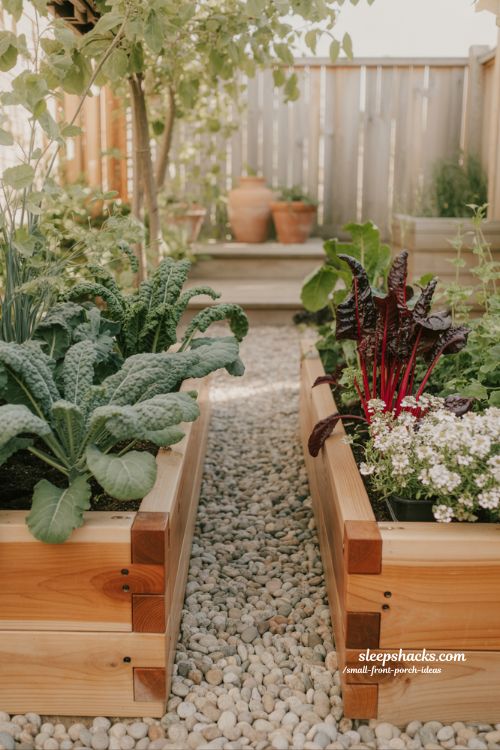
There’s something comforting about wood in a garden. My first wooden raised garden bed aged over time, and instead of looking worn out, it gained character. Cedar and redwood are especially nice—they last longer and feel warm against the greenery.
Wood blends in. It doesn’t fight for attention. Instead, it lets your plants shine. If your space already has a natural vibe, wooden beds just fit right in. Add a gravel path or a few stones, and suddenly your garden feels like a peaceful retreat you actually want to spend time in.
- Choose cedar or redwood
- Let wood age naturally
- Pair with simple decor
3. DIY Raised Garden Beds on a Budget
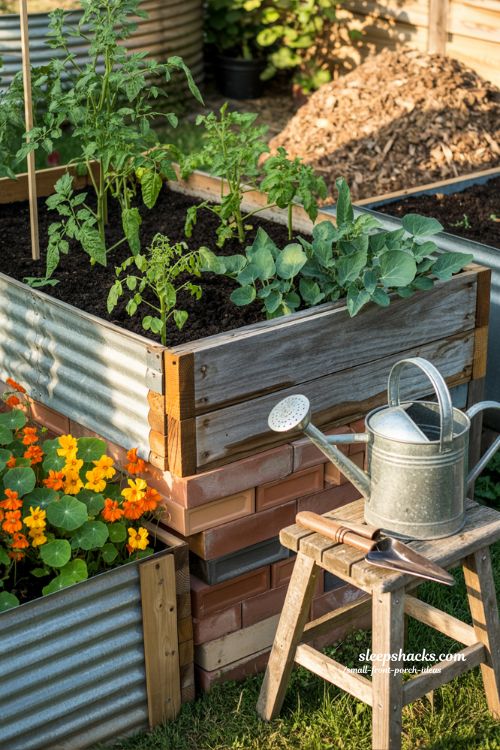
I’ll be honest—my first setup was made from leftover wood pieces. It wasn’t pretty, but it worked. That’s the beauty of DIY raised garden beds. You don’t need fancy materials to get started.
Old bricks, reclaimed wood, even basic planks can turn into something useful. What matters is structure and soil, not perfection. And when you build it yourself, there’s a certain pride that comes with it. Every plant that grows feels like a small reward for your effort.
- Use recycled materials
- Focus on function first
- Improve over time
4. Raised Garden Beds for Beginners: Easy Setup Guide
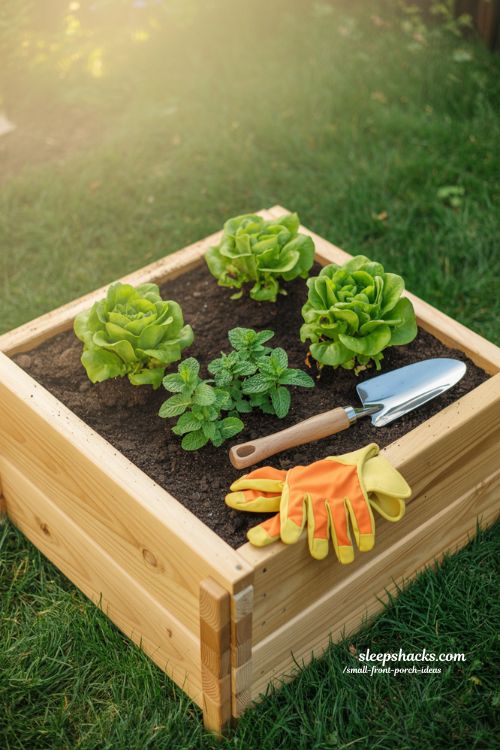
Starting anything new can feel overwhelming. I remember standing in a garden store, unsure of what I actually needed. Raised garden beds made it easier because they simplify so many variables.
You don’t have to fix bad soil or worry about drainage as much. Just fill the bed with good soil, plant something easy like lettuce or mint, and you’re already on your way. It removes the guesswork, which is exactly what beginners need.
- Start small
- Pick easy plants
- Keep it simple
5. Grow More Food with High-Yield Raised Garden Beds
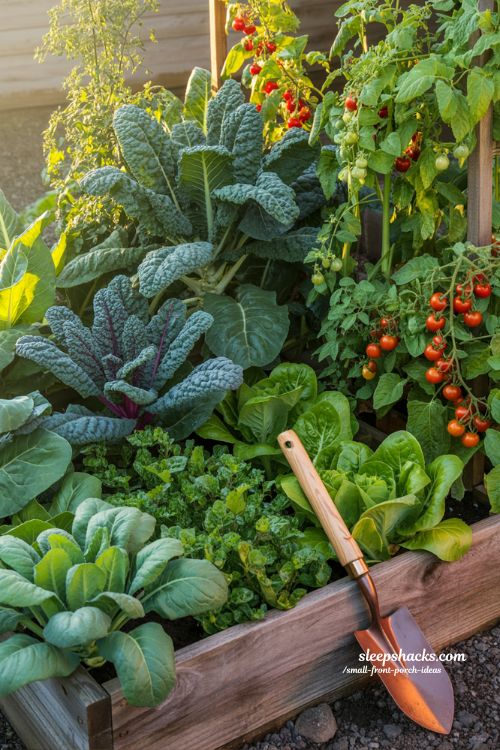
One thing I noticed quickly—plants grow better in raised garden beds. The soil stays loose, and roots spread easily. That means you can plant closer together and still get great results.
I started using a simple spacing method, and suddenly I was harvesting more than before. It felt efficient, almost like the space was working harder for me. If you want to grow your own food, this setup really helps you get the most out of every square inch.
- Use close spacing
- Rotate crops
- Keep soil rich
6. Beautiful Flower Raised Garden Beds for Colorful Yards
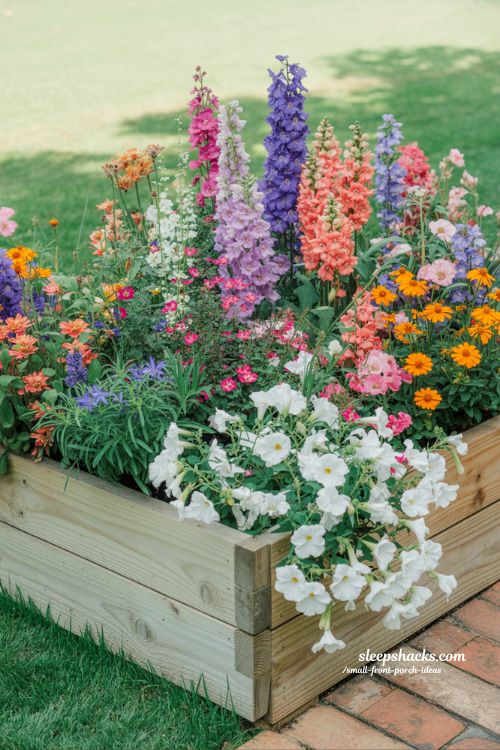
Vegetables are great, but flowers bring joy in a different way. I once filled a raised bed with mixed blooms, and every morning felt brighter just looking at it.
Raised garden beds make it easier to manage flowers because you can control soil and layout. You can mix colors, heights, and textures without things getting chaotic. It becomes less about maintenance and more about expression.
- Mix colors and heights
- Use seasonal blooms
- Keep balance in design
7. Modern Metal Raised Garden Beds for a Sleek Design
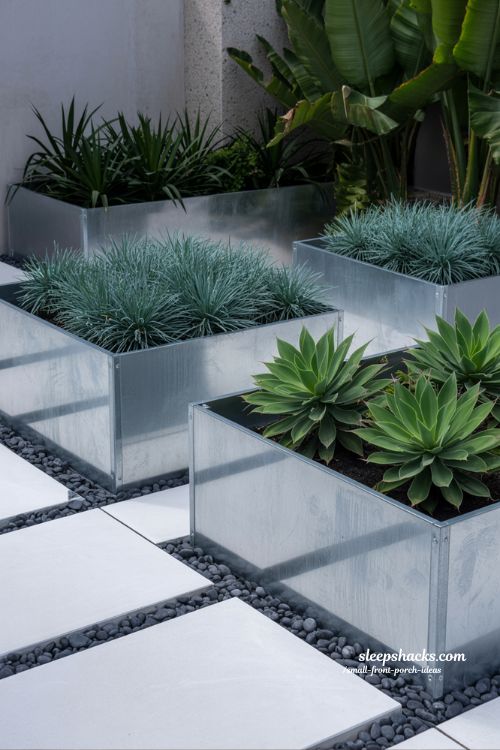
Metal beds have a clean, sharp look that feels very modern. I tried one in a small patio space, and it instantly made everything look more structured.
They’re also tough. Rain, heat, pests—none of it really bothers them. If you want something low-maintenance with a bit of style, metal raised garden beds are a solid choice. They don’t just hold plants—they shape the whole look of your garden.
- Choose galvanized steel
- Keep design minimal
- Combine with stone or concrete
8. Raised Garden Beds with Built-In Seating Ideas
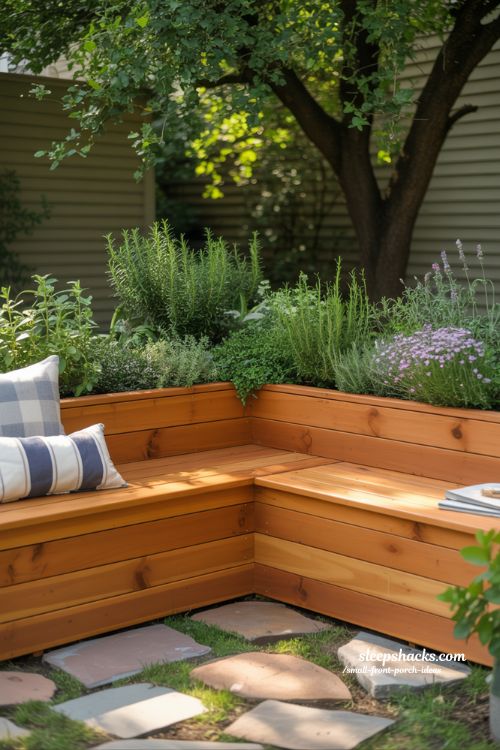
This is one of those ideas you don’t realize you need until you try it. Adding seating around raised garden beds turns your garden into a place you actually linger in.
I added a simple wooden edge wide enough to sit on, and suddenly I found myself spending more time outside. It’s practical, but it also changes the feeling of the space. Gardening becomes less of a task and more of a pause in your day.
- Add wide edges
- Keep seating sturdy
- Blend comfort with function
9. Best Vegetables to Grow in Raised Garden Beds
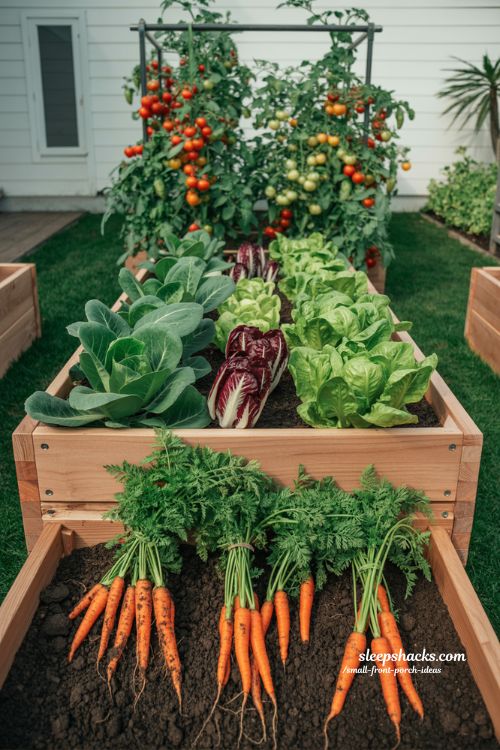
Not every plant behaves the same, and I learned that the hard way. Some vegetables absolutely thrive in raised garden beds—tomatoes, carrots, peppers, lettuce.
They love the loose soil and good drainage. It gives them room to grow without stress. Once you figure out what works best, gardening feels less like trial and error and more like a rhythm you understand.
- Grow root vegetables
- Try leafy greens
- Use seasonal crops
10. Vertical Raised Garden Beds for Small Gardens
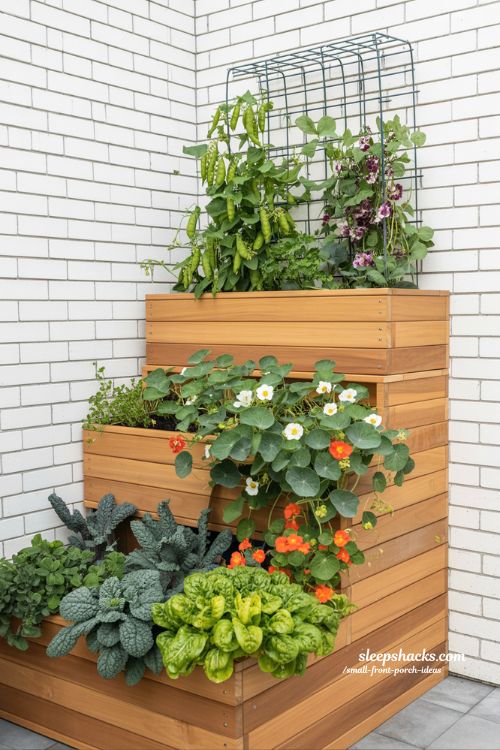
When space runs out, you go up. That’s what I did, and it worked better than I expected. Vertical raised garden beds let you grow more without needing more ground.
You can add trellises or stacked layers, and suddenly your garden feels bigger. It’s a smart solution that doesn’t feel forced. It just makes sense, especially in smaller homes or city spaces.
- Use trellises
- Stack levels
- Grow climbing plants
11. Raised Garden Beds for Patio and Balcony Gardening
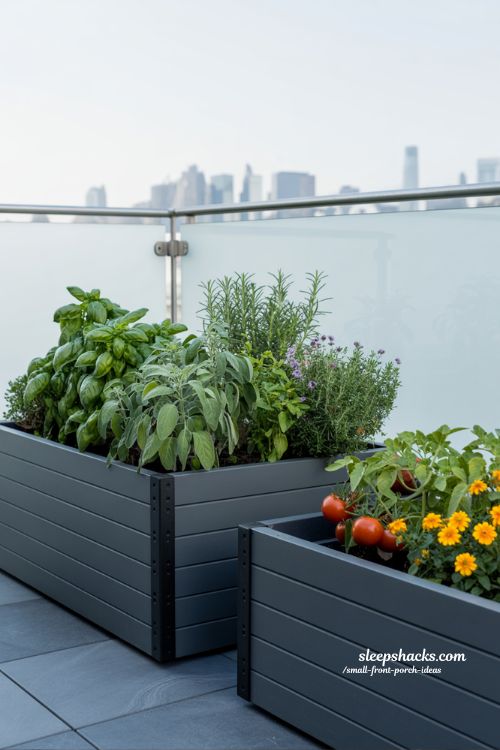
I’ve seen beautiful gardens built entirely on balconies. Raised garden beds make that possible. They keep everything contained and manageable.
You don’t need a backyard to grow something meaningful. Even a small patio can hold herbs, flowers, or vegetables. It’s less about space and more about intention.
- Use lightweight beds
- Keep sizes compact
- Ensure good drainage
12. Creative Raised Garden Beds Layout Ideas
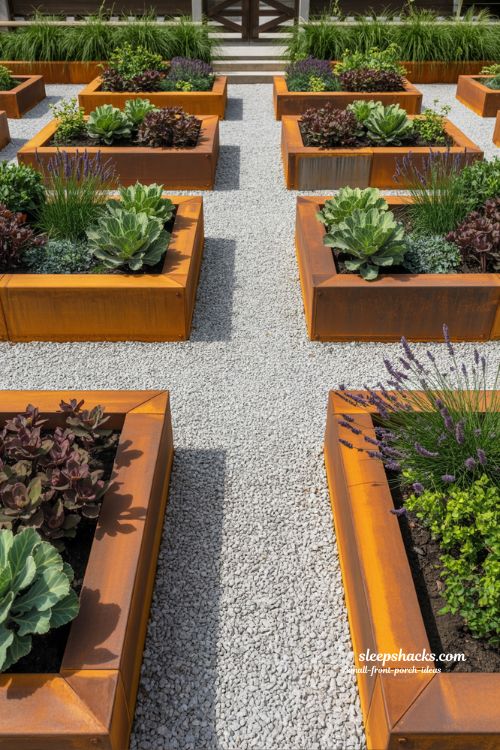
Layout changes everything. I once rearranged my beds into an L-shape, and it completely shifted how the space felt.
Raised garden beds give you freedom to design. Circles, lines, curves—whatever fits your space. It’s not just gardening; it’s creating something that feels right when you walk into it.
- Try different shapes
- Add walking paths
- Keep flow natural
13. Self-Watering Raised Garden Beds for Easy Care
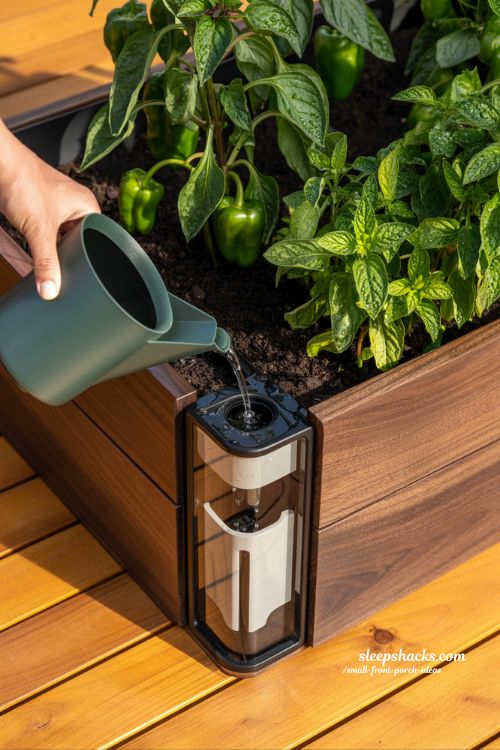
There were days I forgot to water, and my plants paid for it. Self-watering raised garden beds solved that problem.
They keep moisture steady, which plants love. It takes a bit of setup, but once it’s done, things feel easier. Especially in hot weather, this can make a big difference.
- Maintain water levels
- Use proper liners
- Check regularly
14. Raised Garden Beds Soil Mix Guide for Success
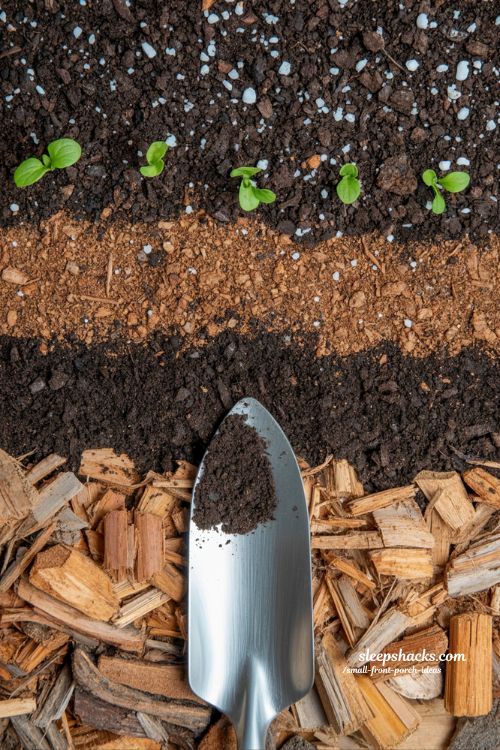
Soil is everything. I didn’t realize that at first, but once I improved my mix, everything changed.
Here’s a simple guide I follow:
| Component | Purpose |
| Compost | Nutrients |
| Topsoil | Structure |
| Organic matter | Moisture retention |
Good soil makes raised garden beds thrive. It’s worth getting right.
- Balance nutrients
- Keep soil loose
- Refresh yearly
15. Raised Garden Beds for Aesthetic Backyard Design
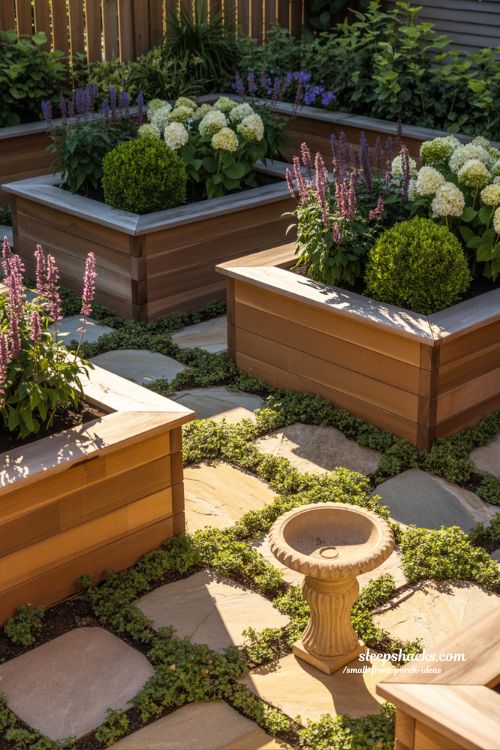
A garden should feel good, not just function well. Raised garden beds help create that balance.
I added stones and simple paths, and suddenly my backyard felt intentional. It’s not about perfection—it’s about creating a space you enjoy being in.
- Add pathways
- Use natural materials
- Keep design simple
16. Eco-Friendly Raised Garden Beds Ideas
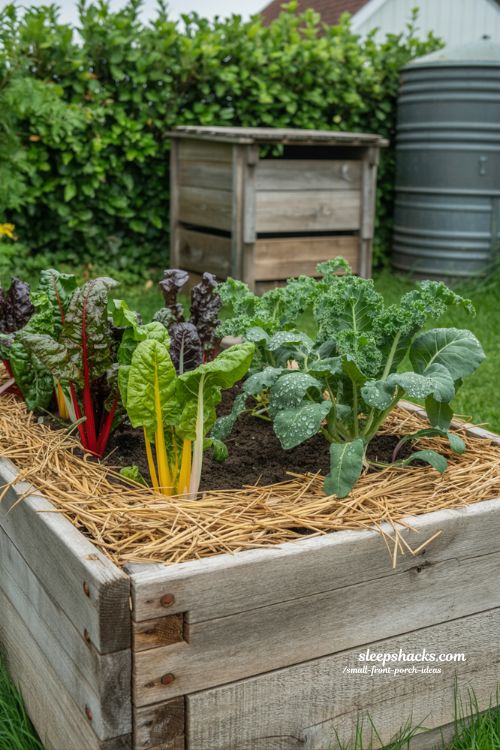
I’ve started using more recycled materials, and it feels better knowing the garden is sustainable.
Old wood, composting, natural pest control—it all adds up. Raised garden beds make it easier to manage these eco-friendly choices without overcomplicating things.
- Use recycled materials
- Compost regularly
- Avoid chemicals
17. Raised Garden Beds Maintenance Tips for Long-Term Success
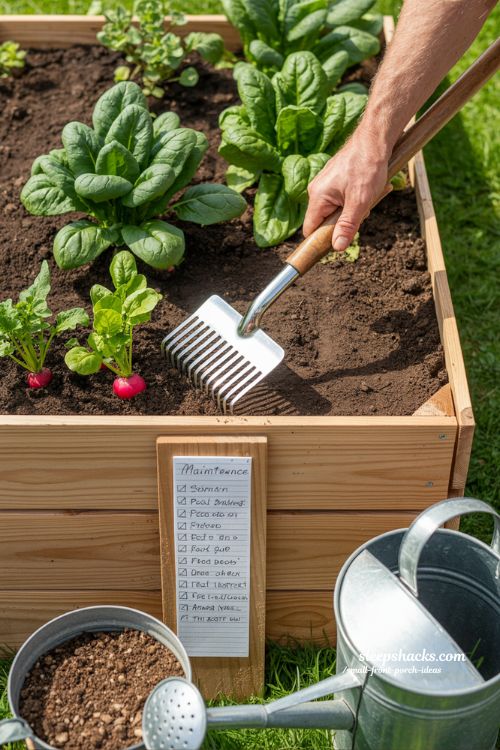
Maintenance doesn’t have to feel like a chore. Once you get into a rhythm, it becomes part of your routine.
Here’s a quick guide I follow:
| Task | Frequency |
| Watering | Daily or as needed |
| Soil check | Monthly |
| Compost adding | Every season |
Consistency keeps raised garden beds healthy and productive. It’s simple, but it matters.
- Check soil often
- Remove weeds early
- Keep plants healthy
FAQs
What are raised garden beds used for
Raised garden beds are used to grow plants in controlled soil conditions, improving drainage and making gardening easier in small or poor-quality spaces.
How deep should raised garden beds be
Most raised garden beds should be 6 to 12 inches deep, but root vegetables often need deeper beds for better growth.
Do raised garden beds need special soil
Yes, they work best with a mix of compost, topsoil, and organic matter to ensure proper nutrients and drainage.
How often should I water raised garden beds
They usually need more frequent watering than ground gardens, especially in hot weather, because they dry out faster.
Are raised garden beds good for beginners
Yes, they simplify gardening by controlling soil and reducing common problems, making them ideal for beginners.
What materials are best for raised garden beds
Wood like cedar, metal like galvanized steel, and even concrete are all good options depending on budget and style.
Can I build raised garden beds cheaply
Yes, you can use recycled wood, bricks, or basic materials to build affordable raised garden beds without sacrificing functionality