

Picture a client walking into your office for the first time. Their shoulders are up around their ears, and their eyes are scanning the room before they’ve even sat down. Within seconds, they’ve noticed the lamp, the plant by the window, the color of the chair, and whether there’s a spot to set their bag.
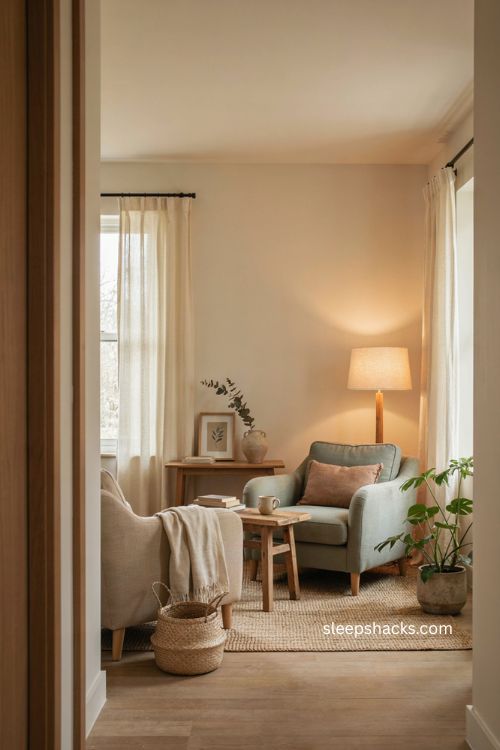
None of it feels accidental to them, even when it is.That’s the quiet power of therapy office decor. It tells people whether this room is safe before you say a single word. The 15 ideas below pull from real therapist spaces and from what clients say they love, so you can build a room that feels calm, warm, and unmistakably yours.
1. Deep Blue Accent Chair
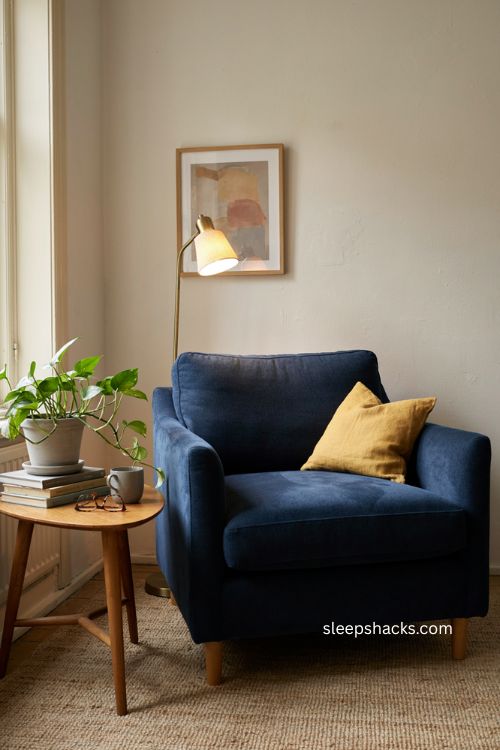
A single deep blue chair can carry a whole room. Set it against soft gray or cream walls and it becomes the first place a client’s eye lands, which makes sitting down feel like an invitation instead of a decision. Velvet or a chunky woven fabric adds texture and feels good to sink into. If bold feels risky, pair the chair with a small yellow pillow or a brass floor lamp so the color looks planned rather than random. Pick one shade you truly love, because you’ll be looking at it all day, and clients can usually sense when a color brings its owner real joy.
2. Soft Blue Walls
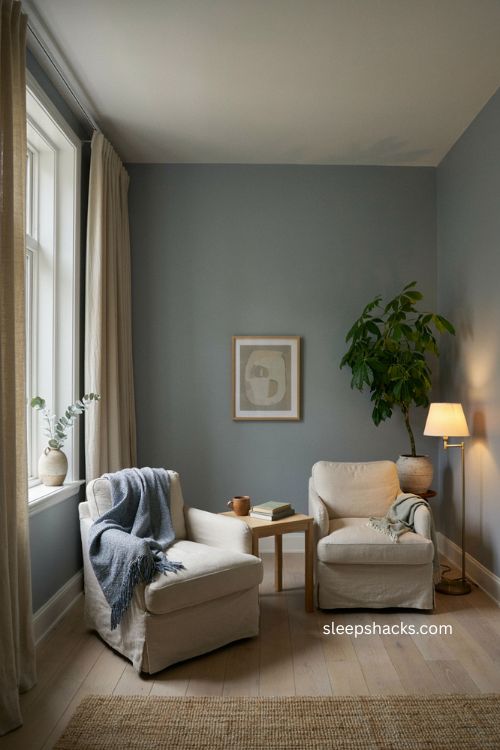
Soft blue walls do their work quietly in the background. Clients often say the blue room in a practice feels noticeably calmer than the others, and it’s an easy effect to borrow. Look for a dusty, slightly gray blue rather than a bright sky shade, since muted tones relax the eye instead of waking it up. Test a big sample on the wall and check it in morning and evening light before you commit, because blues can shift a lot. Finish with white trim and linen curtains for an airy feel. If your lease says no painting, an oversized blue-toned textile or print can borrow the same calm.
3. Leafy Vines on the Bookshelf
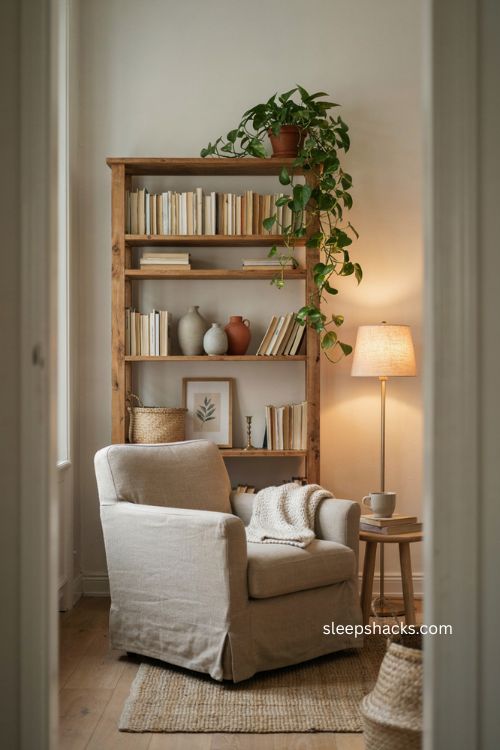
Trailing pothos or philodendron spilling down a bookshelf brings movement into an otherwise still room. The vines read as growth without anyone having to say the word, and plenty of clients quietly appreciate that little metaphor. Set the pot on the top shelf and let the leaves drape over the edge, or hang one from a ceiling hook near a window. Both plants forgive missed waterings, which helps when your day is packed with back-to-back sessions. Choose a matching white or terracotta pot so the greenery looks intentional. If service dogs or pets ever visit, a spider plant is a safer trailing choice.
4. Succulents on a Side Table
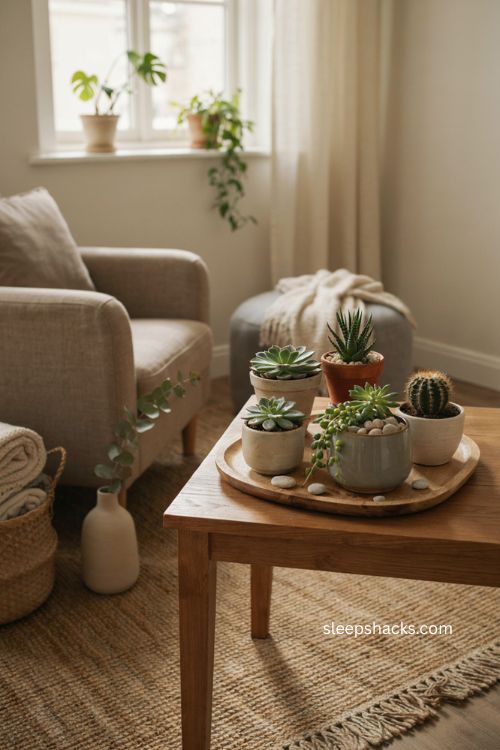
Small succulents lined up on a wooden tray give clients something gentle to look at when a conversation gets heavy. Try three or four in mismatched clay pots at different heights, and set the tray on the side table next to the client’s seat. They need very little water and plenty of light, so a sunny sill works too. Some clients have allergies or asthma, so lean on plants over strongly scented flowers and skip anything perfumed. A layer of pale pebbles on top keeps the soil tidy and adds texture. The result is a little piece of nature within arm’s reach, which feels grounding without asking anything of anyone.
5. Abstract Art Across From the Client
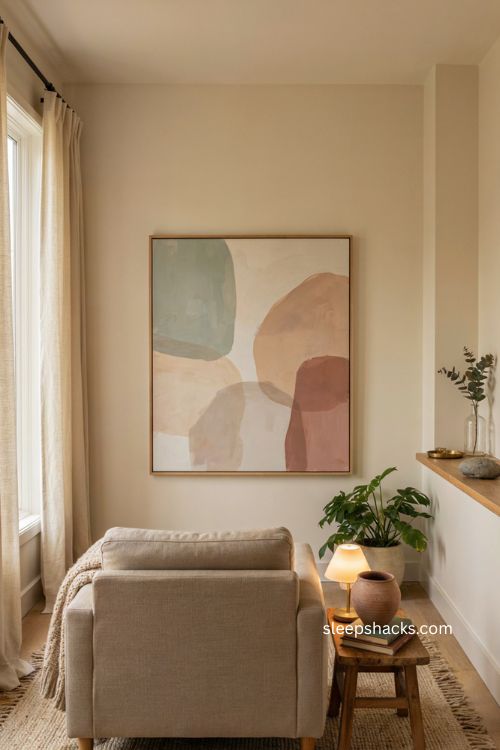
Some clients find eye contact hard, and a piece of abstract art gives them somewhere soft to rest their gaze. Hang one large canvas across from the client’s chair, a little lower than you would in a hallway so it sits at seated eye level. Look for washes of color or organic shapes, and steer away from anything with a clear story or a face that might pull someone toward a specific memory. A single big piece usually feels calmer than a cluster of small ones. Muted greens, warm terracotta, or dusty rose tend to sit well in a therapy room, and a plain wood frame keeps things simple.
6. A Gallery Wall With Personal Touches
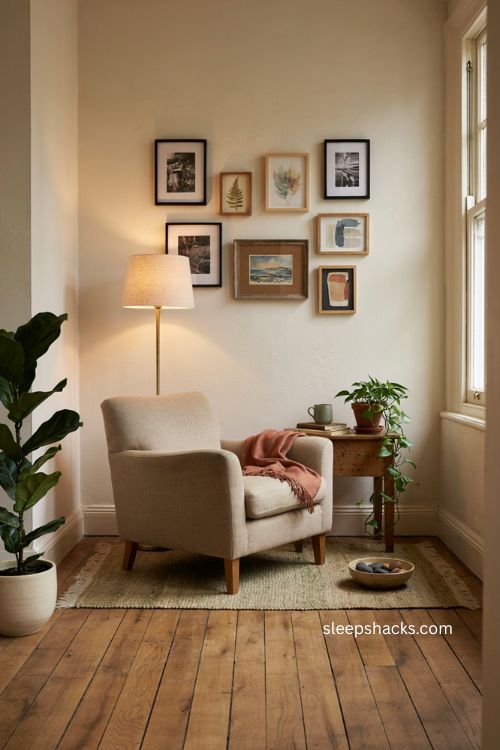
A gallery wall lets you show a little of who you are without oversharing. Mix a few black-and-white photographs, a small botanical print, and something handmade, maybe a piece from a friend or a souvenir from a trip you loved. Clients often say they feel more connected when they can catch small glimpses of their therapist’s personality. Lay everything out on the floor first and keep the frames in one or two finishes, like black and natural wood, so it looks curated instead of cluttered. One thing to skip is the motivational quote print. Many clients find those cheesy, and they can feel like the wall is handing out advice before you’ve said a word.
7. Warm Neutrals With Texture
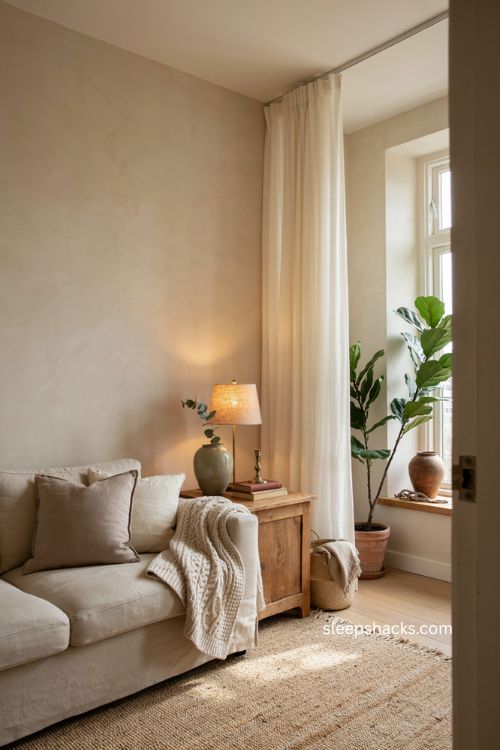
Beige gets a bad reputation, but a room full of warm neutrals is exactly what lets the conversation take center stage. Think oatmeal sofa, cream walls, and a sand-colored rug, then add texture so nothing feels flat. A chunky knit throw, a woven basket, and a linen lampshade all count. Texture is what keeps a neutral room from feeling like a dentist’s waiting area. Add one earthy accent such as rust, olive, or walnut wood to bring in warmth. Because everything else is calm, any pop of color you add later will stand out beautifully, which makes it easy to refresh the room each season.
8. Layered Lamps and Warm Bulbs
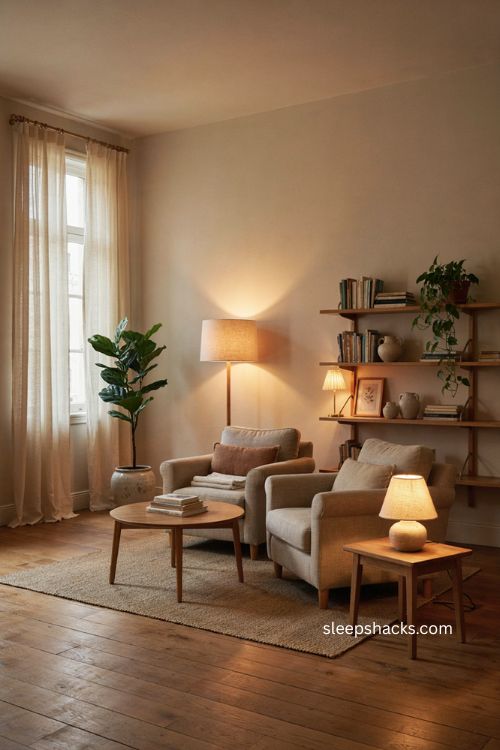
Harsh overhead lighting can make a therapy room feel like a clinic, so switch it off and bring in lamps at different heights. A floor lamp in the corner, a table lamp by the client’s seat, and a small one on your bookshelf create soft pools of light. Choose warm white LED bulbs, usually labeled around 2700K, so the glow feels gentle rather than blue. Dimmable bulbs help even more, since some clients feel better in brighter light and others want it low. If your room has a window, keep sheer curtains on it to soften direct sun, which can feel just as harsh as fluorescents.
9. Clean Lines and Tidy Shelves
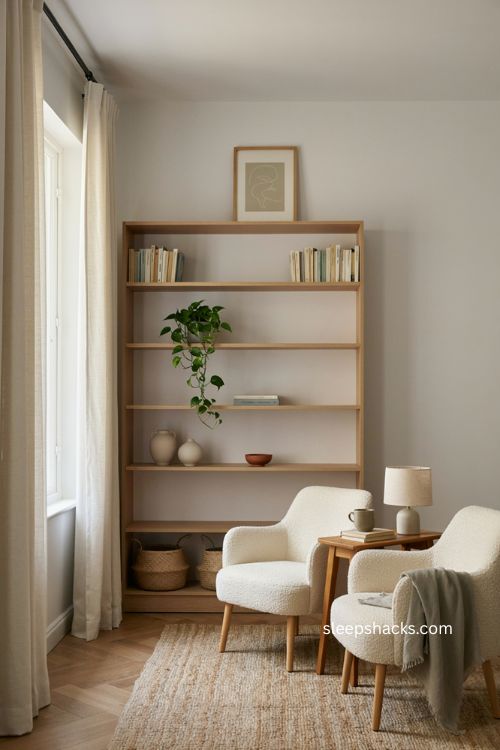
Nothing calms a busy mind like an organized shelf. Keep your shelving to a mix of books, two or three objects, and plenty of empty space, and let that negative space breathe. Stack a few books horizontally with a small plant on top for variety. Lidded baskets hide the practical clutter like spare pens, paperwork, and extra tissues, which keeps the room clean without looking bare. Stick to a limited palette, say white, wood, and one accent color, and choose furniture with simple straight lines. A room like this quietly tells clients that things here are steady, and that’s a powerful message when their own life feels chaotic.
10. An Area Rug in the Middle
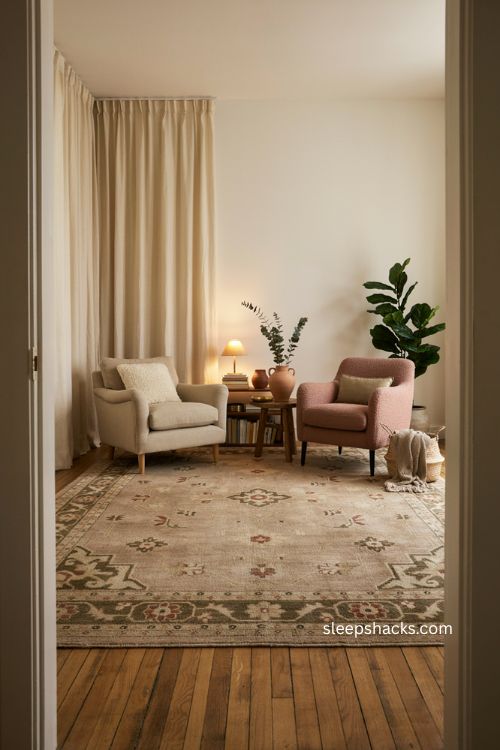
A rug anchors the seating area and quietly tells the eye where the conversation happens. Choose one large enough that the front legs of both chairs sit on it, so the space between you and your client feels like one connected zone. Patterns can be playful, from florals to jewel tones to a geometric art-deco print, and they give clients somewhere to look downward when things get emotional. Low-pile styles are easier to clean and safer for chairs on wheels. If you’re on a budget, check outlet stores and online resellers, since a good rug is one of the most dramatic upgrades you can make for the price.
11. Seating Options at Different Distances
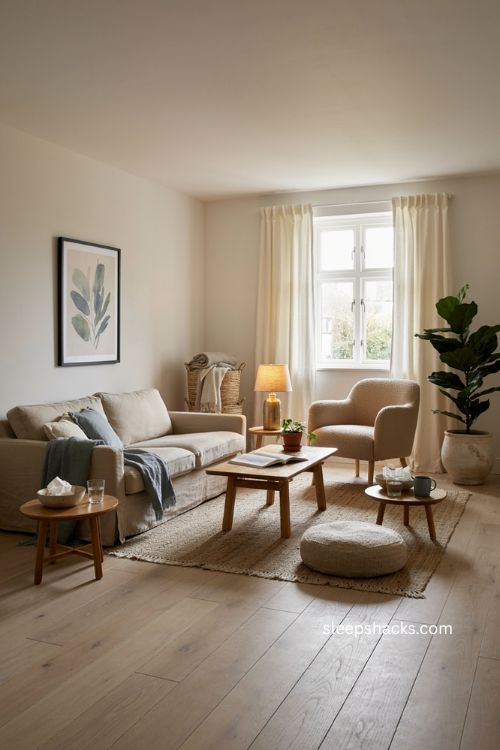
Give clients a choice about where and how to sit. A sofa, an armchair, and maybe a floor cushion at different distances from your seat let them decide how close they want to be, which can matter a lot for anyone carrying trauma or shame. Skip the desk between the two of you, since it can read like a boss and employee setup. Angle the chairs slightly toward each other instead of straight on so eye contact stays optional. Some clients love a couch they can lie back on. Add a small side table near every seat for tissues and a drink, so nobody has to ask where to put things.
12. Cozy Throw Blankets and Small Pillows
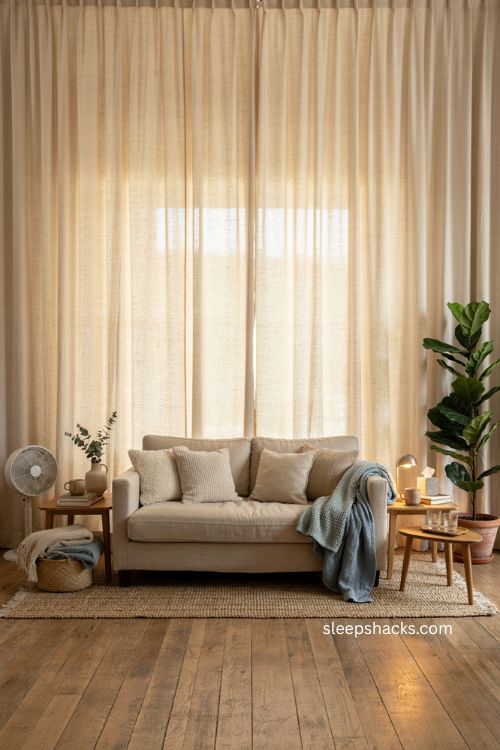
Soft things make a room feel safe. Fold a couple of throw blankets over the arm of the sofa and keep a few smallish pillows within reach, since clients often hold, hug, or hide behind them when a topic feels heavy. Plain pillows tend to work better than stuffed animals for adults, who might feel silly grabbing a plush toy. Pick washable fabrics like cotton, fleece, or a machine-washable knit and swap them regularly. Because building temperatures are rarely perfect, offering a blanket and a quiet fan clients can control lets people adjust to their own comfort without asking. It’s a tiny gesture that says you noticed.
13. A Fidget Basket and Kinetic Sand
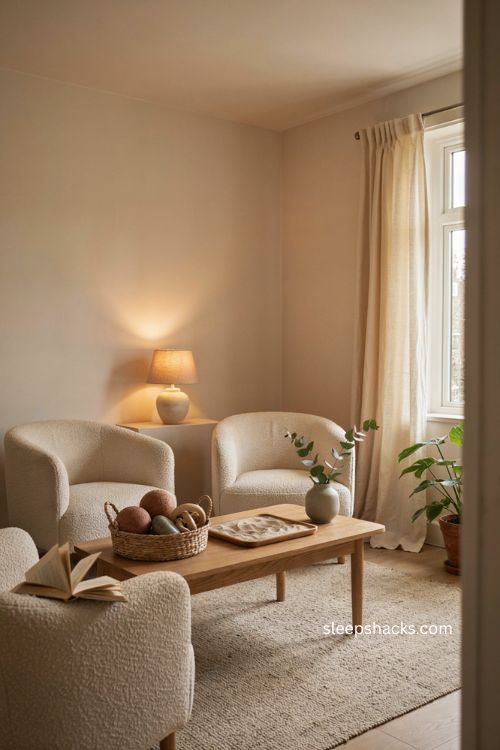
A little basket of fidgets on the coffee table gives restless hands something to do so the mind can keep talking. Stress balls, snake puzzles, tangles, and smooth stones are easy picks, and plastic or rubber ones wipe clean with disinfectant spray between sessions. A shallow tray of kinetic sand is a surprise favorite with anxious clients, who find the slow sifting oddly soothing. Keep everything in one tidy basket or wooden tray so it looks intentional rather than toy-box messy. Skip anything noisy or full of tiny parts. A small card that says “Help yourself” takes away the awkwardness of having to ask.
14. A Window With a View
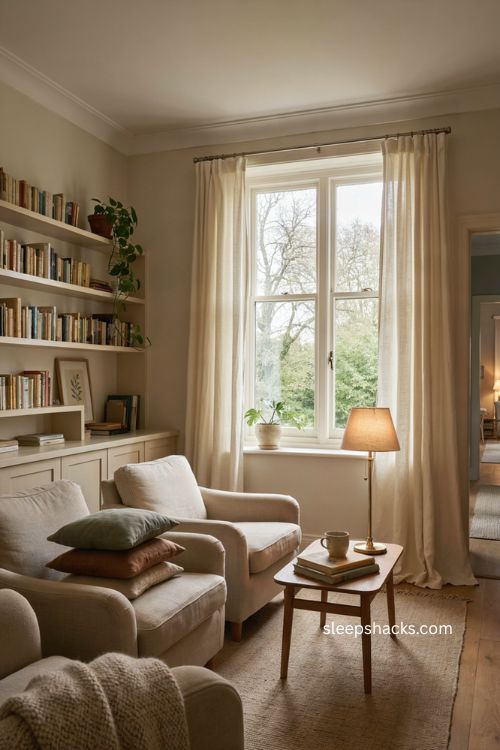
A window is decor you can’t buy. If your room has one, arrange the seating so clients can glance outside, because even a few tree leaves or a slice of sky can lower stress. Keep the sill mostly clear with maybe one small plant, and hang light linen curtains you can pull back to let in soft daylight. City views work too, since they gently remind clients that the work happens in service of their wider world. If your office is windowless, a large print of a forest or shoreline, a mirror placed to catch lamplight, or a daylight-toned bulb can borrow some of the same calm.
15. Practical Extras Like Clocks and Water
The small practical things are often what clients remember most. Hang a clock where you and your client can each see it, so neither of you has to sneak a glance at a watch. Keep tissues within reach of every seat, along with a jug of water and glasses, or a kettle and a few tea bags for something warmer. A power strip near the sofa lets clients charge a phone that’s nearly dead by late afternoon. If you can, add a whiteboard for sketching out ideas, which helps visual learners and anyone who struggles to say things out loud. And skip candles, diffusers, and incense, since scents can trigger allergies and asthma.
Final Thoughts
Pick one idea from this list and try it this week. Just one. Maybe that’s swapping the overhead light for a lamp, or angling your chairs so nothing sits between you and your client. Then sit in the client’s seat for ten minutes before your next session and notice what you see, what you’d reach for, and what feels off. That small experiment will teach you more than any inspiration board can. Make one change based on what you noticed, whether it’s a plant, a blanket, or a clock you can both see. Rooms come together slowly, one thoughtful piece at a time, and clients feel every bit of that care.
Frequently Asked Questions
Q: What colors work best for therapy office decor?
Soft blues, muted greens, and warm neutrals are the usual favorites because they feel calm and keep attention on the conversation. Add one or two accent colors you personally love for warmth.
Q: How do I decorate a small therapy office?
Stick to a light palette, choose furniture that does double duty like a storage ottoman, and hang art at seated eye level so the walls don’t feel crowded. One large rug or big piece of art works better than lots of tiny items.
Q: What should you avoid in a therapy office?
Skip strong scents, harsh overhead lighting, cheesy motivational quotes, and a desk between you and your client. Clients most often mention these as things that make them uneasy.