

I still remember the first time I stood in a quiet backyard and thought, “This space doesn’t need more… it needs less.” There was something almost calming about the emptiness, like the garden was waiting to become something softer, slower, more intentional. That feeling is exactly what pulls people toward a Zen Garden Backyard today. It’s not just about landscaping—it’s about creating a space where your mind naturally relaxes the moment you step outside.
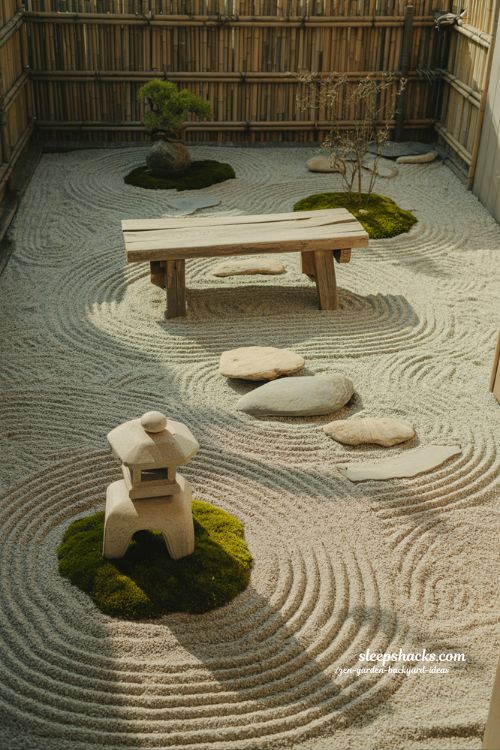
What I’ve noticed over the years is simple: people don’t want complicated gardens anymore. They want peace they can actually feel. A place where gravel, stone, and light do most of the talking. And honestly, once you understand the rhythm of a Zen-inspired space, it stops feeling like design work and starts feeling like storytelling with nature.
- Simplicity always creates more emotional impact than complexity
- Natural materials bring instant calm without effort
- Small design choices completely change how a space feels
1. Understanding the Heart of a Zen Garden Backyard
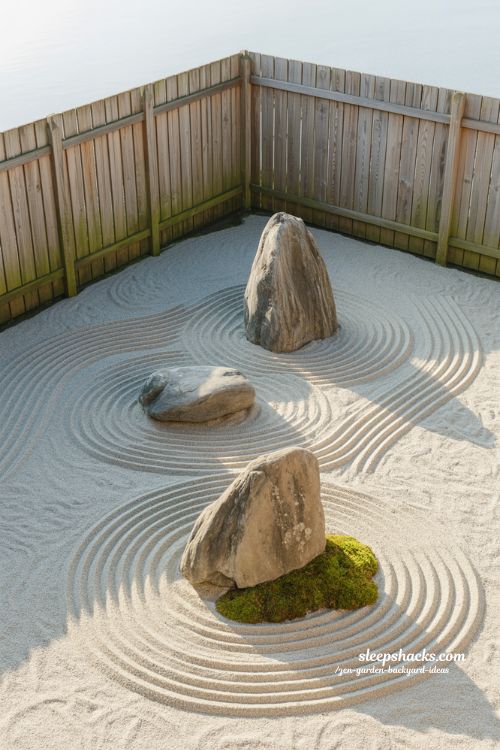
When people hear Zen Garden Backyard, they often imagine something decorative or overly styled. But in reality, it’s closer to a feeling than a design. It’s the quiet balance between space, texture, and emptiness. I’ve seen tiny yards feel like sanctuaries simply because they were allowed to breathe.
The idea comes from traditional Japanese dry landscapes where rocks represent mountains and gravel represents flowing water. Nothing is random, even when it looks simple. The beauty lies in intention. When I first learned this, it changed how I looked at “empty space”—it stopped feeling empty and started feeling meaningful.
2. Choosing the Right Space for Calm Energy
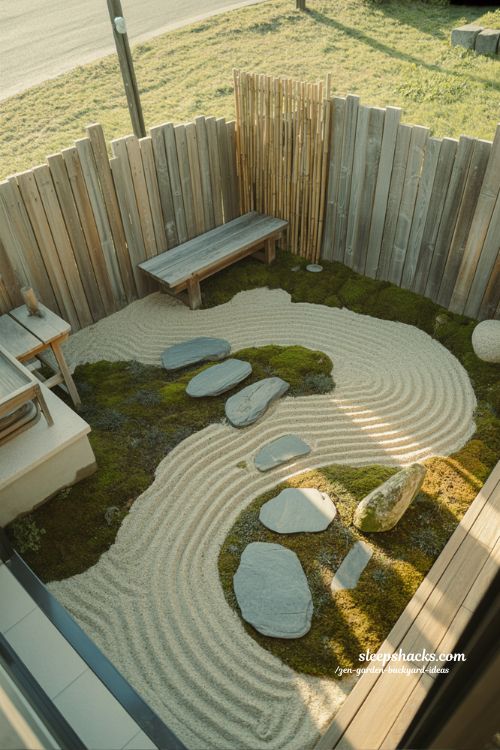
A Zen-inspired yard doesn’t need a large area. What matters more is how the space feels when you stand in it. I usually suggest choosing a corner that naturally feels quiet. Not the busiest part of your yard, not the one closest to the street.
Even slightly uneven or awkward spaces can work beautifully. In fact, they often turn out better because they force creativity. A Zen Garden Backyard is less about perfection and more about emotional comfort. Once you find that “quiet corner,” everything else starts to fall into place naturally.
3. Core Elements That Shape the Design
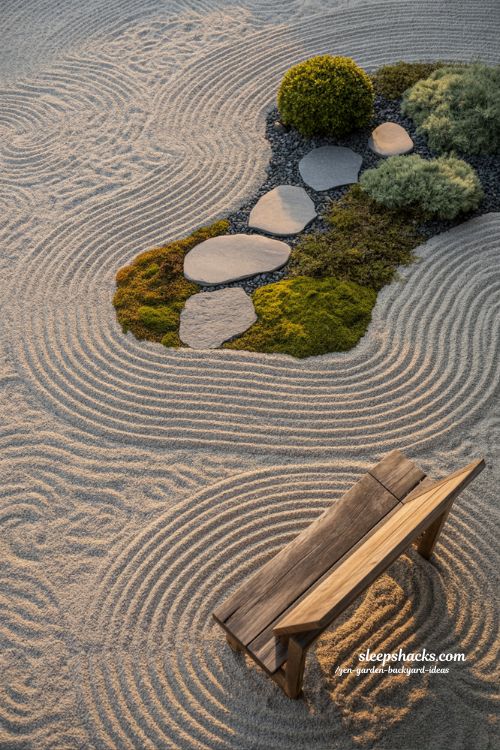
Before building anything, it helps to understand the basic elements. I always think of them as the “language” of a Zen garden. Once you know the language, you can speak it in your own way.
Here’s a simple breakdown of the essentials:
| Element | Meaning | Emotional Effect |
| Rocks | Mountains or strength | Stability and grounding |
| Gravel | Water or flow | Calm movement and focus |
| Wood | Nature connection | Warmth and balance |
| Plants | Life presence | Softness and harmony |
Each piece matters, but none of them should compete for attention. A Zen Garden Backyard works best when everything supports everything else quietly.
4. Designing Layout Flow That Feels Natural
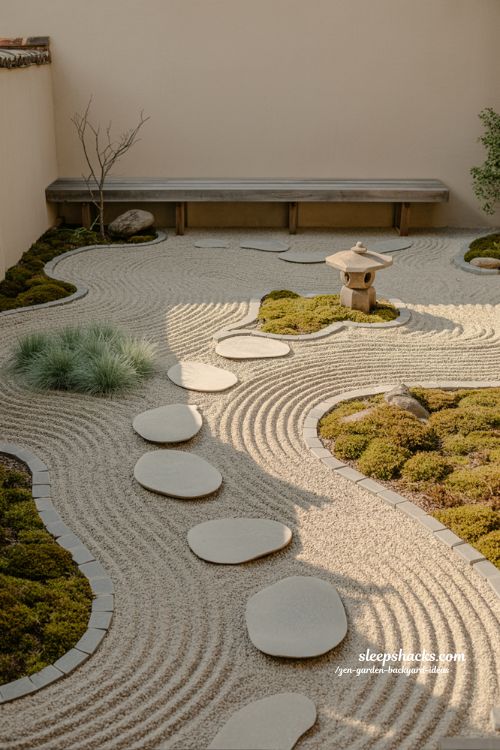
Flow is something people often overlook. I’ve walked into gardens that had beautiful materials but still felt uncomfortable. The problem was layout. A Zen garden should never feel forced.
Instead of straight, rigid lines everywhere, think in gentle movement. Let the eye travel naturally from stone to gravel to a resting point. When designing a Zen Garden Backyard, I usually sketch it like a slow conversation between objects rather than a strict blueprint. It makes all the difference in how the space feels emotionally.
5. The Role of Gravel and Raking Patterns
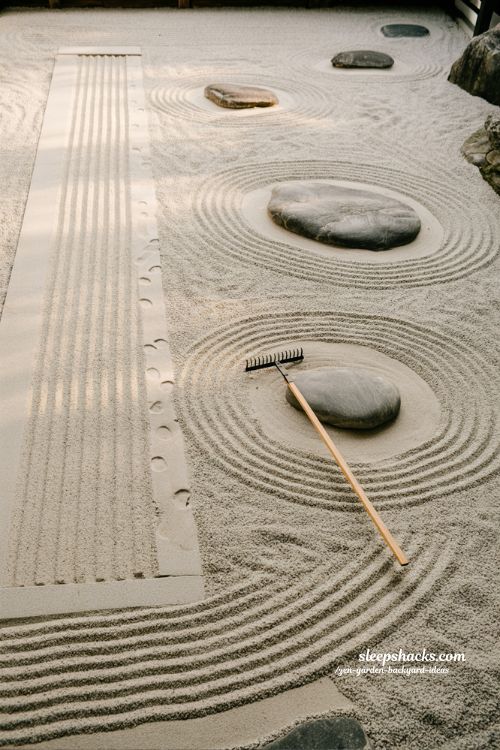
Gravel is where the personality of the garden really shows. It may look simple, but it carries deep meaning. I still find it surprising how something so quiet can feel so expressive.
Raking patterns into gravel isn’t just decoration—it’s a calming ritual. Straight lines feel steady. Curved lines feel like water. Every pattern shifts the mood slightly. This is why many people fall in love with maintaining their Zen Garden Backyard; it becomes a mindful habit rather than a chore.
6. Rock Placement and Emotional Balance
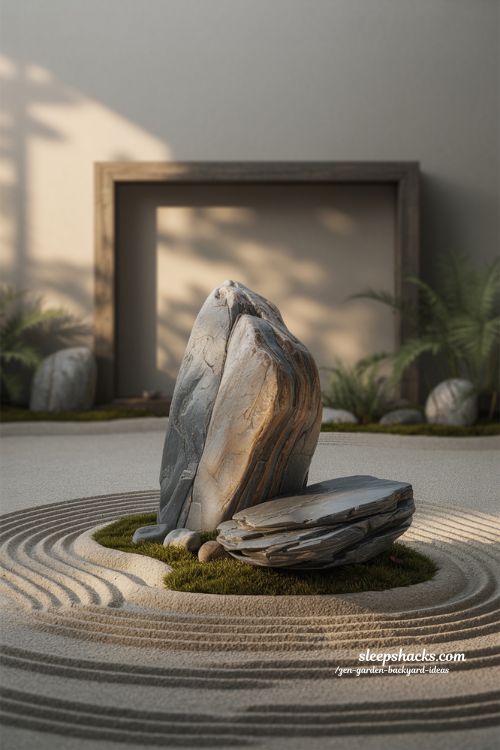
Rocks are often called the “bones” of a Zen garden. I like that description because it’s true. They hold everything together. But placement is where most people hesitate.
A good rule is to avoid symmetry. Nature rarely repeats itself perfectly, and your garden shouldn’t either. One large stone paired with a smaller companion often creates more emotional depth than a perfectly matched set. In a Zen Garden Backyard, imbalance is not a flaw—it’s character.
7. Creating Boundaries Without Feeling Closed In
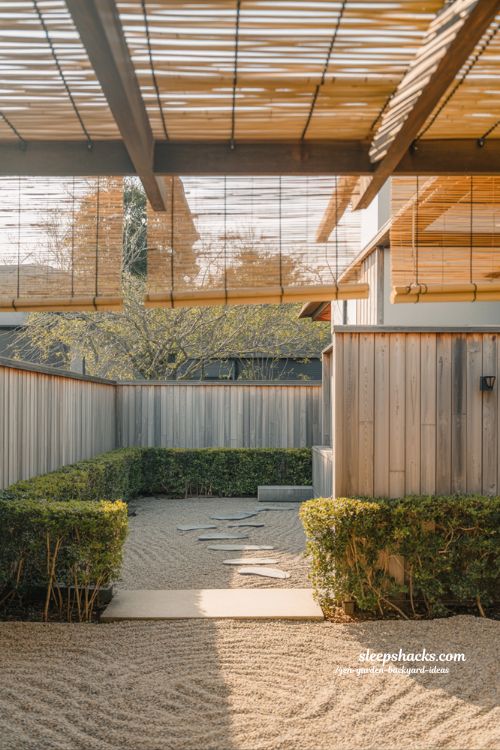
Boundaries matter, but they should never feel like walls. I’ve seen bamboo screens, wooden fences, and even hedges used beautifully to create a sense of separation.
The goal is simple: when you step inside, the outside world should fade a little. Not disappear, just soften. A well-designed Zen Garden Backyard always feels like its own small world, even if it’s just a few steps from your house.
8. Seating Areas That Encourage Stillness
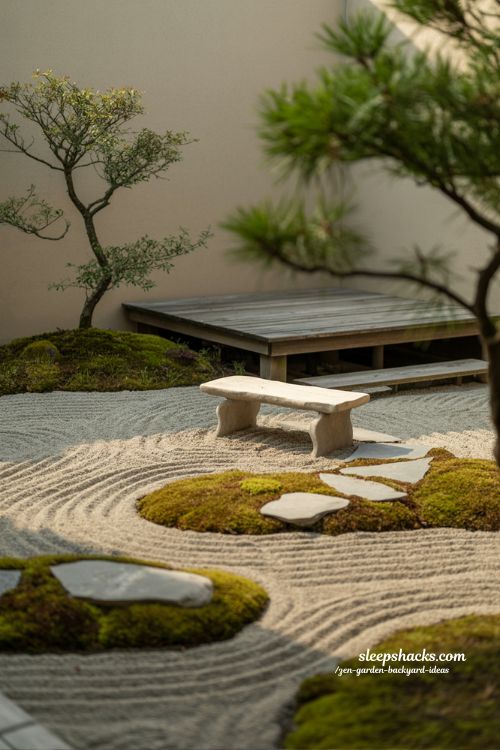
Seating is more important than people think. It’s not just where you sit—it’s where you pause. I usually recommend placing seating where the view naturally opens up toward the most balanced part of the garden.
A stone bench, wooden platform, or even a simple chair can work. What matters is that it doesn’t distract. In a Zen Garden Backyard, seating should invite silence, not conversation.
9. Adding Water Elements for Gentle Sound
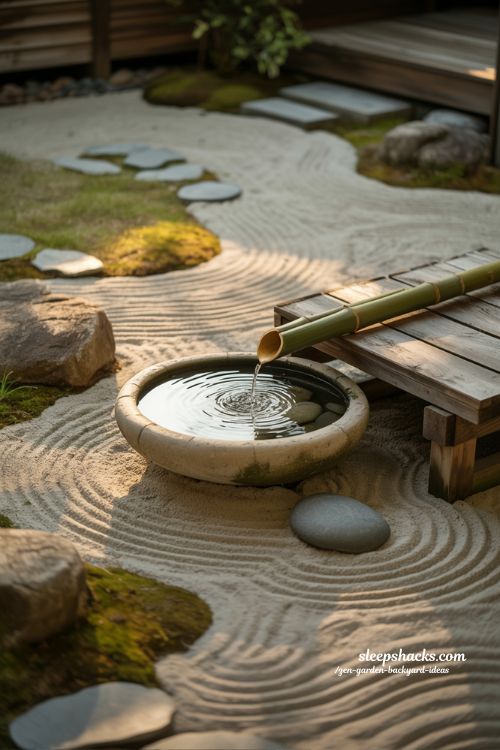
Water isn’t traditional in all Zen gardens, but I’ve always liked how it changes the atmosphere. Even a small fountain can shift the entire emotional tone of the space.
The sound of moving water softens background noise and helps the mind settle. It doesn’t need to be dramatic. In fact, the quieter it is, the better it fits into a Zen Garden Backyard setting.
10. Plant Choices That Don’t Overwhelm
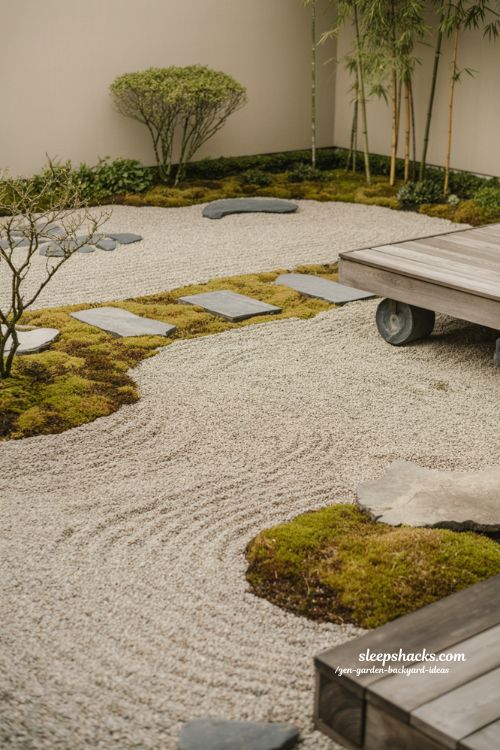
Plants should never dominate the design. That’s something I learned after seeing too many gardens lose their calm balance because of over-planting.
Simple greenery works best—moss, bamboo, small shrubs. These plants don’t demand attention; they support the atmosphere quietly. A Zen Garden Backyard should always feel breathable, and minimal planting helps maintain that openness.
11. Lighting That Extends the Mood Into Evening
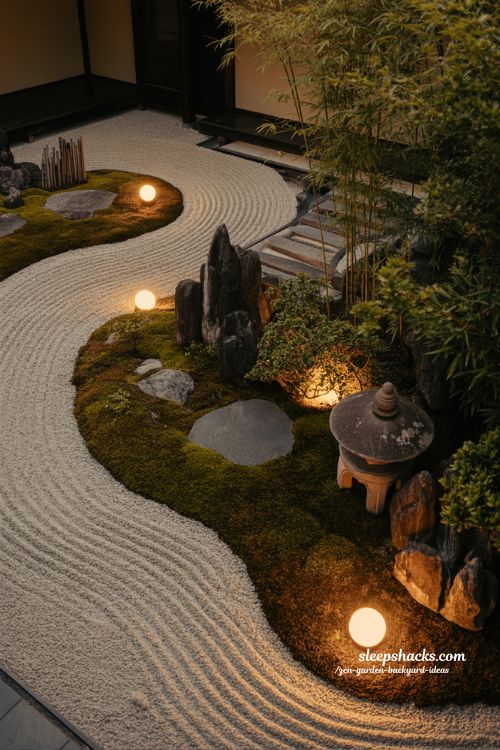
Lighting completely changes how a garden feels at night. Soft, warm lighting can make even the simplest space feel deeply comforting.
| Lighting Type | Best Use | Emotional Effect |
| Ground lights | Pathways | Gentle guidance |
| Lanterns | Focus points | Warm intimacy |
| Soft uplighting | Rocks/plants | Subtle drama |
When used carefully, lighting allows a Zen Garden Backyard to feel alive even after sunset. It becomes less of a space and more of an experience.
12. Maintenance as a Form of Meditation
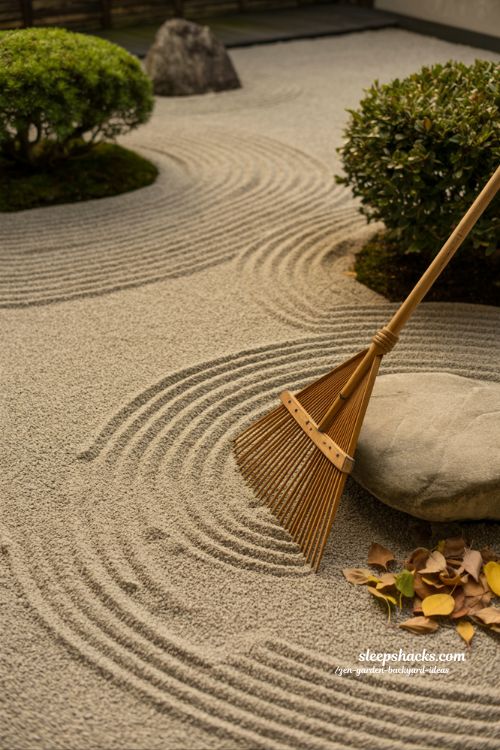
One of the most misunderstood parts of Zen gardens is maintenance. People assume it’s work, but it’s actually part of the experience.
Raking gravel, trimming plants, and clearing leaves can feel repetitive, but that repetition creates calm. I’ve personally found those moments surprisingly grounding. A Zen Garden Backyard is not something you finish—it’s something you return to.
13. Budget-Friendly Design Approaches
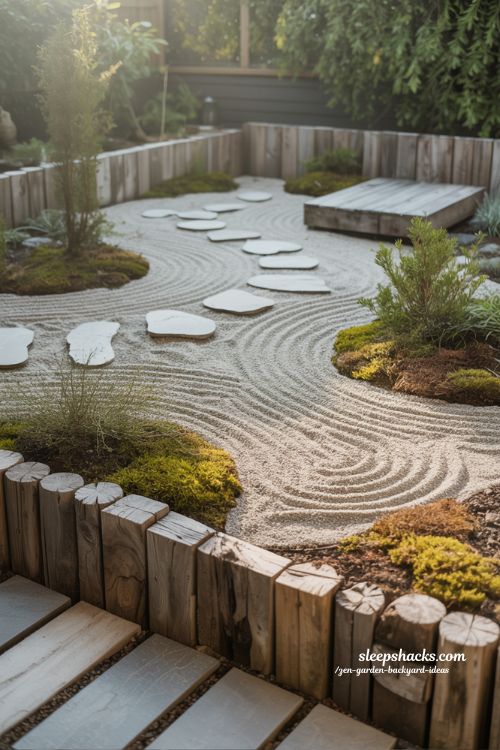
Not every Zen-inspired space needs a large investment. Some of the most peaceful gardens I’ve seen were built slowly over time with simple materials.
Using local stones, recycled wood, or basic gravel can still create a powerful effect. The feeling matters more than the price tag. A Zen Garden Backyard doesn’t ask for wealth—it asks for intention.
14. Small Yard Transformations That Work
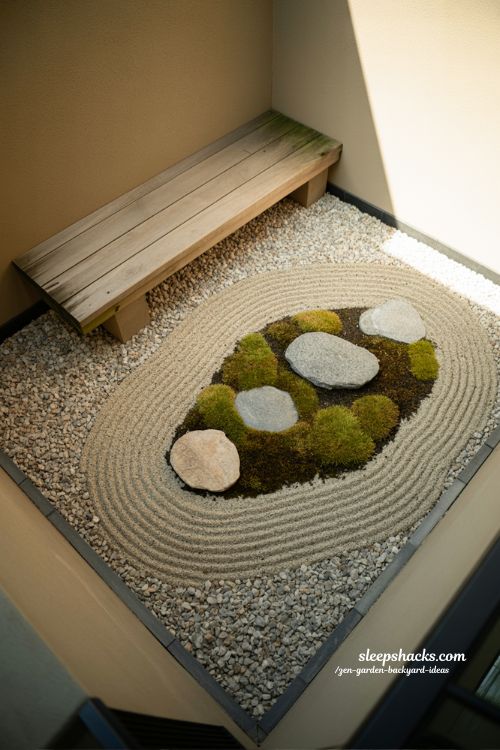
Small spaces often surprise people the most. When everything is compact, every detail becomes more meaningful.
A corner with gravel, a few stones, and a small bench can feel complete. There’s no need to overbuild. A Zen Garden Backyard in a small yard often feels even more intimate than a large one.
15. Cultural Meaning Behind Zen Design
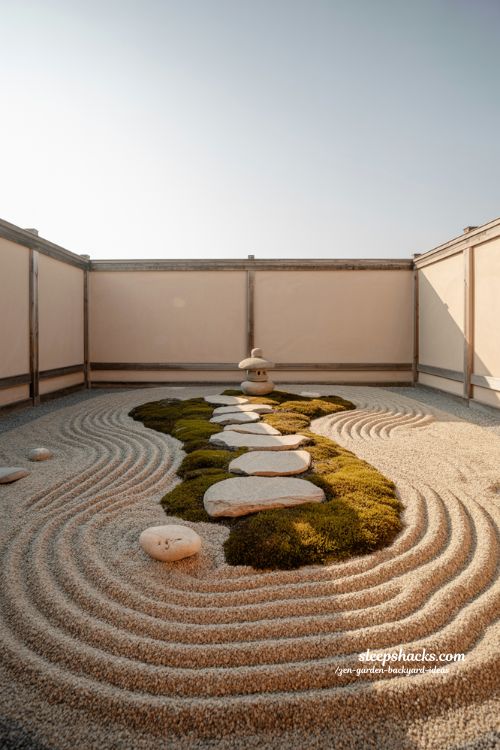
Zen gardens come from a deep cultural tradition rooted in meditation and simplicity. Understanding this adds more depth to the design process.
It’s not just about aesthetics—it’s about mindset. The idea is to slow down, observe, and let the space guide your thoughts. A Zen Garden Backyard carries this philosophy quietly in every stone and pattern.
16. Mistakes to Avoid in Zen Landscaping
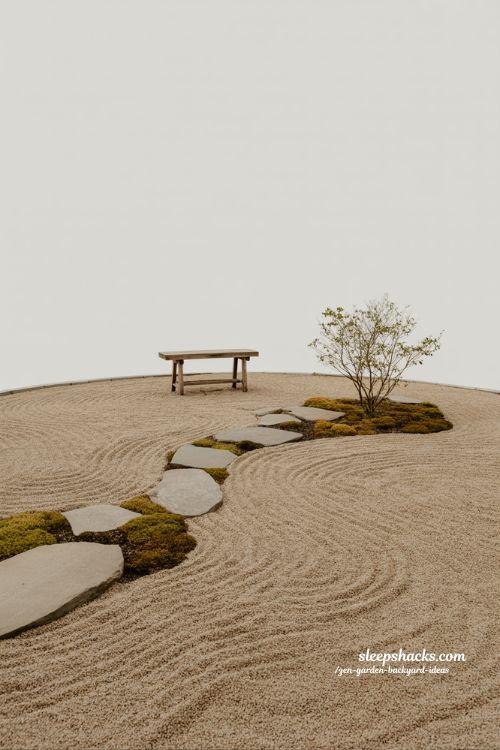
People often over-decorate or add too many elements. That’s the most common mistake. Another is ignoring balance and placing everything evenly, which removes natural flow.
The key is restraint. Leave space. Let silence exist visually. A Zen Garden Backyard becomes powerful when nothing feels forced.
17. Bringing It All Together for Long-Term Harmony
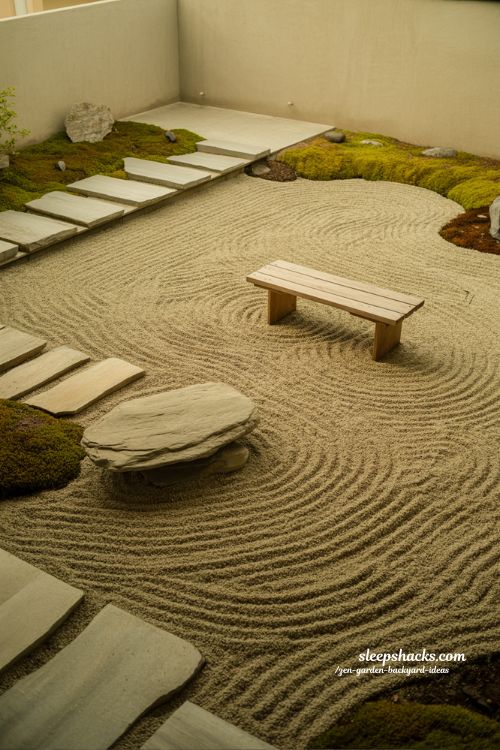
In the end, a Zen-inspired space is not about perfection. It’s about feeling. When everything works together—stone, gravel, light, and space—the garden begins to breathe on its own.
You don’t really “finish” a Zen Garden Backyard. You grow with it. And that’s what makes it special. It becomes part of your routine, your quiet moments, and sometimes even your thoughts.
FAQ
Why is a Zen Garden Backyard so popular today
Because people want simpler, calmer outdoor spaces that help reduce stress and create mental balance.
Can a Zen Garden Backyard fit in a small space
Yes, even a small corner can become peaceful with gravel, stones, and minimal design choices.
What materials are best for a Zen Garden Backyard
Natural materials like gravel, stone, wood, and simple greenery work best for balance and calmness.
Do Zen gardens require a lot of maintenance
They need regular light care, but maintenance is simple and often feels meditative rather than tiring.
Is water necessary in a Zen Garden Backyard
No, water is optional. Many traditional designs focus only on dry elements like gravel and rocks.
How do I make my Zen Garden Backyard feel more relaxing
Keep it simple, avoid clutter, use soft natural colors, and focus on open space and balance.
What is the main purpose of a Zen Garden Backyard
Its main purpose is to create a peaceful environment for relaxation, reflection, and mindfulness.
Zen Garden Backyard creates a peaceful, calming outdoor space with natural stones, gravel, and simple design for ultimate relaxation and harmony.