

It’s funny how a small backyard can quietly become the most comforting part of a home. I’ve seen this happen more than once—people start with a patch of plain ground, maybe a bit tired-looking, and then slowly it turns into something alive, personal, almost like a memory you can walk through.
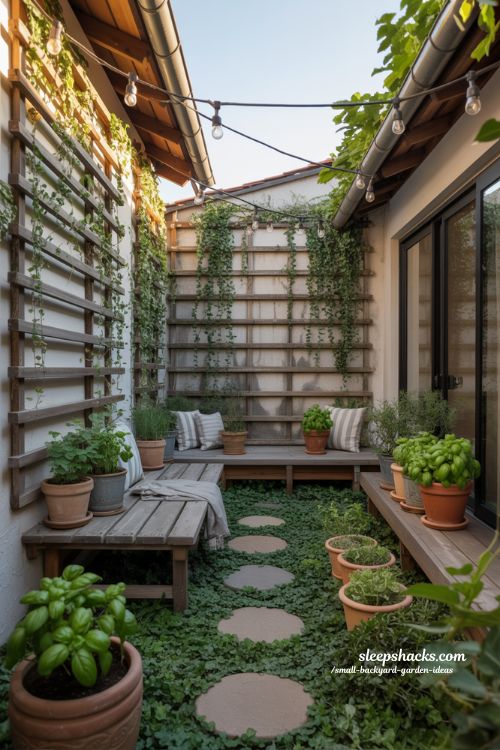
When I think about Small Backyard Garden Ideas, I don’t just think about plants or layouts. I think about mornings with tea outside, evenings with soft lights, and that strange joy of watching something grow because you cared enough to try.
In many ways, a small space feels more honest. You can’t hide clutter or confusion there. Every corner matters, every choice shows. And maybe that’s why it becomes so satisfying when it finally comes together.
- Small spaces need smart, simple design more than expensive elements
- Vertical and layered planting can completely change how a yard feels
- Comfort and function matter just as much as beauty
Understanding Small Backyard Garden Ideas in a Real, Practical Way
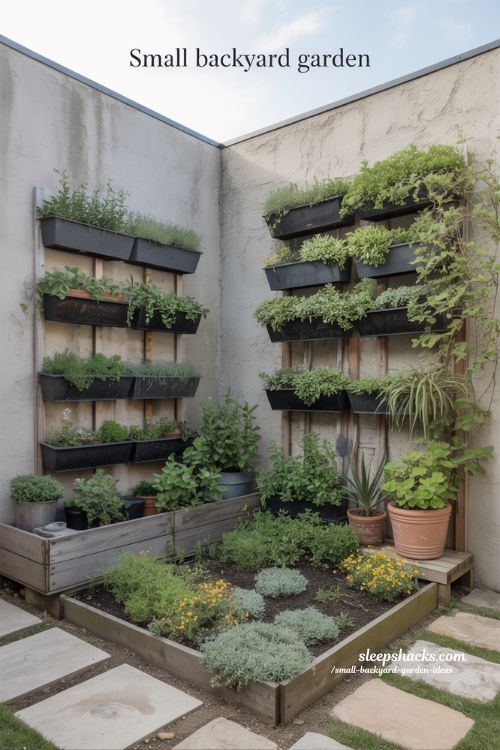
When people talk about garden design, it often sounds bigger than reality—like something only large homes can enjoy. But honestly, the charm of Small Backyard Garden Ideas is that they work with what you already have. A narrow strip of soil, a concrete corner, or even a slightly awkward space can become something meaningful. The key is not size, but intention. When you treat every inch as useful, even a tiny backyard starts feeling generous.
1. Vertical Gardening That Changes Everything
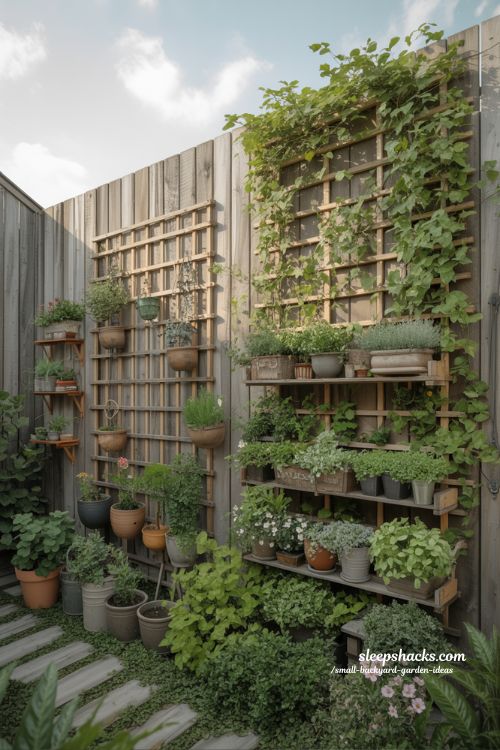
Vertical gardening is often the first real breakthrough for small spaces. Instead of spreading outward, you grow upward. I’ve always liked how this approach feels a bit like storytelling—plants climbing, layering, reaching for light. Trellises, wall planters, and hanging pots all create this feeling of depth without stealing ground space.
The beauty of it is simple: you suddenly have more room than you thought. A plain wall becomes alive. Even a fence stops being background and becomes part of the garden itself.
Key idea: Vertical growth creates space without expansion.
2. Container Gardening That Keeps Things Flexible
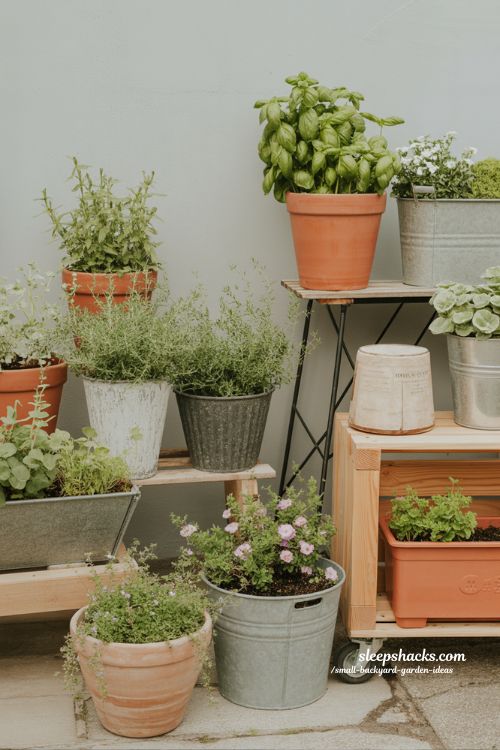
There’s something comforting about container gardening because nothing feels permanent. You can shift things around, try new combinations, or fix mistakes without stress. I’ve seen people start with just a few pots and slowly build a rhythm—moving them with the seasons or even their mood.
Containers also help control soil and sunlight better. And honestly, that makes gardening feel less intimidating, especially if you’re starting fresh.
Key idea: Containers give freedom and control at the same time.
3. Raised Beds That Bring Structure
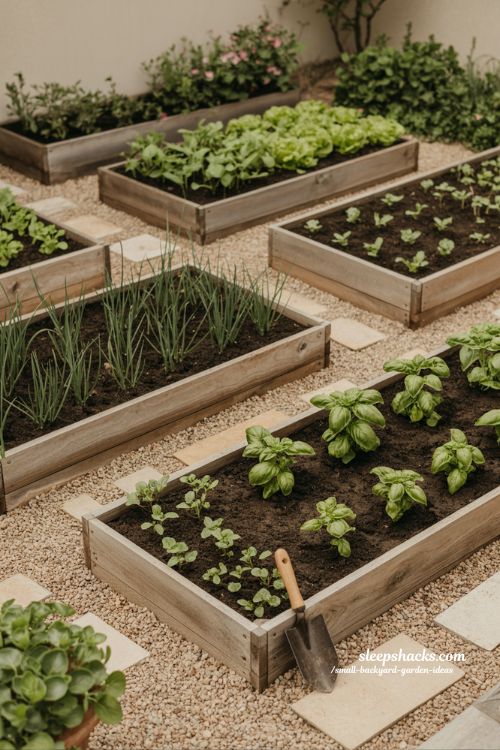
Raised beds are like giving your garden a backbone. They define space clearly, almost like rooms in a house. I remember seeing a small backyard where just two wooden beds completely changed how the space was understood—it went from “empty yard” to “organized garden” instantly.
They also make planting easier on your back, which is a small detail but makes a big difference over time.
Key idea: Raised beds create order and comfort in small yards.
4. Creating Outdoor Seating Corners
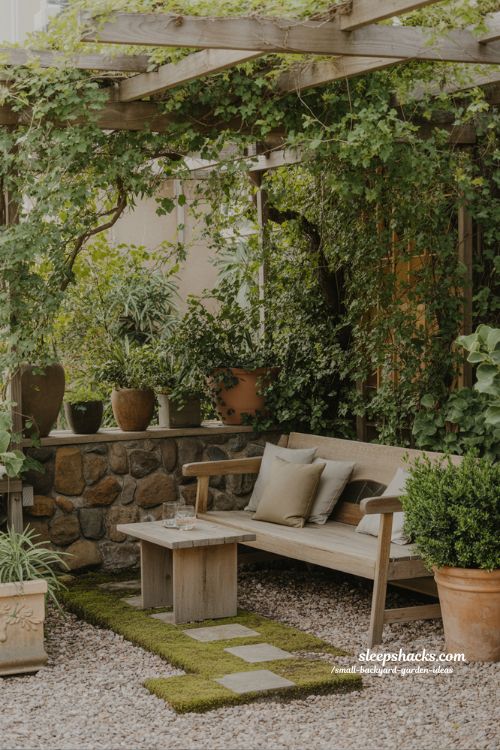
A garden doesn’t feel complete until you can actually sit in it. Even a simple bench or small chair changes everything. I’ve always believed a garden is not just for looking—it’s for being in. A quiet corner with soft shade can become your daily pause spot without you even planning it.
Sometimes people over-design plants and forget the human part. But space to sit, breathe, and watch things grow is what makes it feel alive.
Key idea: Seating turns a garden into an experience, not just a view.
5. Mixing Plants for Texture and Balance
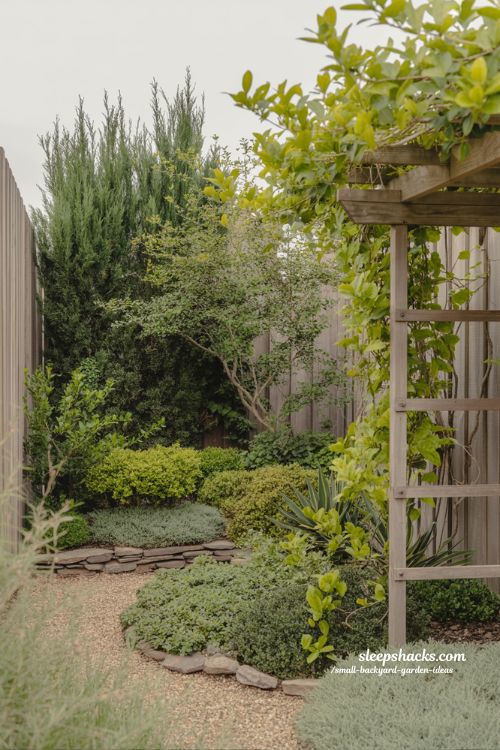
A small garden doesn’t need many plants—it needs the right mix. Some tall, some soft, some leafy, some flowering. When these textures come together, the space feels richer, even if it’s physically small. I’ve seen gardens with fewer plants feel more complete simply because they were arranged thoughtfully.
Before choosing plants, it helps to understand how they behave over time. Some spread fast, some stay neat, and that balance matters more than variety.
Table 1: Simple Plant Roles in Small Gardens
| Plant Type | Purpose in Garden | Example Use |
| Tall Plants | Add height and structure | Privacy corners or back walls |
| Medium Shrubs | Fill middle space | Borders and dividers |
| Low Ground Cover | Soften soil and edges | Pathways and empty spots |
| Climbers | Use vertical space | Fences and trellises |
This table helps you see how each plant type plays a role. When you understand this structure, planting becomes less random and more intentional, almost like arranging furniture inside a room.
6. Using Lighting to Extend the Space
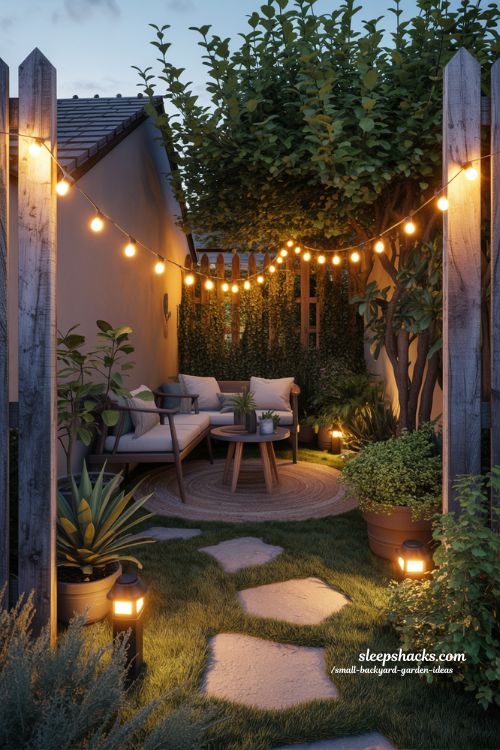
Lighting is something people often underestimate in gardens. But when the sun goes down, the feeling of the space depends entirely on how it’s lit. Warm string lights, soft lamps, or even simple solar lights can make a small backyard feel surprisingly welcoming.
I’ve noticed that good lighting doesn’t just help visibility—it changes emotion. The same space feels calmer, more thoughtful, sometimes even a bit magical.
Key idea: Light shapes mood more than decoration ever will.
7. Building Simple Pathways
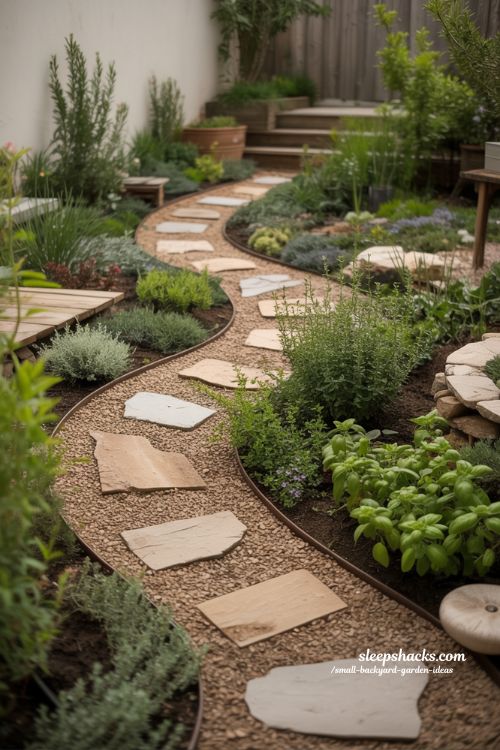
Even in a small backyard, a path makes a difference. It doesn’t need to be fancy—just a direction for the eye and feet to follow. Stones, bricks, or gravel can gently divide space without making it feel tight.
What I like most is how paths create flow. Instead of one flat area, you start experiencing movement in the garden.
Key idea: Pathways bring rhythm and direction.
8. Adding Water for Calmness
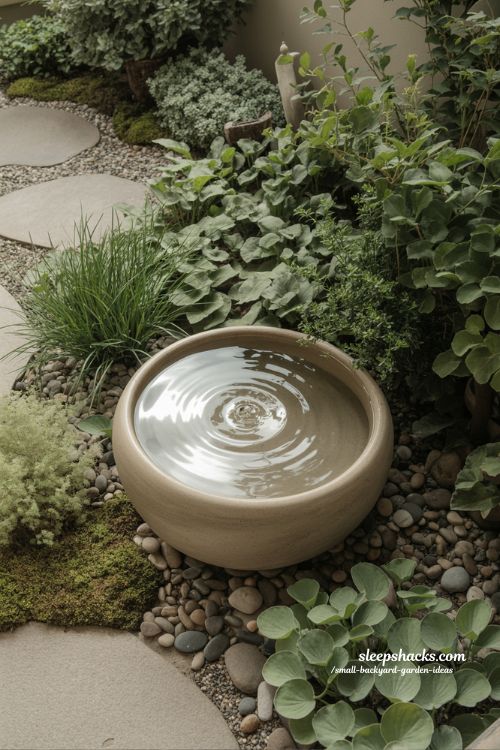
Water features don’t need to be big. Even a small bowl or fountain changes the sound of a garden. There’s something naturally calming about moving water—it softens everything around it.
In small spaces, water works like a pause button. It slows you down without asking.
Key idea: Water adds sound and calm without taking space.
9. Growing Edible Plants in Small Spaces
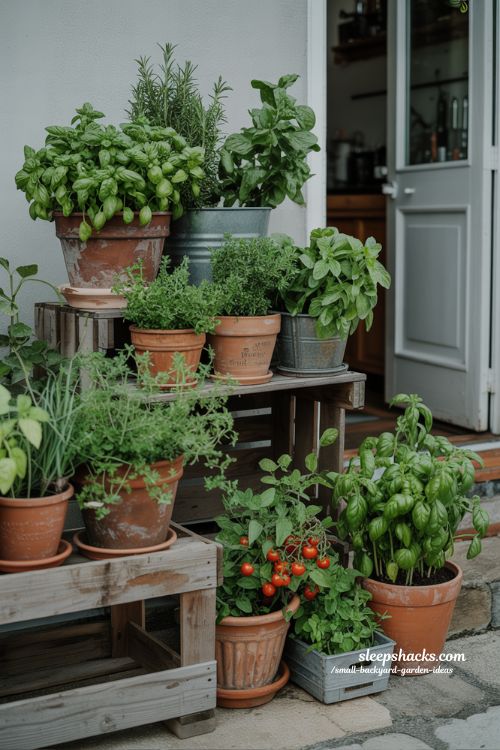
Herbs and vegetables fit beautifully into Small Backyard Garden Ideas. Basil, mint, tomatoes, or peppers don’t need large space, just consistent care. I’ve seen people start with just a few pots of herbs near the kitchen door, and slowly it becomes part of daily life.
There’s something deeply satisfying about eating something you’ve grown yourself, even if it’s small.
Key idea: Edible plants turn gardens into daily use spaces.
10. Creating Privacy Without Walls
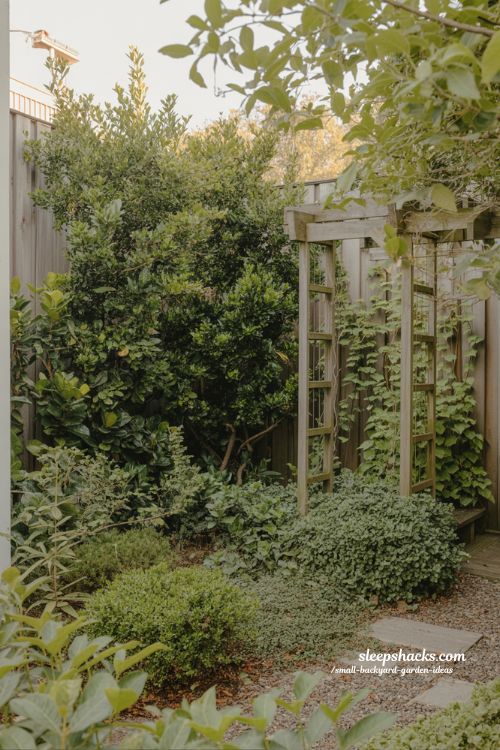
Privacy doesn’t always mean fences. Sometimes plants do the job better. Tall shrubs, climbing vines, and layered greenery can softly block views without making the space feel closed.
I like this approach because it feels natural. Instead of building separation, you grow it.
Key idea: Privacy can be grown, not built.
11. Using Color to Shape Emotion
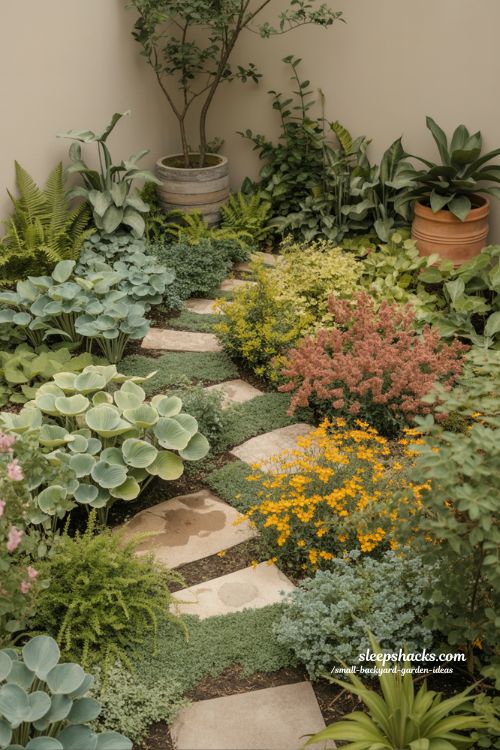
Color in a garden works quietly but strongly. Soft greens feel calm, bright flowers feel lively, and mixed tones create energy. I’ve always felt that color in small gardens should be chosen carefully because everything is close—you feel it more intensely.
Even a small burst of color in the right corner can shift the entire mood.
Key idea: Color controls emotion in compact spaces.
12. Small Garden Layout Planning
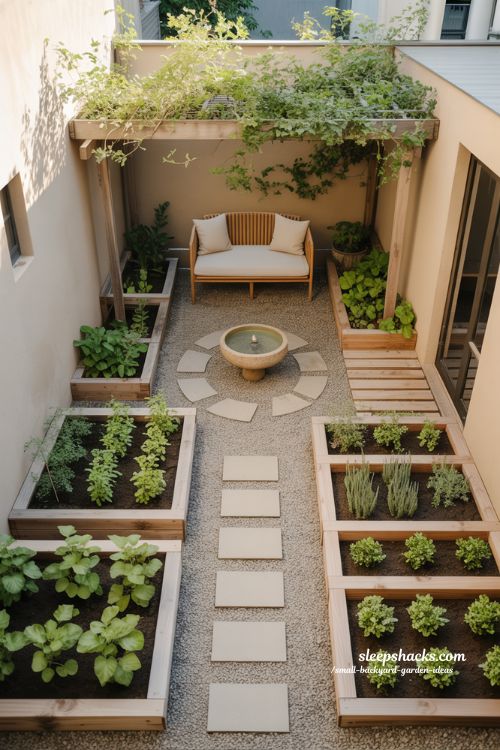
Before planting anything, layout matters. It decides how space will feel long-term. I’ve seen people rush into buying plants, only to rearrange everything later. A simple plan saves that stress.
Table 2: Basic Small Backyard Layout Structure
| Zone Type | Purpose | Example Placement |
| Seating Zone | Relaxation | Corner or shaded area |
| Planting Zone | Growth and greenery | Walls and open ground |
| Walking Zone | Movement flow | Between beds or edges |
| Feature Zone | Focus element | Fountain or centerpiece |
This structure helps you divide space in a way that feels natural instead of forced. Even a tiny yard feels bigger when zones are clear.
13. Adding Personal Decorative Elements
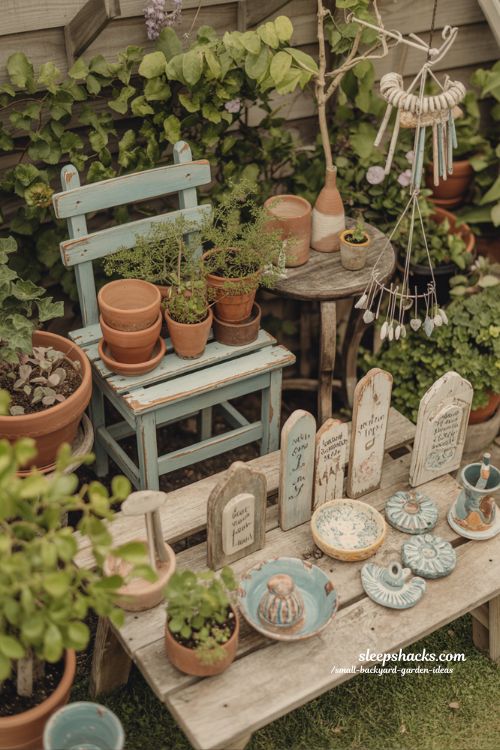
A garden becomes yours when it carries personality. It could be handmade decorations, old furniture, or small artistic touches. I’ve seen people reuse simple items in creative ways, and suddenly the space feels warm and lived-in.
It’s not about perfection—it’s about expression.
Key idea: Personality makes a garden feel alive.
14. Seasonal Thinking in Garden Design
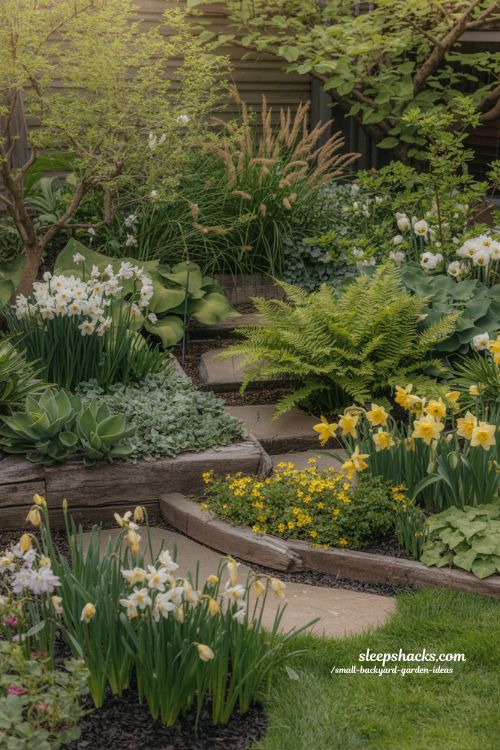
A good garden changes through the year. That’s part of its charm. Planning for seasons means mixing plants that bloom at different times so something is always happening.
I like gardens that don’t stay static. They feel like they’re breathing with time.
Key idea: Seasonal planning keeps gardens dynamic.
15. Low-Maintenance Design Approach
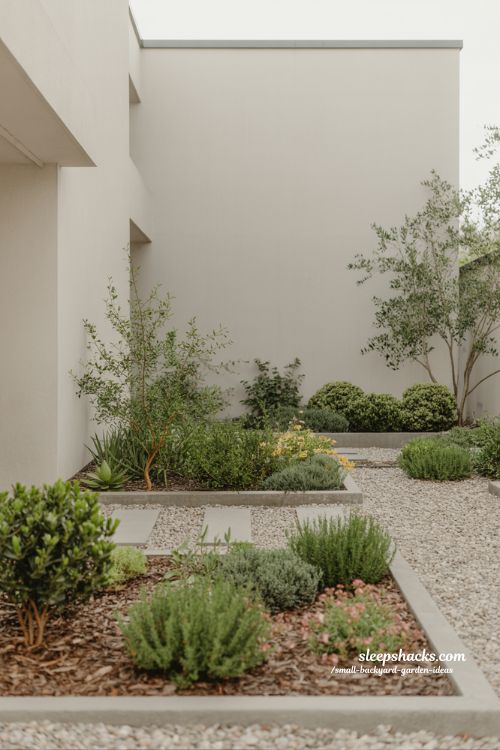
Not every garden needs constant attention. In fact, the best small gardens often feel easy to maintain. Choosing the right plants from the start reduces stress later.
Less effort doesn’t mean less beauty—it often means smarter choices.
Key idea: Simplicity creates long-term success.
16. Blending Indoors and Outdoors
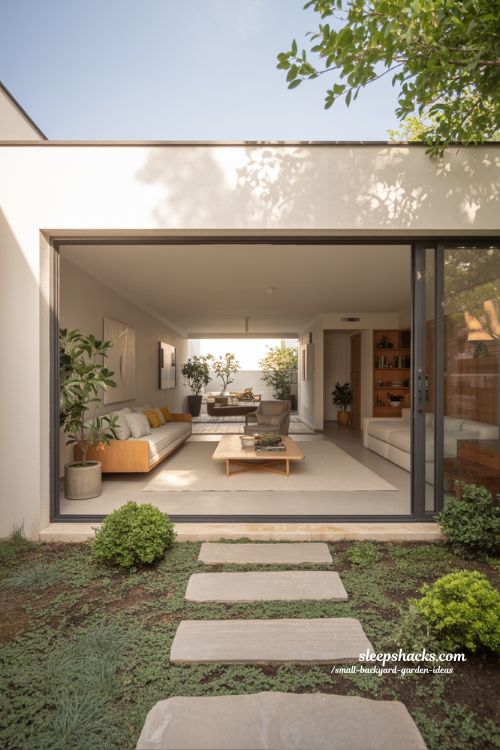
When a garden is close to your home, the boundary starts to blur. Windows open into greenery, doors lead into soft light, and suddenly everything feels connected. I’ve always liked this idea—it makes the space feel larger than it is.
Even a small connection, like matching colors or materials, helps.
Key idea: Connection expands perceived space.
17. Creating a Personal Garden Mood
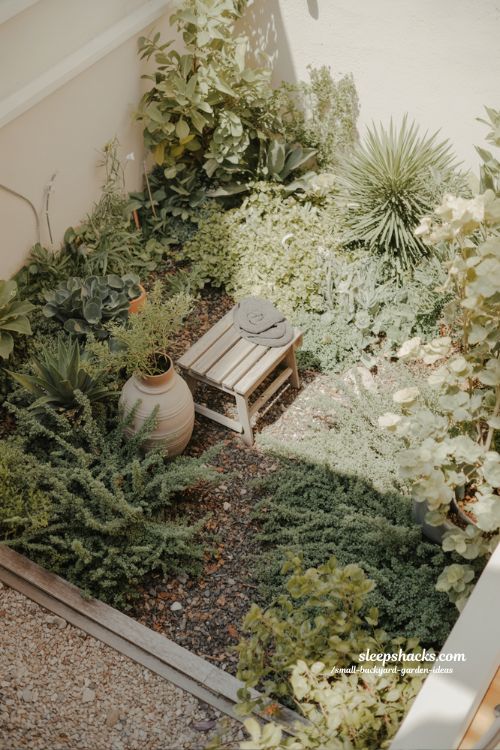
At the end of the day, every garden has a feeling. Some feel peaceful, some energetic, some nostalgic. The best Small Backyard Garden Ideas are the ones that match your own rhythm, not just trends.
I’ve seen gardens that are technically perfect but feel empty. And I’ve seen simple ones that feel deeply comforting. The difference is intention.
Key idea: Mood matters more than perfection.
FAQ
What is the best way to start a small backyard garden
Start with a simple layout and choose easy plants. Focus on one small area first instead of the whole space at once.
How do I make a small backyard look bigger
Use vertical gardening, light colors, and open pathways. These create visual depth and reduce clutter.
What plants work best in small gardens
Herbs, small shrubs, climbing plants, and container-friendly flowers usually work well in limited spaces.
Do small gardens need a lot of maintenance
Not necessarily. If you choose low-maintenance plants and simple layouts, upkeep becomes easy and light.
Can I grow vegetables in a small backyard
Yes, vegetables like tomatoes, peppers, and herbs grow well in containers or raised beds.
How important is lighting in a small garden
Very important. Lighting changes mood, extends usable time, and adds warmth to compact spaces.
What is the most important design rule for small gardens
Keep it simple and purposeful. Every element should have a reason to exist in the space.
Small Backyard Garden Ideas create stunning, cozy outdoor spaces with smart layouts, vertical planting, and beautiful space-saving designs today