

When I first started noticing how calming a Small Japanese Garden can feel, it honestly surprised me. I wasn’t standing in some huge temple garden in Japan or anything dramatic like that. It was a tiny corner space, barely bigger than a balcony, yet it had this quiet pull that made me slow down without even realizing it. There’s something about the mix of stone, gravel, and soft green textures that just settles your mind in a way modern spaces rarely do.
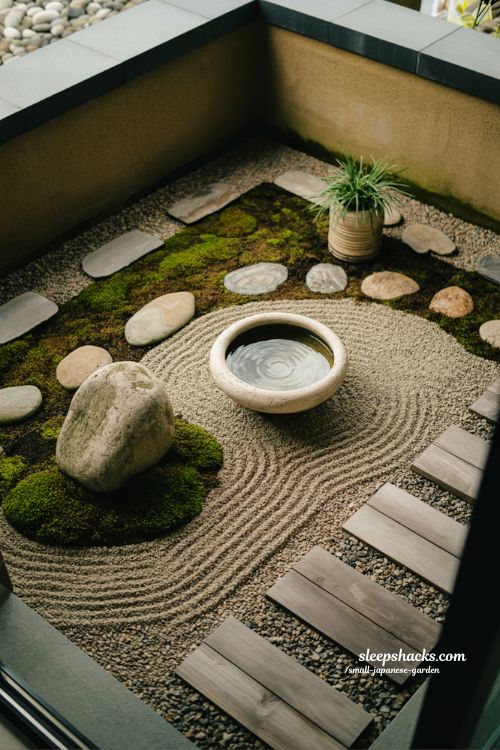
I remember thinking, “How can something so simple feel so complete?” And that’s really the heart of it. A Small Japanese Garden isn’t about size at all. It’s about intention, rhythm, and the way each element quietly speaks to the next.
- Simplicity always feels more powerful than complexity here
- Every stone, plant, and path has meaning
- Even the smallest space can feel deeply peaceful
1. Small Japanese Garden Ideas for a Peaceful Zen Backyard Retreat
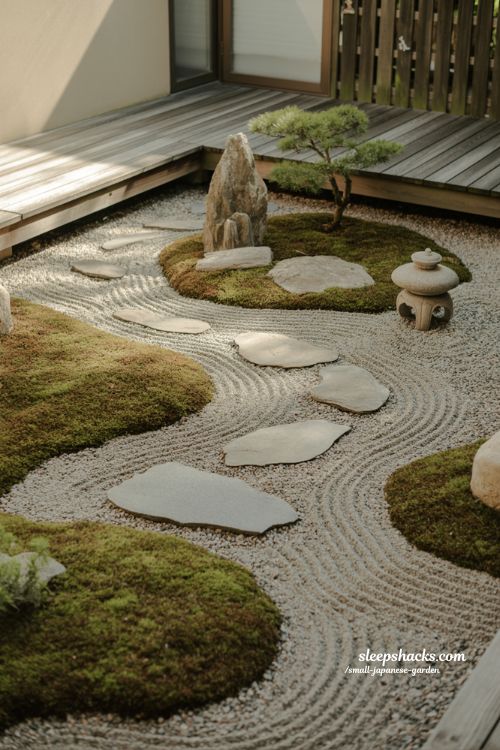
A Small Japanese Garden starts with one simple idea: calm over clutter. When I think about backyard transformations, I always picture a space that doesn’t try too hard. Just a few stones, soft moss, and a gentle flow of gravel can change everything. It’s not about impressing anyone. It’s about how you feel when you step into it.
In real life, I’ve seen people overcomplicate it with too many decorations. Honestly, the magic disappears that way. Instead, keep it grounded. Let the space breathe. A single focal point like a rock formation or a small tree is often enough to hold the entire mood together.
2. How to Design a Small Japanese Garden in a Tiny Space
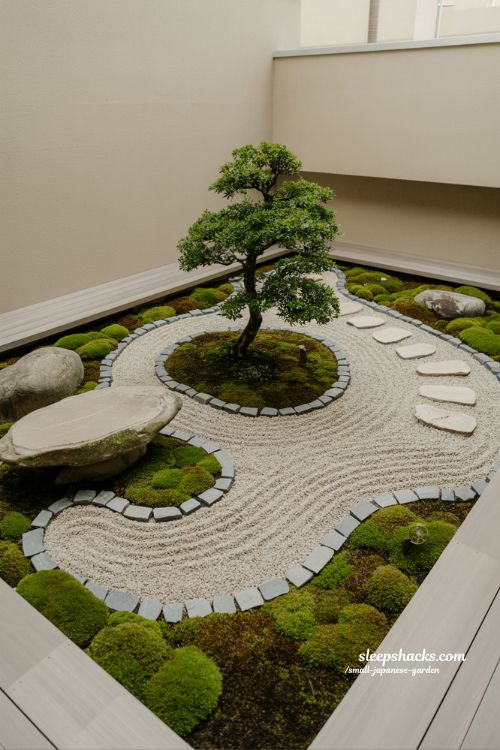
Designing a Small Japanese Garden in a tight space feels like solving a quiet puzzle. You don’t fight the size—you work with it. I’ve seen balcony gardens that feel more peaceful than big backyards simply because everything was placed with care.
Start by deciding what your eye should rest on first. Maybe it’s a bonsai or a stone arrangement. Then let everything else support that moment. Keep walking space curved and slow. Straight lines feel too harsh for this kind of design.
3. Zen Stone Layout Ideas for a Small Japanese Garden
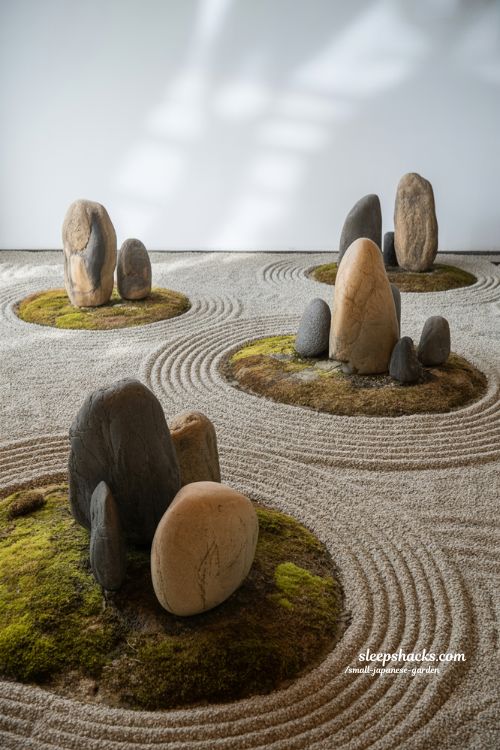
Stones are basically the backbone of a Small Japanese Garden. I always think of them as silent storytellers. Each one has weight, not just physically but visually. They give structure to everything else around them.
Place them in groups instead of single random spots. Odd numbers often feel more natural to the eye. A trio of stones can represent balance without feeling forced. The key is to avoid symmetry. Nature rarely behaves in perfect alignment, and that’s exactly the point.
4. Minimalist Small Japanese Garden Design for Modern Homes
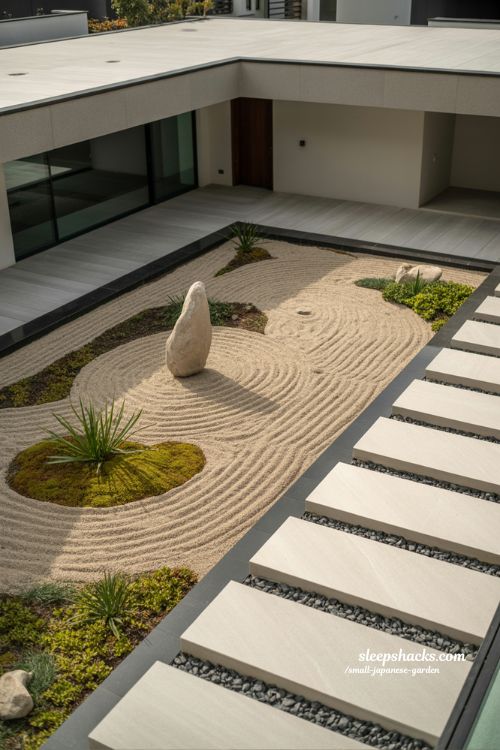
There’s something really refreshing about minimalism when it meets a Small Japanese Garden. Modern homes already have a lot going on, so this kind of garden feels like a soft pause button outside your door.
I like to think of it as “less noise, more space to think.” A few plants, clean gravel, and one strong visual element are enough. You don’t need layers of decoration. You need clarity. And honestly, clarity feels rare these days.
5. Small Japanese Garden Water Feature Ideas for Relaxation
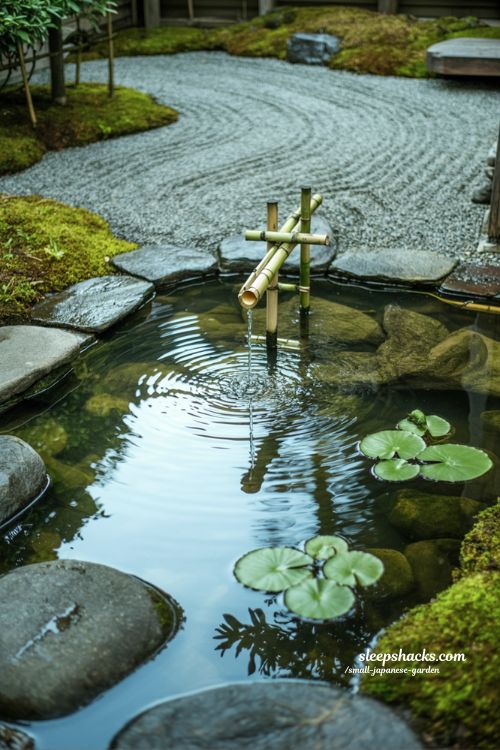
Water changes everything in a Small Japanese Garden, even if it’s just a small bamboo fountain. The sound alone makes the space feel alive in a gentle way. It doesn’t shout—it whispers.
If space allows, a tiny pond with still water works beautifully. If not, even a dry gravel design can suggest flowing water through patterns. It’s less about real movement and more about imagination. Your mind fills in the rest naturally.
6. Small Japanese Garden With Bonsai Tree Styling Ideas
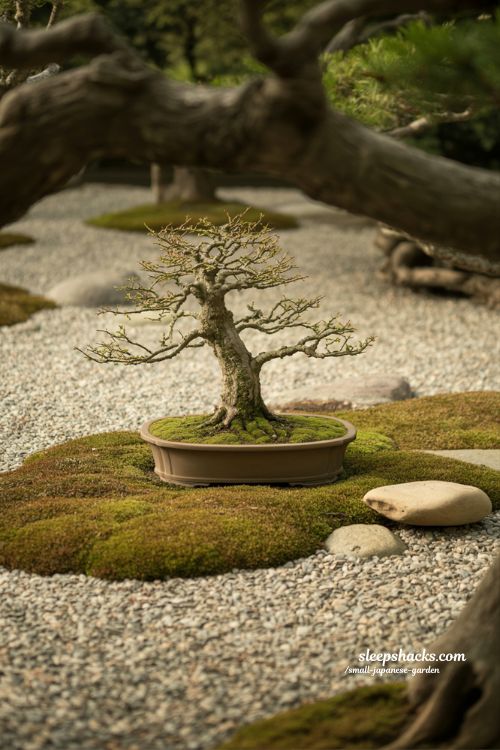
A bonsai in a Small Japanese Garden feels like placing a living sculpture in the middle of quiet space. I’ve always found bonsai trees strangely grounding. They remind you that patience is part of beauty.
Place it where your eyes naturally land when you look outside. Don’t crowd it with other plants. Let it stand alone or with very soft companions like moss or gravel. It deserves that kind of respect.
7. Stepping Stone Path Ideas for Small Japanese Garden Layouts
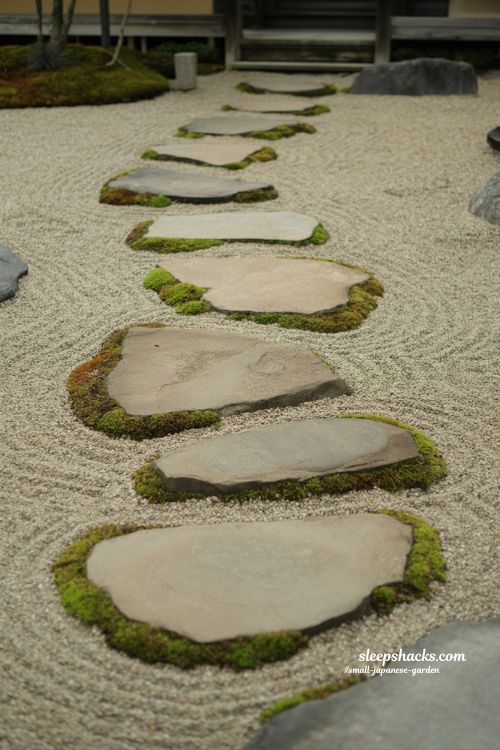
Stepping stones in a Small Japanese Garden are not just paths—they’re a slow invitation to move differently. I’ve always liked how they make you walk more carefully without thinking about it.
Instead of placing them evenly, let the spacing feel slightly irregular. That small unpredictability creates a natural rhythm. It also encourages you to slow down, which is really the whole point of the garden itself.
8. Bamboo Fence Privacy Ideas in Small Japanese Garden Design
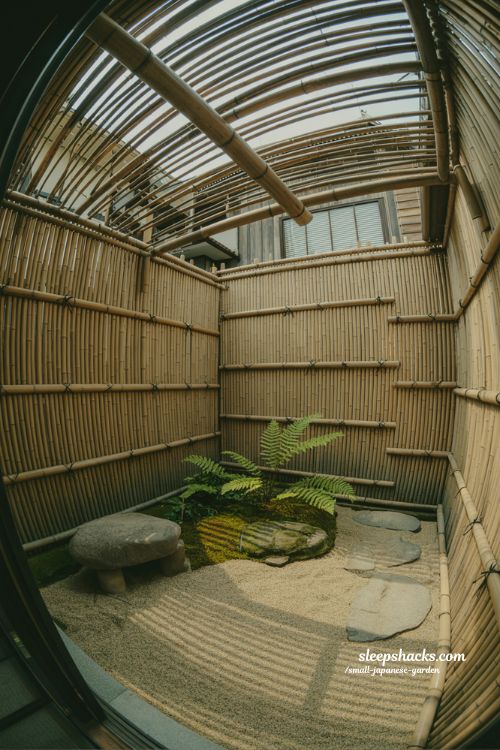
A bamboo fence in a Small Japanese Garden does more than block views. It creates a feeling of separation from the outside world. I’ve seen it turn even noisy urban corners into quiet little escapes.
What I like most is how it blends into the design instead of standing out. It doesn’t feel like a barrier. It feels like a soft frame around your space, almost like the garden is gently holding itself together.
9. Seasonal Plant Ideas for a Small Japanese Garden Design
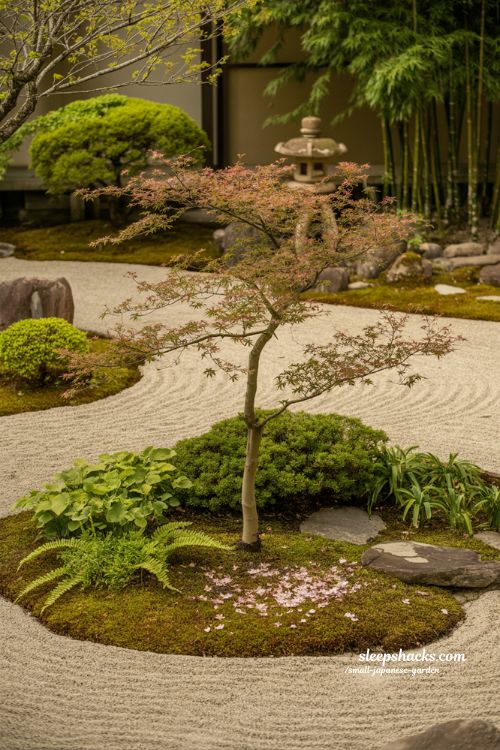
Seasonal changes bring life into a Small Japanese Garden in a very honest way. Nothing stays the same, and that’s actually comforting. You start noticing small shifts instead of expecting perfection all year round.
Spring blossoms, summer greens, autumn colors—they each tell a different story. Even a single tree that changes through seasons can carry the entire mood of the garden.
Table 1: Seasonal Plant Flow Guide
| Season | Plant Choice | Effect |
| Spring | Cherry blossom | Soft renewal feeling |
| Summer | Bamboo & evergreens | Fresh green calm |
| Autumn | Japanese maple | Warm, reflective tones |
| Winter | Pine & moss | Quiet stability |
This simple cycle helps a Small Japanese Garden feel alive without needing constant redesign. It’s more about rhythm than effort.
10. Dry Zen Garden Ideas for Small Japanese Garden Spaces
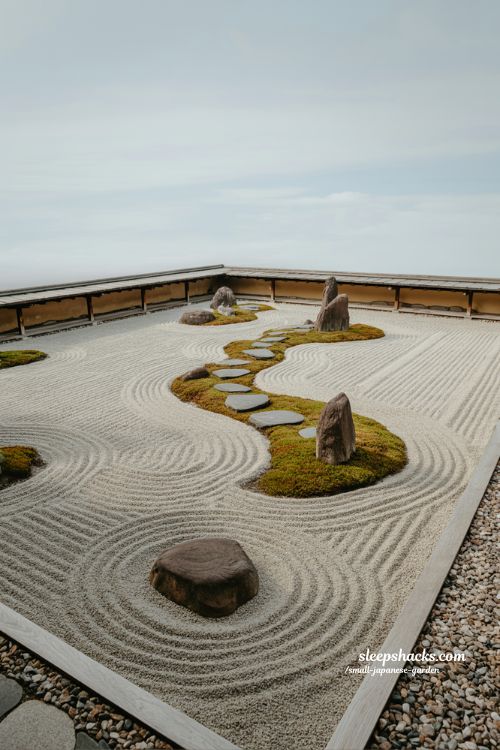
A dry Small Japanese Garden often surprises people because there’s no water at all, yet it still feels deeply peaceful. Gravel becomes your river, and stones become your landscape.
Raking patterns into gravel is strangely satisfying. It almost feels like drawing with sand. You don’t need perfection here—just intention. Every line becomes part of a quiet visual meditation.
11. Stone Lantern Styling Ideas in Small Japanese Garden Design
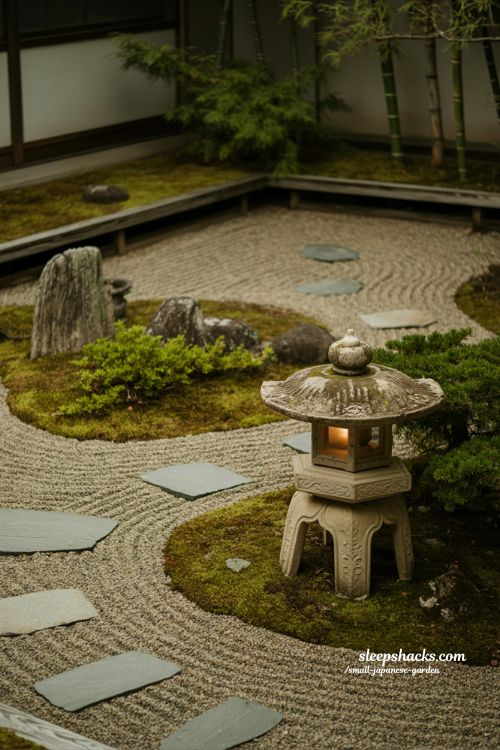
Stone lanterns bring a soft traditional touch to a Small Japanese Garden. I like how they don’t try to be the center of attention, but somehow still feel important.
Place them near paths or beside focal stones. Keep lighting soft and subtle. It’s less about brightness and more about atmosphere when evening comes in slowly.
12. Low-Maintenance Small Japanese Garden Ideas for Busy Homes
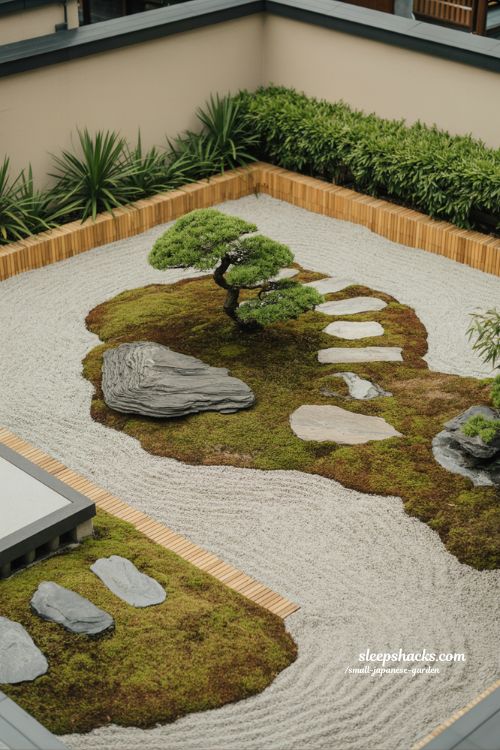
A Small Japanese Garden can absolutely be low-maintenance if you design it smartly. I’ve seen people stress too much about upkeep, but honestly, simplicity solves most of it.
Gravel instead of grass, hardy plants instead of delicate ones, and fewer decorative changes make a huge difference. The garden should support your life, not add pressure to it.
Table 2: Maintenance Level Breakdown
| Element | Maintenance Level | Why It Works |
| Gravel base | Very low | No mowing needed |
| Moss | Low | Naturally self-spreading |
| Bamboo | Medium | Occasional trimming |
| Bonsai | High | Needs careful shaping |
This helps you choose the right balance for your own Small Japanese Garden without feeling overwhelmed.
13. Meditation Corner Ideas in a Small Japanese Garden Setup
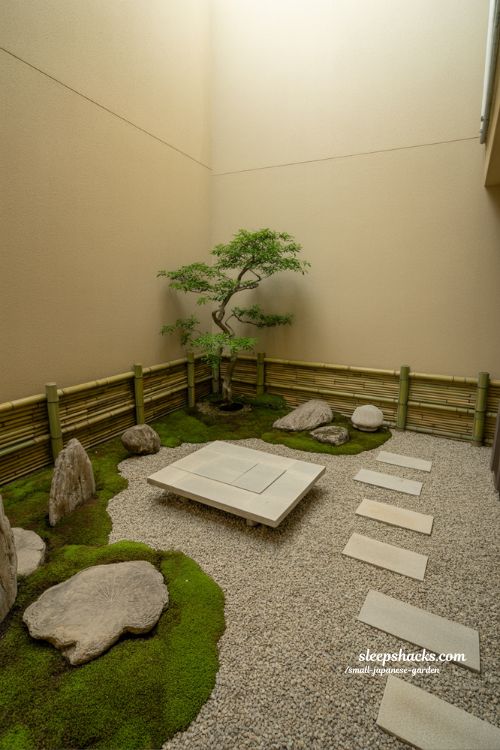
A meditation corner inside a Small Japanese Garden feels like creating a personal pause button. I’ve tried sitting in spaces like this, and the silence feels different—more intentional somehow.
You don’t need much. A flat stone, a quiet view, maybe a small plant nearby. That’s it. The rest is just you and the space.
14. Tiny Courtyard Small Japanese Garden Transformation Ideas
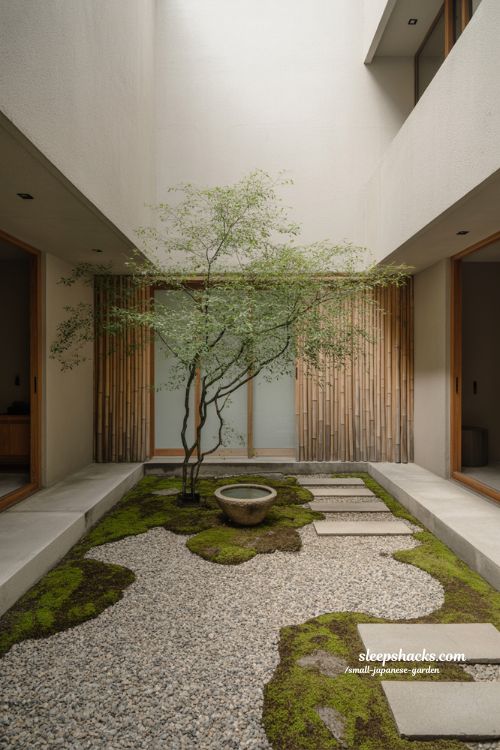
Courtyards often feel wasted until you turn them into a Small Japanese Garden. I’ve seen empty concrete areas become deeply calming just by adding texture and a few natural elements.
The trick is layering without crowding. Start with ground texture, then add vertical elements like bamboo or small trees. Finally, place one focal point so everything feels connected.
15. Waterless Zen Small Japanese Garden Gravel Designs
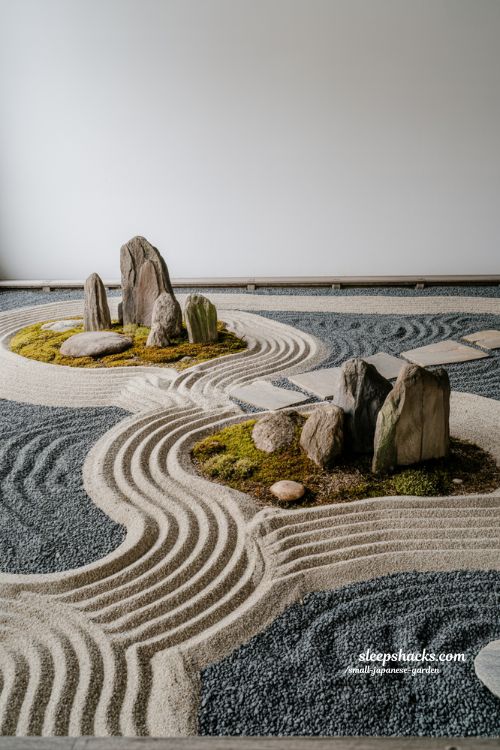
Waterless designs in a Small Japanese Garden are surprisingly expressive. Gravel becomes your canvas, and stones become your meaning.
The patterns you rake can change your mood. Soft curves feel calm, while tighter waves feel more energetic. It’s a quiet form of creative expression that doesn’t require tools or noise.
16. Balcony Small Japanese Garden Ideas for Apartment Living
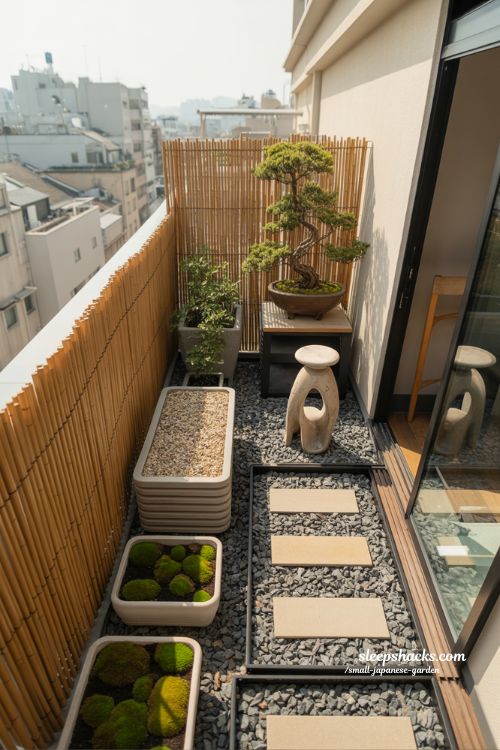
Even a balcony can hold a Small Japanese Garden if you think vertically and simply. I’ve seen tiny apartment setups that feel like private escapes above busy streets.
Use containers, bonsai, and lightweight gravel trays. Keep everything portable and flexible. The goal is not permanence but peaceful presence.
17. Complete Small Japanese Garden Layout Inspiration Guide
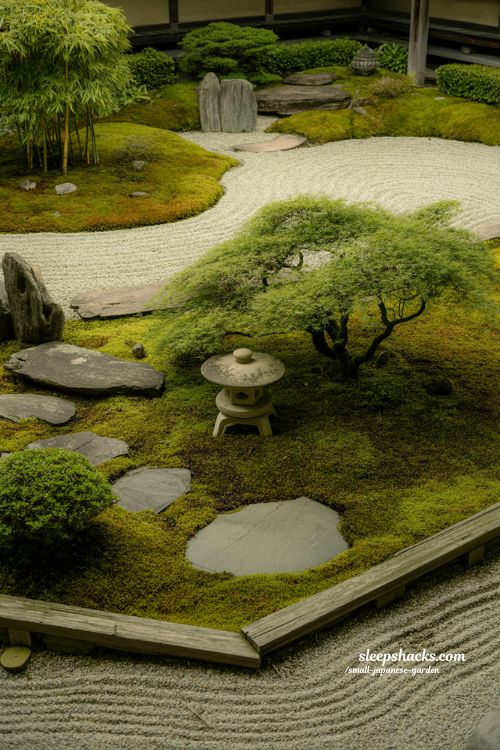
When everything comes together in a Small Japanese Garden, it stops feeling like separate elements and starts feeling like one living composition. Stones, plants, paths, and space all support each other quietly.
The most important thing I’ve learned is this: don’t rush the design. Let it grow in your mind first. Then build slowly. A garden like this is never really “finished”—it just settles into balance over time.