

Living in a small space can feel a little like walking a tightrope between cozy and cramped. I’ve spent countless afternoons rearranging sofas and side tables in my own apartment, trying to make a tiny living room feel like a place where friends could gather, but also a retreat for quiet evenings.
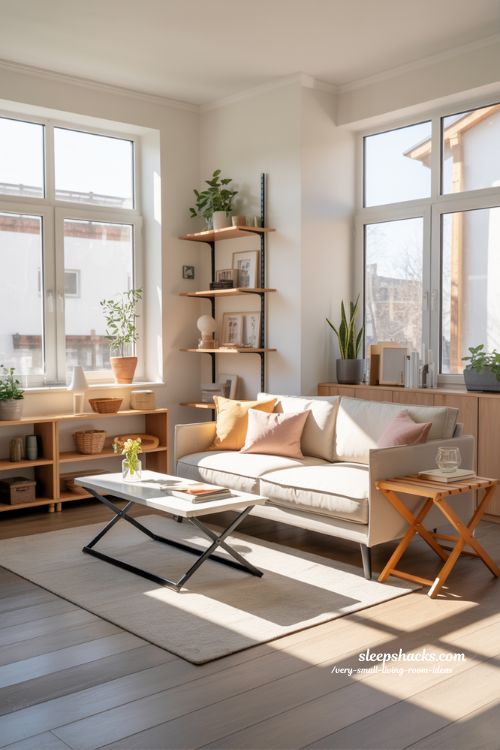
The truth is, small living rooms aren’t just about size—they’re about intention. Every corner, every piece of furniture, even the lighting can make a huge difference. Once you start thinking in terms of function and flow instead of filling every inch, the room magically feels bigger and more welcoming.
- Choose furniture that does double duty.
- Use vertical space to keep floors open.
- Let light and color guide the room’s energy.
1. Cozy Corner Seating
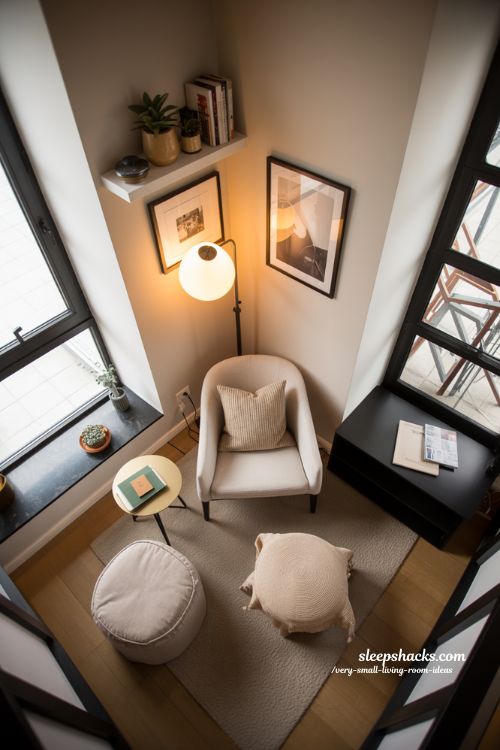
Creating a dedicated corner for relaxation can transform even the tiniest living room. A small armchair angled near a floor lamp instantly invites someone to curl up with a book or sip coffee. Pair it with a pouf or a tiny side table, and you’ve got a corner that’s functional without taking over the room.
By making a clear, intentional spot for lounging, the rest of the space suddenly feels more open. Even a narrow wall can host floating shelves or a small plant stand to add personality and warmth.
- Pick lightweight furniture for easy rearrangement.
- Use a floor lamp with dimming options.
- Add a soft throw or cushion for texture.
2. Multi-Purpose Sofas
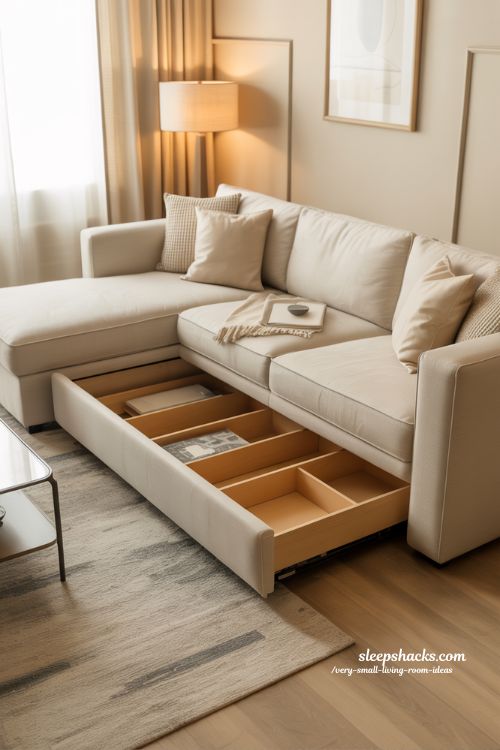
A sofa that doubles as a bed or offers hidden storage can solve so many space problems at once. I remember trying to cram a bulky sofa into a tiny room—once I swapped it for a sleeker version with drawers underneath, the whole space breathed.
Choosing multifunctional furniture doesn’t have to feel utilitarian. Sleek designs, soft fabrics, and neutral colors can make these pieces feel like part of your personal style rather than just practical tools.
- Look for built-in storage or sleeper options.
- Opt for a neutral tone to match multiple decor styles.
- Test the sofa’s comfort before committing.
3. Strategic Rugs for Zone Definition
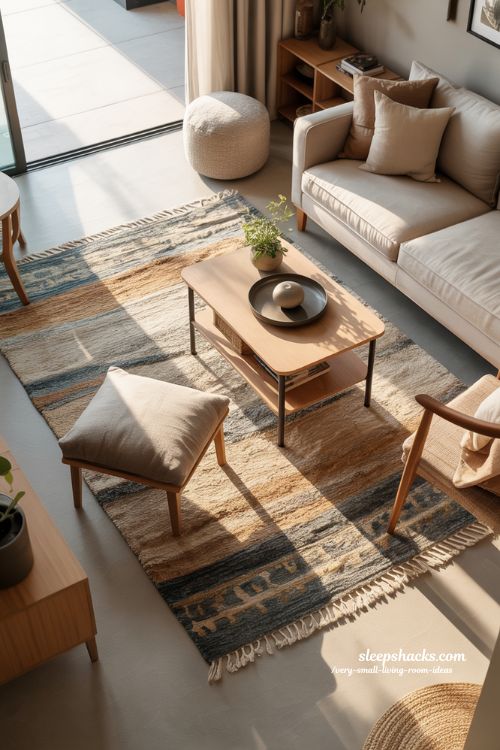
Rugs do more than add color—they define areas in a small living room. A well-placed rug under a seating area or coffee table anchors the space, making it feel structured rather than chaotic.
Think of rugs as invisible walls. They subtly guide the eye and separate zones without taking up any physical space, which is perfect for rooms where every inch counts. A slightly larger rug than expected can even make the room feel more expansive.
- Match rug size to the furniture, not the wall.
- Layer textures for warmth and depth.
- Keep patterns simple to avoid visual clutter.
4. Light and Neutral Walls
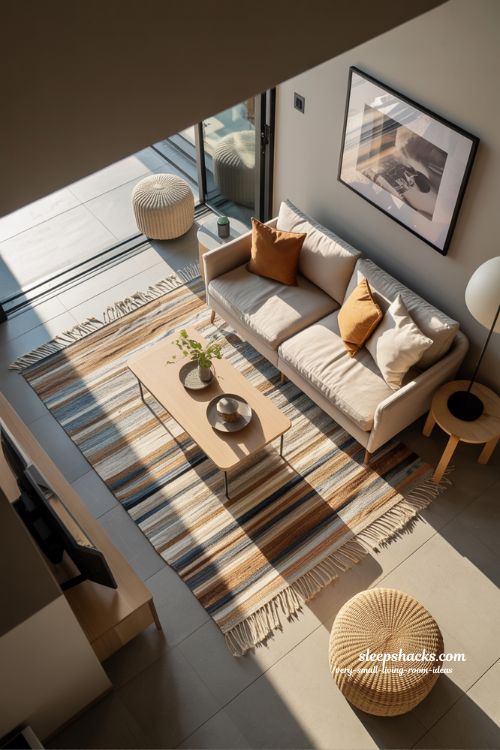
Light-colored walls can transform a cramped space. I once painted a small living room a soft gray, and the difference was like opening a window to more air. It reflected light, highlighted furniture, and made the room feel airy.
Pair neutral walls with pops of color in accessories, like cushions or artwork, to prevent the space from feeling sterile. This approach creates a balance between openness and personality.
- Use whites, creams, or pastels to reflect light.
- Incorporate one accent color for cohesion.
- Avoid overly dark paints in tiny rooms.
5. Floating Shelves and Vertical Storage
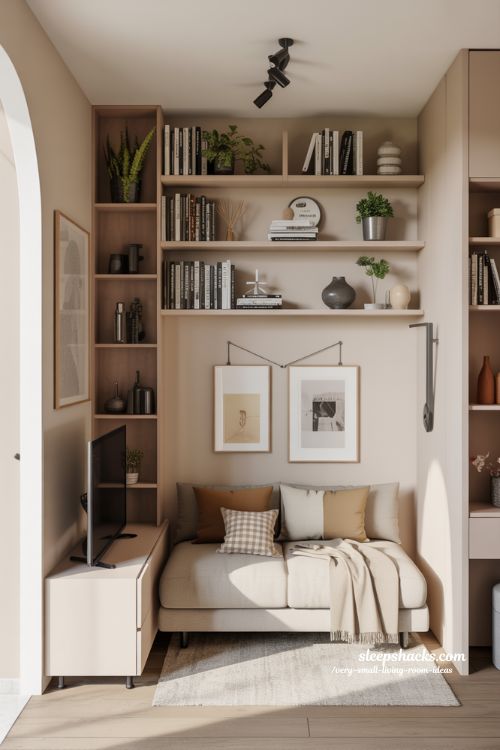
When floor space is scarce, think up. Floating shelves, wall-mounted cabinets, and tall bookcases keep items accessible but off the ground. I love installing a few floating shelves above my couch; it feels like the walls are doing the work for me.
This strategy works best when shelves are styled thoughtfully. Mix books, plants, and small decor pieces to keep it visually interesting but uncluttered. Vertical storage truly maximizes your square footage without crowding the room.
- Arrange shelves asymmetrically for interest.
- Keep heavier items on lower shelves for balance.
- Incorporate greenery to soften the vertical lines.
6. Mirrors for Illusion of Space
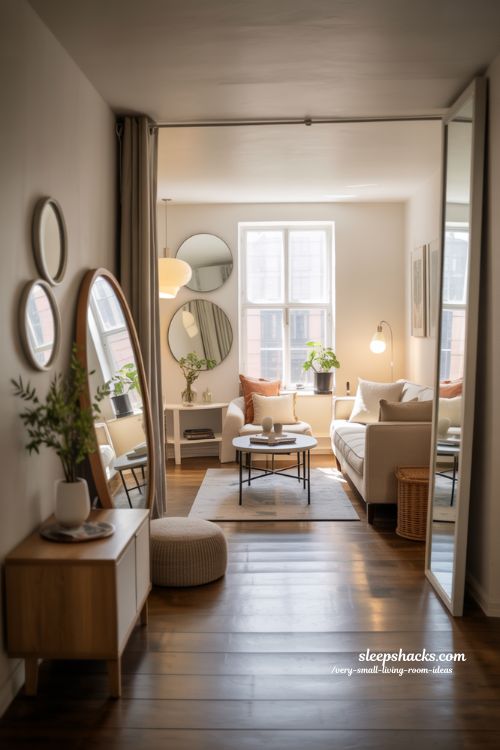
Mirrors are magical in small living rooms. I added a large round mirror opposite a window, and suddenly the room seemed twice as wide. Mirrors reflect light and give depth, which tricks the eye into perceiving a bigger space.
You can go subtle with a series of smaller mirrors grouped together or make a statement with one oversized piece. Placement is key: reflect the brightest light source for maximum effect.
- Place mirrors opposite windows to amplify light.
- Group small mirrors for artistic appeal.
- Avoid heavy, ornate frames that overwhelm.
7. Slimline Coffee Tables
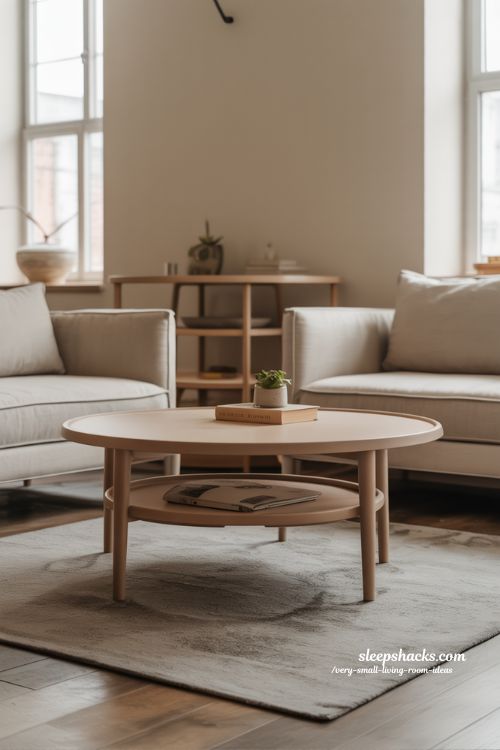
Bulky coffee tables can instantly make a small room feel crowded. I swapped mine for a slim, round table, and suddenly there was breathing room. Round tables are especially useful because they eliminate sharp corners in tight layouts.
Tables with hidden storage or removable trays offer even more functionality. They let you keep books, remotes, or small items tucked away while maintaining a clean, open feel.
- Consider nesting tables for flexibility.
- Choose light-colored or transparent materials.
- Keep tabletop minimal to avoid clutter.
8. Light and Layered Lighting
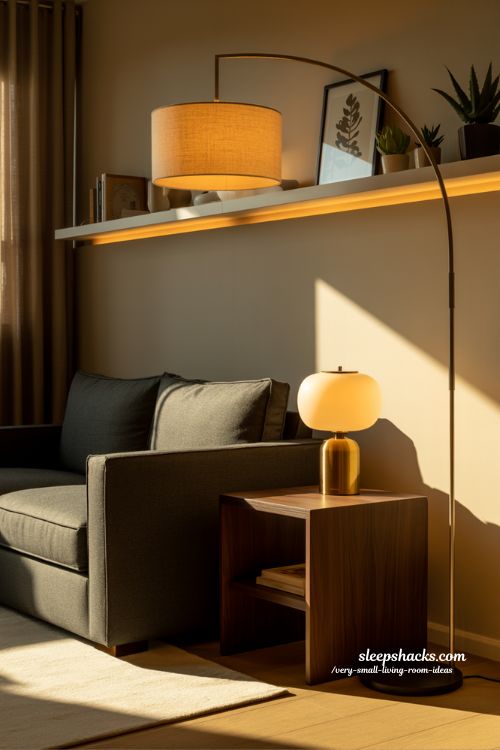
Mixing lighting sources changes everything. A single overhead light feels harsh and flat, but adding a combination of floor lamps, table lamps, and wall lights creates warmth and depth.
Dimmer switches or smart bulbs let you adapt the room’s mood. I love using a warm floor lamp in one corner and a table lamp near seating—it makes the room feel layered and cozy.
- Combine task, ambient, and accent lighting.
- Use dimmers for flexible moods.
- Highlight art or plants for visual interest.
9. Minimalist Decor
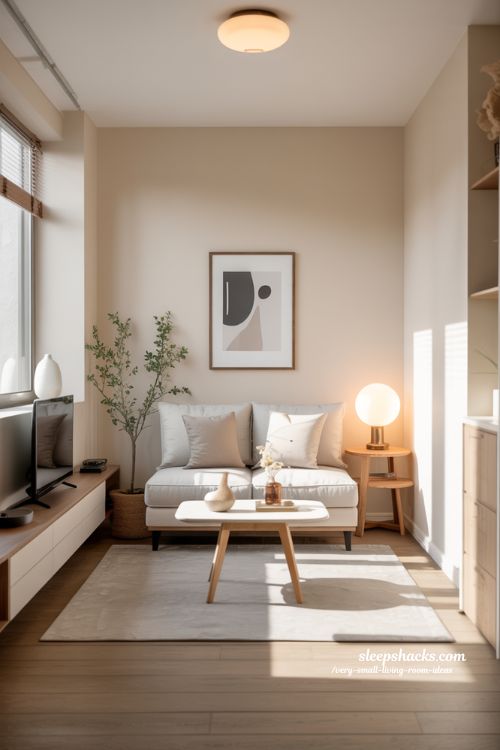
When space is tight, less is truly more. I used to fill shelves with every little thing I loved, but it made the room feel heavy. Now, choosing a few meaningful pieces keeps the space personal yet airy.
Minimalism isn’t about emptiness—it’s about letting each item shine. Use a restrained color palette and purposeful decor to make the room feel sophisticated without overwhelming it.
- Stick to 2-3 main colors.
- Rotate decorative items seasonally.
- Leave negative space for visual relief.
10. Flexible Room Dividers
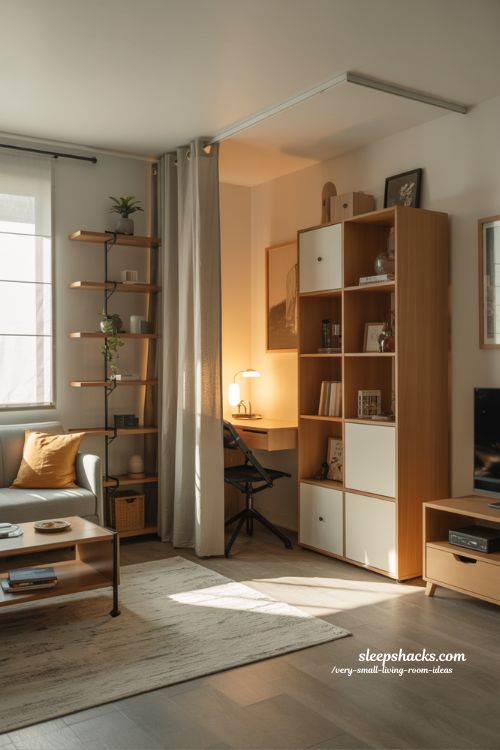
Dividers can create private zones without closing off the room. A lightweight shelving unit or curtain can separate a workspace from the seating area, giving structure and flexibility.
I love how a simple KALLAX unit doubles as storage and a room divider. It keeps things organized and visually separates spaces without feeling boxed in.
- Use open shelving for airy separation.
- Curtains add softness and versatility.
- Keep dividers proportional to room size.
11. Compact Dining Solutions
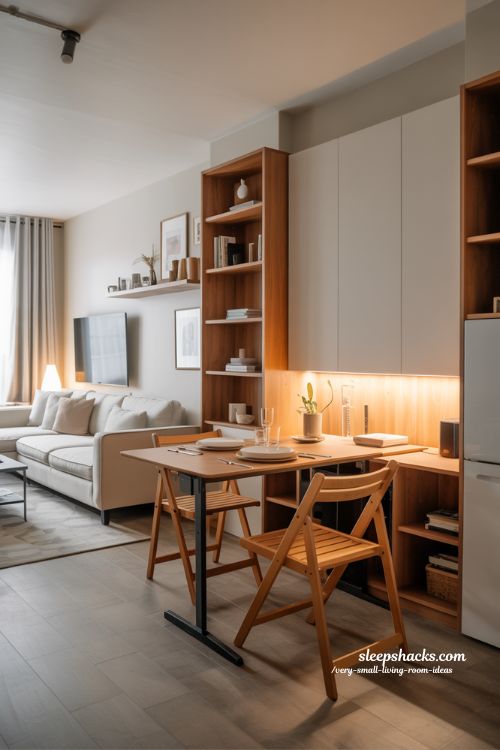
In tiny living rooms that double as dining areas, multifunctional tables and chairs are lifesavers. I often use a small drop-leaf table tucked against a wall—it expands when needed but disappears otherwise.
Stackable or foldable chairs also keep the space flexible. This approach lets you entertain without sacrificing everyday comfort or making the room feel cramped.
- Consider extendable tables.
- Use lightweight chairs for easy movement.
- Choose foldable pieces for occasional guests.
12. Greenery and Small Plants
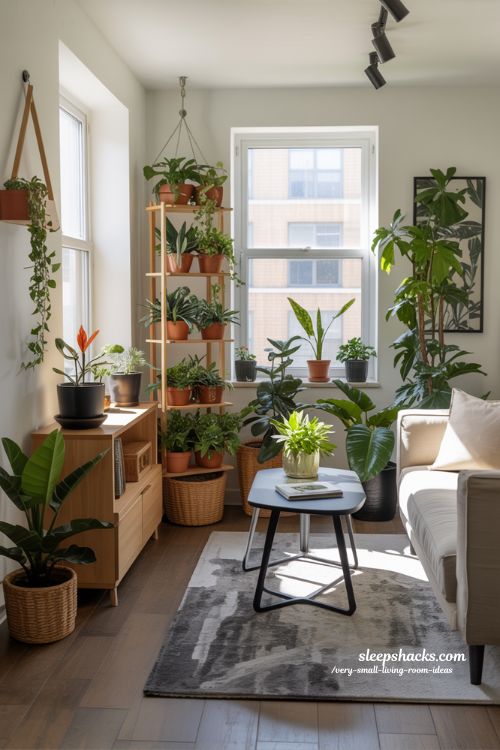
Plants breathe life into any small living room. Even a tiny fern or succulent can soften hard lines and add warmth. I like using tiered plant stands to create height and drama without taking up precious floor space.
Vertical plant arrangements or hanging planters also work beautifully. They bring color and texture, making the room feel cozy and alive without overwhelming it.
- Group small plants for impact.
- Use hanging or tiered stands.
- Rotate plants for seasonal freshness.
13. Smart Storage Solutions

Storage is more than furniture; it’s strategy. Rolling carts, baskets, or hidden compartments help keep clutter at bay. I once tucked a small trolley next to my sofa, and it instantly became my favorite utility piece.
Labeling and organizing makes a big difference in small spaces. When every item has a home, the room feels orderly and serene, even with multiple functions happening in one area.
- Use labeled baskets for easy access.
- Opt for multi-level storage units.
- Keep everyday items within reach.
14. Color Accents
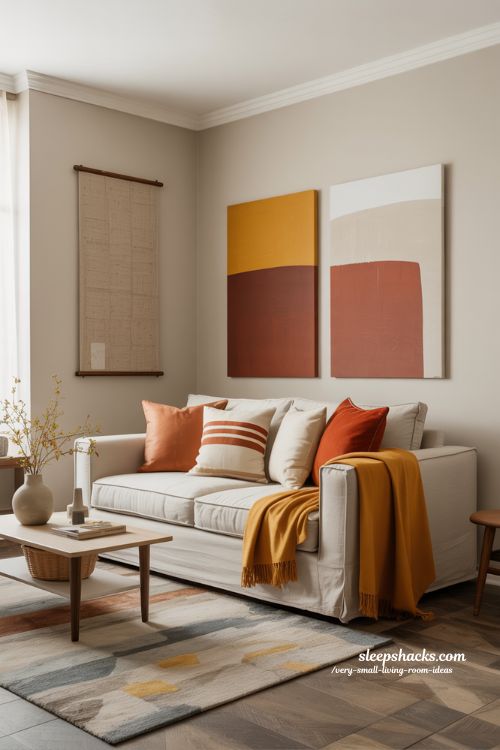
Even in a tiny room, color is powerful. Adding pops of green, mustard, or blush through pillows, throws, or art can inject personality without taking up space.
I like balancing a neutral base with one or two accent shades. It keeps the room lively but calm, and each item feels intentional rather than cluttered.
- Stick to 1-2 accent colors.
- Rotate colors with seasons.
- Mix textures for depth.
15. Smart Use of Curtains
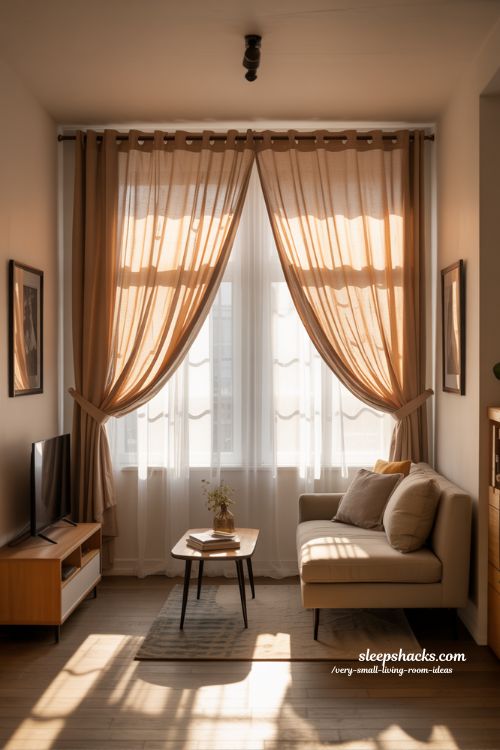
Curtains can visually expand a room. Mounting them higher than the window frame draws the eye upward, making ceilings feel taller. I’ve found that lightweight, flowing fabrics add softness while keeping a compact living room airy.
Sheer curtains let natural light in without sacrificing privacy, while layered curtains give flexibility for mood and function.
- Hang curtains close to the ceiling.
- Use sheer fabrics for openness.
- Layer heavier curtains for cozy evenings.
16. Personal Touches Without Clutter
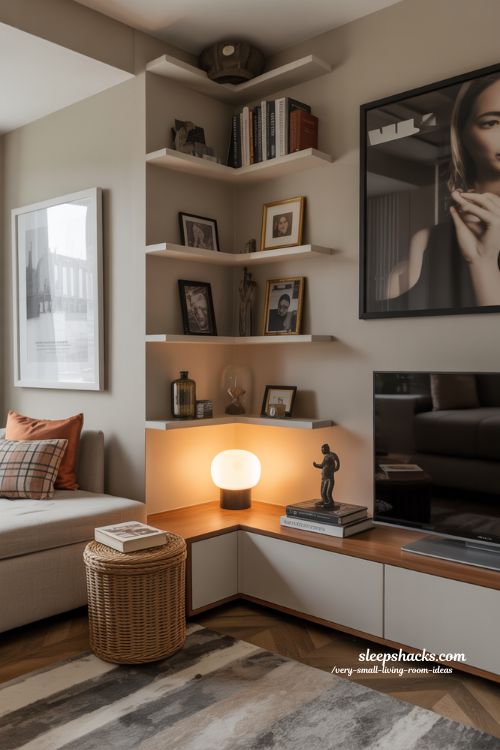
Personal items make a room feel lived-in but don’t need to dominate. A single framed photo, a small sculpture, or a few treasured books can make a space feel warm and curated.
I like rotating pieces so the room evolves with my life. Intentional, meaningful decor brings personality without making the small space feel overcrowded.
- Limit items per surface.
- Rotate items seasonally or by mood.
- Use vertical displays for visual interest.
17. Clear Pathways and Flow
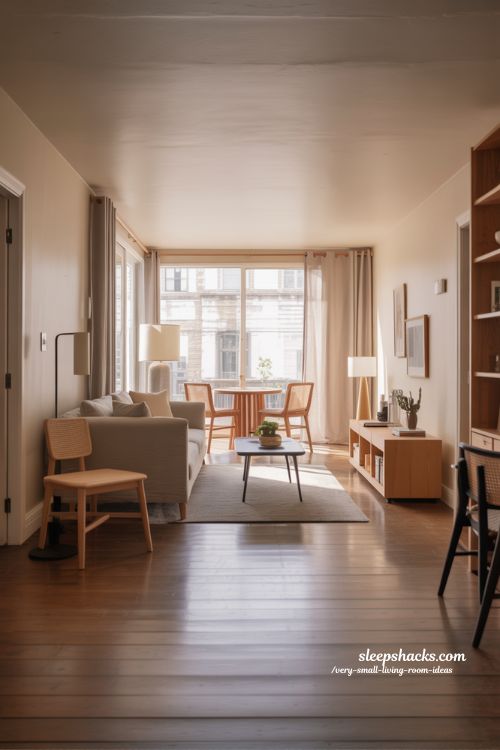
Ultimately, the secret to a tiny living room is movement. Arrange furniture so you can walk freely, and let each piece serve a purpose. A cramped space can feel suffocating, even with beautiful furniture.
I always take a step back after arranging a room, walking around to check flow. If it feels natural and effortless, then the room works, no matter its size.
- Keep walkways clear.
- Align furniture with natural sightlines.
- Avoid overcrowding with unnecessary pieces.
Table 1: Quick Storage Options for Tiny Living Rooms
| Item | Purpose | Placement Tip |
| Rolling Cart | Mobile storage | Next to sofa or desk |
| Pouffe with Storage | Extra seating + storage | Corner or near coffee table |
| Floating Shelves | Display + books | Above seating area |
| Nesting Tables | Space-saving surfaces | Around seating area |
Using these pieces thoughtfully transforms clutter into functionality without making the room feel smaller. The key is versatility—each item should serve multiple purposes.
Table 2: Lighting Mix for Small Spaces
| Lighting Type | Function | Example |
| Task Lighting | Focused activities | Floor or desk lamp |
| Ambient Lighting | Overall illumination | Ceiling pendant |
| Mood Lighting | Atmosphere | Table lamp with dimmer |
| Accent Lighting | Highlight decor | Shelf or wall LED |
Combining these layers ensures the room feels welcoming and adaptable for any activity, from reading to entertaining.
FAQ
How can I make a very small living room feel bigger?
Use light colors, mirrors, and multifunctional furniture to open up visual space.
What furniture works best in tiny living rooms?
Choose pieces that double as storage or seating, and keep them proportionate to the room.
How do I balance style and function?
Prioritize flow and purpose first, then add decor that reflects your personality.
Can I entertain in a small living room?
Yes—use flexible seating, clear pathways, and multipurpose surfaces to host comfortably.
How do I avoid clutter in a small space?
Incorporate vertical storage, hidden compartments, and rotate decorative items regularly.
What’s the best lighting strategy for small rooms?
Mix task, ambient, mood, and accent lighting to create layers and warmth.