

When I first thought about designing a safari nursery, I pictured my little one surrounded by playful animals and earthy tones, a tiny jungle where imagination could run wild. There’s something magical about a room that feels adventurous yet cozy, a space where every corner tells a story. I wanted to create a room that wasn’t just cute for a baby but could evolve with them as they grew. The idea of combining neutral shades with pops of color, plush animal toys, and thematic accents made the process exciting and surprisingly therapeutic. As I navigated Pinterest boards, blogs, and even local stores, I realized there’s a fine art to balancing whimsical safari motifs with practical, everyday functionality.
Key Points:
- Neutral bases with colorful accents keep the room timeless.
- Animal motifs and textures make the space playful yet cozy.
- Furniture that grows with the child ensures long-term usability.
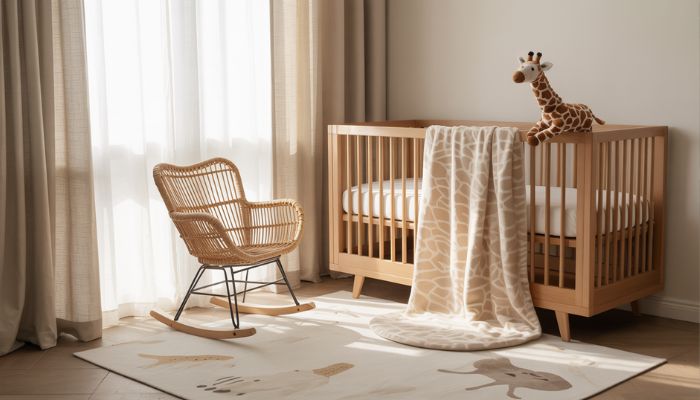
Why Choose a Safari Nursery Theme?
Choosing a safari theme isn’t just about cute animals; it’s about creating an immersive environment. For me, it was a chance to merge creativity with calmness. A safari nursery balances playful animal prints with earthy textures, so it feels both adventurous and relaxing.
I remember walking into my friend’s nursery and being immediately drawn to the subtle mix of greens, browns, and natural wood. It wasn’t overdone; it was stylish yet kid-friendly. The room gave off a vibe that whispered, “Imagination is welcome here,” which is exactly the energy I wanted for my own nursery. From giraffe wall decals to tiny lion plushies, every element added depth without cluttering the space.
Popular Safari Nursery Color Palettes
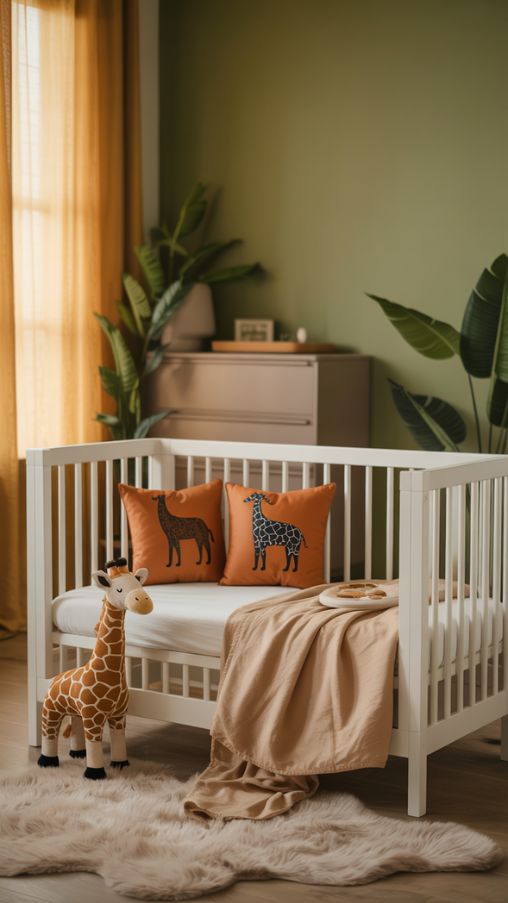
Color sets the tone for the room, and I quickly learned that a neutral base is the secret to longevity. Browns, greens, and muted yellows mimic the natural environment of a safari and create a serene backdrop. Then, pops of orange, sandy beige, or muted pink can energize corners of the room.
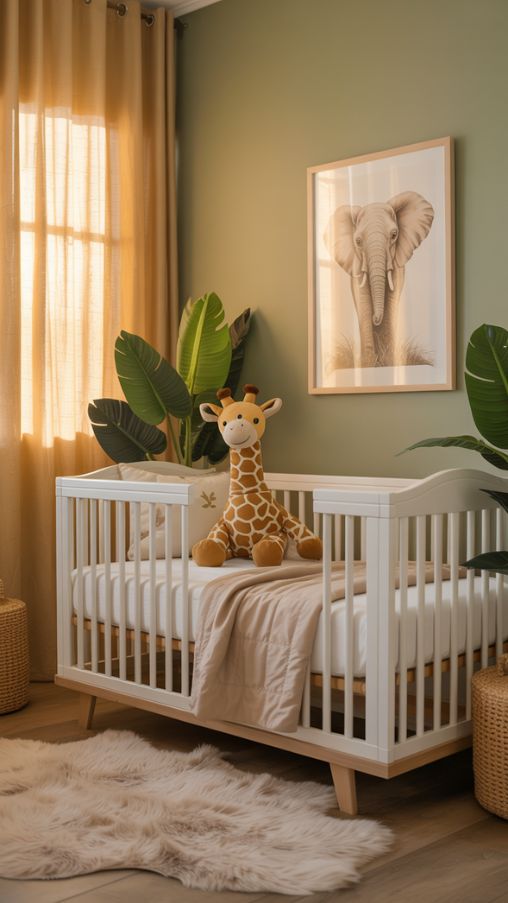
I still remember debating between a soft olive green and a pastel mustard for the accent wall; in the end, the olive provided a calming effect, perfect for nap times, while tiny bursts of orange in pillows and toys gave it that playful safari energy. This combination ensures the room grows with your child without feeling dated.
Table 1: Example Safari Nursery Color Palette
| Base Colors | Accent Colors | Recommended Use |
| Soft Olive Green | Burnt Orange | Accent walls, pillows, toys |
| Muted Brown | Sandy Beige | Furniture, bedding, rugs |
| Light Beige | Mustard Yellow | Curtains, storage baskets, artwork |
Safari Wallpaper & Accent Walls

A wallpaper or mural can truly transform a nursery. I decided on a subtle giraffe-and-jungle wallpaper for one accent wall while keeping the other walls neutral. It gave the room a sense of depth without being overwhelming. Another friend used a mural with dense jungle foliage that made the crib area feel like a tiny treehouse.
Using accent walls is perfect if you want a strong theme but don’t want to commit the entire room. Pro tip: combine wallpapers with framed animal prints to add dimension and personal flair. This mix of textures and imagery creates a visual playground while keeping it sophisticated.
Safari Bedding & Textiles

The bedding is where I let the safari theme shine subtly. I chose a neutral base for the crib sheets and layered on giraffe and zebra prints through blankets and pillows. A mix of soft cotton and plush fabrics ensures comfort while introducing tactile diversity, which I noticed my baby loved. Rugs with animal prints anchor the room, adding warmth and a playful touch. Textiles are not just decorative; they bring texture and coziness that make a room feel lived-in and safe. Choosing textiles thoughtfully also allows you to switch out seasonal accents without a complete redesign.

Table 2: Recommended Safari Bedding and Textiles
| Item | Material | Style Tip |
| Crib Sheets | Cotton | Neutral base with small animal motifs |
| Blankets & Throws | Plush / Knit | Layer textures and colors for warmth |
| Area Rugs | Wool / Synthetic | Anchors furniture and adds playful patterns |
| Cushions & Pillows | Cotton / Velvet | Mix prints with solids for balance |
Best Area Rugs for Family Room: Cozy, Stylish, and Durable Choices
Furniture & Storage Ideas for Safari Nurseries

Functional furniture is non-negotiable in my mind. I chose pieces in natural wood tones that complement the safari theme. Rattan baskets for toys and shelves for books helped tame clutter while maintaining the aesthetic. Multi-functional furniture, like beds with storage underneath, ensures the room evolves as your child grows.

I remember buying a small dresser that doubled as a changing station—practical yet stylish. Furniture is the backbone of the room, and when chosen carefully, it ties together the theme seamlessly while keeping it usable for years.
Wall Art, Murals, and Decals
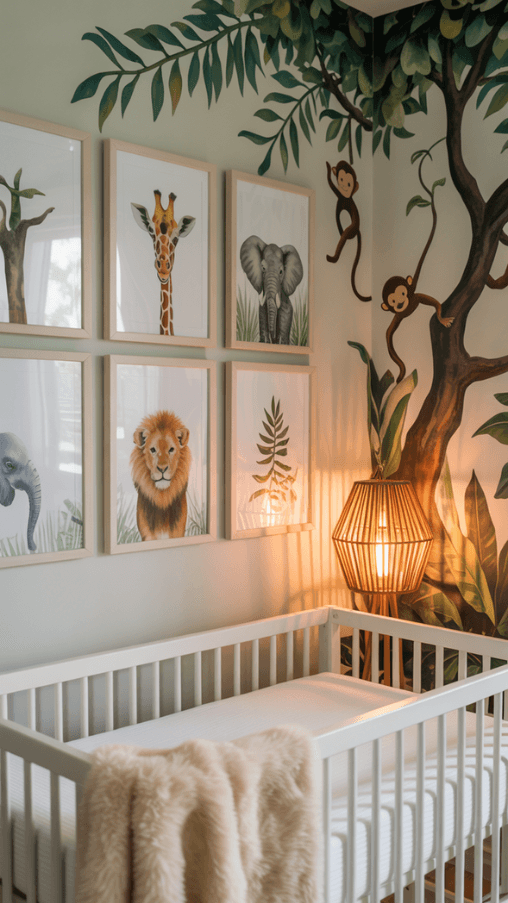
Wall decor can turn a simple room into a safari adventure. I leaned into framed jungle animal prints and a few DIY canvases for personalization. Fabric wall decals are a fun, non-permanent option, letting you switch designs as your child ages. Some parents I know commissioned local artists to paint realistic animal scenes, adding a unique touch that became a conversation starter. Mixing framed art with murals and decals adds depth and prevents monotony. It’s these little details that make the room feel magical and curated, not like a store display.
Decorative Accents and Plush Toys
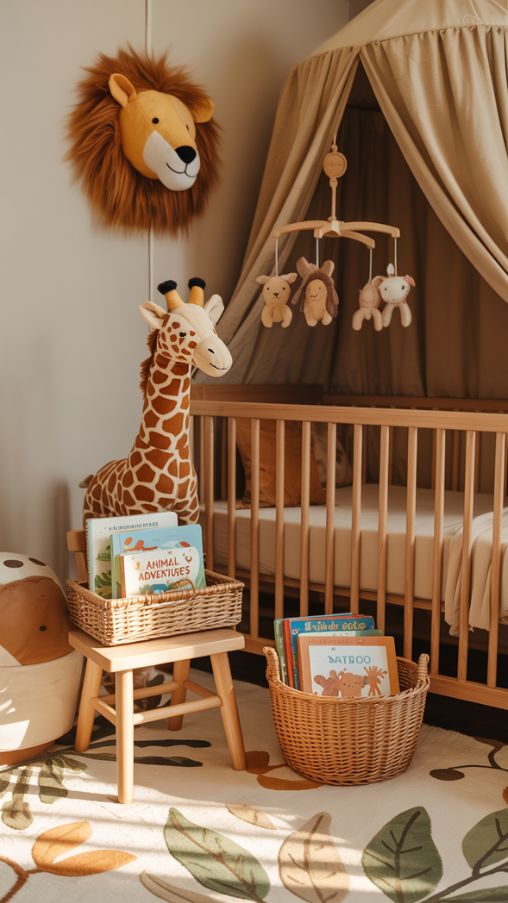
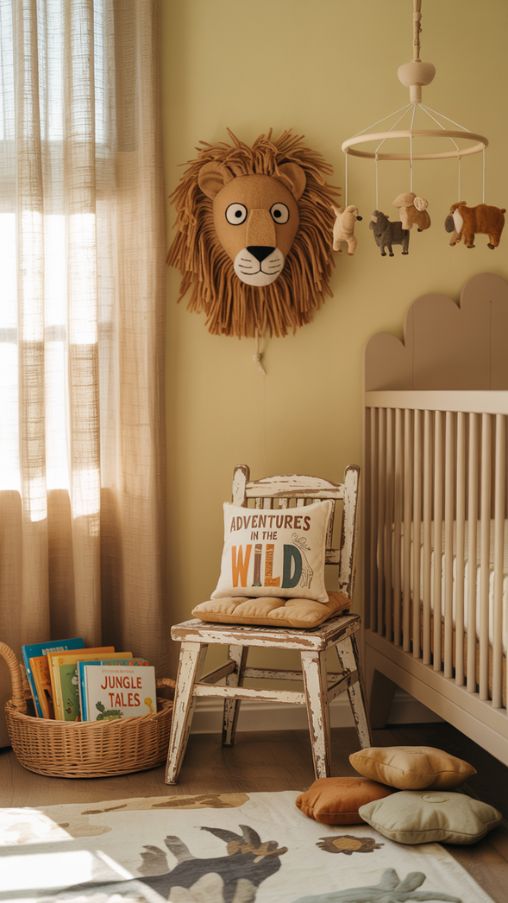
Plush animals, crib mobiles, and jungle-themed rugs bring a tactile element to the nursery. I placed a soft giraffe plush near the reading nook, which quickly became a favorite. Whimsical touches, like a felt lion head on the wall, make the space feel playful without overcrowding it. These accents allow kids to explore and interact with their environment, enhancing sensory development.
The key is moderation—overdoing safari-themed items can make the room feel chaotic. Thoughtful placement creates a cozy, inviting atmosphere.
Lighting and Ambiance for a Safari Nursery
Lighting is often underestimated. Soft, diffused lamps create a warm, jungle-like glow that encourages sleep and calmness. Pendant lights or playful lamps with subtle safari motifs add charm while keeping the room functional. I experimented with a combination of natural light, blackout curtains, and soft night lamps, which turned out to be perfect for both daytime play and nighttime feeding. Choosing the right lighting balances safety, ambiance, and style, completing the overall feel of the safari nursery.
5 Best Bedroom Blackout Curtains for Ultimate Sleep and Style
Tips from Parents: Real-Life Safari Nursery Examples
Learning from other parents was a game-changer. Many emphasized starting with one key piece or theme, like a giraffe mural or animal prints, and building from there. Less really is more; it’s easy to go overboard with themed items. Parents also stressed practicality—making sure decor is safe, washable, and grows with the child. One friend shared how she used Etsy prints for personalization, while another invested in multipurpose furniture to extend the room’s usability. These insights saved me from trial-and-error and helped create a space that was both functional and magical.
Budget-Friendly Safari Nursery Ideas
You don’t need a massive budget to create a safari-themed nursery. I found that DIY wall art, decals, and second-hand furniture can achieve a luxe look without overspending. Prioritize statement pieces like an accent wall or a plush rug and let smaller items complement it. Shopping sales, using thrift stores, and repurposing decor items adds personality while keeping costs manageable. A well-planned safari nursery balances charm and affordability without feeling cheap or cluttered.
Safari Nursery Ideas for Different Ages
A good safari nursery grows with your child. For infants, soft textures, muted tones, and gentle animal motifs work best. As toddlers, you can introduce bolder prints, interactive toys, and thematic books. Older children may enjoy more sophisticated jungle artwork or realistic animal sculptures. Planning a nursery with longevity in mind ensures that you won’t need a complete overhaul every few years.
Common Mistakes to Avoid When Designing a Safari Nursery
One mistake I see often is overstuffing the room with themed items. It can quickly feel chaotic and cluttered. Another is ignoring furniture scale and functionality—tiny pieces might look cute but aren’t practical as the child grows. Short-lived trends can date the room fast, so I recommend mixing timeless elements with subtle seasonal updates. Safety and accessibility should always come first, ensuring the space is both playful and practical.
Conclusion
Designing a safari nursery is a magical experience. With thoughtful color palettes, playful animal motifs, practical furniture, and personal touches, you can create a room that is stylish, functional, and whimsical. This tiny jungle becomes more than a nursery—it’s a space for imagination, learning, and lasting memories. By planning carefully and incorporating insights from other parents, you can balance fun with functionality and create a safari nursery that truly grows with your child.
FAQs
What is a safari nursery?
A safari nursery is a themed baby room featuring jungle or safari animals, earthy colors, and playful decor elements.
Which colors work best for a safari nursery?
Neutral bases like browns, greens, and beiges with accent colors like orange or sandy tones are ideal.
How do I make a safari nursery safe?
Use non-toxic paints, secure wall decor, soft textiles, and age-appropriate furniture while keeping toys organized.
Can a safari nursery work for both boys and girls?
Yes, using neutral palettes with adaptable accent colors makes it suitable for any child.
Do I need wallpaper for a safari nursery?
Not necessarily; accent walls, murals, or framed art can achieve the same effect without full wallpaper coverage.
How can I keep a safari nursery budget-friendly?
DIY art, decals, thrifted furniture, and prioritizing key statement pieces can save money while maintaining style.
What are common mistakes to avoid?
Overdecorating, choosing impractical furniture, and following short-lived trends are the most common pitfalls.