

Creating a nursery is one of the most exciting projects for any parent, yet it can feel overwhelming with endless choices for furniture, colors, and decorations. When I first planned my baby’s nursery, I remember staring at a blank room and thinking, “How do I make this cozy, functional, and stylish all at once?”
After countless hours of scrolling, visiting stores, and chatting with friends, I realized the key is balancing aesthetics with practicality. A thoughtfully decorated nursery doesn’t just look good; it sets the tone for comfort, learning, and bonding. From color palettes that soothe the senses to clever storage solutions that save sanity during late-night diaper changes, every element contributes to the overall feel. In this article, I’ll share a variety of nursery decor ideas, inspired by real homes, expert designers, and personal experience, to help you create a magical space for your little one.
Key Points:
- Choose themes that grow with your child
- Blend style with functionality
- Prioritize safety and comfort
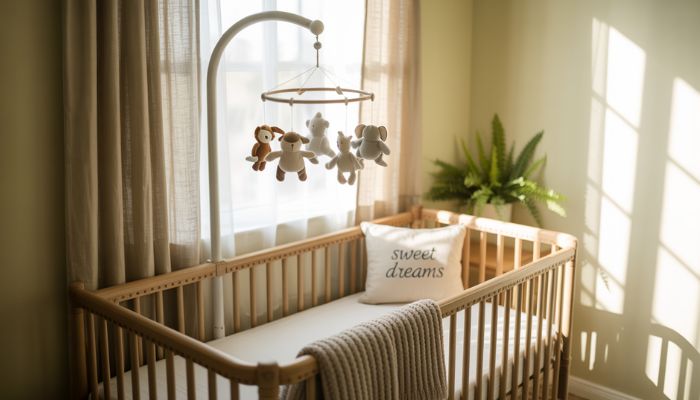
Choosing the Perfect Color Palette for Your Nursery
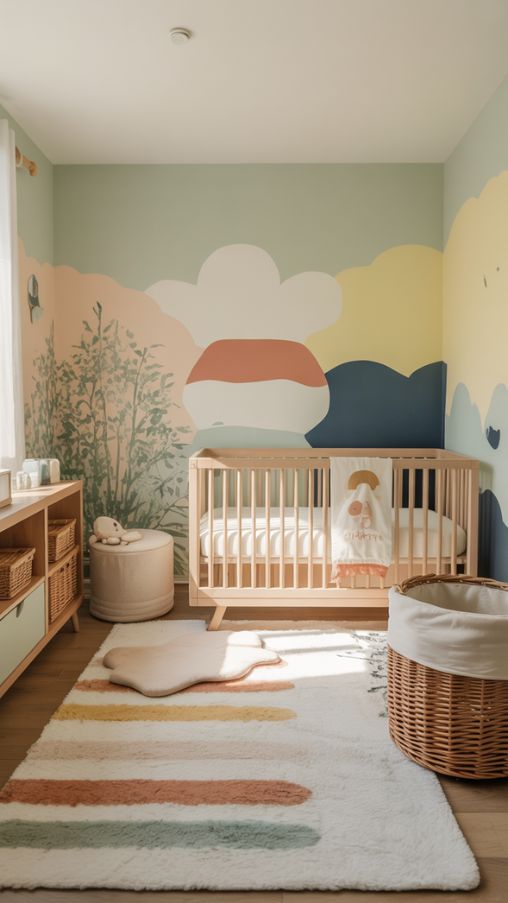
Selecting colors for your nursery was one of the hardest choices I made. I wanted something soothing yet visually interesting, so I leaned toward soft pastels combined with neutral tones. Pale greens, gentle yellows, and creamy whites make the room feel airy and calm, while pops of coral or navy can give energy without overwhelming the senses.
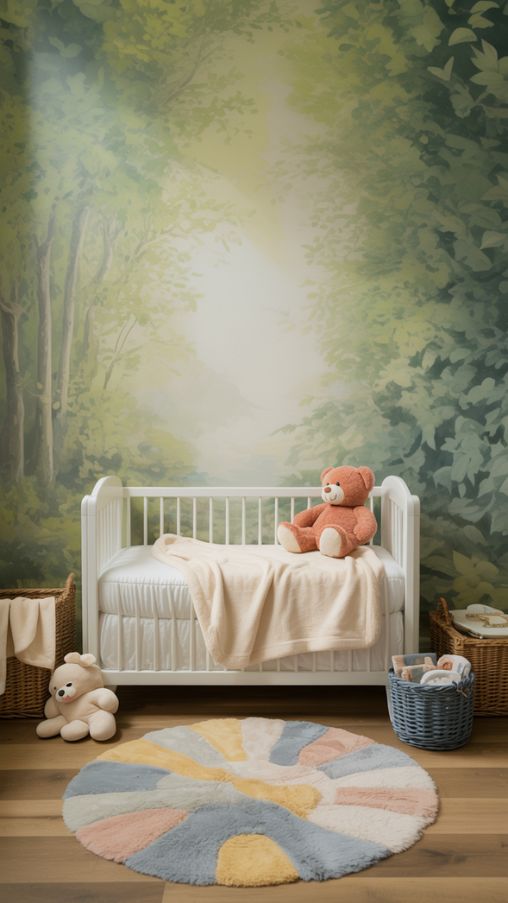
A color palette doesn’t just set the mood—it affects sleep patterns, focus, and even emotional wellbeing. If you’re feeling adventurous, consider a monochromatic scheme with layered textures or a nature-inspired palette that brings a bit of the outdoors inside. I personally found that painting one accent wall in a subtle pattern gave the room personality without committing to bold colors everywhere. The trick is to create a balance that feels warm, inviting, and timeless.
Furniture Essentials That Combine Style and Function
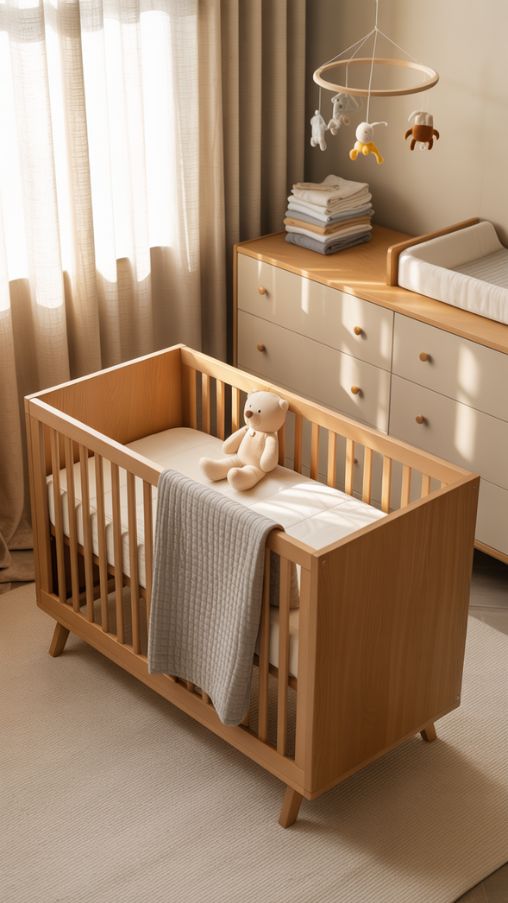
Choosing furniture felt like walking a tightrope between aesthetics and practicality. A crib, dresser, and glider are essential, but the right pieces can grow with your child. I opted for a convertible crib that transitions into a toddler bed, paired with an extra-wide dresser that doubles as a changing station.
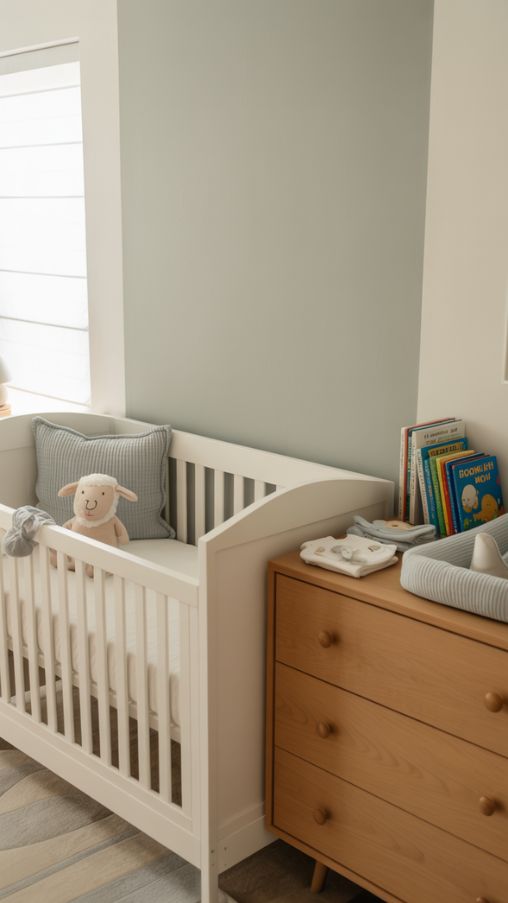
When choosing a glider or rocking chair, comfort became my non-negotiable. I wanted something I could spend hours in without feeling sore or stressed. Functionality also extends to storage: open shelves, modular cubbies, and multi-use furniture help keep the nursery organized while adding charm.
Table 1: Essential Nursery Furniture Recommendations
| Furniture Item | Purpose | My Recommendation |
| Convertible Crib | Infant to toddler use | Stokke Sleepi Crib |
| Extra-Wide Dresser | Changing station + storage | Pottery Barn Penny Dresser |
| Glider/ Rocking Chair | Feeding and bonding | Serena & Lily Presidio Swivel Glider |
| Open Shelves | Display books and toys | Montessori-style wooden shelves |
Creative Wall Decor Ideas
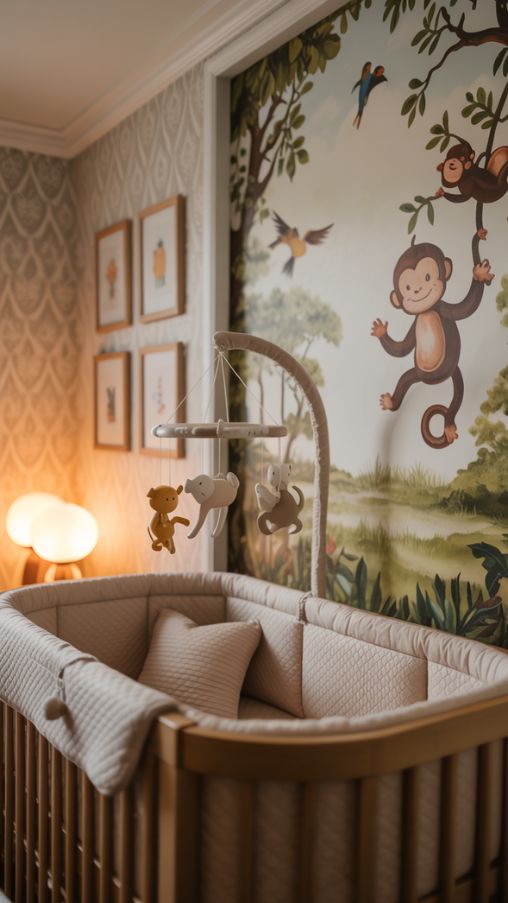
Walls are a blank canvas that can completely transform a nursery. I loved the idea of using removable wallpaper because it’s versatile and safe. From whimsical animal prints to elegant geometric patterns, the wall becomes both art and storytelling space.
For a touch of nostalgia, a gallery wall with framed prints and photos adds personality, while a mural—hand-painted or wallpaper—can transport the room into a jungle, forest, or magical world. I found that subtle ceiling art keeps my baby engaged while lying in the crib and adds an extra dimension to the room. Wall decor is not just decoration; it’s a stage for imagination, comfort, and learning.
Flooring and Rugs That Add Comfort and Safety
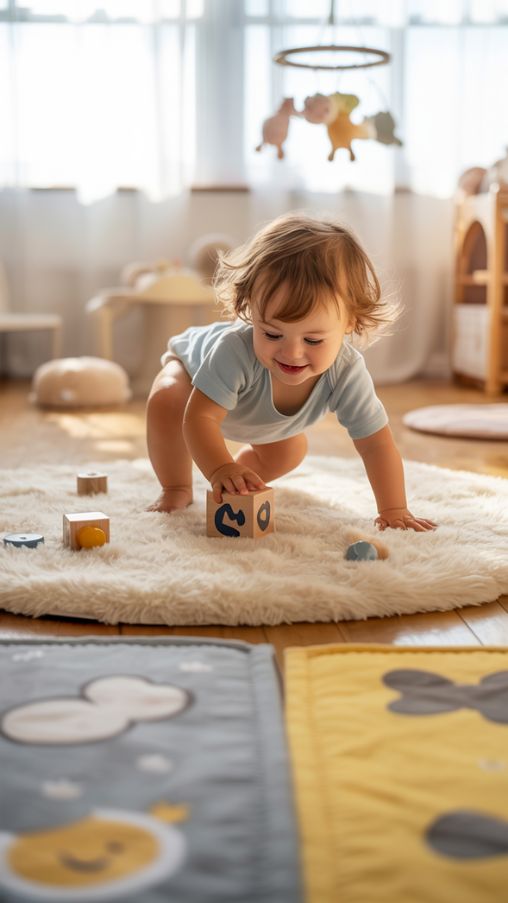
Soft floors are a lifesaver, especially when your baby starts crawling. I chose cushioned play mats with beautiful prints—they feel like a rug but are easy to clean and safe for toddlers. Hardwood floors look stylish, but adding area rugs provides warmth, reduces noise, and creates designated play zones. Layering textures makes the space inviting and tactile, encouraging sensory exploration.
Table 2: Flooring Options for Nurseries
| Flooring Type | Pros | Cons |
| Hardwood | Stylish, durable | Cold, slippery |
| Soft Play Mats | Safe, cushioned, easy to clean | Limited design variety |
| Area Rugs | Adds warmth and style | Needs regular cleaning |
| Carpeting | Cozy, sound-absorbing | Can trap dust and allergens |
Best Area Rugs on Amazon: Top Picks for Style and Durability
Storage Solutions That Work
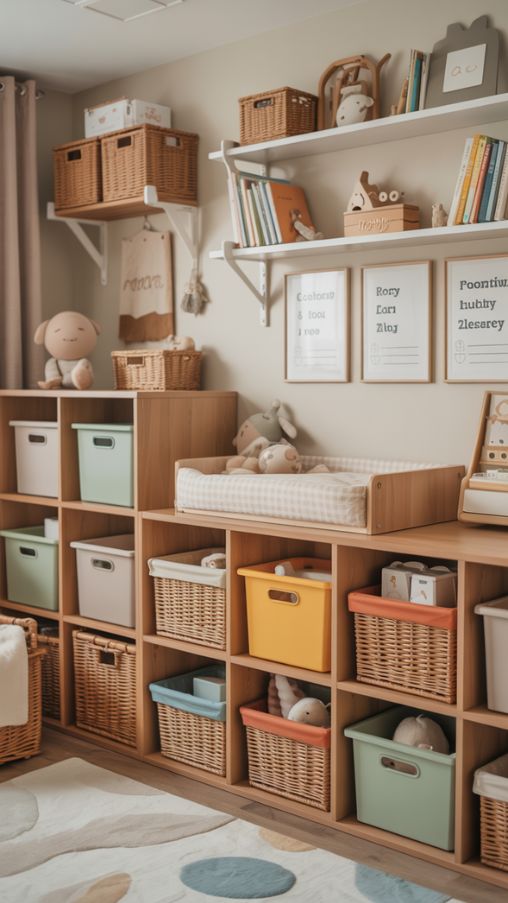
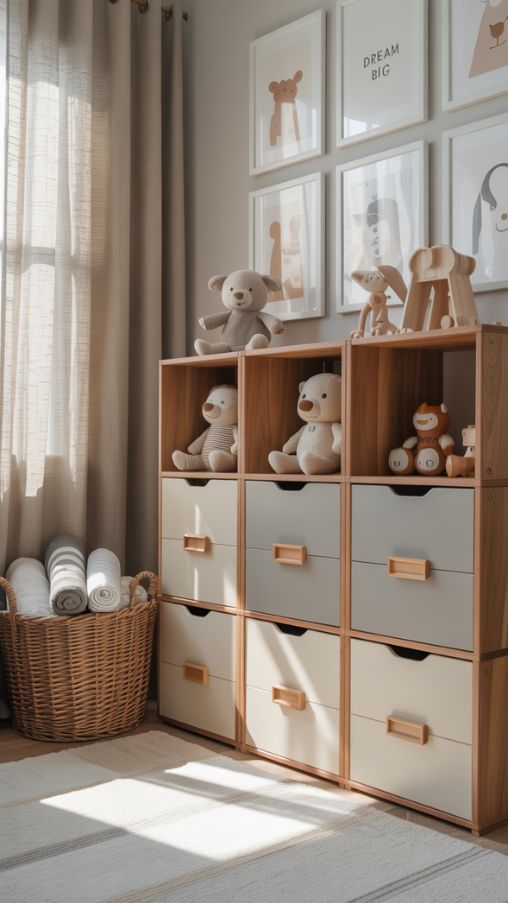
Keeping a nursery organized can feel like an ongoing battle. My secret weapon was multi-purpose storage: cubbies for toys, baskets for clothes, and wall-mounted shelves for books. Clear labeling, color coding, or even open bins make life easier when sleep-deprived parents fumble for items. Storage isn’t just functional—it’s part of the decor. Choosing stylish baskets, colorful bins, or woven crates adds texture and personality while keeping the room tidy.
Lighting Ideas for Every Mood
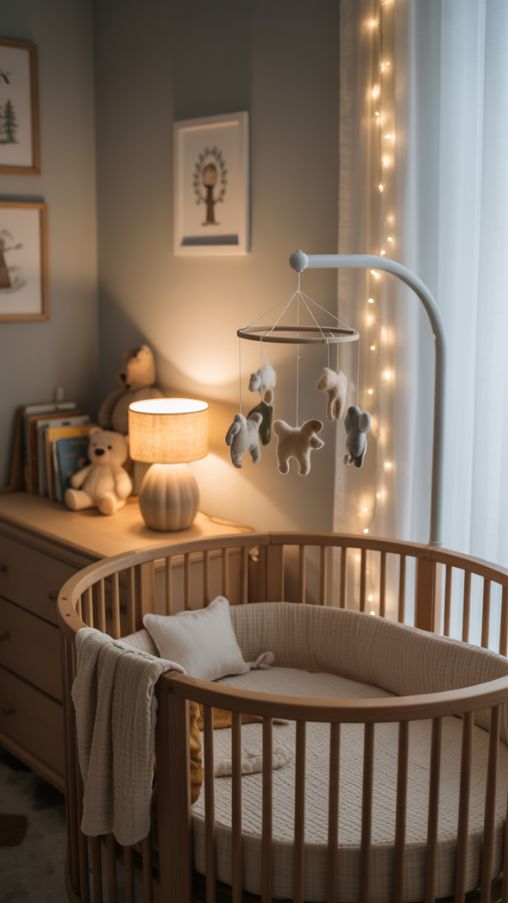
Lighting can completely change the vibe of a nursery. I used soft ambient lighting for daytime naps and a small lamp with a dimmer for late-night feedings. Fairy lights or a playful pendant lamp can also add charm. I learned that adjustable lighting saves sanity: bright enough for cleaning and diaper changes but soft enough to soothe a baby back to sleep. Think of lighting as a tool that balances function with aesthetics, creating moods for every moment—from playful afternoons to quiet bedtime rituals.
Themed Nursery Ideas
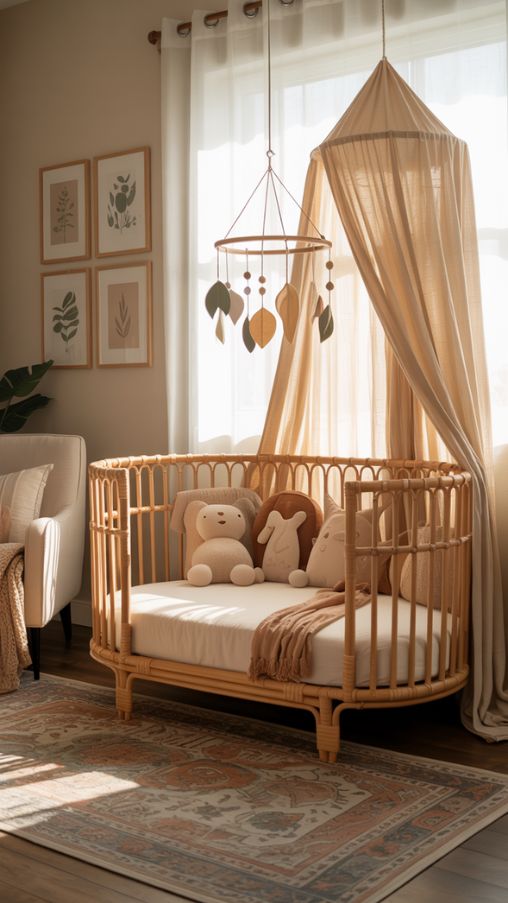
From boho chic to vintage charm, themed nurseries make decorating more cohesive and fun. I loved the jungle-themed nursery idea, complete with animal wallpaper and wooden accents, but you can also go minimalist, coastal, or even modern retro. The key is consistency in colors, textures, and accessories, which creates a visually appealing and calming environment. A well-executed theme sparks imagination while keeping the room feeling intentional and curated.

Personal Touches That Make It Feel Like Home
Adding personal touches gives a nursery soul. My favorite was incorporating family photos, heirloom items, or hand-painted décor. Even small elements, like a favorite storybook displayed on a shelf or a custom name sign over the crib, make the space unique. These touches remind both parent and child of love, memories, and identity—something no store-bought decoration can replicate.
Safety Considerations in Nursery Design
Safety is always non-negotiable. From keeping cribs away from windows to securing wall hangings, I learned to prioritize practicality without compromising style. Avoid vintage pieces with unknown paint, check that furniture meets safety regulations, and ensure cords, wires, or small objects are out of reach. Safe nurseries are comfortable nurseries; peace of mind allows both parent and child to thrive.
Must-Have Accessories for Comfort and Functionality
Accessories can elevate a nursery. I invested in a sound machine, a cozy glider pillow, soft crib sheets, and blackout curtains. Each item supports comfort, sleep, or convenience, making day-to-day life easier. Accessories also allow for easy updates as your child grows—they’re a small investment with a big impact.
5 Best Bedroom Blackout Curtains for Ultimate Sleep and Style
DIY Projects to Personalize Your Nursery
If you love a hands-on approach, DIY projects add charm and uniqueness. From hand-painted murals to macrame wall hangings, creating decor yourself adds a personal narrative. I spent weekends assembling a whimsical mobile and painting a small bookshelf, which not only saved money but became memorable moments of anticipation and love for my child’s arrival.
FAQ Section
What are the best nursery decor ideas for a small room?
Use light colors, vertical storage, and multi-functional furniture to maximize space.
How do I make a nursery gender-neutral?
Stick to neutral colors like whites, grays, and soft greens, and choose versatile themes like animals or nature.
What type of crib is safest for a newborn?
A crib that meets current safety standards with adjustable mattress heights is ideal.
How can I create a cozy reading nook in a nursery?
Use a small armchair or glider, add soft lighting, and arrange books at child level.
Which wall decor is best for stimulating a baby?
Soft patterns, murals, or simple geometric art engage the senses without overwhelming.
How do I choose the right lighting for a nursery?
Combine soft ambient lights, a dimmable lamp, and nightlights for flexible use.
What flooring works best for a nursery?
Soft play mats or area rugs over hardwood offer comfort, warmth, and safety.
How can I organize toys and baby items efficiently?
Use cubbies, baskets, and wall-mounted shelves with clear labeling for easy access.