

Nobody tells you how emotional it feels to set up a nursery. One minute you are comparing paint swatches, and the next you are standing in a quiet room holding a tiny sleeper, getting teary over nothing and everything. I have been there, and honestly, it is one of the sweetest parts of getting ready for a baby. The good news is that a lovely nursery does not need a big budget or a perfect plan. It needs warmth, softness, and a few thoughtful choices. These baby nursery ideas cover colors, lighting, storage, and small details that make a room feel peaceful for you and your little one.
- You can create a beautiful nursery with simple swaps, not a full renovation
- Soft colors, warm light, and smart storage make the biggest difference
- Every idea here works in small rooms, shared rooms, and rentals
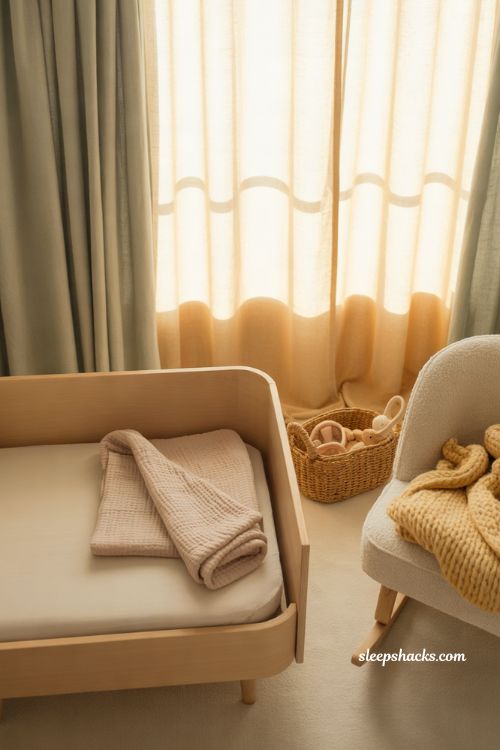
Why the Nursery Matters So Much
A nursery is more than a pretty room. It is where you will spend quiet late-night hours, soft morning cuddles, and countless diaper changes. Because of that, comfort comes first. A room that feels calm helps you feel calm, and that matters more than any trend. Start with how you want the space to feel, then choose colors and pieces that support it. When the feeling is right, the details fall into place much more easily.
1. Soft Neutral Color Palette
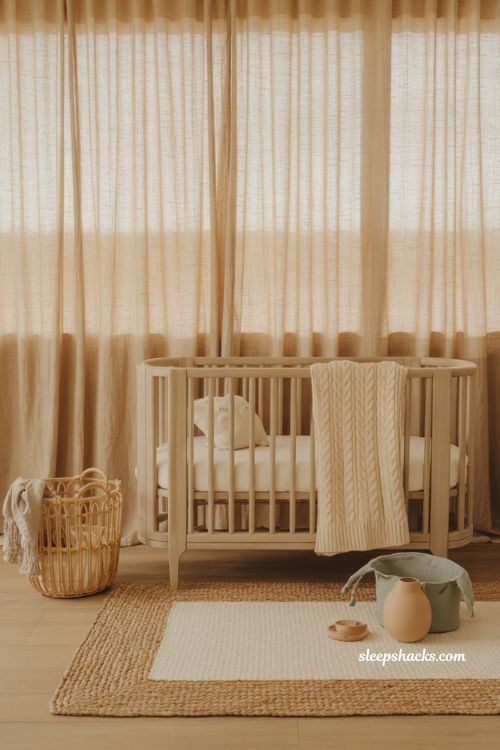
Neutrals are a favorite for good reason. Warm white, cream, oatmeal, and soft beige make a room feel open and restful without being boring. They also grow with your child, so you will not need to repaint when the baby becomes a toddler. Layer in different textures like knit, linen, and wood so the room still feels rich and interesting. If you worry that neutral looks plain, add one or two gentle accent colors through a rug or a blanket. The result feels peaceful, timeless, and easy to refresh later.
2. Gentle Sage Green Walls
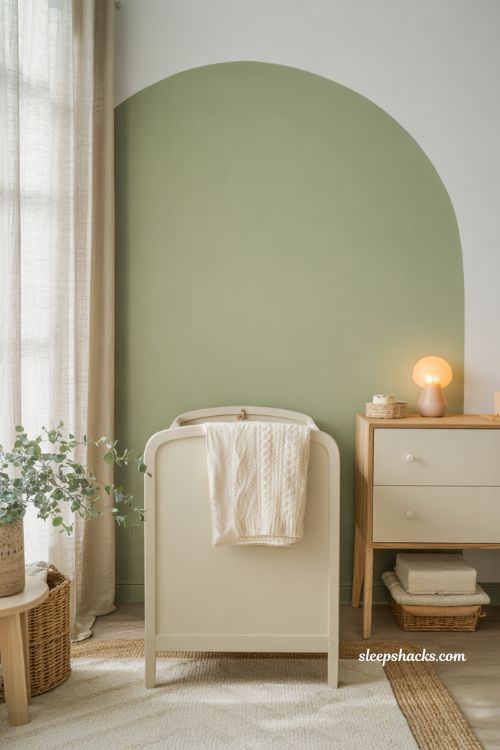
Sage green brings the outdoors in. It is soft, soothing, and works for any baby, which makes it a great choice if you are keeping the gender a surprise. Pair it with white furniture and natural wood for a fresh, calm look. A sage wall behind the crib creates a quiet focal point without feeling heavy. If you rent, try removable wallpaper or a painted accent wall so the change is easy to undo. The color also pairs beautifully with warm lighting at night.
3. Cozy Reading Corner
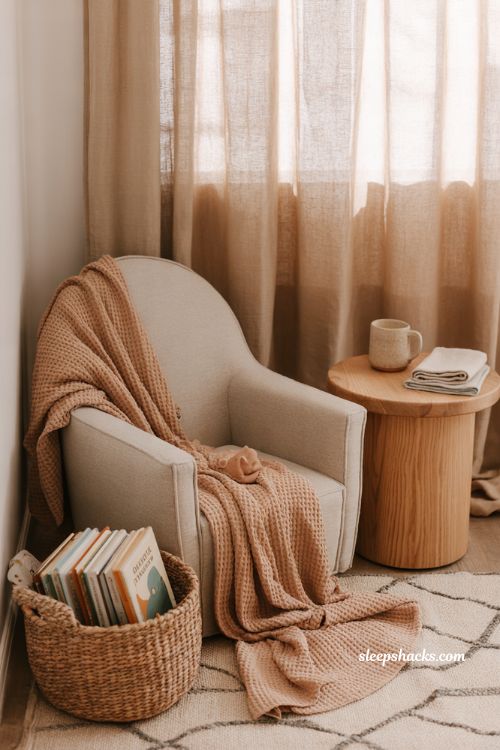
A small reading nook turns the nursery into a place you will love spending time. Tuck a comfortable chair into one corner, add a soft throw blanket, and keep a basket of favorite books close by. Choose a chair that supports your back, because you will use it for feeding and rocking more than you expect. A small side table holds a water bottle and a burp cloth. This corner becomes the heart of the room, and later it becomes the spot for story time.
4. Warm and Dimmable Lighting
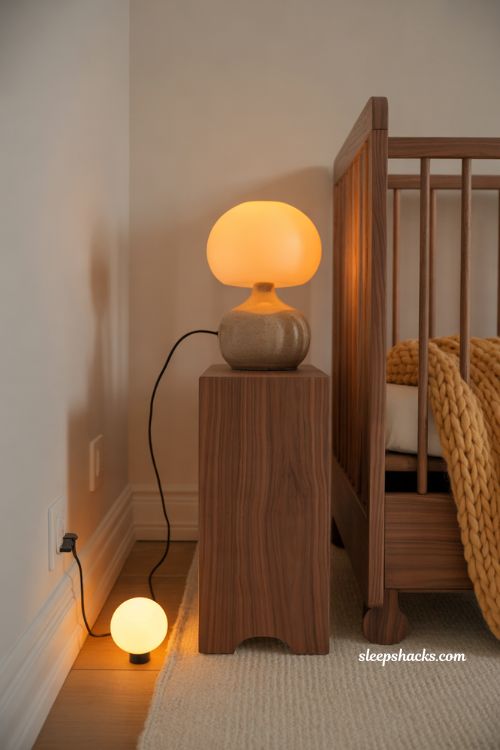
Lighting changes everything in a nursery. Harsh overhead light feels sharp at 3 a.m., so add lamps with warm bulbs and a dimmer if you can. A soft glow lets you feed or soothe the baby without waking everyone fully. Use a small bedside lamp, a night light, or a gentle wall light for different moments. Layered lighting also makes the room feel cozy during the day. Keep cords tucked away and out of reach so the space stays safe as your baby grows.
5. Simple and Safe Crib Setup
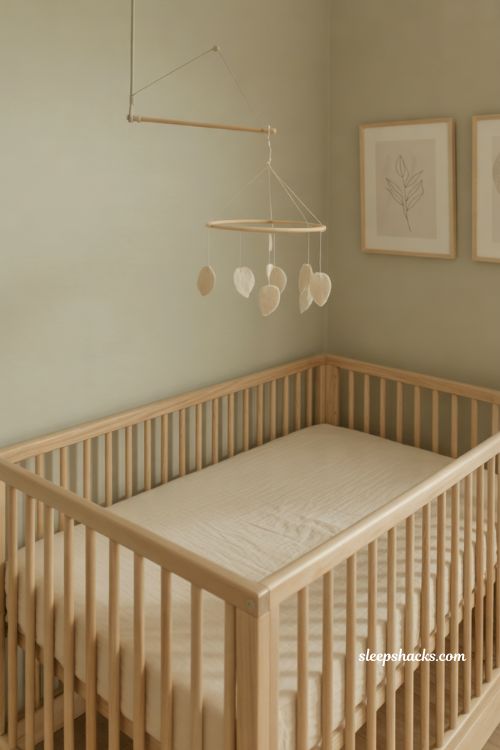
A crib should be calm and uncluttered. Safe sleep guidelines recommend a firm, flat mattress with a fitted sheet and nothing else inside the crib, so skip pillows, loose blankets, and bumpers. Place the crib away from windows, blind cords, and anything the baby could reach. You can still make the area pretty by styling the wall above it with soft art or a simple mobile hung well out of reach. Beautiful and safe can absolutely go together when you keep it simple.
6. Gallery Wall Above the Crib
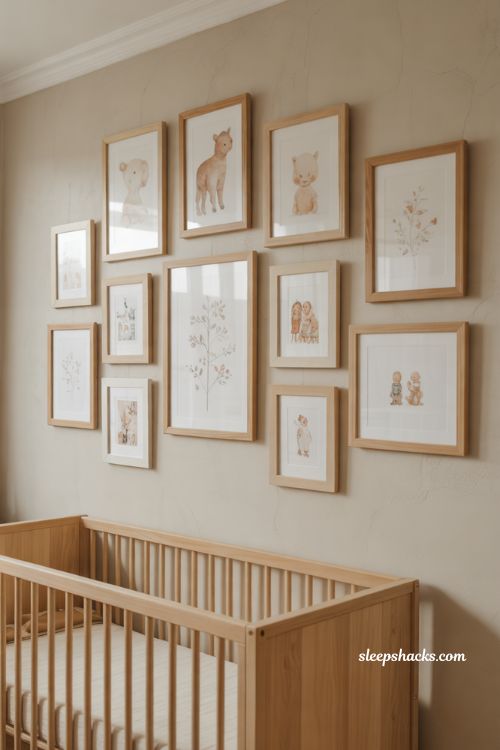
A gallery wall adds personality to a nursery without taking up floor space. Mix framed prints, soft animal illustrations, and simple botanical art in matching frames for a tidy look. Keep everything lightweight and securely mounted so it stays safe over the years. Choose a color story that matches your palette, like creams, greens, and soft tans. You can also add a few family photos for a personal touch. Hang the frames at eye level for adults, so the display is easy to enjoy while you rock or feed.
7. Natural Wood and Woven Textures
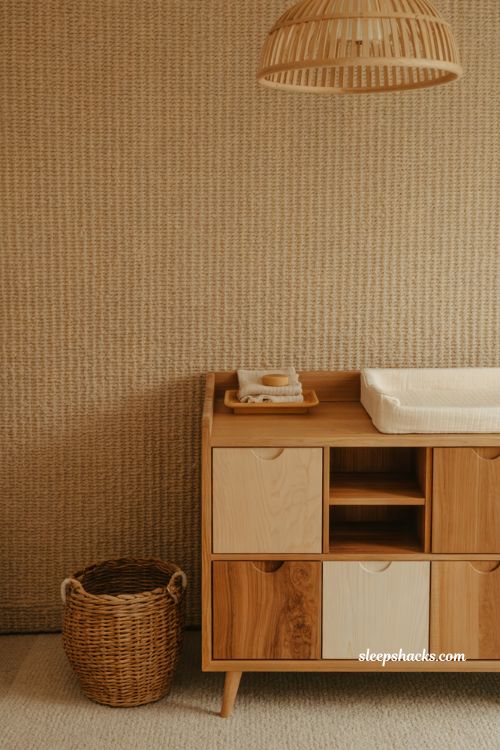
Wood and woven pieces make a nursery feel warm and grounded. Think of a wooden dresser, a rattan basket, or a woven pendant shade. These natural textures soften a room and balance out all the soft fabrics. They also add depth, so a neutral space never feels flat. Baskets are especially useful because they hide toys, blankets, and extras while looking pretty. Mix a few different shades of wood rather than matching everything exactly, and the room will feel collected and relaxed.
8. A Dresser That Doubles as a Changing Table
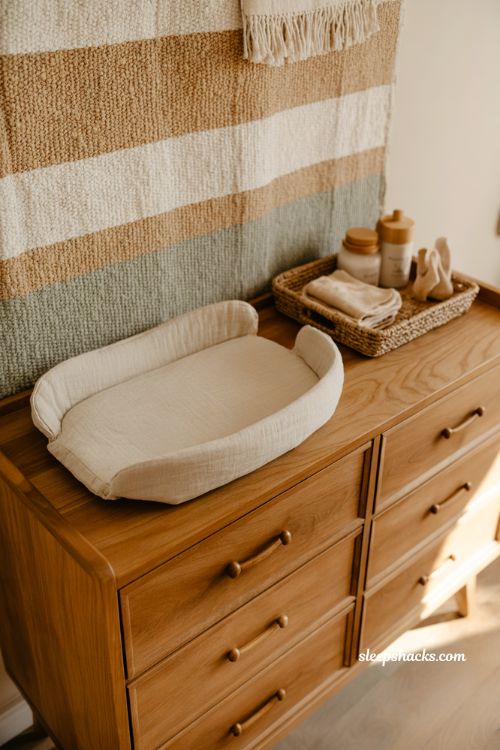
A sturdy dresser with a changing pad on top is a smart way to save space and money. When the baby gets older, you simply remove the pad and keep the dresser for clothes. Choose one at a comfortable height so you are not bending too low. Store diapers, wipes, and creams in small baskets or trays on top so everything stays within reach. Always secure the furniture to the wall, which is an important safety step for any tall piece in a child’s room.
9. Soft Rug for Playtime
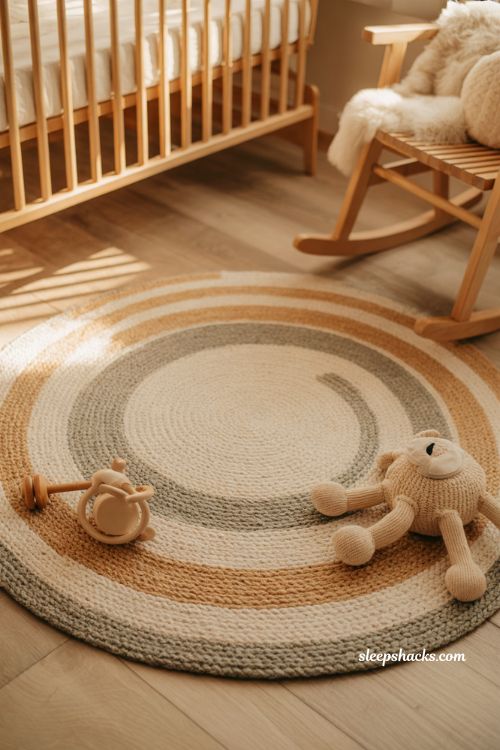
A plush rug makes the nursery feel finished and gives the baby a cozy place for floor time later. Choose a washable or low-pile style, since spills and spit-up are part of life. A round rug softens the sharp lines of the crib and dresser. Light colors keep the room airy, while a soft pattern hides small stains. Place it under the rocking chair or in the center of the room, depending on the space you have.
10. Gentle Wallpaper Accent
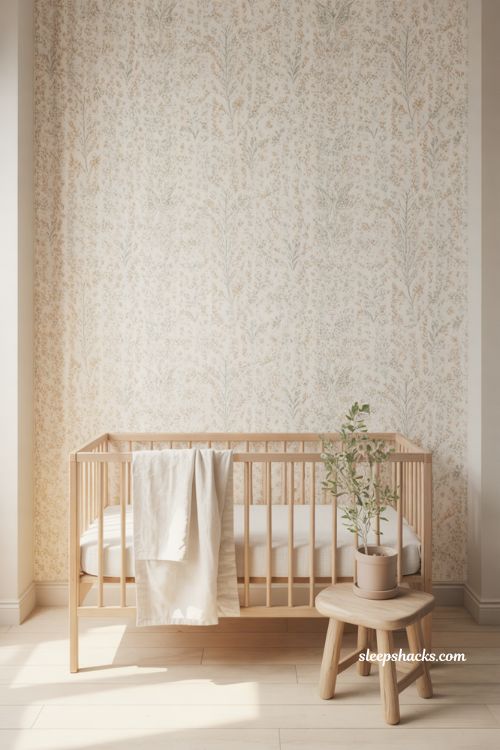
An accent wall in a soft pattern can turn a plain nursery into something special. Small florals, tiny stars, clouds, and simple stripes all create a sweet but not overdone look. Peel-and-stick wallpaper is a great option for renters because it comes off cleanly later. Use it behind the crib or on one wall only, so the room does not feel busy. Keep the rest of the walls a calm solid color to let the pattern shine.
11. Smart Storage for Small Nurseries
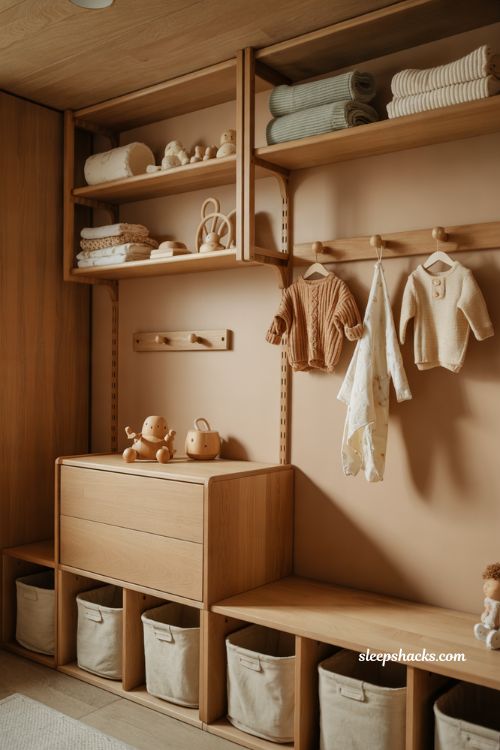
Small nurseries need smart storage. Use shelves above the dresser, baskets under the crib area where safe, and hooks on the back of the door. Open shelves display a few cute items while keeping everyday things reachable. Label baskets by size or type, like newborn clothes, blankets, and toys. A closet organizer can double your hanging space for tiny clothes. The goal is a room that feels open and easy to tidy, even on the busiest days.
12. Calming Theme Without the Clutter
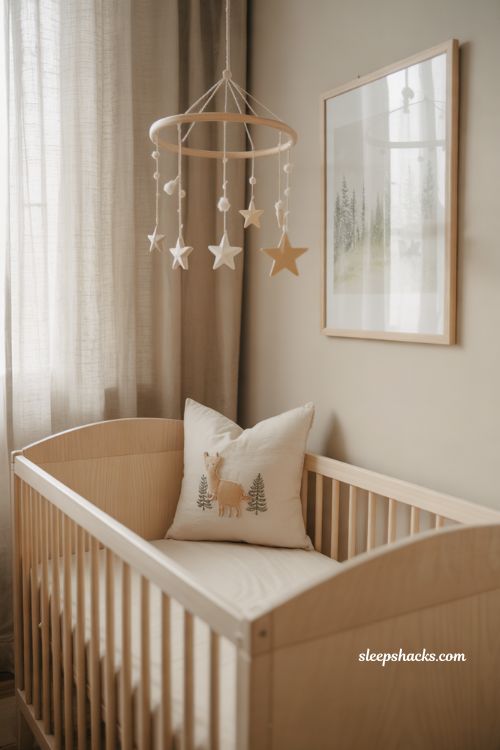
A theme can be lovely when it stays subtle. Think woodland animals, soft clouds, tiny stars, or a quiet garden mood. Pick two or three themed items, like a print, a pillow, and a mobile, rather than covering every surface. This keeps the room soothing and easy to update as your child grows. Choose colors that feel gentle and avoid anything that feels too bright or busy. A light touch makes the theme feel intentional and charming.
13. Personal Touches That Tell Your Story
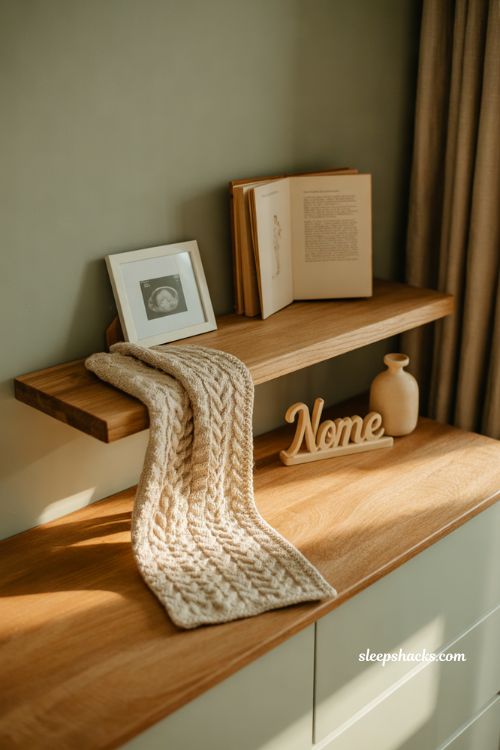
The best nursery ideas are the personal ones. Frame the baby’s name in a simple sign, hang a handmade blanket from a grandparent, or display a favorite childhood book on the shelf. These small details make the room feel loved rather than staged. Add a framed print of the ultrasound or a handwritten note for a keepsake you will treasure. When the room reflects your family, it becomes more than a nursery. It becomes the first chapter of a story.
Frequently Asked Questions
What is the best color for a baby nursery?
Soft neutrals like cream, warm white, and gentle beige are popular because they feel calm and last through the years. Sage green, soft gray, and pale blue also create a peaceful mood. Choose the color that makes you feel relaxed, since you will be spending many quiet hours in the room.
How do I decorate a small nursery?
Keep the layout simple and use vertical space. Add shelves, wall hooks, and baskets to free up the floor. Choose light colors to make the room feel larger, and pick furniture that does more than one job, like a dresser that works as a changing station. Less clutter always makes a small room feel calmer.
How early should I set up the nursery?
Many parents start in the second or third trimester, once energy returns and the baby is on the way. Setting up early gives you time to wash clothes, assemble furniture, and make changes without rushing. It also helps you feel more prepared as the due date gets closer.
How can I make a nursery on a budget?
Focus on paint, lighting, and a few meaningful pieces rather than buying everything new. Secondhand furniture often works beautifully after a clean and a safety check, and handmade or borrowed items add character. Always check that cribs and other baby items meet current safety standards before using them.