

I still remember the first time I tried growing herbs at home. I planted everything wherever I found space, thinking, “They’re just herbs, how complicated can it be?” A few weeks later, some plants were thriving, others looked tired, and a few just gave up completely.
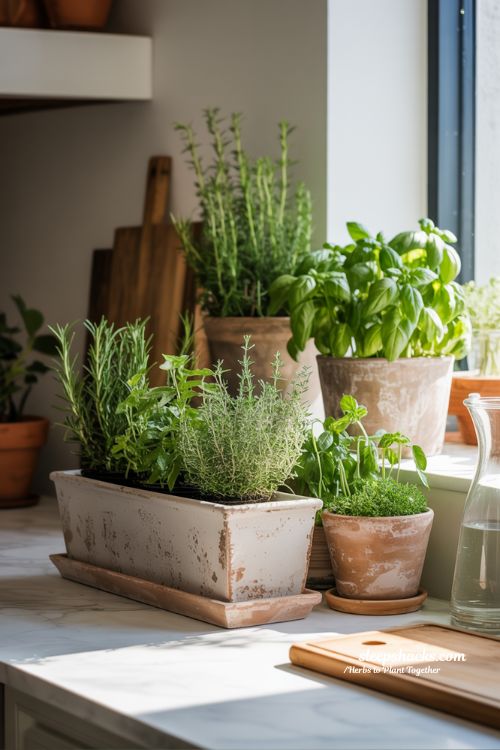
That’s when I realized something simple but powerful—some herbs love each other, and some really don’t. Once I started pairing the right herbs to plant together, everything changed. My garden felt alive, balanced, and honestly, much easier to care for.
- Choose herbs with similar water and sunlight needs
- Group plants that support each other’s growth
- Avoid mixing dry-loving and moisture-loving herbs
1. 10 Best Herbs to Plant Together for a Thriving Garden
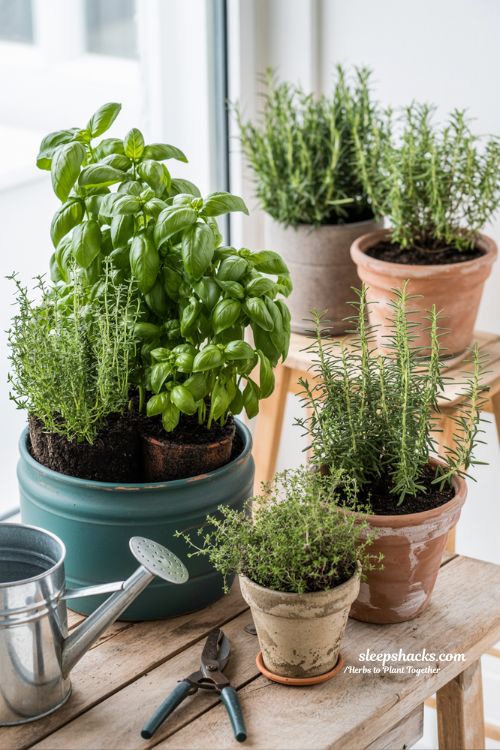
When I first learned about herbs to plant together, I started with simple combinations like basil and oregano. These two just get along naturally—they love the same sunlight, need similar watering, and grow at a pace that doesn’t compete. It feels almost like they’re helping each other breathe. Over time, I noticed the leaves were greener, and the flavor? Much stronger and fresher than before.
Another pairing I always recommend is rosemary and thyme. These are like low-maintenance friends who don’t ask for much. They enjoy dry soil and lots of sun, which makes them perfect for busy days when you forget to water. When herbs share the same lifestyle, so to speak, your garden feels less like work and more like a quiet, steady rhythm.
- Start with 2–3 herb combinations
- Keep sun-loving herbs together
- Watch how they respond over time
2. Companion Planting Guide: Herbs to Plant Together for Beginners
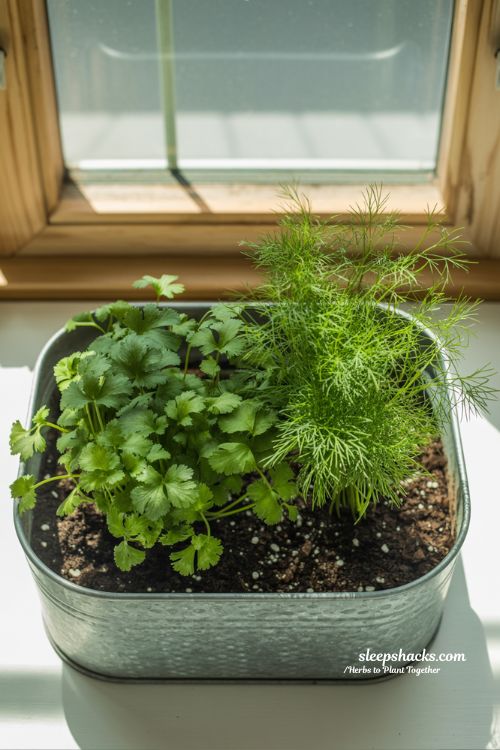
If you’re just starting out, I get it—it can feel overwhelming. I used to stand in front of my tiny garden wondering what goes where. A simple rule helped me: group herbs based on what they need. For example, dill and cilantro grow beautifully together because they both enjoy cooler weather and moist soil.
The beauty of companion planting is that it takes the guesswork out of gardening. Instead of worrying about every detail, you follow nature’s patterns. When herbs to plant together are chosen wisely, they create a small ecosystem where each plant supports the other, and you end up with healthier growth without trying too hard.
- Match herbs by water needs
- Use small pots for testing combinations
- Keep notes of what works
3. Beautiful Herb Pairings That Grow Better Together
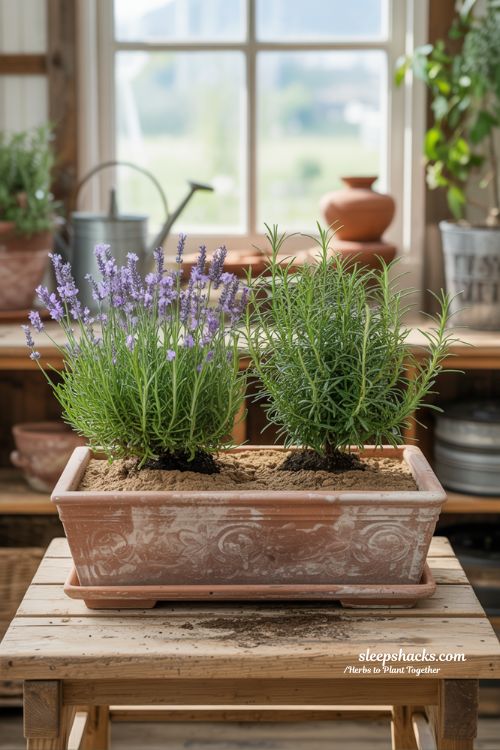
There’s something deeply satisfying about a garden that looks as good as it grows. I once paired lavender with rosemary, not just for growth but for how calming they felt together. The soft purple of lavender next to the deep green rosemary created a space I actually wanted to sit beside.
But it’s not just about looks. These herbs to plant together also share a love for sunlight and dry conditions. That means less stress for you and more harmony for them. A garden like this doesn’t just feed you—it gives you a moment of peace every time you step outside.
- Mix colors and textures
- Choose herbs with similar habits
- Create a space you enjoy being in
4. Sun-Loving Herbs to Plant Together in One Bed
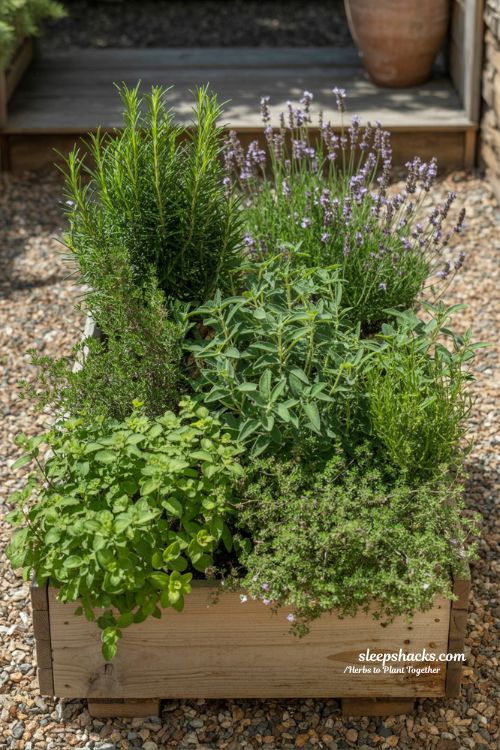
If your garden gets strong sunlight, you’re already in a good place. Herbs like oregano, thyme, rosemary, and lavender thrive under bright skies. I grouped these once in a single bed, and honestly, they felt unstoppable. Even during hot days, they held their ground.
These herbs to plant together don’t need constant watering, which makes them perfect for a low-effort garden. It’s like they’ve adapted to take care of themselves. When you plant them side by side, you create a space that’s both resilient and easy to manage.
- Use well-draining soil
- Avoid overwatering
- Place in full sun areas
5. Moisture-Loving Herbs to Plant Together for Lush Growth
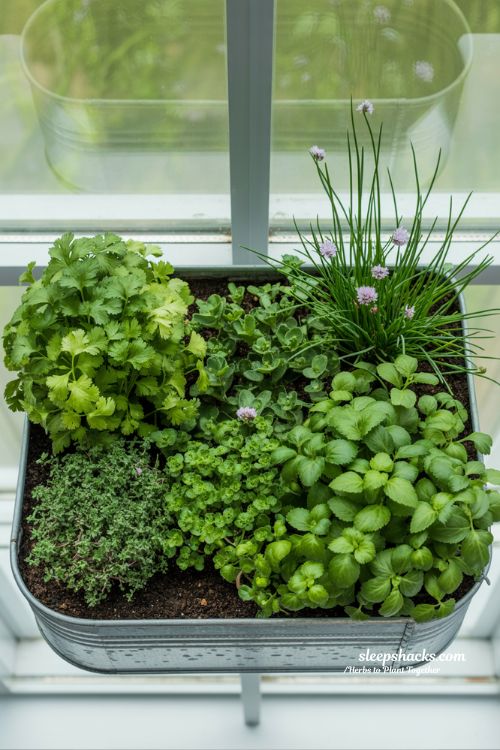
On the other side, some herbs love a bit more water. Parsley, cilantro, and chives are perfect examples. I once planted parsley next to rosemary—big mistake. One wanted water, the other didn’t. Neither was happy.
Now I keep moisture-loving herbs together, and the difference is clear. They grow fuller, softer, and more vibrant. When herbs to plant together share the same needs, you avoid that constant back-and-forth of adjusting care.
- Group herbs that need frequent watering
- Keep them in partial shade if possible
- Check soil moisture regularly
6. Small Space Herb Garden: Herbs to Plant Together in Pots
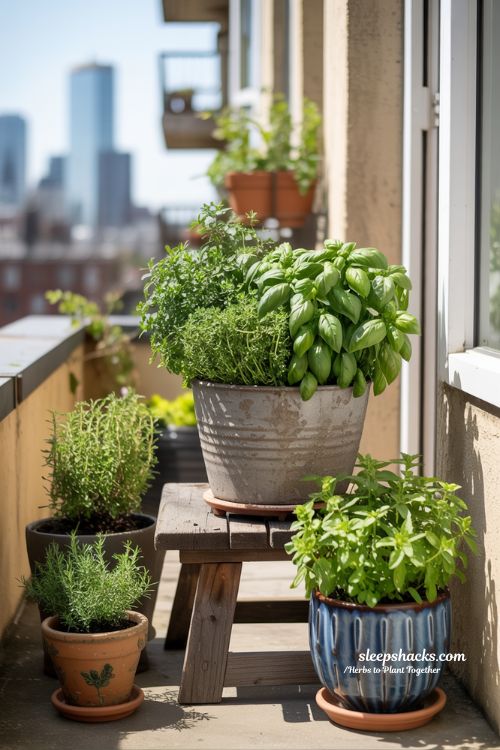
Living in a small space doesn’t mean you can’t have a thriving herb garden. I started with just a few pots on my balcony. Basil and parsley worked beautifully together, while mint stayed in its own pot because it spreads fast.
When choosing herbs to plant together in containers, think about space and growth habits. Some herbs behave politely, others take over. Keeping them balanced makes your small garden feel organized rather than chaotic.
- Use medium-sized pots
- Avoid overcrowding
- Keep invasive herbs separate
7. Aesthetic Herb Garden Layout Ideas with Companion Plants
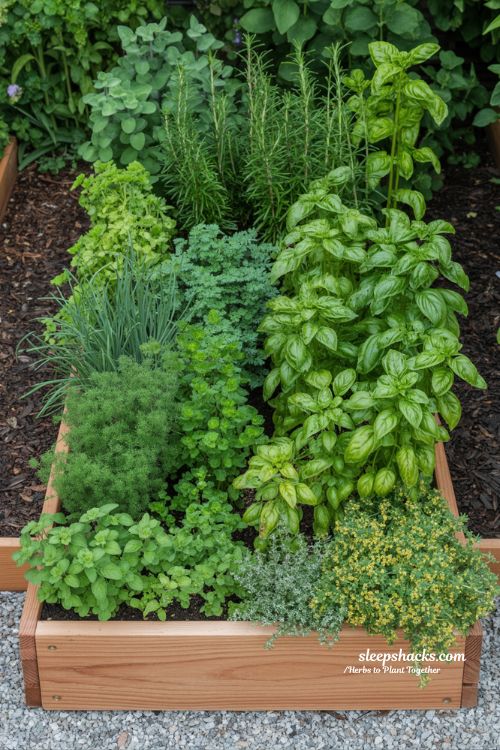
I used to think layout didn’t matter much—until I rearranged my garden. Placing taller herbs like basil behind lower ones like oregano created depth. It felt more intentional, almost like designing a room.
Choosing herbs to plant together isn’t just about growth; it’s about how your space feels. When everything has its place, your garden becomes something you’re proud of, not just something you maintain.
- Place tall herbs at the back
- Use edges for spreading plants
- Keep pathways clear
8. Pollinator-Friendly Herbs to Plant Together
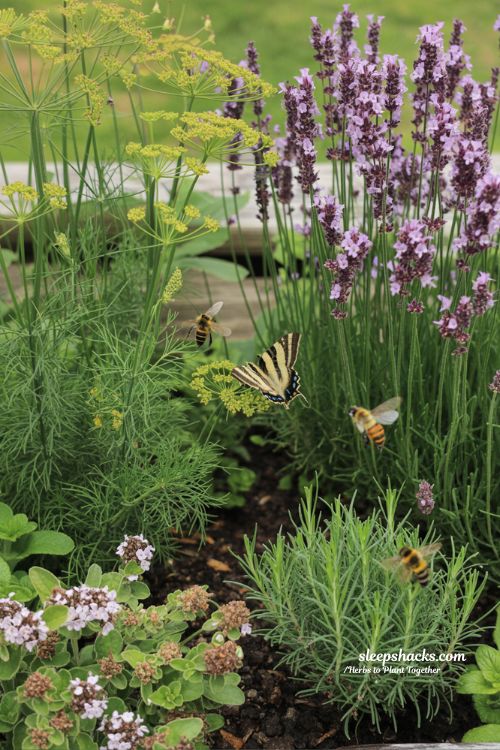
One of the best surprises in my garden was seeing butterflies show up. Dill and lavender brought them in naturally. These herbs to plant together don’t just grow—they invite life.
Pollinators help your garden stay healthy and productive. And honestly, watching bees move from one plant to another adds a quiet kind of joy. It makes the space feel alive in a way nothing else can.
- Plant flowering herbs
- Avoid chemical sprays
- Let some herbs bloom
9. Pest-Repelling Herbs to Plant Together Naturally
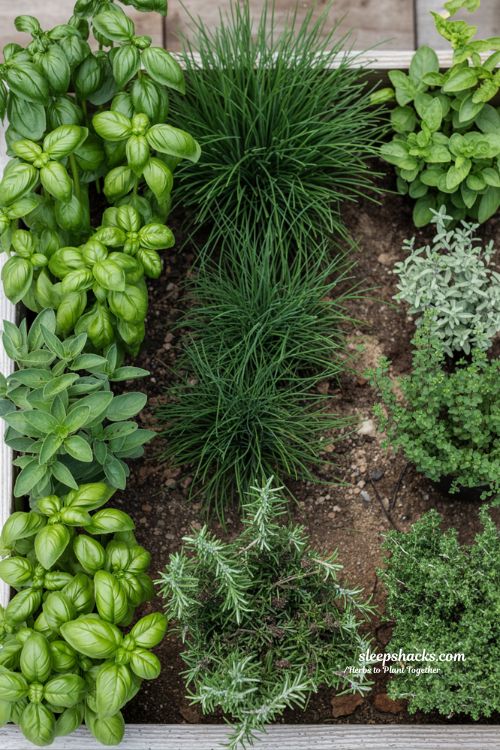
I used to struggle with pests until I learned about natural pairings. Basil and chives helped keep bugs away from nearby plants. It felt like having a built-in defense system.
These herbs to plant together protect each other without any extra effort from you. It’s one of those small changes that makes a big difference over time.
- Use strong-scented herbs
- Plant near vulnerable crops
- Observe pest patterns
10. Kitchen Garden Favorites: Herbs to Plant Together for Cooking
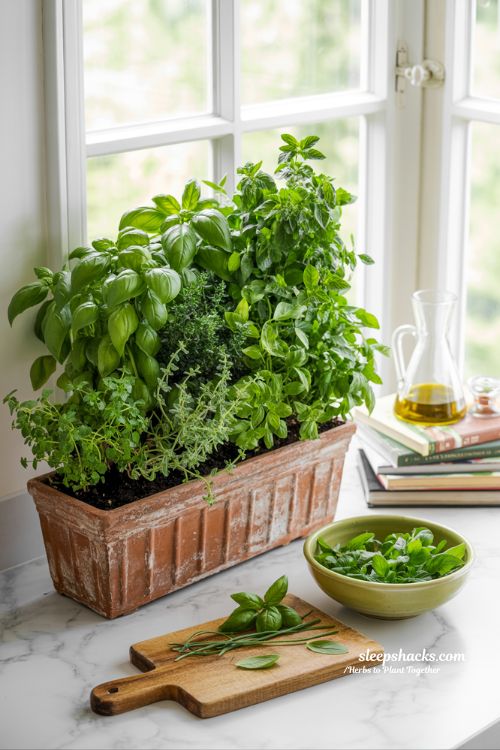
There’s nothing better than stepping outside and picking fresh herbs for cooking. Basil, parsley, and oregano are my go-to trio. They grow well together and end up in almost every dish I make.
When herbs to plant together also match your cooking style, your garden becomes part of your daily life. It’s not just decoration—it’s something you actually use.
- Grow herbs you cook with
- Keep them near the kitchen
- Harvest regularly
11. Easy Herb Combos That Grow All Season Long
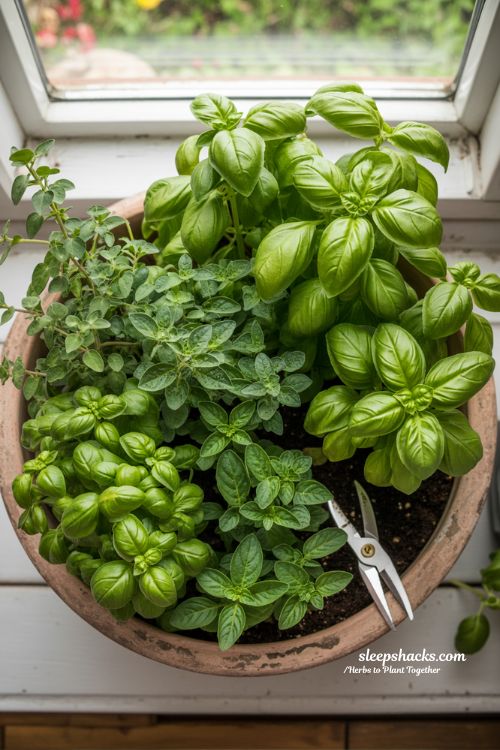
Some herbs just keep giving. Basil and oregano are like that—they grow steadily and bounce back after trimming. I’ve had them last through entire seasons with minimal effort.
Choosing herbs to plant together that regrow easily saves time and energy. You don’t have to replant often, which makes gardening feel more rewarding and less demanding.
- Trim regularly
- Avoid overharvesting
- Keep soil healthy
12. Raised Bed Herb Garden: Perfect Pairings to Try
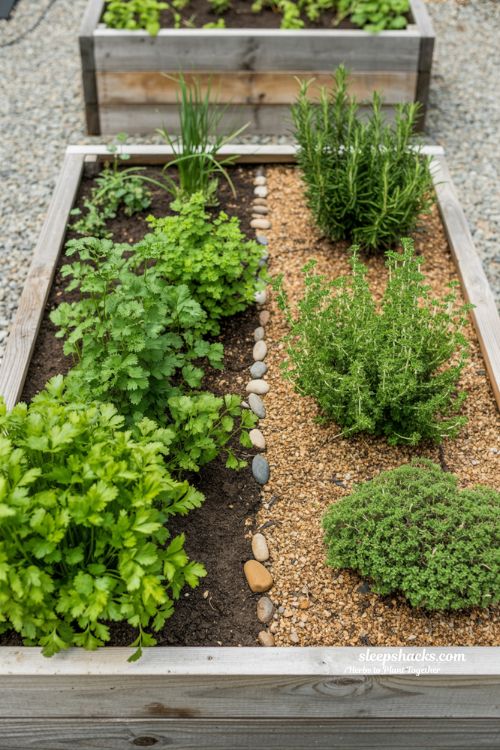
Raised beds changed how I garden. They give you control over soil and layout. I usually divide them into sections—dry herbs on one side, moisture-loving ones on the other.
Here’s a simple guide:
| Herb Group | Best Pairings | Care Needs |
| Dry-loving | Rosemary, Thyme | Low water |
| Moist-loving | Parsley, Cilantro | Regular water |
This setup keeps everything balanced and easier to manage.
- Separate by water needs
- Use clear sections
- Improve soil quality
13. Fragrant Herb Pairings for a Sensory Garden
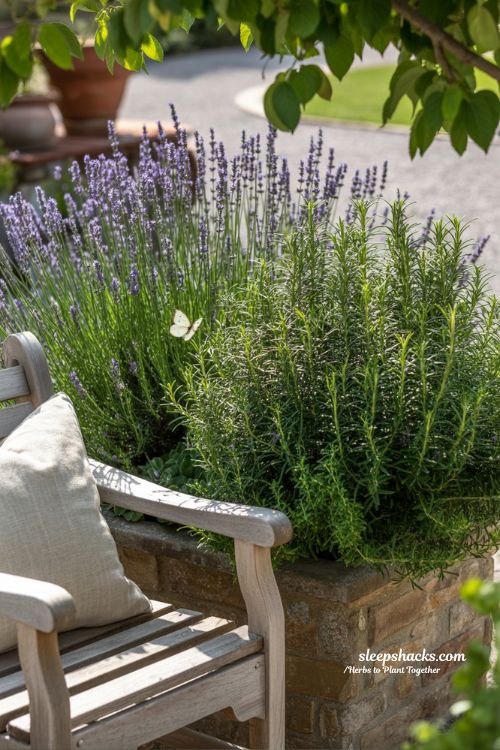
Some days, I don’t even harvest herbs—I just sit near them. Lavender and rosemary together create a calming scent that changes the mood instantly.
These herbs to plant together turn your garden into a place you feel, not just see. It’s a small luxury, but it makes a big difference.
- Choose aromatic herbs
- Place near seating areas
- Enjoy the natural scent
14. Beginner Mistakes to Avoid When Planting Herbs Together
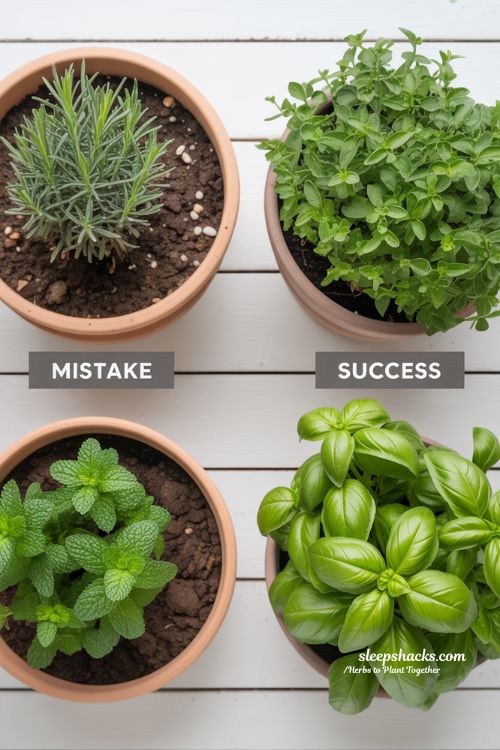
I’ve made almost every mistake possible. The biggest one? Mixing herbs with opposite needs. It seems small, but it affects everything.
Here’s a quick reference:
| Mistake | Result |
| Mixing dry & wet herbs | Poor growth |
| Overcrowding | Weak plants |
| Ignoring sunlight | Slow development |
Learning these early saves you time and frustration.
- Keep it simple
- Don’t overplant
- Learn from small mistakes
15. Seasonal Herb Pairings You Should Try This Year
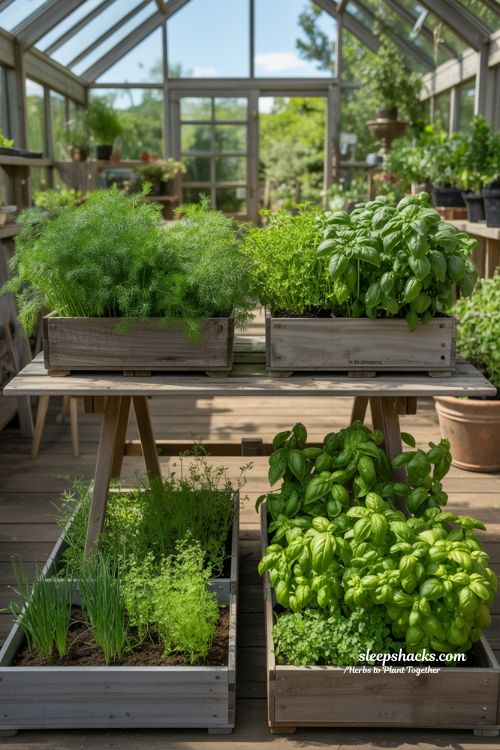
Different herbs shine in different seasons. In spring, dill and cilantro thrive. In summer, basil and oregano take over.
Planting herbs to plant together based on season keeps your garden active all year. It’s like rotating your wardrobe—everything has its time.
- Plan by season
- Rotate plant types
- Observe climate changes
16. Indoor Herb Garden: Herbs to Plant Together on Windowsills
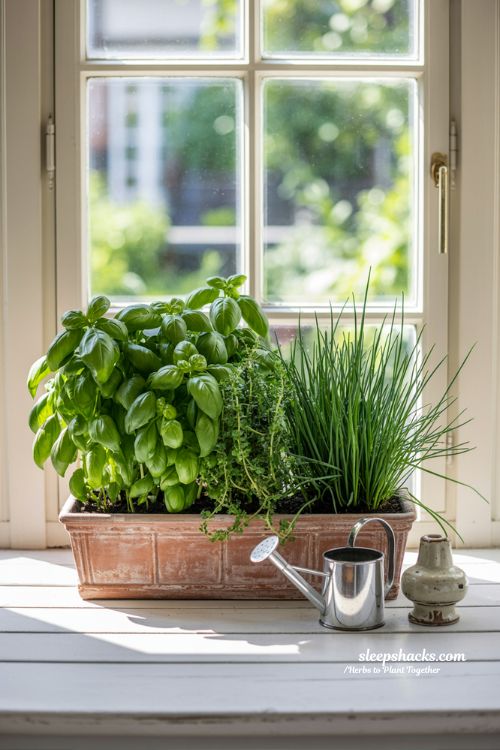
Not everyone has outdoor space, and that’s okay. I’ve grown basil and chives right on my windowsill. They didn’t just survive—they thrived.
Indoor herbs to plant together need light and a bit of care, but they bring life into your home. Plus, they’re always within reach when you cook.
- Use sunny windows
- Water lightly
- Rotate pots for even growth
17. Ultimate Companion Planting Cheat Sheet for Herbs
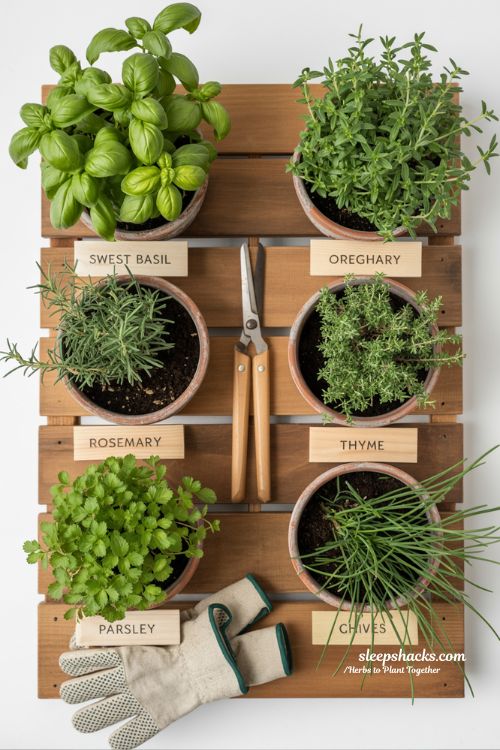
After all the trial and error, I keep a simple mental list of what works. It saves time and keeps my garden consistent.
Here’s a quick cheat sheet:
| Herb | Best Companion |
| Basil | Oregano |
| Thyme | Rosemary |
| Parsley | Chives |
Having this reference makes planting easier and more enjoyable. You don’t have to guess—you just follow what works.
- Keep a simple guide
- Stick to proven pairs
- Adjust as needed
FAQs
What are the best herbs to plant together for beginners
Basil, parsley, and oregano are great for beginners because they share similar needs and are easy to care for
Can all herbs be planted together
No, herbs with different water and sunlight needs should not be planted together as they can struggle to grow properly
Why is companion planting important for herbs
It helps herbs grow better, reduces pests, and makes garden care much easier
Which herbs should not be planted together
Avoid mixing moisture-loving herbs like parsley with dry-loving ones like rosemary
Can I grow herbs together in pots
Yes, as long as they have similar care needs and enough space to grow
Do herbs grow better when paired correctly
Yes, proper pairings improve growth, flavor, and overall plant health
How do I know which herbs to pair
Start by matching sunlight, water, and soil needs, then observe how they respond over time