

Walking into a dental office can trigger real anxiety before a patient has even sat down, and a cold, clinical waiting room does nothing to help.
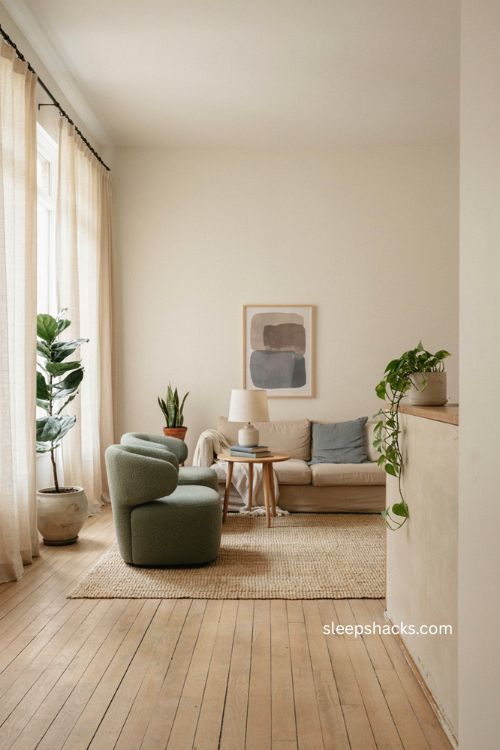
Most people carry some baseline nervousness about a dental visit, and the physical space either makes that worse or genuinely eases it. Good dental office decor isn’t about looking trendy for its own sake — it’s a practical tool for putting people at ease before treatment even begins.
1. Calming Blue-Green Wall Colors
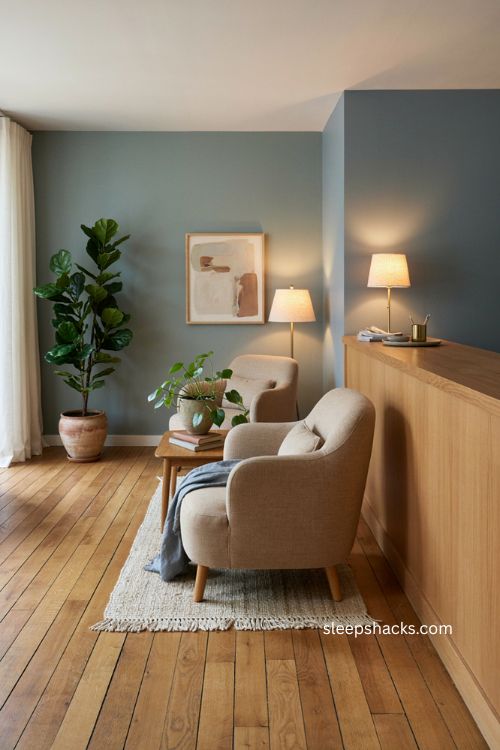
Soft blues, sage greens, and gentle grays consistently read as calming rather than clinical, especially compared to stark white walls that tend to heighten discomfort. These cooler tones have been linked to improved mental wellbeing in healthcare settings specifically. Pair them with warm-toned furniture so the space doesn’t feel cold despite the cool color palette.
2. Nature Photography Instead of Clinical Imagery
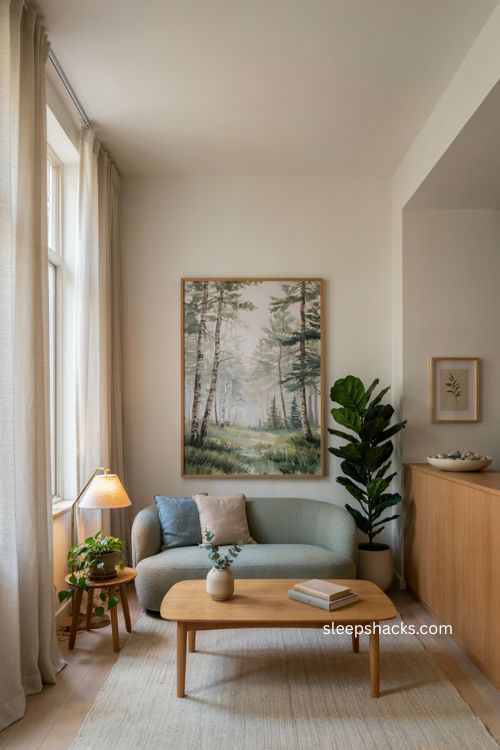
Large-format landscape or botanical photography gives patients something pleasant to focus on that has nothing to do with teeth. Skip anything overtly dental-themed, like cartoon molars or close-up smile shots — patients already know where they are, and that kind of imagery tends to feel more unsettling than reassuring. A quiet forest scene or a simple floral print does more calming work than anything tooth-related ever could.
3. A Staff Photo Wall
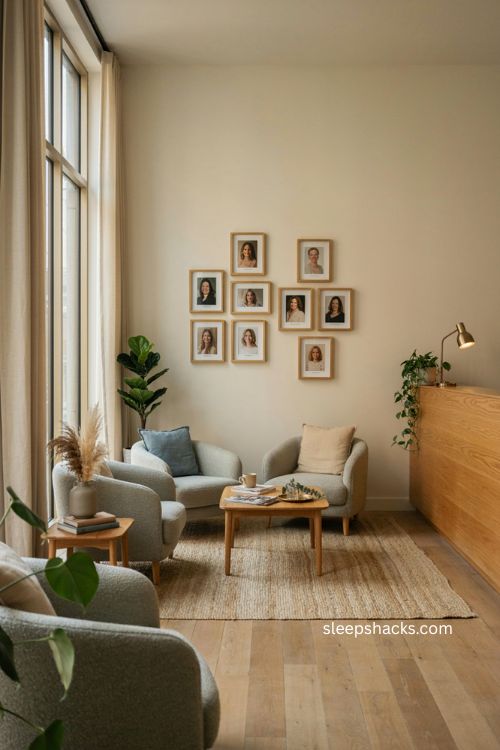
Hanging a genuine photo of your team, ideally with names and roles included, humanizes the practice in a way that generic art never quite manages. Patients feel a little more at ease when they can put faces to the people caring for them, especially with masks so often in the way during actual visits. It’s a small gesture, but it consistently reads as personal rather than purely transactional.
4. Real or Low-Maintenance Faux Plants
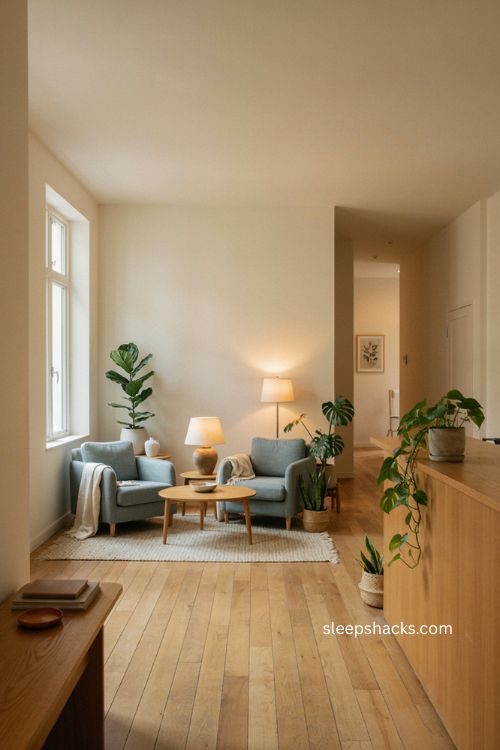
Greenery softens the sterile feel that even the most beautifully designed dental office can fall into. If natural light is limited, quality faux plants do nearly as much visual work without the upkeep. Cluster a few at different heights near the reception desk rather than scattering single pots throughout, since grouped greenery reads as more intentional.
5. Comfortable, Inclusive Waiting Room Seating
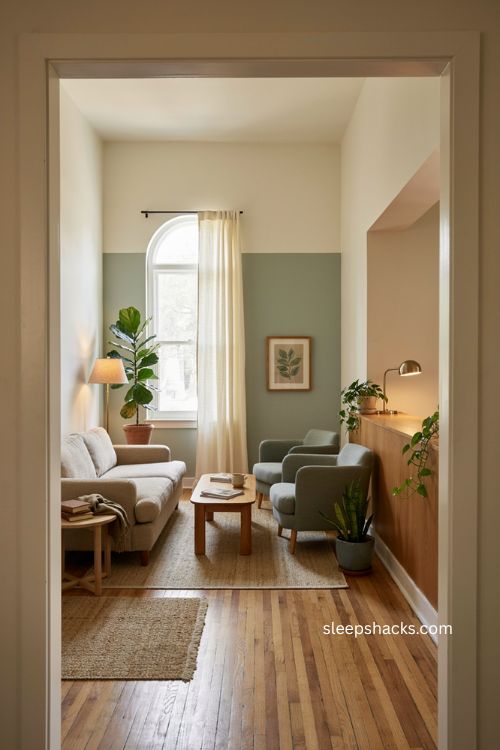
Choose chairs and sofas that accommodate a genuinely wide range of body types and are easy to get in and out of, rather than trendy low-profile seating that can be a real struggle for some patients. Washable, durable fabrics keep the furniture looking fresh without sacrificing comfort. Nice seating signals that patient comfort was actually considered, not just aesthetics.
6. Warm, Layered Lighting
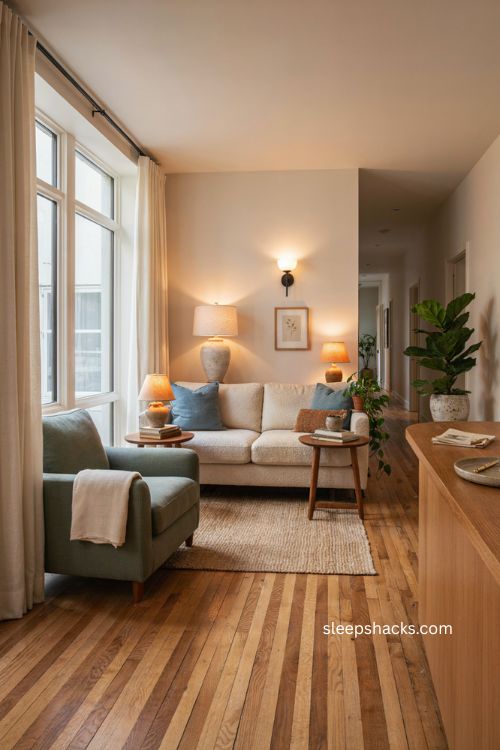
Swap overhead fluorescents for a mix of warm lamps and softer ambient fixtures wherever the space allows it. Fluorescent lighting has a well-earned reputation for making rooms feel cold and institutional, and it’s one of the fastest things to fix. Natural light is always the best option when you have it, so keep window views unobstructed if your layout allows.
7. A Dedicated Kids’ Corner
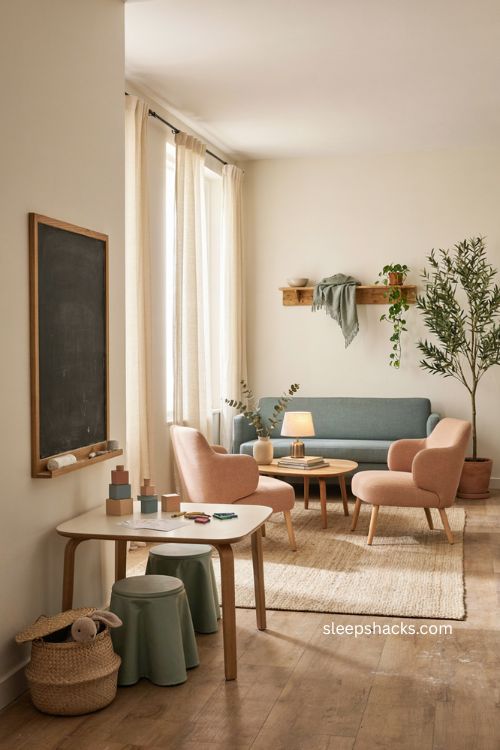
Even practices that aren’t strictly pediatric benefit from a small area with toys, coloring books, and simple sensory activities for younger siblings or child patients. Stick to toys without small, loose pieces so cleanup stays manageable at the end of a busy day. A drawable wall or chalkboard section adds a playful touch that parents genuinely appreciate.
8. A Rotating Local Art Gallery
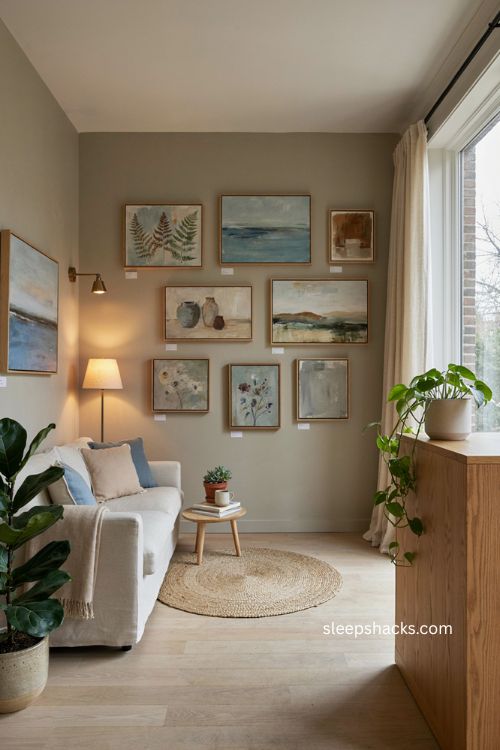
Partnering with local artists to display and periodically rotate their work keeps the space feeling fresh without requiring a full redecoration every year. Labeling each piece with the artist’s name and price turns the waiting room into a quiet, low-pressure gallery patients can browse while they wait. It also builds real goodwill with your surrounding community.
9. Custom Signage That Reflects Your Brand
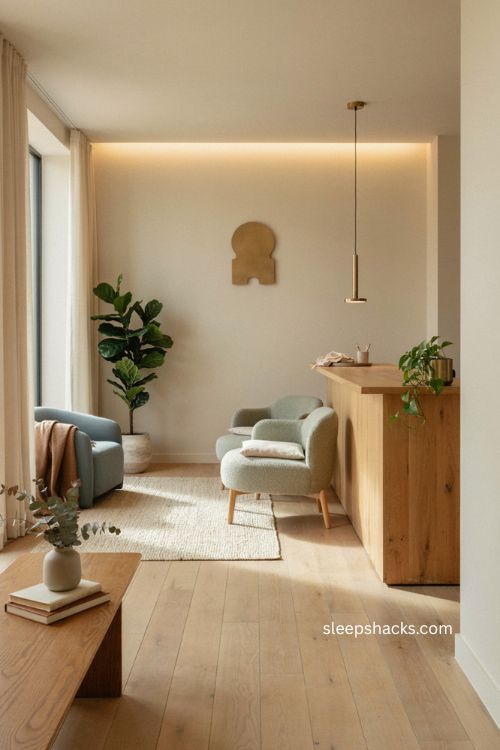
A well-designed reception sign or subtle logo element gives the practice a cohesive identity the moment someone walks in, rather than feeling like a generic medical suite. This doesn’t need to be elaborate — even a simple illuminated sign or a clean laser-cut piece does the job. Consistent branding throughout the space builds a sense of professionalism that patients pick up on immediately, even subconsciously.
10. Modular, Flexible Seating Arrangements
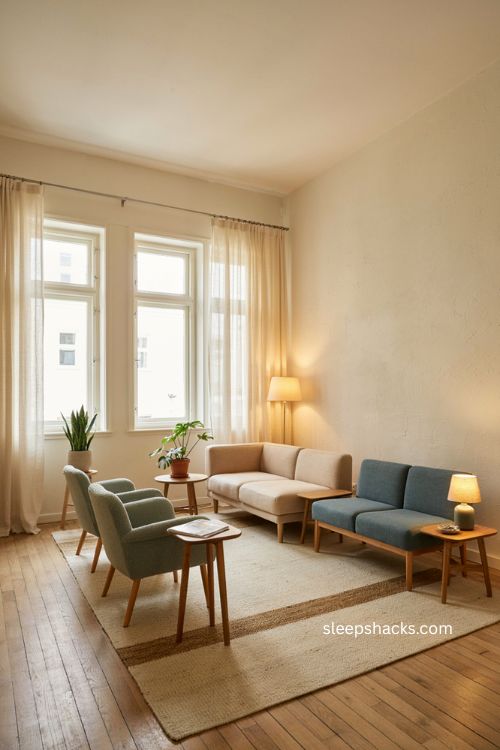
Furniture that can be rearranged easily accommodates both quiet, low-traffic hours and busier periods without the waiting room ever feeling cramped or empty. This flexibility matters more in smaller practices where the same room has to work for very different patient volumes throughout the day. It’s a practical decor choice as much as an aesthetic one.
11. Scent Considerations Beyond the Clinical Smell
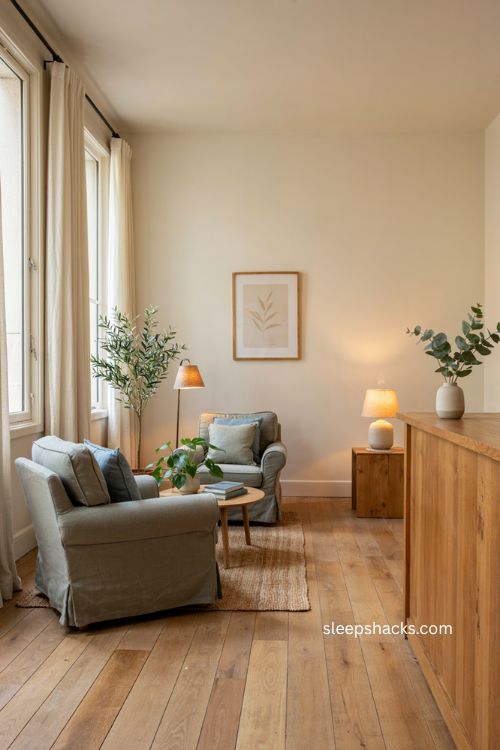
A subtle, calming scent diffuser can help counter the antiseptic smell many patients associate with dental anxiety, though it’s worth keeping fragrances mild since strong scents can be off-putting to sensitive patients. Natural, light aromas tend to work better here than anything heavy or artificial. This is a small sensory detail that’s easy to overlook but genuinely shapes first impressions.
12. Educational Artwork That Builds Confidence
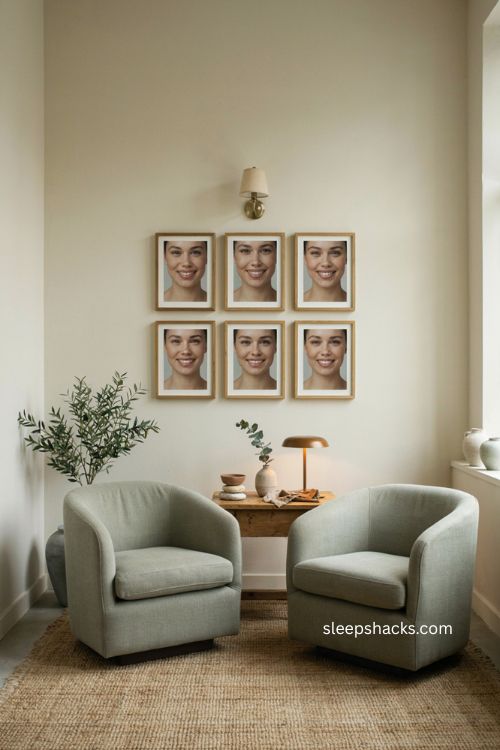
Simple, tasteful displays showing positive treatment outcomes — a smile transformation gallery, for instance — can quietly reassure patients considering a procedure without feeling like a sales pitch. Keep the focus on results rather than process, since imagery of actual dental work tends to increase anxiety rather than ease it. This works especially well positioned near consultation areas rather than the general waiting room.
13. Treatment Rooms Kept Deliberately Simple
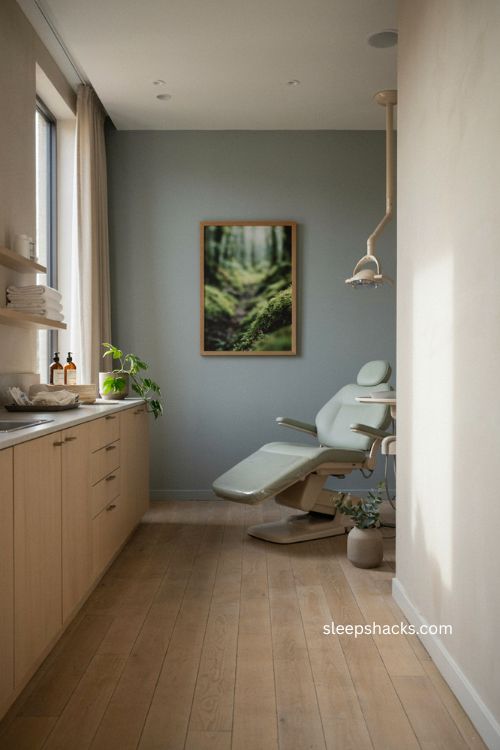
Unlike the waiting room, treatment spaces benefit from minimal, calming decor rather than busy patterns or bold colors that could increase stress during an actual procedure. A single nature photograph or a plain, muted wall color is usually enough. The goal here shifts from engagement to genuinely reducing stimulation while someone’s in the chair.
14. A Reception Desk That Feels Approachable
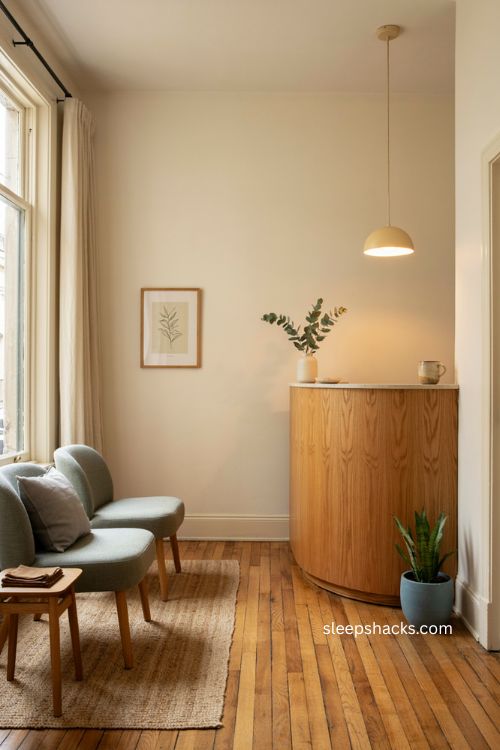
Choose a reception desk design that balances professionalism with warmth — avoid anything that feels like a barrier between staff and incoming patients. Rounded edges and natural materials like wood tend to feel less imposing than sharp, ultra-modern glass counters. This is often the very first interaction point in the whole office, so it’s worth getting right.
15. Thoughtful Amenities for the Wait
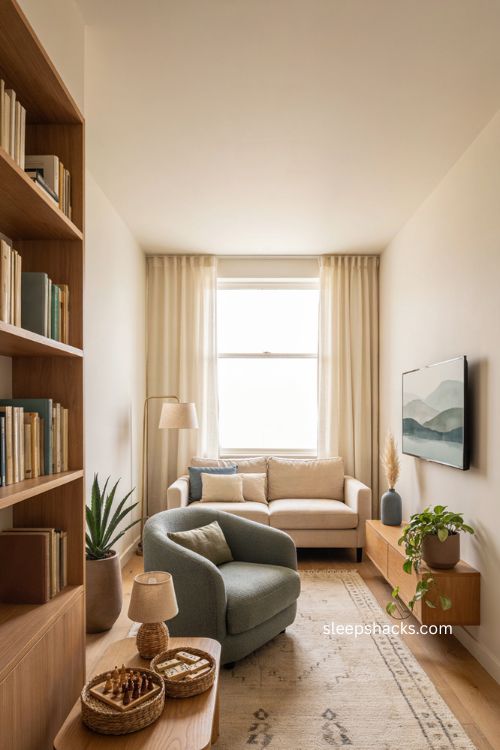
Bookshelves, a television with something low-stakes playing, or even simple games in the waiting area give patients something to do besides sit and worry. These small amenities signal that the practice thought about the whole visit, not just the clinical parts. It’s a simple addition that consistently gets noticed and appreciated by patients of all ages.
Final Thoughts
None of this requires a total renovation to start mattering — a warmer paint color, better lighting, and a few thoughtfully chosen pieces of art can shift how a patient feels the moment they walk through the door. What’s your waiting room actually telling people before you’ve said a word to them?
Frequently Asked Questions
Q: What colors are best for a calming dental office?
Soft blues, sage greens, and muted grays tend to feel calming and are commonly used in healthcare settings to help ease patient anxiety.
Q: Should dental offices avoid tooth-themed decor?
Generally, yes — overly literal dental imagery like cartoon teeth or close-up smiles can feel more unsettling than reassuring to anxious patients.
Q: How can lighting improve a dental office’s atmosphere?
Warm lamps and natural light create a more welcoming feel than fluorescent overhead lighting, which tends to make spaces feel cold and clinical.