

The room a client walks into shapes the whole session before a single word gets said.
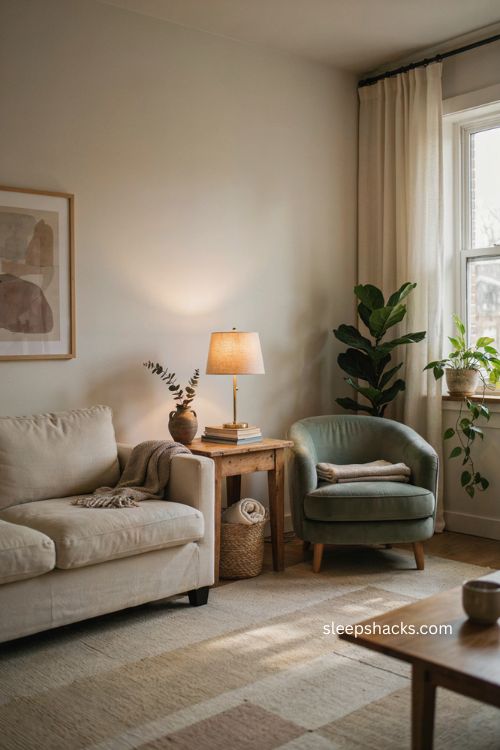
A cold, clinical office puts people on guard, and a cluttered one makes it hard to focus, but a warm, thoughtfully decorated space does a surprising amount of the emotional work before you even sit down. Therapist office decor isn’t about looking impressive — it’s about building a room that helps a nervous system settle, which makes it easier for real conversations to happen.
1. Warm, Low-Kelvin Lighting
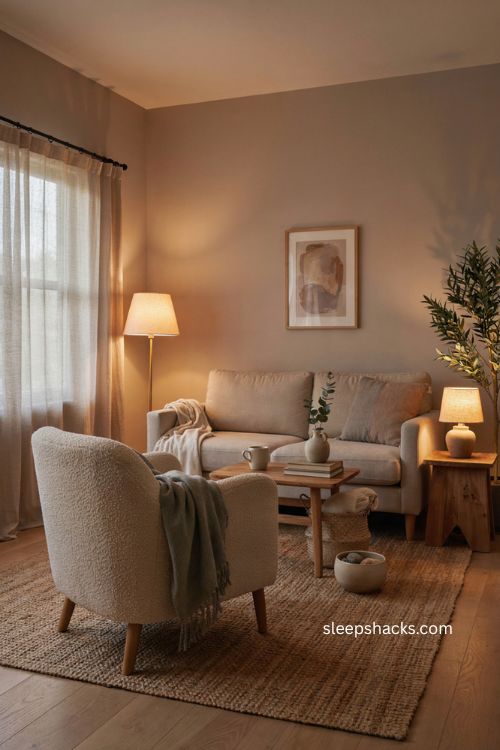
Swap out any fluorescent or cool-white bulbs for warm lighting rated 3000K or lower, since harsh overhead light keeps a room feeling clinical no matter what else is in it. A mix of table and floor lamps lets you layer the light instead of relying on one overhead source. This single change often does more for the room’s mood than any piece of furniture could.
2. Sage Green or Soft Blue Walls
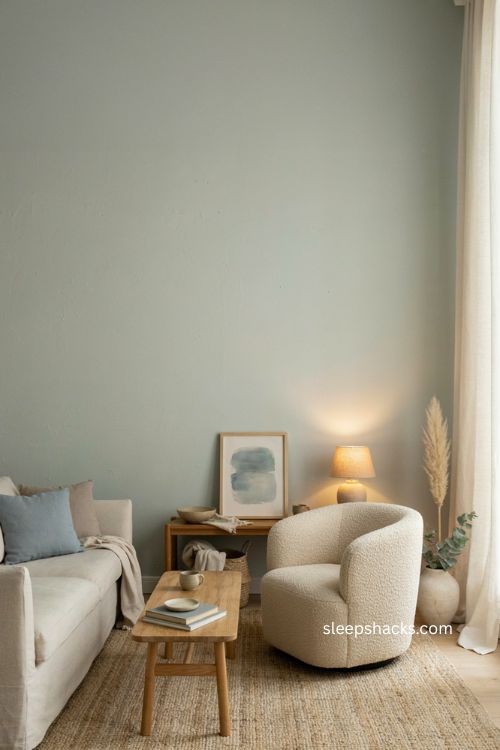
Shorter-wavelength colors like sage green and dusty blue read as calming rather than stimulating, which makes them a natural fit for a space built around emotional safety. Keep the saturation low — a pale, muted tone rather than anything bright or neon. If painting isn’t an option, even a few accent pieces in these tones bring some of that same calming effect.
3. A Comfortable, Accessible Couch or Loveseat
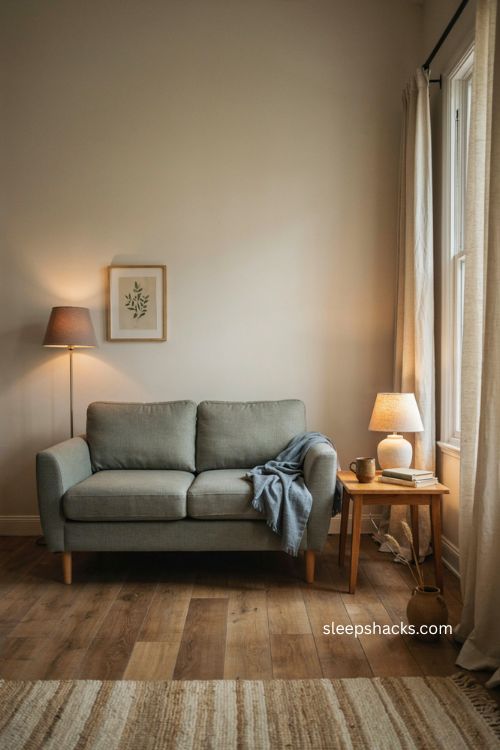
Choose seating at a standard height that’s easy to get in and out of, since low, trendy chairs can genuinely be a barrier for some clients. Washable fabrics like microfiber, linen, or leather make cleanup simple without sacrificing comfort. This is one area where function has to come before aesthetics, though the two aren’t mutually exclusive.
4. A Hugging Pillow Within Reach
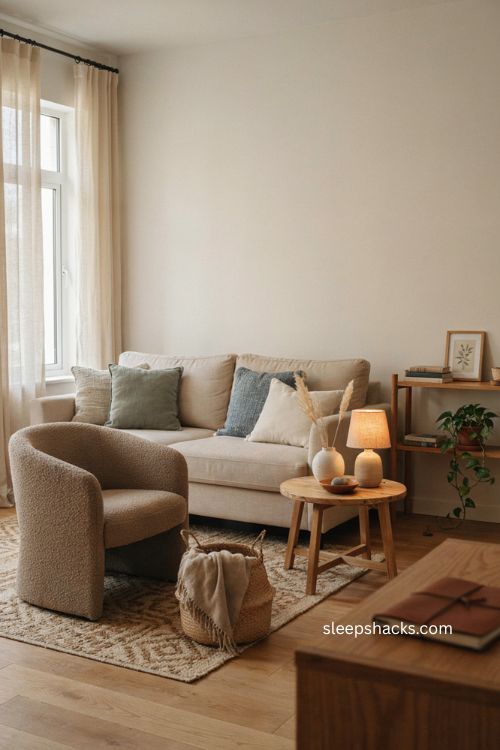
A small, plain pillow on the couch gives an anxious client something to hold onto — literally — during a hard moment in session. Skip anything too novelty or stuffed-animal-shaped, since a simple pillow tends to feel less self-conscious to actually reach for. It’s a small object, but it does quiet, real work in the room.
5. Soft Textiles Layered Throughout
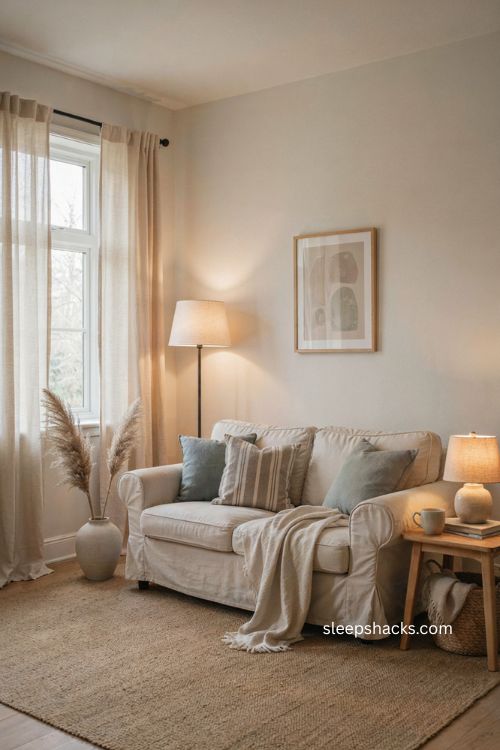
A washable throw blanket, a textured rug, and a couple of cushions in muted patterns add warmth without visual noise. Stick to simple stripes or solids rather than busy graphic prints, since quieter patterns keep the room feeling settled rather than stimulating. Textiles are also one of the cheapest ways to make a bare office feel finished.
6. Low-Maintenance Real Plants
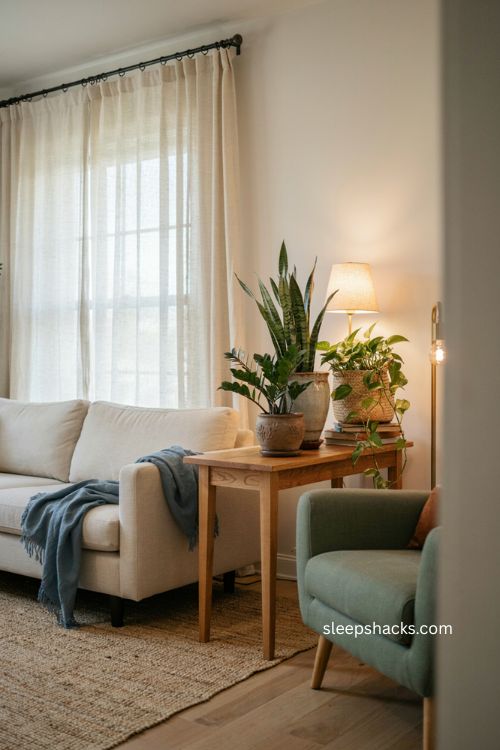
A peace lily, snake plant, or pothos brings life into the room without demanding much upkeep, and there’s something genuinely grounding about greenery in a therapy setting. Cluster them in odd numbers — three tends to read as more visually balanced than two or four. If natural light is limited, a ZZ plant or snake plant tolerates low light better than most.
7. A Visible Clock for Both Chairs
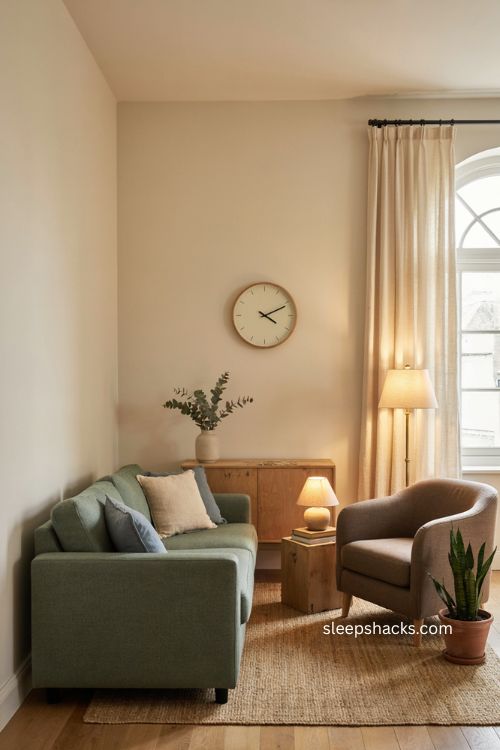
Position a clock so both you and your client can check the time without either of you glancing at a phone or a watch, which can feel abrupt or distracting mid-conversation. Some therapists use a color-coded timer instead of a standard clock so time tracking feels less like a countdown. Either way, it removes a small but real source of tension from the room.
8. Personal and Professional Artwork, Balanced
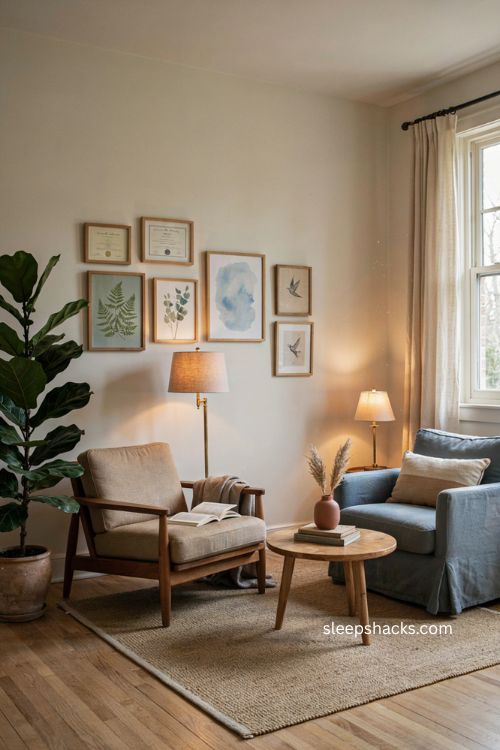
Hang a few framed credentials alongside artwork that reflects a bit of your actual personality — the mix keeps the room feeling human rather than purely clinical. Printable art from a local print shop keeps this affordable if a full art budget isn’t realistic yet. Just make sure whatever’s visible from the client’s seat is calming, not visually busy.
9. Natural Materials Like Wood and Stone
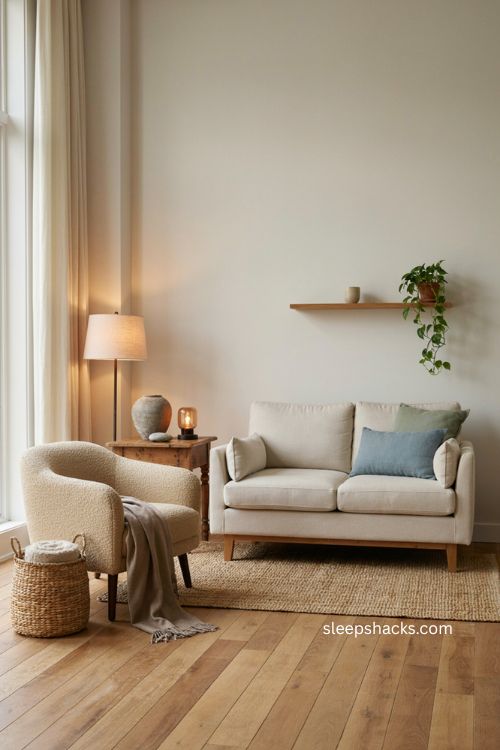
Wood furniture, stone accents, or even a simple wooden shelf bring a grounding, tactile quality that synthetic materials don’t quite replicate. Research on the built environment consistently points to natural elements helping people recover from stress and mental fatigue. A single wood side table can do more for the room’s warmth than a whole shelf of decorative objects.
10. A Fidget Basket, Kept Contained
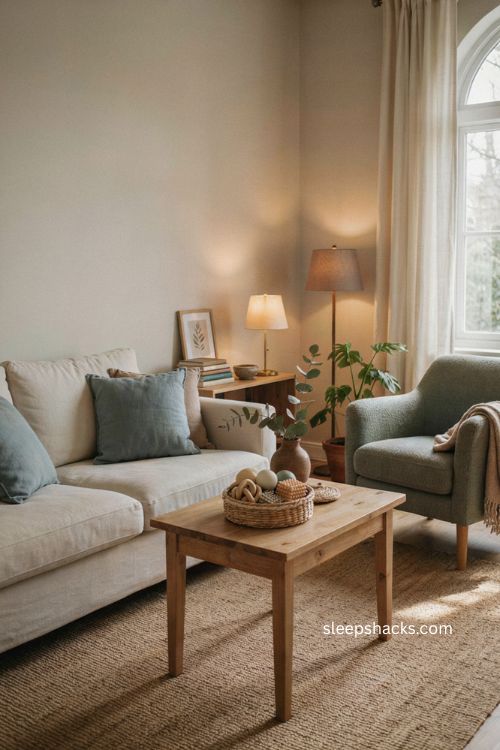
Stress balls, tangles, and other small fidgets genuinely help some clients — especially those with anxiety or ADHD — feel more settled during a session. Keep them in a basket or box rather than scattered loose, since visible clutter works against the calm you’re trying to build elsewhere in the room. Easy-to-wipe-clean options make a difference if the basket gets passed around often.
11. A Dedicated Play and Art Supply Box
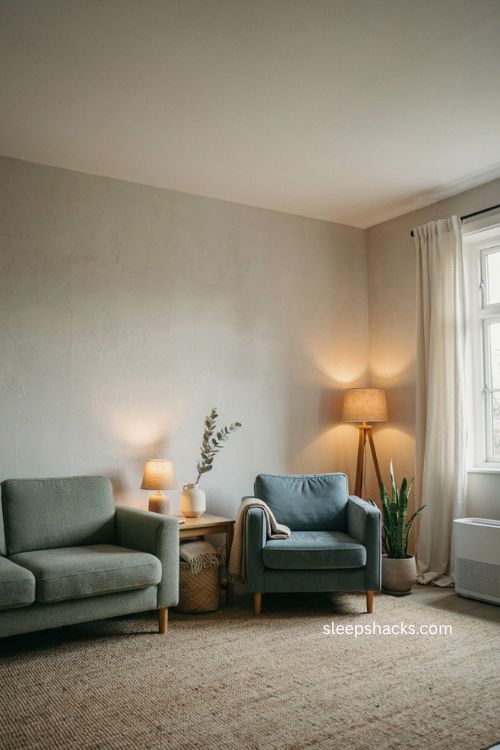
Colored pencils, crayons that don’t snap, a stash of paper, and a container of kinetic sand give younger or more expressive clients another way into a session besides straight conversation. Keep the supplies in one closed container so they don’t visually compete with the rest of the room when not in use. A couple of simple therapeutic games tucked in the same box round this out nicely.
12. A Scent-Free, Fresh-Air Policy
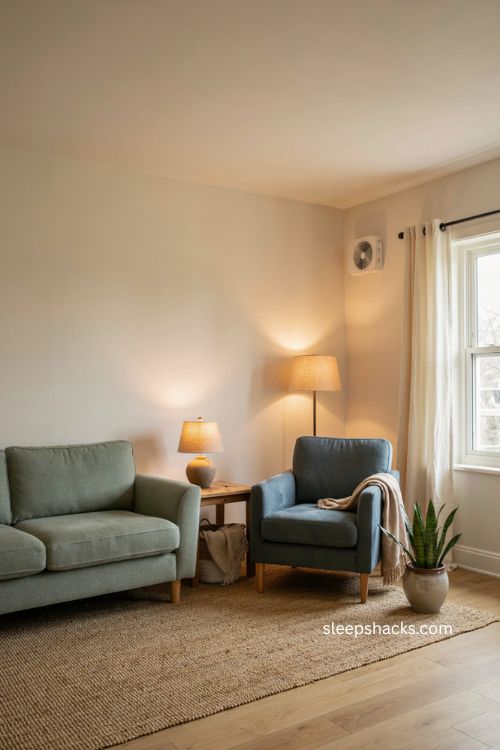
Skip diffusers and heavily scented candles, since strong scents can act as unexpected triggers for sensitive clients. Opening windows regularly or running a quiet air purifier keeps the air fresh without introducing anything that could catch someone off guard. It’s an easy thing to overlook, but it matters more here than in almost any other room in a building.
13. A Small Self-Care Station for Yourself
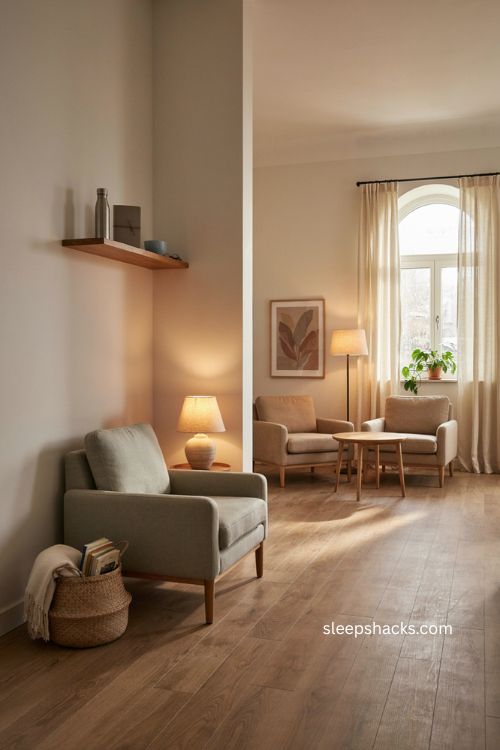
A comfortable chair or corner just for you, a water bottle, and maybe a journal for jotting a private thought between sessions all help prevent the kind of burnout that eventually shows up in the room itself. It doesn’t need to be elaborate — even a single shelf dedicated to your own essentials counts. A well-cared-for therapist tends to keep a better-cared-for office, too.
14. Client Comfort Essentials, Always Stocked
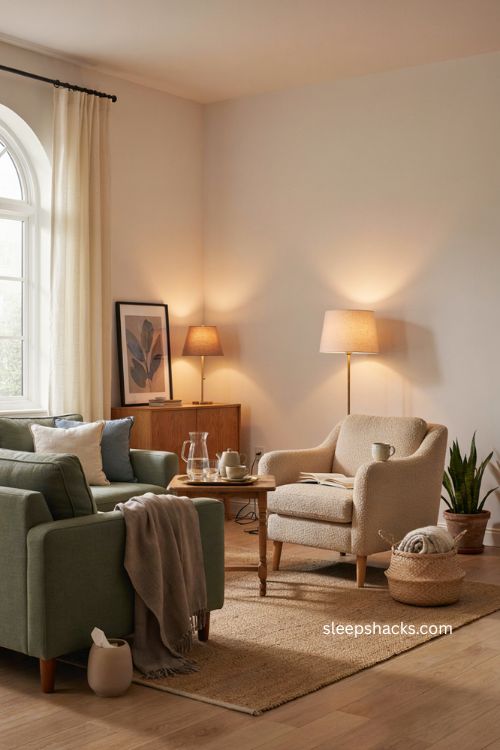
Tissues within easy reach, a full water pitcher and clean glass, and tea or coffee if your setup allows for it all signal that the space was thought through with the client in mind. A small charging station is a nice bonus most people don’t expect but quietly appreciate. None of this needs to be showy — it just needs to be there when someone needs it.
15. Seating Angled for Comfort, Not Confrontation
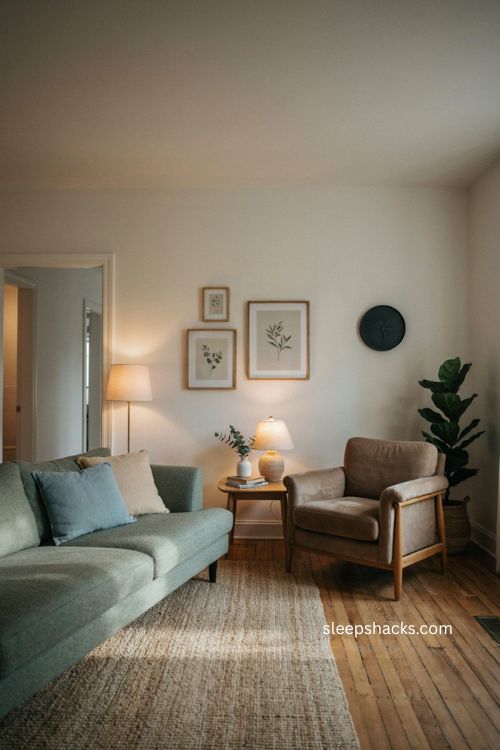
Position the client’s chair at a slight offset rather than dead-on across from yours, since a direct face-off can feel more like an interrogation than a conversation. Sit in the client’s seat yourself before your first session and check the sightlines — can they see the clock, the calming art, a clear path to the door? That five-minute check catches more small discomforts than any decor purchase will.
Final Thoughts
Get a warm lamp, a plant or two, and a couch a client won’t struggle to stand up from, and you’re already doing more for the room than most people realize. The rest — the pillow, the fidget basket, the exact shade of green on the wall — is where the space starts to feel like yours instead of a generic waiting room, and that’s the part clients actually remember.
Frequently Asked Questions
Q: What colors are best for a calming therapist office?
Sage green, dusty blue, and other low-saturation, cool-toned colors tend to feel calming, while bright reds, oranges, and neons are best used sparingly, if at all.
Q: What lighting works best in a therapy office?
Warm lighting rated 3000K or lower, using a mix of lamps rather than a single overhead fixture, creates a cozier feel than standard fluorescent lighting.
Q: What should be included for client comfort in a therapy office?
Tissues, water, a blanket, a controllable fan, and a small basket of clean, easy-to-use fidgets are among the most commonly appreciated essentials.