

There’s a moment right after the holidays where the living room feels strangely bare — ornaments boxed, lights coiled, and one big question left hanging:
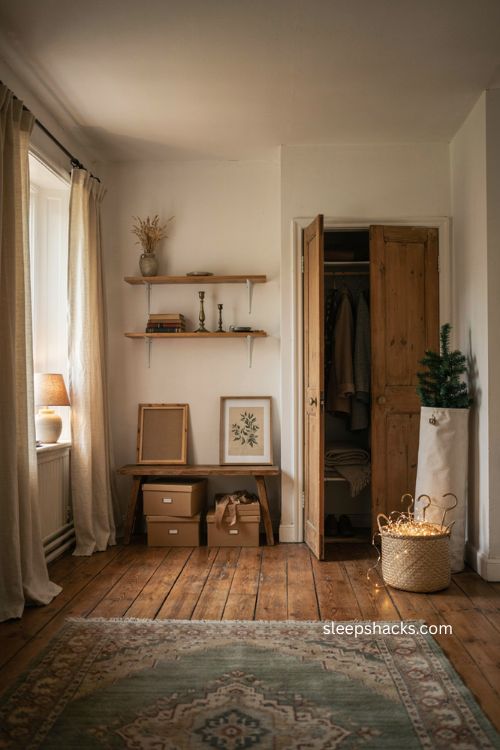
what do you actually do with the tree? If you’ve got an artificial tree, tossing it back into its crushed cardboard box every January isn’t just annoying, it usually means dents, dust, and busted branches by next December. The good news is you don’t need a garage the size of a barn to store a tree properly. Whether you live in a studio apartment or a house with plenty of closets, there’s a space-saving Christmas tree storage option that fits your square footage. Here are 15 smart ways to tuck your tree away without losing your mind or your floor space.
1. Rolling Duffel Bags
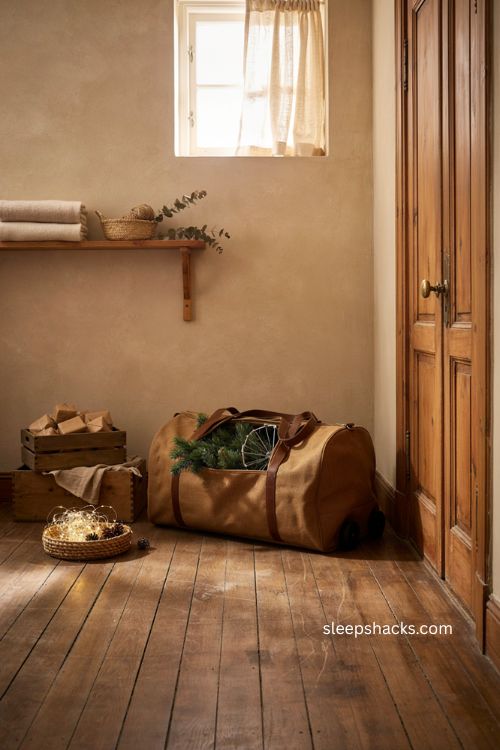
Rolling duffel bags are the easiest fix if you don’t want to wrestle a tree down a flight of stairs. The best ones hold a fully connected 7.5-foot tree on its stand, so you skip disassembly altogether and just wheel it straight into the attic or basement. Look for dual zippers that run top to bottom, since that speeds up loading on both ends. A sturdy set of wheels paired with long shoulder straps means one person can manage the whole job solo, even with a bulky 9-foot tree. Push it into an unused corner behind a door, and it barely reads as storage at all.
2. Upright Storage Bags
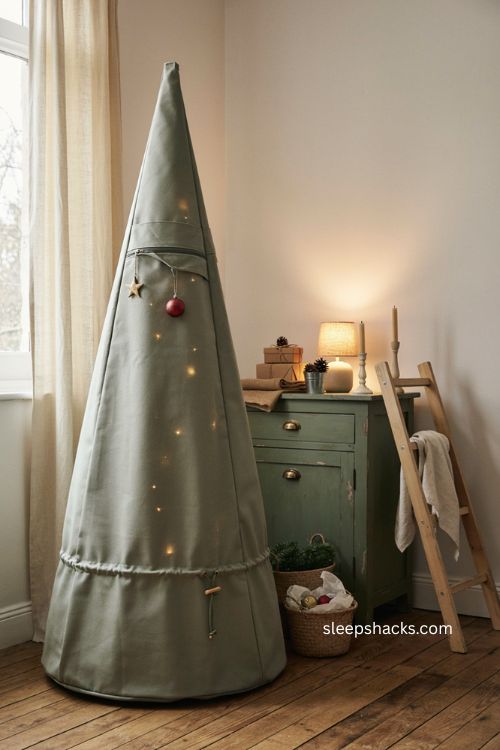
Skip taking the tree apart entirely and store it standing up instead. Upright bags zip around the tree exactly where it already sits, so lights and ornaments can even stay on if you’re feeling lazy about next year’s setup. The trade-off is that these bags usually need two people to pull them up and over a tall, fluffy tree, plus a ladder for anything approaching nine feet. Once it’s zipped and cinched at the base, though, the whole thing tucks into a closet corner or a slim gap behind furniture, using vertical space instead of eating up your floor.
3. Budget-Friendly Storage Bags
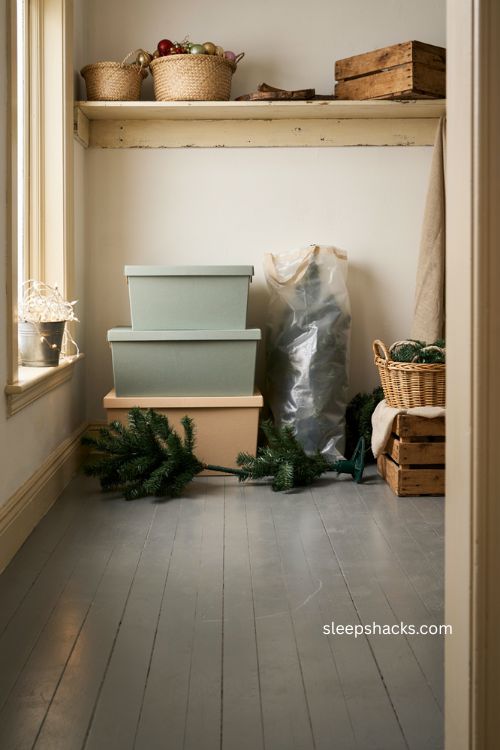
You don’t need to spend a lot to protect a tree properly. A simple polyethylene bag with reinforced handles can hold up to 50 pounds and still fold flat when it’s empty, which matters if your storage spot is already crowded. These budget picks usually ask you to break the tree into sections first, so plan on ten extra minutes of disassembly before it goes in the bag. What you lose in convenience, you gain in space — a folded bag slides behind a stack of bins or under a shelf without a second thought.
4. Under-the-Bed Storage
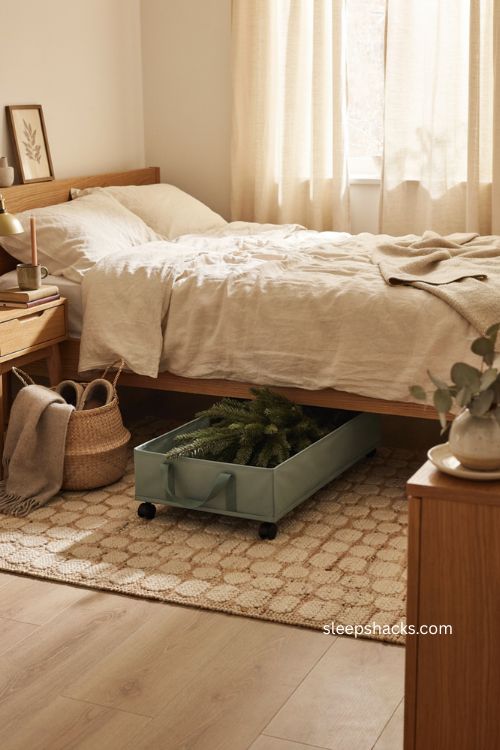
Apartment living rarely comes with a spare closet, so the space under your bed becomes prime real estate. Slim, low-profile bags are built specifically for this — flat enough to slide beneath a bed frame with room to spare. Smaller artificial trees or compactly folded branches work best here, since bulkier trees just won’t clear the gap. Pair the bag with a set of casters or a flat storage sled and you can pull the whole thing out with one hand instead of getting on your knees to dig it free.
5. Bags With Built-In Compartments
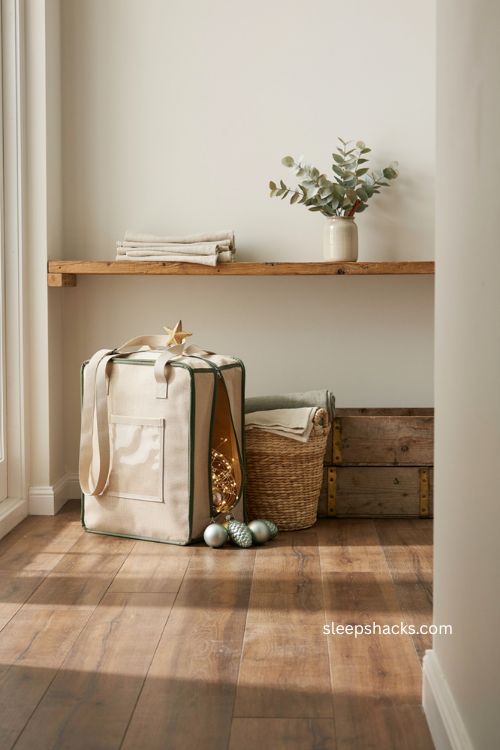
A tree rarely travels alone — it comes with string lights, a topper, and whatever ornaments didn’t make it back into their original boxes. Bags with a zippered side pocket let you keep all of that together instead of scattering decorations across three different bins. A clear label slot on the outside is a small detail that saves real time next November, since you’ll know exactly what’s inside without unzipping everything first. Long and short handle options also mean two people can split the weight if the bag ends up heavier than expected.
6. Water-Resistant Storage Bags
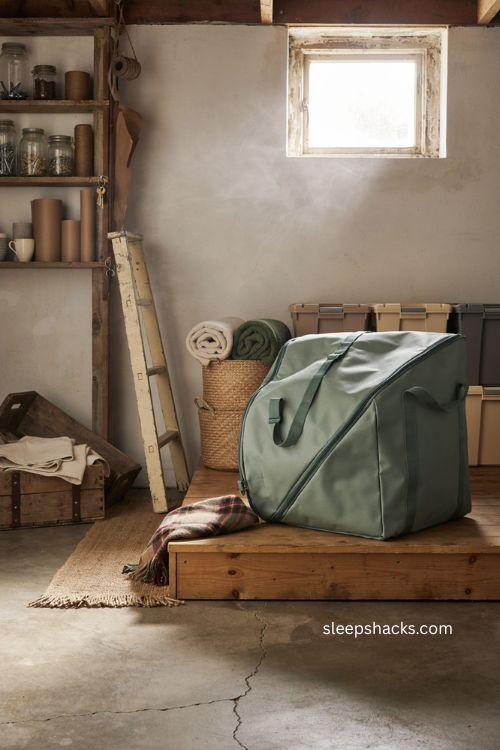
If your storage spot is a basement, garage, or attic, moisture is the real enemy, not just dust. Water-resistant materials keep humidity, the occasional leak, and stray pests from working their way into the branches over a long off-season. This matters most for trees stored for a full year in spaces prone to dampness, where a standard fabric bag would eventually let moisture soak through. Look for a fully sealed zipper track rather than just a water-resistant fabric, since gaps at the seams are usually where trouble actually gets in.
7. DIY Storage Bins
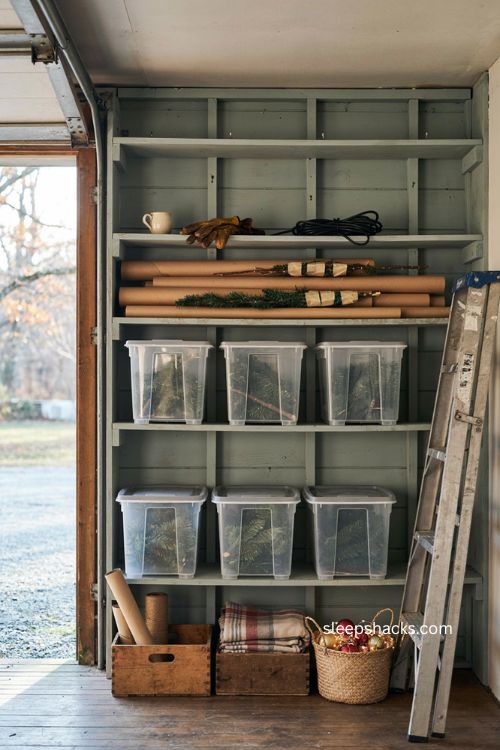
Sometimes the simplest solution is already sitting in your garage. Large plastic storage bins let you dismantle the tree into sections and pack each one separately, which actually protects delicate branch tips better than a single oversized bag would. Heavy-duty plastic wrap works well around individual sections to keep them compact and dust-free, and cardboard mailing tubes are surprisingly good at cushioning thinner branches from getting bent. Label each bin with a marker so you’re not guessing which one holds the top third of the tree when you’re rushing to decorate.
8. Canvas Cover Bags for Tall Trees
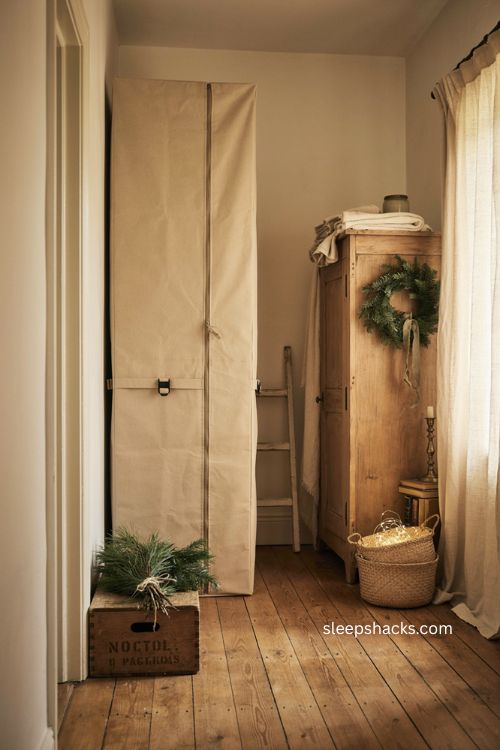
Nine-foot trees need a bag built for their scale, and canvas covers with expandable side zippers handle that height without forcing you to compress the branches too much. You can open the zippers wider for a fluffier tree or close them down for a slimmer profile, which gives you some flexibility depending on how the tree was shaped that year. Getting the cover on typically takes two people and a ladder, since you’re working from the top of a tall tree downward. Once it’s secured, though, the compression clasps keep everything snug enough to stand upright in a corner.
9. Labeled Storage Bags
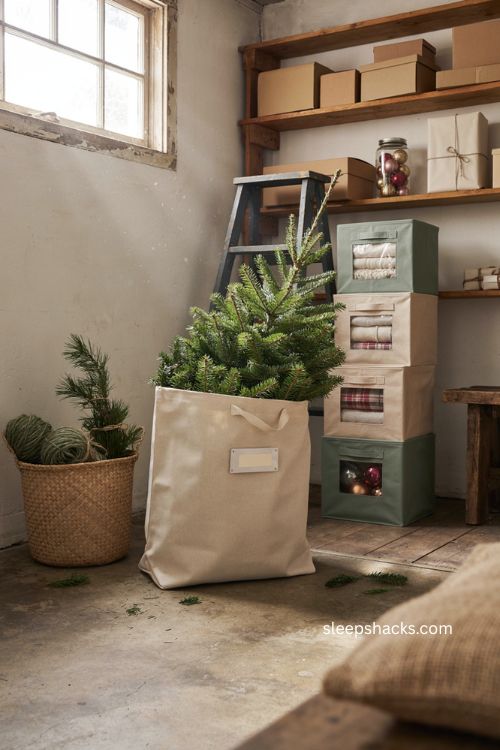
A label might sound like a small thing, but when your basement has five different holiday bins stacked together, it saves you from unzipping every single one just to find the tree. A clear card slot on the bag’s exterior lets you note the tree size, the section it holds, or even a reminder about which side unzips first. This is especially useful if more than one person in the house handles holiday setup, since nobody has to guess which bag holds what. It’s a five-second step that pays off every single year.
10. Bags With Cinching Straps
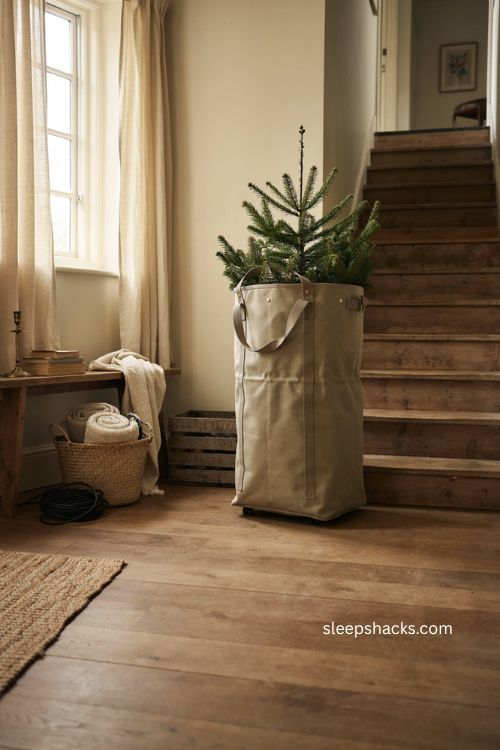
Cinching straps are what separate a bag that fits loosely from one that actually holds a tree in place during a move. Interior straps wrap around the branches and pull them into a tighter, more compact shape, which shrinks the overall footprint of the bag by a noticeable margin. This matters most if you’re carrying the tree up or down stairs, since a loose, shifting load is both harder to manage and more likely to snag on a doorframe. Snap closures at the top add one more layer of security once everything is cinched down.
11. Quilted Rolling Bags
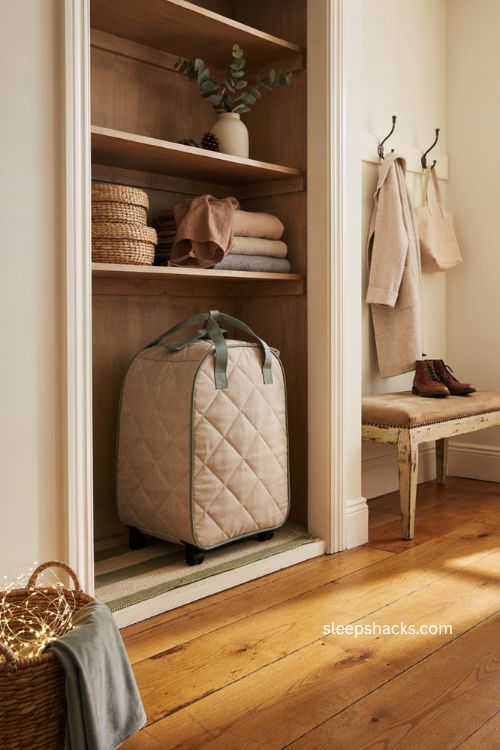
If your storage area is somewhere you’ll actually see — like an open closet or a mudroom shelf — a quilted rolling bag looks a lot less like a giant duffel and more like an intentional storage piece. These bags glide smoothly across hardwood floors when angled correctly, even if the wheels aren’t on full 360-degree casters. They’re sized well for a 6.5- to 7.5-foot tree, with enough spare room to slide in a tree skirt or an extra string of lights. One person can pack the whole thing in about five minutes flat, no extra hands required.
12. Small Tree Upright Bags
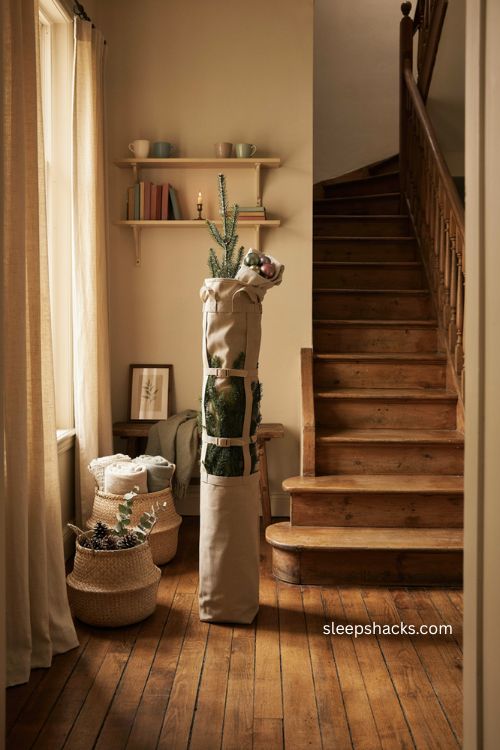
Not every household is dealing with a nine-foot tree, and smaller upright bags are built specifically for trees up to six feet tall. Setup is noticeably faster than the larger upright options — often just a few minutes, done solo, with no ladder involved. Cinching straps wrap the tree into a narrow package that’s easy to carry up or down stairs, and a separate compartment keeps extra decorations from getting crushed against the branches. Waterproof, dust-blocking canvas means the tree can be stored for a full year without losing its shape or color.
13. The Trash Bag Method
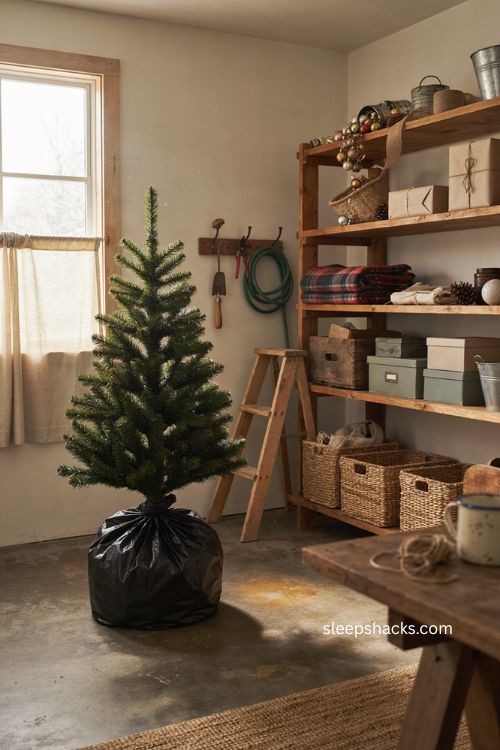
When you need a quick fix and don’t have a specialty bag on hand, a heavy-duty trash bag genuinely gets the job done. Fold the branches down close to the trunk so nothing pokes through the plastic, then slide the whole tree in and tie it off at the base. It’s not the most elegant option, but it takes up less space than a bulky cardboard box and costs nothing extra. Keep it as a backup plan for a tight moving timeline or a year when your usual storage bag is already packed away with something else.
14. Climate-Controlled Storage Units
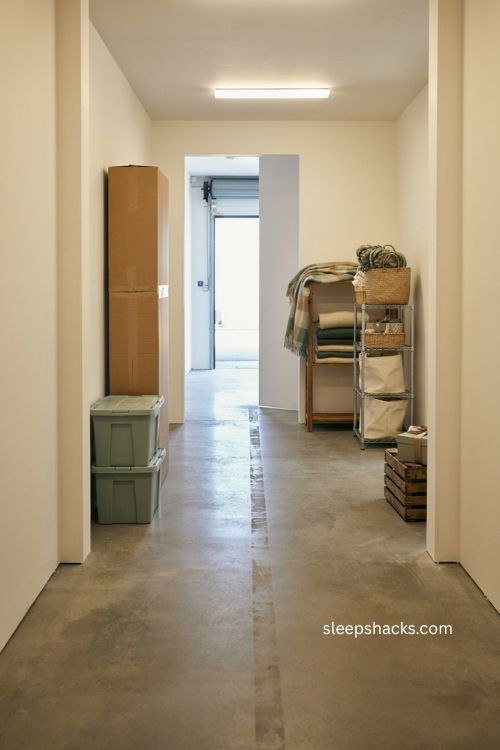
If your home genuinely has no room left — no attic, no garage, no extra closet — a small storage unit solves the problem entirely. A unit around 25 square feet comfortably fits a boxed tree along with several bins of other seasonal decor, and climate control protects the branches from the temperature swings that warp plastic needles over time. Look for a facility with 24/7 access so you’re not stuck waiting on office hours the weekend you want to decorate. It’s an added monthly cost, but it frees up real living space year-round.
15. Ornament and Light Storage Boxes
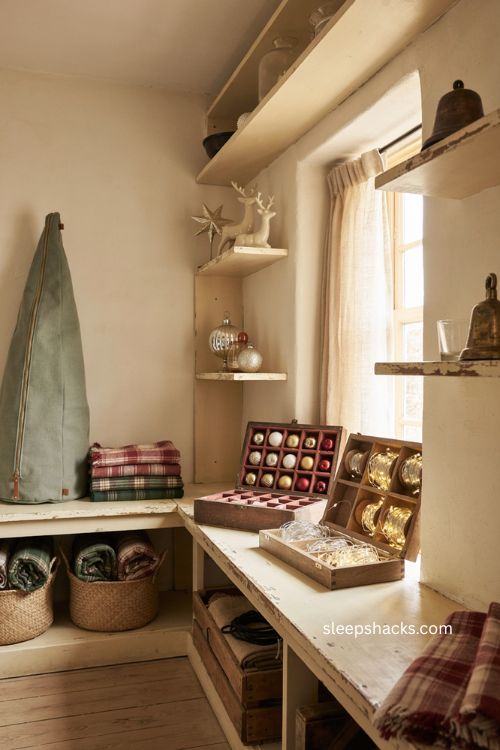
A tree storage plan isn’t complete without a place for everything that comes off it first. Dedicated ornament chests with individual compartments keep fragile pieces from knocking into each other, which matters far more than people expect until something breaks. For string lights, a storage box with built-in spools stops the tangled-mess problem before it starts, so you’re not spending twenty minutes untangling cords next December. Pack these boxes right next to your tree bag in storage, and the whole holiday setup comes back out as one organized unit instead of scattered pieces.
Final Thoughts
At the end of the day, the “best” storage option really just depends on your space and how much effort you want to put in next November. A rolling upright bag saves time but takes up a closet corner year-round, while a trash bag costs nothing but won’t survive more than a season or two. Take stock of what you actually have — a spare shelf, under-bed space, a storage unit — and match the solution to it instead of buying whatever’s trending. Once you find the right fit, packing away the tree stops being a chore and turns into a five-minute task you barely think about.
Frequently Asked Questions
Q: What is the best way to store an artificial Christmas tree to save space?
Upright storage bags or rolling duffel bags that let you store the tree fully assembled tend to save the most floor space, since they use vertical storage instead of a sprawling horizontal footprint.
Q: Should I store my Christmas tree standing up or taken apart?
Storing it upright saves space and time on reassembly, while taking it apart is better if you need the smallest possible footprint, like under a bed or in a shallow closet.
Q: Can I use regular trash bags to store a Christmas tree?
Yes, heavy-duty trash bags work as a quick, low-cost backup, though they don’t offer the same dust and moisture protection as a purpose-built storage bag.