

Your Christmas tree is one of the most expensive pieces of holiday decor you own, and how you store it in January decides whether it looks just as good next December or shows up dented, dusty, and half its original shape.

Good storage isn’t about finding somewhere to shove a big awkward box — it’s about protecting the investment you already made. Whether you’re working with a spacious garage or a studio apartment with barely a closet to spare, there’s a storage method here that fits your space and your tree. Here are 15 smart ways to pack up your tree this year.
1. A Dedicated Rolling Storage Bag
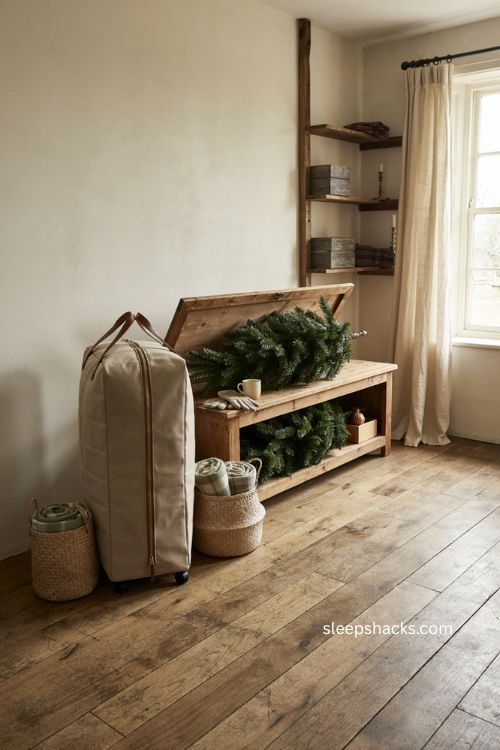
A proper rolling duffel-style bag is worth the investment if you plan to keep the same tree for several years. Look for one with reinforced handles, a center zipper running the full length, and wheels so you’re not dragging a heavy load across the floor. The best versions are roomy enough to fit the fully connected tree sections plus a box of ornaments, cutting down on how much you have to juggle at once.
2. An Upright Bag for Fully Assembled Trees
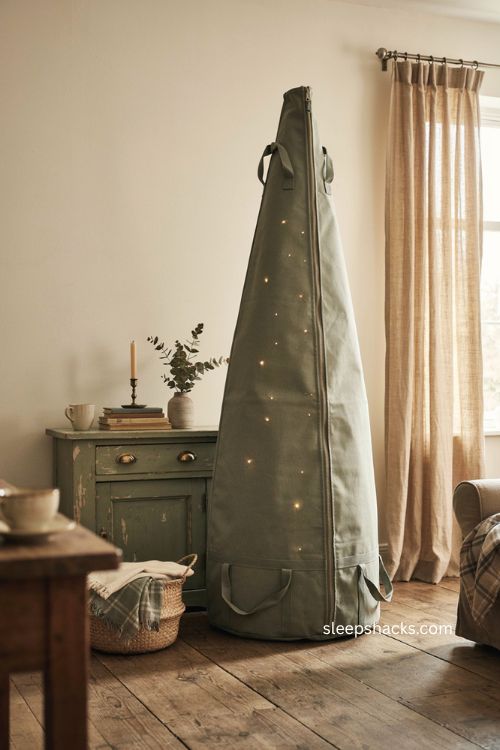
If you’d rather skip disassembly entirely, an upright storage bag zips around the tree while it’s still standing, lights and all. This saves real time the following year since you’re not rebuilding the tree from scratch, just unzipping and fluffing the branches back out. It does take two people to manage for taller trees, since the bag has to be pulled up and over from the base.
3. Compression Straps to Save Space
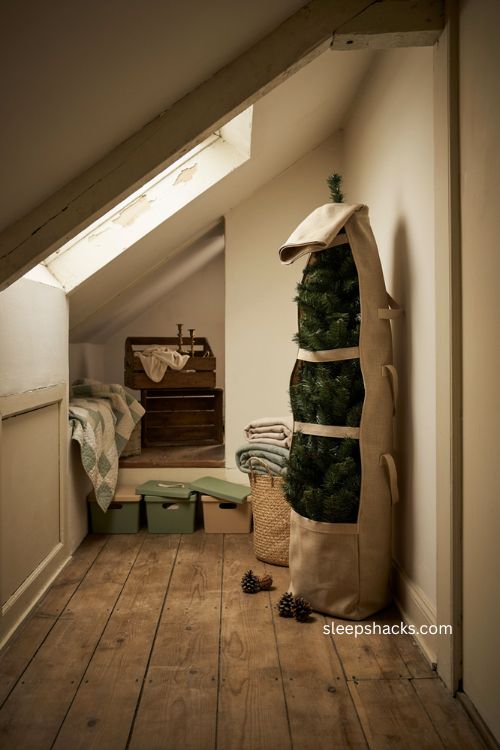
Many bags come with internal cinching straps that compress the branches down before you zip everything closed, which shrinks the overall footprint significantly. This matters most if you’re working with a smaller closet or attic crawl space where every extra inch counts. A tree that’s properly compressed also travels more easily if you ever need to move it between storage spots.
4. Repurposed Plastic Storage Bins
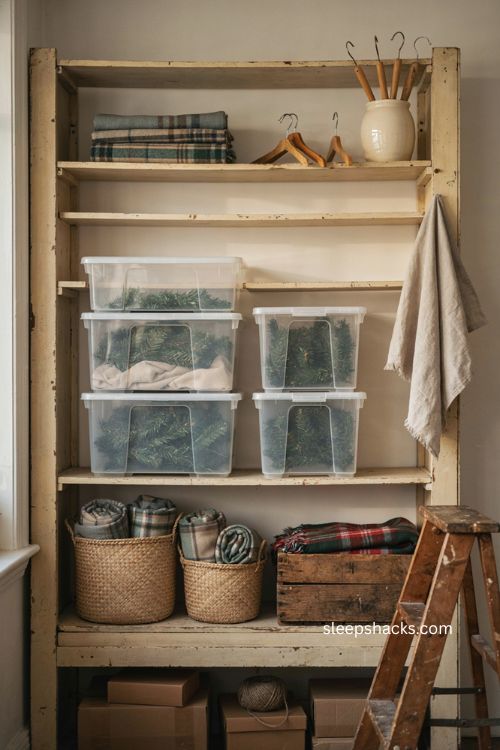
If you’d rather not buy a specialty bag, large plastic bins from around the house work fine for a disassembled tree. Separate the sections into individual bins, padding each one loosely with the branches folded inward so nothing gets bent at odd angles. Clear bins are especially useful here since you can see what’s inside without opening every single one.
5. Cardboard Mailing Tubes for Delicate Branches
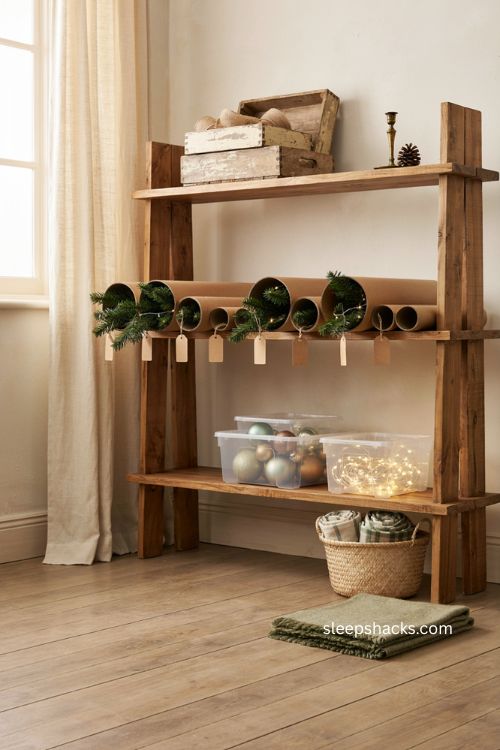
For trees with delicate tips or pre-lit wiring that bends easily, sliding individual branch sections into cardboard mailing tubes adds a layer of protection that a plain bin doesn’t offer. This is a bit more labor-intensive upfront, but it’s worth it for a tree you want to keep looking sharp for a decade or more. Label each tube by section so reassembly next year takes minutes, not guesswork.
6. Heavy-Duty Plastic Wrap for Compact Trees
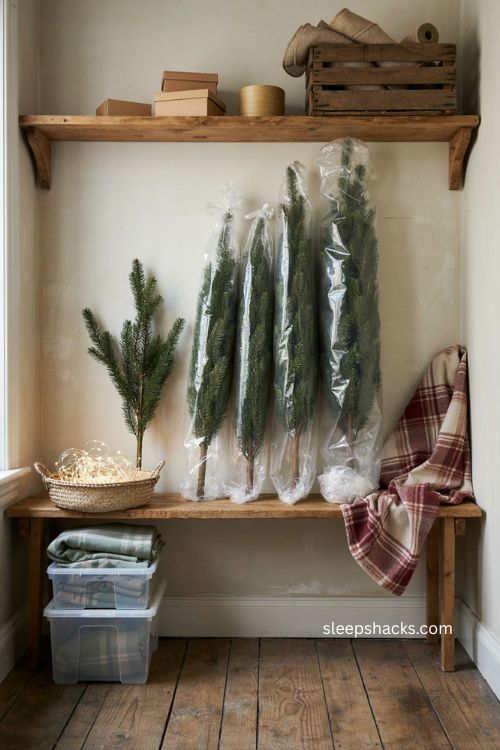
Wrapping tree sections tightly in heavy-duty plastic wrap keeps branches compressed and free of dust without needing a bag at all. This works especially well for smaller pencil-style trees or individual sections of a larger tree that don’t need a rigid container. It’s a low-cost option if you’re storing the tree somewhere dry and don’t need waterproofing.
7. Under-the-Bed Storage for Small Spaces
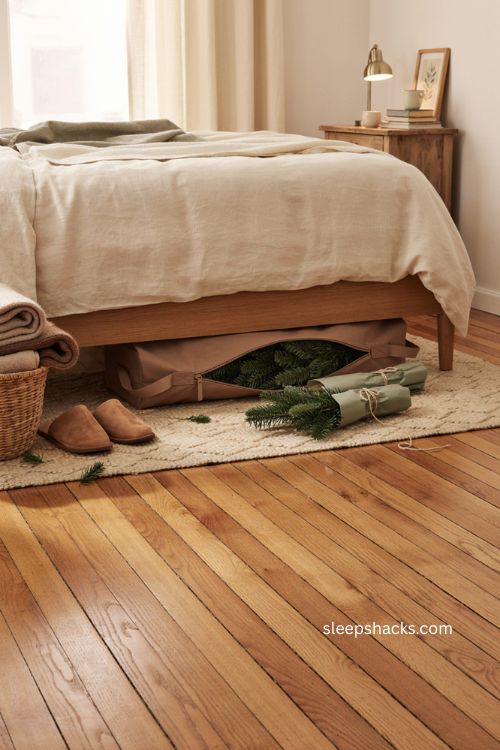
Apartment living doesn’t leave much room for bulky holiday storage, but a slim, flat storage bag designed for under-bed use can hold a smaller tree or individually wrapped branch sections. This keeps everything close at hand without taking up closet real estate you don’t have. It’s a smart pick if your tree comes apart into flat, stackable pieces rather than one bulky center pole.
8. Moisture Absorbers Tucked Inside the Bag
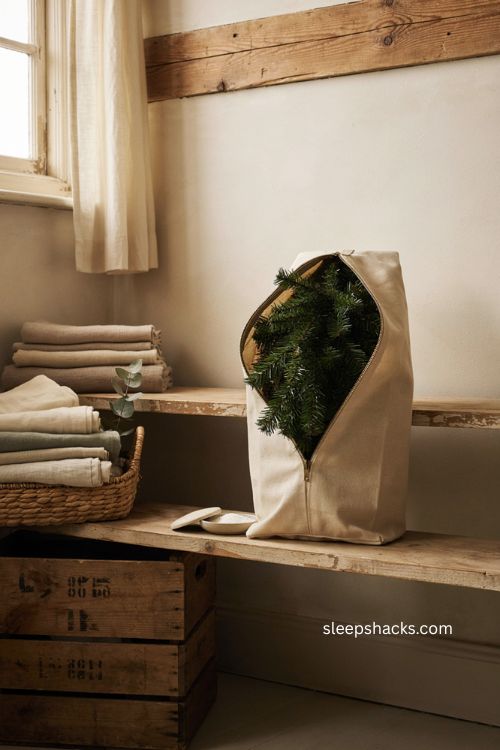
A tree stored for eleven months can pick up a musty smell if moisture gets trapped inside the bag, so tucking in an open container of baking soda or used coffee grounds helps absorb excess dampness. This small step costs almost nothing and makes a noticeable difference when you unpack the tree next year. Just make sure whatever you use won’t spill or shift around during storage.
9. Waterproof Bags for Garage or Basement Storage
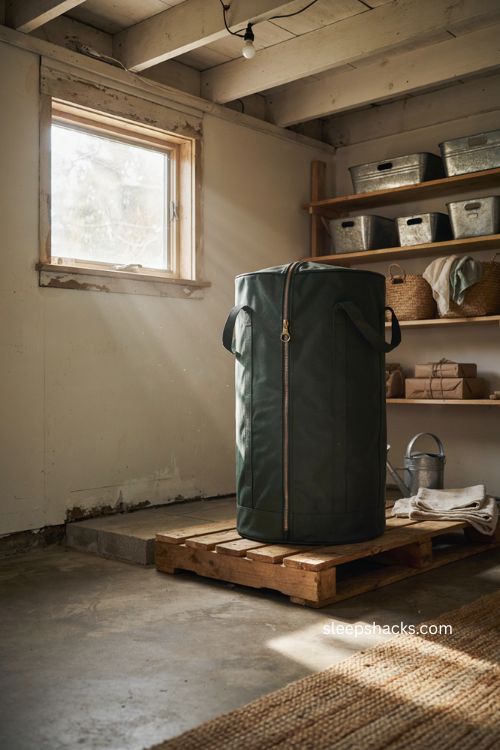
If your storage spot is prone to humidity or the occasional damp corner, a waterproof or water-resistant bag matters more than any other feature on this list. Garages and basements are notorious for temperature swings and moisture, both of which can damage an artificial tree’s wiring and needles over time. Spend a little more here if this describes your storage situation — it protects the whole investment.
10. Dividers and Compartments for Ornaments
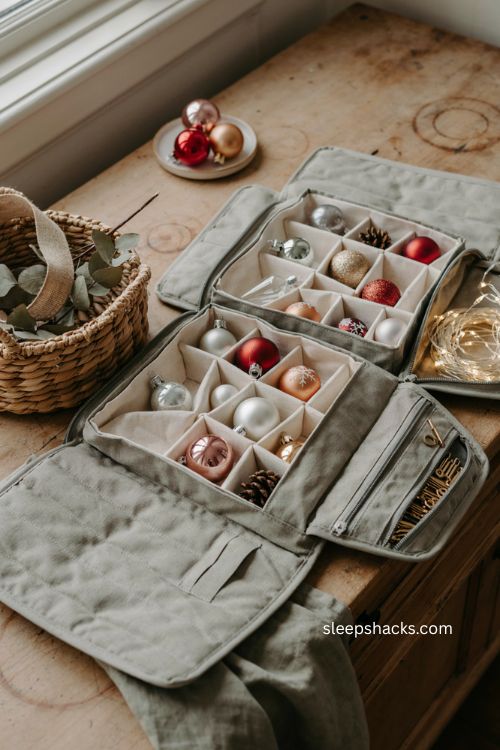
Since a tree rarely comes down without an entire box of ornaments and lights alongside it, a storage bag with built-in dividers or a separate zippered compartment keeps fragile pieces from rattling around loose. This matters even more for glass ornaments, which can chip or shatter if they’re tossed into a bin without any padding. Some bags even include a card slot on the outside so you can label exactly what’s inside.
11. Vertical Stacking for Limited Floor Space
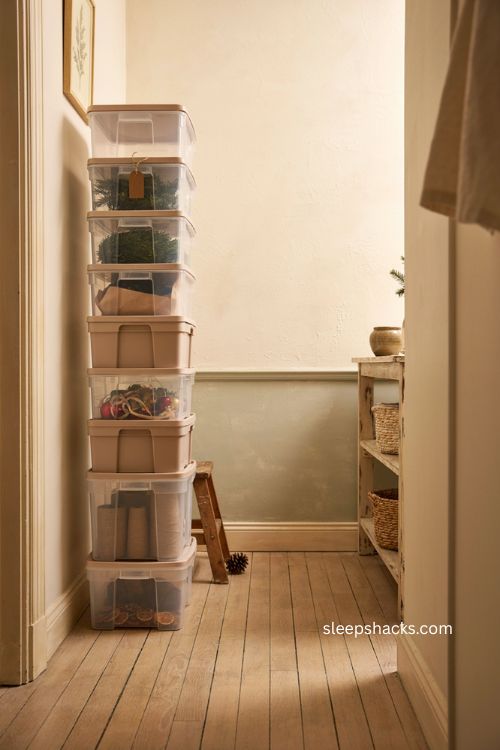
When floor space is tight, storage containers designed to stack are worth prioritizing over single oversized boxes. Uniform, stackable bins let you build upward in a closet or garage corner instead of spreading everything across the floor. This is especially useful if the same storage area also has to hold wreaths, garlands, and other seasonal decor.
12. A Trash Bag in a Pinch
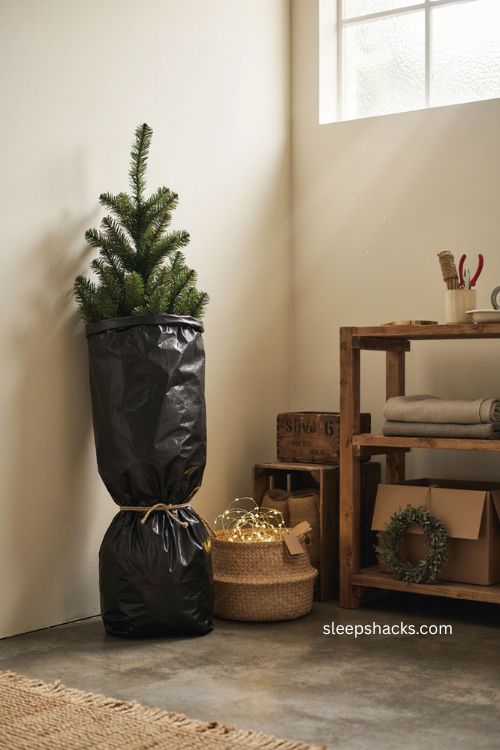
When you’re short on time or budget, a heavy-duty trash bag is a perfectly reasonable short-term solution. Fold the branches down so nothing pokes through the plastic, then tie it off and tuck it wherever you have room. It’s not the most polished option, but it gets the job done without an extra trip to the store during the busiest week of the year.
13. A Climate-Controlled Storage Unit
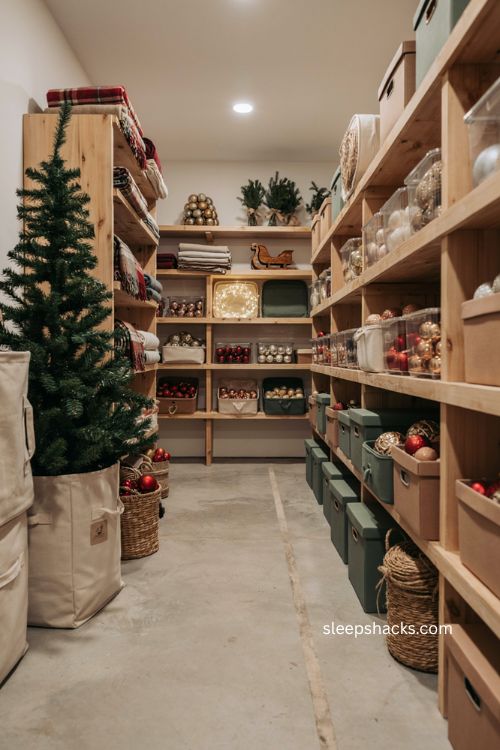
For households without an attic, basement, or garage to spare, an off-site storage unit solves the space problem entirely. A climate-controlled unit specifically protects an artificial tree from the temperature and humidity swings that can warp branches or degrade wiring over time. This option makes the most sense if you’re already storing other seasonal items and want everything consolidated in one accessible spot.
14. Labeling Everything Before It Goes Away
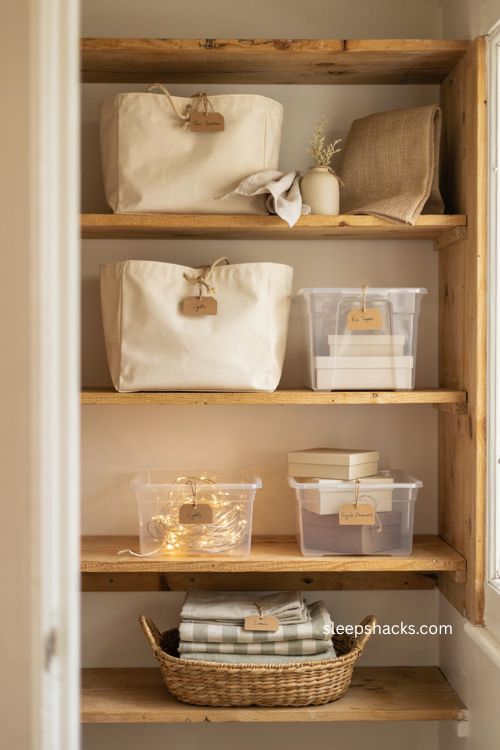
Whatever storage method you choose, taking a few minutes to label each container by contents saves real frustration next December. A simple note on the outside of a bin or bag — “tree, top third” or “ornaments, fragile” — means you’re not opening five containers just to find the tree topper. This step costs nothing and pays off every single year afterward.
15. Choosing Between Vertical and Horizontal Storage
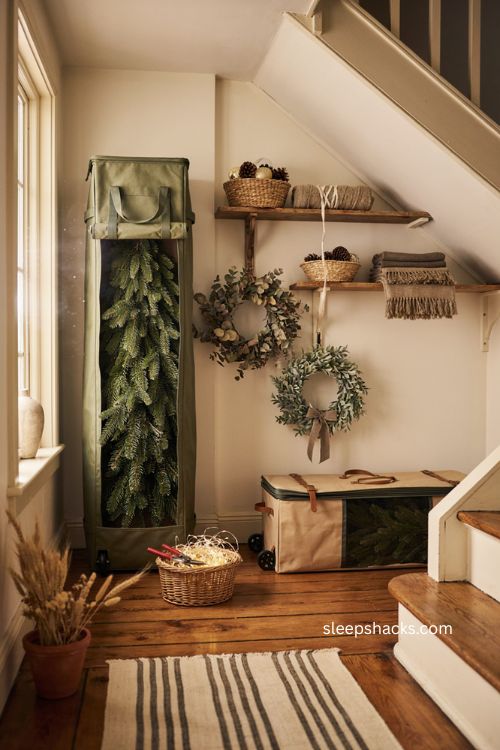
The right storage orientation really comes down to your space and how much effort you want to spend each year. Vertical, upright storage saves floor space and skips disassembly, but it can be harder to maneuver down from an attic. Horizontal storage takes a bit more setup time but tends to be easier to carry and fit into a smaller closet or under a stairwell.
Final Thoughts
At the end of the day, tree storage isn’t just about tidying up after the holidays — it’s about making sure the tree you invested in still looks just as full and fresh the next time you set it up. A few extra minutes spent compressing branches, tucking in a moisture absorber, or labeling a bin properly can add years to a tree’s life. Pick the method that actually fits your space and your patience level, and next December will thank you for it.
Frequently Asked Questions
Q: What’s the best way to store a Christmas tree to prevent a musty smell?
Keep the tree in a cool, dry spot and tuck in a container of baking soda or used coffee grounds to absorb any trapped moisture.
Q: Should I store my artificial Christmas tree assembled or disassembled?
Disassembling saves the most space, but an upright storage bag lets you keep the tree fully assembled if you’d rather skip rebuilding it each year.
Q: What material makes the most durable Christmas tree storage bag?
Heavy-duty polyester or canvas holds up best over multiple seasons, especially when paired with water-resistant lining for garage or attic storage.