

If you’ve ever dreamed of swimming in crystal-clear water without the sting of chlorine, a DIY pond pool might be exactly what your backyard needs. Natural swimming ponds are having a serious moment — and the best part is that many of them can be built by hand, on a real budget, with stunning results.
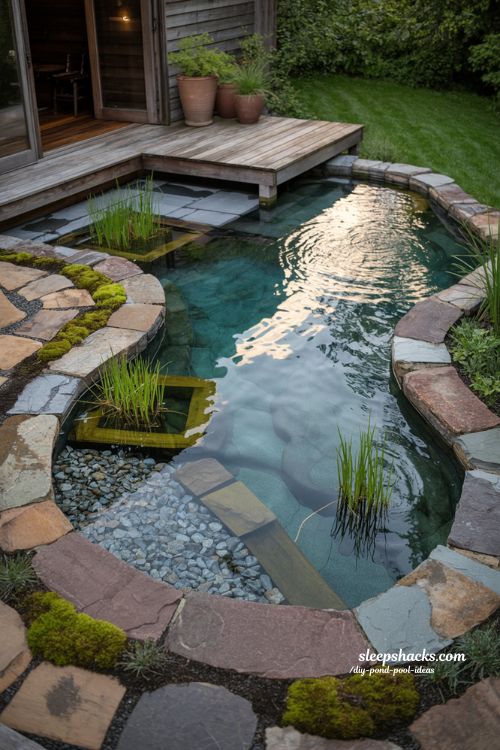
Here’s everything you need to get inspired and get started.
- How natural filtration works and why it beats chemicals
- The best DIY pond pool styles for different yard sizes and budgets
- What materials, plants, and liner choices actually hold up long-term
Why DIY Pond Pools Are Taking Over Backyards
More homeowners are walking away from traditional chlorinated pools and leaning into natural swimming ponds — and the design world has taken notice. From rustic stone-edged swim ponds in Charlotte to sleek ecosystem ponds in San Francisco, the range of styles available proves this isn’t just a trend. It’s a better way to swim.
17 Creative DIY Pond Pool Ideas Worth Pinning
1. The Classic Natural Swim Pond With a Planted Bog Filter
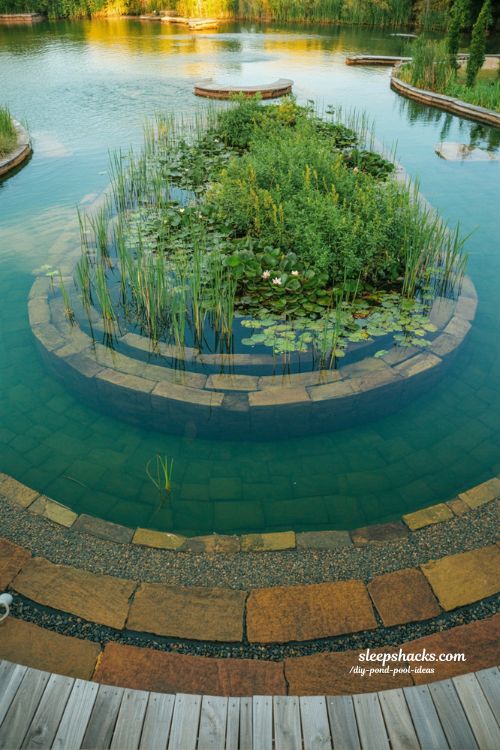
The most traditional DIY pond pool pairs a deep swim zone with a shallow planted regeneration area. Water flows through layers of sand, gravel, and wetland plants that clean it naturally — no chemicals needed. It looks wild and intentional at the same time.
This setup is ideal for larger backyards and mimics the ecology of a healthy natural lake. The bog plants do the heavy lifting, pulling nutrients and filtering debris so your swim zone stays clear. Plan for roughly 50% of your total pond area to be regeneration zone.
2. The Budget-Friendly Pond Liner Build for Under $5,000
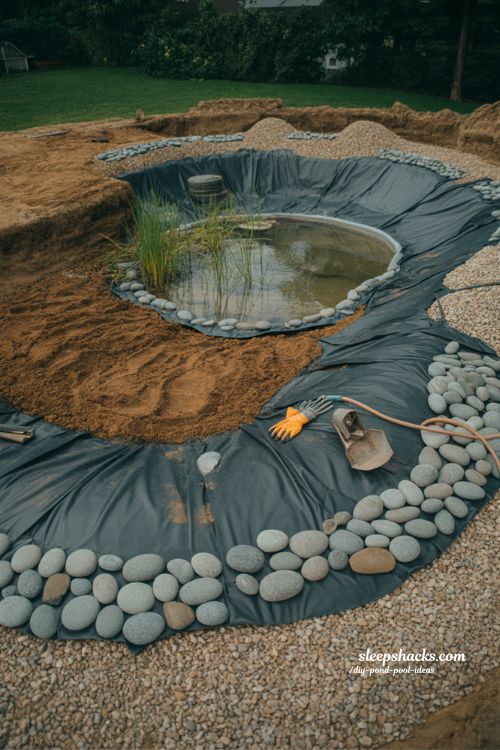
You don’t need $250,000 to build a natural pool — a basic liner pond with good plant filtration can be done on a fraction of that budget. A 44-mil liner, river gravel, and a submersible pump are your core materials, and skilled DIYers have pulled off impressive results for under $5,000.
The key is protecting your liner from UV exposure by covering it completely with hand-placed stone — a labor-intensive but critical step that dramatically extends the liner’s life. Take your time here. Every stone matters.
3. The Waterfall Swim Pond That Feels Like a Mountain Stream
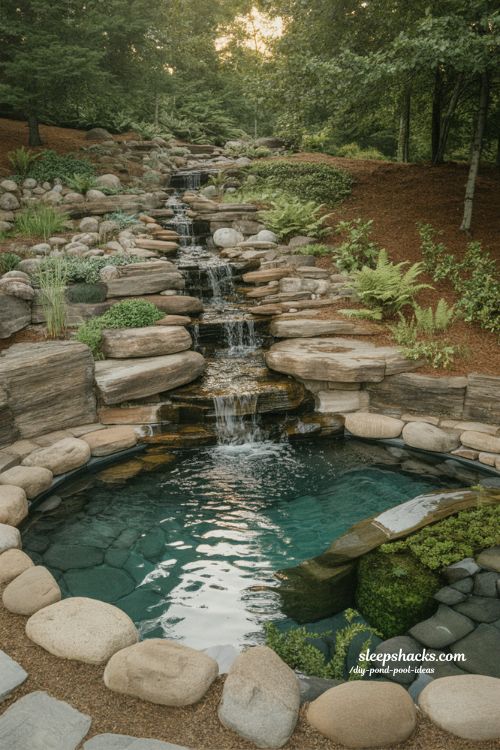
Adding a waterfall isn’t just about aesthetics — it aerates the water, keeps it moving, and discourages algae growth. Large stone shelves create the cascade effect, and pairing the waterfall with a bog zone means it doubles as a natural filtration point.
This style works beautifully in wooded or sloped backyards where the waterfall can follow natural grade changes. The sound alone makes the whole space feel like a private retreat. Mountain-style pool designs in Denver and Charlotte have made this look incredibly popular.
4. A Simple Backyard Swim Pond at 20×25 Feet With Wading Shelves
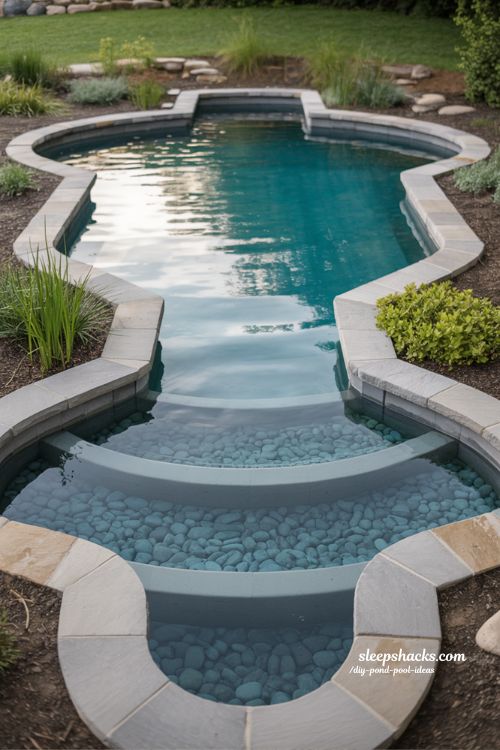
A 20×25-foot pond with 3 graduated shelves is a manageable first-time build that gives you both deep swimming water and a gentle wading zone for kids. The shelves also create natural planting spots for aquatic vegetation that contributes to filtration.
Build the deepest section to at least 4 feet for comfortable adult swimming, and design the shelf transitions gradually so small children can wade safely. River gravel on the shelves keeps the surface pleasant underfoot and adds to the natural look.
5. The Ecosystem Pond With LED Underwater Lighting
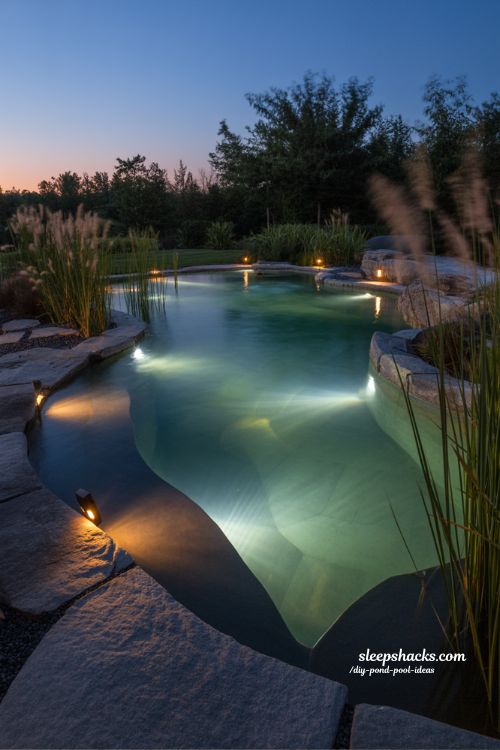
An ecosystem pond paired with submersible LED lighting becomes a completely different kind of space after dark — magical, glowing, and surprisingly dramatic. LEDs are energy-efficient and can be set to shift color, making your pond pool do double duty as a landscape feature.
Underwater lights also help you monitor water clarity at night and add a safety benefit if you swim after sunset. This approach is popular in mid-range builds and pairs well with stone edges and ornamental grasses along the perimeter.
6. The Reflecting Pool Hybrid — Swimming Meets Garden Art
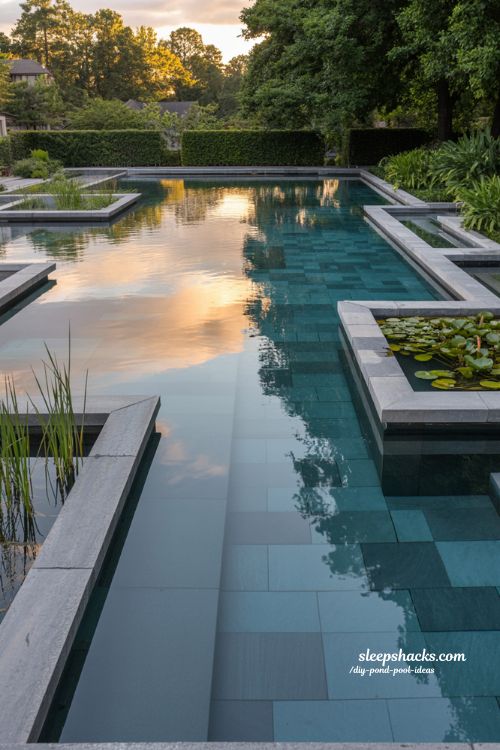
A shallow reflecting pool with a swimming depth at one end bridges the gap between garden art and functional swim space. Bluestone or concrete edges give it a formal, architectural feel, while aquatic plantings soften the lines and handle natural filtration.
This style suits smaller or more formal backyards where a wild naturalistic pond would feel out of place. It’s also one of the more Instagram-friendly designs — the reflection of surrounding trees or sky makes every photo stunning.
7. The Rustic Stone-Edge Pond Pool Built With River Rock
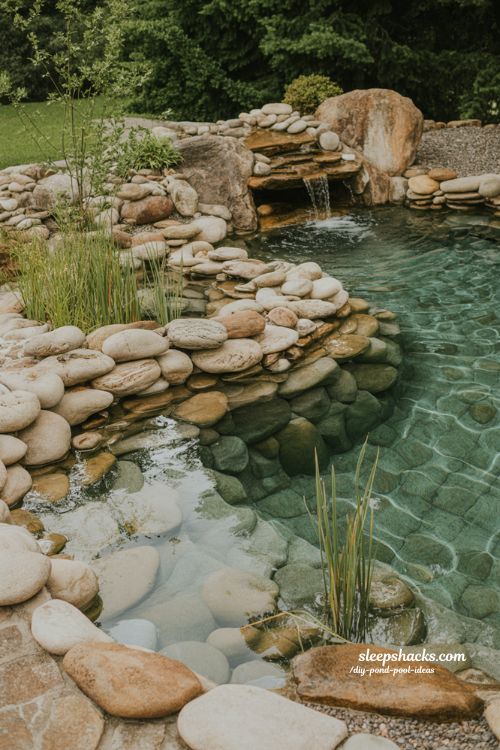
River rock edging is one of the most popular finishes for DIY pond pools because it’s affordable, widely available, and looks genuinely natural once the pond settles in. Stack it carefully over your liner to protect it from sunlight while creating a rugged, earthy aesthetic.
Hand-placing each boulder takes patience — but the result is a pond that looks like it’s always been there. This style is especially beautiful when combined with native plantings and a simple waterfall structure.
8. The Concrete Pond Pool for Long-Term Durability
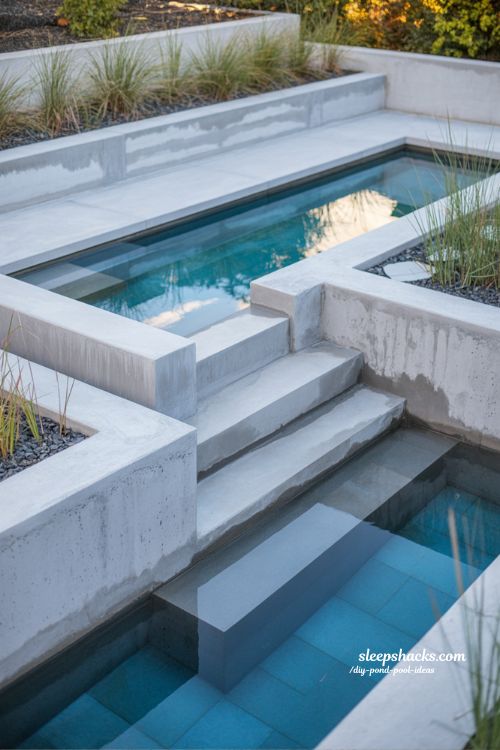
For DIYers willing to invest more upfront, a concrete pond eliminates the liner entirely and creates a structure that lasts decades with minimal maintenance. The surface can be finished with plaster, tile mosaic, or natural stone for wildly different aesthetics.
Concrete builds require more planning, formwork, and curing time — but the payoff is a pool that doesn’t degrade in sunlight and can be reshaped or refinished over the years. A great choice for builders who want a permanent, legacy-level backyard feature.
9. The Pondless Waterfall Entry Point That Feeds Into a Swim Pond
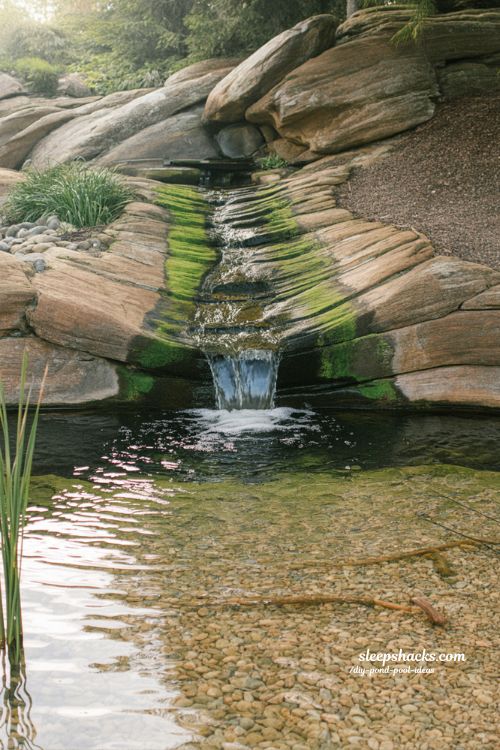
A pondless waterfall that flows into a swim pond creates a dramatic entry feature and adds constant aeration to the water. It also solves the safety concern of open standing water near the home — the waterfall disappears into a gravel reservoir until it connects with the main pond.
This design is particularly effective on sloped lots where gravity does the work. The flow rate can be adjusted seasonally, and the gravel reservoir acts as a pre-filter before water reaches the main swimming zone.
10. The Native Plant-Framed Swim Pond for a Wild Garden Look
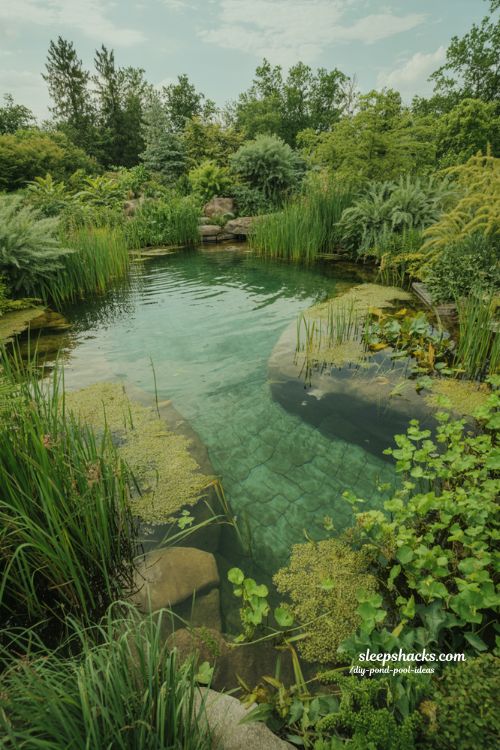
Surrounding your pond pool with native wetland plants — sedges, rushes, native irises, pickerelweed — does far more than look beautiful. These plants actively filter the water, attract beneficial insects, and create a habitat-rich space that feels alive in a way no chlorinated pool ever could.
Choose plants native to your region for the easiest maintenance and the most ecological benefit. A professionally planted terrestrial and bog garden, like those used in White Plains NY pond restorations, can turn the area surrounding your pond into a seamless extension of the landscape.
11. The Family Swim Pond With a Shallow Wading Bay for Kids
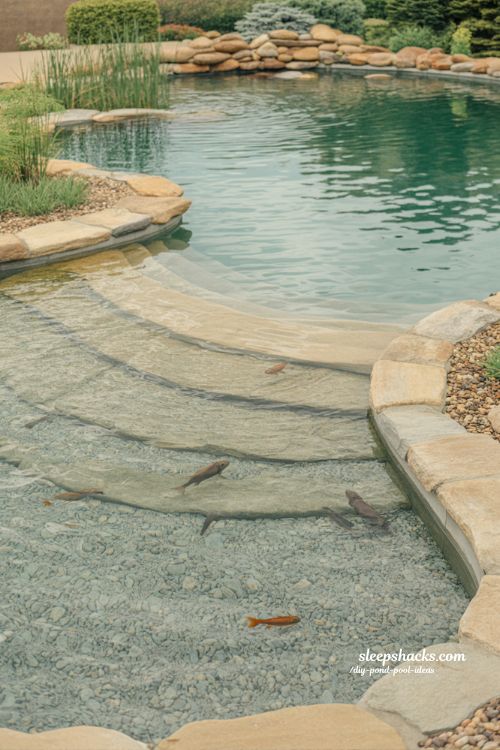
Designing a dedicated wading bay — 12 to 18 inches deep, flat-bottomed, gravel-lined — gives young children a safe place to play without accessing the deep swim zone. It can be separated from the main pond by a natural stone shelf or planted ridge.
This family-friendly layout also gives you flexibility: the wading zone becomes a planting shelf as kids grow. Some builders add shubunkins or other small fish to the wading area, though extra filtration is needed if you’re mixing fish and swimming water.
12. The Half-and-Half Pond Pool: 50% Swim Zone, 50% Regeneration Zone
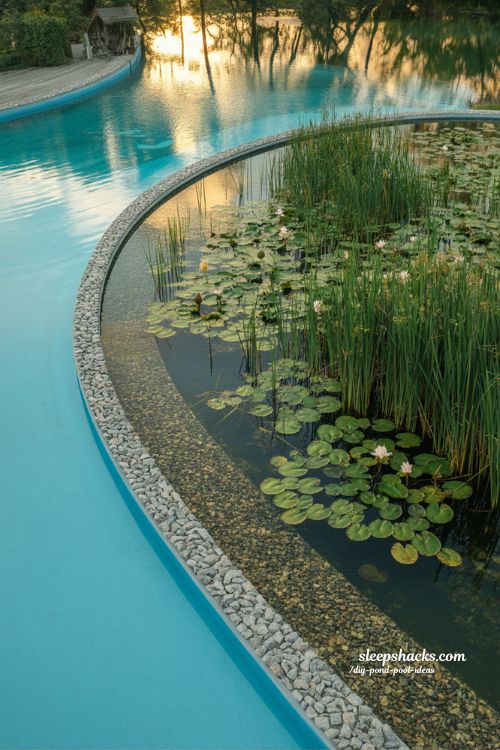
The 50/50 split — equal parts swim zone and planted regeneration zone — is the gold standard for natural pool water quality. The regeneration zone is kept separate from swimming but connected by flow, allowing plants and gravel to filter 100% of the water continuously.
This layout works on a wide range of lot sizes and is the same principle used in large European natural pool designs. The visual effect is beautiful too: half your pond sparkles with open water, the other half blooms with lush aquatic plants.
13. The Swim Pond Without a Liner — Granite or Clay Base Builds
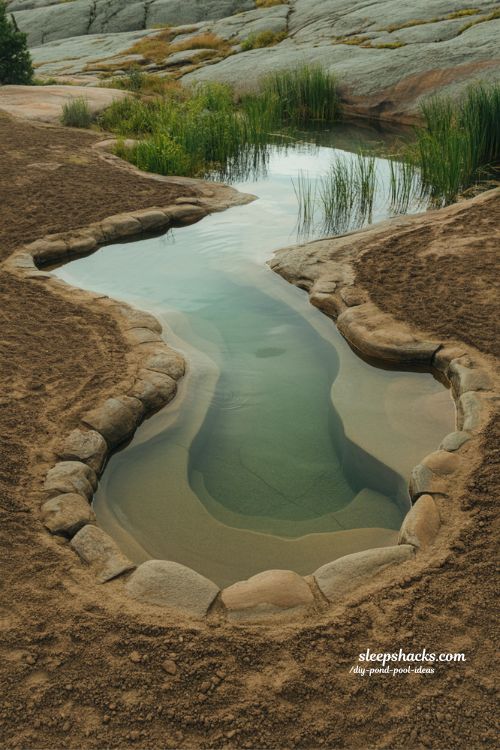
In areas with granite bedrock or heavy clay soil, it’s possible to build a swim pond without a liner at all — the natural geology does the waterproofing. This dramatically reduces material costs and gives the pond an ultra-natural appearance.
Clay-based builds require compaction and time to seal, while granite settings may need light shaping rather than sealing. Research local geology before committing — and connect with experienced builders or online natural pool communities to confirm whether your site qualifies.
14. The Large-Scale DIY Swim Pond at 25×10 Meters
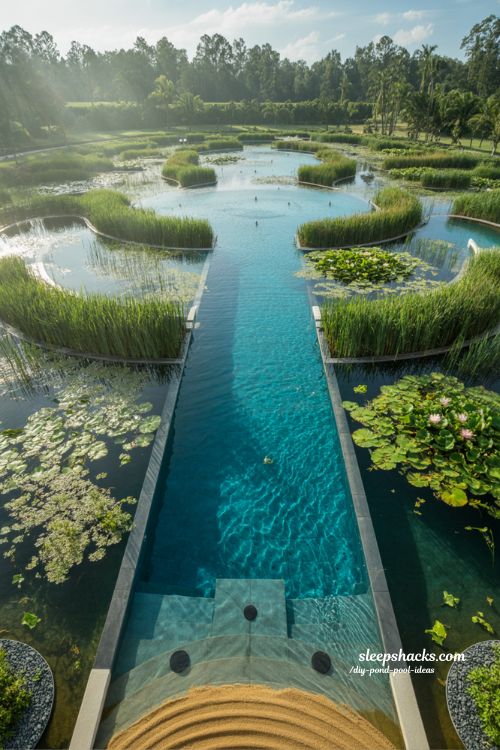
For ambitious builders with the space, a large swim pond in the 400m³ range (roughly 25m x 10m x 1.7m average depth) creates a truly resort-quality experience in your own backyard. These builds include bottom drains, dedicated pump systems, and substantial regeneration zones.
Large-scale builds benefit from regional design communities and experienced contractors who specialize in natural pool engineering. The investment is real — but so is the result. Some builders in this scale range have documented their builds publicly in natural pool DIY groups, offering a wealth of practical detail.
15. The Swim Pond Powered by Gravity — No Pump Needed
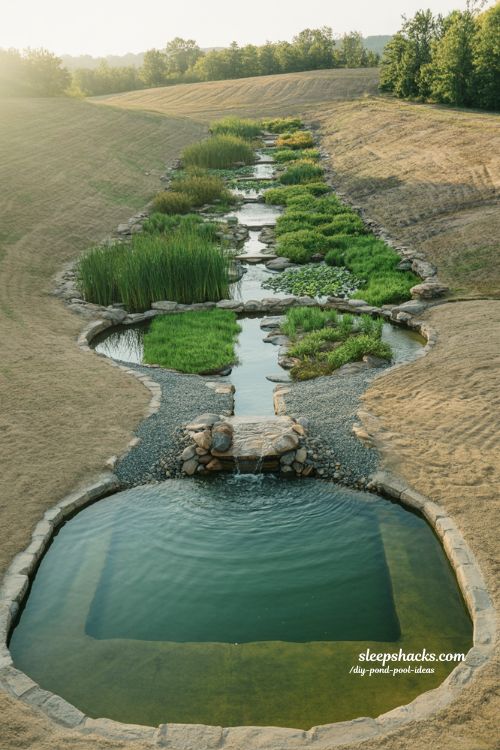
In regions where local regulations restrict pumps in swim water, or simply for the most off-grid approach possible, gravity-fed pond pools are an option. These rely on site grading, overflow channels, and slow-moving natural filtration rather than mechanical circulation.
Setup is more complex and requires careful site planning, but the operating costs are essentially zero once built. Best suited to rural properties with access to natural water flow or significant grade change that can be designed into the filtration system.
16. The Modern Island-Style Natural Pool With Concrete Edges
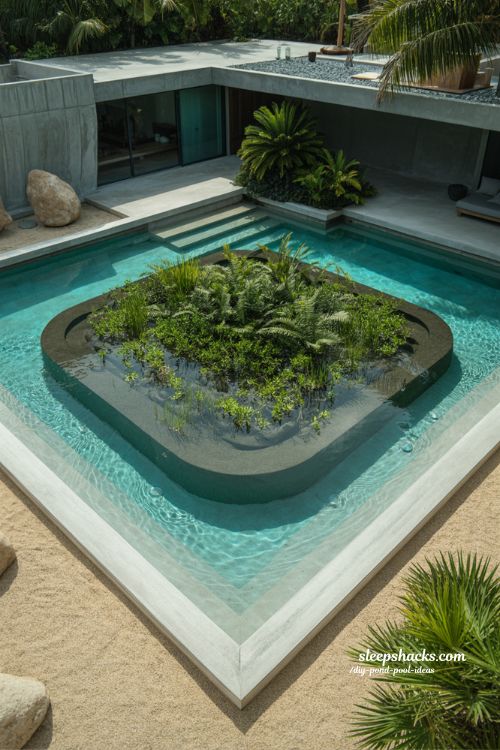
Inspired by tropical resort design, the island-style natural pool combines the shape of a lagoon with the water quality of an ecosystem pond. Concrete edges give it a polished, finished look while the swim zone uses natural filtration rather than chemicals.
This style works well in warmer climates and pairs beautifully with gravel surrounds, large boulders, and ornamental tropical plantings. It’s a high-design look that doesn’t require a team of contractors — just careful planning and a willingness to build in stages.
17. The DIY Pond Pool Starter Build — Small, Simple, and Stunning
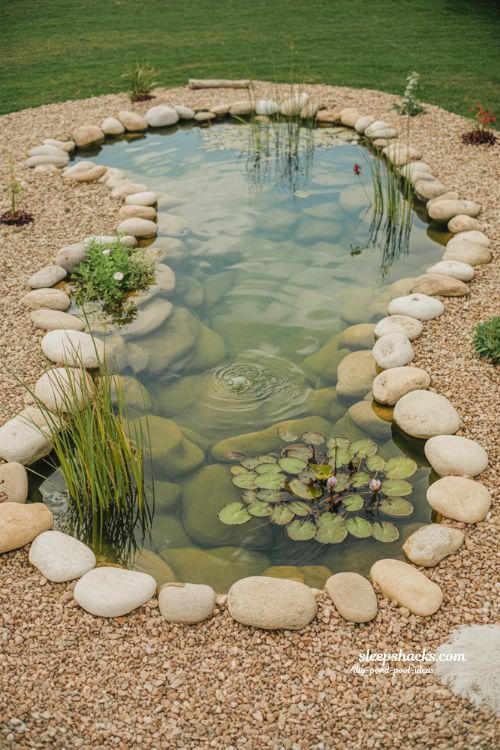
Not ready to tackle a full-scale natural pool? A smaller starter pond — 10 to 15 feet across, 3 to 4 feet deep — gives you the experience of building with liners, gravel, and plants before committing to a larger project. It can function as a plunge pool or cooling dip for adults.
Start with the liner, a small pump, and three or four native aquatic plants. Document your water clarity over a season. The skills you build on a small pond transfer directly to a larger build — and the smaller project might turn out to be exactly what your backyard needed all along.
DIY Pond Pool Comparison Table
| Idea | Best Yard Size | Approx. Budget Range | Skill Level |
| Classic Bog Filter Swim Pond | Large | $10,000–$30,000 | Intermediate |
| Budget Liner Build | Any | Under $5,000 | Beginner |
| Waterfall Swim Pond | Sloped/Medium | $8,000–$20,000 | Intermediate |
| 20×25 Wading Shelf Pond | Medium | $6,000–$15,000 | Beginner–Mid |
| LED Ecosystem Pond | Any | $5,000–$18,000 | Intermediate |
| Reflecting Pool Hybrid | Small–Medium | $8,000–$25,000 | Intermediate |
| River Rock Stone Edge | Any | $4,000–$12,000 | Beginner |
| Concrete Pond | Any | $15,000–$50,000+ | Advanced |
| Pondless Waterfall Entry | Sloped | $5,000–$15,000 | Intermediate |
| Native Plant Frame | Any | $3,000–$10,000 | Beginner |
| Family Wading Bay | Medium | $7,000–$18,000 | Beginner–Mid |
| 50/50 Regeneration Split | Large | $12,000–$35,000 | Intermediate |
| No-Liner Clay/Granite Build | Rural/Large | $2,000–$8,000 | Advanced |
| Large-Scale 25×10m Pond | Very Large | $50,000–$150,000+ | Advanced |
| Gravity-Fed No-Pump Pond | Rural/Sloped | $5,000–$20,000 | Advanced |
| Modern Island-Style Pool | Medium–Large | $15,000–$40,000 | Intermediate |
| Small Starter Plunge Pond | Any | $1,500–$5,000 | Beginner |
FAQ
How much does it cost to build a DIY pond pool?
Costs range widely — from under $2,000 for a small no-liner starter build to $150,000+ for large professionally installed natural pools. The average hands-on DIY swim pond runs between $5,000 and $20,000 depending on size, materials, and filtration complexity.
Do natural swimming ponds need chemicals?
No. A well-designed natural pond pool relies entirely on plants, gravel, and biology to keep the water clean. The regeneration zone — planted with native aquatic species and layered with sand and stone — filters water without any chlorine or other chemicals.
Can kids swim in a pond pool?
Yes — many families specifically design their pond pools with a shallow wading bay for children. A dedicated wading zone 12 to 18 inches deep, separated from the main swim area by a stone shelf, keeps young swimmers safe while the adults use the deeper section.
Do I need a pump for a natural swim pond?
Most natural pond pools do use a pump to circulate water between the swim zone and regeneration zone. However, gravity-fed systems exist for off-grid or regulation-restricted properties. Check local rules — some regions restrict pumps in water people swim in.
How long does a pond liner last?
A quality 44-mil liner can last 20 to 30 years when properly protected from UV exposure. The critical step is covering the liner completely with hand-placed stone or gravel — any exposed liner will degrade significantly faster. Stone coverage is labor-intensive but essential.
Can I have fish in my DIY swim pond?
It’s possible, but fish add nutrients to the water that increase filtration demands. The recommended approach is to build and stabilize your pond first, confirm your filtration is working, then introduce a small number of fish while monitoring water quality closely.
What plants work best for natural pond filtration?
Native wetland species — sedges, rushes, pickerelweed, native irises, and similar plants — are the most effective and lowest maintenance choices. They pull nutrients from the water, outcompete algae, and establish strong root systems in gravel-based regeneration zones.