

Morning light slipping through gauzy curtains, the hush of waves you can’t quite hear but somehow still feel, and a bed dressed in linens so soft you don’t want to leave it. That’s the pull of a coastal bedroom — it’s not about beach souvenirs or anchor throw pillows, it’s about creating a space that feels like a permanent exhale.
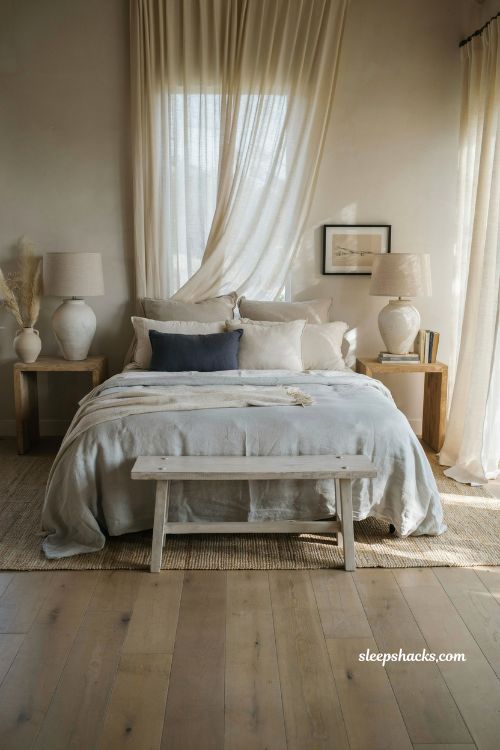
Whether you’re drawn to the crisp white-and-navy of classic Cape Cod or the quieter, sandier tones of modern California style, the right mix of furniture, texture, and light can turn any ordinary bedroom into a real retreat. These seventeen coastal bedroom ideas pull together the small details that make the biggest difference.
1. A Black Bed Anchored by Soft White Linens
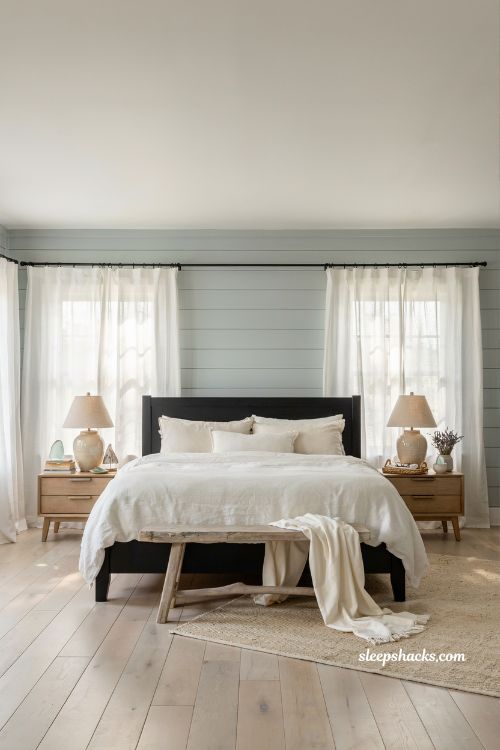
A black bed frame does something white furniture can’t — it gives the room a clear anchor point. Once you set that dark, grounding piece against crisp white linens and a pale rug, the rest of the space feels lighter and airier by contrast. Add a few light wood nightstands nearby and the look stays balanced instead of heavy.
2. White Walls as Your Calm Coastal Base
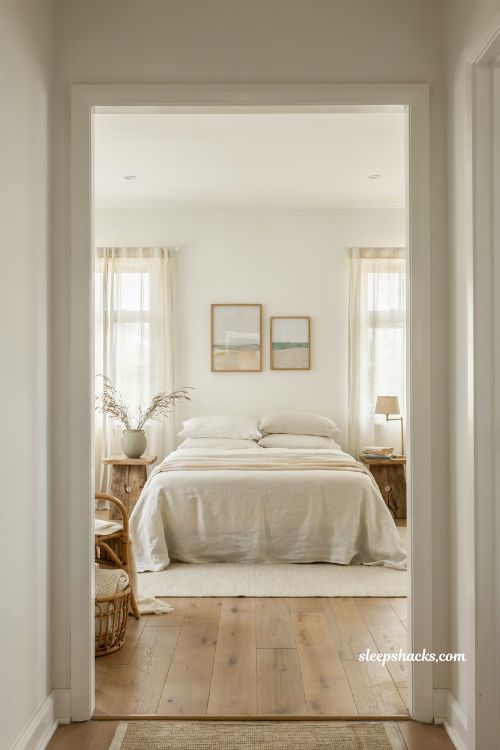
Start with white walls and you’ve already done half the work. They make every other color you bring in — soft blue, sandy beige, sea glass green — feel intentional instead of random. White also bounces natural light around the room, which matters most if your bedroom doesn’t get much sun. Keep trim and ceilings white for a seamless look.
3. Shell Pendant Lights Above Each Nightstand
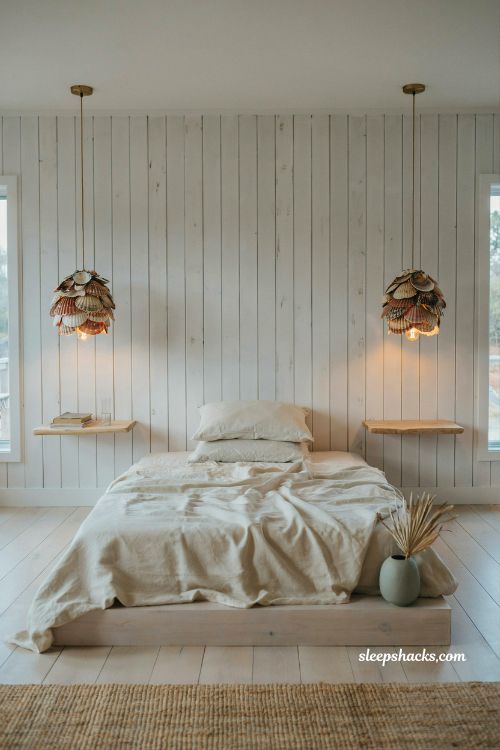
Skip the matching lamps and hang a pair of woven or shell pendant lights above each nightstand instead. It frees up surface space for books and a glass of water, and it adds a soft, organic shape overhead that feels collected rather than store-bought. Look for pendants with a warm, dimmable bulb for evening reading.
4. A Jute Rug Underfoot for Texture
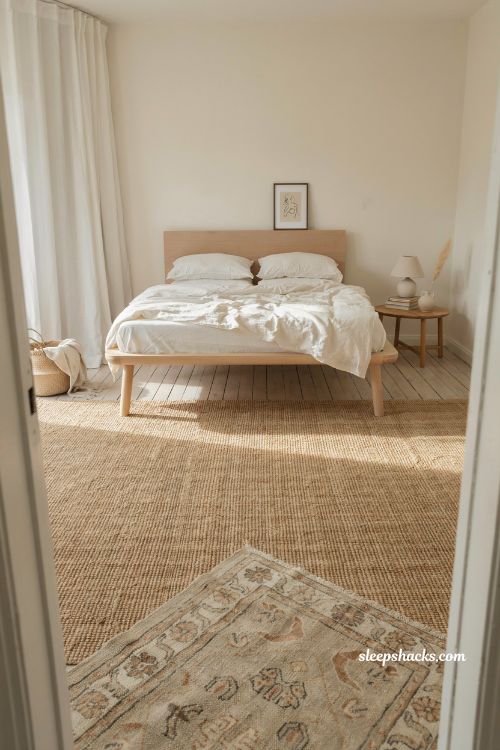
A jute rug brings in texture without adding any extra color to the room, which makes it one of the easiest coastal touches to get right. The slightly rough weave feels grounding underfoot and pairs naturally with both light and dark wood furniture. Layer a smaller patterned rug on top if you want a bit more softness.
5. Rattan Nightstands Paired With a Light Wood Bed
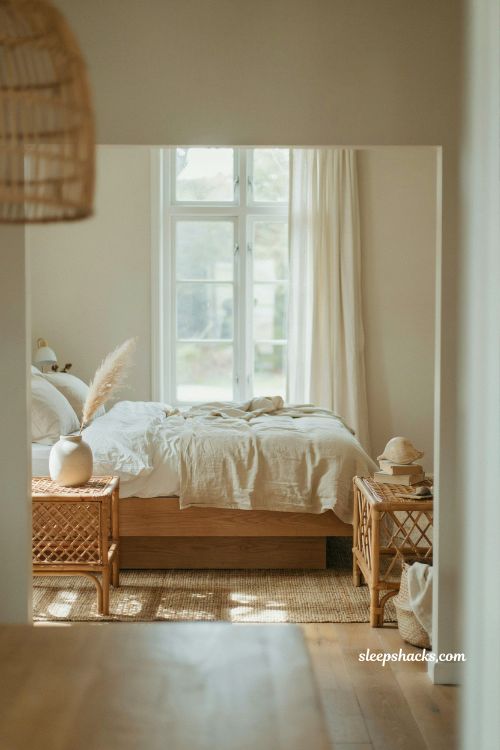
Rattan nightstands bring a relaxed, woven texture that keeps a light wood bed frame from feeling too plain or predictable. The open weave catches shadow and light in a way solid wood furniture never does, giving the room a little visual movement. It’s an easy swap if your current nightstands feel too heavy for the space.
6. A Rustic Wood Bench at the Foot of the Bed
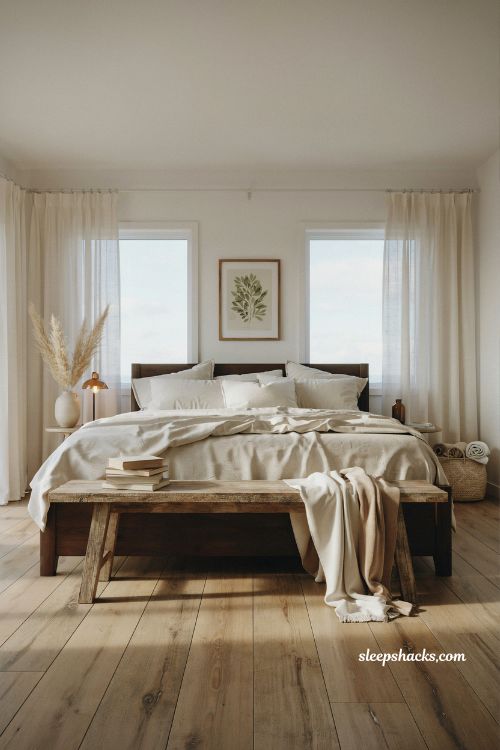
A simple wood bench at the foot of the bed gives you a spot to set folded throws, a stack of books, or your clothes for the morning. Choose something a little weathered or rustic in finish and it’ll contrast nicely against a darker bed frame. It’s practical, but it also fills that awkward empty space most bedrooms have.
7. Wicker Baskets Tucked Beneath the Nightstand
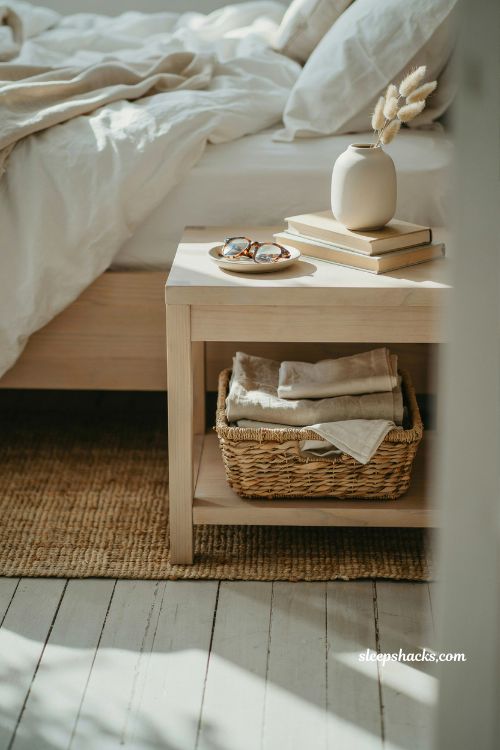
A wicker basket tucked under the nightstand or at the end of the bed is one of those details that does real work. Use it for extra throws, magazines, or laundry waiting to be put away, and you get hidden storage that still looks intentional. The natural material keeps things feeling coastal instead of cluttered.
8. Blue and White for a Classic Coastal Palette
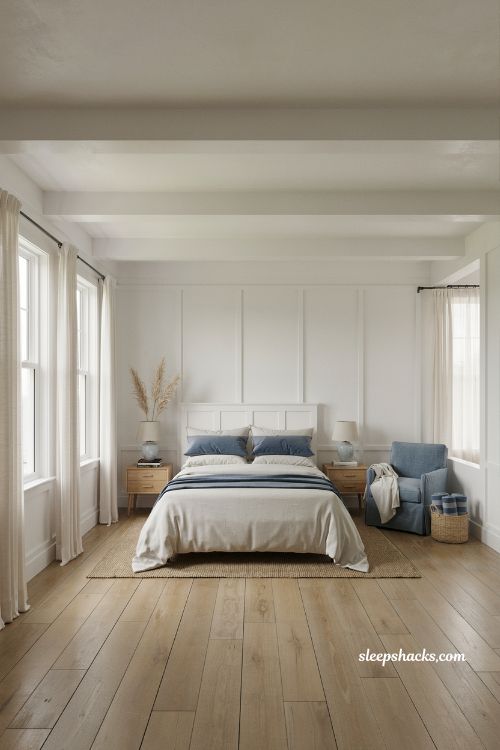
You can’t really go wrong starting with blue and white — it’s the most reliable coastal combination for a reason. Stick to one or two shades of blue across your bedding, curtains, or an accent chair, and let white walls and trim carry the rest. The trick is keeping the blue muted rather than bright or saturated.
9. A Chunky Knit Throw Layered Over Linen Sheets
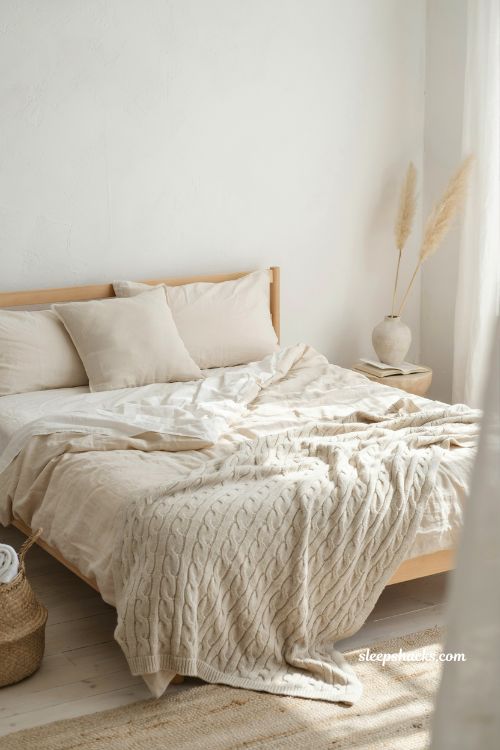
Linen sheets already have that lived-in, breathable texture coastal bedrooms lean on, but a chunky knit throw folded across the end of the bed adds a second layer you can actually feel. It’s a small contrast — crisp linen against soft, thick knit — that makes the bed look styled without trying too hard.
10. Wood Beams Overhead for Cozy Warmth
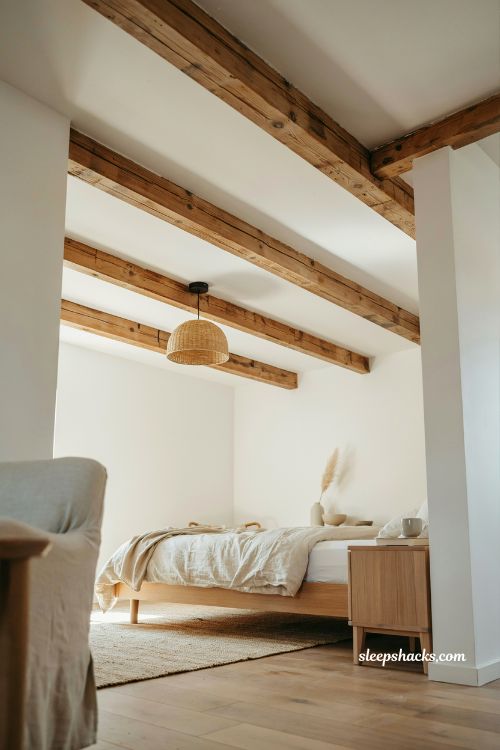
Exposed wood beams pull your eye up and give the ceiling some character instead of leaving it blank. They warm up an all-white room without adding any extra color, which keeps the space feeling calm rather than busy. Even one or two reclaimed beams can completely change how the room feels.
11. Sandy Beige Tones Mixed With Sea Glass Green
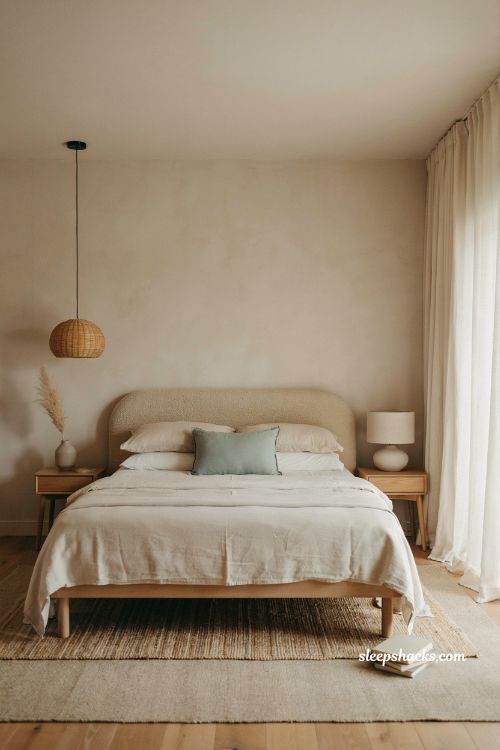
Sandy beige and sea glass green work well together because they’re both colors pulled straight from the shoreline, not from a paint chart trying to look coastal. Use beige on bigger pieces like an area rug or upholstered headboard, then bring in the green through smaller accents like a vase or a single throw pillow.
12. Striped Roman Shades for a Cape Cod Feel
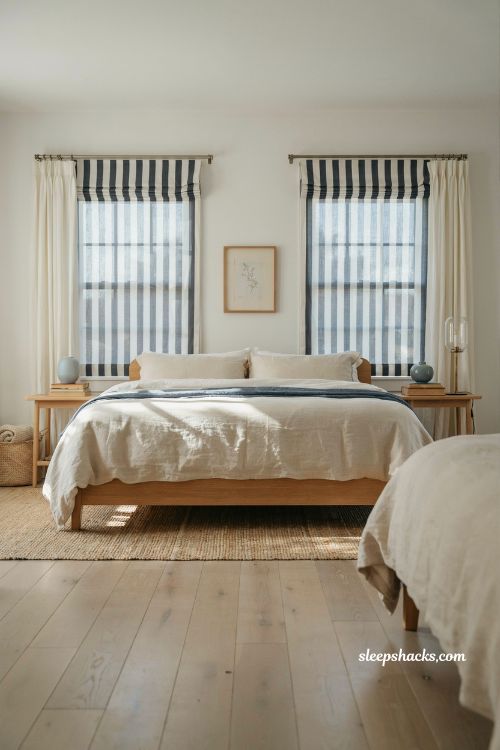
Striped Roman shades are one of the fastest ways to bring in that classic Cape Cod feel without going full nautical theme. Stick to navy and white, or a softer blue, and skip anything that reads too literal — think stripes, not actual anchors or sailboats. They look tailored and let plenty of light filter through.
13. A Woven Chair Tucked Into the Corner
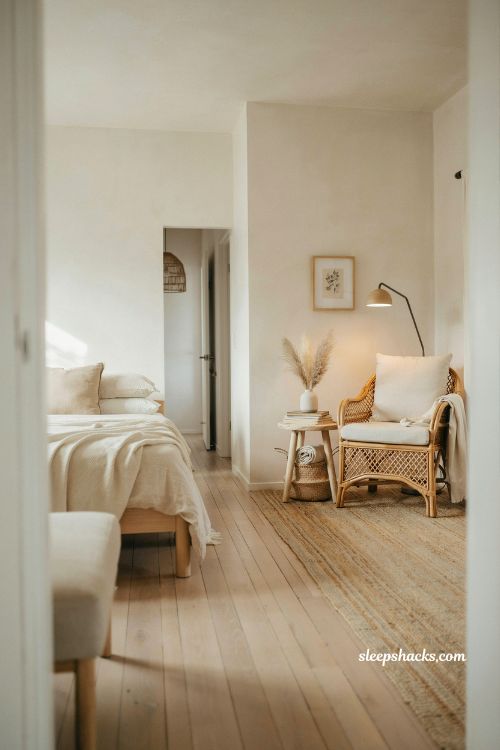
An empty corner is the perfect spot for a single woven or rattan chair — just enough seating to read in without crowding the room. Pair it with a small side table and a floor lamp, and you’ve got a quiet little nook that feels purposeful instead of like leftover space.
14. Vintage Glass Jugs Styled on the Dresser
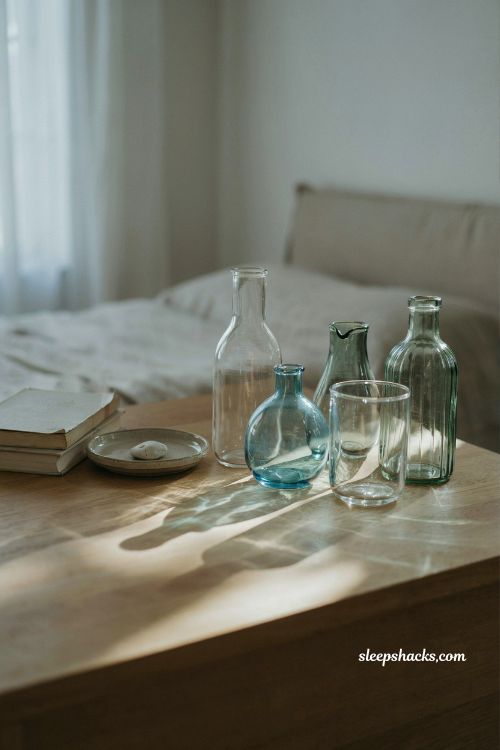
A cluster of vintage glass jugs on top of the dresser catches light in a way that feels effortless, not staged. Mix a few different heights and shades of clear or pale blue glass, and skip flowers if you want it to read as more sculptural than decorative. It’s a detail people notice without knowing exactly why.
15. Found Objects Displayed Like Tiny Art Pieces
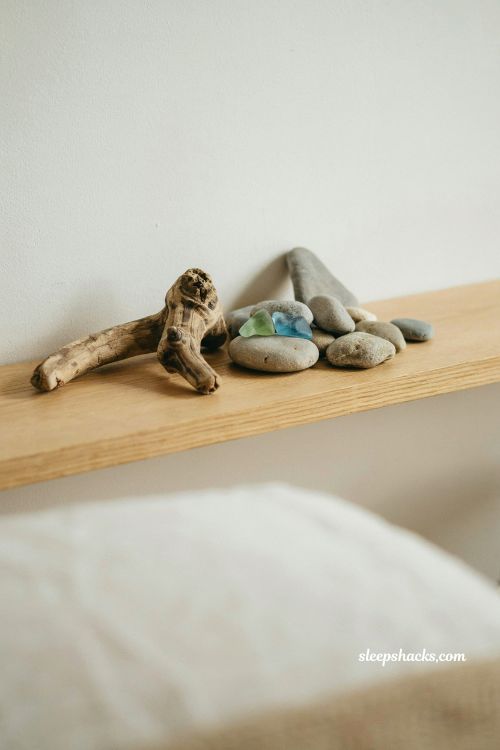
Driftwood, sea glass, or even a smooth stone from a favorite trip can sit on a shelf the same way you’d display art — it just needs a little intention behind the arrangement. Group a few pieces together instead of scattering them, and resist the urge to add anything too literal like fake starfish or shells from a craft store.
16. A Cane Desk for Quiet Morning Moments
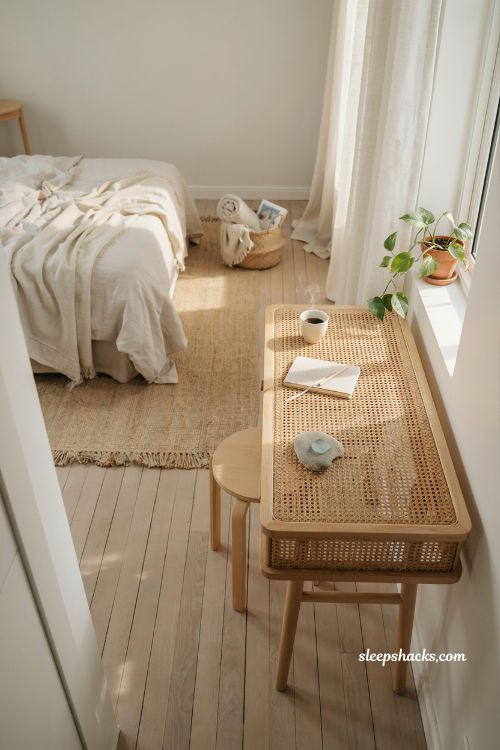
A small cane desk by the window gives you a spot for coffee, journaling, or just looking outside before the day starts. It takes up less visual weight than a solid wood desk, so the corner still feels open. Keep the surface mostly clear and it doubles as a calm little vanity too.
17. Gauzy Curtain Panels That Catch the Breeze
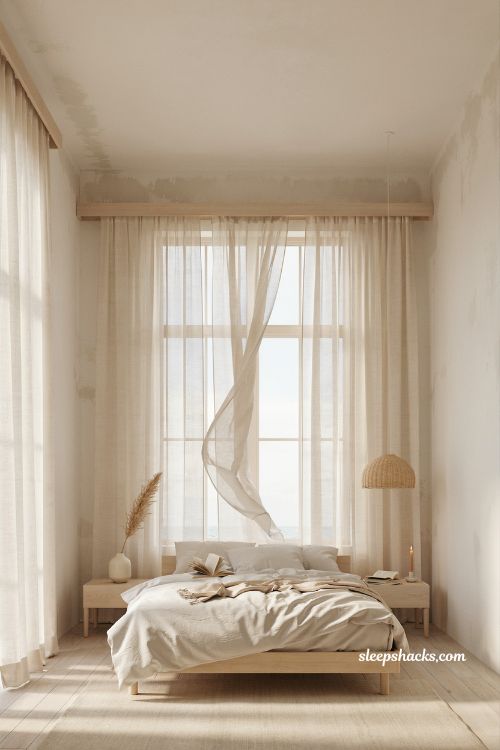
Lightweight, gauzy curtain panels do more for a coastal bedroom than heavier drapes ever could — they let in soft, diffused light and actually move when a window’s open. Hang them slightly higher than the window frame to make the ceiling feel taller. It’s a small change that makes the whole room feel less heavy.
Frequently Asked Questions
Q: What colors work best for a coastal bedroom? Soft blues, whites, and sandy neutrals work best, with small touches of sea glass green or blush for warmth. Stick to muted, weathered tones rather than bright primary colors.
Q: Do I need a beach theme to make a bedroom feel coastal? Not at all. Coastal style is really about texture, light, and a relaxed color palette — anchors, shells, and nautical stripes are optional, not required.
Q: What’s the easiest coastal upgrade for a small bedroom? Swapping in a jute rug or linen bedding makes an immediate difference and costs far less than replacing furniture. Both add texture without taking up visual space.
Q: Can a coastal bedroom work with dark furniture? Yes — a dark or black bed frame against white walls and light linens actually grounds the room and keeps the coastal palette from feeling washed out.