

When I think about a backyard pond, I don’t just picture water sitting in a hole in the ground. I think of those quiet moments in the evening when everything feels softer, the garden sounds a little slower, and even the air seems cooler near the water. I remember standing near a small pond once, watching ripples move without any reason I could see, and it honestly felt like the whole space was breathing.
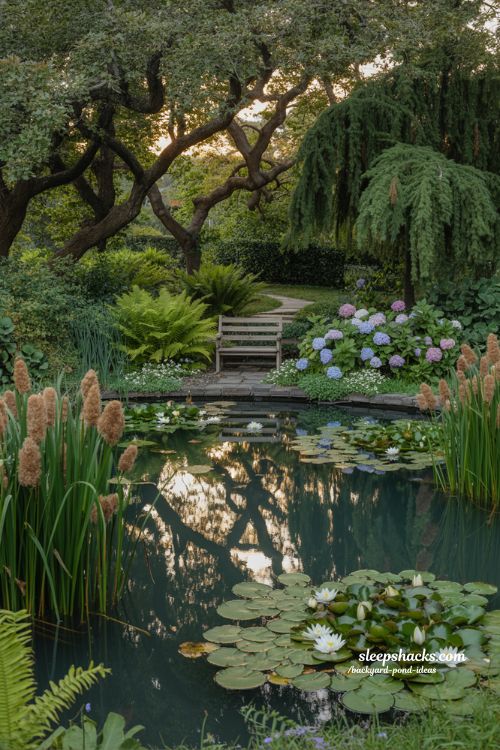
A backyard pond has this strange way of changing how you experience your home. It’s not loud or flashy, but it quietly pulls everything together. The plants look greener, the birds stick around longer, and even a tired day feels less heavy when there’s water nearby.
- A pond adds calm energy to any outdoor space
- Small designs can still feel rich and full of life
- Planning early makes everything easier later
1. Dreamy Backyard Pond Vision for a Calm Outdoor Escape
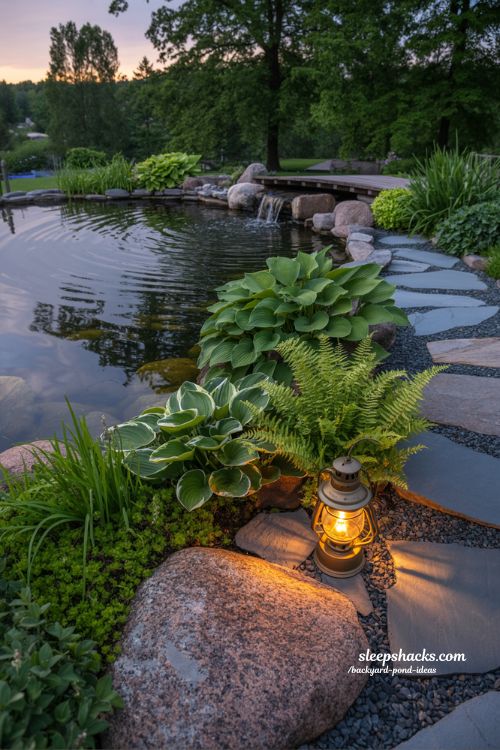
A backyard pond often starts as a simple thought, like “it would be nice to have water here.” But that thought slowly turns into something deeper. You begin imagining sitting nearby in the evening, maybe with tea or just silence, watching light bounce off the surface. That mental picture is actually where most good pond designs begin.
What surprised me most is how emotional this idea can become. It’s not just landscaping. It becomes a kind of personal retreat. Even a small pond can shift your daily rhythm in ways you don’t expect. The key is not to rush the vision. Let it grow naturally in your mind first.
2. Small Backyard Pond Ideas for Tight Spaces
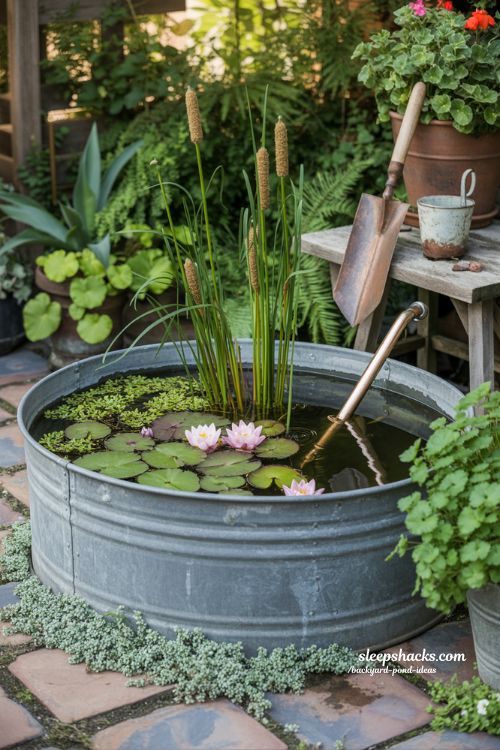
Not every yard is large, and honestly, that doesn’t matter at all. A small backyard pond can feel just as alive as a big one if it’s shaped well. I’ve seen tiny container ponds on patios that felt like miniature worlds. They had floating plants, a bit of movement, and somehow felt complete.
The trick is scale. When everything fits the space, it feels intentional. You don’t need depth or size to create charm. You just need balance. A small pond also feels easier to care for, which means you enjoy it more and worry less.
3. Wildlife-Friendly Backyard Pond That Feels Alive
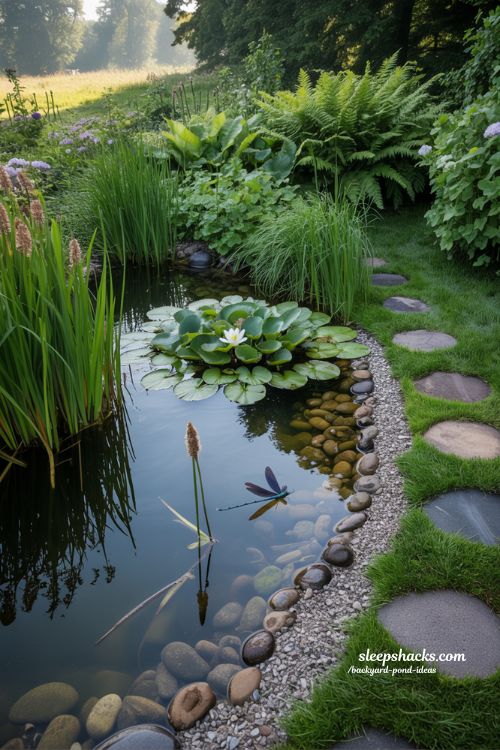
A backyard pond becomes something special when nature starts showing up on its own. Frogs, dragonflies, birds—they don’t need invitations. They just find it. I still remember the first time I saw a dragonfly hover above a pond I helped set up. It felt like a small reward for the effort.
To invite wildlife, you don’t need perfection. In fact, a slightly natural look works better. Plants along the edges, shallow areas, and calm water make it welcoming. Once life arrives, the pond stops feeling like decoration and starts feeling like a living system.
4. Waterfall Backyard Pond for Sound and Movement
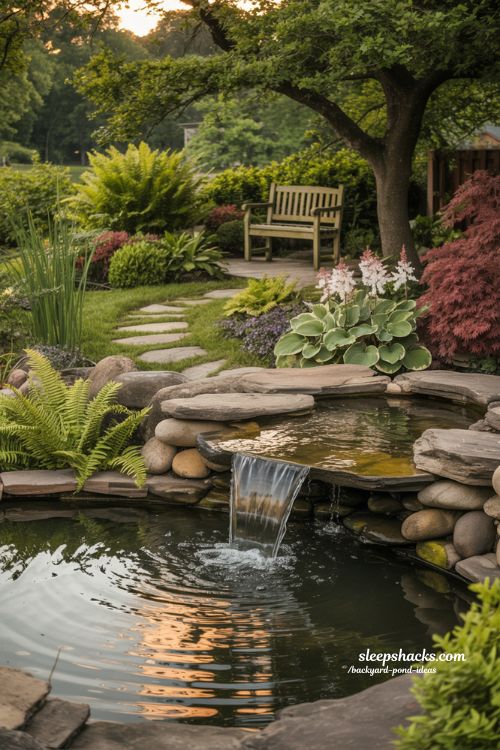
There’s something deeply satisfying about a backyard pond with a waterfall. The sound alone changes the mood of the entire garden. It covers distant noise and replaces it with something steady and natural. Even a small trickle of water feels enough.
Water movement also helps keep the pond healthy. It adds oxygen and prevents stillness. But beyond function, it’s really about feeling. I’ve noticed people naturally slow down when they hear flowing water. It’s like the sound tells the brain it’s okay to rest.
5. Landscaping Around a Backyard Pond
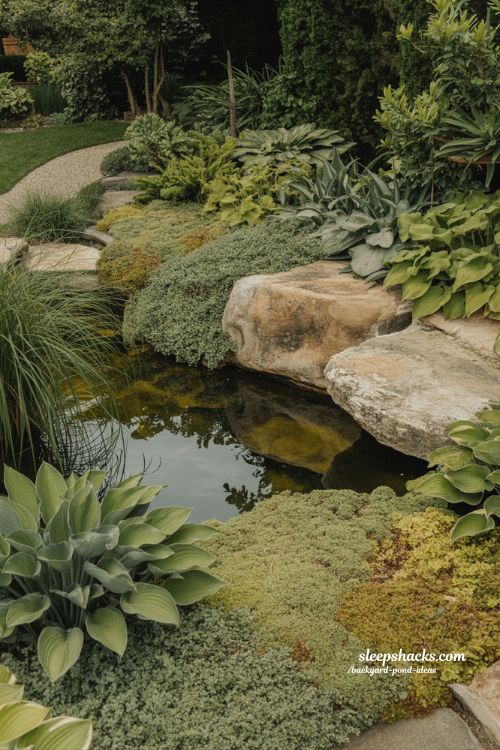
A pond without surroundings can feel incomplete. The land around it matters just as much as the water itself. When plants, stones, and soft edges come together, everything starts to blend naturally. It doesn’t feel built anymore. It feels discovered.
I like to think of pond landscaping as framing a picture. You’re not trying to control nature. You’re just guiding it a little. Even a few well-placed plants can soften hard edges and make the pond feel like it belongs where it is.
6. Rustic Backyard Pond Using Natural Materials
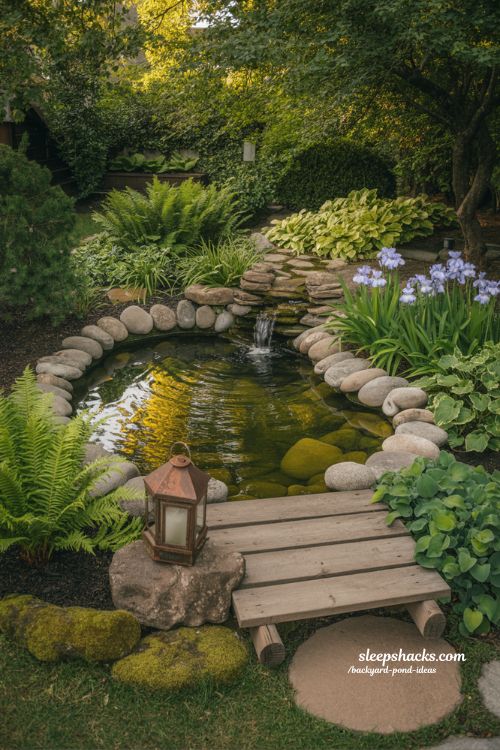
Rustic design always feels honest to me. A backyard pond built with stone, wood, and uneven edges doesn’t try to impress anyone. It just exists comfortably in its space. That’s what makes it beautiful.
Natural materials age well. They blend into the garden over time instead of standing out. And honestly, that slow blending is part of the charm. You’re not fighting nature—you’re letting it take part in the design.
7. Budget Backyard Pond Ideas That Still Look Stunning
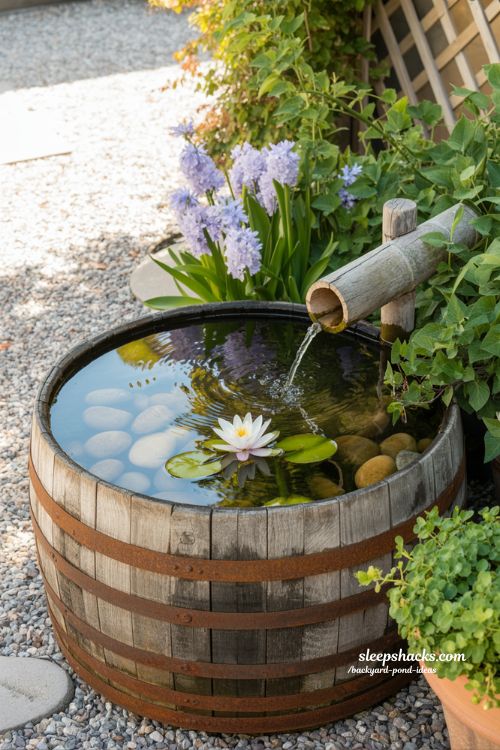
You don’t need a huge budget to build a backyard pond that feels special. I’ve seen people use old barrels, tubs, and even recycled containers to create something surprisingly beautiful. The secret is not money—it’s creativity.
When you focus on shape, plants, and water movement, the cost matters less. A simple setup can still feel rich if it’s done with care. And honestly, budget ponds often feel more personal because they come from experimentation, not perfection.
Table 1: Backyard Pond Cost Comparison
Before jumping into building, it helps to understand how cost changes with size and materials. This table gives a simple breakdown based on real-world common setups.
| Pond Type | Estimated Cost | Features |
| Container pond | Low | Small, portable, easy setup |
| DIY in-ground pond | Medium | Liner, plants, basic pump |
| Large landscaped pond | High | Waterfall, fish, full ecosystem |
Costs vary depending on material choices and labor, but this gives a general idea of where most people start. The important thing is not the number—it’s choosing something that fits your space and comfort level.
8. Modern Backyard Pond Design With Clean Lines
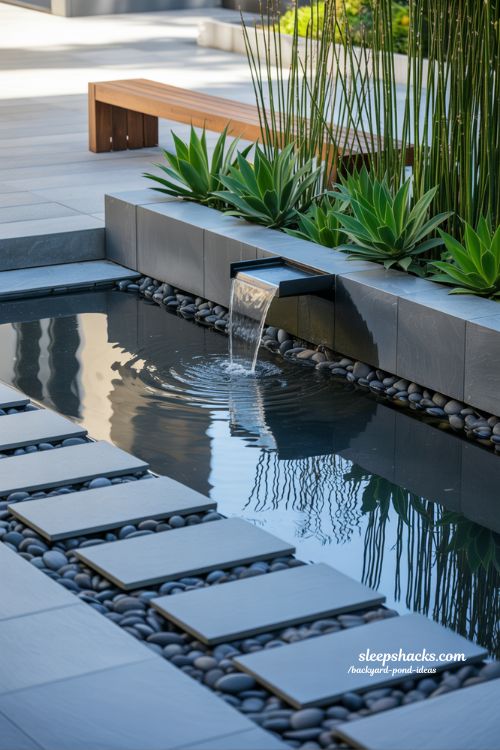
Modern pond design feels very different from natural styles. It’s more structured, more intentional. Straight edges, smooth stone, and simple layouts create a calm visual rhythm. There’s less “wild” feeling, but more clarity.
What I like about modern ponds is how they fit into urban homes. They don’t try to mimic nature fully. Instead, they reinterpret it. That balance between natural water and clean design can feel very peaceful in a different way.
9. Fish Pond Backyard Setup for Living Movement
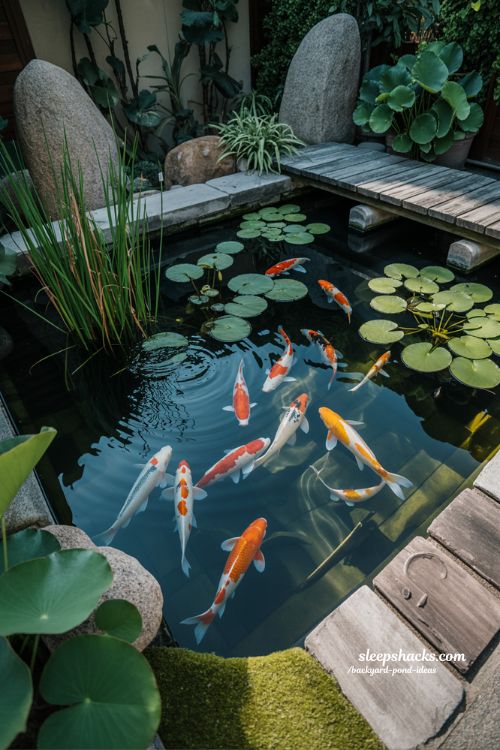
Adding fish to a backyard pond changes everything. Suddenly the water isn’t just reflective—it becomes active. Koi and goldfish move slowly but constantly, giving the pond a living presence.
But fish also bring responsibility. Water quality matters more, and balance becomes important. Plants, filtration, and space all need to work together. When done right, though, a fish pond feels like a tiny ecosystem you get to observe every day.
10. Aquatic Plants That Shape a Backyard Pond
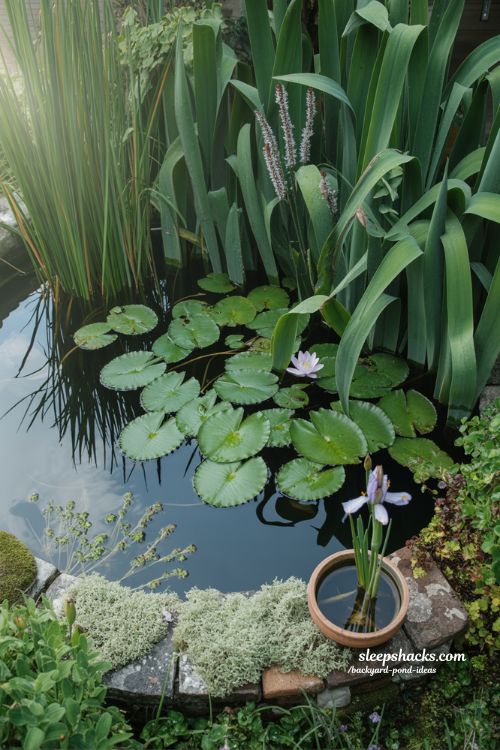
Plants are the quiet workers of any pond. They clean water, reduce algae, and soften the look of everything. Water lilies floating on the surface always feel a bit magical to me, like they belong in stories rather than backyards.
Different plants serve different roles. Some stay submerged, some float, and others grow around the edges. Together, they create a natural balance that keeps the pond stable and visually rich.
11. Patio Backyard Pond for Everyday Living Spaces
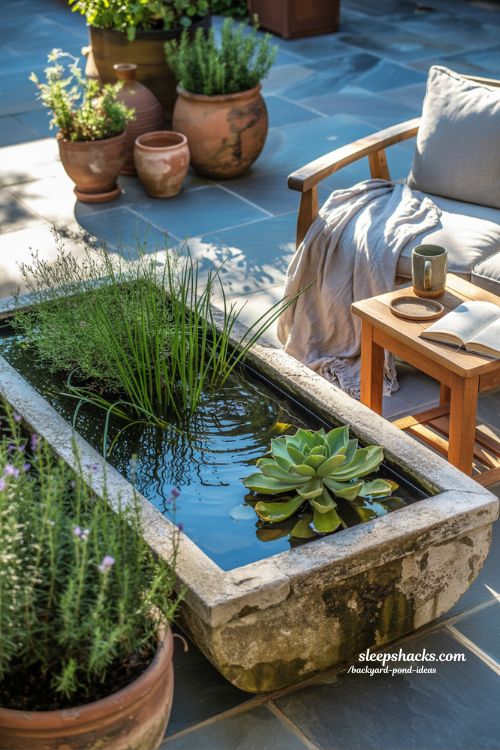
A patio pond brings water closer to daily life. Instead of walking to a garden corner, you see it right where you sit. It changes how you use your space. Morning coffee feels different when there’s water nearby.
These ponds are usually small, but their impact is big. Even a simple container pond can add calm energy to a patio. It’s less about size and more about placement.
12. Raised Backyard Pond for Easy Maintenance
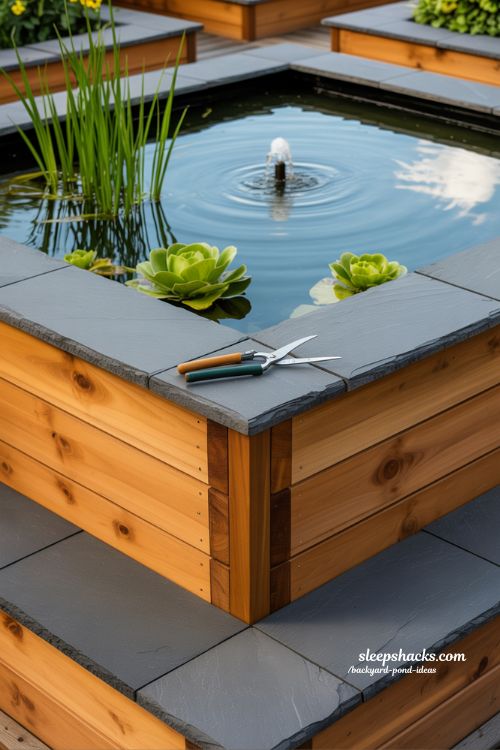
Raised ponds sit above ground level, which makes them easier to access and maintain. You don’t have to bend or dig deep. That alone makes a big difference over time.
They also look structured and intentional. Often built with wood or stone, they can fit modern or rustic styles depending on finish. For people who want beauty without heavy maintenance, this is a very practical option.
Table 2: Pond Maintenance Tasks Breakdown
Maintenance sounds complicated, but in reality, it’s mostly small habits done regularly. This table simplifies what usually needs attention.
| Task | Frequency | Purpose |
| Debris removal | Weekly | Keeps water clear |
| Pump check | Monthly | Ensures circulation |
| Plant trimming | Seasonal | Maintains balance |
Most pond care is light if the system is balanced. Once it stabilizes, it becomes more about observation than constant work.
13. Shade Backyard Pond for Cooler Garden Spaces
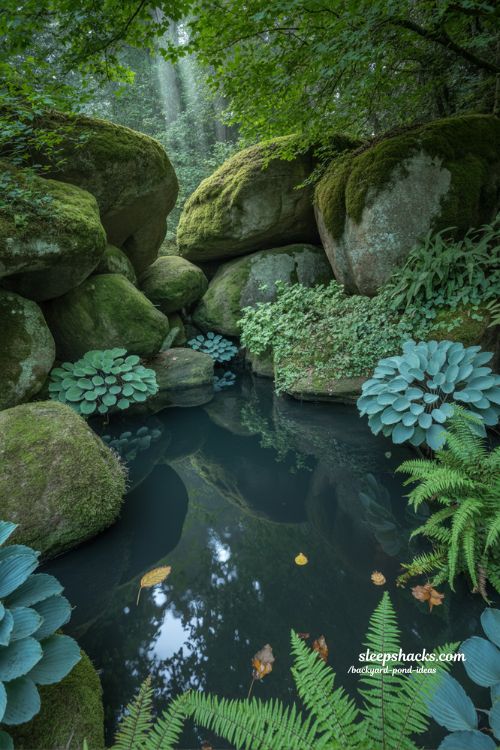
A shaded pond feels different from a sunny one. It’s cooler, calmer, and often more stable. Less sunlight means slower algae growth, which helps with maintenance too.
Trees or structures nearby can create this shade naturally. It also adds depth to the garden atmosphere. A shaded pond feels like a quiet corner you naturally drift toward.
14. Container Backyard Pond for Simple Setup
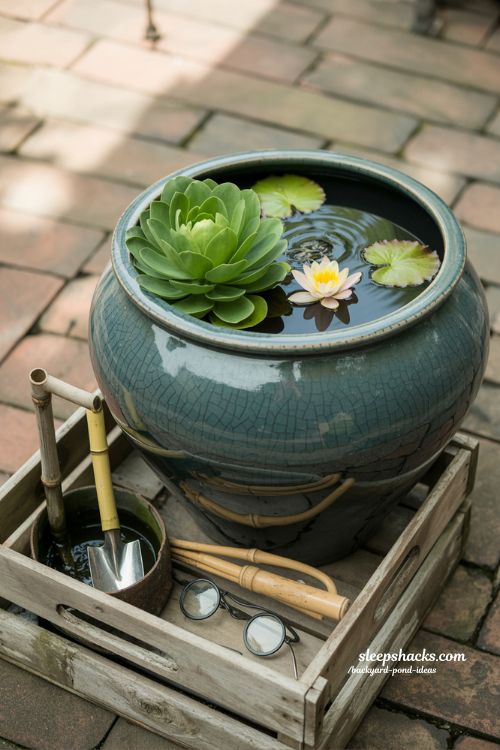
Container ponds are probably the easiest way to start. You don’t dig anything. You just place a container, add water, plants, and maybe a small pump. That’s it.
What I love about them is how flexible they are. You can move them, change them, or rebuild them without stress. They’re perfect for learning how a pond works before committing to something larger.
15. Lighting Ideas for a Backyard Pond at Night
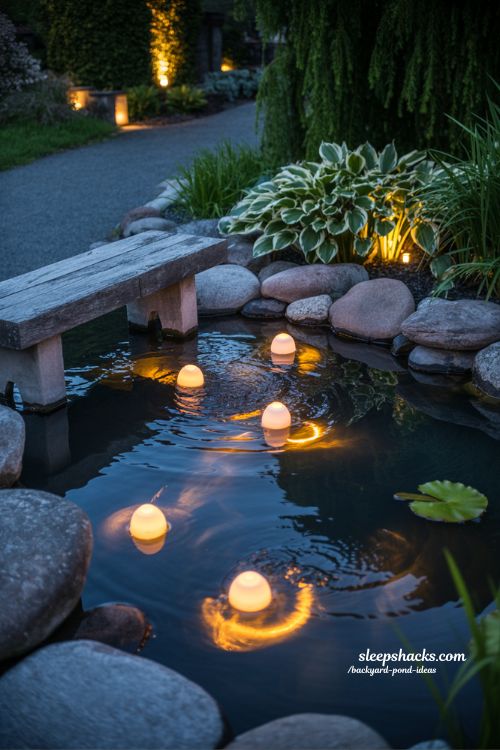
Night changes everything. A backyard pond with soft lighting feels almost unreal. Reflections become stronger, and movement becomes more visible.
Lighting doesn’t need to be bright. In fact, softer tones work better. They highlight water without overpowering it. The goal is mood, not brightness.
16. Large Backyard Pond for Full Landscape Impact
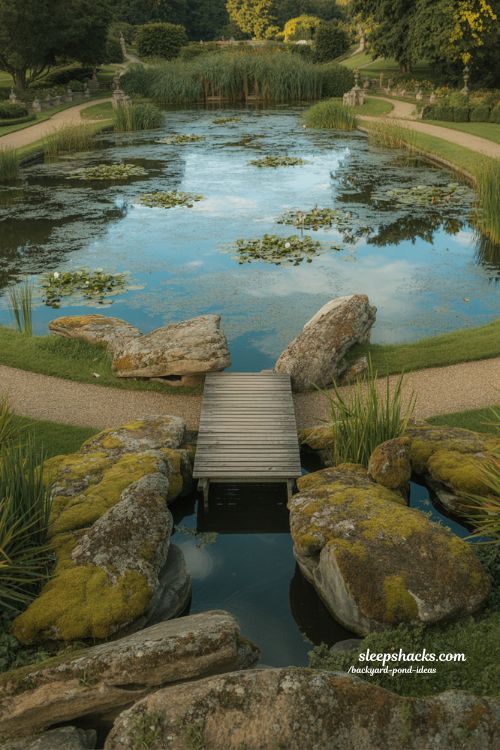
A large pond becomes the center of everything. It’s no longer a feature—it’s the landscape itself. Paths, plants, and seating all start to revolve around it.
This kind of pond requires planning, but the result is powerful. It supports wildlife, fish, and complex ecosystems. It feels less like decoration and more like a natural environment.
17. Low-Maintenance Backyard Pond That Runs Itself Better
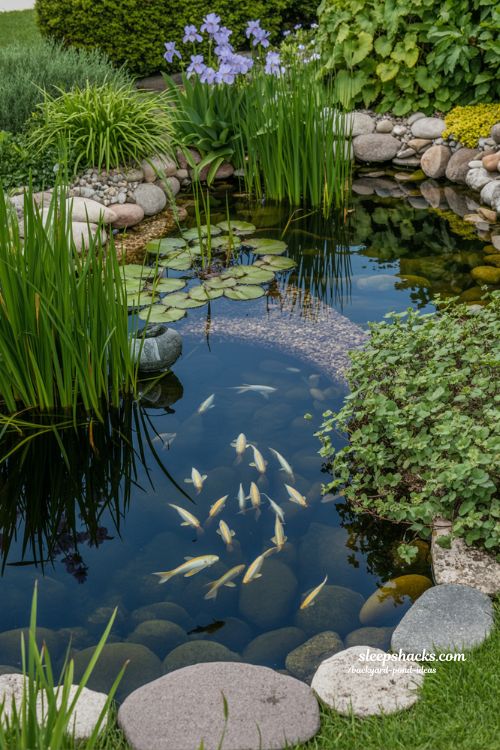
A low-maintenance backyard pond is all about balance. When plants, fish, and filtration work together, the system stabilizes naturally. That’s when things get easy.
Honestly, the goal isn’t zero work. It’s less stress. Once the pond finds its rhythm, you spend more time enjoying it than fixing it. And that’s when it truly becomes part of your life.
FAQ
A backyard pond can feel complicated at first, so here are some simple answers to common questions.
How deep should a backyard pond be for fish?
A depth of around 2 to 3 feet works well for most fish ponds. Deeper areas help fish stay safe during temperature changes and give them space to move comfortably.
Do I need a pump in my backyard pond?
Yes, in most cases a pump helps keep water moving. It reduces algae growth, adds oxygen, and keeps the pond healthier overall.
Can a backyard pond attract mosquitoes?
It can if the water is still. But moving water and fish usually prevent mosquitoes from breeding by disrupting their lifecycle.
What is the easiest type of backyard pond to build?
Container ponds are the easiest. You don’t need digging, just a container, water, plants, and a small pump if needed.
How do I keep my backyard pond water clear?
Balance is key. Use plants, avoid overfeeding fish, and keep water moving. Regular debris cleaning also helps a lot.
Can I build a backyard pond myself without experience?
Yes, many people start with DIY kits or small container ponds. Starting small helps you learn without pressure.
Is a backyard pond expensive to maintain?
Not usually. Once set up properly, maintenance is mostly light cleaning, pump checks, and occasional plant care.
Backyard pond ideas create a stunning, peaceful garden space with powerful designs, natural beauty, and easy inspiration for any outdoor area.