

There’s a reason mulch keeps showing up in every backyard makeover you pin. It’s not just filler — it’s the thing that ties a garden together, makes your plants pop, and keeps the whole yard looking intentional instead of thrown-together.
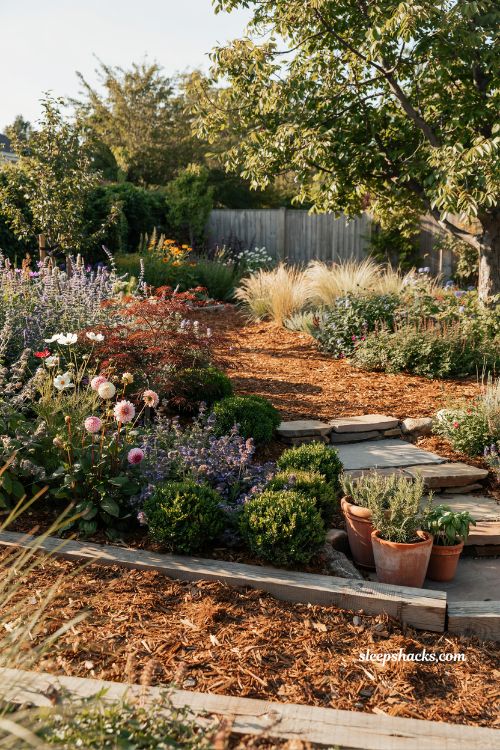
Whether you’re starting from scratch or just trying to refresh a tired outdoor space, mulch gives you more design flexibility than most people realize. These 17 ideas prove it.
1. Dark Mulch Around a Fire Pit for a Sleek Outdoor Vibe
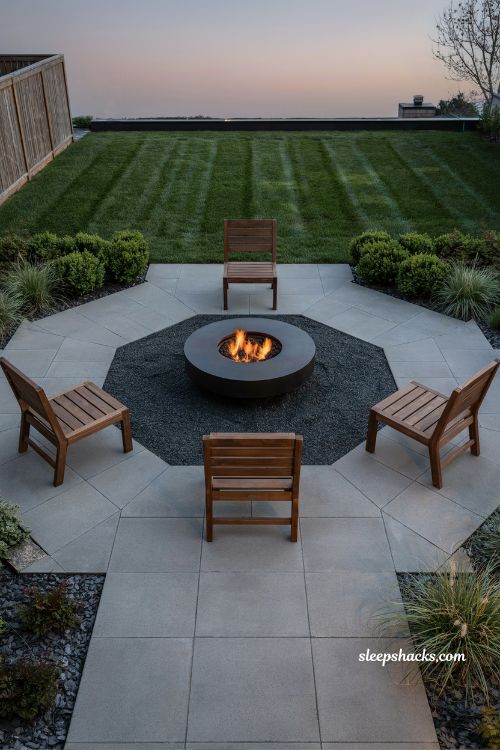
A ring of dark brown or black mulch around a fire pit creates a clean, grounded look that feels intentional. It also acts as a natural buffer zone between the seating area and your lawn. Pair it with concrete pavers and low wood chairs for a modern setup that photographs beautifully and stays easy to maintain.
2. A Wide Mulch Border That Frames the Whole Backyard
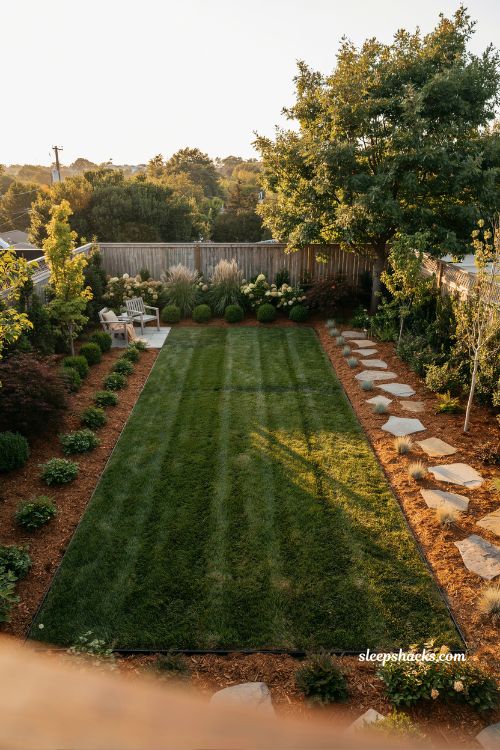
Instead of thin little beds along the edges, go wider. A generous mulch border — at least three feet deep — makes the whole yard feel designed rather than default. Fill it with layered plants at different heights, and the mulch underneath ties everything together into one cohesive look that holds up through every season.
3. Red Mulch Under Palm Trees for a Tropical Feel
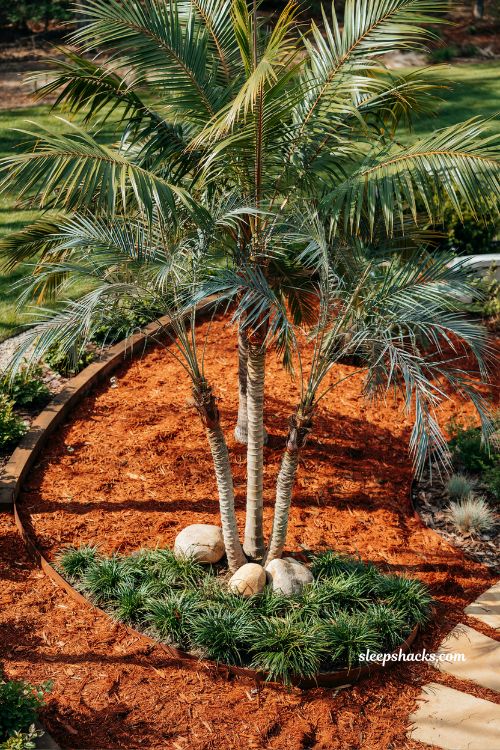
Red mulch reads warmer than brown, and under the right plants it creates a genuinely tropical atmosphere. Pair it with date palms or silver fountain palms and you’ve got a statement planting that looks like it belongs on a resort. The color contrast between the red mulch and green fronds is bold without being over the top.
4. Layered Rock and Mulch Beds Along a Wood Fence
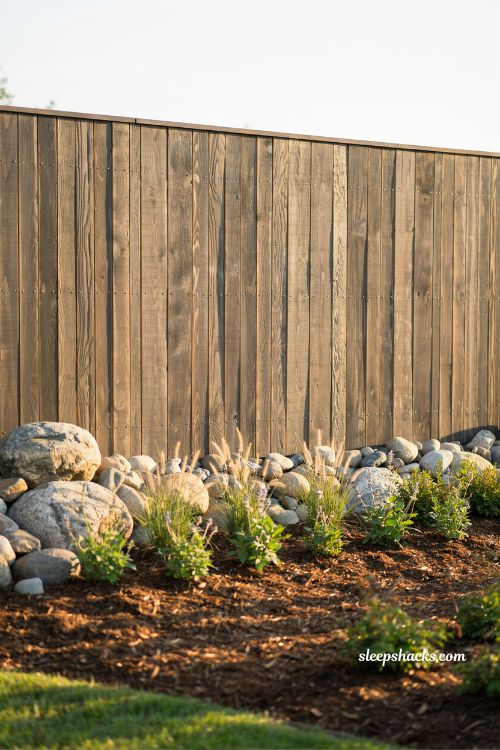
A wood fence makes a great backdrop for a layered garden bed. Use large rocks or boulders along the base, fill in with mulch, then plant in between. The combination of textures — rough wood, smooth stone, and soft mulch — adds real visual depth. It’s also a smart way to cover an otherwise bare fence line.
5. A Mulch Path That Winds Through the Garden Naturally
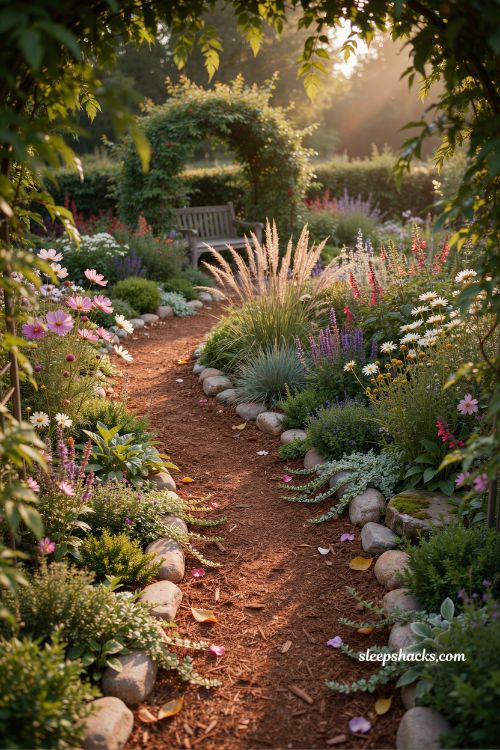
Straight paths are fine, but a winding mulch path through the backyard adds charm and makes the space feel bigger than it actually is. Line the edges with river rocks or low border plants to keep the mulch contained. This works especially well in cottage-style gardens where a little informality is part of the design.
6. Large Boulders Nestled Into a Fresh Mulch Garden Bed
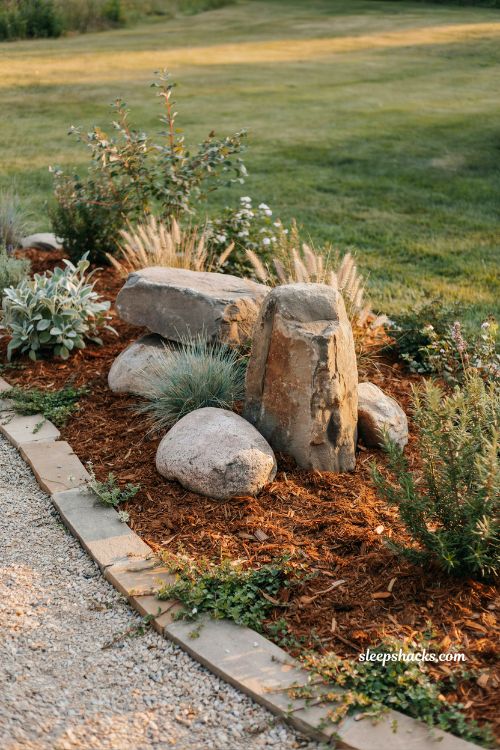
Boulders do something no plant can — they add permanent height and structure without any upkeep. Set two or three into a mulch bed at different angles and the whole thing looks like a thought-out composition. The mulch grounds them and softens the overall look so the boulders read as art rather than leftover construction debris.
7. Black Mulch With Bright Green Plants for Bold Contrast
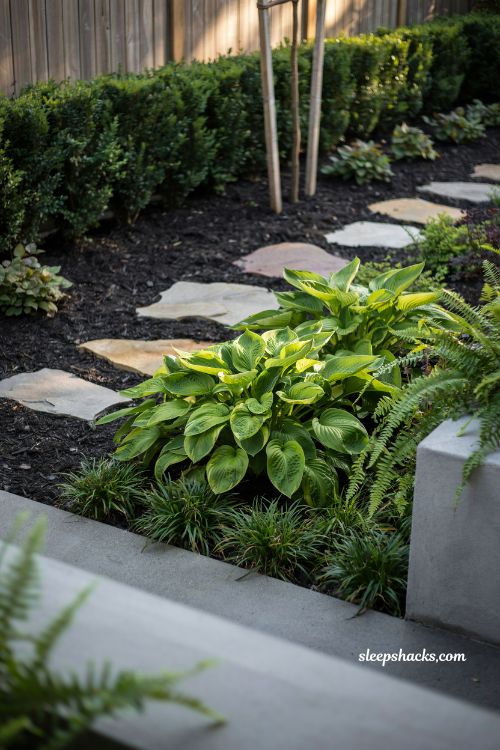
Black mulch is underrated. Against bright green foliage — think hostas, ferns, or mondo grass — the contrast is sharp and modern. It makes the plants look more vivid and the whole bed look sharper. If your backyard leans toward a contemporary aesthetic, black mulch is an easy way to reinforce that without spending much.
8. A Play Area Surrounded by a Safe Soft Mulch Ground Cover
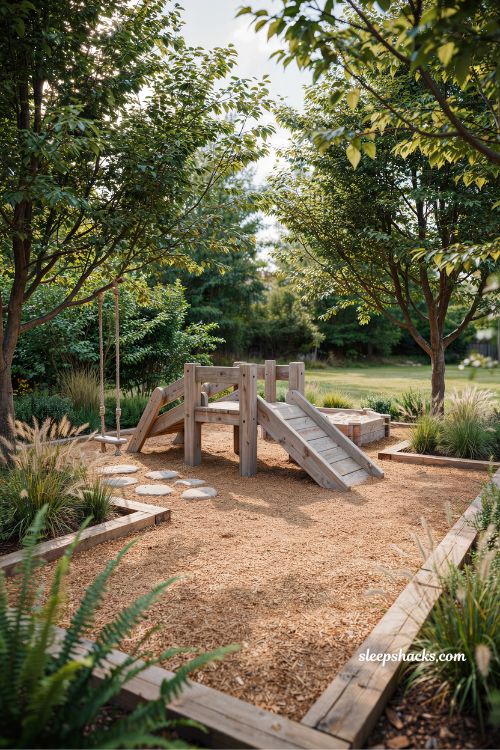
Wood chip mulch is one of the best surfaces for kids’ play areas. It cushions falls, stays cooler than rubber alternatives in summer, and looks natural rather than synthetic. Define the edges with timber borders to keep the mulch in place, and you get a play zone that blends with the rest of the yard instead of sticking out.
9. Pea Gravel and Mulch Combined for a Mixed-Texture Look
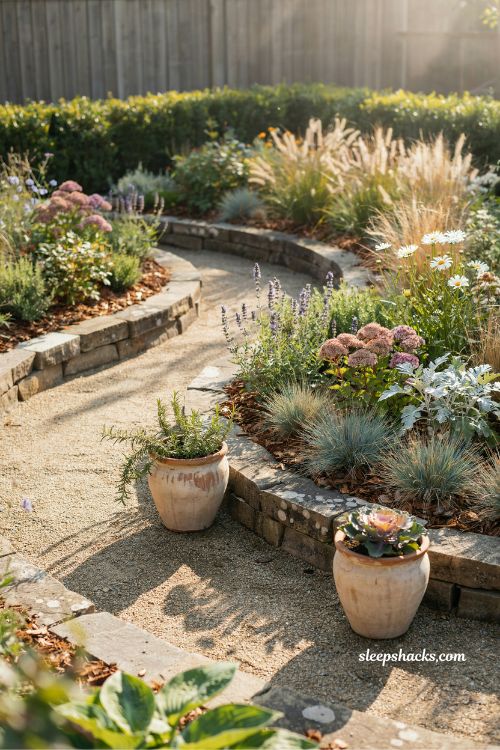
Using both pea gravel and mulch in the same garden creates texture contrast that keeps the eye moving. Gravel works well in the open areas between plantings, while mulch goes closer to the base of plants where moisture retention matters more. The two materials complement each other without competing, and together they cover a lot of ground efficiently.
10. Raised Planters Sitting in a Clean Brown Mulch Base
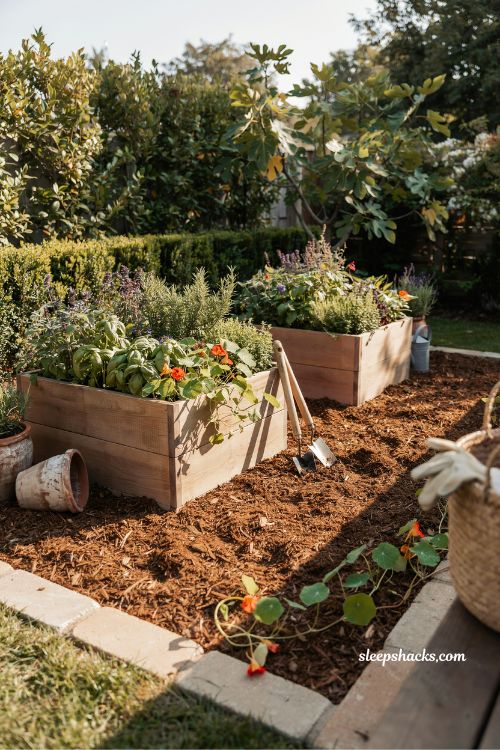
If you have raised planters in the backyard, putting a clean layer of brown mulch beneath and around them pulls the whole setup together. It hides bare soil, reduces weeds, and gives the planter grouping a finished, intentional feel. Refreshing the mulch once a year keeps everything looking sharp even as the plants grow and change.
11. Stacked Stone Borders Edging a Simple Mulch Garden
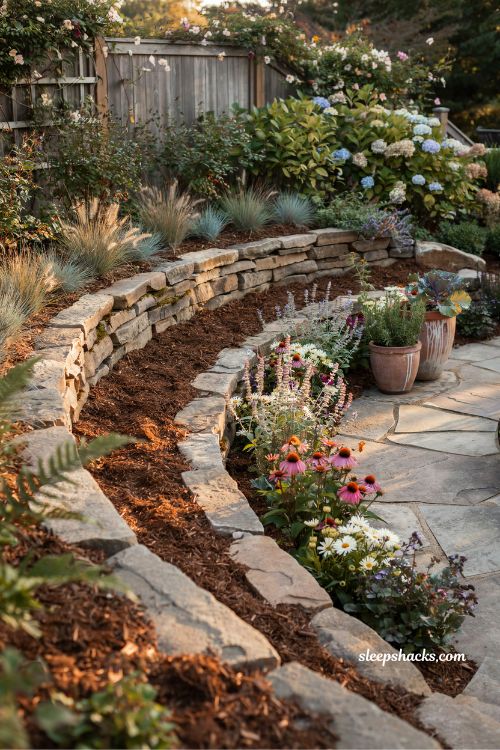
Stacked stone edging is one of the most satisfying ways to define a mulch bed. It holds the mulch in place, adds height, and brings a natural, handcrafted quality to the garden. You can keep it low — just two or three layers — or build it taller for a retaining wall effect on a sloped yard. Either way, it elevates the whole look.
12. A Shaded Corner Turned Into a Mulch-Covered Reading Spot
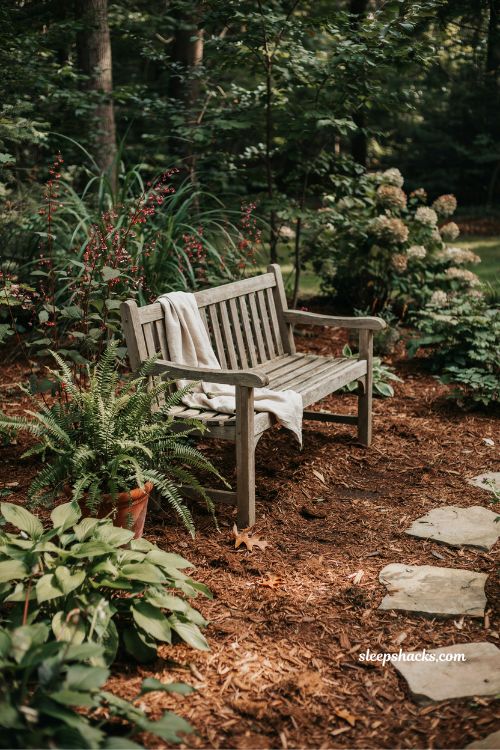
That shady corner of the backyard where nothing seems to grow? Turn it into something intentional. Lay down a thick layer of mulch, add a simple bench or a couple of outdoor chairs, and plant a few shade-loving ferns around the edges. The mulch keeps it tidy underfoot and gives the spot a quiet, tucked-away feeling that’s actually nice to sit in.
13. Dwarf Trees Anchored in a Circular Mulch Ring
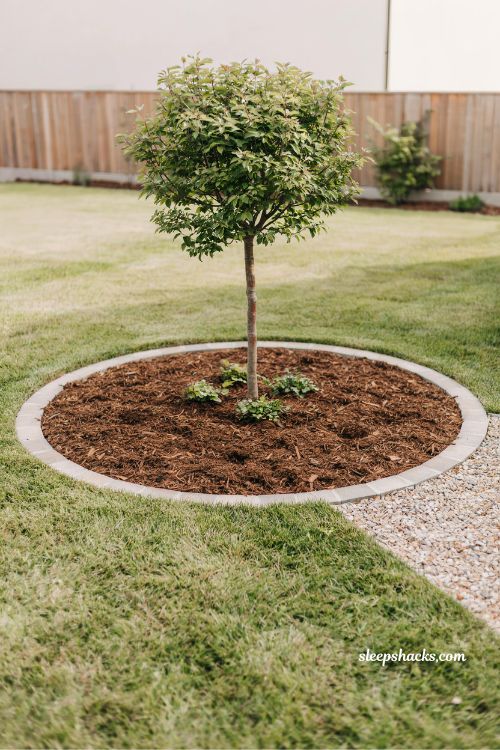
A circular mulch ring around the base of a dwarf tree looks clean and protects the root zone at the same time. Keep the ring at least two feet wide and away from the trunk to avoid moisture buildup against the bark. This is one of those simple details that makes a yard look well-cared-for without much effort at all.
14. A Sloped Yard Tamed With Mulch Beds and Retaining Walls
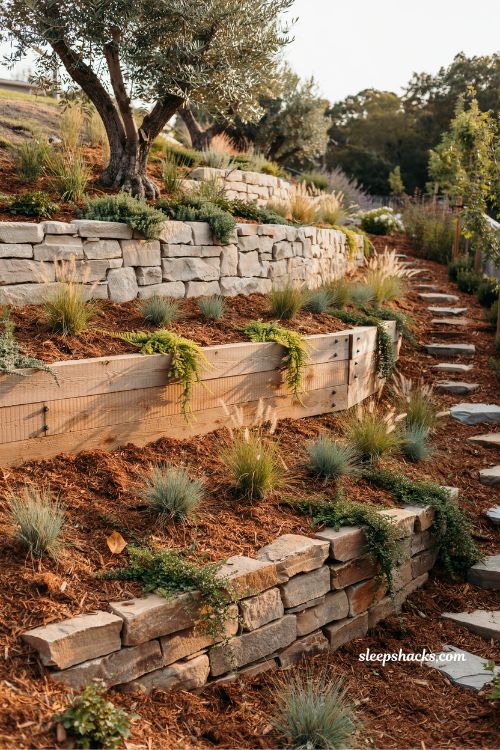
Slopes are tricky but mulch makes them a lot more manageable. Combined with retaining walls — stone, timber, or concrete — mulch helps hold soil in place and keeps the terraced sections looking neat. You can plant low ground-cover perennials through the mulch for extra erosion control, and the whole hillside ends up looking like a designed feature rather than a problem.
15. Succulents and Lava Rock Mixed Into a Desert Mulch Bed
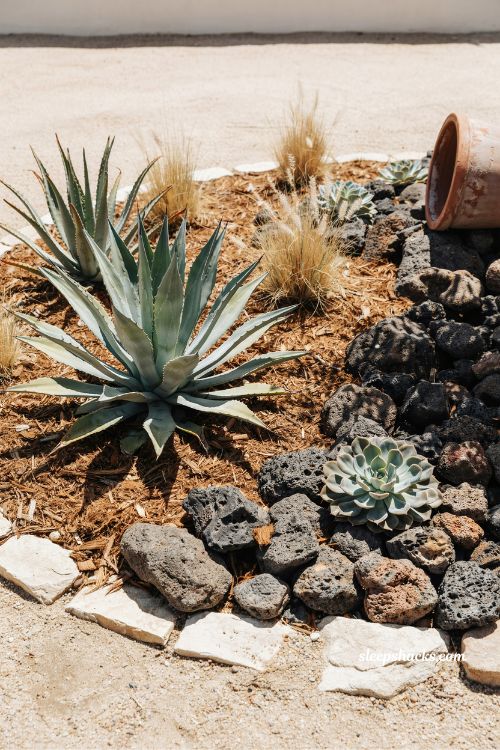
Lava rock functions as a permanent mulch alternative, and when you mix it with a traditional brown or black mulch base and drought-tolerant succulents, the result is a low-water bed that looks genuinely interesting. This works especially well in warm climates where water conservation matters. It takes almost no maintenance once it’s established, which is a real selling point.
16. Under-Tree Garden With Mulch and a Small Stone Bench
A large tree in the backyard is one of the best opportunities you have. Ring the base with a wide mulch garden, plant shade-tolerant ground cover, and tuck a small stone bench inside the canopy. The mulch ties it all together and makes what could’ve been a bare, awkward spot into one of the most peaceful areas in the whole yard.
17. Evergreen Shrubs Paired With Mulch for Year-Round Curb Appeal
Evergreen shrubs give you structure and color through every season, and fresh mulch underneath them keeps the beds looking polished year-round. This combination is one of the most reliable things you can do for backyard landscaping — the shrubs handle the visual weight and the mulch handles the ground between them. It’s simple, it works, and it never looks dated.
Frequently Asked Questions
Q: What color mulch looks best in a backyard? Dark brown and black mulch tend to offer the most contrast against green plants and work well with most home exteriors. Red mulch is a good choice if you want a warmer, more vibrant feel.
Q: How often should you replace backyard mulch? Most mulch should be refreshed once a year, typically in spring. A two-to-three inch layer is enough to retain moisture and suppress weeds without smothering plant roots.
Q: Is mulch or rocks better for a backyard? Mulch is better for plant health since it retains moisture and breaks down into nutrients over time. Rocks last longer and require no replacement, but they can overheat plants in summer and don’t add organic value to the soil.
Q: What should you put under mulch to prevent weeds? Landscape fabric or a few layers of newspaper laid under the mulch is the most effective way to keep weeds from pushing through.