

When I think of Traditional Christmas Decor, a wave of warmth and nostalgia washes over me. There’s something magical about the twinkle of lights on a perfectly green tree, the soft scent of pine in the air, and ornaments that tell stories from years past. Decorating for Christmas has always been more than just putting up a tree or hanging stockings—it’s a ritual, a way to connect with family, culture, and memories that linger like a favorite holiday song. Growing up, my family had this old wooden angel that topped our tree every year. It wasn’t shiny or new, but it symbolized love, tradition, and the spirit of the season, and I’ve carried that feeling into every home I’ve decorated since.
Key Points:
- Traditional Christmas decor creates a nostalgic and festive atmosphere.
- Elements like ornaments, wreaths, and nativity scenes carry rich symbolism.
- Choosing decor thoughtfully enhances both visual appeal and emotional warmth.
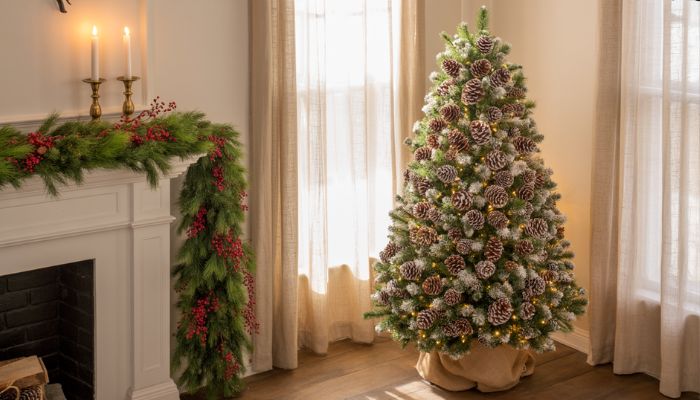
History of Traditional Christmas Decor
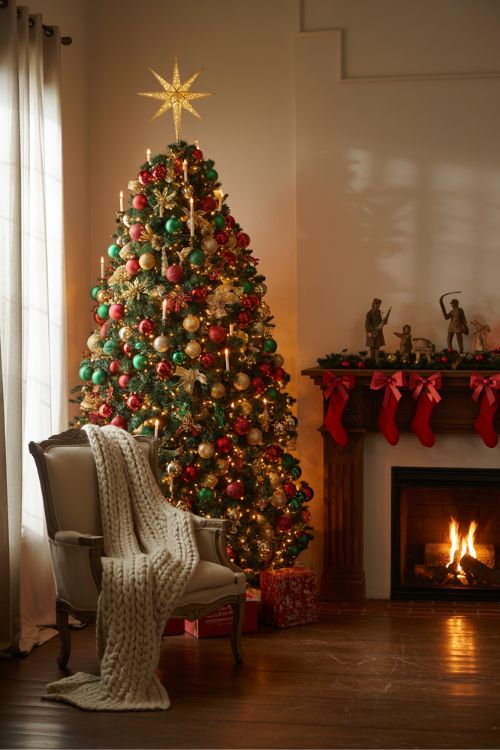
Christmas decorations have a fascinating history that reflects centuries of faith, culture, and creativity. The earliest Christians celebrated the birth of Christ with simple symbols—evergreen branches, candles, and stars. These elements weren’t just ornamental; they held deep spiritual meaning. For instance, the evergreen tree symbolized eternal life, while red ornaments reminded people of Christ’s sacrifice. As the centuries rolled on, traditions evolved.
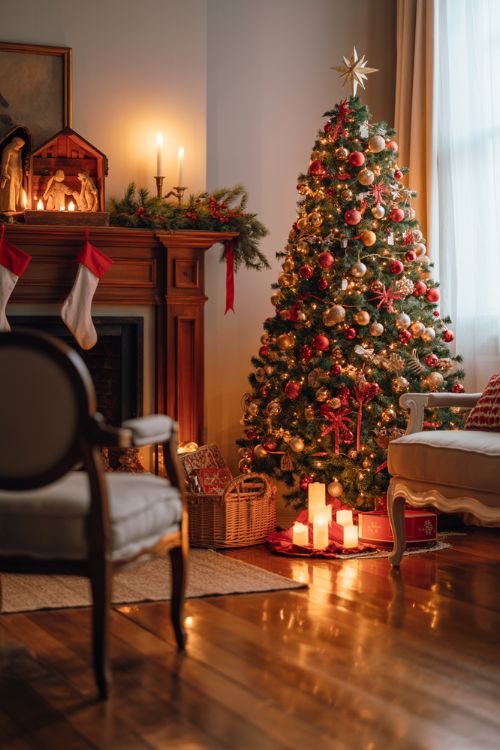
The 16th-century Lutherans in Germany began decorating trees with candles, a precursor to the sparkling lights we love today. By the 19th century, ornaments became more elaborate, and nativity scenes gained popularity in homes, symbolizing the story of Jesus’ birth in a tangible, heartwarming way.
The Essential Elements of Traditional Christmas Decor

When you talk about traditional Christmas decor, certain elements immediately come to mind. Christmas trees, garlands, wreaths, and nativity scenes are staples that never go out of style. I always start with a tree because it sets the tone for the entire room. Hanging ornaments, from shiny baubles to heirloom pieces, creates a visual rhythm that feels alive.

Garland and wreaths add layers of texture and fragrance, especially when mixed with pinecones, berries, or gold accents. These elements are not just decorative; they tell a story, blending heritage and personality into a single, beautiful tapestry.
Christmas Trees: The Heart of the Home
Nothing captures the essence of Christmas like a well-decorated tree. Whether you prefer a natural fir, a flocked tree, or a pre-lit artificial tree, the key is to make it feel personal. I love adding a mix of family heirloom ornaments and new finds—it feels like a conversation between generations. The star or angel at the top isn’t just a finishing touch; it’s a symbol, a point that draws the eyes upward, reminding us of the celestial magic that Christmas embodies.
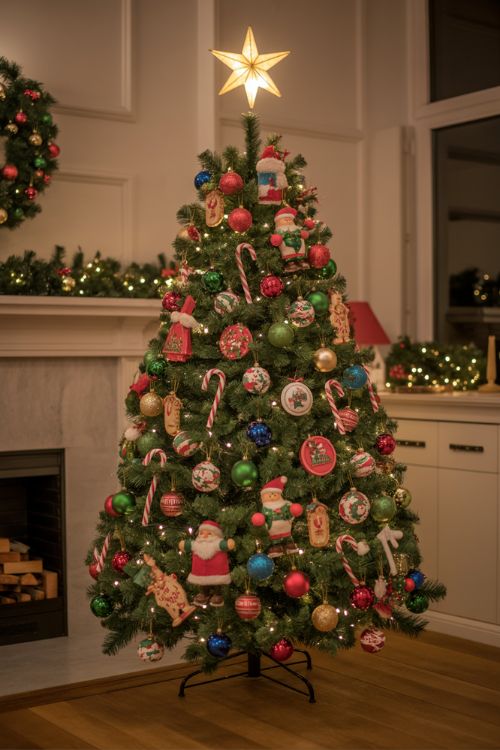
Table 1: Popular Traditional Christmas Tree Ornaments
| Ornament Type | Symbolism/Meaning | Popular Colors |
| Star/Angel | Guidance, celestial magic | Gold, Silver, White |
| Baubles | Joy, festivity | Red, Green, Blue |
| Candy Canes | Sweetness, purity | Red & White Stripes |
| Santa Figurines | Generosity, mythic tradition | Red, White |
Wreaths and Garlands: Bringing Nature Indoors

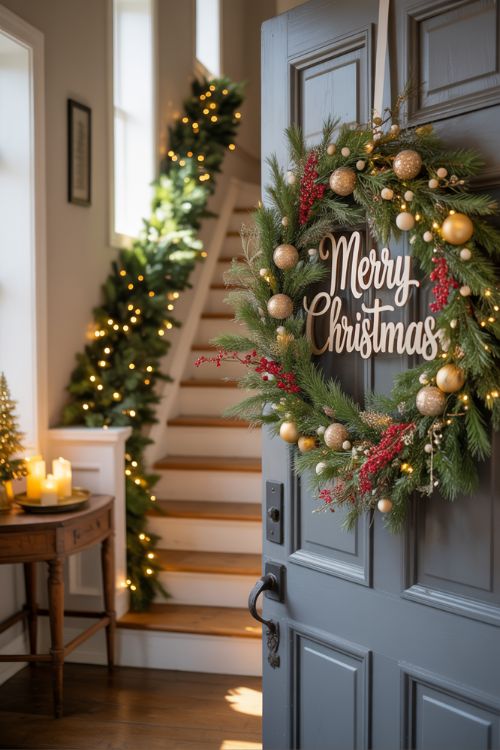
I’ve always felt wreaths and garlands are more than decorations—they’re invitations. Hanging a wreath on your door says, “Come in, you’re welcome here.” Garland draped across mantels, staircases, or windows adds movement and life to a room. I like combining real greenery with lights and subtle ornaments. It’s tactile, inviting, and even the scent of fresh pine seems to hug the space, making your home feel alive with Christmas cheer.
Nativity Scenes: The Soul of Christmas
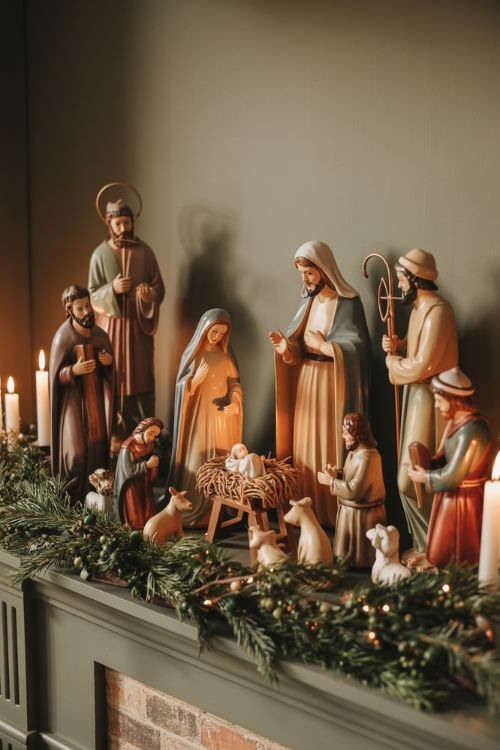
The nativity scene is one of my favorite elements of traditional Christmas decor. Whether it’s a handcrafted wooden set or delicate porcelain figures, it brings the story of Christ’s birth to life. I love arranging shepherds, wise men, and animals around the manger—it’s like a little world that reminds everyone of the deeper meaning of Christmas. It’s not just decoration; it’s storytelling, reverence, and artistry rolled into one.
Lights: Making the Season Bright
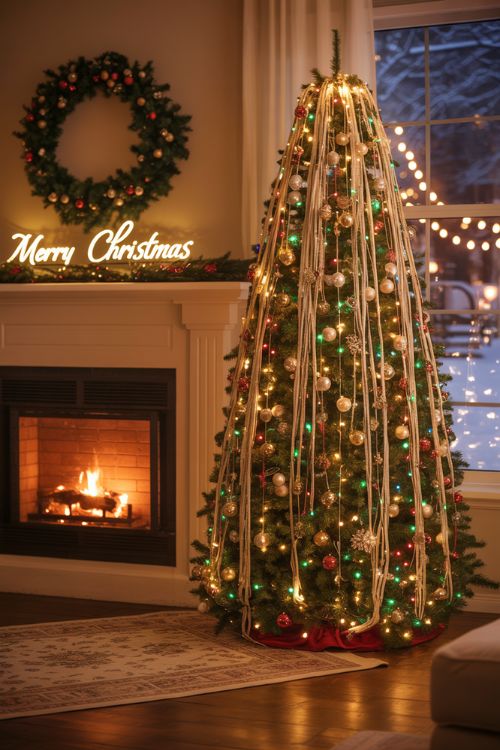
Lights are the heartbeat of holiday decor. There’s something magical about walking into a room where the soft glow reflects off ornaments, garlands, and tinsel. I often mix warm white lights with colored ones for depth. Stringing lights outdoors, around windows, or along railings not only brightens the home but also connects the neighborhood in a shared festive glow. The symbolism is beautiful too: light driving away darkness, hope shining in cold winter nights.
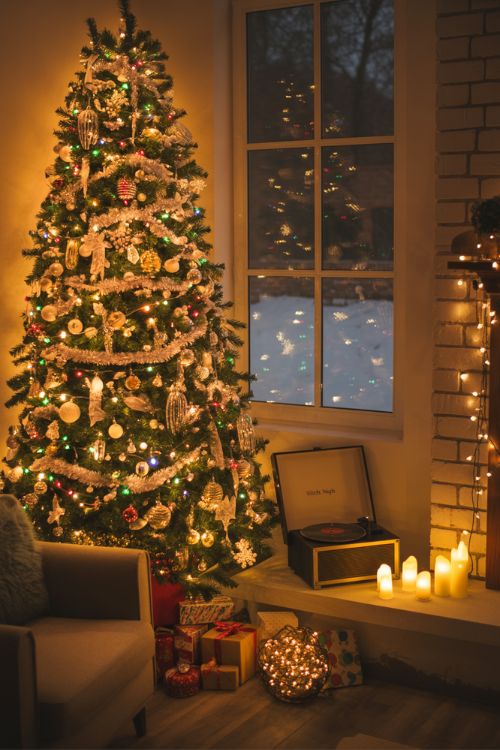
Table 2: Lighting Options for Traditional Christmas Decor
| Light Type | Best Use | Special Features |
| String Lights | Trees, garlands | Warm white, multi-color |
| LED Candles | Mantels, table decor | Flickering effect, battery-operated |
| Lanterns | Outdoor, pathway | Vintage charm, safe for outdoors |
| Fairy Lights | Mini trees, shelves | Tiny bulbs, whimsical glow |
Ornaments: Tiny Stories on the Tree

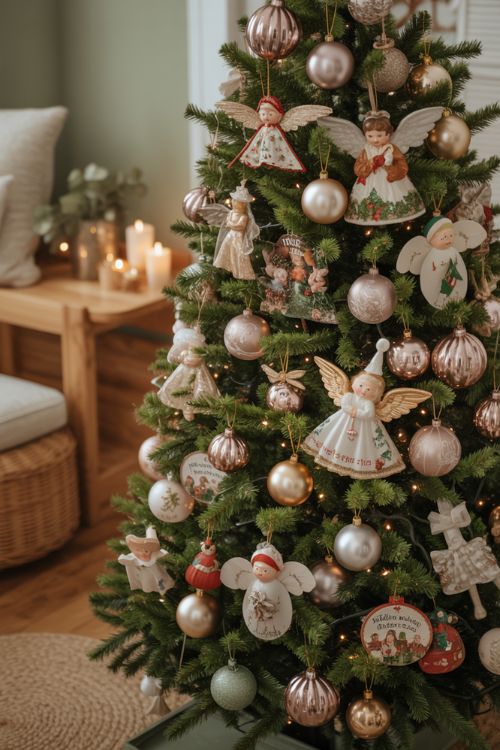
Ornaments are the storytellers of traditional Christmas decor. Every bauble, angel, or Santa figurine carries a memory. I often place ornaments gifted by friends or handmade by children in prominent spots—it’s a way of freezing joyful moments in time. Mixing metallics with matte finishes and small with large ornaments keeps the tree visually dynamic, creating depth and movement that draws you in.
Stockings: A Classic Touch
Nothing feels cozier than hanging stockings by the fireplace. Each stocking carries a story and a personal touch, especially when they’re monogrammed or passed down through generations. I love filling them with little treats, nuts, and trinkets—it’s a small, daily joy for the entire family during December.
Reindeer, Santa, and Snowmen: Whimsical Additions
While traditional Christmas decor focuses on natural elements and religious symbols, whimsical figurines like reindeer, Santa Claus, and snowmen add a playful touch. I place a wooden reindeer on the mantel and a jolly snowman near the entrance. These figures spark smiles and invite playful holiday energy, balancing the sacred and the fun aspects of Christmas.
Candles and Lanterns: Warmth and Ambiance
Candles, whether real or LED, bring intimacy to Christmas decor. I often group them on tables or shelves to create cozy vignettes. Lanterns can be used indoors or outdoors, casting soft light that accentuates the greenery and ornaments. The flickering glow is calming, almost meditative, and enhances the festive ambiance.
Choosing Colors for Traditional Christmas Decor
Traditional colors like red, green, and gold are timeless. Red represents love and sacrifice, green symbolizes life, and gold adds a regal touch. I like to introduce subtle accent colors, like white or silver, to balance brightness and prevent the decor from feeling heavy. The right color palette can make a space feel both inviting and visually harmonious.
Table Centerpieces and Table Decor
Holiday tables deserve special attention. I often create a centerpiece combining evergreen branches, candles, and small ornaments. It’s the little details, like miniature pinecones or berries, that bring everything together and make a meal feel ceremonial. Guests notice these touches—they feel cared for, celebrated, and welcomed.
Outdoor Traditional Christmas Decor
Outdoor decor is an extension of the indoor festive spirit. I string lights along fences, hang wreaths on doors, and set up small nativity scenes in gardens. Outdoor decorations are not just for aesthetic appeal—they radiate cheer into the community. It’s like sharing the joy of Christmas beyond your home, letting neighbors and passersby feel a piece of the celebration.
Maintaining Your Traditional Christmas Decor
Keeping decor in top shape is essential. I usually store ornaments in padded boxes, wrap garlands carefully, and ensure lights are untangled. Maintenance ensures that the decor remains vibrant year after year, allowing traditions to continue unbroken. Proper care is also an act of respect—for the items themselves and the memories they carry.
Conclusion
Traditional Christmas decor is more than just holiday adornment; it’s a blend of history, culture, spirituality, and personal storytelling. From evergreen trees and twinkling lights to wreaths, nativity scenes, and whimsical figures, each piece carries meaning. Decorating is a chance to reconnect with family, celebrate heritage, and create joy-filled memories. Every ornament hung, every candle lit, and every garland draped is a thread in the rich tapestry of Christmas tradition.
FAQ
What is considered traditional Christmas decor?
Traditional Christmas decor includes elements like Christmas trees, wreaths, garlands, nativity scenes, lights, ornaments, stockings, and candles.
When should I put up traditional Christmas decorations?
Most people put up decorations at the start of Advent or in late November, aligning with the festive season.
How long should traditional Christmas decor stay up?
Traditionally, decorations stay up until Twelfth Night (January 5) or Candlemas (February 2) in some cultures.
Can I mix traditional and modern decor?
Yes, combining traditional elements with modern accents can create a balanced and personalized holiday look.
What are the best colors for traditional Christmas decor?
Red, green, and gold are classic, but white, silver, and subtle accent colors work beautifully too.
Are nativity scenes essential for traditional decor?
While not mandatory, nativity scenes are central to the tradition as they depict the birth of Christ.
How do I store traditional Christmas decor?
Store ornaments in padded boxes, lights coiled neatly, and garlands wrapped carefully to prevent damage.
Can outdoor traditional decor last in harsh weather?
Use weather-resistant materials and LED lights for longevity; protect delicate items or bring them indoors during storms.
4 Best Bedroom LED Lights 2025: Smart, Mood & Strip Lighting Ideas