

Leather furniture has always held a special place in my home. There’s something about the warmth, texture, and timeless elegance of top grain leather that instantly elevates a room. But let’s be honest—while it’s beautiful, leather requires care. I remember when I first bought my top grain leather sofa; I treated it like a delicate artifact, unsure if a spilled cup of coffee could spell disaster. Over the years, I’ve learned how to maintain it without feeling like I’m babysitting a high-maintenance celebrity. Caring for top grain leather furniture is more about simple routines, mindfulness, and the right products, rather than overcomplicated steps.
Key Points:
- Regular cleaning prevents dust and dirt buildup.
- Conditioning maintains suppleness and prevents cracks.
- Quick spill response protects leather from permanent stains.
What Is Top Grain Leather and Why It Matters
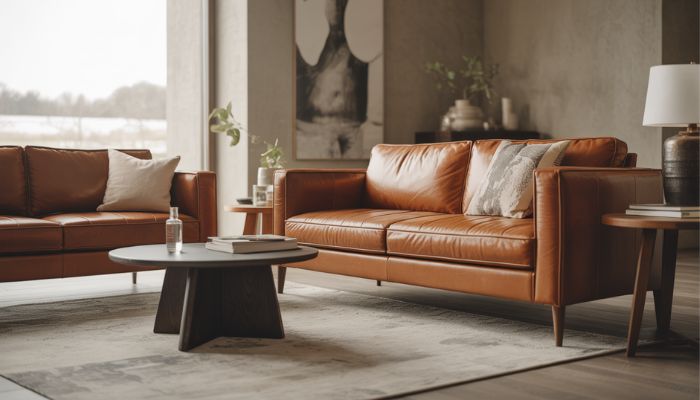
Top grain leather comes from the outer layer of cowhide, which makes it soft, durable, and stain-resistant. Unlike full-grain leather, it’s slightly sanded and treated to remove imperfections, giving it a smoother look. When I first learned this, it changed the way I approached furniture care. This isn’t just leather—it’s a long-term investment in comfort and style. I like to think of it as nurturing a living piece of art. Understanding the difference between top grain and other types, like bonded or split leather, helps you make smarter care choices. While bonded leather may mimic the look, it will never have the resilience or longevity of high-quality top grain leather.
Essential Tools for Caring for Your Leather Furniture
Before diving into routines, gather the right tools. In my experience, using proper products makes all the difference. You’ll need a soft microfiber cloth, a gentle leather cleaner, and a high-quality leather conditioner. Avoid anything abrasive, acidic, or chemically harsh. I also keep a small handheld vacuum with a soft brush attachment to tackle crumbs or dust in crevices. Using the right tools isn’t just about cleaning—it’s about protecting the leather’s natural oils and texture, which is crucial for longevity. Think of it like giving your sofa a spa treatment instead of a rough scrubbing.
Monthly Cleaning Routine
I treat cleaning like a mini ritual. Once a month, I remove pillows and cushions, vacuum the nooks, and wipe down the surface with a slightly damp microfiber cloth. If my sofa is particularly dusty or has a few light stains, I gently apply leather soap in small sections. I never soak the leather, because water can damage it. I’ve learned that slow and steady wins the race—rushing with chemicals or scrubbing too hard can ruin the sofa’s texture. Over time, these monthly steps have kept my leather supple, smooth, and beautifully glossy.
Table 1: Monthly Leather Cleaning Checklist
| Task | Frequency | Notes |
| Dust furniture | Monthly | Use dry microfiber cloth |
| Vacuum crevices | Monthly | Soft brush attachment only |
| Wipe with damp cloth | Monthly | Avoid soaking leather |
| Spot-clean stains | As needed | Use leather soap gently |
| Check for damage | Monthly | Note scratches or discoloration |
Annual Conditioning: Why It’s Non-Negotiable
Once a year, I condition my leather furniture. This step restores natural oils, prevents cracking, and keeps the sofa soft. I use a quality conditioner like Leather CPR, applying it with a soft, lint-free cloth. After allowing it to absorb, I buff the leather with a flannel cloth. It’s amazing how this simple step brings out a deep, rich shine and creates a protective barrier. Think of it like nourishing your skin—the leather looks and feels rejuvenated, and small imperfections blend seamlessly over time.
Handling Spills and Stains
Despite my best efforts, spills happen. My rule is immediate action. Blot liquids with a clean, absorbent cloth instead of rubbing, which can force the stain deeper. For grease or oil, sprinkle a bit of talcum powder or baking soda to absorb excess before gently wiping. I’ve found that minor stains often disappear if addressed quickly, but stubborn spots might need professional care. The key is not panicking and trusting gentle, leather-specific solutions, instead of DIY chemical experiments that could permanently damage your sofa.
Table 2: Common Stains and Quick Fixes
| Stain Type | Immediate Action | Follow-up |
| Water | Blot with cloth | Air dry naturally |
| Grease/Oil | Sprinkle powder, blot | Condition after |
| Food | Wipe gently | Clean with leather soap if needed |
| Ink | Consult professional | Avoid home solvents |
| General Dust | Wipe with damp cloth | Monthly vacuum |
Avoiding Common Mistakes
Over the years, I’ve seen friends make mistakes like placing leather near radiators, using harsh chemicals, or neglecting conditioning. Leather is sensitive to heat and sunlight, which can dry it out and cause cracks. I always position my sofa away from windows and direct heat sources. Also, resist the urge to use household cleaners—they can strip natural oils. These small habits protect the furniture’s integrity and appearance for decades, and they’re easier than trying to repair damage later.
Proper Storage and Environmental Tips
If you ever need to store leather furniture, avoid damp basements or tightly sealed containers. Leather needs to breathe. I once made the mistake of storing a chair in a plastic wrap—it developed unpleasant odors and mildew. Instead, use breathable covers and maintain a moderate room temperature. Leather also reacts to humidity, so keeping it in a balanced environment ensures it remains soft and wrinkle-free. A little mindfulness about the surrounding space goes a long way in preserving the natural beauty of top grain leather.
Final Thoughts on Leather Care
Caring for top grain leather furniture is a balance of routine maintenance, proper tools, and quick responses to accidents. It’s not complicated once you get into a rhythm, and the rewards are immense—a sofa that ages gracefully, develops a rich patina, and stays comfortable for decades. I’ve learned that treating leather with care feels personal, like nurturing a cherished possession. With consistent attention, your top grain leather can truly become a family heirloom.
FAQs
How often should I clean my top grain leather furniture?
I recommend a monthly wipe-down and vacuum to remove dust and debris, with spot cleaning as needed.
Can I use regular soap on leather?
No, regular soap can dry and damage leather. Always use a cleaner designed for leather.
What is the best way to condition leather?
Use a high-quality leather conditioner once a year, applying with a soft cloth and buffing after absorption.
How do I remove grease stains from leather?
Blot immediately and sprinkle talcum powder or baking soda. Avoid rubbing or harsh chemicals.
Is it safe to place leather in direct sunlight?
No, direct sunlight can fade and crack the leather. Keep furniture in shaded areas.
How should I store leather furniture long-term?
Store in a dry, ventilated space with breathable covers. Avoid plastic wraps or heated floors.
Can I use oils or homemade remedies on leather?
Avoid them—they may stain or weaken the leather. Stick to professional leather care products.