

Every December, my living room turns into a cozy mix of twinkling lights, cinnamon-scented candles, and endless debates about which Christmas tree is the most sustainable. I used to think it was a simple choice between real or fake—but it’s not. Over the years, as I learned more about the environmental impact of both, I realized that choosing a sustainable Christmas tree isn’t just about what looks pretty—it’s about what leaves a lighter footprint on our planet.
I’ve gathered ideas from my own experiences, sustainability experts, and a few creative friends who love to craft their own trees from upcycled treasures. Whether you love the smell of pine or prefer a sleek artificial option, this guide will help you find the perfect eco-friendly fit for your home.
Key Takeaways:
- Real trees can be sustainable if grown and disposed of responsibly.
- Artificial trees are best when reused for many years.
- DIY and upcycled trees are creative, fun, and waste-free options.
What Makes a Christmas Tree Sustainable?
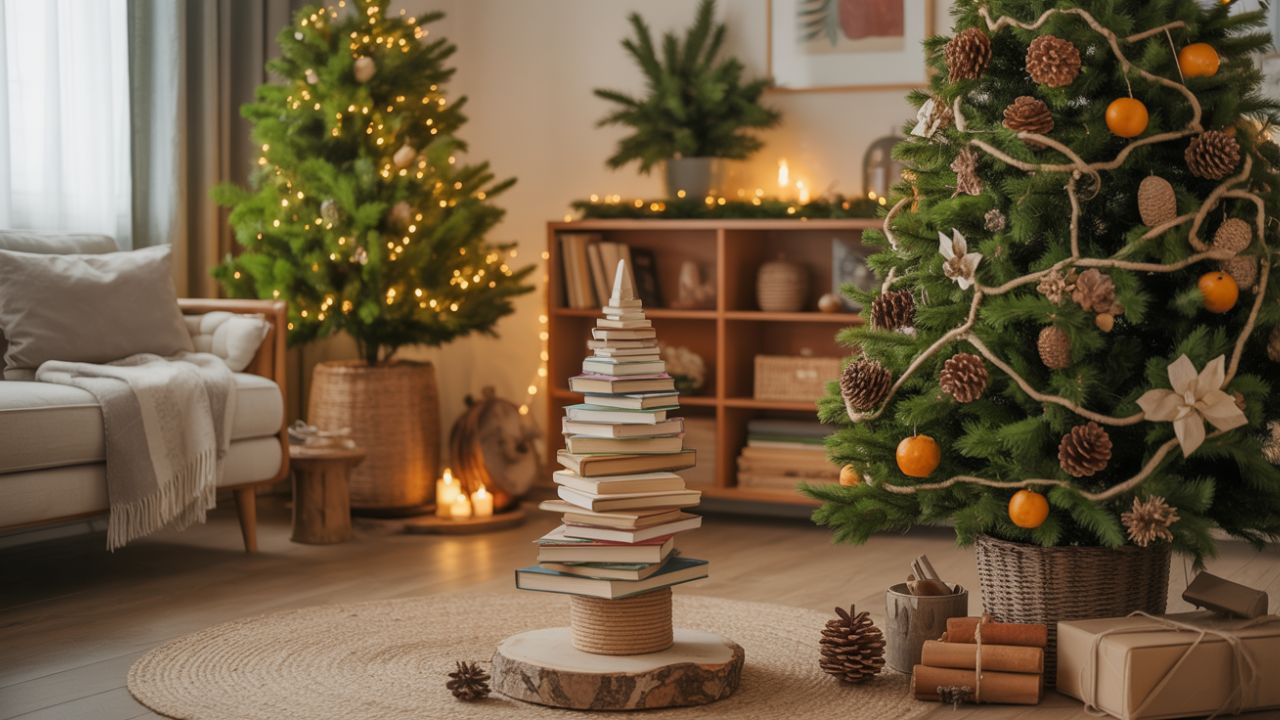
When I first started thinking about sustainability, I thought buying a real tree automatically meant “green.” But it’s not that simple. A sustainable Christmas tree minimizes carbon emissions, avoids single-use plastics, and supports local ecosystems. That can mean buying from a local farm, reusing an artificial one for years, or making your own from recycled materials.

According to the Carbon Trust, a typical 2-meter real Christmas tree emits around 3.5 kg of CO₂ if composted properly. In contrast, an artificial tree can emit up to 40 kg of CO₂ in production but becomes more eco-friendly if reused for 10 or more years. The key is longevity and proper disposal.
Real vs. Artificial: The Honest Comparison
When I was a kid, we always had a real pine tree. My dad would haul it home on the roof of the car, and the scent filled the house instantly. Years later, I switched to an artificial one for convenience—but then I began wondering which choice was truly better.
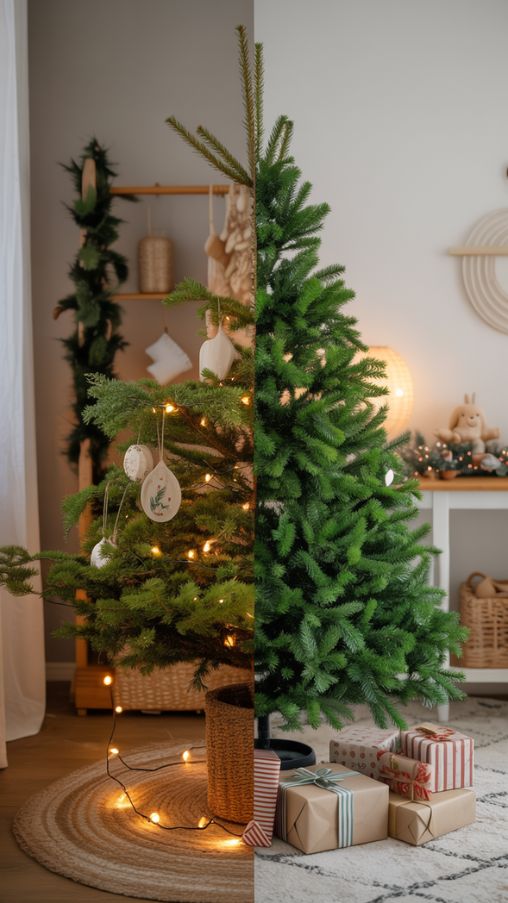
Here’s how they compare:
| Type | Pros | Cons |
| Real Tree | Natural look and scent, biodegradable, supports local farmers | Needs disposal care, can emit methane in landfills |
| Artificial Tree | Reusable for years, low maintenance, no shedding needles | Made from PVC, higher initial carbon footprint |
Tip: If you already own an artificial tree—keep using it! The longer it lasts, the smaller its yearly environmental impact becomes.
The Greenest Option: Potted and Living Christmas Trees
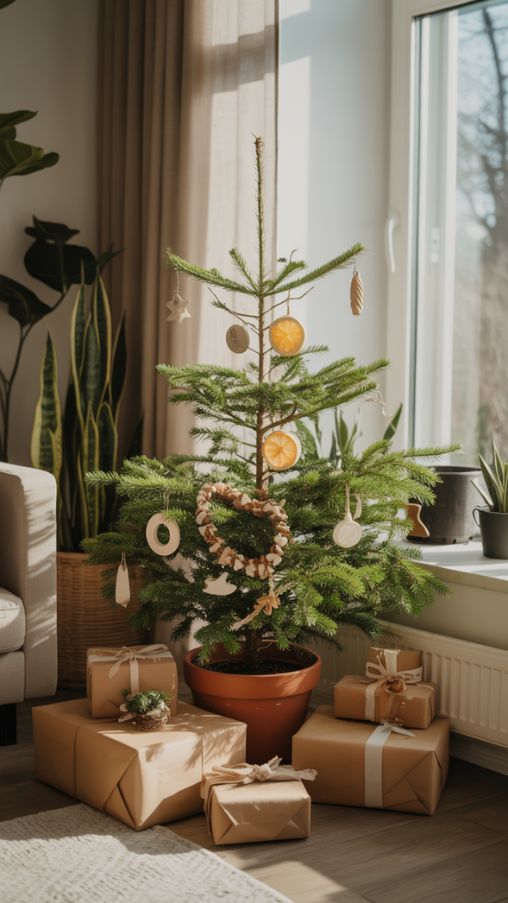
One Christmas, I tried something different—a small potted pine tree that I later planted in my backyard. Watching it grow over the years became a sentimental reminder of that holiday season. These trees are arguably the most sustainable option since they continue to absorb CO₂ and support biodiversity long after the festivities end.
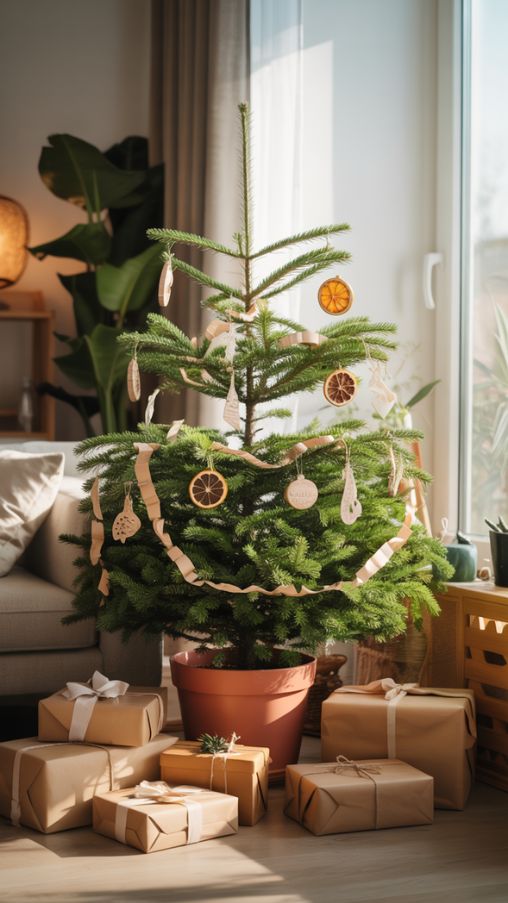
If you live in an apartment, you can still choose smaller potted evergreens or rent a tree from local nurseries that replant them after the holidays. It’s a beautiful way to celebrate without cutting anything down.
The Rise of Tree Rental Programs

Tree rental services are booming across Europe and the U.S. You simply rent a tree, enjoy it during the holidays, and return it afterward to be replanted. It’s a clever idea that merges convenience with environmental consciousness. I love that it creates a “borrow-don’t-buy” mindset, echoing the circular economy principles that sustainability advocates praise.

These programs often partner with local farms, reducing transport emissions and keeping the trees in their native ecosystems—a win-win for both you and the planet.
Creative DIY Sustainable Christmas Tree Ideas

A few years ago, a friend made her tree entirely from driftwood she found along the beach. It was rustic, minimal, and completely waste-free. That inspired me to try my own DIY Christmas tree using old books stacked in a triangle shape—quirky, literary, and surprisingly elegant!

Some of my favorite DIY sustainable Christmas tree ideas include:
| Material | Tree Idea | Sustainability Tip |
| Old books | Stack them to form a “tree” | Reuse and avoid plastic |
| Cardboard | Cut and decorate with paint | Fully recyclable |
| Fabric scraps | Sew into layered cones | Reuse leftover textiles |
| Wooden ladders | String lights and ornaments | Reuse tools creatively |
These homemade trees not only save money but also spark meaningful conversations about waste and creativity.
Upcycled and Recycled Christmas Tree Designs
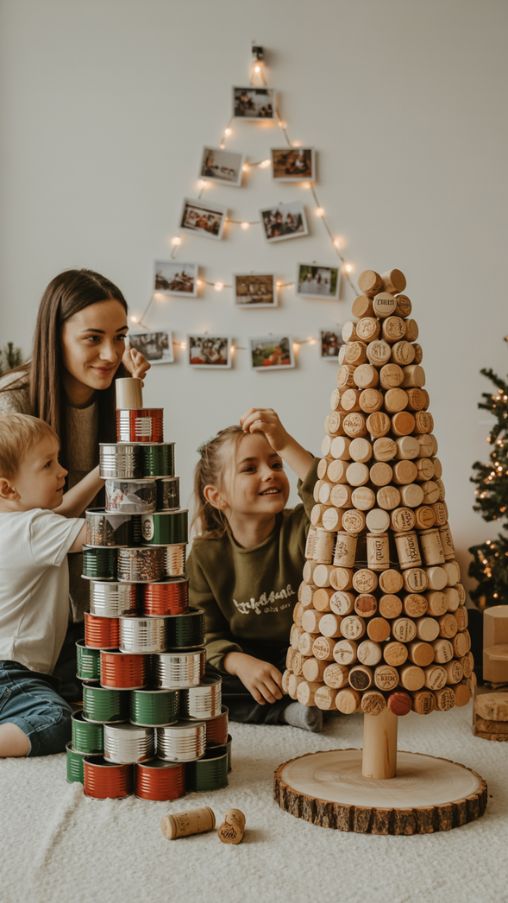
If crafting isn’t your thing, try upcycling materials you already have. Tin cans, wine corks, or even old magazines can become charming decorations. My cousin once created a wall-mounted “tree” made of string lights and photos—it was stunning and took up no floor space.
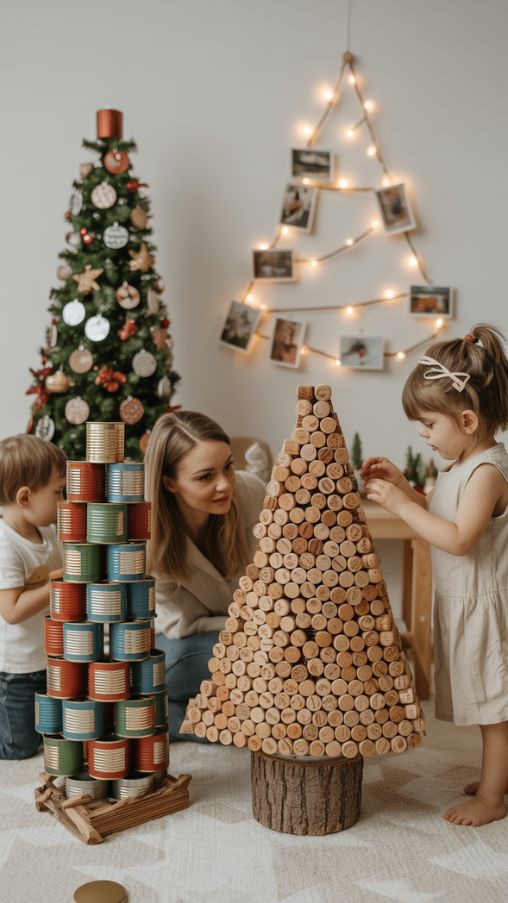
The best part about upcycling is that it transforms what might be “trash” into something beautiful. Plus, it’s a fun family project that helps kids learn about sustainability while keeping the holiday spirit alive.
Minimalist and Space-Saving Sustainable Trees
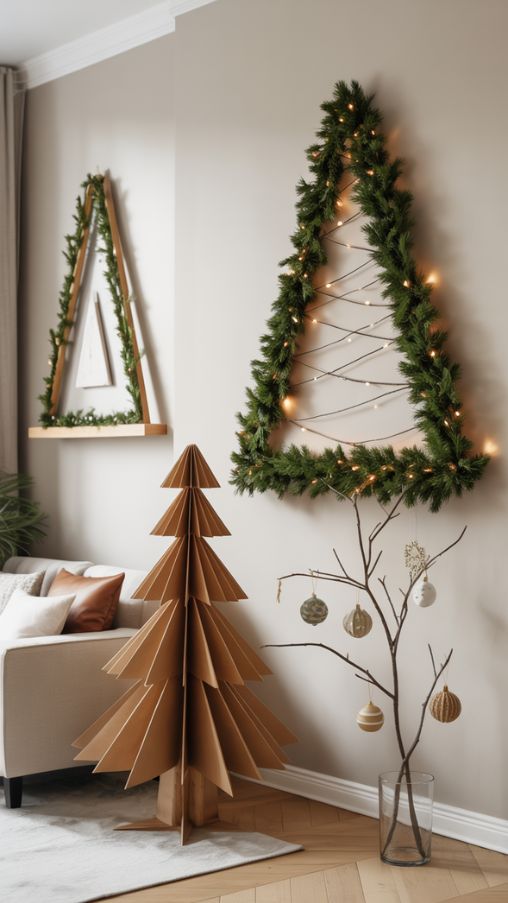
Not everyone has space for a big Christmas tree, and that’s okay. Minimalism pairs perfectly with sustainability. Wall-hung trees, paper-cut designs, or single-branch arrangements can look elegant and festive without the bulk.

One year, I simply hung ornaments and fairy lights on a large branch I found after a storm. It looked artistic, smelled fresh, and didn’t cost a cent. Sometimes, less really is more.
Natural and Biodegradable Decorations

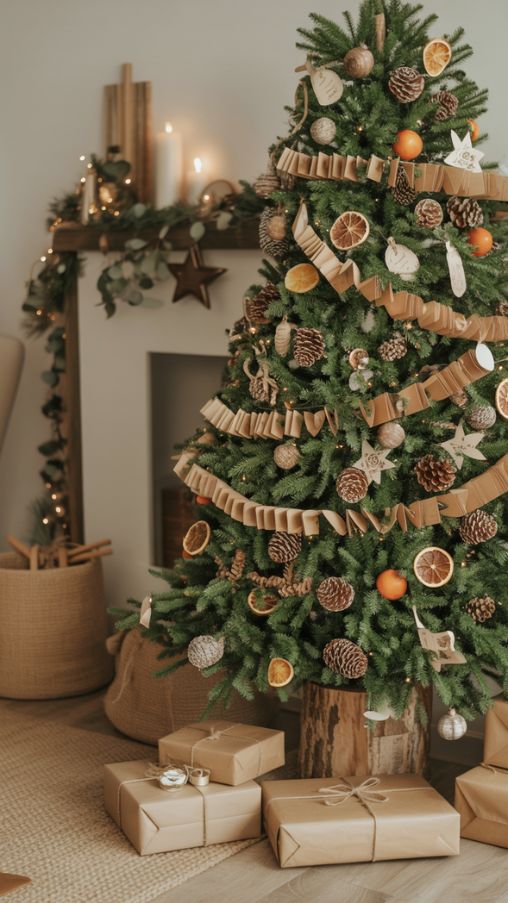
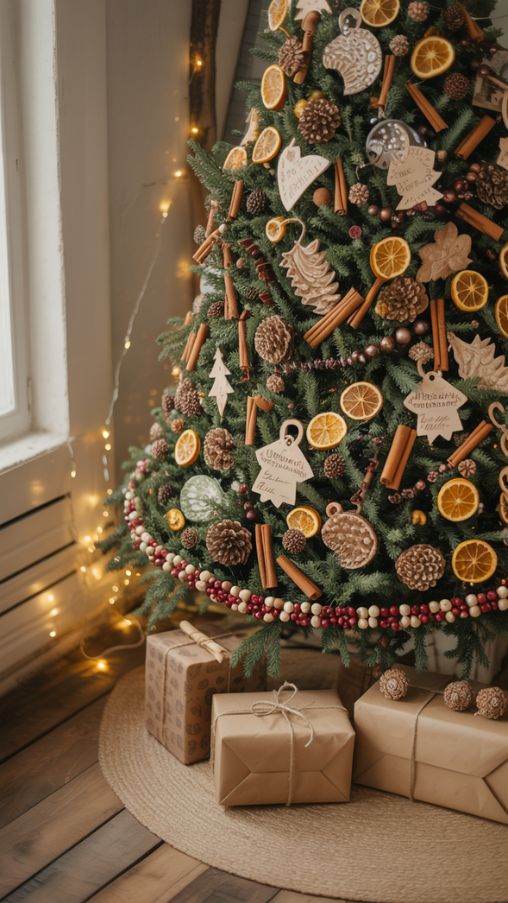
Even the greenest Christmas tree can lose points if it’s covered in plastic glitter and tinsel. Switching to natural decorations can make a huge difference. Dried orange slices, cinnamon sticks, pinecones, or handmade paper ornaments all add charm while being compostable.
I once made a garland from popcorn and cranberries—it felt nostalgic, smelled great, and composted beautifully afterward. These small changes make your decorations feel more authentic and earth-friendly.
The Carbon Footprint of Christmas Trees
It’s eye-opening to see how different tree types impact the planet. Let’s break it down simply:
| Tree Type | Estimated Carbon Footprint (kg CO₂e) | Best Practice for Sustainability |
| Real (Composted) | 3.5 | Recycle or mulch after use |
| Real (Landfill) | 16 | Avoid landfill disposal |
| Artificial (PVC) | 40 | Reuse for 10+ years |
| Potted (Living) | <1 | Replant after holidays |
These numbers remind me that how we dispose of trees matters as much as which one we choose.
Supporting Local and Ethical Tree Farms
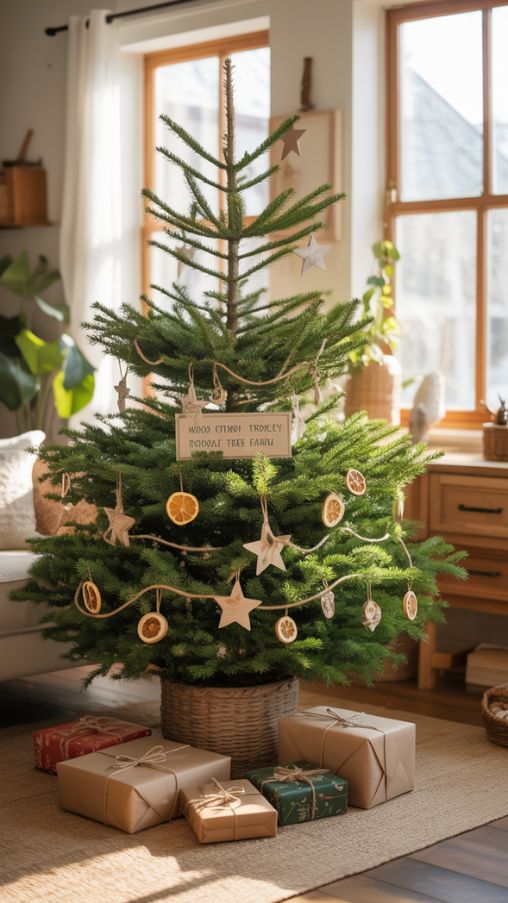
If you prefer real trees, buy from local tree farms that follow ethical growing practices. Many farms plant one or more trees for each one cut, ensuring long-term sustainability. Buying locally also reduces “tree miles,” lowering emissions from transport.
Some farms even offer tree pickup and recycling programs—an easy, guilt-free way to ensure your tree’s afterlife is just as green as its beginning.
How to Dispose of Your Tree the Right Way
Disposal is where many people go wrong. If your tree ends up in a landfill, it releases methane—a greenhouse gas 30 times stronger than CO₂. Instead, look for municipal recycling programs that turn trees into mulch or compost.
If you have a backyard, shred the tree into mulch or let it decompose naturally. Some coastal towns even use old trees to restore sand dunes, which is such a poetic way for your Christmas tree to keep giving.
Making Artificial Trees More Sustainable
If you already have an artificial tree, don’t feel guilty. The most sustainable thing you can do is keep using it. Avoid tossing it out just to “go green”—reuse, repair, and store it well. Brands like Balsam Hill are now using recycled or plant-based plastics, which is a step forward for the industry.
You can also decorate your artificial tree with eco-friendly ornaments—wood, glass, or fabric instead of plastic. That way, even if your tree isn’t perfect, your decorations can be.
Conclusion: A Greener Christmas Starts at Home
For me, sustainability at Christmas isn’t about perfection—it’s about intention. Whether it’s reusing a tree, crafting one from driftwood, or renting one from a nursery, the goal is to celebrate without adding unnecessary waste. Each choice adds up, shaping a tradition that honors both joy and responsibility.
As I sit beside my own upcycled book tree, sipping hot cocoa, I realize that what truly matters is the warmth of the moment—not the material of the tree. And maybe, just maybe, that’s the most sustainable spirit of all.
FAQs
What is the most sustainable type of Christmas tree?
A potted or rented real tree is the most sustainable since it can be replanted and reused yearly.
Is a fake Christmas tree bad for the environment?
Not necessarily. If reused for 10 or more years, an artificial tree’s impact becomes minimal.
How can I recycle my real Christmas tree?
Most cities offer pickup or drop-off recycling programs where trees are mulched or composted.
What materials are best for DIY Christmas trees?
Use recycled cardboard, driftwood, old books, or fabric scraps to create eco-friendly designs.
Can I rent a Christmas tree?
Yes! Many nurseries now offer tree rental programs where you return the tree after the holidays.
Are LED lights more sustainable?
Absolutely. LED lights use less energy, last longer, and generate less waste than traditional bulbs.
What decorations are eco-friendly?
Natural materials like dried fruit, wood, and fabric make great compostable and reusable ornaments.
How can I make my artificial tree last longer?
Store it in a dry place, handle it gently, and clean it regularly to extend its lifespan for years to come.