

I still remember the first time I tried to fix up a dull backyard in peak summer. The sun was harsh, the soil felt dry like chalk, and I honestly had no clear plan—just a vague dream of turning it into a calm little escape. What surprised me most was how quickly small changes started to shift everything. A few plants here, a seating corner there, and suddenly the space felt alive in a way I didn’t expect.
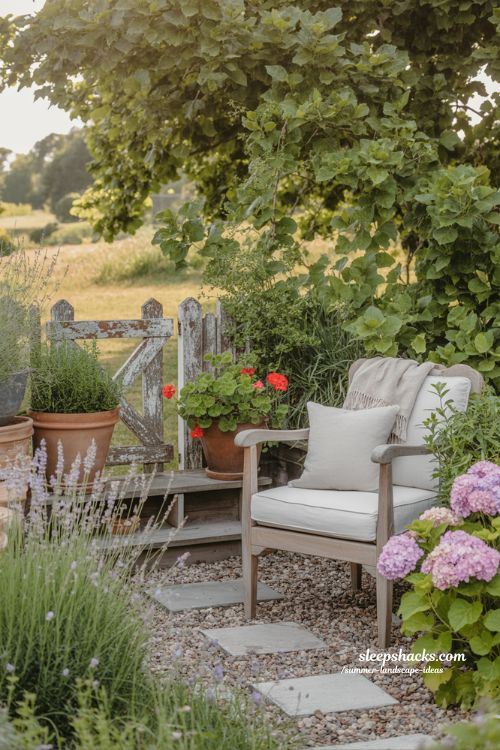
If you’re thinking about your own outdoor space, you’re not alone. Most of us just want something that feels easy, natural, and a bit joyful during summer evenings.
- Summer gardens work best when comfort comes first, not complexity
- Small design changes often create the biggest visual impact
- You don’t need a big budget to make your space feel refreshing
Let’s walk through practical and realistic Summer Landscape Ideas that actually work in real homes, not just picture-perfect ones.
1. Summer Landscape Ideas That Shape a Relaxing Outdoor Mood
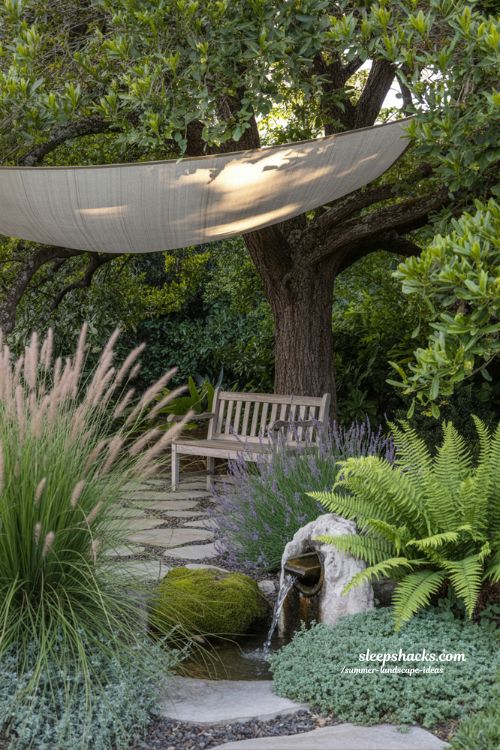
When I think about Summer Landscape Ideas, the first thing that comes to mind is mood. Not plants. Not furniture. Mood. Because if a space doesn’t feel calm or inviting, nothing else really matters. I’ve seen simple yards transformed just by adding shade, texture, and a few thoughtful corners where you can sit and breathe.
In summer, comfort becomes everything. That means shade from trees or fabric covers, airflow between plants, and open paths that don’t feel cramped. Even the sound matters. A small water feature or rustling grass can quietly change the whole atmosphere without much effort.
2. Colorful Planting That Feels Alive in Summer Heat
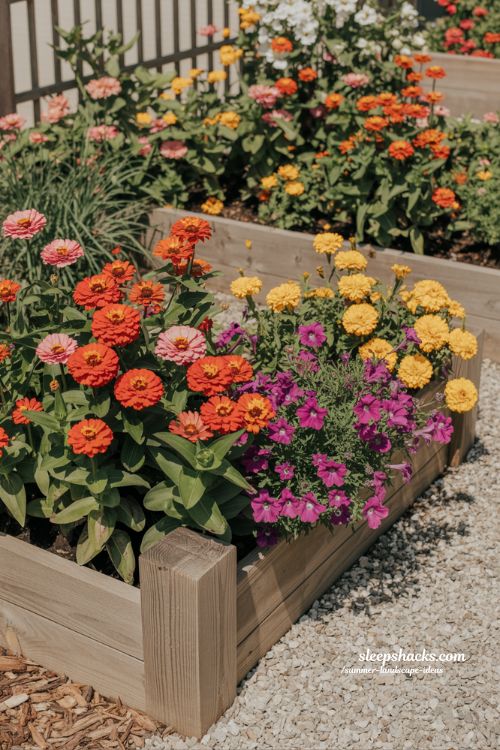
Color is what gives summer gardens their heartbeat. I like to think of flowers as little bursts of personality scattered across the yard. Bright reds, soft yellows, deep purples—they all behave differently under sunlight, and that’s where the magic is.
Instead of planting randomly, try grouping colors. It feels more intentional and honestly easier on the eyes. Summer flowers like zinnias, marigolds, and petunias handle heat well, so they keep your garden looking fresh even on tough days.
3. Layered Garden Design for Natural Depth
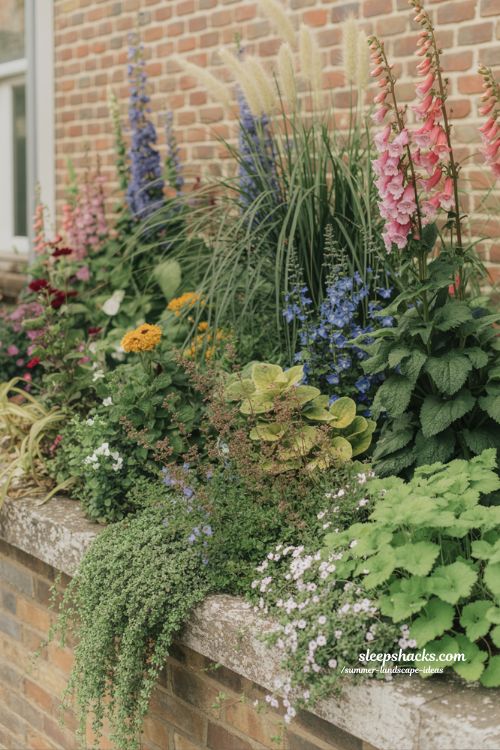
A flat garden can feel a bit lifeless, even if the plants are healthy. That’s where layering comes in. Think of it like building small stages in your yard. Tall plants at the back, medium in the middle, and ground covers at the front.
This structure makes everything feel fuller without overcrowding. It also helps sunlight reach different levels, which keeps plants healthier. When done right, it almost feels like nature arranged it herself.
4. Table 1: Popular Summer Plants and Their Roles
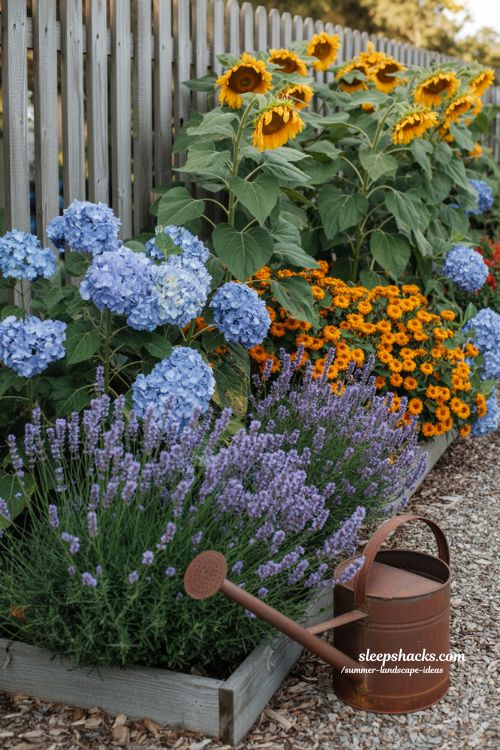
Before choosing plants, it helps to understand what each one actually brings to your space. Some give shade, some add color, and others simply survive heat without much care. Here’s a simple breakdown that makes planning easier.
| Plant Type | Role in Landscape | Summer Benefit |
| Lavender | Fragrance & structure | Heat tolerant, low water use |
| Sunflower | Height & focus point | Strong visual impact |
| Marigold | Color & pest control | Blooms continuously |
| Hydrangea | Soft texture | Adds volume and elegance |
What I’ve noticed over time is that mixing function with beauty creates the most balanced gardens. It’s not just about looks—it’s about how each plant supports the space as a whole.
5. Comfortable Seating Corners That Feel Natural
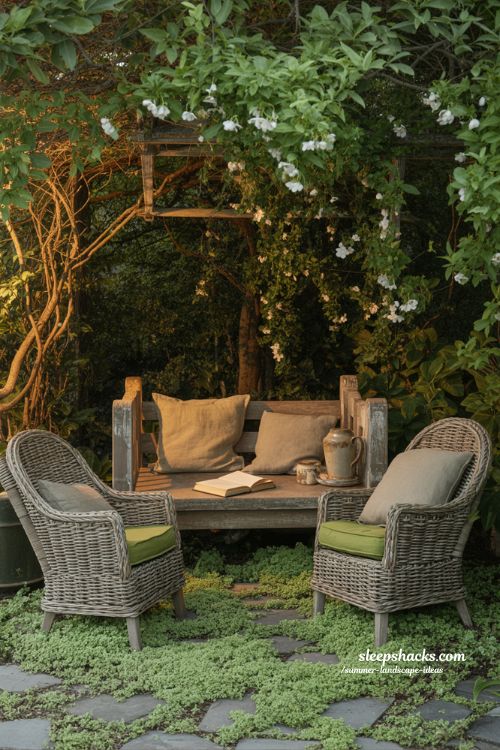
Outdoor seating doesn’t need to look like a showroom setup. In fact, the more relaxed it feels, the better it works. A simple wooden bench under a tree or a few chairs placed in a shaded corner can completely change how you use your garden.
The key is placement. If it feels too exposed, you won’t use it. If it feels hidden but not closed off, you’ll naturally find yourself sitting there more often, especially during late summer evenings.
6. Stone Paths That Guide Movement Naturally
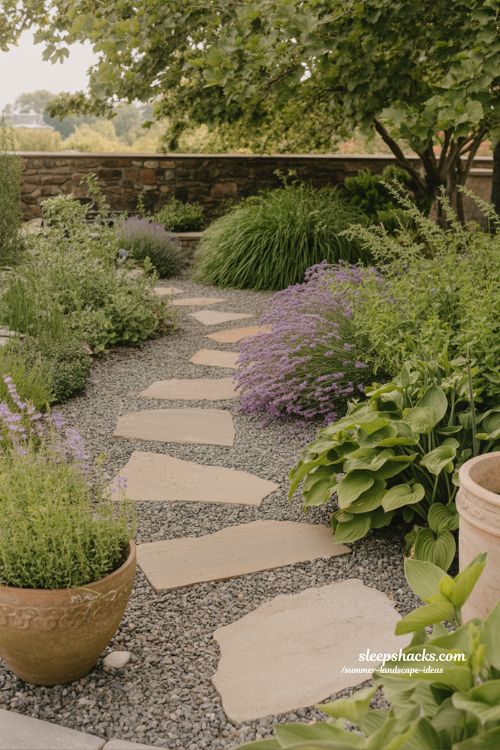
Paths are underrated in Summer Landscape Ideas. They quietly control how people move through your space. Without them, gardens can feel messy or confusing. With them, everything feels intentional.
Stone or gravel paths work especially well in summer because they stay cool and drain water easily. I like slightly uneven layouts because they feel more natural, almost like walking through a small forest trail.
7. Fire Corners for Warm Summer Nights
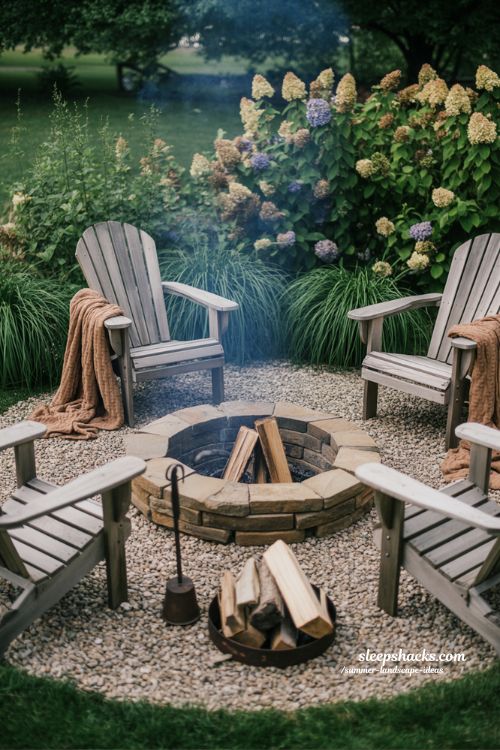
There’s something about fire that brings people together. Even in warm weather, a small fire pit becomes a natural gathering point. I’ve spent countless evenings just sitting around one, talking without really planning to.
The design doesn’t need to be fancy. A circular stone base with simple seating around it is enough. What matters is the feeling it creates—warm, grounded, and shared.
8. Water Features That Calm the Space
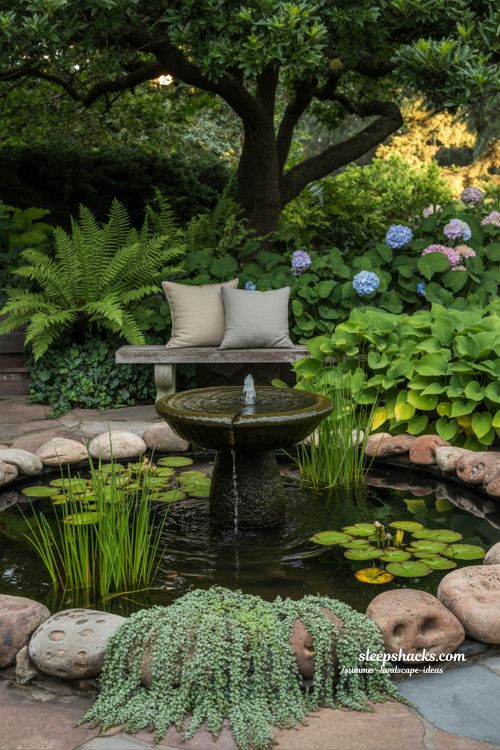
Water changes everything. Even a small fountain can make a garden feel cooler and more peaceful. The sound alone helps reduce stress, especially during hot afternoons.
You don’t need anything large. A simple bubbling stone or a small pond works just fine. Place it near seating so you can hear it clearly. It becomes part of the background rhythm of your outdoor space.
9. Table 2: Summer Landscape Zones and Their Purpose
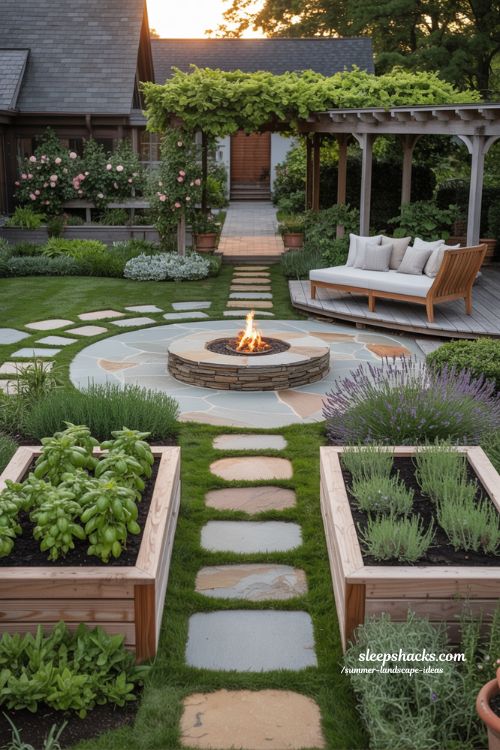
Breaking your yard into zones makes design easier. Instead of thinking of everything at once, you focus on smaller, meaningful sections.
| Zone Type | Purpose | Design Focus |
| Relaxation Zone | Rest & calm | Shade, seating, greenery |
| Social Zone | Gatherings | Fire pit, open seating |
| Garden Zone | Plants & growth | Beds, containers, herbs |
| Entry Zone | First impression | Paths, flowers, symmetry |
Once you divide your space like this, planning becomes surprisingly simple. Each zone starts to feel like its own little story.
10. Edible Gardens That Blend Beauty and Use
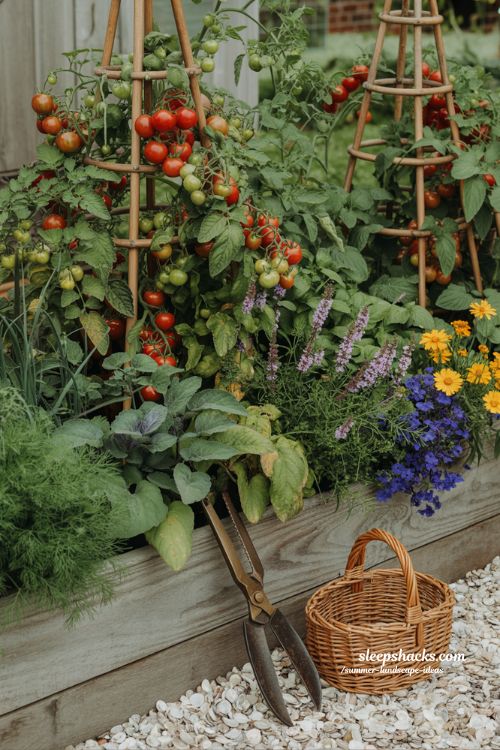
Growing food in your garden feels different from just planting flowers. There’s a quiet satisfaction in stepping outside and picking something you’ll actually eat. Tomatoes, herbs, and cucumbers work especially well in summer.
What I like most is how edible plants don’t have to look separate. When arranged properly, they blend beautifully with flowers and shrubs, creating a space that is both useful and visually rich.
11. Shade Trees That Change Everything
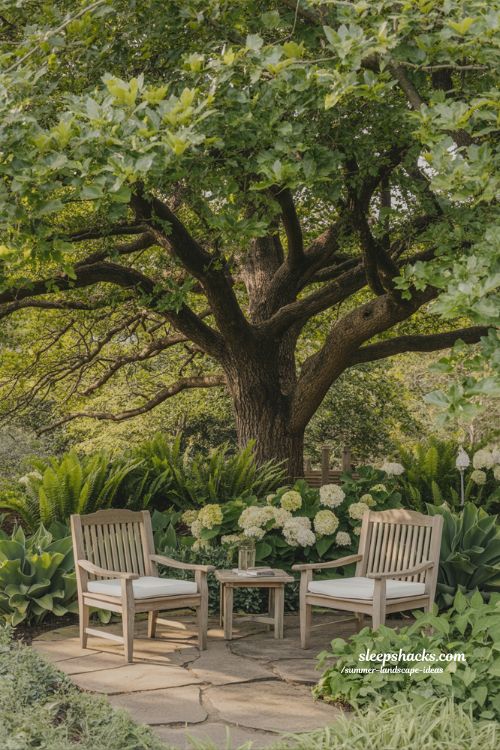
If there’s one thing that truly transforms a summer garden, it’s shade. Trees don’t just cool the air—they define where life happens in your yard. A single tree can create an entire sitting area beneath it.
Over time, that shade becomes the most used part of the garden. It’s where conversations happen, where people naturally gather, and where you actually want to sit during the hottest days.
12. Gravel and Lawn-Free Designs for Easy Living
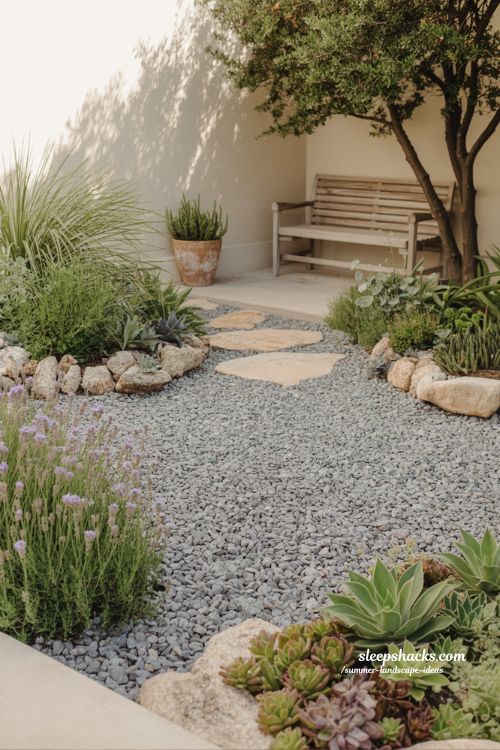
Lawns look nice, but they demand a lot. Water, trimming, constant care—it adds up quickly. That’s why gravel gardens have become so popular in modern Summer Landscape Ideas.
They feel cleaner and more structured, especially when combined with drought-friendly plants. Plus, they stay neat even during dry spells, which makes them surprisingly practical.
13. Vertical Gardening for Small Spaces
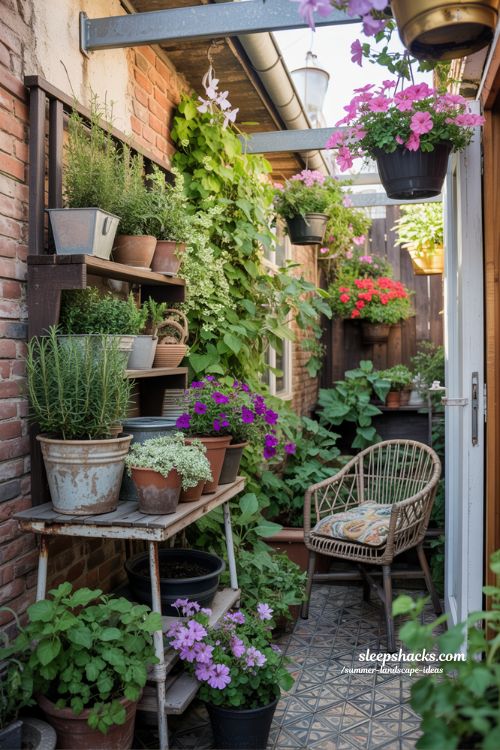
Not everyone has a big yard, and that’s okay. Vertical gardening turns walls and fences into growing space. It feels creative and efficient at the same time.
Climbing plants, hanging pots, or stacked planters can add layers without taking up ground space. It’s especially useful in compact homes where every inch matters.
14. Outdoor Dining Areas for Shared Moments
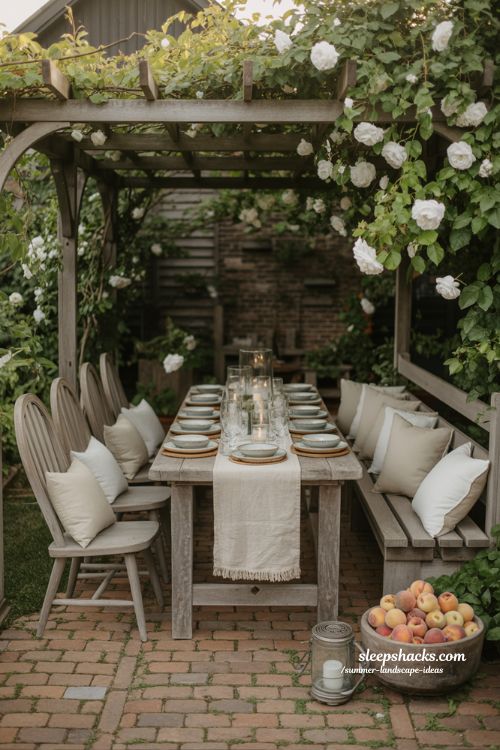
Food tastes different outside. Maybe it’s the air, or maybe it’s just the setting. Creating a simple dining space outdoors turns ordinary meals into small experiences.
A table under shade, soft lighting, and enough space to move around comfortably is all you need. It doesn’t need to be perfect—just inviting enough that people want to stay a little longer.
15. Soft Lighting for Evening Warmth
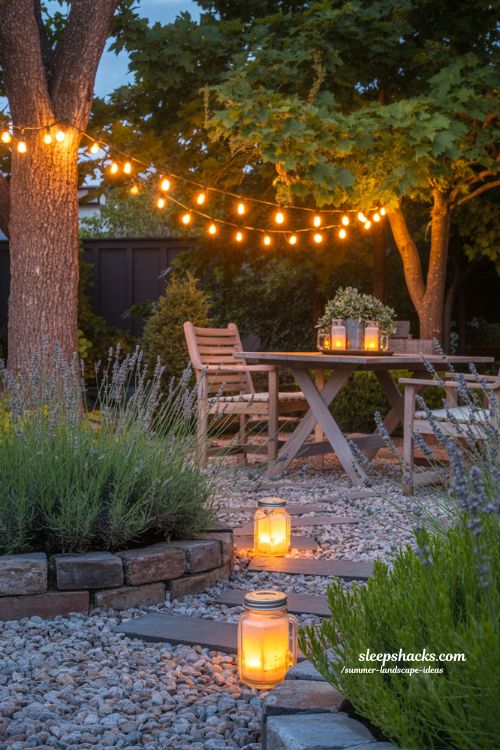
Lighting is what carries your garden into the night. Without it, everything just disappears after sunset. Warm string lights or small solar lamps work beautifully.
I like lighting that doesn’t feel too bright. Just enough glow to guide movement and create a soft mood. It makes summer nights feel longer and more relaxed.
16. Natural Privacy with Plants and Green Walls
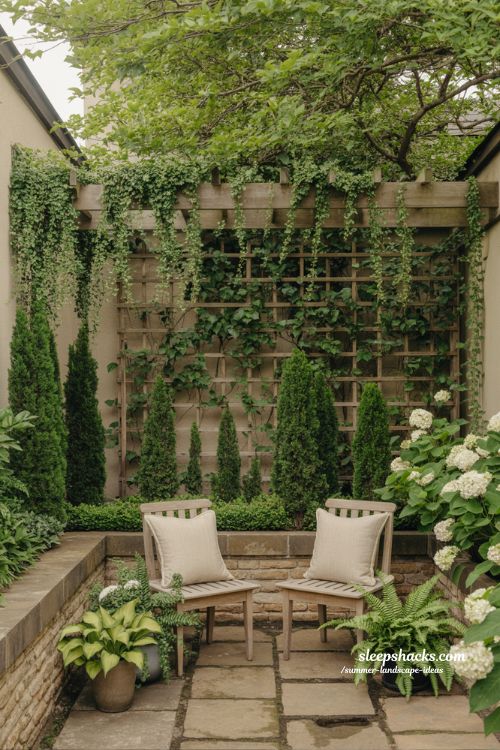
Privacy doesn’t always need fences. Plants can do the job in a much softer way. Tall shrubs or climbing vines create natural screens that feel alive instead of rigid.
Over time, these green barriers also improve the overall atmosphere. They reduce noise, add shade, and make the space feel more personal.
17. Minimal Maintenance Planning for Stress-Free Summers
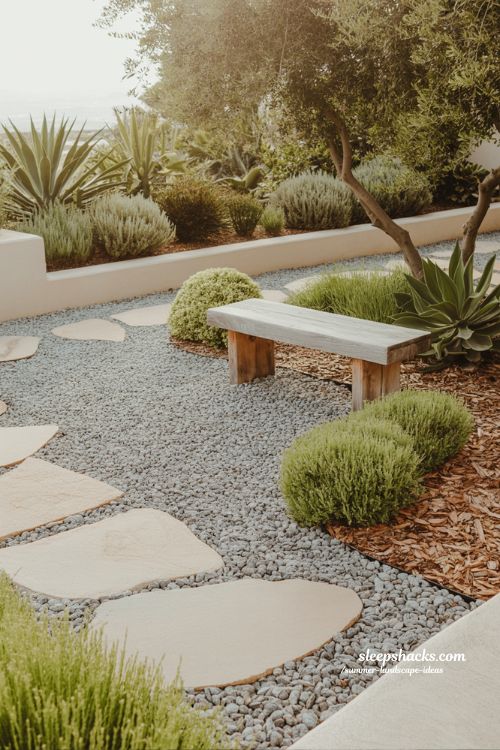
At the end of the day, the best Summer Landscape Ideas are the ones you don’t have to constantly manage. Choosing the right plants, reducing lawn areas, and planning simple layouts all make a huge difference.
A garden should support your summer, not consume it. When it feels easy to maintain, you naturally spend more time enjoying it instead of working on it.
FAQ – Summer Landscape Ideas
What are the easiest Summer Landscape Ideas for beginners?
Simple planting with hardy flowers, gravel paths, and a small seating corner are the easiest ways to start without feeling overwhelmed.
How can I make a small yard look bigger in summer?
Use vertical gardening, light colors, and open pathways. Avoid overcrowding and keep layouts simple to create visual space.
Which plants work best for hot summer gardens?
Heat-tolerant plants like lavender, marigolds, sunflowers, and zinnias perform well and need less water.
Do I need a big budget for summer landscaping?
No, even small changes like adding containers, mulch, or simple seating can completely change the feel of a space.
What is the best way to reduce maintenance in summer gardens?
Use drought-friendly plants, mulch beds, and reduce lawn areas to minimize watering and upkeep.
Can edible plants be part of landscape design?
Yes, herbs and vegetables can blend naturally with flowers and shrubs when arranged thoughtfully.
How important is lighting in outdoor spaces?
Very important. Soft lighting extends usability into the evening and improves overall mood.
What is the biggest mistake in summer landscaping?
Overcrowding. Too many plants or features can make the space feel chaotic instead of relaxing.