

Rooftop terraces have always fascinated me. There’s something magical about stepping out onto a roof terrace, feeling the sun on your skin, and watching the city breathe below. I remember my first experience with one—it was a tiny space, barely enough for a couple of chairs, but it transformed into my personal haven. Over time, I’ve learned that Roof Terrace Design Ideas aren’t just about aesthetics; they’re about creating a space that feels alive, functional, and reflective of your personality. It’s where you sip morning coffee, host intimate dinners, or just let your mind wander among the skyline. A well-designed terrace can make even the busiest city feel like a sanctuary, blending greenery, comfort, and smart layouts to craft an unforgettable outdoor experience.
Key Points:
- Cozy lounges and functional zones
- Layered greenery and vertical gardens
- Lighting and ambiance for day and night

Planning Your Roof Terrace Layout
Designing a roof terrace starts with a plan. I’ve learned that zoning is crucial; you can’t just scatter furniture and plants and hope it works. Divide your terrace into lounging, dining, and entertaining areas, even if the space is small. I like to think of it like a tiny neighborhood—each zone has its purpose, yet they all flow together. Multi-level terraces are a game-changer.
Even a small change in height can create depth, making the terrace feel more spacious than it is. In one project, I used a slightly raised wooden deck for the dining area and kept the lounge at ground level. The difference was night and day. The elevation naturally defines areas without walls, giving a clean, modern look while keeping things cozy and intimate.
Choosing the Right Flooring for Your Roof Terrace
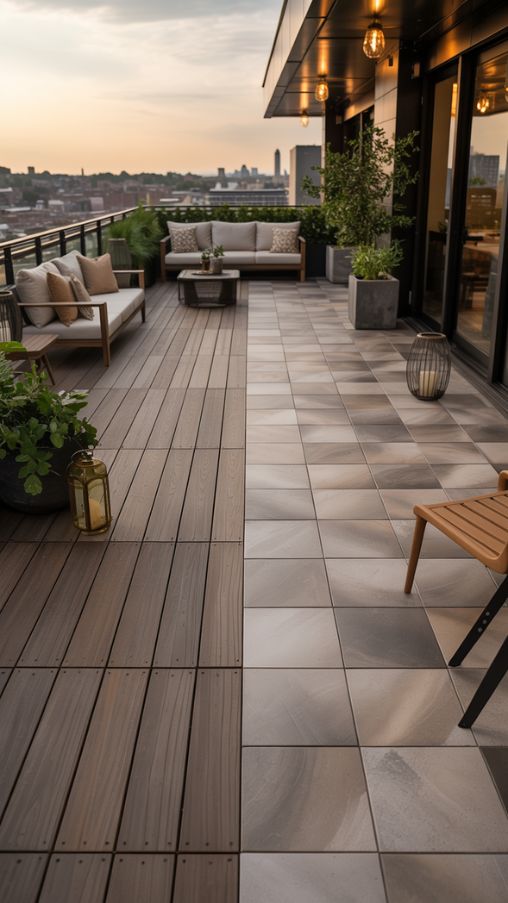
Flooring is one of those things people overlook until they’re standing barefoot and realizing how hot tiles can get under the midday sun. I’ve fallen in love with porcelain tiles and composite decking because they’re durable and visually appealing. Porcelain works especially well if you choose muted tones to avoid glare. Composite decking has a subtle texture that feels natural and requires minimal maintenance—perfect for city rooftops where life is busy. Your choice must also consider drainage.
Most terraces have a suspended floor, so water should easily pass through without pooling. I’ve experimented with different flooring for small and large terraces, and a combination of composite decking and porcelain tiles often gives the best balance of style, safety, and functionality.
| Flooring Type | Pros | Cons |
| Porcelain Tiles | Elegant, heat-resistant, durable | Can be slippery when wet |
| Composite Decking | Natural look, low maintenance | Slightly more expensive upfront |
| Stone Flooring | Long-lasting, classic aesthetic | Heavy, requires proper support |
| Wooden Deck | Warm, inviting feel | Needs regular maintenance |
Outdoor Furniture Selection

Furniture transforms a terrace from a bare concrete slab into a welcoming retreat. I always recommend modular sofas for lounges—they’re flexible and can be rearranged based on your needs. Lounge chairs with weather-resistant cushions are a must; trust me, you’ll spend more time sitting than you expect.

For dining, a sturdy table and chairs are essential, and if space is limited, folding or stackable designs work wonders. I once had a tiny terrace in London, and using a mix of compact furniture and built-in benches around planters made the area feel expansive and functional. Remember, furniture isn’t just decoration—it’s a tool for comfort, socializing, and maximizing space, so invest wisely.
Creating Cozy Lounge Areas

Nothing beats lounging on your terrace after a long day. Cushions, throws, and a fire pit instantly elevate the experience. I like to layer textures, combining soft fabrics with natural materials like rattan or wood. Lighting is equally important; a string of fairy lights or lanterns adds a magical glow, turning your terrace into a night-time sanctuary.

One of my favorite memories is hosting a small gathering on a terrace with glowing lights, soft music, and the smell of lavender from the planters. The terrace felt like a floating oasis above the city—a reminder that thoughtful design can turn a simple roof into an emotional experience.
Designing Functional Outdoor Kitchens

Cooking outdoors on a terrace feels luxurious. Built-in BBQs and bar areas make entertaining effortless. I’ve learned that integrating the kitchen with the dining zone is key—you don’t want guests standing awkwardly while you shuffle between spaces. A small prep counter or movable island adds convenience without crowding. I once helped design a terrace in Notting Hill with a Big Green Egg barbecue and a compact island; it was perfect for weekend brunches. Remember, an outdoor kitchen isn’t just about cooking—it’s about creating a social hub where everyone feels included and relaxed.
Incorporating Greenery and Vertical Gardens
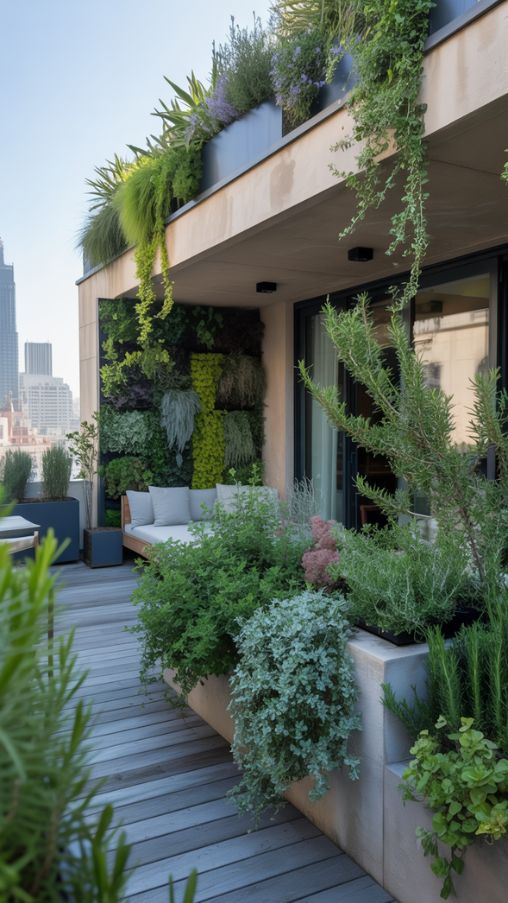
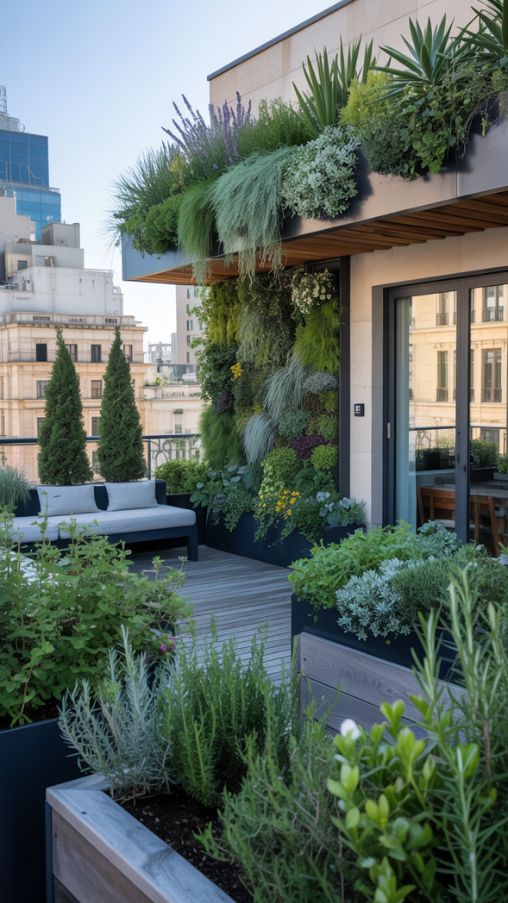
Plants breathe life into a terrace. Layered planting and vertical gardens make even small terraces feel lush. I often recommend Mediterranean or hardy plants like lavender, santolina, and grasses—they thrive in windy, sunny conditions. Cascading plants soften harsh edges, while multi-level planters add dimension. On a rooftop in Chelsea, we used a mix of evergreens and fragrant herbs to create a natural buffer from city noise, and the effect was incredible. Greenery isn’t just decoration; it’s a mood-setter, privacy solution, and way to feel connected to nature even in urban chaos.
| Plant Type | Ideal Use | Notes |
| Lavender | Aromatic, wind-tolerant | Great for edges and privacy |
| Pittosporum | Privacy screen | Grows fast, evergreen |
| Ceanothus | Early color | Adds contrast to green backdrop |
| Herbs | Culinary & fragrance | Mint, rosemary, thyme thrive in sun |
Privacy and Screening Solutions
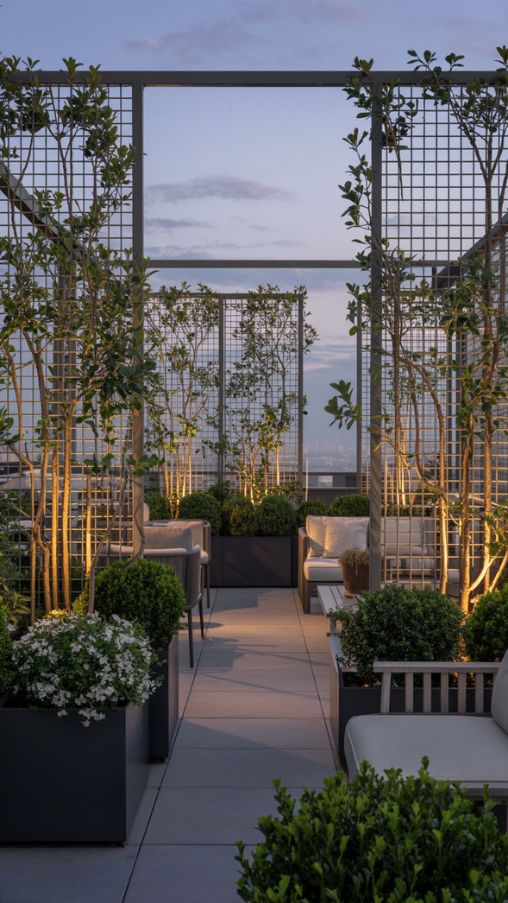
Privacy is tricky on a roof terrace, especially in dense cities. I’ve found that tall planters with shrubs or small trees create natural screens that feel organic rather than intrusive. You can also use trellises with climbing plants or even modular screens that match your furniture style. In Manhattan, a terrace I designed used potted pines and Pittosporum to create a cozy, secluded corner—guests didn’t even feel like they were on a rooftop, just in a private garden. A smart mix of plants and screens ensures you enjoy your terrace without feeling exposed.
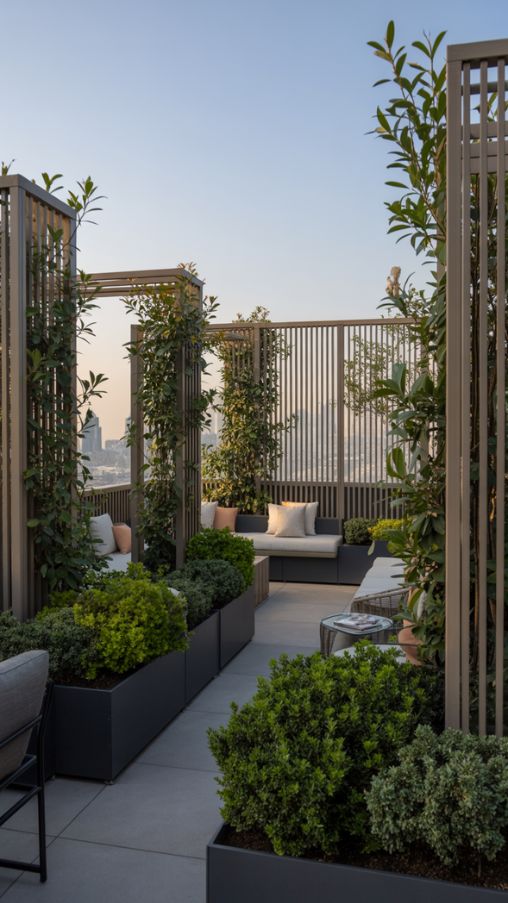
Modern and Minimalist Roof Terrace Designs
Sometimes, less is more. Minimalist terraces with clean lines, neutral palettes, and geometric planters feel sophisticated and uncluttered. I once helped design a terrace with white seating, black planters, and subtle LED lighting; it looked serene and modern, perfect for meditation or evening drinks.
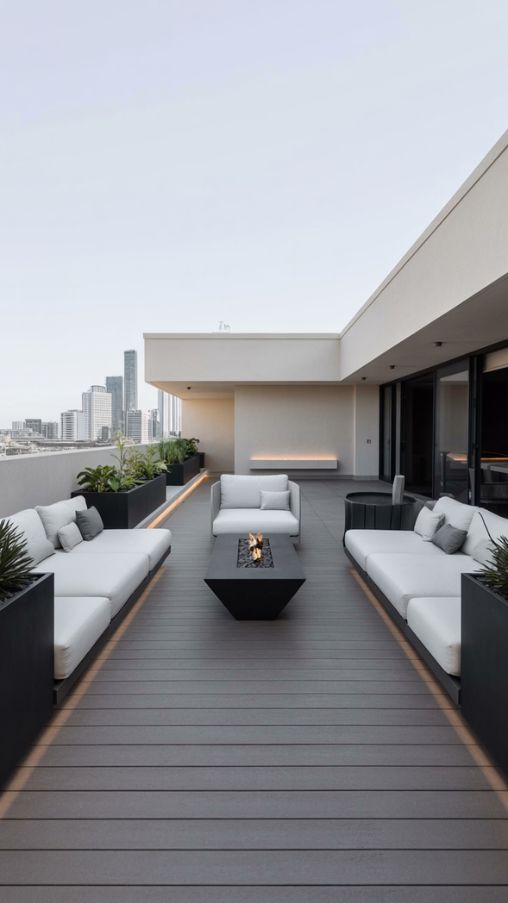
Minimalist terraces aren’t about empty spaces—they’re about intentionality. Every element has a purpose, whether it’s a statement planter, a fire pit, or a sun lounger, making the space feel curated yet relaxed.
Lighting Ideas for Roof Terraces

Lighting can make or break a terrace. Layered lighting—a combination of string lights, lanterns, and subtle spotlights—sets the mood from day to night. I like using LED strips integrated into decking or planters; it creates a soft glow without cluttering the space. One terrace I designed had fairy lights draped along the railing and under benches—it transformed the space into a magical evening retreat. Think of lighting as both functional and atmospheric: it guides movement, highlights features, and invites lingering conversations.
Best Smart LED Strip Lights for Vibrant Home Decor and Party Fun

Entertainment Features for Rooftop Terraces
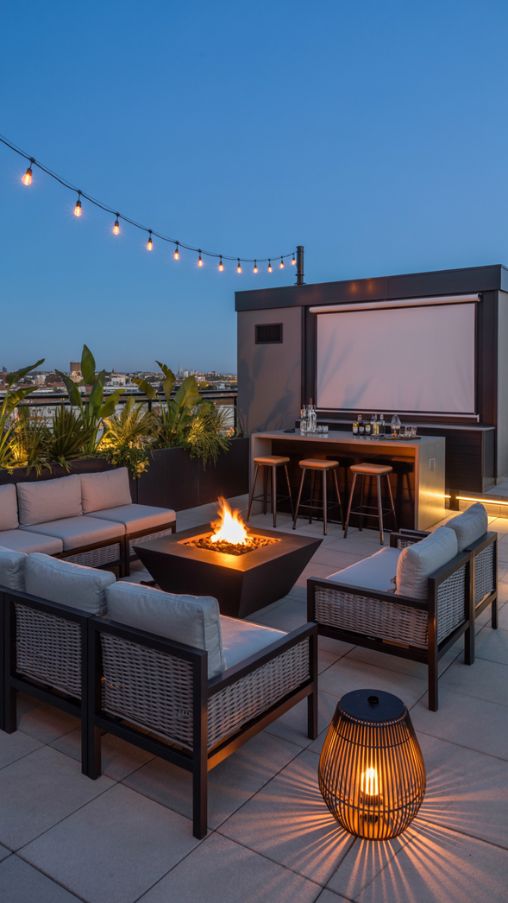
Terraces can be social hubs. Fire pits, sound systems, or outdoor movie screens bring life to the space. I remember a terrace party where a fire pit drew everyone together, creating warmth and conversation. Even small terraces benefit from multi-functional elements: a foldable table doubles as a bar, speakers blend with the greenery, and seating is modular for flexible arrangements. Entertainment features don’t just make the terrace fun—they make it memorable, giving your guests reasons to linger long after the sun sets.
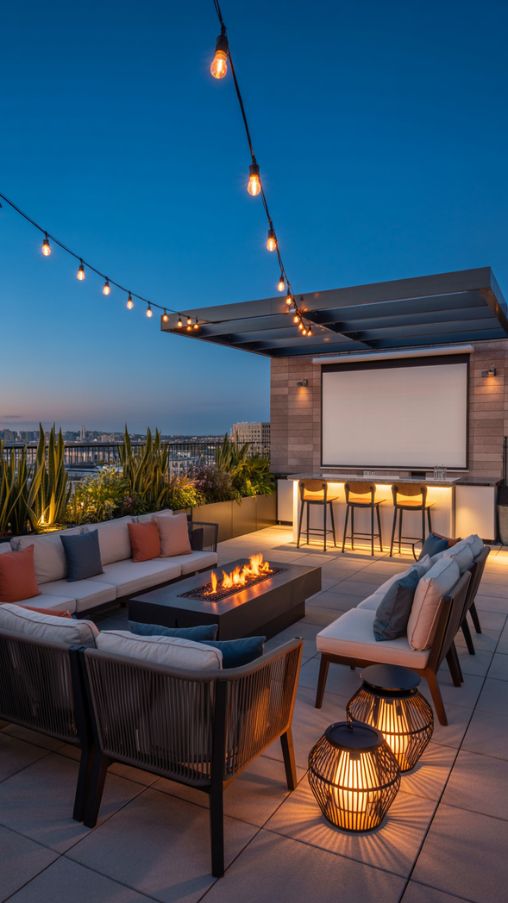
Style Inspirations from Luxury and Small Terraces
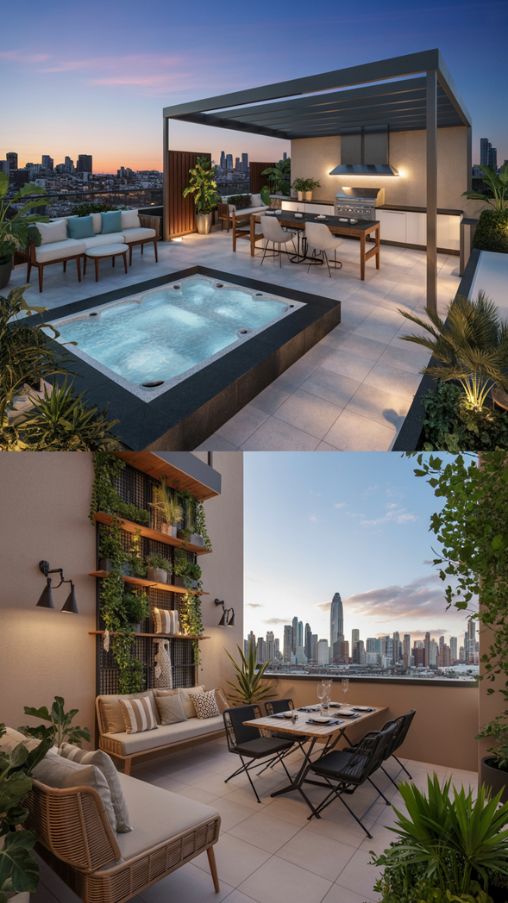
I’ve designed everything from tiny urban terraces to sprawling Manhattan rooftops. Luxury terraces often feature Jacuzzis, large BBQs, and multiple seating zones, while small terraces focus on vertical gardens and multi-purpose furniture. Tropical themes, Mediterranean vibes, or mid-century modern touches each bring a unique personality.
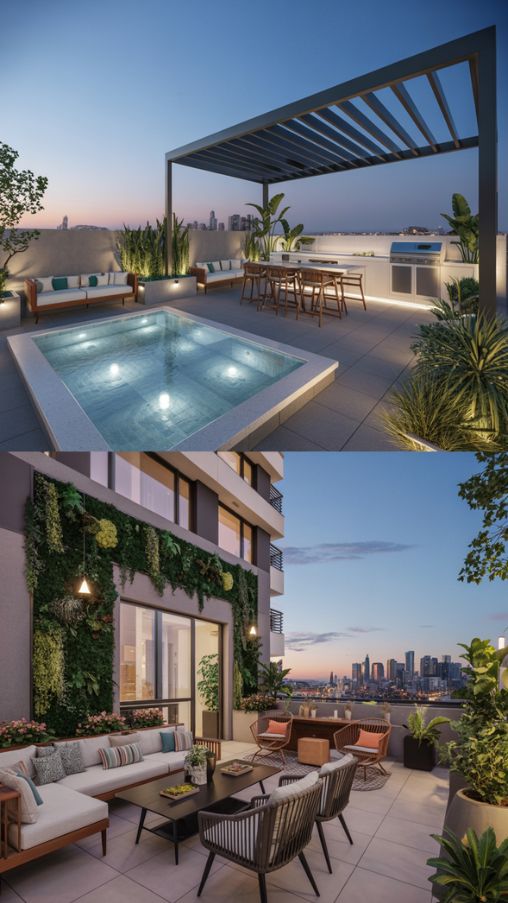
The key is to tailor the terrace to your lifestyle—what do you value most? A quiet reading nook, a space to entertain, or a private oasis with greenery and city views? Style should always reflect function and personality.
Practical Considerations for Roof Terrace Design
There are realities we can’t ignore. Weight limits, drainage, wind, and shade are critical. Lightweight soil mixes like LECA reduce load without compromising plant health. Quality planters—galvanized steel, Corten, or powder-coated—resist rust and maintain aesthetics. I’ve learned to always test furniture placement against wind patterns; nothing ruins a terrace faster than a chair flying in the breeze! Considering these practical aspects early ensures your terrace isn’t just beautiful—it’s safe, functional, and enduring.
Final Tips to Personalize Your Roof Terrace
Personal touches bring terraces to life. Accessories, unique planters, custom furniture, and artwork make a terrace feel yours. I like adding scented plants, cozy textiles, or playful colors to reflect my personality. Remember, the best terraces aren’t magazine-perfect—they’re lived-in. Whether it’s a hammock for afternoon naps or a dining area for weekend brunches, your terrace should invite you to pause, connect, and enjoy. A personalized rooftop garden turns any city view into a private escape.
FAQ Section
What are the best plants for a roof terrace?
Mediterranean plants like lavender, santolina, grasses, and Pittosporum work best because they handle wind, sun, and limited soil depth.
How do I create privacy on a small terrace?
Tall planters, shrubs, trellises, or climbing plants naturally screen your terrace without feeling closed off.
Can a small roof terrace feel luxurious?
Absolutely. Multi-level design, vertical gardens, and thoughtful furniture make even tiny terraces feel high-end.
What flooring works best for rooftops?
Porcelain tiles, composite decking, and stone are ideal for durability, drainage, and aesthetics.
How do I protect furniture from weather?
Use weather-resistant cushions, waterproof covers, and materials like metal, teak, or treated rattan for longevity.