

Paper flowers have always fascinated me because they’re a magical way to bring life and color into any space without worrying about wilting or watering. I still remember the first time I tried making one—it was a simple five-petal design, but the joy I felt holding that delicate bloom made me realize how creative and therapeutic this hobby could be.
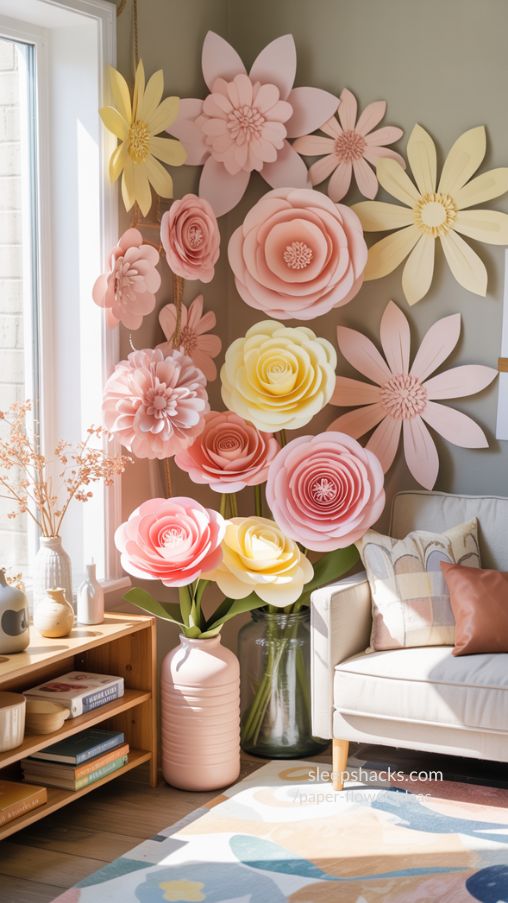
Over time, I experimented with various techniques, from rolled roses to layered daisies, and each one had its own personality. Paper flower ideas are not just about decoration; they’re about expressing emotions, celebrating moments, and crafting memories that last far longer than fresh flowers ever could. The beauty of these creations lies in their versatility—whether it’s a cozy home corner, a festive event, or a DIY gift, each paper flower has a story to tell.
Quick Key Points:
- Simple techniques can create stunning results.
- Paper flowers are eco-friendly and long-lasting.
- They add charm to both small and large spaces.
6 Best Paper Flower Products on Amazon Right Now
From beginner-friendly kits to showstopping giant backdrops — everything you need to bring the paper flower trend to life.
Lia Griffith · 28 pieces · German crepe paper
Marspark · 10 rolls of crepe paper + 28 templates + wire + tape
TaoBary · 2 sizes · Rainbow colors · Mexican fiesta style
Livia Cetti · Hardcover · 27 blooms + 20 arrangements
Includes Rose, Peony, Daisy, Daffodil templates · Sizes 1″–18″
Lia Griffith · Book · 30 projects · Cricut-compatible templates
Basic Paper Flower Designs
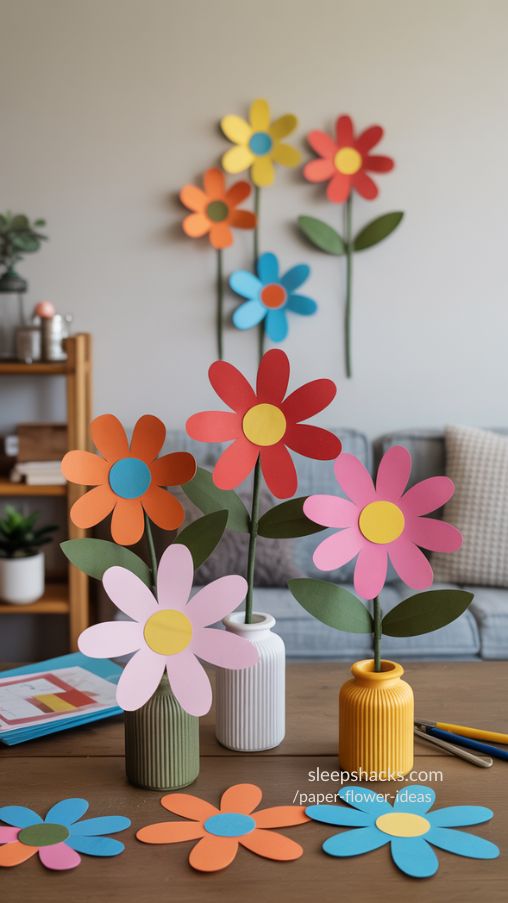
When I started, the most approachable designs were the basic cutout flowers. I often used colorful cardstock to cut five petals and glued them together at the base. What I loved about this method was the freedom to play with shapes and colors. Over time, I discovered that layering petals of different sizes creates a richer, fuller bloom, almost like a miniature bouquet in a single flower.

Even though it sounds simple, the effect is incredibly striking when arranged on a wall or in a vase. It’s a reminder that sometimes, less truly is more, and minimal effort can still produce stunning results.
5-Petal Cutout Flowers
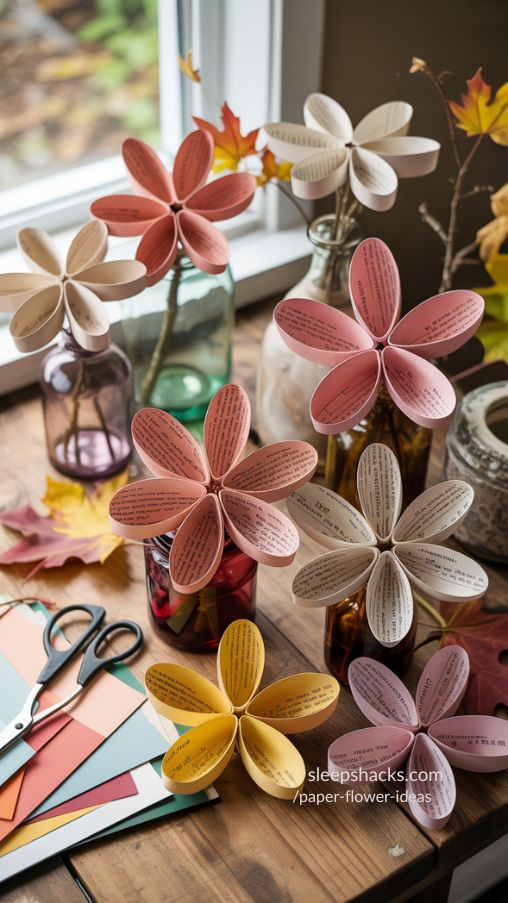
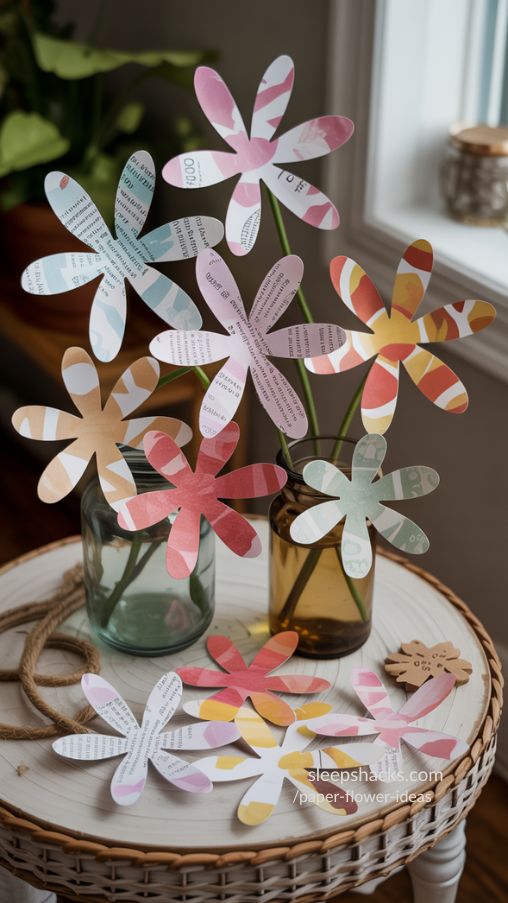
The charm of 5-petal cutout flowers is in their simplicity. I often grab leftover scrapbook paper or old magazine pages to make them. They’re perfect for beginners because you don’t need any special tools—just scissors, glue, and a little patience.
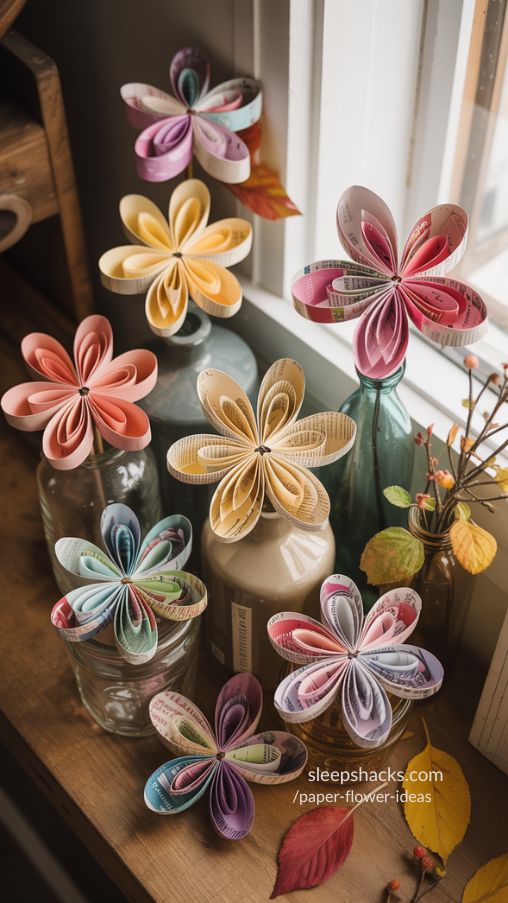
Over the years, I’ve noticed that experimenting with petal curves and edges can make each flower look unique, almost like it grew naturally rather than being crafted. These flowers are also fantastic for creating seasonal décor; for example, bright yellows and oranges for fall, or soft pastels for spring.
Layered Paper Flowers
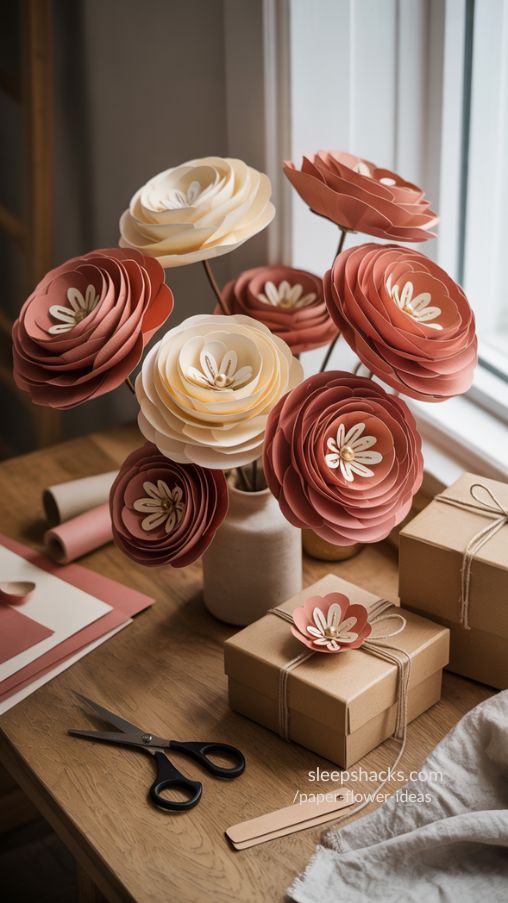
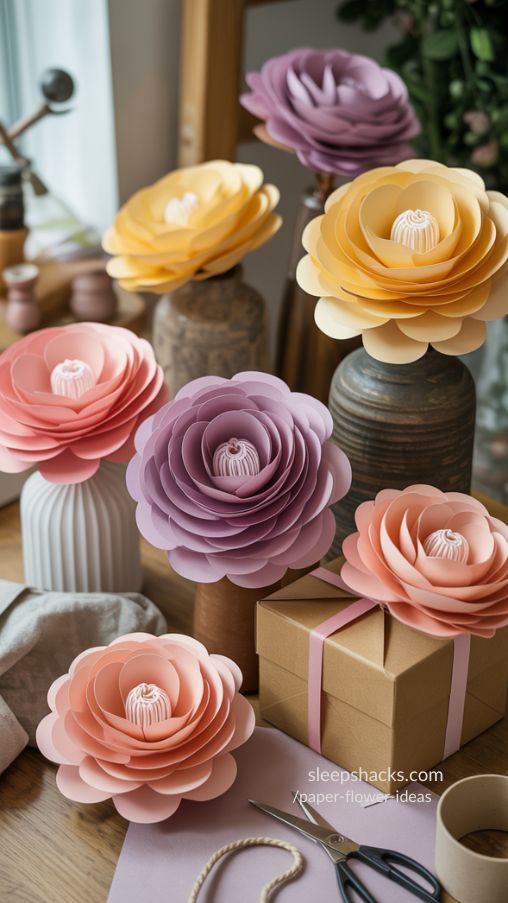
Layered flowers take the same concept but add depth. I usually start with a large base petal, then add two or three progressively smaller layers on top. This method makes the flower look lush and almost 3D. One tip I learned the hard way is to slightly curl each petal with a pencil—it adds movement and makes them appear more realistic. Layered designs are my favorite for gifting because they carry a touch of sophistication while still keeping that handmade charm.
Rolled and Folded Paper Flowers
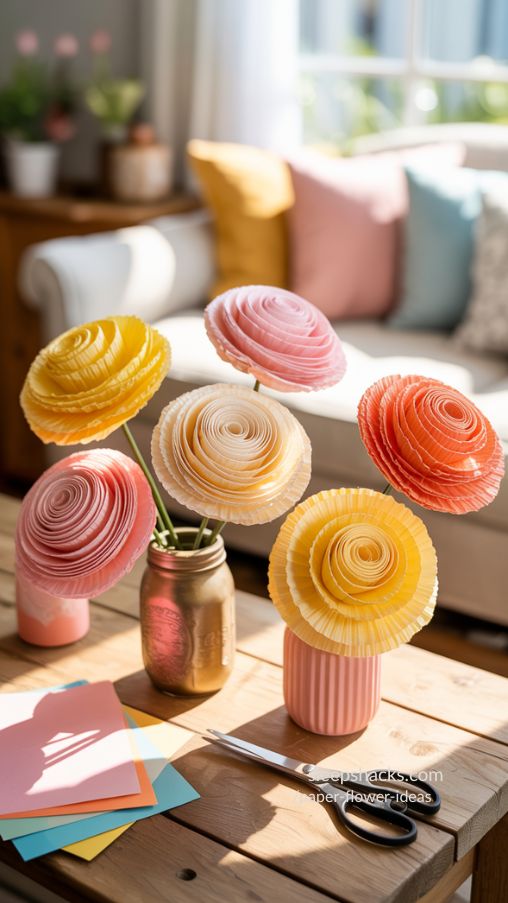
Rolled roses have been my go-to project for birthdays and anniversaries. I like cutting a spiral out of paper and rolling it tightly, letting the center bloom open gently. It’s mesmerizing to watch the flower take shape under your fingers, like a slow-motion magic trick. Accordion-fold flowers are another personal favorite. The folding creates a textured, playful effect, perfect for kids’ room décor or a casual party centerpiece. These techniques feel interactive, almost like you’re giving life to a flat sheet of paper.
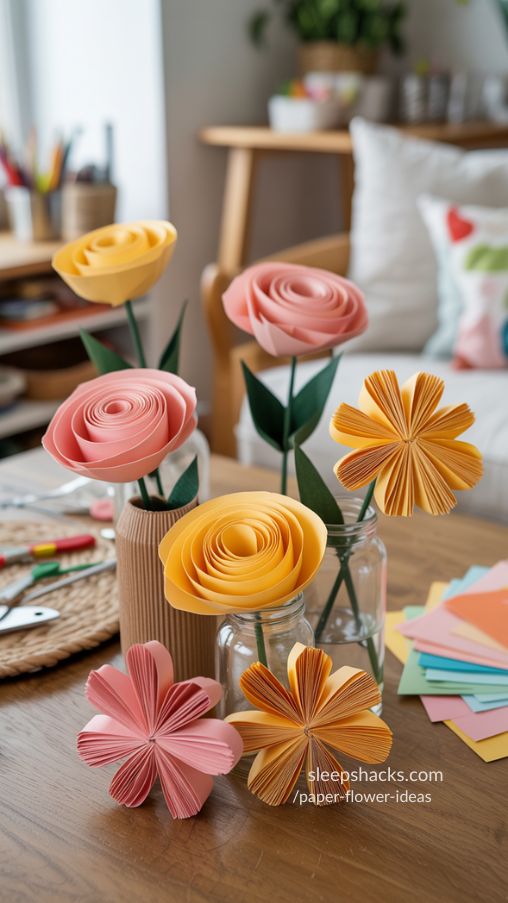
Rolled Paper Roses
The first rolled rose I made ended up a little crooked, but it was adorable. I realized that the tighter you roll, the more refined the bloom looks. Mixing different shades of red or pink can create depth and make it appear almost like velvet petals.
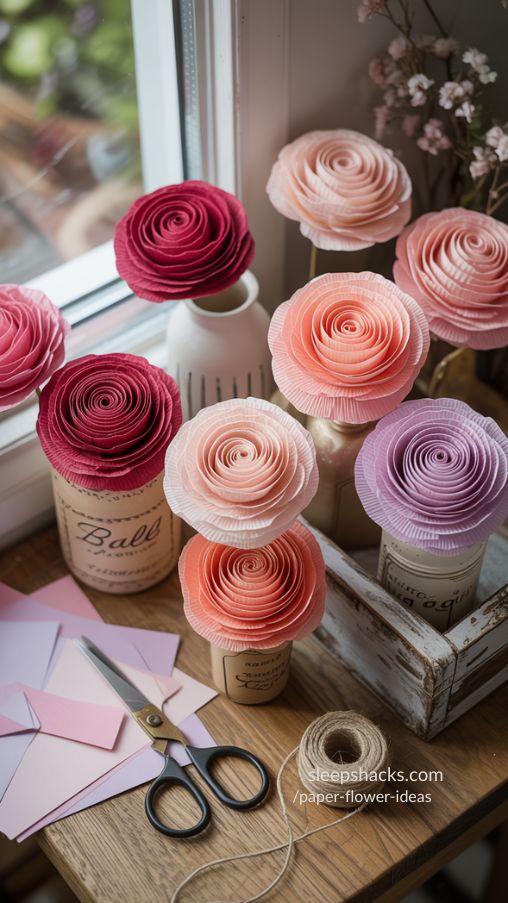
Over time, I even started experimenting with paper types, like tissue or crepe, and the results were astonishing. Each variation brought a new dimension, and I could see why crafters fall in love with this technique.
Accordion-Fold Flowers
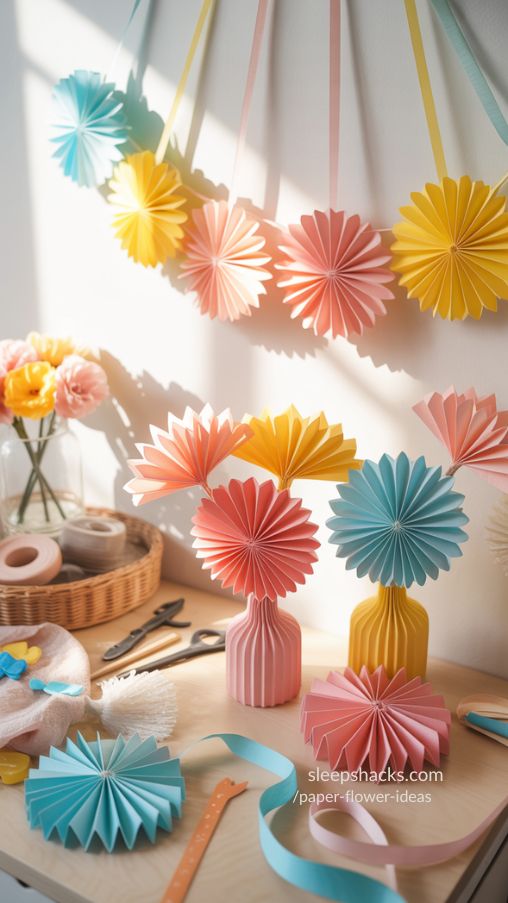
Accordion-fold flowers are pure fun. I remember hosting a craft day with friends where everyone made one, and we couldn’t stop laughing at the different shapes we ended up with. The back-and-forth folds create an interesting texture, and when you secure the center, the petals fan out like a little explosion of color. They are lightweight, easy to hang, and perfect for garlands or wall décor, which makes them incredibly versatile.
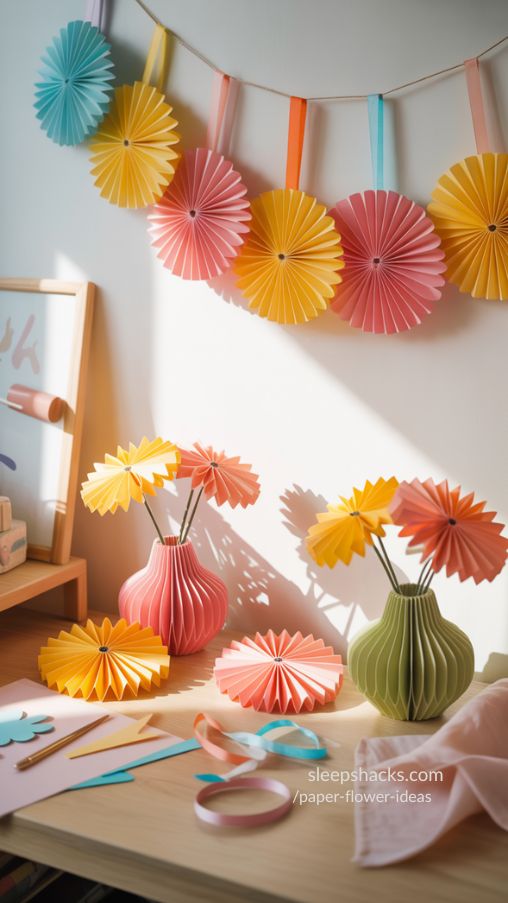
Unique Paper Flower Techniques
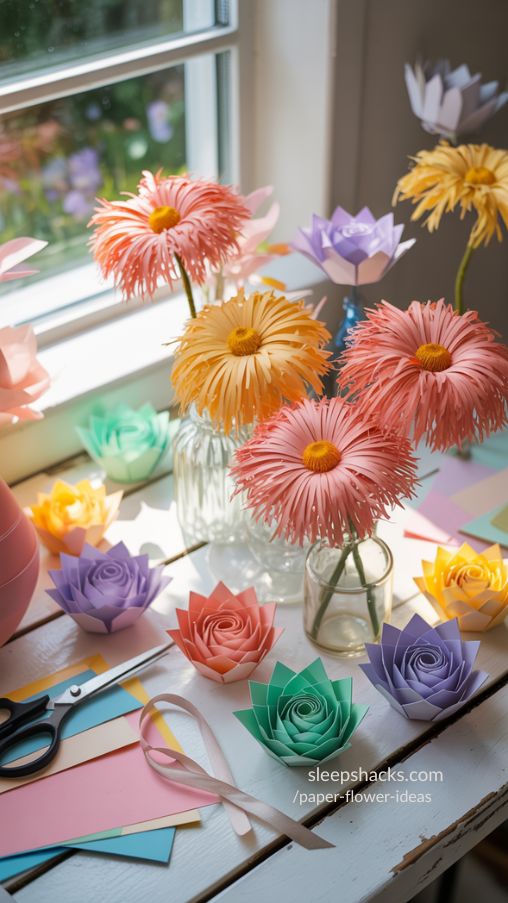
Sometimes, I like to break the traditional mold. Fringe-edge daisies, for instance, are playful and almost whimsical. By cutting fringes along the petal edges, the flower gets a dynamic texture that moves when touched. Origami flowers are another favorite—there’s something satisfying about turning a flat sheet into an intricate bloom with folds and creases. These techniques are ideal when you want to make a statement, especially for parties or creative projects.
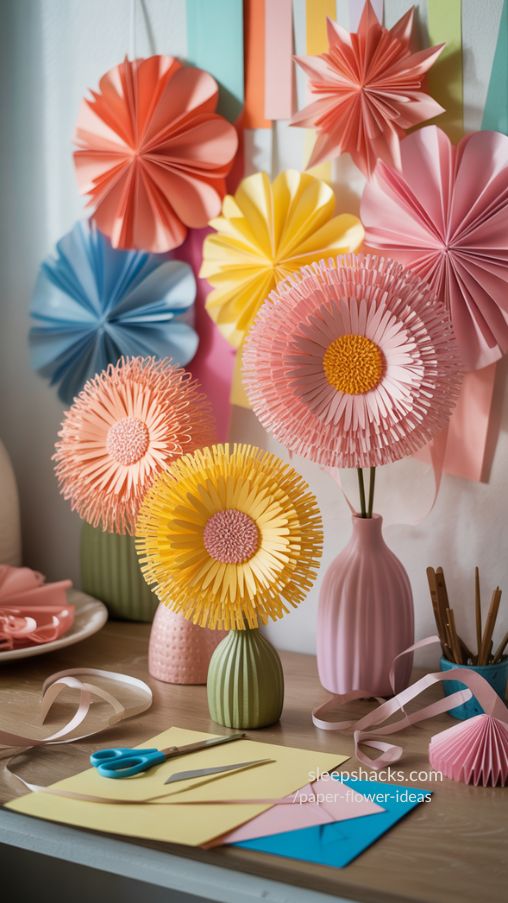
Fringe-Edge Daisies
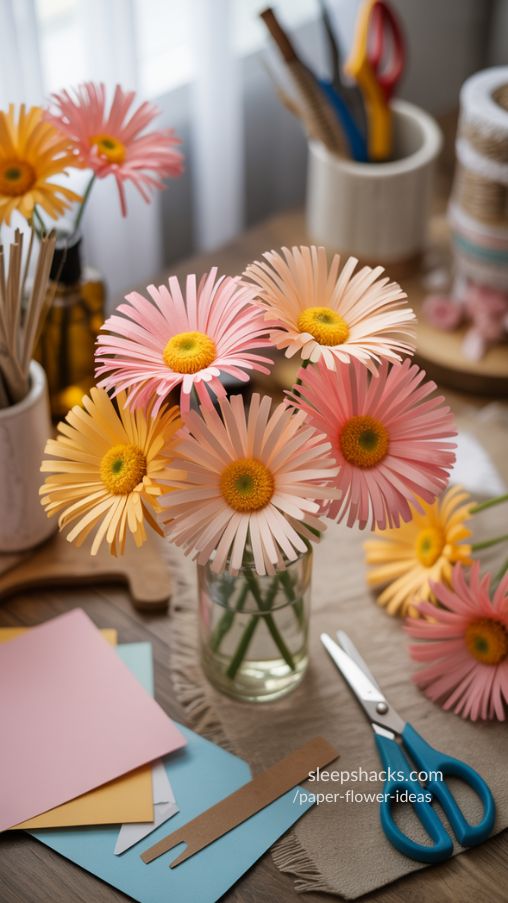
The first fringe-edge daisy I made was for a friend’s birthday card. The fringed edges added a lively feel, almost as if the flower could sway in an invisible breeze. I love how this technique doesn’t require complex tools, just careful snipping along the edges. These daisies are excellent for DIY arrangements because they fill up space quickly and add texture, making your bouquet look more interesting than traditional cutouts.
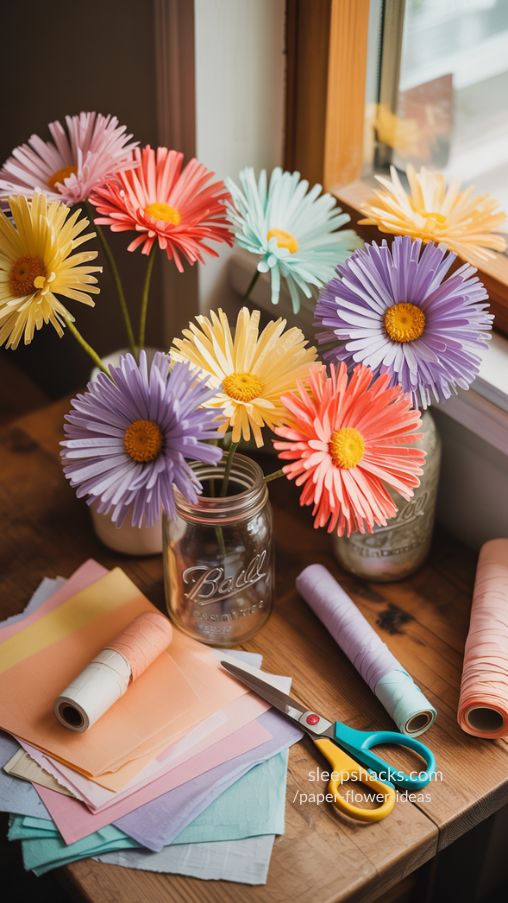
Origami-Style Flowers
Origami flowers are like solving a puzzle. I remember the satisfaction of finishing my first origami lily—it was delicate yet striking. The precision required makes it feel like an art form, and the final result is elegant and minimalistic. Origami flowers are excellent for tabletop décor or handmade gifts, and you can experiment with paper patterns to add character without additional crafting supplies.
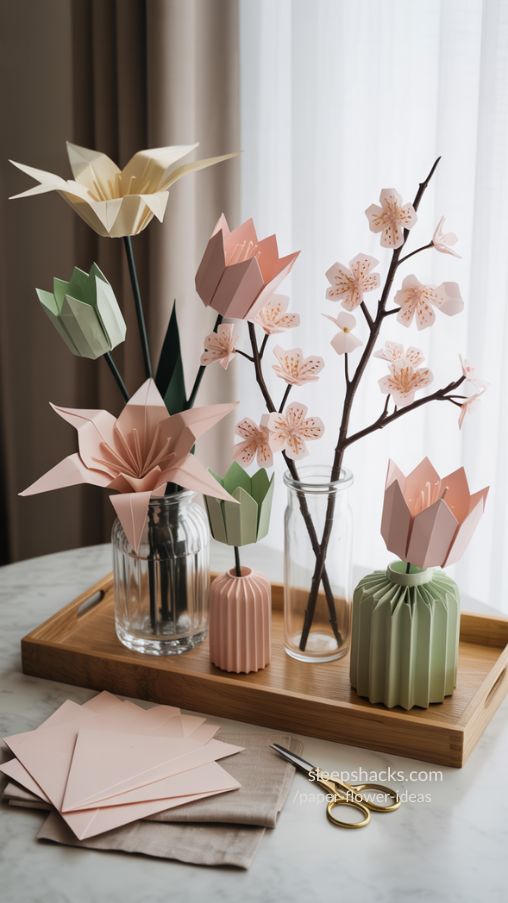
Eco-Friendly Paper Flower Ideas
One of my favorite things about paper flowers is the sustainability factor. Using magazine pages or recycled paper transforms trash into beauty. I even made a bouquet from old book pages, and it was a huge hit during a literary-themed event. Recycled materials not only cut costs but also make each creation unique, adding a sense of story to your décor. Table 1 shows some ideas for eco-friendly paper flowers with materials and difficulty level.

| Material | Flower Type | Difficulty Level |
| Magazine pages | Rolled Roses | Easy |
| Scrapbook paper | 5-Petal Cutouts | Easy |
| Recycled cardboard | Layered Flowers | Medium |
| Old book pages | Origami Lilies | Medium |
| Crepe paper scraps | Accordion-Fold Flowers | Easy |

Elegant and Whimsical Designs
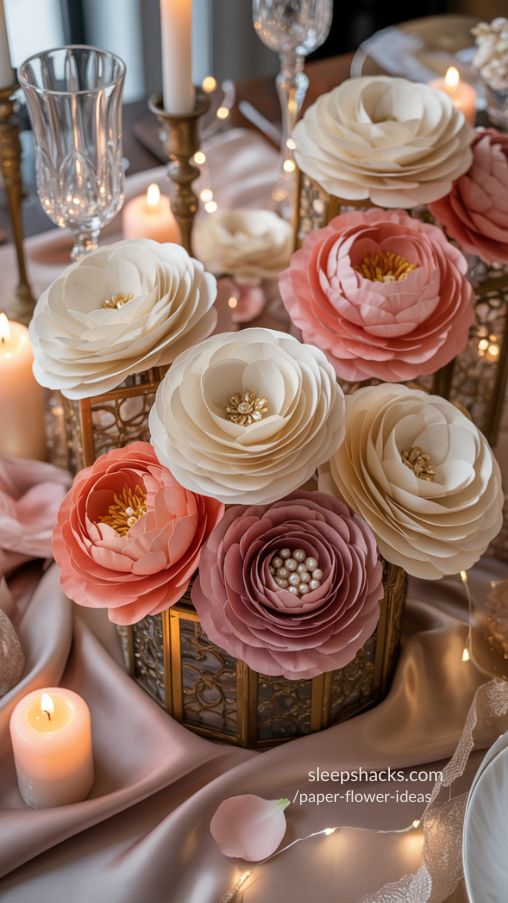
When I think of paper flowers, weddings immediately come to mind. Delicate white paper flowers bring sophistication to any event, while whimsical bouquets with bright colors feel like a celebration captured in paper. Layering, combining textures, and using metallic or glitter accents can elevate simple designs into something breathtaking. For me, the most enjoyable part is seeing guests’ reactions—they often can’t believe the flowers aren’t real!
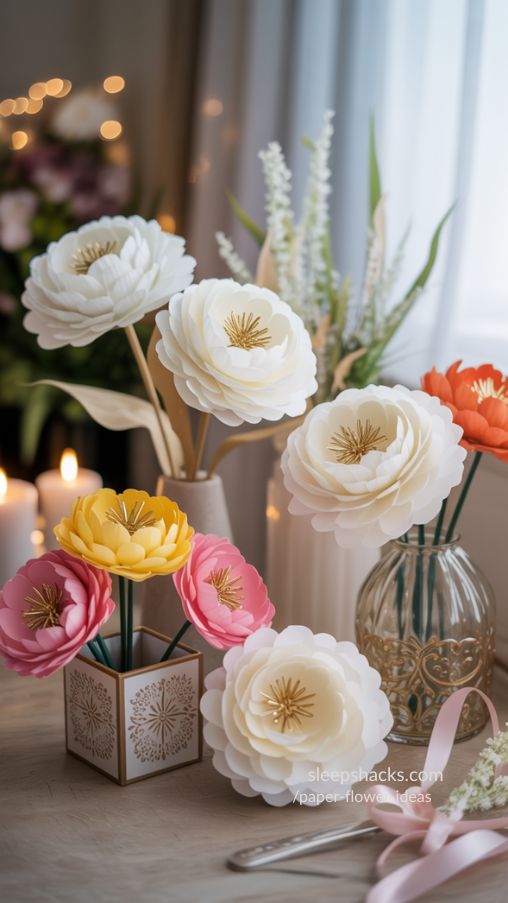
Delicate White Paper Flowers
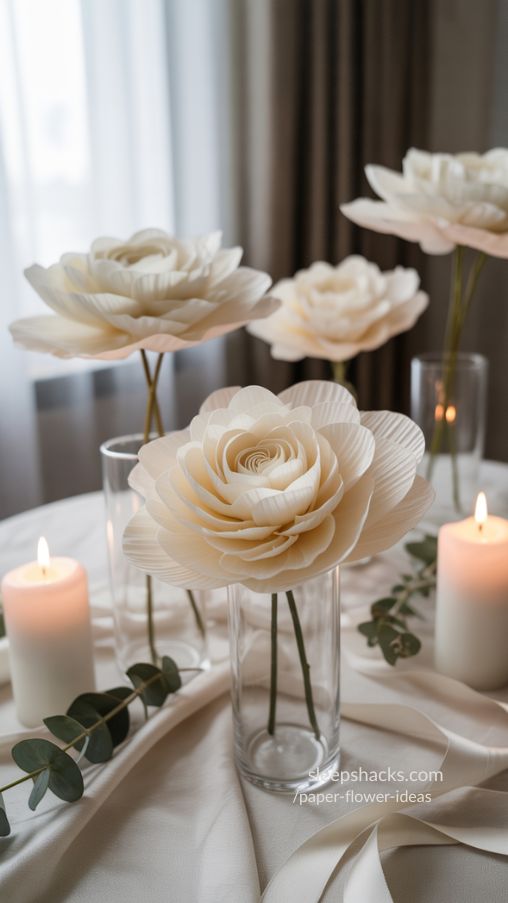
White paper flowers are timeless. I’ve used them to make wedding backdrops and table centerpieces. Layering petals and curling edges carefully adds realism. The monochromatic palette allows other décor elements to shine, like candles or greenery, while the paper flowers add elegance without overwhelming the space.

Whimsical Bouquets
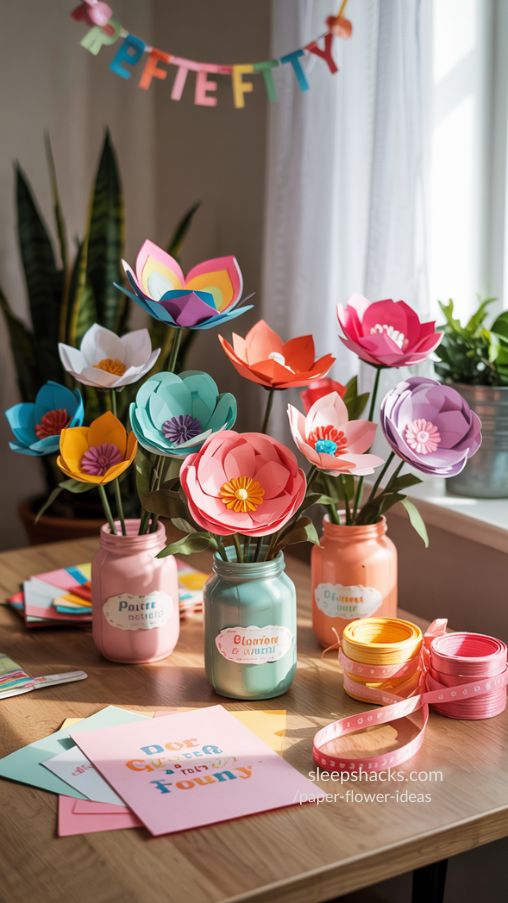
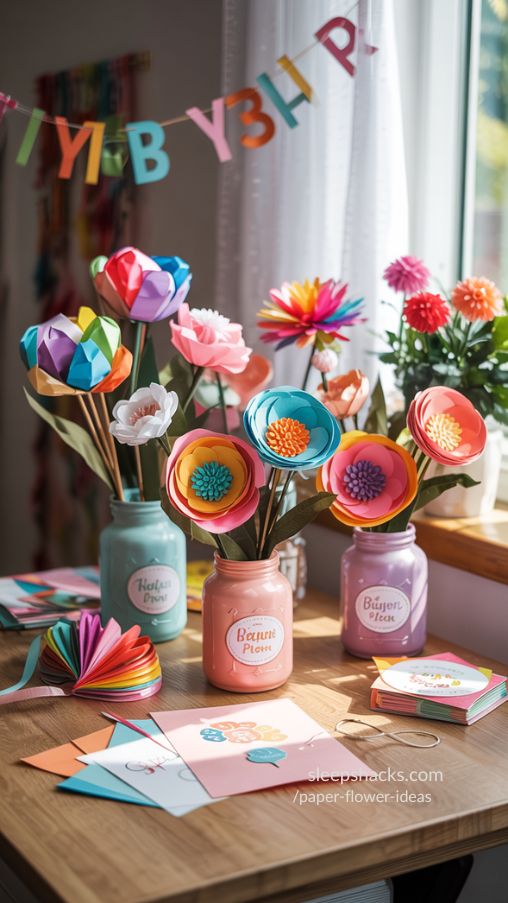
Whimsical bouquets are pure fun. Using rainbow-colored paper, I create flowers that almost seem to dance in their vases. I often add different shapes and sizes to make the bouquet feel dynamic. These are perfect for birthdays, baby showers, or just brightening up a living room corner. The best part? You can customize them endlessly, matching themes or personal styles.
Step-by-Step Paper Flower Tutorials
If you’re like me, step-by-step guides are lifesavers. They save frustration and give confidence to beginners. Websites like DIY Crafts and The Crafty Blog Stalker are my go-to resources, but I’ve learned that experimenting along the way makes the experience far more rewarding. I often tweak tutorials to match my style, adding new folds, textures, or color combinations.
Table 2: Example Step-by-Step Paper Flower Tutorials
| Tutorial Source | Flower Type | Skill Level |
| DIY Crafts | Layered Peony | Beginner |
| The Crafty Blog Stalker | Rolled Rose | Intermediate |
| Bloomingtips.com | Accordion-Fold Daisy | Beginner |
| Martha Stewart | Origami Lily | Advanced |
| Sew Crafty Me | Fringe-Edge Sunflower | Intermediate |
Tips for Perfect Paper Flowers
Over the years, I’ve picked up a few tricks that make paper flowers look more realistic. Curling petals, mixing shades, and layering textures can transform a flat design into something vibrant and lifelike. Using wire for stems gives flexibility, allowing the flowers to bend naturally. Even small details like painting petal edges can make a significant difference. Treat each flower like a living entity, and you’ll see them come alive on your walls or in vases.
Common Mistakes to Avoid
One mistake I see beginners make is cutting petals too symmetrically. Nature is rarely perfect, so slight irregularities add authenticity. Another is overloading flowers with glue, which can make them stiff or clump together. Finally, choosing the wrong paper can affect texture and flexibility. Tissue paper, crepe, or cardstock each has its pros and cons, so experimenting to see what fits your project is key.
Incorporating Paper Flowers in Home Decor
I love using paper flowers as focal points in my home. A single large paper peony on a coffee table or a garland along the wall can transform a room. They’re lightweight, easy to hang, and last indefinitely. Pairing them with real greenery, fairy lights, or simple vases can create a harmonious balance of texture and color, making your living space feel cozy yet artistic.
DIY Gifts with Paper Flowers
Nothing beats a handmade paper flower gift. I once made a small bouquet for a friend’s birthday using recycled magazine pages, and she was genuinely touched. Paper flowers can be personalized with messages, colors, and shapes, turning a simple craft into a meaningful token. They also show effort and thoughtfulness in a way that store-bought gifts rarely do.
Paper Flowers for Events and Parties
From weddings to baby showers, paper flowers are versatile. Large paper flower backdrops create stunning photo zones, while small paper roses make charming table centerpieces. They can match any theme or color palette, making them ideal for both intimate gatherings and large celebrations. I’ve hosted a few DIY party workshops where attendees create their own paper flower décor, and the excitement in the room is always contagious.
Maintaining and Storing Paper Flowers
Despite being low-maintenance, paper flowers still need care. Keep them away from direct sunlight to prevent fading and store them in a dry place to avoid moisture damage. I often store extra creations in clear boxes, separating layers with tissue paper to maintain shape. When properly cared for, they can last for years, making them a sustainable alternative to fresh flowers.
FAQ
What are the easiest paper flower ideas for beginners?
The simplest are 5-petal cutouts and rolled roses using cardstock or tissue paper.
Can I use recycled paper for paper flowers?
Absolutely! Magazine pages, old books, and scrap paper work beautifully.
How long do paper flowers last?
With proper care, paper flowers can last for years without losing their shape or color.
Do I need special tools to make paper flowers?
No, basic tools like scissors, glue, and pencils for curling petals are enough.
Can paper flowers be used for weddings?
Yes, delicate or layered designs are perfect for bouquets, centerpieces, and backdrops.
How can I make paper flowers look realistic?
Layer petals, curl edges, mix shades, and use wire stems for natural movement.
Are paper flowers eco-friendly?
Yes, especially when using recycled or repurposed paper materials.