

Indian-Style Oyster Mushroom Masala — a homemade spice blend, rich red gravy, and the most flavourful way to eat mushrooms
There’s something almost unfair about how good this dish smells while it’s cooking. The moment those whole spices hit the hot oil — the black cardamom, the star anise, the bay leaf — the kitchen transforms. It stops being just a weeknight dinner and becomes something you want to tell people about. That’s what oyster mushroom masala does. It earns its place.
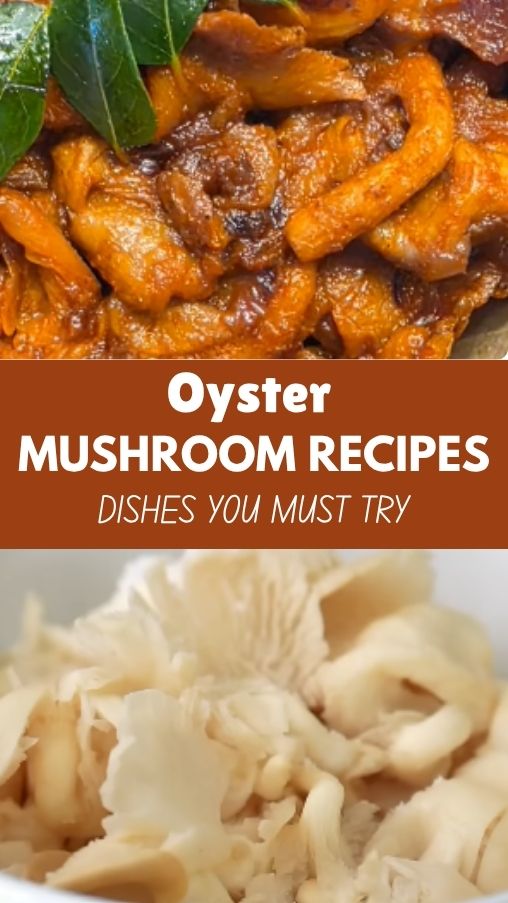
I came to this recipe the way most people discover their favourite dishes — completely by accident. I had a bag of fresh oyster mushrooms, a pantry full of whole spices, and no real plan. What came out of that pan was so deeply savoury, so layered with heat and warmth, that I’ve made it at least once a month ever since. It’s one of those oyster mushroom recipes that quietly becomes a staple.
- This recipe uses a freshly dry-roasted homemade spice mix that makes all the difference — no shortcuts, all flavour.
- Grated onions and three types of chilli create a restaurant-quality gravy that most home cooks don’t know is this achievable.
- It’s vegetarian, high in protein and antioxidants, and comes together in under 30 minutes with pantry staples.
| Course | Vegetarian Main Course |
| Cuisine | Indian |
| Meal type | Lunch or Dinner |
| Cook time | Approx. 20–25 minutes |
| Main ingredient | 200g Oyster Mushrooms |
| Suitable for | All seasons |
Now that you know what you’re working with, let’s get into why this masala is worth every single minute.
Why You’ll Love This Recipe
Honestly, the first thing that wins people over is the colour. That deep, glossy red gravy — rich from Kashmiri chilli powder, glistening with good oil — looks like it came from a proper restaurant kitchen. And yet it’s made in one pan, in your home, with spices you probably already own.
What makes this stand apart from other oyster mushroom recipes is the homemade spice mix. Dry-roasting coriander, fennel, and cumin with dried red chillies, then grinding them coarse — that’s the move that separates a good mushroom curry from a great one. The aroma alone is worth it. Add to that the technique of hand-tearing the mushrooms instead of chopping them, and you get a texture that holds up beautifully in the thick, flavourful gravy.
It’s bold. It’s warming. It’s the kind of vegetarian dish that satisfies completely — no side of “where’s the meat?” needed.
Ingredients You’ll Need
The ingredient list might look long at first glance, but don’t let it intimidate you. It breaks down into four simple groups: the mushrooms, the homemade spice mix, the aromatic base, and the gravy seasonings. Most of these are pantry staples if you cook Indian food regularly — and if you don’t, this is a great reason to stock up.
Here’s everything you need, followed by a substitution guide for anything tricky to find:
| Ingredient | Amount | Substitution | Why it matters |
| Oyster mushrooms | 200g | Button or shiitake mushrooms | The star — delicate, tender, protein-rich |
| Coriander seeds | 2 tsp | Ground coriander (use less) | Base of the homemade spice mix |
| Fennel (saunf) | 1 tsp | A pinch of anise seed | Adds warmth and subtle sweetness |
| Cumin (jeera) | 1 tsp | Ground cumin | Earthy depth in the spice mix |
| Dried red chillies | 4 pieces | Chilli flakes (reduce to 1 tsp) | Heat and body in the spice mix |
| Salt (spice mix) | 1/4 tsp | — | Helps bloom the spices while roasting |
| Cooking oil | 2 tbsp | Any neutral oil | Infusion base for whole spices |
| Bay leaf (tej patta) | 1 piece | Omit if unavailable | Subtle background aroma |
| Black cardamom (badi elaichi) | 1 piece | Green cardamom (milder) | Smoky, intense aroma |
| Star anise | 1 piece | Omit or add a pinch of fennel | Layered licorice warmth |
| Onions (medium) | 2, grated | Finely chopped (less smooth) | Creates restaurant-style gravy texture |
| Ginger-garlic paste | 1 tsp | Fresh ginger + garlic, minced | Aromatic foundation |
| Red chilli powder | 1 tsp | Cayenne (slightly hotter) | Primary heat layer |
| Kashmiri red chilli powder | 1/2 tsp | Paprika (less heat, same colour) | Vibrant red colour, mild heat |
| Additional chilli powder | 1/4 tsp | Adjust to taste | Final heat adjustment |
| Garam masala | 1/4 tsp | Mixed spice or allspice | Finishing warmth and complexity |
| Salt (gravy) | 1/2 tsp | Adjust to taste | Seasons the base |
| Tomato (large) | 1, chopped | 2 tbsp tomato paste + 2 tbsp water | Acidity, body, colour |
| Fresh coriander | To garnish | Flat-leaf parsley | Brightness and freshness at the end |
| Water | As needed | — | Adjusts gravy consistency |
Ingredient Notes
A few of these ingredients deserve a proper introduction. They’re the ones that either make or break the dish — and knowing why they’re here changes how you cook with them.
Oyster Mushrooms
These are not your average button mushrooms. Oyster mushrooms are delicate, fan-shaped, and have a silky texture that becomes beautifully tender when cooked. They’re also nutritionally impressive — rich in protein, minerals, vitamins, and antioxidants — which makes this one of the most nourishing oyster mushroom recipes you can make. Look for ones that are pale, firm, and not slimy. Tear them by hand along their natural grain. A knife compresses the fibres and ruins the texture.
The Homemade Roasted Spice Mix
This is the soul of the dish. Dry-roasting coriander seeds, fennel, cumin, and dried red chillies unlocks volatile oils that pre-ground powder simply cannot match. The result is a coarse, fragrant powder that smells almost smoky. Don’t skip this step, and don’t rush it — let the seeds cool completely before grinding, or the steam will make the powder clump and lose its texture.
Kashmiri Red Chilli Powder
This one is used specifically for colour, not heat. It’s what gives the gravy that stunning deep red hue without turning the dish scorchingly spicy. If you can’t find it, paprika is your best swap — same colour payoff, similar mild heat. Regular chilli powder will give heat but not the same gorgeous colour.
Black Cardamom and Star Anise
These two whole spices do the heavy lifting in the aromatics. Black cardamom has a smoky, almost camphor-like quality that green cardamom lacks entirely — they’re not interchangeable in the same way. Star anise adds a deep licorice warmth. Together with the bay leaf, they turn plain oil into something fragrant and complex before a single onion hits the pan.
Grated Onions
This is the technique most home cooks don’t know about. Grating the onions instead of chopping them releases more moisture and sugar, which means they brown faster and melt more completely into the gravy. The result is a thick, smooth, restaurant-style base. If you only chop them, the gravy will still taste good — but it won’t have that same silky depth.
How to Make It — Step by Step
This comes together in stages, and each one builds on the last. Take your time with the early steps — the patience you put into the base pays off in every single bite.
Step 1: Tear the Mushrooms
Take your 200g of oyster mushrooms and tear them by hand into natural slices following the grain of the cap. Place them aside on a clean plate.
Watch for: Don’t use a knife. Hand-tearing preserves the delicate fibrous structure that makes oyster mushrooms so texturally special in the finished dish.
Step 2: Dry Roast and Grind the Spice Mix
In a dry pan over medium heat, add the coriander seeds, fennel, cumin, dried red chillies, and 1/4 tsp salt. Roast, stirring frequently, until the seeds are aromatic and just beginning to darken — about 2 to 3 minutes. Remove from heat and spread on a plate to cool completely. Once cool, grind to a coarse powder.
Watch for: The moment you smell that toasty, almost nutty fragrance — that’s when they’re ready. Don’t let them go dark or bitter. Cool completely before grinding, or you’ll get steam instead of powder.
Step 3: Infuse the Oil with Whole Spices
Heat 2 tbsp of cooking oil in a wide pan over medium heat. Add the bay leaf, black cardamom, and star anise. Let them sizzle for 30 to 45 seconds until the oil smells deeply fragrant.
Watch for: You’re not frying these — you’re infusing. The oil should shimmer and carry those aromas before anything else goes in.
Step 4: Sauté the Onions and Ginger-Garlic Paste
Add the grated onions to the fragrant oil. Sauté on medium heat, stirring regularly, until they turn a deep golden colour. Add the ginger-garlic paste and cook for another minute until raw smell disappears.
Watch for: The grated onions will release water first — that’s normal. Keep cooking until that liquid evaporates and the onions actually begin to brown. This is where flavour is built.
Step 5: Build the Masala Base
Add the red chilli powder, Kashmiri red chilli powder, the additional 1/4 tsp chilli powder, garam masala, and 1/2 tsp salt. Stir well. Add the chopped tomato and mix to combine. Cover the pan and cook for 2 minutes until the oil begins to separate from the masala around the edges.
Watch for: That ring of oil separating from the mixture around the pan’s edge is your signal. It means the tomato has fully broken down and the masala is properly cooked. Don’t rush past this moment.
Step 6: Add the Homemade Spice Mix and Mushrooms
Stir in 2 tsp of your freshly ground spice mix. Add the hand-torn oyster mushrooms and fold them gently into the masala, coating every piece.
Watch for: The mushrooms will look a little raw and out of place for a moment — that’s fine. They’ll begin releasing their own moisture almost immediately.
Step 7: Simmer to Finish
Cover the pan and cook for 2 to 3 minutes. If you’d like a saucier consistency, add a small amount of water and simmer for an additional 5 minutes. Garnish with fresh chopped coriander and serve immediately.
Watch for: Add water in tiny increments — a tablespoon at a time. Too much water dilutes the masala’s intense flavour. The mushrooms should be the star, not the gravy.
Expert Tips for Best Results
A few things separate a good masala from a truly great one. These tips come directly from the cooking method — small details that make a real difference in the final dish.
- Always hand-tear oyster mushrooms. Cutting them with a knife compresses their delicate structure and changes how they cook. Tearing along the natural grain keeps them tender and texturally satisfying in the finished dish.
- Freshly roasting and grinding the spice mix is non-negotiable. Pre-ground coriander, fennel, and cumin from a jar will produce a flat result. The volatile oils released during dry-roasting are what give this dish its signature depth and aroma — and that’s the difference between this and every other oyster mushroom masala you’ve tried.
- Grate your onions, and cook them fully. Using grated onions instead of chopped ones produces a smoother, restaurant-style gravy. Combine that with fully cooking the onion-tomato base until oil separates, and you’ll avoid that raw, sharp flavour that shows up when people rush the base.
Pros and Cons
Every recipe has its moments — the things you’ll love immediately and the parts that ask a little more of you. Here’s an honest look at both sides of this dish before you commit to making it.
| Pros | Cons |
| Restaurant-quality results at home | Requires making a spice mix from scratch |
| Rich, deeply layered flavour from homemade spice blend | Spice grinding adds extra time and washing up |
| Nutritious — high in protein, minerals, vitamins, antioxidants | Oyster mushrooms can be harder to find than button mushrooms |
| Fully vegetarian and naturally gluten-free | Delicate mushrooms require careful handling — no knife allowed |
| Beginner-friendly technique (grated onions do the heavy work) | Whole spices like black cardamom may not be in every pantry |
| Ready in under 30 minutes | Not ideal for batch cooking — mushrooms soften on reheating |
How to Store and Make Ahead
Oyster mushroom masala is best eaten fresh — right off the stove, with a fresh garnish of coriander. That said, leftovers are absolutely still worth saving. The key is gentle reheating so the mushrooms don’t go rubbery. Here’s how to handle it properly:
| Method | Container | Duration | Reheating instructions |
| Refrigerator | Airtight container | 2–3 days | Warm gently on low heat in a pan with a splash of water. Stir slowly and don’t overheat. |
| Make ahead (masala base only) | Airtight container | Up to 3 days | Cook the base ahead, refrigerate, then add fresh mushrooms and finish just before serving for best texture. |
Serving Suggestions
This masala is a main event — serve it hot, straight from the pan, with a fresh handful of coriander scattered on top just before it goes to the table. The heat carries the aroma beautifully.
For sides, you really can’t go wrong with Indian flatbreads. A warm roti tears into the thick red gravy perfectly. Paratha adds a little richness that plays beautifully against the spices. If you prefer something more substantial, steamed rice soaks up the masala and makes every bite deeply satisfying.
This dish works equally well for a relaxed weeknight dinner and for a weekend meal when you want to impress someone without spending hours in the kitchen. It’s the kind of plate that looks effortful and tastes even better than it looks.
Recipe Variations
Once you’ve made this once, you’ll naturally start wondering what else you can do with it. Here are three variations worth trying — each one built on the same foundation, just taken in a slightly different direction.
Low-spice version
- Reduce dried red chillies in the spice mix from 4 to 2 pieces.
- Use only the Kashmiri chilli powder (for colour) and skip the additional 1/4 tsp chilli powder.
- Keep everything else the same — the warmth from star anise and black cardamom still gives it depth without the heat.
Mixed mushroom masala
- Replace half the oyster mushrooms with shiitake or button mushrooms for a different texture contrast.
- Hand-tear the oyster mushrooms as usual; slice the others slightly thicker so they all finish cooking at a similar rate.
- The rest of the recipe stays identical — the spice base handles any mushroom beautifully.
Saucier restaurant-style version
- After the oil separates in step 5, add a little more water than the base recipe suggests — in small increments — and simmer for the full 5 minutes.
- This gives you a slightly thinner, pourable gravy that works especially well over steamed rice.
- The key is adding water slowly. A tablespoon at a time preserves the masala’s intensity.
Real Reviews and What People Say
Home cooks who try this recipe tend to come back with the same kind of feedback: they’re surprised by how much flavour comes from what looks like a simple weeknight dish. The homemade spice mix gets mentioned almost every time — people expect it to be an extra step they’ll skip next time, and then end up making a big batch to keep in a jar.
The grated onion technique seems to be a genuine revelation for a lot of people. Once they try it, they start applying it to other curries. And the hand-tearing method — which sounds fussy on paper — turns out to be faster and easier than using a knife, with noticeably better results in the pan.
The most common piece of feedback? That it tastes like something from a restaurant, made in about 20 minutes at home. That’s the whole point of this recipe — and it delivers every time.
Why You Should Make This Recipe
There are plenty of oyster mushroom recipes out there. Most of them are fine. This one is different because it takes the mushroom seriously — as a main ingredient that deserves a proper, layered, restaurant-quality treatment. The homemade spice mix isn’t a flourish. It’s the foundation. The grating technique isn’t a gimmick. It’s the reason the gravy feels the way it does.
This is the kind of recipe that builds real cooking confidence. You’ll understand what oil separation looks like and why it matters. You’ll feel the difference between dry-roasted whole spices and pre-ground powder. You’ll eat something genuinely delicious — and know exactly why it worked.
Who This Recipe Is Best For
This dish works for a surprisingly wide range of cooks. Beginners will appreciate how the grated onion technique does a lot of the heavy lifting — it’s more forgiving than finely chopped onions and produces better results with less effort. Confident home cooks will enjoy the layering process and the satisfaction of a freshly ground spice mix. Health-conscious eaters will love that oyster mushrooms are naturally high in protein, minerals, vitamins, and antioxidants — making this one of the most nutritious vegetarian mains you can put on the table. And anyone cooking for a crowd will find that a simple doubling of the recipe scales well without complication.
If you cook Indian food regularly, this is worth adding to your permanent rotation. If you’re new to it, this is an excellent place to start — flavourful, achievable, and genuinely impressive.
Frequently Asked Questions
How do you clean oyster mushrooms before cooking?
The research for this recipe doesn’t include a specific cleaning method for oyster mushrooms, so it’s worth checking a trusted source for the right technique before you start. Generally, oyster mushrooms are more delicate than other varieties and often need less water exposure — but confirm the best approach for the freshness and condition of what you’ve purchased.
Can you chop oyster mushrooms instead of tearing them?
Technically yes, but you’ll get a noticeably different result. Oyster mushrooms are very delicate, and cutting them with a knife compresses their fibrous structure. Hand-tearing along the natural grain preserves their texture, which means they stay more tender in the finished dish. It’s one of those small steps that genuinely makes a difference — and it’s actually faster than getting out a knife and board.
What are the health benefits of oyster mushrooms?
Oyster mushrooms are notably nutritious for a vegetable-based ingredient. They’re a good source of protein, minerals, vitamins, and antioxidants — which is part of what makes this one of the more nourishing oyster mushroom recipes you can cook. They’re also naturally low in fat and suitable for most dietary approaches.
Can I use button mushrooms instead of oyster mushrooms?
Yes, and the masala base will still taste excellent. Button or shiitake mushrooms are the closest practical alternatives. The texture will be slightly firmer and less delicate, but the homemade spice mix and aromatic gravy will carry the dish well. If you go this route, slice them rather than tear them, as they have a different structure.
How spicy is this masala?
This dish is built with three types of chilli — red chilli powder, Kashmiri chilli powder, and additional chilli powder — so it’s designed to have real heat. The Kashmiri variety contributes mostly colour rather than spice, but the other two add genuine warmth. If you prefer a milder result, reduce the dried red chillies in the spice mix and skip the additional chilli powder entirely.
Conclusion
Oyster mushroom masala is one of those recipes that earns a permanent spot in your kitchen. It’s bold without being complicated, impressive without being fussy, and nutritious in the way that actually satisfies. The homemade spice mix smells incredible. The red gravy looks stunning. And the whole thing comes together in under 30 minutes.
Give it a try this week — and if you do, come back and leave a comment below. Tell me how it went, what you swapped, what surprised you. That’s how this kind of recipe gets even better over time. Happy cooking.