

Valentine’s Day is one of my favorite times of the year. There’s something magical about celebrating love in a way that feels intimate and personal. While gifts and flowers are lovely, I’ve always found that the table setting tells the real story. When I first started experimenting with Natural Valentine’s Day Table Settings, I wanted to create something that felt romantic without being over-the-top.
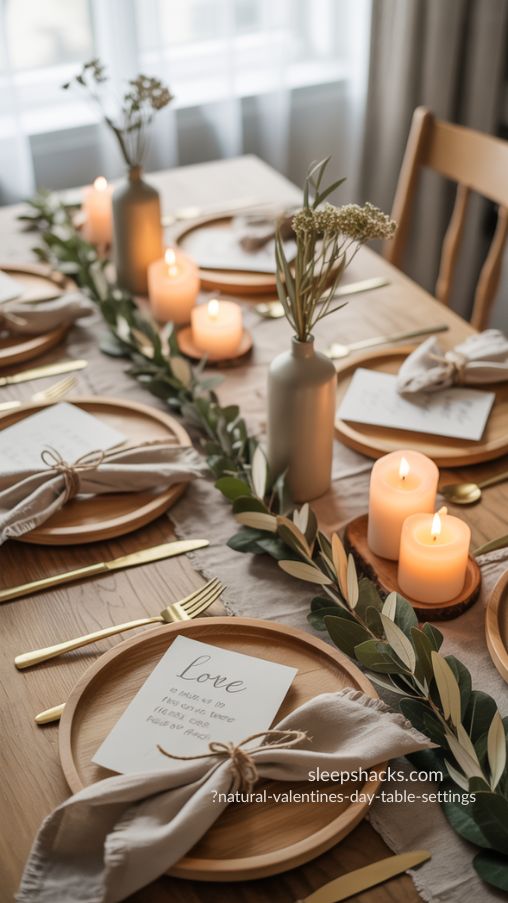
I envisioned soft tones, organic textures, and thoughtful touches that made my partner feel special the moment they walked in. It’s incredible how a carefully curated table can set the mood and evoke emotion even before the first sip of wine.
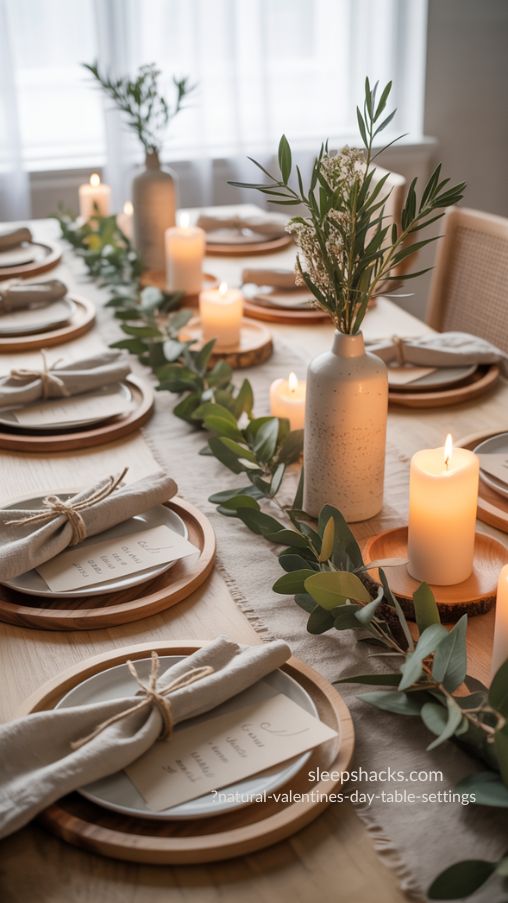
Short Key Points:
- Use earthy colors and textures for subtle elegance.
- Layer elements like linen napkins, wooden chargers, and fresh greenery.
- Focus on personal touches like handwritten love notes or unique centerpieces.
Why Natural Valentine’s Day Table Settings Feel Special
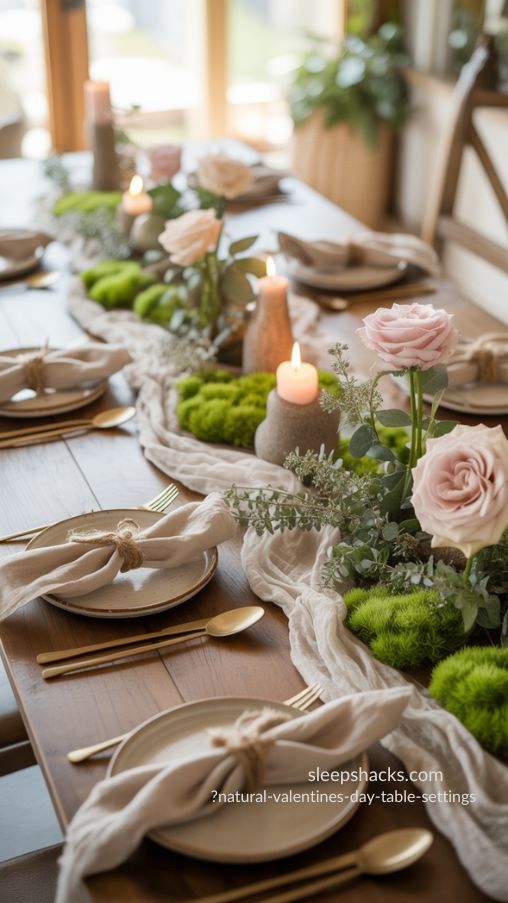
I’ve always been drawn to natural aesthetics. There’s a calmness that comes from using materials inspired by nature—wood, linen, stone, and greenery. For me, it transforms a simple dinner into an experience. Unlike bold reds or flashy decorations, natural elements feel timeless and heartfelt. They also allow your personality to shine through because each arrangement can be as simple or as intricate as you like.
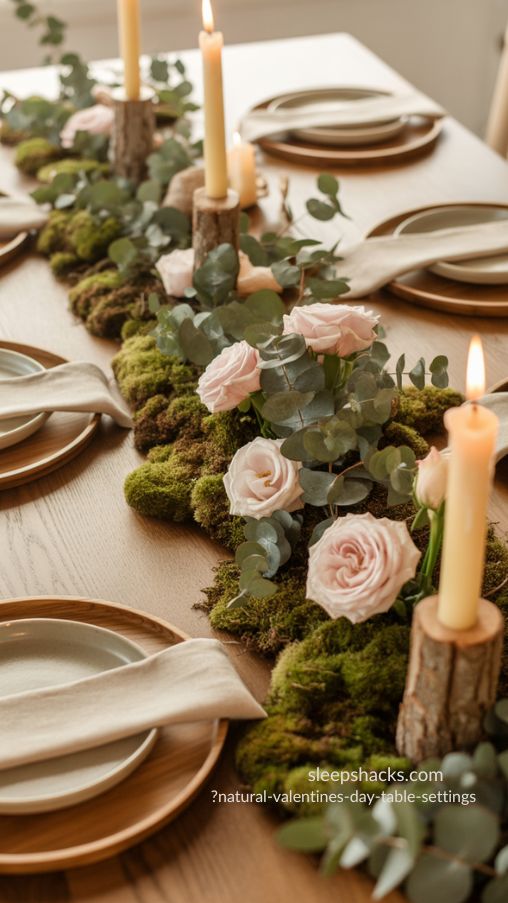
I remember last year layering moss, eucalyptus, and soft pink roses on my table—it felt like a secret garden created just for us. There’s something deeply human about connecting with nature, even indoors, that elevates romance effortlessly.
Choosing a Color Palette That Speaks to Love
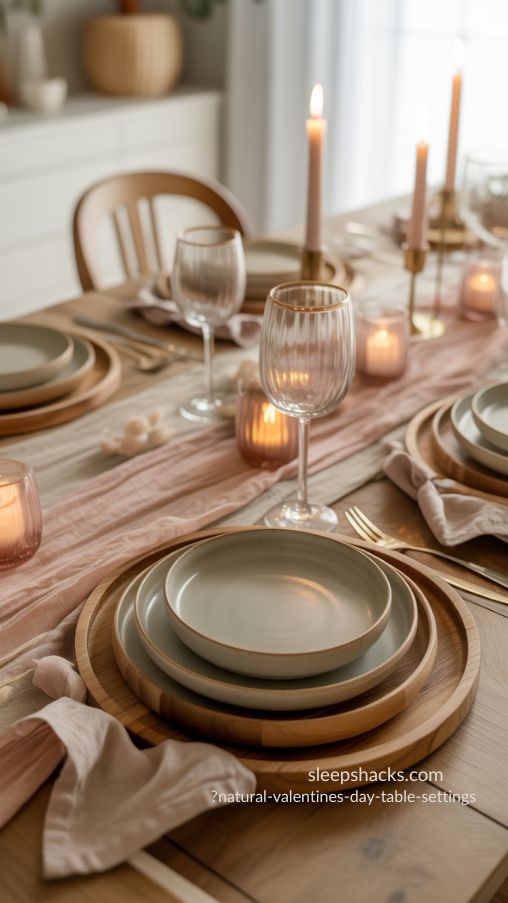
When setting up a Natural Valentine’s Day Table, color is everything. I usually stick to muted, earthy tones—think soft pinks, ivory, sage, and gentle browns. These shades are flattering and versatile, creating a serene atmosphere. Mixing textures also enhances the table’s depth; a linen table runner paired with wooden chargers and a stoneware dinner set creates a tactile harmony that’s hard to achieve with synthetic materials. I like to sprinkle in subtle metallic accents—like a gold-rimmed glass or copper candlestick—to catch the light and add a little sparkle without feeling overdone.
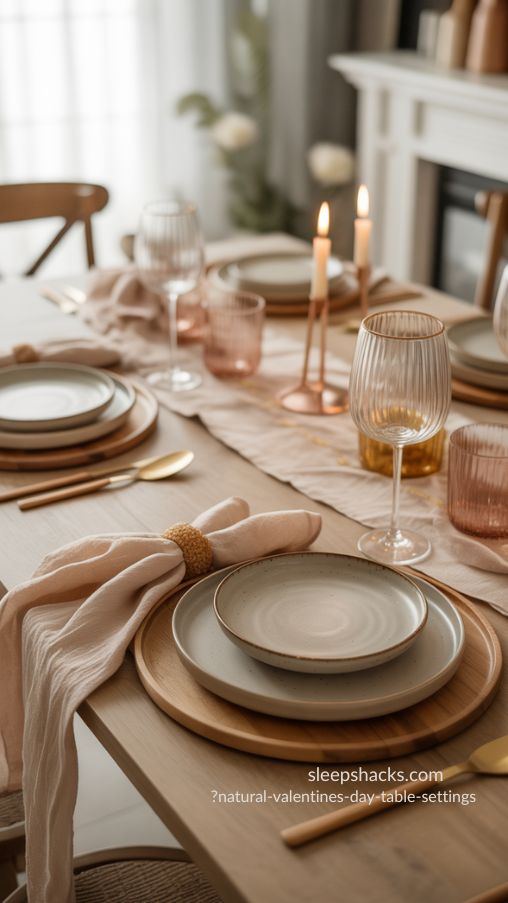
Table Layout and Flow
Arranging a table is like composing a piece of music—there’s rhythm, balance, and harmony. I start by placing the largest pieces first, usually a runner or a centerpiece, and then layer plates, napkins, and glassware. It’s important to leave breathing room so guests don’t feel crowded, especially if you’re aiming for a cozy, intimate vibe. For two, simplicity works best. I love using a mix of textures and heights; for instance, a low floral centerpiece with a couple of tall taper candles gives the table movement and sophistication.
Table 1: Sample Layout for Natural Valentine’s Day Table Settings
| Element | Placement | Material/Notes |
| Table Runner | Center | Linen in soft beige or blush |
| Charger Plates | Center of Each Setting | Wood or rattan for texture |
| Dinner Plates | On Chargers | Simple ceramic in neutral tone |
| Napkins | Folded or Rolled | Linen with soft tie or twine |
| Glassware | Top Right | Clear crystal or tinted glass |
| Candles | Evenly spaced | Taper or pillar, neutral tones |
| Centerpiece | Middle | Eucalyptus, roses, moss, or seasonal blooms |
Natural Centerpieces That Capture Attention
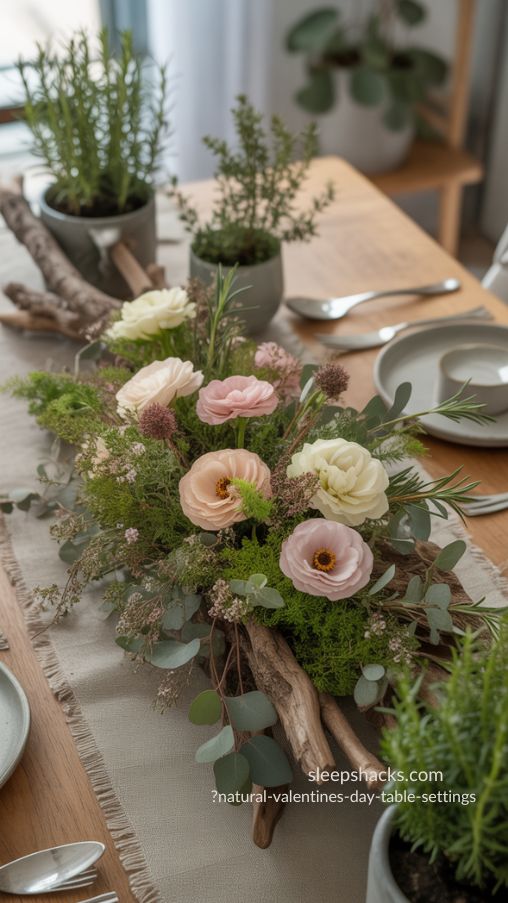
Centerpieces don’t have to be overdone. Some of my favorite setups use fresh flowers, greenery, and natural accents. One year, I created a centerpiece entirely from wildflowers and driftwood I found at a local market—it was simple, yet my partner couldn’t stop commenting on how thoughtful it felt.
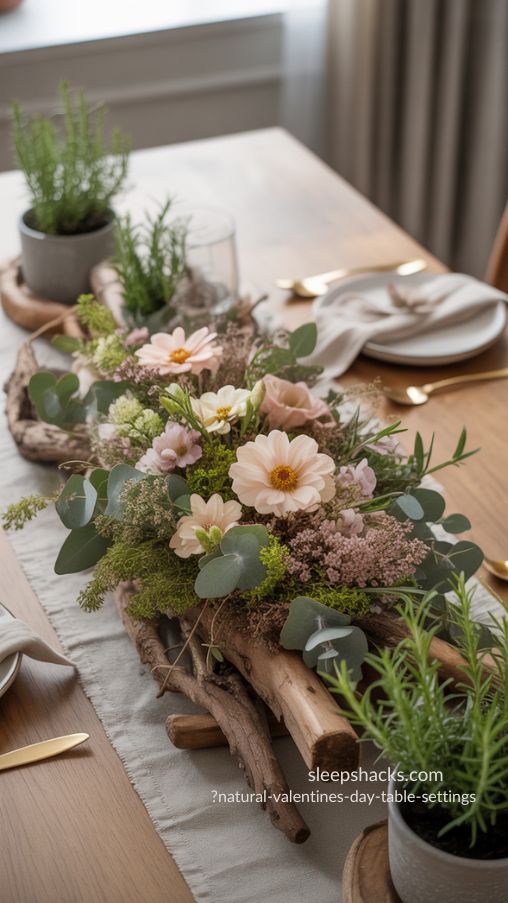
Layering textures is key; combining soft petals with rougher elements like twigs or moss creates contrast and makes each detail pop. I also love using small potted herbs like rosemary or thyme. Not only do they smell amazing, but they’re practical too, adding a subtle culinary twist to the meal.
Lighting for Natural Valentine’s Day Table Settings
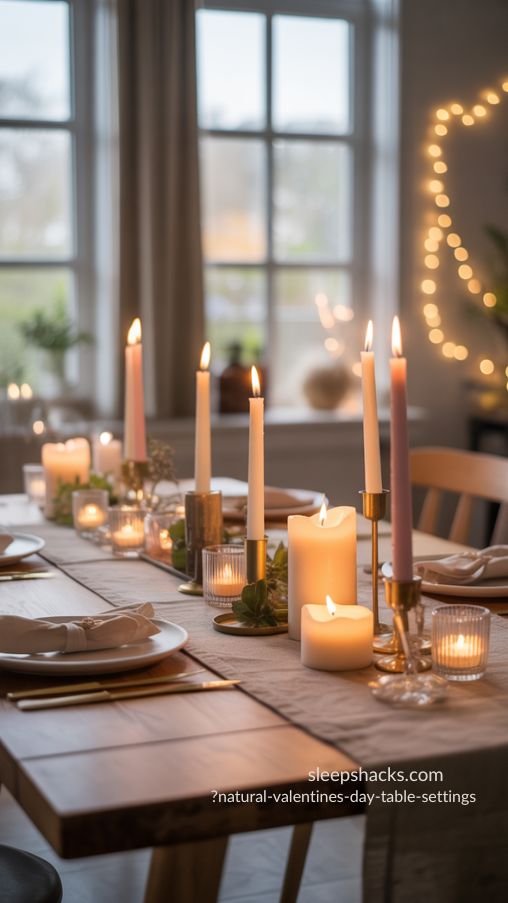
Lighting can make or break the ambiance. I’m a huge fan of candlelight. It’s soft, romantic, and utterly forgiving—perfect for an intimate dinner. You don’t need a ton; a few taper candles or small votives scattered across the table create a cozy glow. If you’re outdoors or have larger windows, natural light can work beautifully during a late lunch or early dinner.
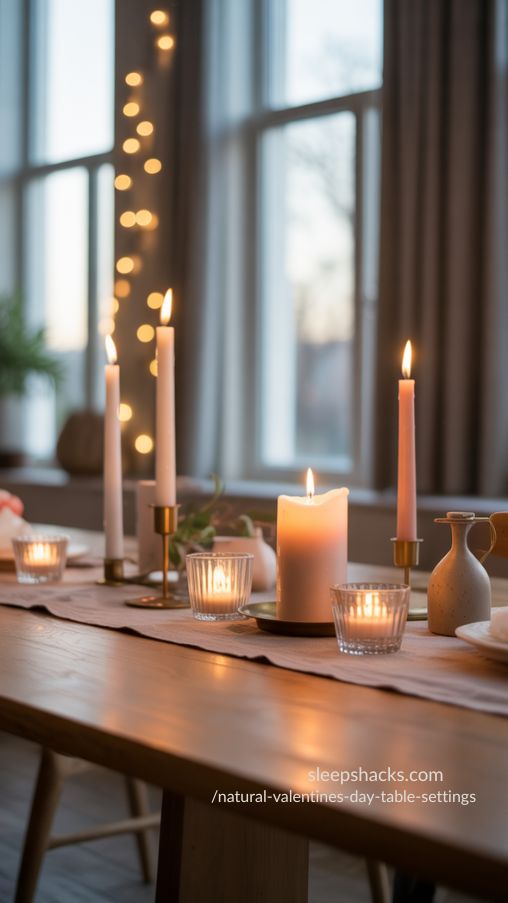
I often combine both—start with daylight and let the candles slowly take over as evening approaches. String lights are optional but can add a whimsical touch if your home feels a bit too structured.
Layering Textures for Depth
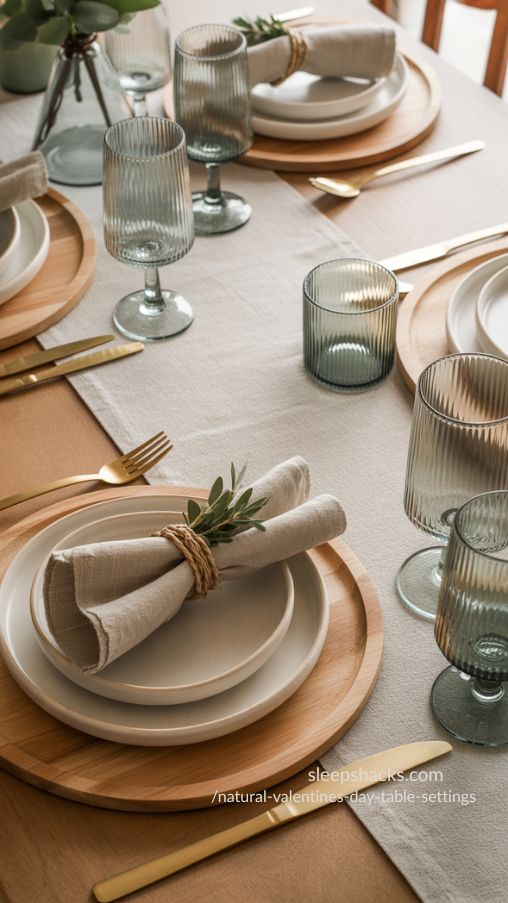
One thing I’ve learned is that layering is everything. A single texture, no matter how beautiful, can feel flat. I often combine linen runners, wooden chargers, ceramic plates, and glassware in varying heights. Napkins folded neatly with twine or tied with a small sprig of greenery add that personal, thoughtful touch. Don’t forget to mix soft and hard textures—linen with wood, smooth ceramic with rough stoneware, or a silky tablecloth with metallic accents. It keeps the eyes moving and makes the setting feel alive, not just decorated.
Thoughtful Place Settings
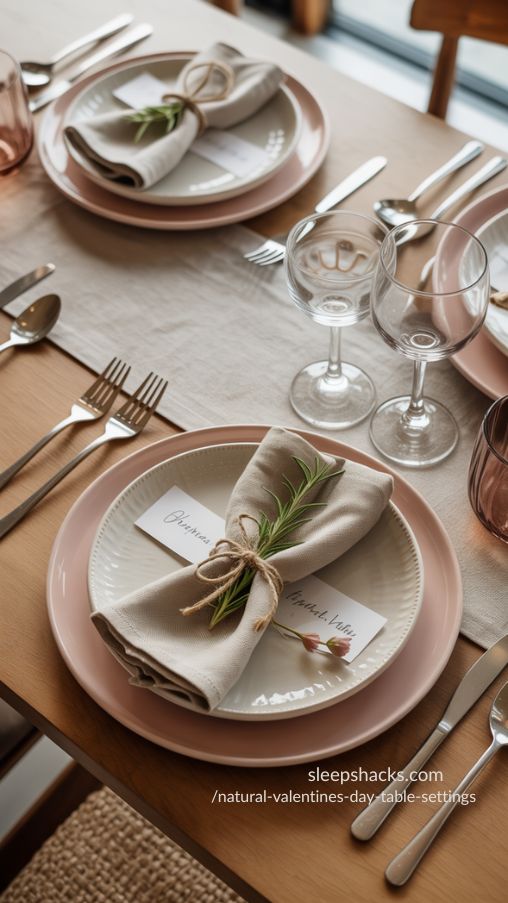
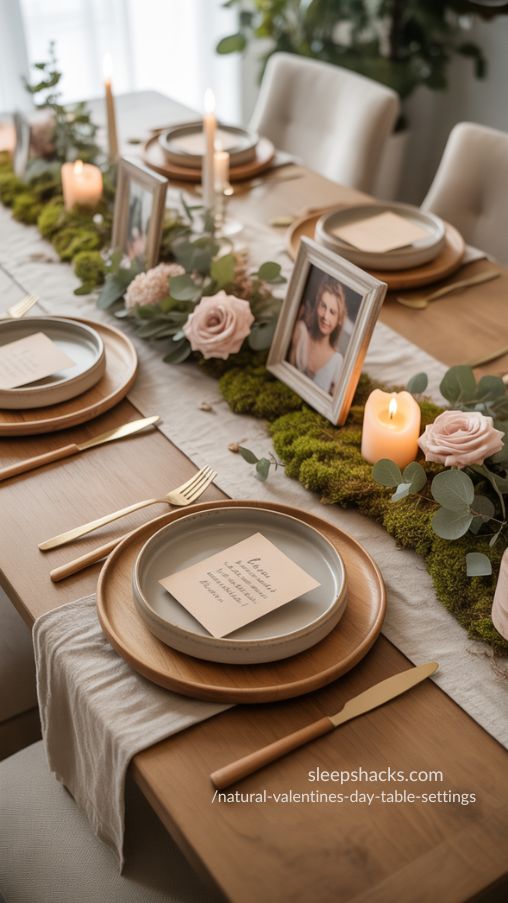
When it’s just the two of us, I like to make each place feel like a little invitation to relax and enjoy the evening. Small details like handwritten name cards, tiny love notes, or a sprig of rosemary at each plate make all the difference. I’ve even pressed a small flower into a napkin fold before; it felt like giving a little gift before the meal even started. Your partner will notice these details, and it sets a warm, personal tone that no store-bought decoration can replicate.
Table 2: Sample Place Setting Details
| Item | Placement | Tip |
| Dinner Plate | Center | Neutral ceramic with texture |
| Salad Plate | On top of dinner plate | Optional, soft pink or ivory |
| Napkin | Folded on plate | Tie with twine, attach small flower/herb |
| Flatware | Left & right sides | Keep it simple, avoid overcrowding |
| Glassware | Top right | Water & wine glasses, coordinated tones |
| Love Note | On top of napkin | Personal touch, small size |
Incorporating Edible Elements
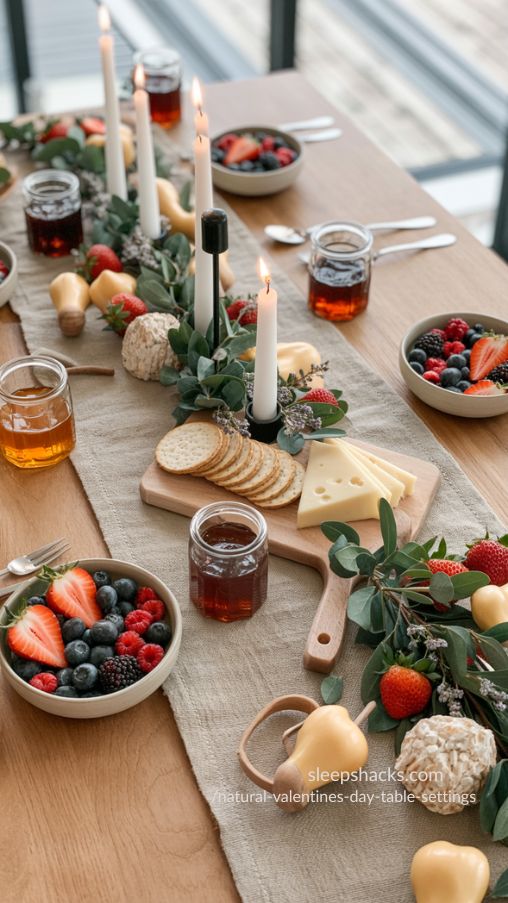
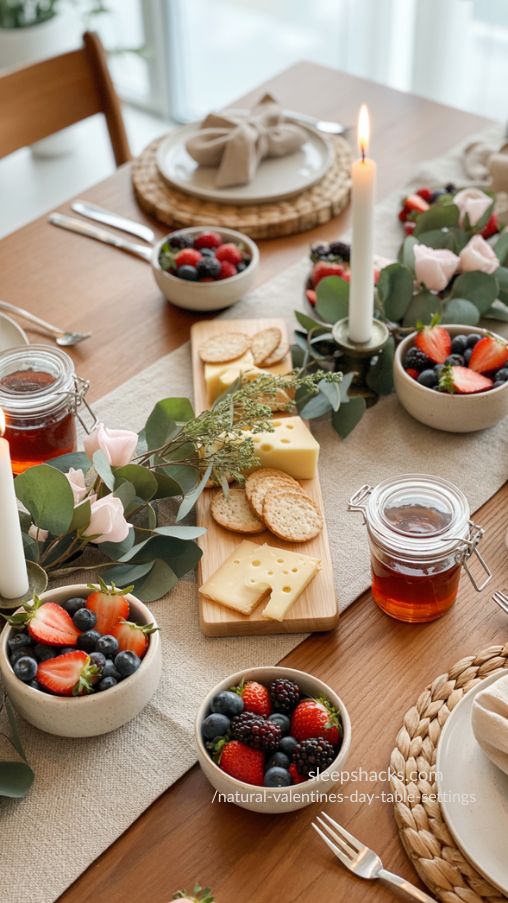
Sometimes the table can do double duty—decorative and edible. I’ve used bowls of fresh berries, chocolate-dipped strawberries, or small jars of honey or jam. Not only do they look beautiful, but they also add a sensory experience to the dinner. I once made a tiny cheese board as part of the centerpiece. It drew my partner in immediately, and we ended up snacking before the main course. Think of it as blending functionality with romance—it’s practical, beautiful, and memorable.
Choosing Natural Materials for Table Decor
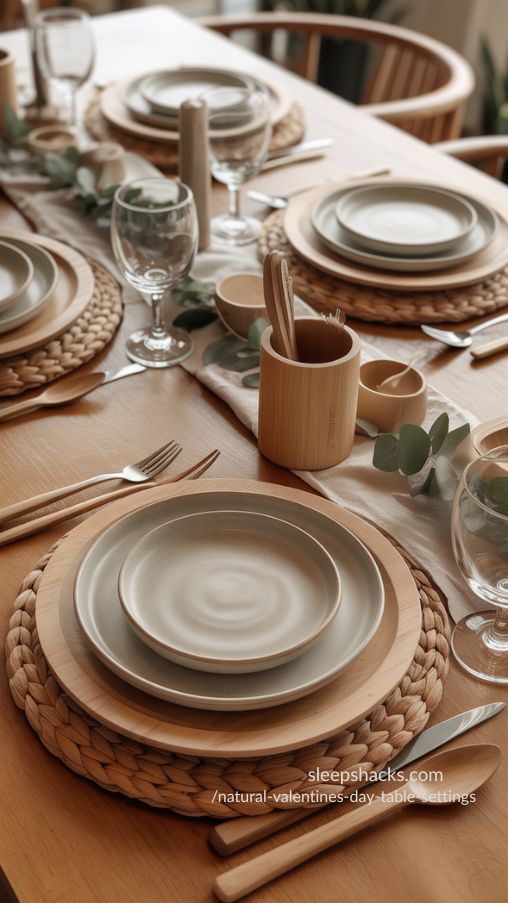
Materials matter. I prefer using items that feel genuine: wooden chargers, ceramic or stoneware plates, linen or cotton napkins, and glassware that isn’t overly polished. Even small details like woven placemats or a bamboo utensil holder can add authenticity to the table. When you pick materials that feel natural, the table immediately feels warmer and more inviting. Avoid synthetic-looking plastics or overly glossy finishes—they tend to clash with the natural, organic aesthetic.

Adding a Personal Touch
Every romantic table should tell a story. I like to incorporate memories into my table design. Maybe it’s a photo frame tucked among flowers, a napkin ring that has sentimental value, or a candle from a special occasion. These little things make the experience feel uniquely yours. One year, I wrote little messages on tiny cards and hid them under the plates for my partner to find. They laughed, they teared up, and it made the night unforgettable. Natural Valentine’s Day Table Settings aren’t just about decor—they’re about emotion.
Tableware Selection Tips
Choosing the right tableware can elevate even the simplest setup. I stick to neutral, earthy plates and bowls, but I occasionally introduce a soft pastel or muted metallic accent. For glasses, I prefer something clear or slightly tinted for a subtle pop of color. Avoid overly decorated or busy designs; the goal is to complement the natural vibe, not compete with it. I also like to mix vintage and modern pieces—it adds character and a sense of history to the table.
Floral Arrangements That Don’t Overwhelm
Floral arrangements should enhance, not dominate. I tend to choose flowers with soft, romantic tones—pale pink, cream, lavender, or white. Eucalyptus and ferns add greenery without taking up too much visual space. Arrange flowers loosely rather than in rigid, formal bouquets. The imperfect, organic feel makes the table approachable and cozy. Plus, I’ve found that arranging flowers this way is actually less stressful—it feels like playing in a garden rather than staging a showpiece.
Bringing It All Together
Once everything is in place, take a step back. Look at your Natural Valentine’s Day Table Settings from different angles. Adjust heights, move candles slightly, fluff flowers, and tweak napkin folds. Small adjustments make a big difference. I like to light candles a few minutes before sitting down to allow the room to feel warm and welcoming. When you finally take your seat, it should feel effortless, natural, and intimate. That’s the magic of a table set with love.
8 FAQs About Natural Valentine’s Day Table Settings
What colors work best for natural Valentine’s Day table settings?
Soft, earthy tones like blush, ivory, sage, and muted browns work beautifully.
Can I include candles in a natural setup?
Yes! Taper or pillar candles add warmth and romantic ambiance without overwhelming the table.
Should I use fresh flowers or artificial ones?
Fresh flowers are ideal for scent and authenticity, but high-quality artificial flowers can work if needed.
How do I incorporate personal touches?
Handwritten notes, small keepsakes, or photos can make your table feel uniquely yours.
What materials are best for a natural table?
Wood, linen, cotton, stoneware, and glass are perfect choices.
How do I balance simplicity and elegance?
Layer textures and heights, and avoid overcrowding elements for a clean, natural look.
Can I host more than two guests with a natural table?
Absolutely! Use the same principles: organic textures, earthy tones, and thoughtful layouts scale well.
Do I need matching tableware for a cohesive look?
Not necessarily. Mixing complementary textures and colors can create a charming, organic feel.