

When I first brought my teak dining table home, I remember running my hands over its smooth, honey-brown surface and thinking, this piece will last forever. But the truth is, teak might be strong and naturally resistant to moisture, yet it needs care—much like a good friendship. Over the years, I’ve learned that caring for teak indoor furniture isn’t about overcomplicating things; it’s about simple, consistent habits that keep its beauty alive. If you’ve ever wondered how to care for teak indoor furniture, think of it as giving your favorite wooden companion the attention it deserves—just enough to protect it without smothering it.
Key Points:
- Regular cleaning and oiling keep teak looking rich and healthy.
- Avoid harsh chemicals and excess moisture to prevent damage.
- Protect from heat, stains, and scratches for long-term beauty.
Understanding Teak and Why It’s Special
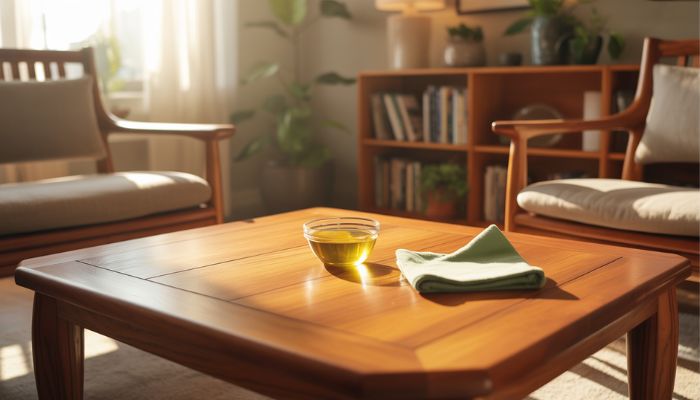
Teak isn’t just any wood—it’s like the wise elder in the wooden family. Naturally rich in oils, it resists rot and pests better than most other types. That’s why it’s been used for boats, luxury furniture, and even outdoor decks for centuries. Indoors, teak develops a warm glow over time. Some people love to let it age into a silvery patina, while others prefer to maintain its golden charm.
I’ve always leaned toward keeping that rich, warm tone. It feels like sunlight captured in wood. But no matter your style, the first step in caring for teak is to understand that while it’s tough, it still reacts to its environment. Humidity, sunlight, and cleaning habits will all leave their mark.
Regular Dusting: The Easiest Care Step
It might sound too simple, but dusting is your teak’s first line of defense. Dust particles may be tiny, yet over time they act like fine sandpaper, dulling the surface. I keep a soft microfiber cloth nearby and make it a habit to wipe the surface twice a week.
There’s a small ritual to it—wipe gently along the wood grain, almost like you’re smoothing its hair. It keeps the finish fresh, and honestly, it’s quite calming. If you’ve been skipping dusting, you’ll be amazed at the difference in sheen after a few weeks of regular care.
Quick Spill Management
Teak may be naturally water-resistant, but it’s not immune to stains. Coffee, wine, and even water can leave rings if left too long. The rule in my house is simple—spill it, wipe it. Use a damp cloth first, then a dry one.
One time, I left a cold glass on my teak side table overnight. By morning, there was a pale ring staring at me like a reminder of my carelessness. It took some gentle sanding and oiling to fix it. Lesson learned—coasters are now my best friends.
Deep Cleaning Without Harm
About every two or three months, I give my teak furniture a more thorough clean. The trick is to use mild soap—think dish soap in warm water—and a soft cloth. Never, and I mean never, use harsh cleaners or silicone-based sprays.
Here’s a quick reference for safe cleaning products:
| Cleaning Agent | Safe for Teak? | Notes |
| Mild dish soap | Yes | Use diluted in water |
| Vinegar-water mix | Yes | Mildly acidic; wipe dry |
| Silicone sprays | No | Leaves residue |
| Ammonia-based cleaner | No | Can strip oils |
After cleaning, I rinse with a damp cloth and dry thoroughly. Moisture left behind can cause spots or even encourage warping in extreme cases.
The Art of Oiling
Oiling teak feels like feeding it after a long fast. I usually oil my pieces every 4–6 months, depending on the season and how dry the air is. The key is to apply a thin layer with a lint-free cloth, always following the grain.
If the surface feels dry, it’s time. But remember—less is more. Teak doesn’t need heavy oiling, and excess oil can turn sticky. Wipe off extra oil within 15 minutes of applying.
Choosing the Right Oil
Different oils work for teak, but my go-to is pure teak oil. Danish oil is great for a softer sheen, while tung oil offers a harder finish. Here’s a small comparison I keep handy:
| Oil Type | Finish Look | Durability | Notes |
| Teak Oil | Warm, natural | Medium | Best for traditional care |
| Danish Oil | Satin-matte | Medium | Slightly lighter tone |
| Tung Oil | Glossy, hard | High | Longer drying time |
I once tried a blend that smelled too strong and left the surface tacky—it taught me to stick with quality oils from trusted brands.
Avoiding Harsh Elements Indoors
Even inside, teak can face threats. Direct sunlight can fade it, heaters can dry it, and high humidity can warp it. My living room table used to sit right under a sunny window. After a year, the top looked noticeably lighter than the rest. Now, I rotate my furniture slightly every few months to keep the color even.
Protecting from Heat and Water
Teak can handle a lot, but placing a hot pot or wet vase directly on it is asking for trouble. Heat marks and water rings are both preventable—use mats, trivets, or coasters. Think of them as tiny shields for your investment.
Dealing with Scratches
Small scratches happen—keys, toys, or even a cat’s curious paws can leave marks. For shallow scratches, a light sanding with fine-grit paper followed by oiling works wonders. Deeper gouges might need professional help. I once fixed a scratch with nothing but walnut meat rubbed into it (yes, really), and it blended surprisingly well.
Seasonal Maintenance
Just as we adjust our wardrobe for the season, teak needs seasonal tweaks. In dry winter months, I oil a bit more often. In humid summers, I focus on ventilation. This balance keeps the wood stable and prevents cracks.
When to Refinish
If your teak has lost all sheen, feels rough, or shows stubborn stains, refinishing might be the way to go. This usually means sanding down to bare wood and re-oiling. It’s a weekend project, but the transformation is worth it.
Final Thoughts on Long-Term Care
Caring for teak isn’t a chore—it’s a quiet way of honoring something beautiful and lasting. Every time I run a cloth over my table or refresh it with oil, I feel like I’m part of its history. With a little patience, your teak will age gracefully, carrying stories and warmth for decades.
FAQs
What’s the best oil for indoor teak furniture?
Teak oil is the safest choice, but Danish or tung oil can also be good depending on your desired finish.
How often should I oil my teak furniture?
Every 4–6 months is ideal for most indoor conditions.
Can I use furniture polish on teak?
Avoid silicone-based polishes as they can build up and dull the surface.
How do I remove a water ring from teak?
Light sanding followed by oiling often removes it.
Will teak change color indoors?
Yes, it may darken or develop a patina over time without oiling.
Is vinegar safe for cleaning teak?
Yes, when diluted with water and wiped dry immediately.
Can I place a teak table near a heater?
Avoid it, as direct heat can dry and crack the wood.
Do I need to cover teak furniture indoors?
Not usually, unless in storage or near harsh sunlight.
How do I fix minor scratches?
Light sanding and oiling usually work well.
What’s the lifespan of indoor teak furniture?
With proper care, it can last several decades or even a lifetime.
Learn how to care for teak indoor furniture with simple, proven tips to protect its beauty, prevent damage, and keep it looking timeless.