

A living room can look genuinely beautiful on Pinterest and still feel a little cold in person, which is honestly one of the most frustrating things about decorating.
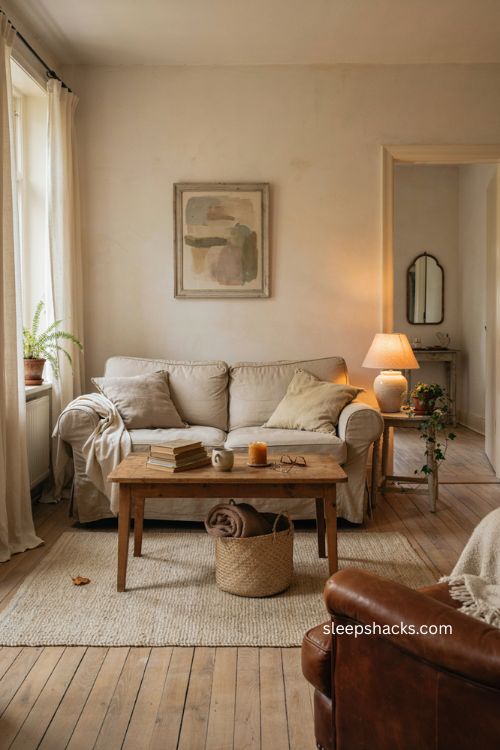
Too visible to ignore, too easy to get technically “right” while missing the actual feeling you’re going for — this is the room most people struggle to nail even after they’ve picked out the perfect sofa and rug. The good news is that a truly welcoming living room comes down to a handful of specific choices, not a total overhaul. Layout, lighting, and a few tactile details do more heavy lifting than any single statement piece ever could. Here are fifteen ways to make your living room feel like somewhere guests genuinely want to sit down.
1. Arrange Seating for Conversation, Not the TV
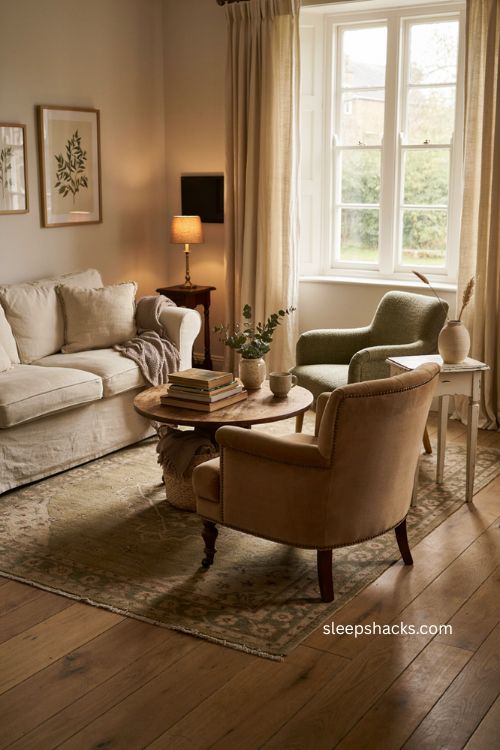
The instinct to point every chair and sofa at the television is understandable, but it quietly signals to guests that talking isn’t really the point of the room. Angle two chairs toward the sofa instead, or float furniture into a loose circle so people can actually see each other’s faces without craning their necks. The TV can still be in the room — it just doesn’t need to be the thing everything else orbits around. This one shift does more for a room’s warmth than almost any decor choice you could make.
2. Establish One Clear Focal Point
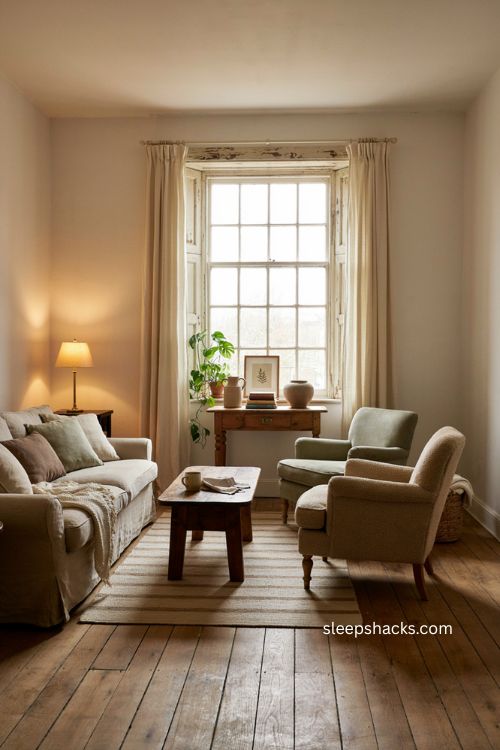
Every living room needs something for the eye and the furniture to organize around, whether that’s a fireplace, a large window, or a striking piece of art. Once that focal point is set, arrange the seating to face or partially face it, so guests instinctively know where to sit without needing direction. This creates a sense of balance that people register even if they couldn’t say exactly why the room feels so put-together. A room with no clear anchor tends to feel scattered, no matter how nice the individual pieces are.
3. Keep Furniture Off the Walls
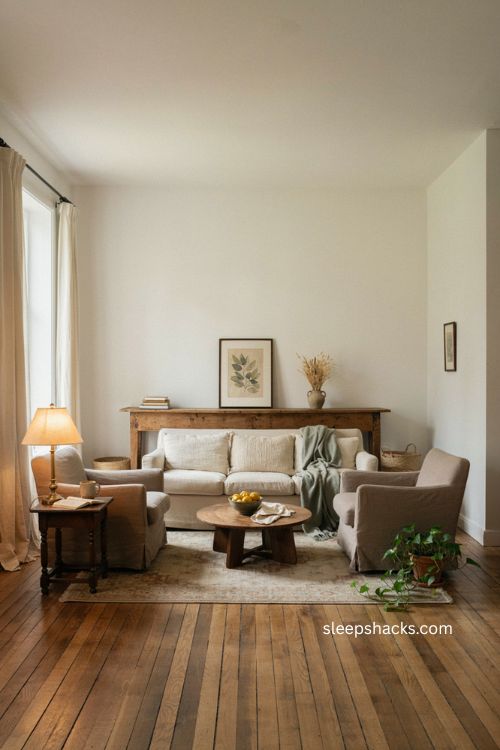
Pushing every piece of furniture flush against the walls is a common instinct in small rooms, but it often makes a space feel more sparse and less inviting than pulling things in toward the center. Floating a sofa a foot or two off the wall, with a console table behind it, creates a sense of depth and intentional flow. Clear, natural pathways between pieces matter just as much, so guests can move through the room without squeezing past furniture. A room that flows well immediately feels more gracious, even before anyone sits down.
4. Pair Two Lounge Chairs With a Sofa
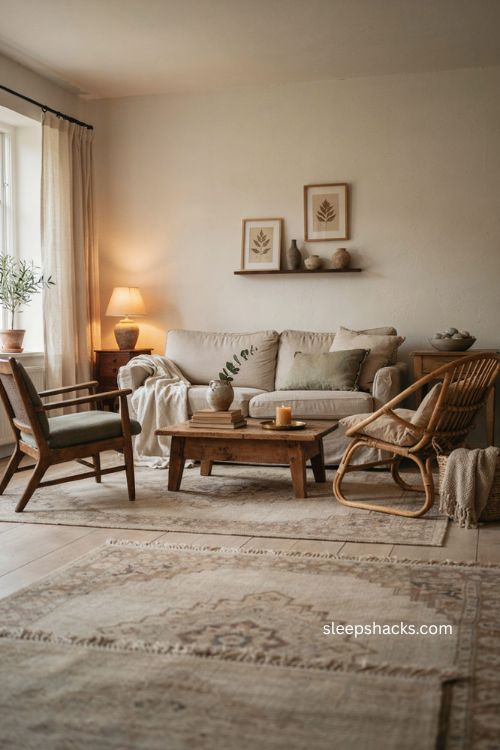
A classic arrangement — a sofa with two lounge chairs angled toward it — creates a naturally balanced, conversation-friendly layout that works in almost any living room shape. The chairs pull people together into a tighter conversational circle than a sofa and a single chair ever could. This setup also looks visually calm and symmetrical, which tends to read as considered rather than accidental. It’s a dependable starting point if you’re not sure how to lay out the room at all.
5. Layer Different Textiles Throughout
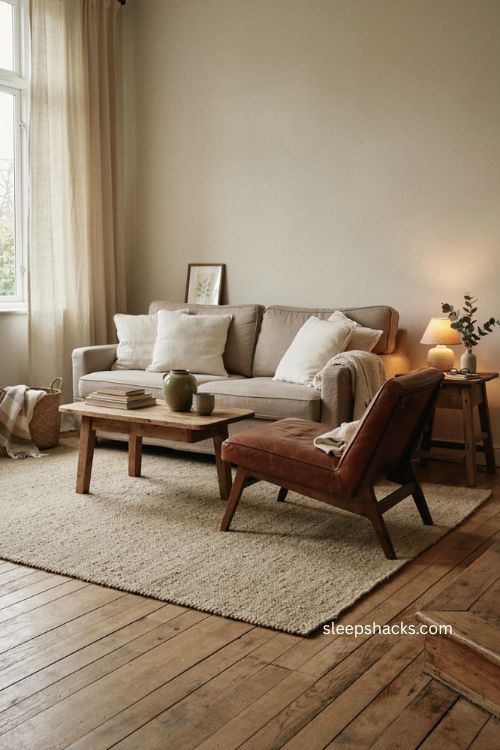
A mix of materials — linen against leather, ceramic against wood, a nubby wool rug under a smooth sofa — gives a room the kind of tactile warmth that a single-material space just can’t achieve. Layer in cushions with real weight and substance, not paper-thin ones, along with a rug generous enough to sit under the whole seating group rather than floating in the middle. This contrast in texture is often what separates a room that looks nice from one that actually feels inviting to sink into. It’s a subtle detail, but guests notice it even if they can’t name what they’re noticing.
6. Try Floating Sofas Instead of a Sofa-and-Chair Combo
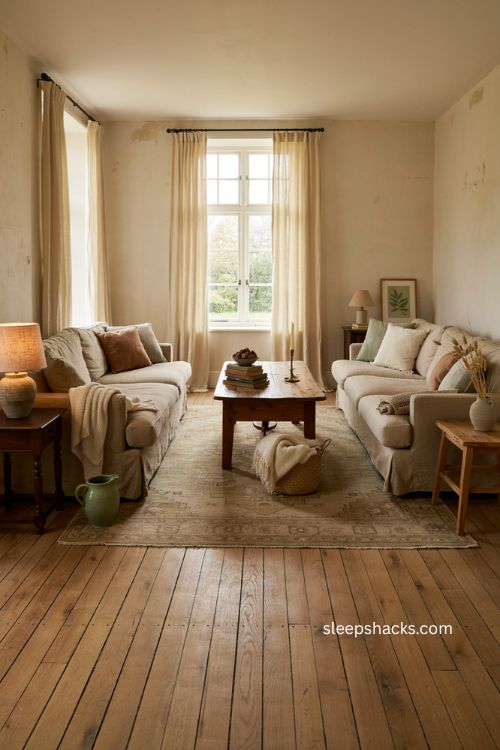
Two sofas facing each other, rather than a sofa paired with individual chairs, creates a layout that’s both comfortable and easy to customize in terms of color and length. This arrangement works particularly well in larger or more rectangular rooms, where a single sofa can feel lost against the scale of the space. It also gives you flexibility to mix fabrics or finishes between the two pieces for a more collected, less matchy look. Guests get generous seating on either side, which naturally encourages longer, more relaxed conversations.
7. Add Stools and Small Perches
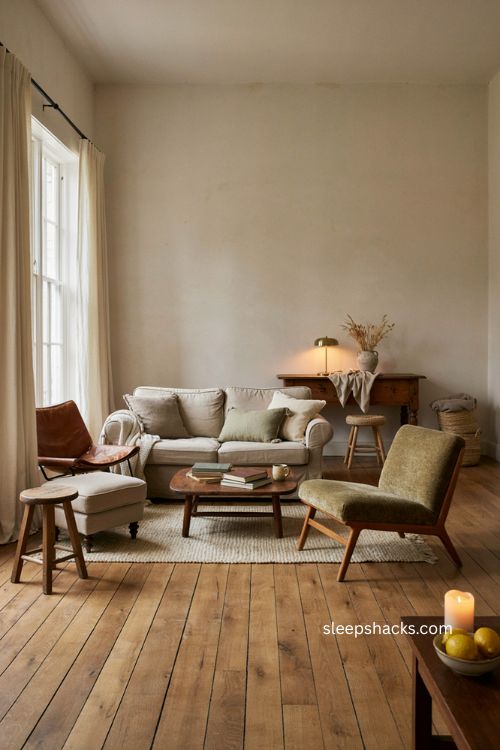
Not every seat in the room needs to be plush and permanent — a few stools or small perches add flexibility for both quiet one-on-one chats and bigger gatherings when extra seating suddenly matters. These smaller pieces are also an easy way to mix materials or finishes, tying the room’s palette together without committing to another large upholstered piece. Tuck them near a side table or under a console when they’re not in use, then pull them out the moment more people show up. It’s a small addition that makes a room feel genuinely adaptable rather than rigidly arranged.
8. Choose a Curved Sectional Over a Squared One
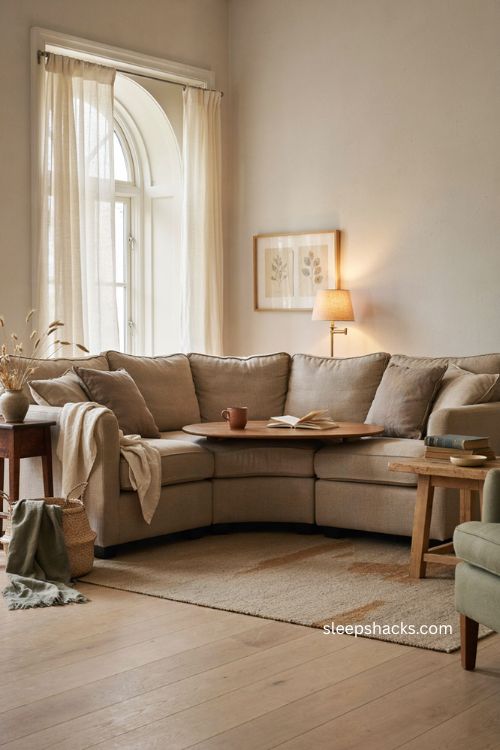
If a sectional anchors your seating, a gently curved middle section shapes the conversation area far more naturally than a hard right angle does. Square-cornered sectionals tend to create awkward sightlines, where people at either end can’t easily see or talk to each other. A curve softens that geometry and pulls the whole group into a more natural, rounded conversation zone. It’s a small structural choice, but one that changes how comfortable people feel sitting in it for an extended stretch.
9. Bring In Warm, Layered Lighting
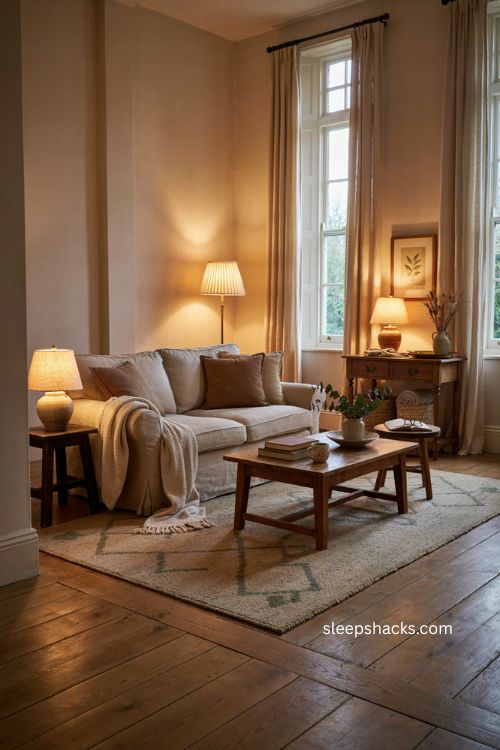
A single overhead fixture makes almost any room feel more like a waiting area than a place to relax, so add table lamps and floor lamps at a few different heights around the seating area. Warm-toned bulbs matter more than people expect — cool or blue-toned light tends to flatten a room and make it feel clinical rather than cozy. Position at least one lamp near the seating group so there’s a soft pool of light for reading or conversation once it gets dark outside. This layered approach is one of the fastest ways to shift a room’s whole mood.
10. Choose a Calming, Cohesive Color Palette
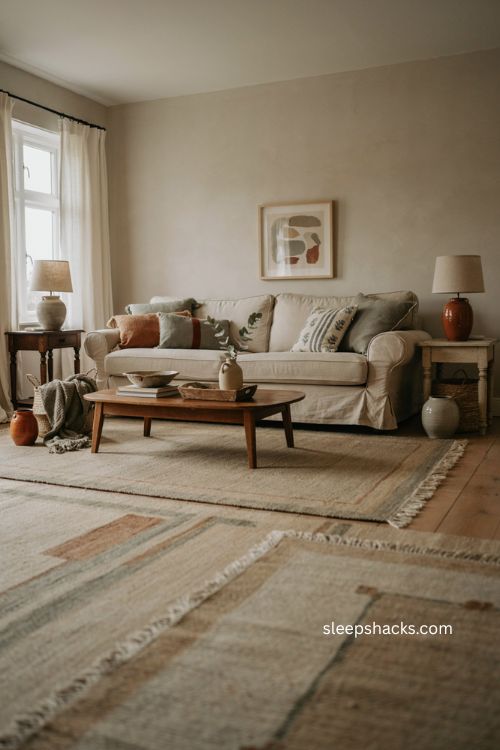
Soft neutrals, earthy tones, and gentle grays create a restful backdrop that helps guests settle in rather than feel visually overstimulated the moment they walk in. This doesn’t mean the room has to be boring — bring in bolder colors through cushions, art, or a rug, while keeping bigger pieces like the sofa in a more neutral tone. A calming palette also tends to photograph and age better than a trend-driven color choice, which matters if this room doesn’t get redecorated often. The goal is a space that feels quiet and restorative rather than one that demands attention.
11. Include an Armchair for Solo Comfort
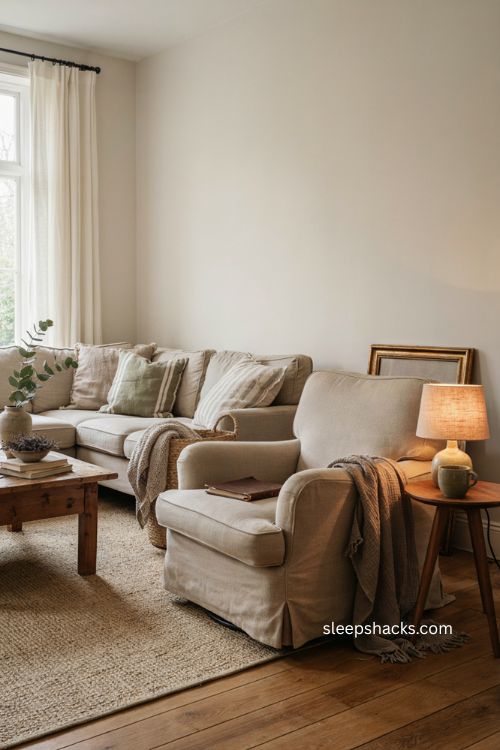
Beyond the main conversation seating, one comfortable armchair gives a guest somewhere to unwind on their own — to read, take a call, or simply sit apart from the group for a moment. Curved lines and a generous seat make an armchair feel inviting rather than purely decorative, and a swivel base lets it follow the light or the conversation as needed. This is a particularly thoughtful addition in a living room that doubles as a guest space, since it gives visitors an obvious, comfortable spot that isn’t the sofa. It signals that the room was designed with real use in mind, not just visual balance.
12. Add One or Two Pieces With Real History
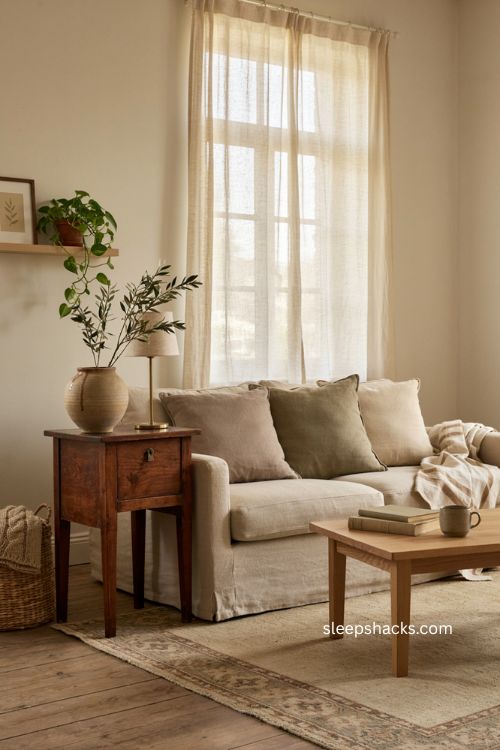
A single antique find, a vintage side table, or a piece passed down from family brings a sense of depth that all-new furniture rarely achieves on its own. These pieces don’t need to dominate the room — one well-chosen object often does more than several scattered around. Mixing something with real history alongside newer furniture keeps the space feeling collected and layered rather than like it was all purchased in one trip. It’s these small, storied details that make a room feel lived-in and genuinely welcoming rather than staged.
13. Bring In Something Alive
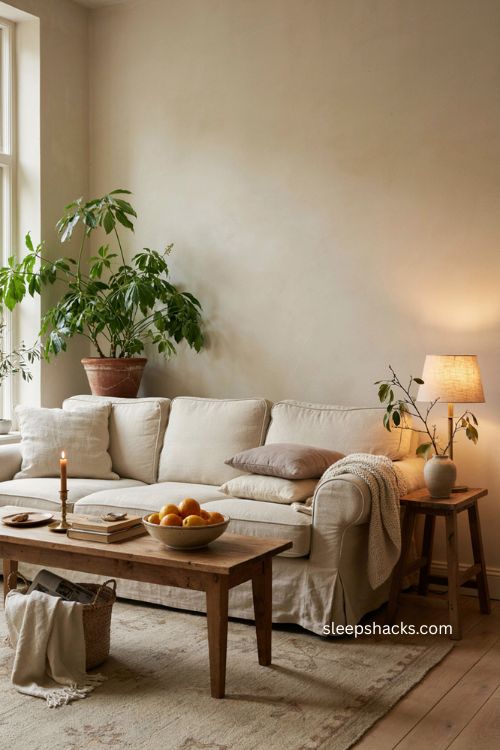
A bowl of citrus, a vase of fresh branches, or a large potted plant adds a small, tactile moment that makes people exhale a little when they walk into a room. Living elements like this do something static decor simply can’t — they shift slightly day to day, which keeps a room from feeling frozen in place. Position greenery where it catches natural light, and it becomes part of the room’s rhythm rather than just another object on a shelf. This is often the detail people remember about a space without being able to say exactly why.
14. Add a Gentle, Grounding Scent
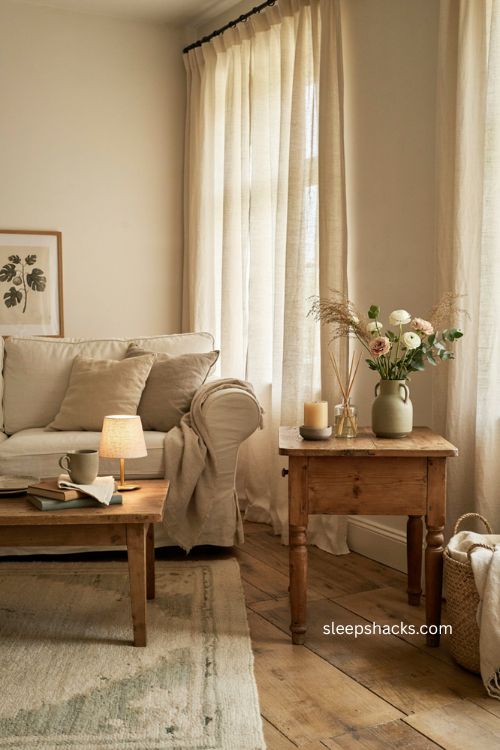
A candle, diffuser, or fresh flowers with a soft, botanical or earthy scent shifts the atmosphere of a room the moment someone walks in, often before they’ve even looked around. Keep the fragrance subtle rather than overpowering — cedarwood, linen, or fig notes tend to read as calm rather than heavy-handed. This is an easy, low-cost way to make a guest feel instantly settled, since scent has a way of registering emotionally before anything visual does. It’s a detail that costs very little but does a surprising amount of the emotional work in making a space feel cared for.
15. Finish With a Few Thoughtful Personal Touches
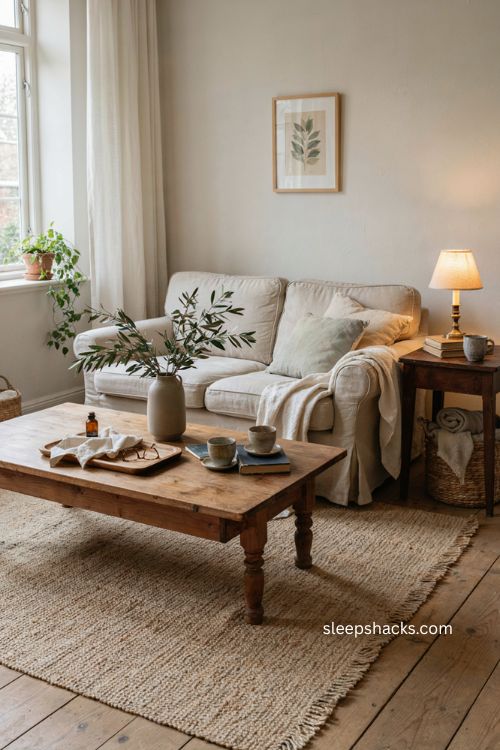
A small tray with essentials, a book you genuinely love, or a vase of fresh greenery signals real care in a way that generic, catalog-perfect styling never quite manages. Think about what makes you feel comfortable and welcome in a space, and translate a version of that into the room for your guests. These finishing touches don’t need to be expensive or elaborate — often the simplest, most personal details make the biggest impression. It’s this layer of consideration, more than any single piece of furniture, that makes a living room feel like it was designed for people rather than for photographs.
Final Thoughts
A guest living room is really just a living room with a little more intention behind it — sightlines that make sense, seating that invites conversation, and a few personal touches that say someone thought about this space before you walked in. You don’t need every idea here to pull it off; pick two or three that solve the specific issue your room has right now, whether that’s awkward layout or flat lighting. What matters most, and this is the same lesson every designer eventually lands on, is that the small tactile details are what people remember, not the big statement pieces. Trust that, and the room will do the rest of the work on its own.
Frequently Asked Questions
Q: What’s the most important thing for making a living room feel welcoming to guests?
Layout matters more than almost anything else — arranging seating for conversation rather than pointing everything at the TV instantly changes how a room feels. Warm, layered lighting and a few tactile textiles round out the effect.
Q: How do I arrange a small living room to feel more open for guests?
Float furniture slightly away from the walls rather than pushing everything flush against them, and keep clear pathways between pieces so the room feels like it flows. A curved sectional or two lounge chairs paired with a sofa both work well in tighter spaces.
Q: What small details make the biggest difference for guests?
A gentle scent, a bowl of fresh fruit or greenery, and one or two personal objects with real history tend to leave a bigger impression than expensive new furniture. These small, tactile touches are what people actually remember about a space.