

There’s a real difference between decorating a store-bought candle and making one from scratch, and if you’ve ever winced at the price tag on a fancy pumpkin spice candle at the mall, you already know why so many people are turning to DIY.
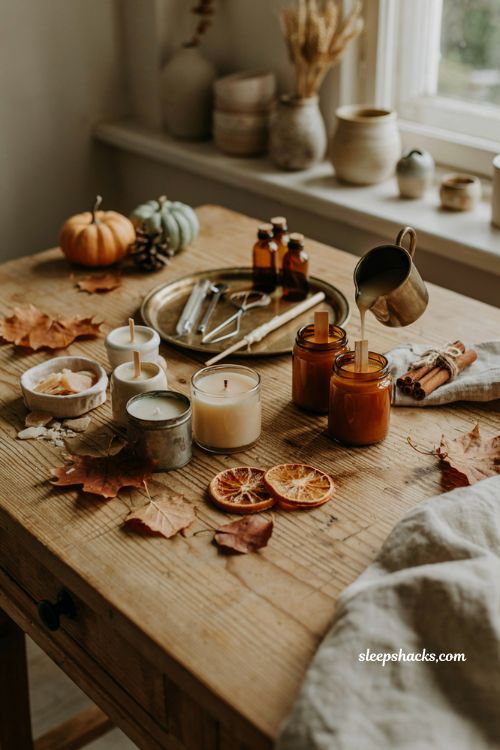
Fall candles made at home cost a fraction of the retail price, and once you’ve got the basic pouring technique down, the scent and vessel combinations are essentially endless. These fifteen ideas cover everything from beginner-friendly soy pours to more advanced techniques like leaf transfers and embedded botanicals, so there’s a project here whatever your experience level.
1. Classic Soy Wax Pumpkin Spice Candle
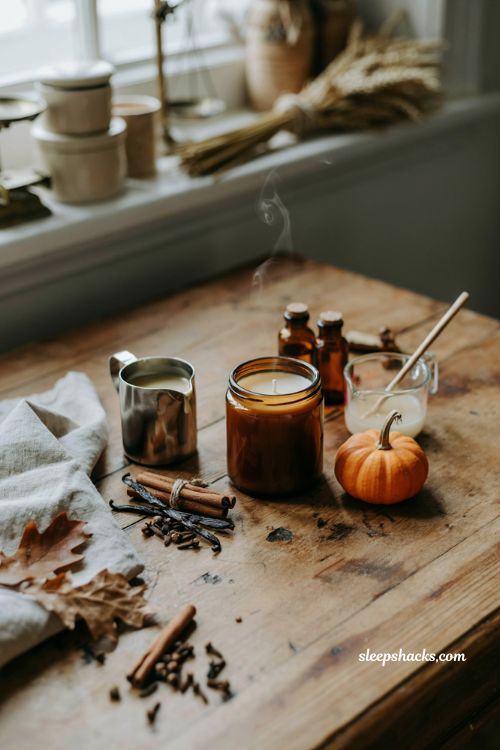
A basic soy wax pour, scented with a blend of cinnamon, clove, and vanilla essential oils, is the foundation most DIY fall candle projects build from. Melt the wax using a double boiler method until it reaches around 185 degrees, then stir in your oils before pouring into a prepared container. This is the technique worth mastering first, since nearly every other idea on this list is really just a variation on this same core process.
2. Terracotta Pot Candle
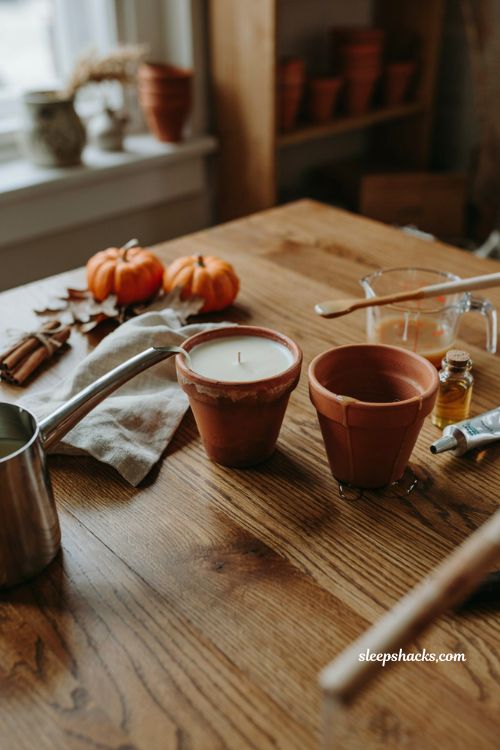
Pouring soy wax into a small terracotta pot instead of a glass jar creates a rustic, earthy-looking candle that fits fall decor perfectly. The key extra step here is sealing the inside of the pot with two coats of Mod Podge first, since unsealed terracotta is porous and will let warm wax seep straight through. A dab of clear silicone sealant over the drainage hole finishes the prep before you pour.
3. Layered Scent Candle
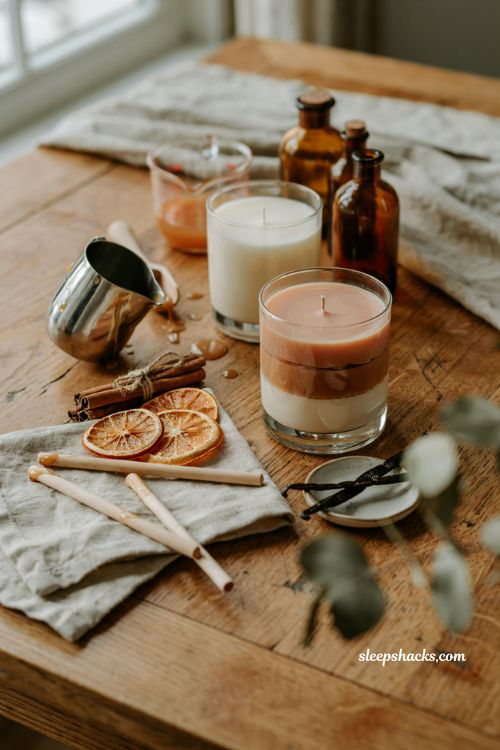
Pouring a candle in two or three separate layers, each scented slightly differently, creates a more complex fragrance as the candle burns down through each layer. Let each layer cool just enough to set before adding the next, so they don’t fully blend into one color or scent. This technique also opens up fun visual layering with tinted wax if you want color variation along with the scent shift.
4. Embedded Cinnamon Stick Candle
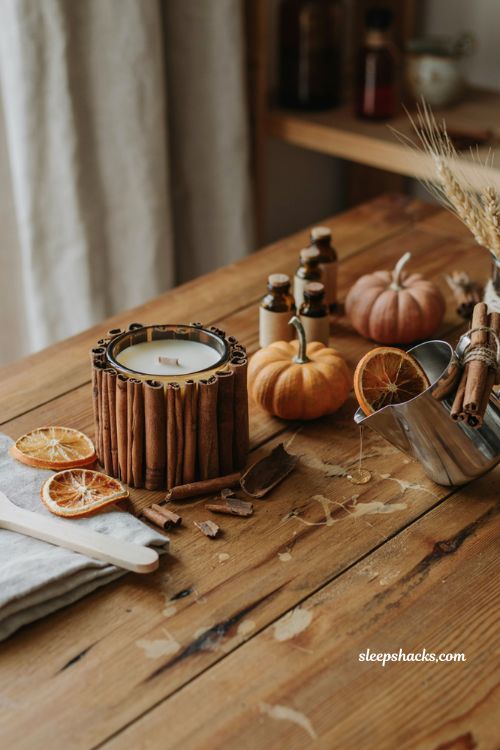
Pressing whole cinnamon sticks into the sides of a candle while the wax is still warm and slightly soft creates a textured, rustic look along with an extra hit of fragrance as the candle burns. Work quickly once the wax starts to set, since it firms up faster than you’d expect. This is one of the easier decorative techniques to add onto a basic pour without much extra skill required.
5. Whole Spice Topped Candle
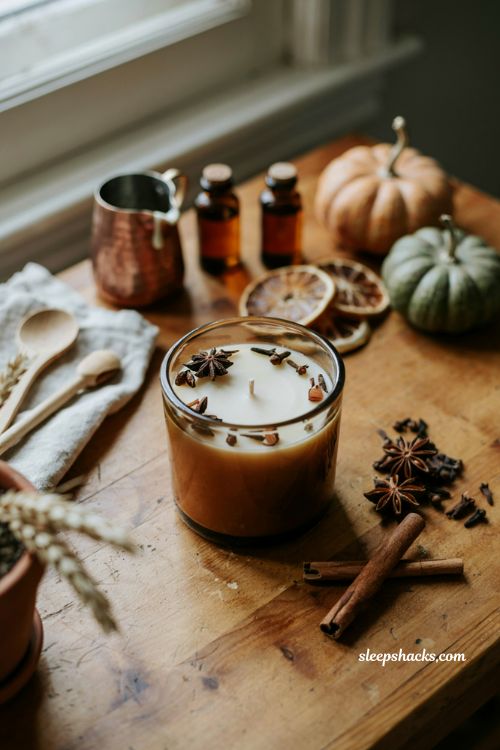
Pressing star anise, whole cloves, or small cinnamon pieces into the top of a candle while the wax is still slightly soft creates a decorative, dimensional surface once it fully hardens. Keep any embedded spices away from the direct area around the wick, since anything too close can spark briefly when lit. This finishing touch works on almost any base candle, whether it’s poured in glass, terracotta, or another vessel entirely.
6. Fall Leaf Wax Transfer Candle
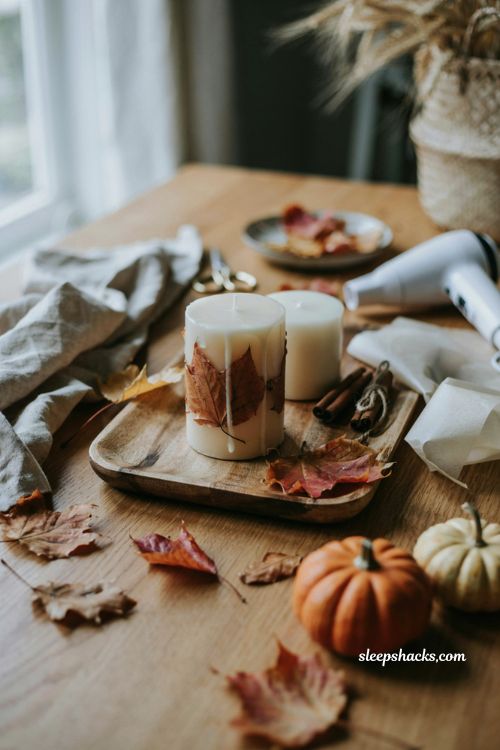
Adhering faux or pressed real leaves onto the surface of a plain pillar candle using a wax paper and hair dryer technique creates a candle that looks like the leaf is actually part of the wax itself. Place the leaf where you want it, cover it tightly with wax paper, then heat evenly with a hair dryer until the leaf looks damp and adhered. These display candles are generally meant to be shown rather than burned, so they can be reused as decor year after year.
7. Cedarwood and Clove Diffuser-Style Candle
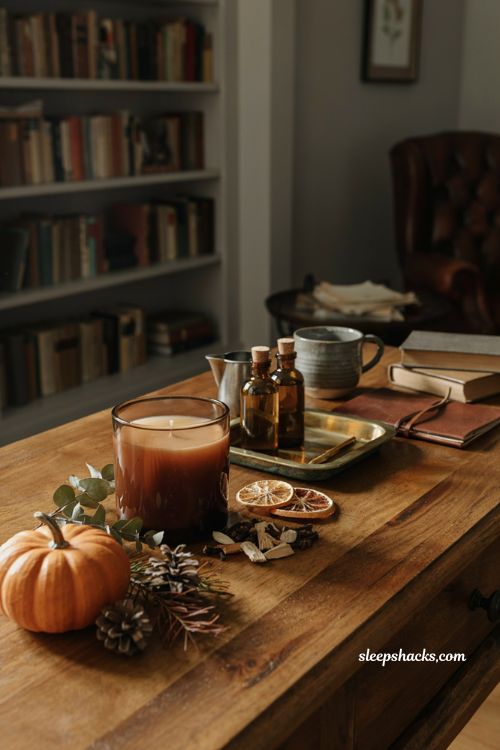
Blending cedarwood and clove essential oils into a soy base creates a deeper, woodsier fall scent than the typical sweet pumpkin spice direction. This combination tends to suit a more masculine or rustic-styled space, like an office or a den. Cedarwood also blends well as a base note if you want to experiment with adding a touch of citrus or vanilla on top.
8. Upcycled Vintage Glass Candle
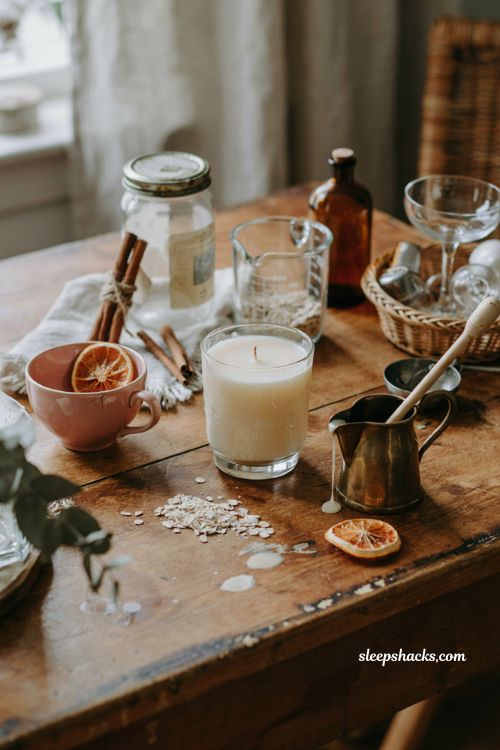
Repurposing an old glass — a thrifted tumbler, a mismatched teacup, or a vintage jar — as the vessel for a fresh wax pour gives new life to secondhand finds while creating a genuinely one-of-a-kind candle. Make sure whatever glass you choose is heat-safe before pouring hot wax into it. This is a great project for anyone who already has a collection of odd glassware sitting unused in a cabinet.
9. Beeswax Fall Candle
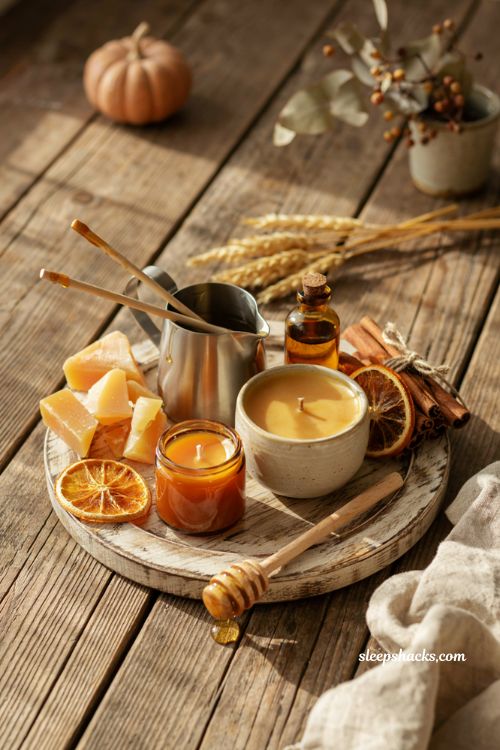
Swapping soy wax for beeswax creates a candle with a naturally warm, honeyed undertone that pairs beautifully with fall spice scents without needing much added fragrance at all. Beeswax burns slightly differently than soy, so it’s worth doing a small test pour first if this is your first time working with it. This option appeals especially to anyone who prefers a more natural, less heavily fragranced candle.
10. Apple Cider Scented Candle
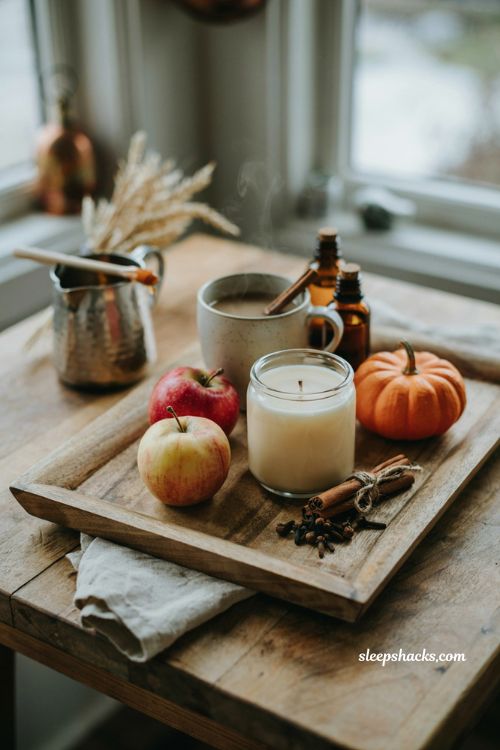
Blending apple, cinnamon, and a touch of clove essential oils into a soy base recreates that warm apple cider smell that instantly reads as fall. This scent combination tends to be a crowd favorite for anyone new to candle scenting, since it’s familiar and rarely overwhelming. Pour it into a simple amber glass jar for a finished look that matches the scent’s cozy character.
11. Wood Wick Fall Candle
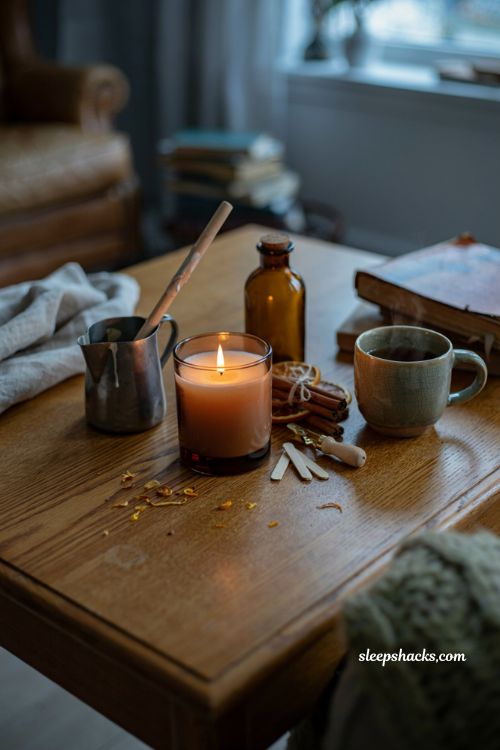
Using a wooden wick instead of a traditional cotton one adds a subtle crackling sound as the candle burns, which pairs nicely with a fall scent for a genuinely cozy sensory experience. Wood wicks need to be trimmed shorter than cotton wicks and require a slightly different pouring technique to burn evenly. This is a good next-level project once you’ve gotten comfortable with a standard pour.
12. Dried Orange Slice Candle
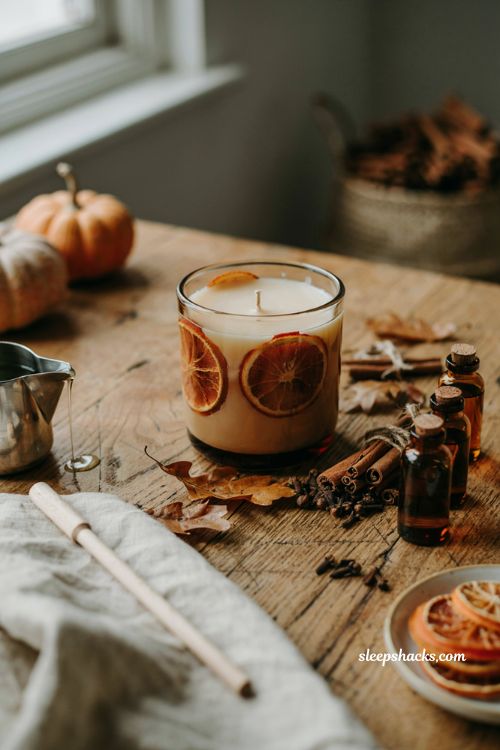
Pressing thin, fully dried orange slices onto the sides of a warm, slightly soft candle adds bright color and citrus fragrance alongside whatever scent blend you’ve used in the wax itself. Make sure the orange slices are completely dried out first, since any lingering moisture will prevent them from adhering properly. This combination pairs beautifully with a cinnamon or clove-scented base for a layered citrus-spice effect.
13. Two-Tone Marbled Candle
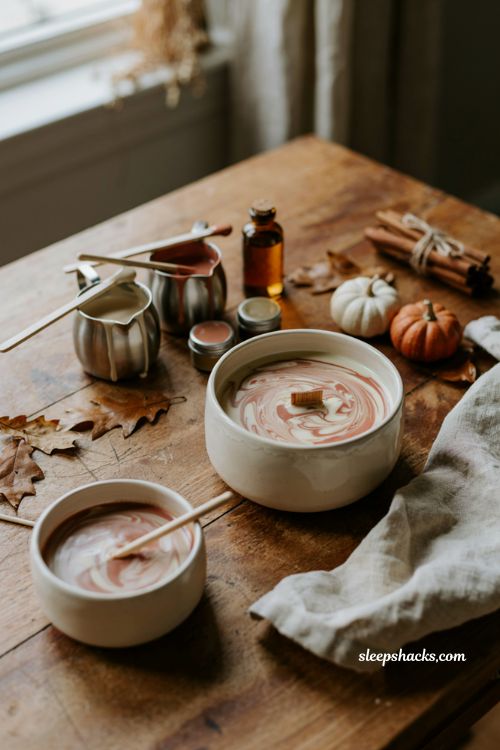
Pouring two different colors of tinted wax together and gently swirling them just before they set creates a marbled effect that looks far more advanced than the technique actually requires. Keep the swirling brief, since over-mixing will blend the colors into one flat tone instead of a distinct pattern. Rust and cream, or deep green and gold, are popular fall-appropriate color pairings for this technique.
14. Mini Votive Candle Set
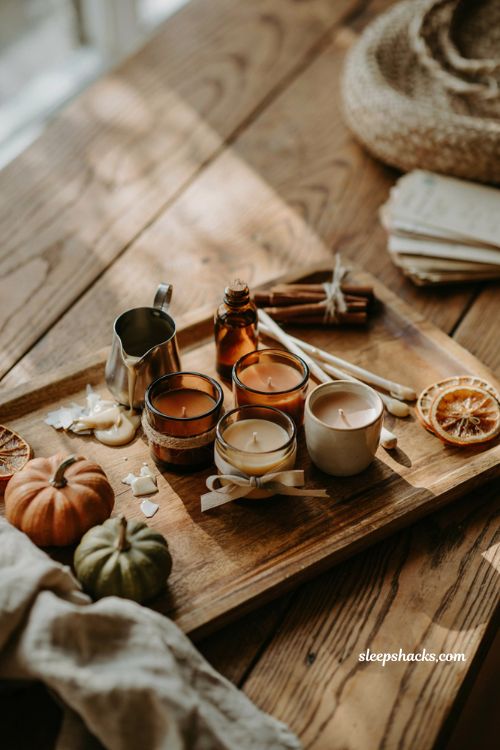
Pouring the same scent into several small votive-sized containers instead of one large candle creates a matching set that’s easy to display together or give as individual gifts. This is a great way to use up small amounts of leftover wax from a bigger project rather than letting it go to waste. Wrapping a few in twine or a simple ribbon makes them instantly gift-ready.
15. Personalized Photo Candle
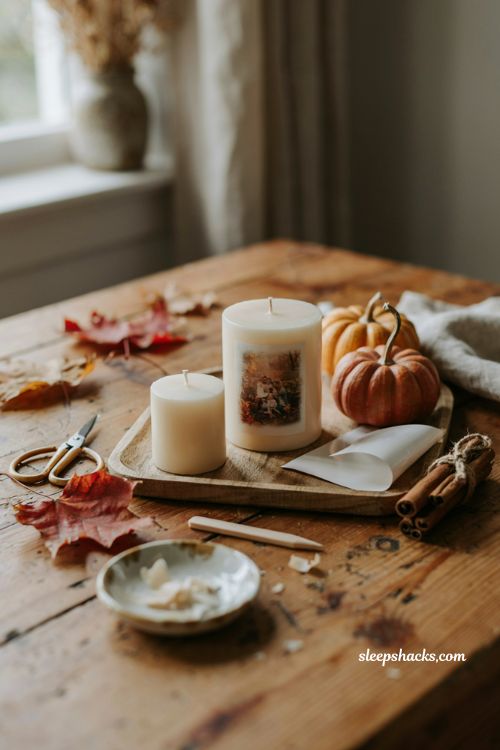
Printing a small image onto specialty paper and transferring it onto the outside of a pillar candle creates a genuinely custom, sentimental piece that goes beyond typical seasonal decor. This works well for a fall-themed family photo or a simple autumn illustration, depending on the occasion. It’s a nice project to make as a personalized gift alongside the more decor-focused candles on this list.
Final Thoughts
Making your own fall candles turns out to be far more approachable than most people expect, and once you’ve got the basic wax-and-wick process down, the scent and styling possibilities really do feel endless. Start with a simple soy pour in a plain jar to get comfortable with the technique, then work your way toward the more decorative projects as your confidence builds. There’s something genuinely satisfying about lighting a candle you made yourself and having the whole house smell like fall for a fraction of what the store versions cost.
Frequently Asked Questions
Q: What temperature should soy wax reach before adding fragrance oil?
Soy wax should be fully melted and around 185 degrees Fahrenheit before stirring in fragrance or essential oils for the best scent throw once the candle burns.
Q: Can I pour candle wax into any container?
No — the container needs to be heat-safe, and porous materials like terracotta must be sealed first with a product like Mod Podge to prevent hot wax from seeping through.
Q: Are leaf-decorated candles safe to burn?
Candles with leaves or other decorative elements applied to the surface are generally meant to be displayed unlit, since burning them down to that level isn’t considered safe.