

There’s a certain kind of afternoon — too hot to sit in full sun, too beautiful to stay inside — where a covered deck completely changes your life. Having a roof over your outdoor space means you stop checking the weather before you go outside.
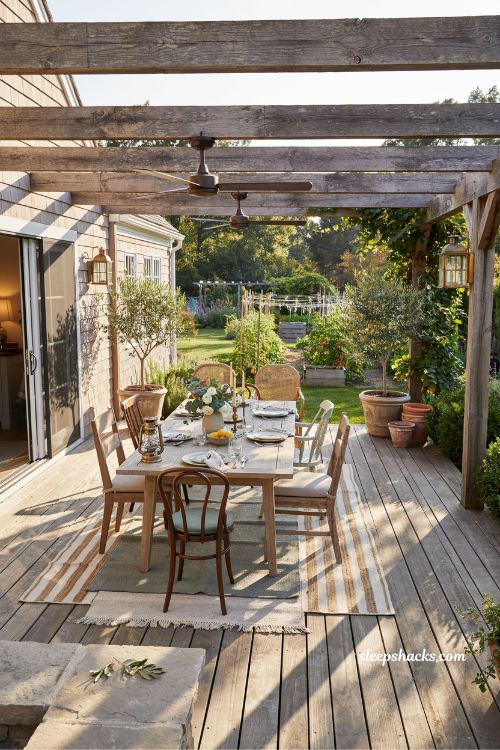
It means dinner on the deck even if clouds roll in. These 17 deck with roof ideas range from simple weekend builds to full architectural extensions, so whatever your budget or backyard, something here will work for you.
1. A Roof Extension That Flows Right From Your Home’s Roofline
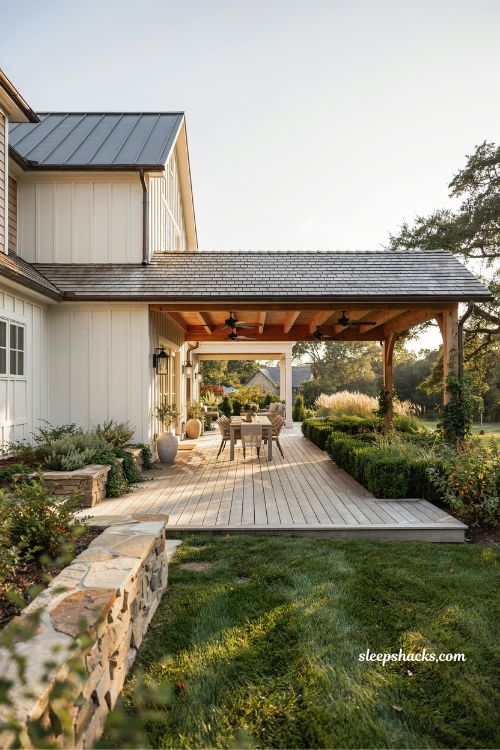
Extending your existing roofline over the deck is one of the cleanest solutions out there. It looks like the house was always built that way — no awkward seams, no mismatched styles. You can match shingles, pitch, and trim to your home’s exterior for a polished, cohesive finish. It also opens up the option for ceiling fans and built-in lighting without any extra structural gymnastics.
2. A Freestanding Pavilion for Full Coverage Without Touching the House
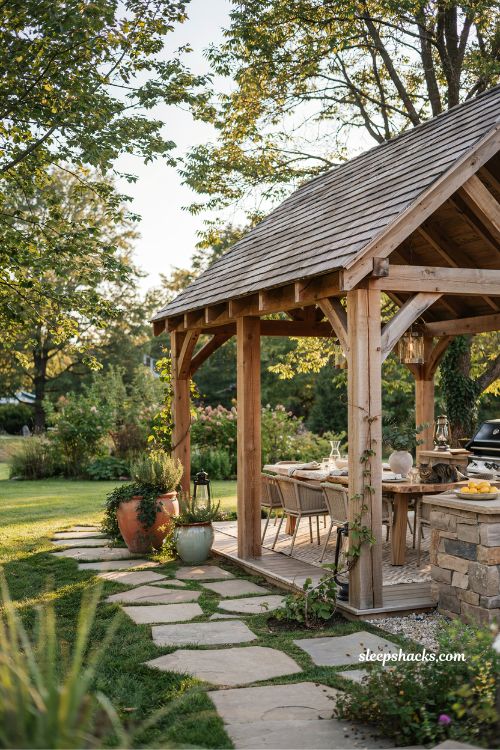
If you’d rather not attach anything to your home’s structure, a freestanding pavilion is the answer. Four solid posts, a full roof, and zero connection to your siding or foundation — which also means fewer permit headaches in most areas. Pavilions work especially well as dedicated grilling and dining zones, and they can sit anywhere in the yard, not just right off the back door.
3. Open Timber Frame With Climbing Vines for Summer Shade
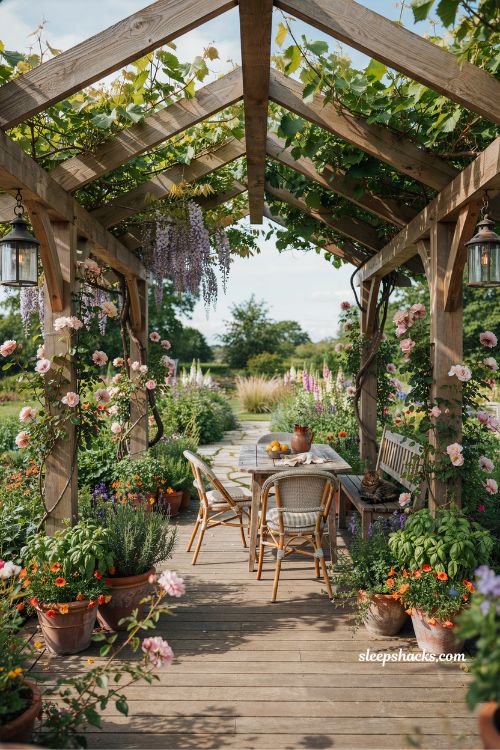
A timber frame overhead with open rafters gives you structure without committing to a solid roof. Train climbing roses, wisteria, or grape vines up and over the beams and you’ll have dense natural shade by midsummer — and a beautiful bare frame in winter that still lets in all the light. It’s low cost, organic-looking, and honestly one of the most charming options on this list.
4. A Solid Gable Roof Over a Raised Deck
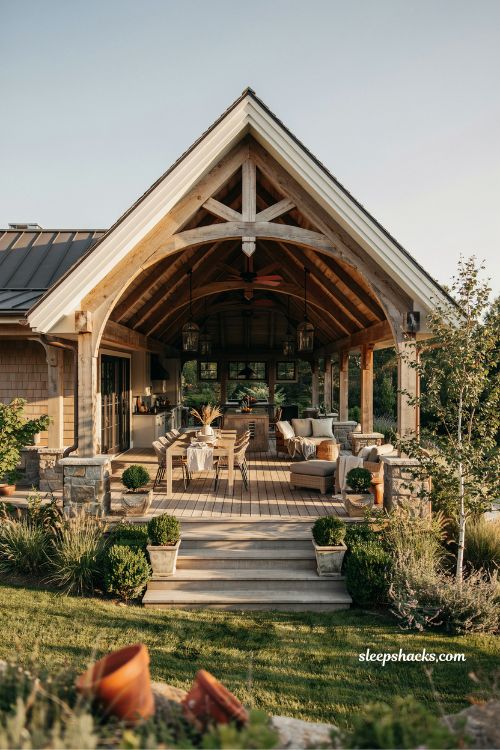
Raised decks with a gable roof look genuinely architectural — the kind of outdoor space that makes people stop and ask who built it. The peaked gable style sheds rain effectively, handles snow load well, and gives you real interior height that doesn’t feel cramped. Adding decorative wood brackets or corbels at the beam intersections gives it an extra layer of craftsmanship that’s worth every penny.
5. Insulated Roof Panels for True Year-Round Comfort
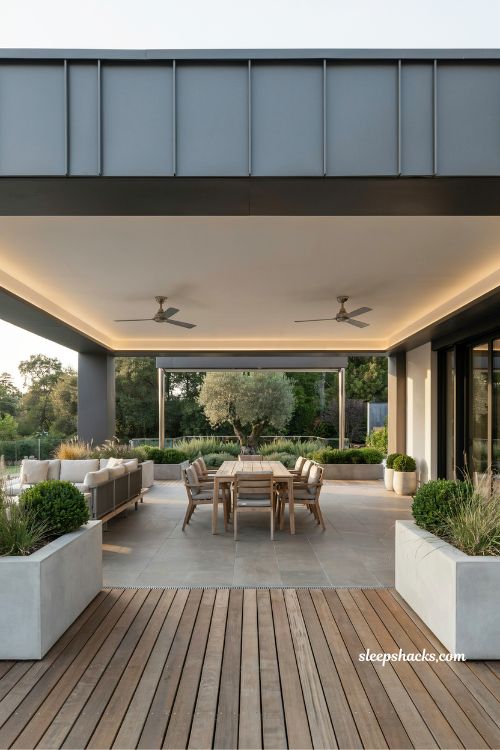
Standard roofing keeps the rain off, but insulated panels actually regulate temperature underneath — which matters a lot in climates with harsh summers or cold winters. Aluminum and foam-core panel systems are durable, low-maintenance, and surprisingly sleek-looking. If you’re planning to use your covered deck year-round, this is the one upgrade that makes the biggest practical difference.
6. A Hip Roof Deck Cover for a Clean, Classic Look
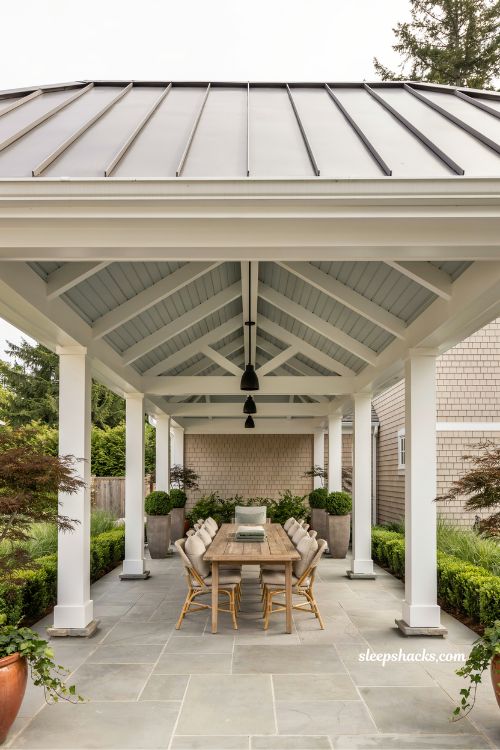
Hip roofs — where all four sides slope down to the walls — have a tidier, more finished appearance than gable styles. They handle wind better too, which matters if your backyard is exposed. Hip roof covers suit traditional and transitional home styles especially well, and they pair beautifully with matching trim, painted columns, and simple pendant lighting hung from the ridge beam.
7. Retractable Awning on a Budget-Friendly Frame
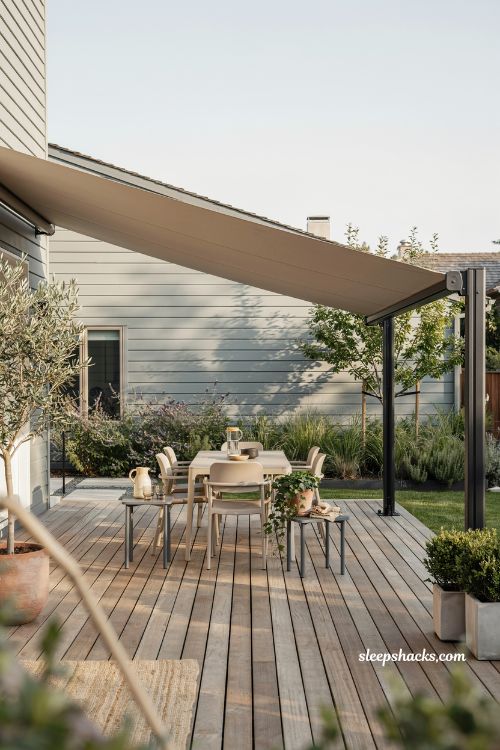
When a full structural roof isn’t in the budget yet, a quality retractable awning mounted to a simple frame gives you meaningful shade with zero permanent commitment. The key is getting one with enough extension — at least 10 to 12 feet — so the far end of the deck stays usable. Motorized versions with wind sensors are worth the extra cost if you live somewhere breezy.
8. A Pergola With a Motorized Louvered Roof System
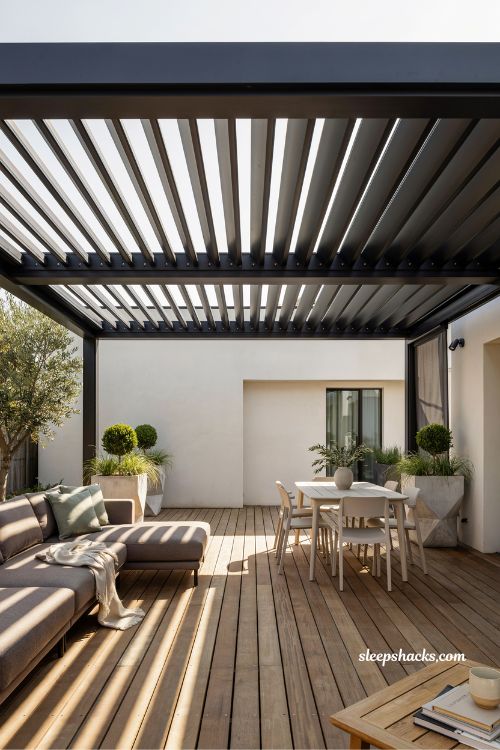
Louvered roof pergolas have become one of the most popular deck upgrades in the last few years, and for good reason. The adjustable aluminum slats let you dial in exactly how much sun or shade you want, and they snap shut completely when rain starts. Most systems now come with integrated LED strip lighting and optional side screens, turning a basic deck into something that genuinely functions like an outdoor room.
9. Cedar Timber Frame With a Metal Roof for Rustic Charm
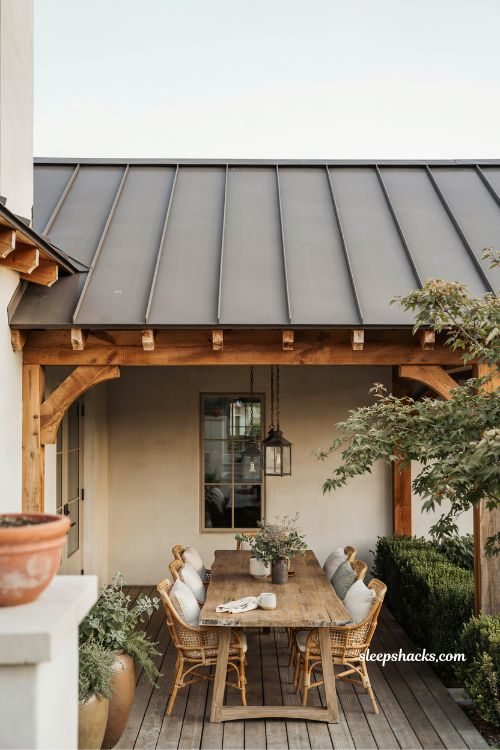
The combination of warm cedar beams and a standing seam metal roof is one of those pairings that just works. The cedar ages beautifully to silver-gray if left natural, or holds stain well if you want to maintain the color. Metal roofing in dark bronze or charcoal gray complements it without competing — and the sound of rain on a metal roof overhead is honestly one of the better things about this option.
10. Covered Rooftop Deck With City or Water Views
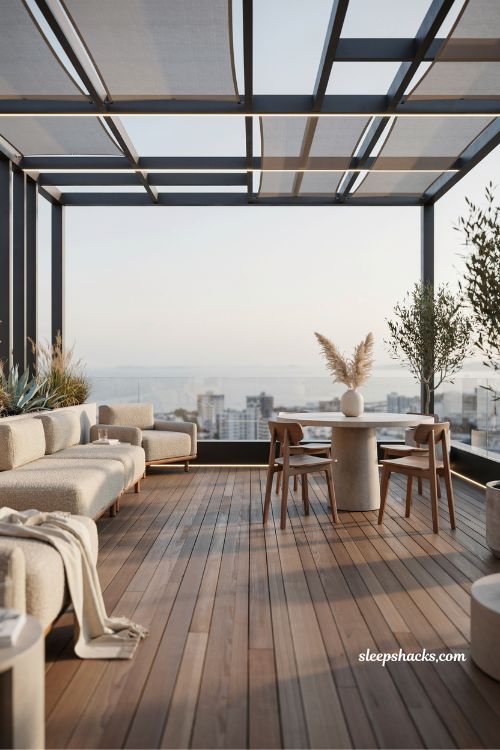
Rooftop decks need coverage too, and when you’re working with a flat or low-pitch roof, the structure has to be smart. Lightweight pergola frames or tension shade sails anchored to posts are the most practical options — they provide shade without adding excessive load. If the view is the whole point of being up there, keep the roof structure open and minimal so it frames rather than blocks what you came up to see.
11. A Shade Sail Stretched Between Four Corner Posts
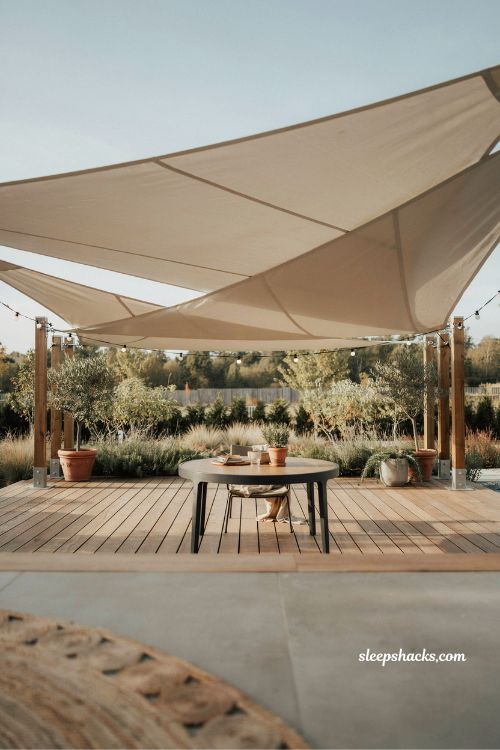
Four posts, some concrete footings, and a quality UV-rated shade sail — that’s genuinely all you need for solid, functional deck coverage on a real budget. Triangular or rectangular sails in neutral canvas colors look surprisingly sophisticated, especially when you layer two overlapping panels at different angles. The posts can double as mounting points for string lights, making the whole setup pull double duty after dark.
12. Screened-In Deck Roof With Ceiling Fan and Lighting
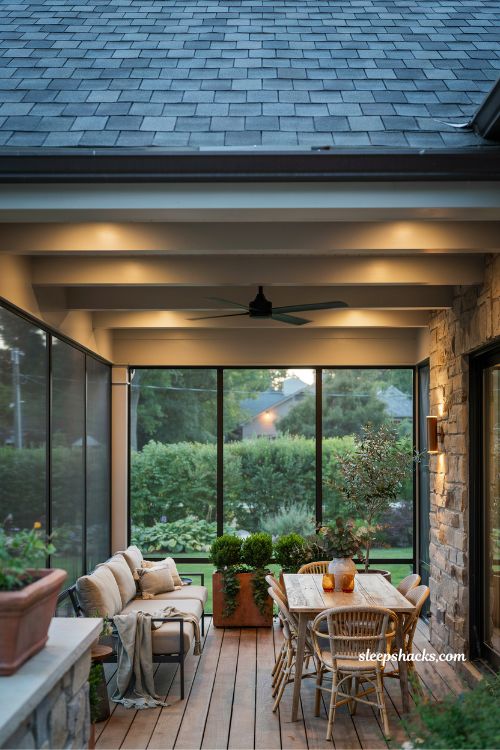
Adding screens to a covered deck changes how the whole space feels — suddenly it’s usable at dusk without battling mosquitoes, which is a bigger deal than it sounds in warm climates. A ceiling fan wired into the roof structure handles warm evenings, and hard-wired lighting means you’re not running extension cords. This combination turns a basic deck into a room you actually use all summer.
13. A Gazebo-Style Solid Roof for the Corner of the Deck
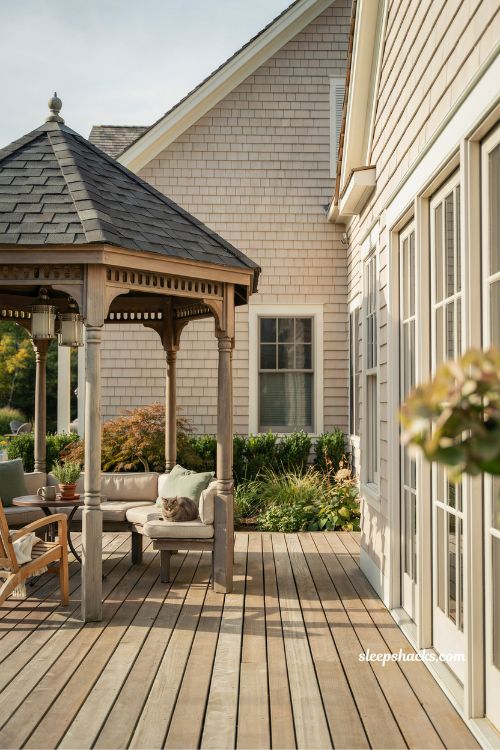
You don’t have to cover the entire deck — sometimes covering just one corner with a gazebo-style structure is smarter. It creates a defined zone for seating or a hot tub, and leaves the rest of the deck open for sun. Octagonal gazebo roofs with decorative finials look especially good on traditional-style homes, and the enclosed footprint keeps the build cost reasonable.
14. Polycarbonate Roof Panels That Let in Natural Light
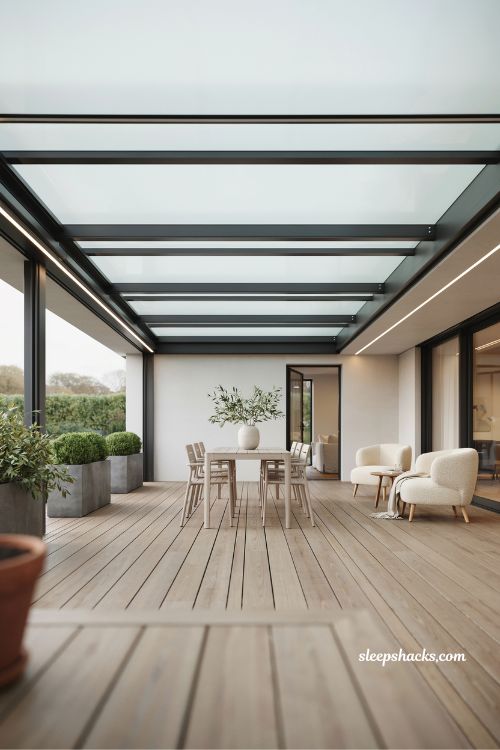
Solid roofs can make a covered deck feel darker than you’d like, especially on a shaded north-facing lot. Polycarbonate panels — the kind used in modern greenhouse construction — let diffused natural light through while still blocking rain completely. They come in clear, opal, and tinted options. Clear panels can get hot in direct sun, so opal or bronze-tinted versions tend to be more comfortable in practice.
15. A Flat Roof Deck Cover With Modern Lines
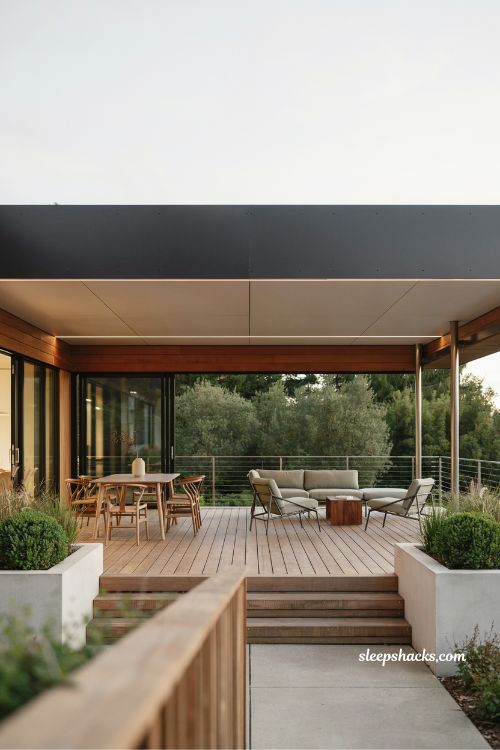
For contemporary and mid-century modern homes, a flat or very low-pitch roof cover looks far better than anything peaked or gabled. Clean horizontal lines, minimal fascia, and recessed lighting flush with the ceiling give the whole structure an architectural quality that matches the house. Pair it with cable-rail deck railing and composite decking for a cohesive modern aesthetic that photographs beautifully.
16. Covered Outdoor Kitchen Under a Matching Roof Extension
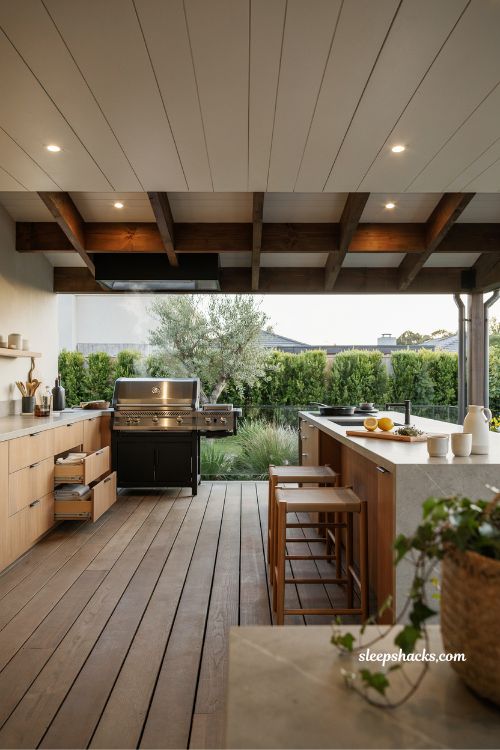
An outdoor kitchen really only makes sense under a roof — cooking in the rain isn’t relaxing for anyone. A roof extension that covers both a grill station and a prep counter area gives you a functional outdoor cooking zone that works across seasons. Make sure there’s adequate ventilation designed into the structure, especially if you’re running a gas grill, and plan for lighting directly over the work surfaces.
17. A Fireplace Corner Under a Permanent Covered Roof
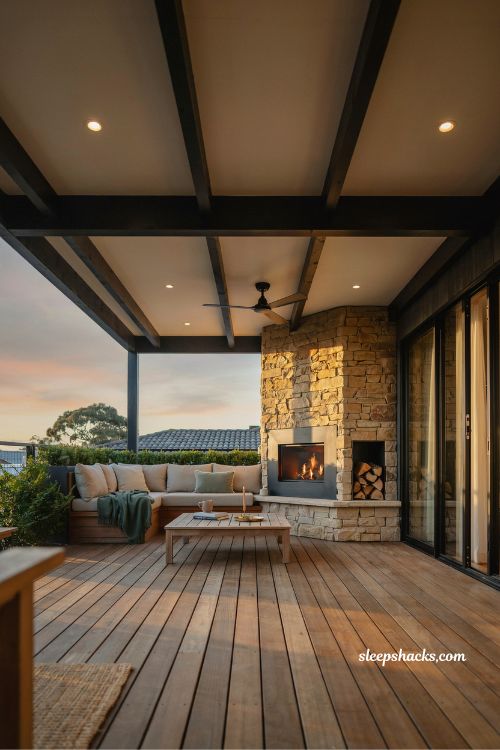
A covered deck with a fireplace in one corner is the kind of outdoor setup people use from March through November — not just in the peak of summer. The roof has to handle the heat clearance requirements around the firebox, which means working with a structural professional on this one. Done right, it’s genuinely one of the highest-ROI backyard additions you can make, and it makes the whole space feel like a true outdoor living room.
Frequently Asked Questions
Q: Does a covered deck add value to a home? Yes — according to home improvement research, a covered deck or patio roof extension typically offers a return on investment between 40–65%, depending on materials and location.
Q: Do I need a permit to add a roof over my deck? In most areas, yes — any structure attached to your home or that requires footings will need a permit. Freestanding structures may have different rules, so check with your local building department first.
Q: What is the cheapest way to cover a deck? A shade sail stretched between four corner posts is one of the most budget-friendly options — it requires minimal materials and can be installed as a DIY project over a weekend.
Q: What type of roof is best for a covered deck? It depends on your climate and aesthetic. Gable roofs handle snow and rain well, hip roofs resist wind, and louvered pergola systems offer the most flexibility for adjusting light and shade throughout the day.