

Antique wooden furniture holds a special kind of magic. When I first inherited my grandmother’s oak dining table, I remember running my fingers along its smooth, worn surface and feeling decades of stories beneath my touch. Caring for antique wood furniture isn’t just about cleaning or polishing; it’s about preserving memories and history. Each scratch, dent, and patina tells a story. Over the years, I’ve learned that gentle care, patience, and the right techniques can make these pieces shine while keeping their soul intact. From understanding the wood type to knowing how to store it safely, every little step contributes to its longevity.
Key Points:
- Gentle cleaning and dusting preserve finishes.
- Waxing and proper hydration protect wood from cracking.
- Environmental care prevents damage from sunlight and humidity.
Understanding Antique Wood Furniture
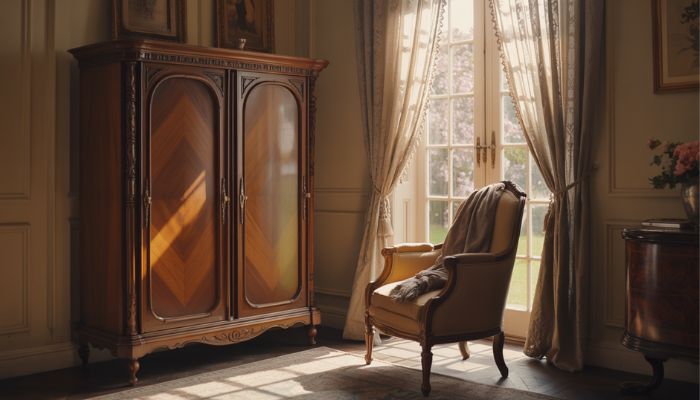
When it comes to antique wood, not all furniture is created equal. I remember mistaking a pine cabinet for oak and ended up being overly cautious with it. Pine, oak, walnut, and mahogany each react differently to moisture, heat, and cleaning products. Oak tends to be sturdy and resilient, while pine is softer and more prone to dents. Understanding the finish is equally important. Shellac, varnish, wax, or lacquer each have unique properties and require specific care. For instance, shellac responds poorly to alcohol-based cleaners, while wax can be gently buffed and reapplied. By knowing your furniture’s wood type and finish, you can choose the safest cleaning and preservation methods.
Daily Cleaning and Dusting Techniques
Dusting might sound mundane, but I treat it like a small ritual. Using a soft, lint-free cloth or a delicate brush, I gently sweep away dust along the grain. Avoiding harsh chemicals is key. Once, I used a store-bought furniture spray on my grandmother’s cherry cabinet, and the sheen became uneven. I learned quickly that simplicity is better: soft, dry cloths and gentle dabbing with slightly damp cloths when necessary. This daily habit prevents grime from building up and keeps the wood looking alive and warm. Even five minutes of mindful cleaning can make a significant difference over time.
Moisturizing and Hydrating Antique Wood
I’ve tried various oils over the years—linseed, tung, and mineral oils—but not all of them are friendlier than they seem. Linseed and tung oils can darken over time, especially when applied to open grain. Mineral oil leaves a slippery film that attracts dust. Through trial and error, I’ve found that light, occasional hydration, often with a well-tested commercial blend or a soft wax polish, is enough to prevent cracks. Think of it like feeding a plant; too much water can harm, too little can dry it out. Treating antique wood with respect and moderation keeps it vibrant without risking long-term damage.
Waxing and Polishing for Protection
Waxing is like giving your furniture a gentle armor. I often use beeswax or Renaissance Micro-Crystalline Wax, applying thin layers and buffing them to a soft glow. Waxing preserves the finish and shields against minor spills and scratches. I learned the hard way to avoid aerosol sprays and silicone-based products—they may make the wood shine briefly but can damage it irreversibly. The secret is patience. A slow, mindful polish can restore depth and warmth to old wood, almost like giving it back its voice. And if you’re unsure about frequency, once a year is usually sufficient for pieces in regular use.
| Wax Type | Best Use | Frequency | Notes |
| Beeswax | Most hardwoods | Yearly | Adds sheen and protection |
| Micro-Crystalline Wax | Fine antiques | Every 1-2 years | Gentle, removable if buildup occurs |
| Butcher’s Wax | Daily-use furniture | Every 6-12 months | Durable, moisture-resistant |
Environmental Factors to Consider
I’ve watched sunlight slowly fade a mahogany dresser over a single summer, and it broke my heart. Bright sunlight accelerates aging, causing finishes to crack and wood to become brittle. High humidity or fluctuating temperatures can make wood expand or contract, leading to cracks or gaps. Keeping furniture away from windows, vents, and heaters is crucial. For climate-sensitive antiques, a humidifier or dehumidifier can maintain balance. The environment around your furniture can either protect it like a loving home or silently destroy it over the years.
Handling and Gentle Use
Antique furniture is resilient but not invincible. I always remind friends and family to lift instead of drag, and to avoid pressing hard on surfaces. Even seemingly small actions like leaning on a chair or resting a hot mug without a coaster can leave permanent marks. I treat each piece like a living artifact, handling it with the same care I’d expect someone to treat my own heirlooms. Over time, these small habits prevent scratches, dents, and stress on joints, allowing furniture to age gracefully rather than deteriorate prematurely.
Minor Repairs and Maintenance
Not every scratch or crack is a disaster. I once used a hot hide glue repair on a loose chair joint under the guidance of a professional, and it held beautifully for years. Knowing when to repair and when to leave a piece alone is key. Nails and adhesives should only be applied cautiously and historically accurately. Veneer or surface damage can often be managed with careful polishing or selective touch-ups. For major structural issues, consulting a restoration expert ensures you maintain both aesthetic and historical value without risking further damage.
Cleaning Antique Furniture with Special Considerations
Cushioned or upholstered antiques bring their own challenges. Mold and mildew can develop if moisture is trapped, so cleaning with antibacterial solutions and ensuring complete drying is essential. Glass, mirrors, or delicate inlays need careful removal and separate cleaning. Painted finishes may be multi-layered; scrubbing too hard can strip original paint. I treat each item individually, understanding its material and history before attempting any cleaning.
| Furniture Type | Recommended Cleaning | Special Notes |
| Upholstered | Antibacterial cleaner, air-dry | Avoid stacking; ensure airflow |
| Wooden w/ Glass | Soft damp cloth, bubble wrap for glass | Remove drawers and glass if possible |
| Painted Finish | Dry dusting, mild detergent if necessary | Avoid scrubbing to preserve layers |
Storing Antique Wood Furniture Safely
Storage can be intimidating. When I had to move a walnut armoire, I applied wax beforehand, wrapped drawers in towels, and covered it with breathable sheets. Elevating furniture on pallets protects it from accidental water damage. If possible, a climate-controlled storage unit is a lifesaver, keeping both humidity and temperature stable. This step not only preserves the finish but also prevents structural warping, mold, and mildew. Treat storage preparation as an act of love for the piece—it ensures the furniture will remain ready for its next chapter in your home.
Common Mistakes to Avoid
Over-wetting, using harsh detergents, applying the wrong oils, or leaving furniture in sunlight are mistakes I’ve witnessed countless times. Each can cause irreparable damage. Avoid silicone sprays and aerosol polishes. Don’t force repairs unless you know the piece well. Mistakes may seem small, but antique wood is unforgiving, and years of beauty can vanish with a single misstep. Learning from others’ missteps has saved me countless headaches.
Video and Tutorial Resources
Watching restoration tutorials has been a game-changer for me. Channels like Miss Mustard Seed and Van Dyke’s Restorers provide step-by-step instructions for cleaning, waxing, and repairing antiques. Seeing someone handle a delicate veneer or antique art box gives you confidence to attempt similar tasks safely. These videos complement hands-on practice and offer insights that books sometimes miss, such as subtle hand movements or how to assess the right level of polish.
Preserving Value and Longevity
The ultimate goal of care for antique wood furniture is preservation. Keeping finishes intact, documenting provenance, and avoiding heavy-handed alterations ensures both sentimental and monetary value remains intact. I’ve personally maintained a walnut sideboard for decades, and its value—both emotional and financial—has only grown. Respecting the piece’s history, maintaining routine care, and avoiding shortcuts are key to longevity.
Seasonal and Annual Care
Seasonal care is something I never overlook. Summer brings heat and potential sun damage, while winter dryness can crack delicate wood. I check each piece annually, reapply wax if necessary, and inspect joints and veneers. Even small adjustments, like rotating chairs or slightly moving a cabinet to reduce sun exposure, can prevent long-term problems. Treating antique furniture like a living part of your home ensures it thrives for generations.
FAQ Section
How often should I dust antique wood furniture?
Dust weekly with a soft, lint-free cloth to prevent buildup.
Can I use regular furniture polish?
It’s best to use wax or micro-crystalline wax; avoid silicone-based or harsh commercial polishes.
Is it safe to apply oils to all antique furniture?
Not always. Drying oils can darken or attract dust; use sparingly or test first.
How do I prevent mold on upholstered antiques?
Clean with antibacterial solutions, let them dry completely, and ensure airflow.
What’s the best way to store antique furniture?
Use breathable covers, elevate on pallets, and ideally choose a climate-controlled unit.
Can I repair minor cracks myself?
Small cracks can be managed with hot hide glue or professional guidance; avoid nails or adhesives that restrict wood movement.
Why is sunlight harmful to antique wood furniture?
It accelerates aging, causing finishes to crack and wood to fade or become brittle.