

Caring for aluminum patio furniture might seem simple at first glance, but trust me, there’s more to it than just wiping it down once in a while. I remember when I first got my set, I thought aluminum meant “set it and forget it.” Spoiler alert: not quite! Over time, exposure to sun, rain, and dirt can dull the finish, cause scratches, or even lead to corrosion if you’re not careful. But with a bit of attention and the right techniques, your aluminum furniture can stay looking fresh and inviting for years—kind of like that reliable friend who just gets better with time. Let me walk you through how to care for aluminum patio furniture, so your outdoor space stays comfy and stylish without all the hassle.
Key Points:
- Regular gentle cleaning preserves finish and prevents corrosion
- Protective covers and coatings extend furniture life
- Quick fixes for scratches and oxidation keep furniture looking sharp
Understanding Aluminum Patio Furniture Durability
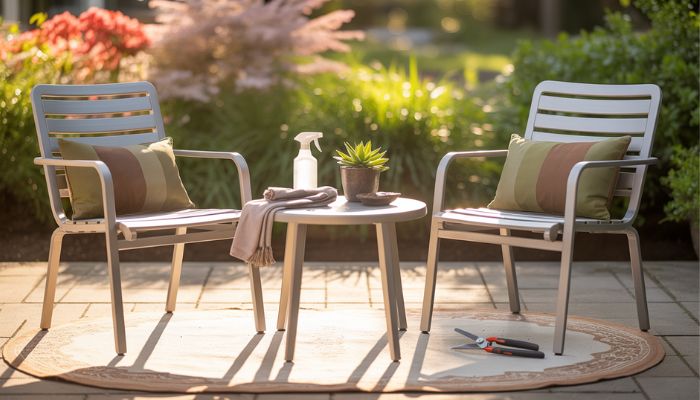
Aluminum is a pretty fantastic material for outdoor furniture because it doesn’t rust like steel. It’s lightweight, sturdy, and weather-resistant, making it ideal for patios. But while it resists corrosion, aluminum isn’t invincible. Over time, dirt, dust, sun exposure, and moisture can wear down the finish or cause oxidation, which looks like a dull, chalky layer on the metal. Think of it like skin—sun, wind, and dirt can dry it out or cause damage if you don’t take care. So, knowing its strengths and vulnerabilities helps you tailor your care routine.
Cleaning and Dusting Your Aluminum Patio Furniture
The best place to start caring for aluminum patio furniture is keeping it clean. Dust and dirt act like tiny abrasives that can slowly wear the surface down. I like to use a mild detergent mixed with warm water and a soft cloth or sponge. Avoid anything abrasive; a gentle touch keeps the finish intact. When it comes to the nooks and crannies, a soft brush or even a paintbrush works wonders. If you’ve ever used a vacuum cleaner with a brush attachment, it’s also perfect for sucking up dust in tight spaces without scratching.
Here’s a quick table comparing cleaning methods:
| Cleaning Method | Pros | Cons |
| Mild Soap & Water | Gentle, safe for finishes | May require more effort |
| Pressure Washer | Fast, removes tough grime | Risk of damage if too strong |
| Bleach Solution (Diluted) | Kills mildew & mold | Must rinse thoroughly |
| Compressed Air | Great for dust in crevices | Can scratch if too close |
Regular cleaning isn’t just about looks—it’s also about protecting the metal from buildup that can trap moisture and invite oxidation.
Wiping Down with Damp and Dry Cloths
After dusting, I find wiping with a damp cloth really helps refresh the look. Just make sure it’s damp, not soaking wet. Excess moisture can sit on the metal and cause spotting or, worse, corrosion over time. Always follow up with a dry microfiber cloth to soak up any leftover moisture. This two-step wiping method feels a bit like giving your furniture a quick spa treatment: gentle but thorough.
If you’re curious, here’s a simple comparison table on wiping techniques:
| Wiping Technique | Best For | Things to Watch Out For |
| Damp Cloth | Routine cleaning, light dirt | Avoid excess moisture |
| Dry Cloth | Removing dust, quick refresh | Won’t clean sticky residues |
| Microfiber Cloth | Delicate surfaces, final polish | None, very gentle on finish |
Protecting Your Aluminum Patio Furniture from the Elements
One of the biggest lessons I learned was the importance of covering my furniture when it’s not in use. Even though aluminum is weather-resistant, sun, rain, and wind can slowly chip away at its finish. If you want your set to stay bright and fresh, invest in a quality, breathable cover. It’s like giving your furniture a raincoat and sunscreen all in one.
For long-term protection, you can also apply a protective coating like automotive wax or a specialized sealant. These create a barrier that repels water and dirt, which helps keep corrosion at bay. Applying wax can be a bit of a chore and needs reapplication, but the extra shine and protection are worth it. Just remember to use products designed for metal and follow the instructions carefully.
Dealing with Scratches, Chips, and Oxidation
Nobody likes seeing scratches or dull patches on their patio furniture. I’ve had my share, especially after hosting lively summer barbecues! For small scratches, using a metal polish or paste wax can buff them right out. Deeper scratches or chips might need a bit more work, like sanding and repainting. For oxidation—a chalky or grayish layer—you can remove it with gentle cleaners like a mix of baking soda and water, or specialized oxidation removers. Lemon juice with aluminum foil is a quirky but effective home remedy I’ve tried.
If scratches or oxidation get serious, sanding and applying an etching primer before repainting or powder-coating can restore the look and protect against future damage.
Table: Quick Fixes for Common Aluminum Patio Furniture Issues
| Issue | Quick Fix | When to Consider Professional Help |
| Light Scratches | Metal polish or paste wax | Deep scratches or structural damage |
| Oxidation | Baking soda paste or oxidation remover | Widespread or stubborn oxidation |
| Paint Chips | Sand, prime, and repaint | Large areas or rust present |
| Loose Parts | Tighten screws, oil hinges | Broken welds or frame damage |
Regular Maintenance Tips for Longevity
Caring for aluminum patio furniture isn’t a one-time thing—it’s a series of small habits. Cleaning twice a year, especially before and after the heavy-use seasons, can keep your furniture in top shape. I usually do a spring refresh to prepare for sunny days and a fall cleanup to protect before winter hits.
Don’t forget to store cushions indoors or in waterproof storage when not in use. Cushions absorb moisture and dirt quickly, which can lead to mold or mildew. Also, check screws and joints regularly and oil any moving parts like hinges or recliners.
If you want a quick glance at a maintenance schedule, here’s a handy guide:
| Season | Maintenance Task |
| Spring | Clean thoroughly, apply protective coating, check cushions |
| Summer | Wipe down regularly, store cushions during rain |
| Fall | Deep clean, cover furniture, inspect for damage |
| Winter | Store cushions indoors, cover or store furniture indoors |
Storing Aluminum Patio Furniture During Off-Season
If you live somewhere with harsh winters, like I do, storing your aluminum patio furniture indoors during the cold months is a game-changer. The freeze-thaw cycles can cause damage even to weather-resistant metals. If indoor storage isn’t possible, use heavy-duty, breathable covers designed for winter protection. Avoid plastic tarps, which trap moisture and cause mold.
Even if you don’t get snow, covering the furniture prevents dirt buildup and fading from UV rays. It’s the easiest way to extend the life of your investment.
How to Care for Aluminum Patio Furniture Cushions
While aluminum frames get all the attention, cushions are just as important. Regularly clean the cushions with mild soap and water and allow them to dry completely to prevent mold. Store cushions indoors when not in use or during bad weather. I like using waterproof storage bins on my patio for quick access and protection.
If cushions start smelling musty, sprinkle baking soda on them, let sit, then vacuum it off. For stubborn stains, spot clean with a fabric-safe cleaner.
Common Mistakes to Avoid When Caring for Aluminum Patio Furniture
I learned the hard way that not all cleaning products are created equal. Harsh chemicals, abrasive tools, or acidic cleaners like vinegar can damage the finish or cause discoloration. Avoid using steel wool or wire brushes—they’ll scratch the surface faster than you can say “outdoor party.”
Another common mistake is letting water sit on the furniture. Moisture trapped under covers or in crevices invites oxidation and mold. Always dry your furniture thoroughly after cleaning or rain.
Table: Do’s and Don’ts of Aluminum Patio Furniture Care
| Do’s | Don’ts |
| Use mild soap and soft cloth | Use abrasive cleaners or brushes |
| Cover furniture when not in use | Leave furniture exposed to harsh weather |
| Dry furniture after cleaning or rain | Let water sit on the metal surface |
| Store cushions indoors or dry storage | Use acidic cleaners like vinegar |
Final Thoughts on How to Care for Aluminum Patio Furniture
Taking care of your aluminum patio furniture doesn’t have to feel like a chore. With a little regular attention, you can keep your outdoor space looking inviting and well-kept. Think of your furniture like a loyal companion—treat it with care, and it will stick around for many seasons of memories, barbecues, and quiet mornings with coffee. Plus, the small effort you put in now saves you from expensive replacements later.
By understanding your furniture’s needs, cleaning it properly, protecting it with covers and coatings, and addressing issues early, you’re ensuring it stays durable and attractive. And hey, who doesn’t want their patio to be that perfect relaxing spot?
FAQs About How To Care For Aluminum Patio Furniture
How often should I clean my aluminum patio furniture?
Clean it at least twice a year, ideally before and after heavy use seasons.
Can I use a pressure washer?
Yes, but only on a low setting to avoid damaging the finish.
What’s the best way to remove oxidation?
Use a baking soda paste or specialized oxidation remover, then polish.
Should I cover my furniture year-round?
It’s best to cover it when not in use, especially in harsh weather.
Can I use any wax for protection?
Use automotive or metal-specific wax for best results.
How do I store cushions properly?
Keep them indoors or in waterproof storage to prevent mold.
What cleaners should I avoid?
Avoid acidic cleaners like vinegar and abrasive scrubbers that can damage aluminum.