

A small garden is easier to get right than a big one, and the reason is simple: there is nowhere to hide a bad decision. Every bed, path, and pot is visible at once, so a clear plan matters far more than the number of square feet.
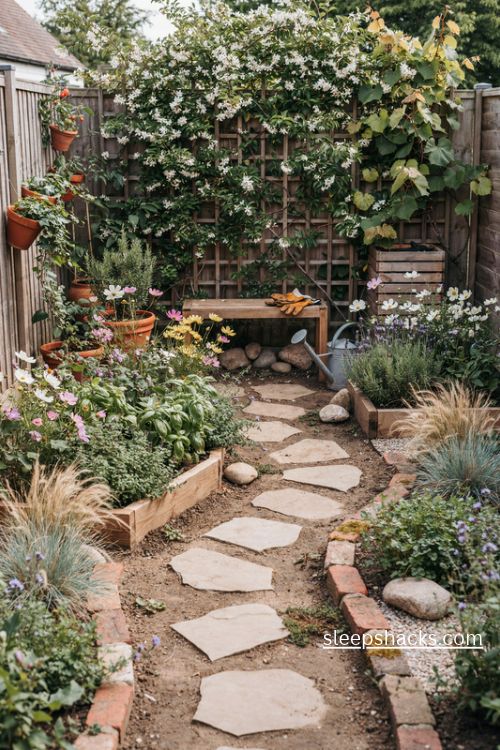
That is actually good news. With a thoughtful layout, a tiny yard can feel layered, calm, and full of life. These 16 small garden plans cover paths, beds, seating, and vertical tricks, so you can pick the ones that suit your space and build something you will really use.
1. The One Path Layout
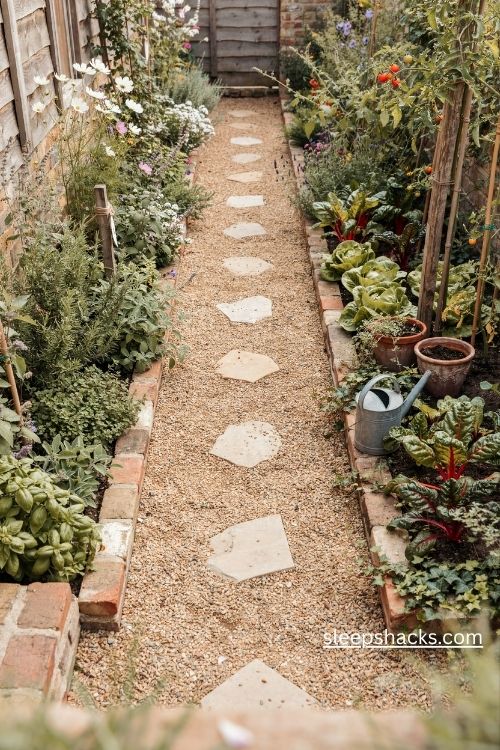
A single path through the middle or along one edge organizes a small garden instantly. Beds sit on either side, within easy reach, and the path gives you a clear route for watering, harvesting, and wandering. It also makes the space feel longer than it is.
Keep the path about eighteen to twenty-four inches wide, which is enough for one person and a watering can. Use gravel, bark chips, or flat stones, and line the edges with a low border so the soil stays neatly contained.
2. A Three Zone Layout
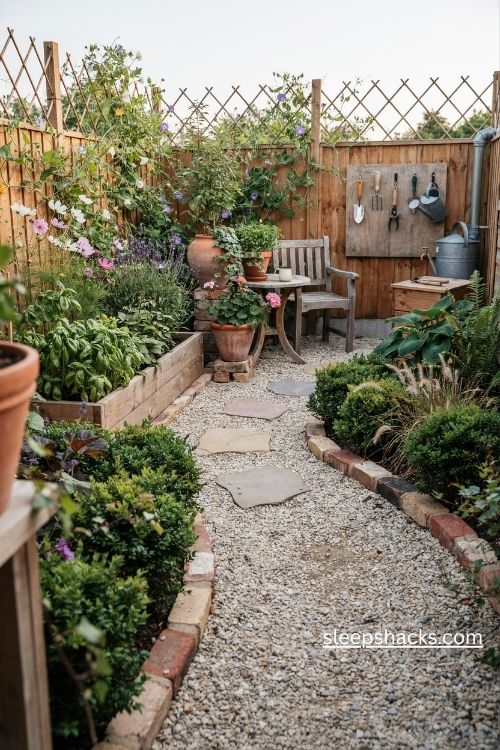
Divide the garden into three simple zones: one for growing, one for sitting, and one for utility. The growing zone holds beds or containers, the sitting zone has a small table or bench, and the utility corner holds storage, a compost bin, and a water barrel. Each part has a clear job.
Even in a very small yard, shrink the zones rather than removing them. Having a defined place for tools and a spot to rest keeps the planting area free from clutter and makes daily care much easier.
3. A Raised Bed Grid
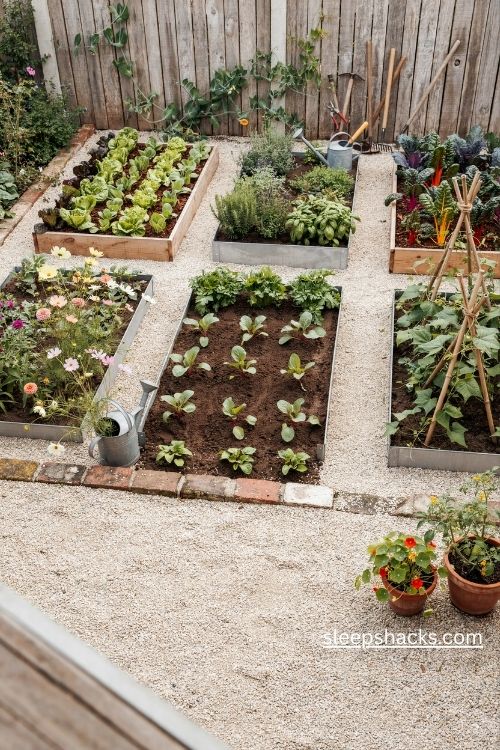
Several small raised beds arranged in a grid with narrow paths between them make every inch count. Square or rectangular boxes about three to four feet wide let you reach the center from either side, so you never need to step on the soil. The look is tidy and almost architectural.
Use cedar or galvanized steel for durability, and fill them with a rich mix of compost and topsoil. Give each bed a purpose, such as herbs, salad greens, or cutting flowers, to keep planning simple.
4. A Vertical Wall Garden
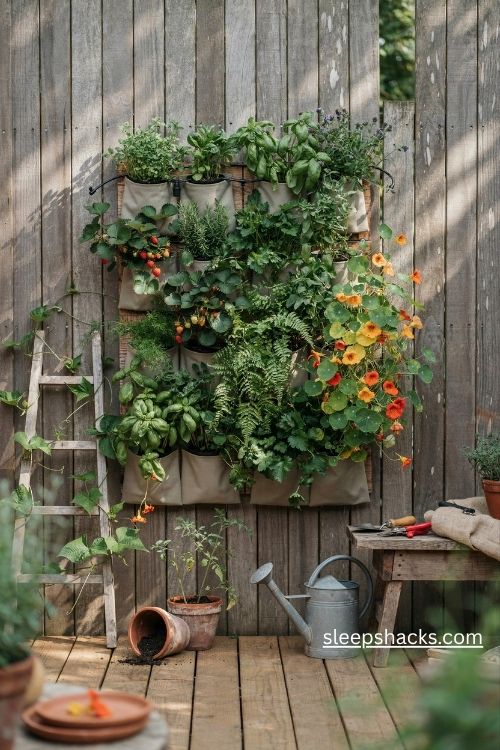
When the ground is limited, go up. A wall of pocket planters, wooden pallets, or wire grids holds herbs, strawberries, ferns, and trailing flowers, and turns a plain fence into a living picture. It adds greenery at eye level where it is most noticed.
Make sure the structure is fixed securely, because watered soil is heavy. Install a simple drip line or water from the top, and let the excess run down through the pockets to the bottom row.
5. A Corner Seating Nook
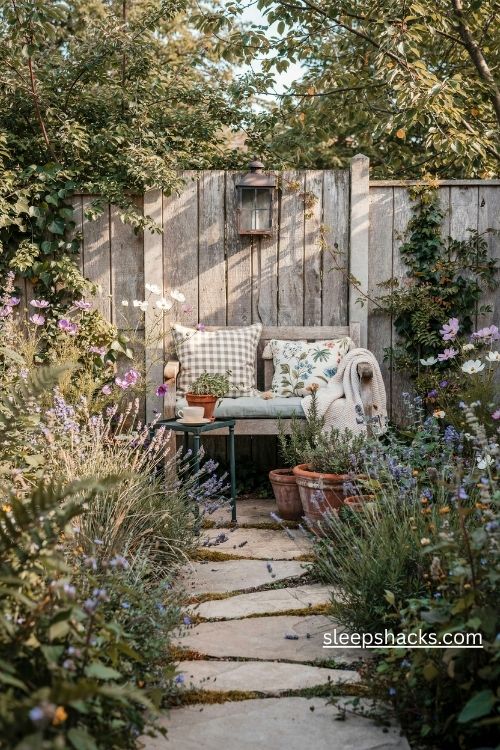
A bench tucked into the corner of the yard gives you a destination. Surround it with tall plants like grasses or lavender, and it becomes a small hideaway, even in the middle of a city. The best seating spots often sit at the far end, drawing you through the garden.
Choose a bench or a pair of chairs with a slim profile, and add a small side table for a cup of tea. A cushion in a weather-resistant fabric makes the nook welcoming from the very first day.
6. Container Clusters
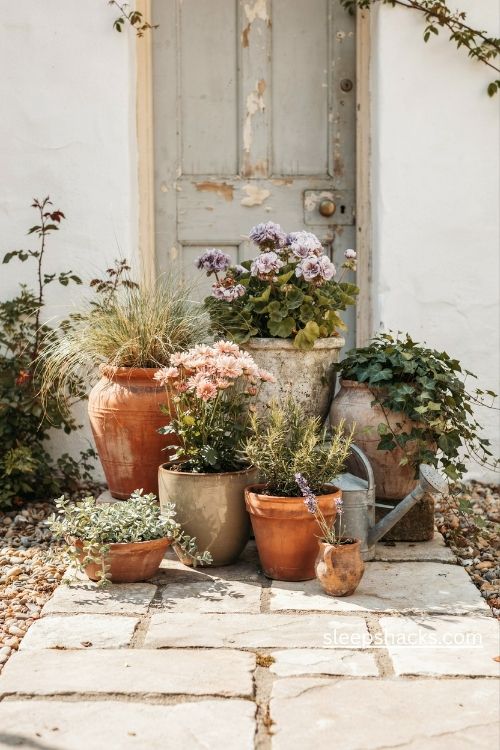
Pots grouped together are flexible and forgiving. Arrange three to seven containers of different sizes and heights in a corner or beside the door, and you get a full, abundant look without a single dig. You can move them as sunlight shifts during the seasons.
Combine a thriller, a filler, and a spiller in each pot, such as a tall grass, a mid-sized flower, and a trailing vine. Choose containers in the same color family so the group looks harmonious rather than random.
7. Tiered Shelves and Plant Stands
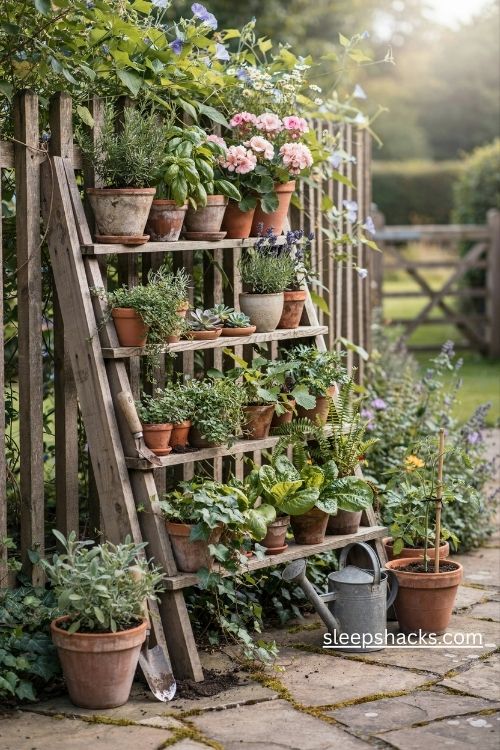
A tiered plant stand or an old wooden ladder turns a corner into a multi-level display. Small pots of herbs, succulents, and flowers sit on each step, and the whole piece takes up little more than the footprint of a single large pot. It is an easy way to show off a collection.
Place the sunniest, tallest shelf at the back, and keep shade lovers near the bottom. A weatherproof finish on the wood will help the stand last for years outdoors.
8. A Curved Border
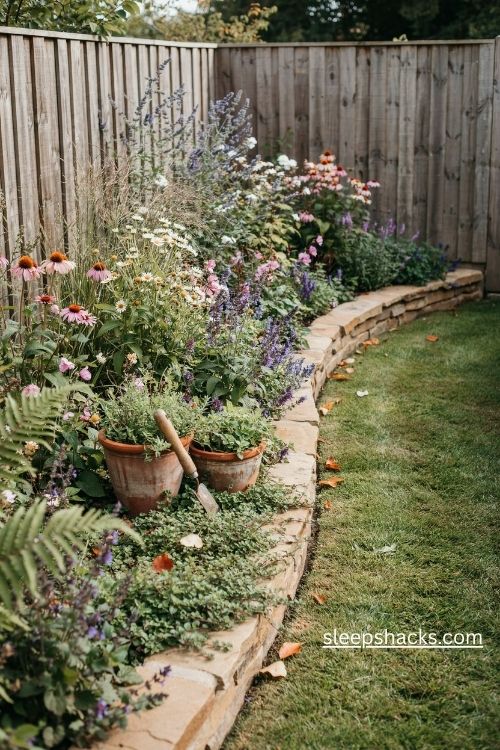
A gently curving border softens the boxy shape of most small yards. Instead of planting along a straight line, let the bed sweep in an arc, and the eye follows the curve and perceives more depth. It also gives you extra planting room at the widest point.
Mark the curve with a garden hose before digging so you can adjust it until it feels right. Fill the border with layers, with taller plants at the back and low ground covers along the front.
9. A Decorative Screen Divider
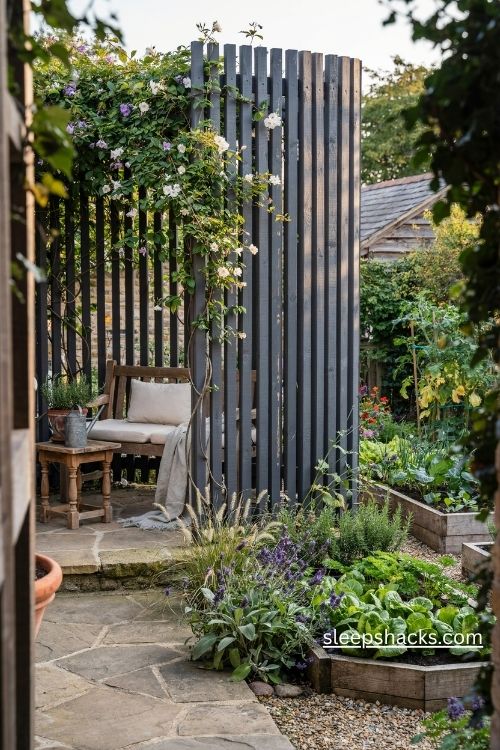
A slatted wood or metal screen creates privacy and divides the garden without closing it off. Place it between the seating area and the vegetable beds, and the yard suddenly feels like two separate spaces. Climbing plants can soften the lines as they grow.
Choose a screen with gaps, so light and air still pass through. Painting it a deep green or charcoal helps it recede and lets the plants in front take center stage.
10. A Spiral Herb Garden
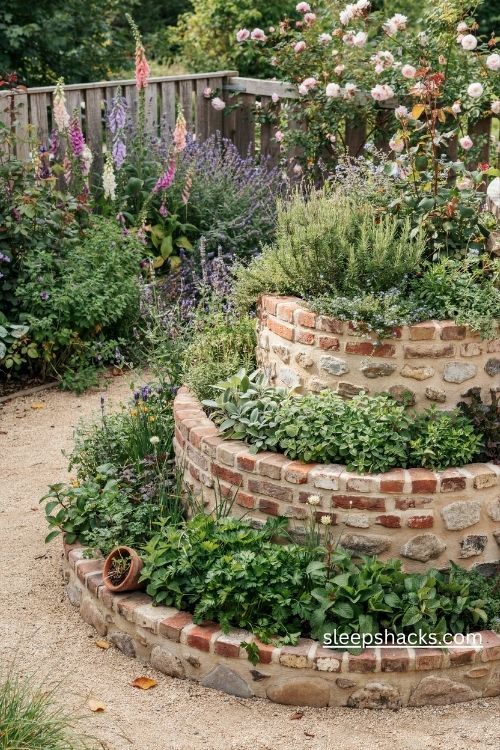
A spiral of stones or bricks, rising gently toward the center, packs a surprising number of herbs into a tiny footprint. The top is drier and sunnier, perfect for rosemary and thyme, while the bottom stays moist for mint and parsley. It is a small garden with its own microclimates.
Build it about three feet wide and two feet tall at the center. Use stone, brick, or even broken concrete, and fill with a mix of soil and sand, so the upper levels drain well.
11. A Gravel Patch Instead of a Lawn
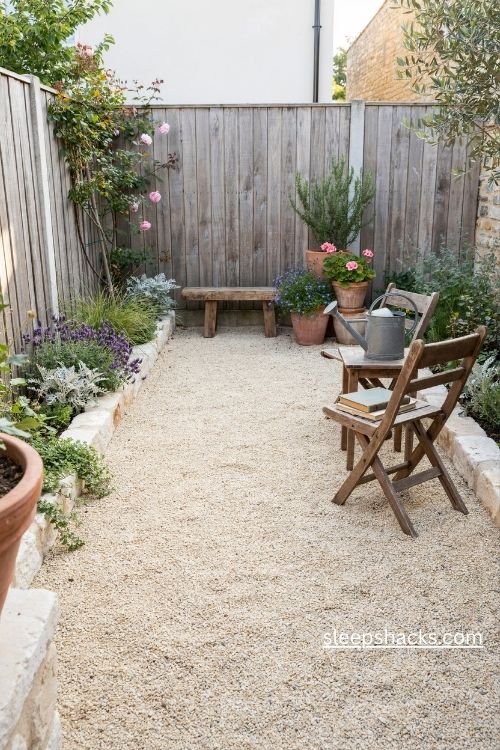
A little lawn demands mowing, watering, and space. Replace it with a gravel patch, edged neatly, and you gain a low-maintenance surface that works with pots, furniture, and a few hardy plants. The crunch underfoot is a bonus.
Lay a weed-suppressing membrane under about two inches of gravel to keep the area clean. Mix in a few drought-tolerant plants like sedum or lavender for softness, and the patch will look planned rather than bare.
12. Steps and Multi-Level Planting
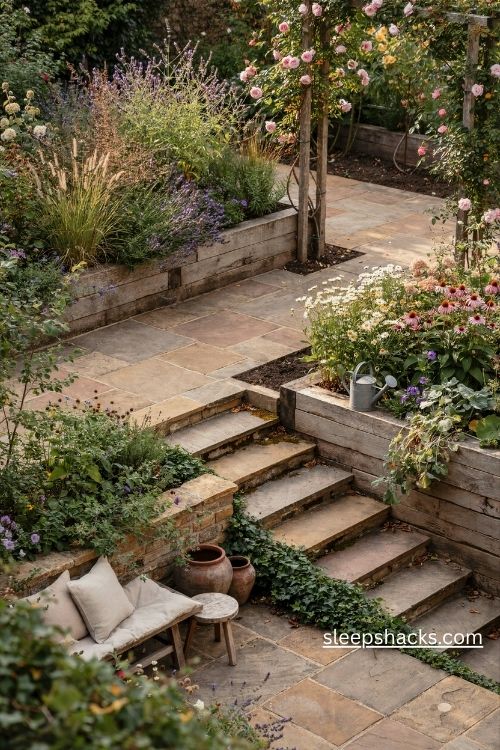
Different heights make a small garden feel richer and more interesting. A few shallow steps, a raised bed, and a sunken seating area break up a flat plot and create visual drama. Each level feels like its own small world.
Build the levels using sleepers, stone, or sturdy timber. Plant tall species at the highest point and low, spreading varieties at the base, so every layer gets its share of attention.
13. A Compact Productive Patch
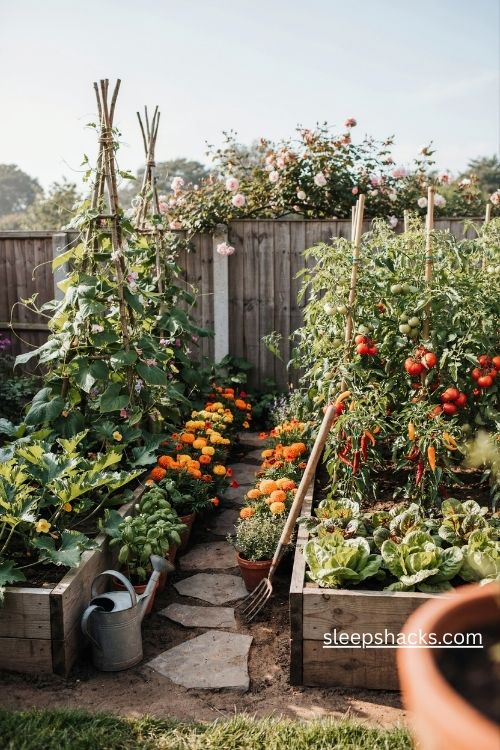
Even a tiny plot can feed a household if you pick high-yield crops. Tomatoes, runner beans, chilies, lettuces, and courgettes all give plenty for a modest amount of space. Grow the climbers up obelisks to save ground room.
Plant in blocks rather than long rows, which makes better use of the soil. Add a few marigolds or nasturtiums among the vegetables to attract pollinators and keep common pests under control.
14. A Trellis Archway Entry
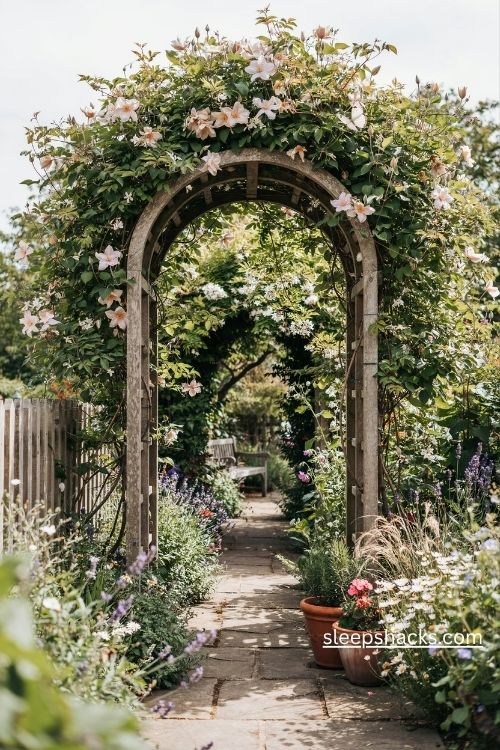
An arch at the start of a path signals that something special lies beyond. A simple metal or wooden arch covered with a clematis or jasmine becomes a frame for the garden and adds height where it is most needed. It makes even a short path feel like a journey.
Place it about three feet wide and at least seven feet tall so you can walk through comfortably. Set the legs deeply into the ground, and tie in the stems regularly until the plant establishes itself.
15. A Mirror to Add Depth
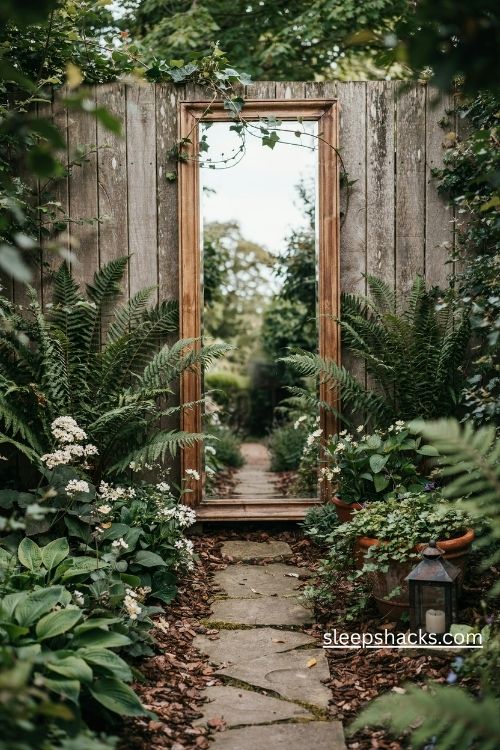
A weatherproof mirror leaned against a wall or set into a trellis reflects plants and sky, creating the impression of a larger space. Position it at the end of a path or behind a planted corner, and the garden seems to continue beyond the fence. It works best in shady yards.
Angle it slightly to avoid direct sun reflection, and frame the edges with climbers or ferns so it feels natural. Choose a mirror rated for outdoor use, with sealed edges to resist moisture.
16. A Hidden Storage and Compost Corner
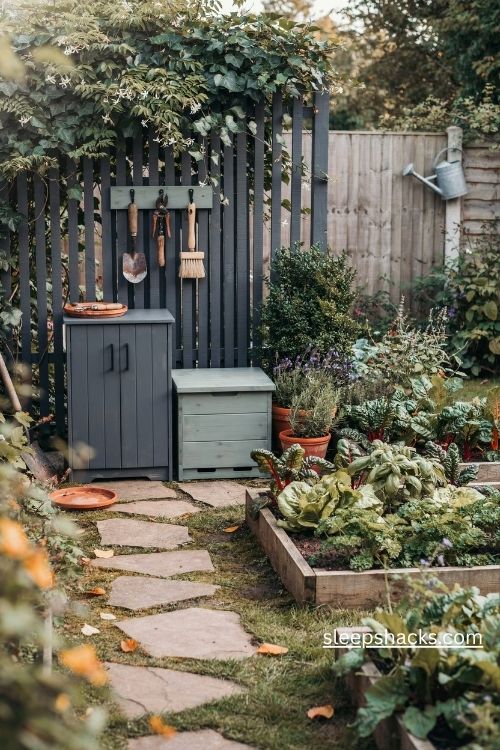
Practical pieces are easy to forget, but they keep a small garden tidy. A slim storage box, a lidded compost bin, and a few hooks for tools can all fit into one back corner, hidden behind a trellis or a tall shrub. Everything is within reach, yet out of sight.
Choose a spot near the beds to save steps when you work. Painted in a deep neutral shade, the storage blends into the background and lets the plants remain the main attraction.
Final Thoughts
Here is another way to look at a small garden: it is not a smaller version of a big one, but a different kind of place entirely. Where a large garden asks you to manage space, a small one asks you to notice it. You see the first bud on the clematis, the exact hour the sun leaves the bench, the blackbird that visits at dusk.
That kind of closeness is rare and valuable. A small garden turns a few square feet into a daily practice of attention, and perhaps that is what makes it feel so much larger than its measurements.
Frequently Asked Questions
How do I plan a small garden layout?
Start by measuring the space and noting where the sun falls throughout the day. Then divide it into zones for growing, sitting, and storage, and add a path to link them.
What are the best plants for a small garden?
Compact herbs, climbing beans, dwarf shrubs, and long-blooming perennials like lavender and salvia make the most of limited space. Choose varieties suited to your light and climate for the best results.
How can I make a small garden look bigger?
Use curved lines, vertical elements, and a mirror to create depth. Keeping a clear color scheme and avoiding clutter also helps the space feel open.