

The best natural Christmas tree isn’t always the fullest one at the lot, or the priciest. Sometimes it’s the quiet one that holds its needles until New Year’s, or the one with almost no scent at all because someone in the house sneezes through every December. Species matters more than most of us think, and a few small details like branch strength and needle length decide whether your tree looks glorious or tired by week three.
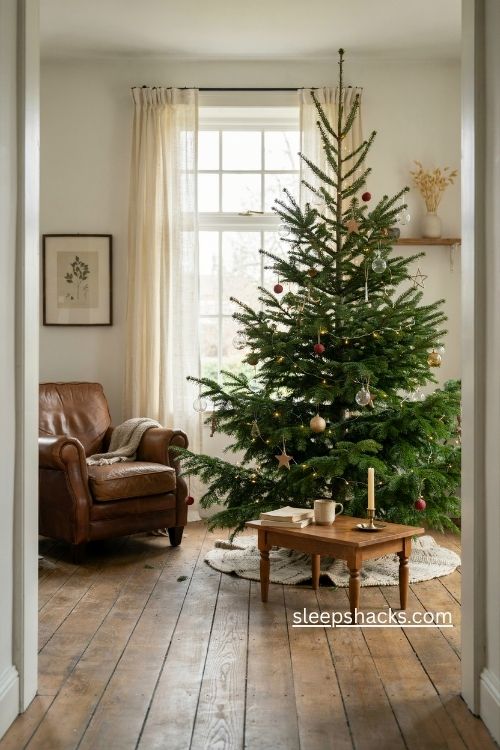
Here are fourteen trees worth knowing, from the classic Fraser fir to the lesser-known Turkish fir. You’ll find what each one looks like, how it handles ornaments, and a practical tip or two for keeping it fresh once it’s standing in your living room.
1. Fraser Fir for Classic Looks
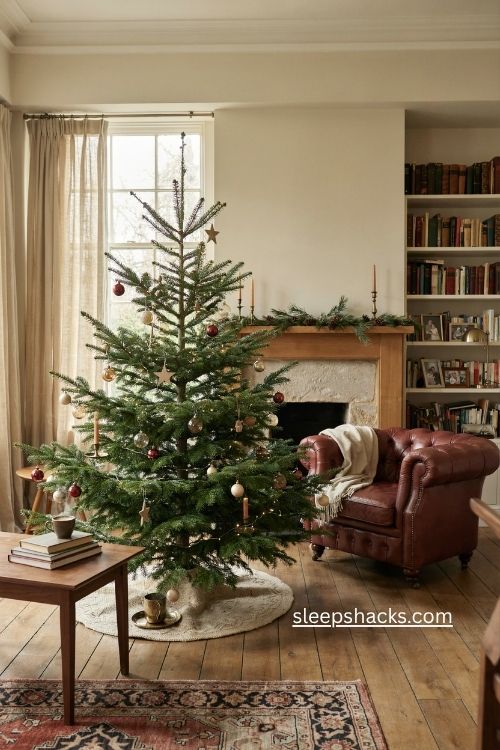
Fraser fir is the tree many families picture when they say “Christmas tree.” The needles are blue-green with silvery undersides, and they stay put remarkably well, so you can decorate early without watching the floor fill up. The branches are stiff, which means they hold ornaments without sagging. It’s no surprise it’s one of America’s most popular choices.
That pleasant scent is a bonus, and it grows mostly in the Appalachian Mountains and the northeastern states, so it’s easy to find east of the Rockies. Saw about an inch off the bottom of the trunk when you get home and set it in a stand that holds water. A thirsty tree drops needles much faster than a well-watered one.
2. Noble Fir for Heavy Ornaments
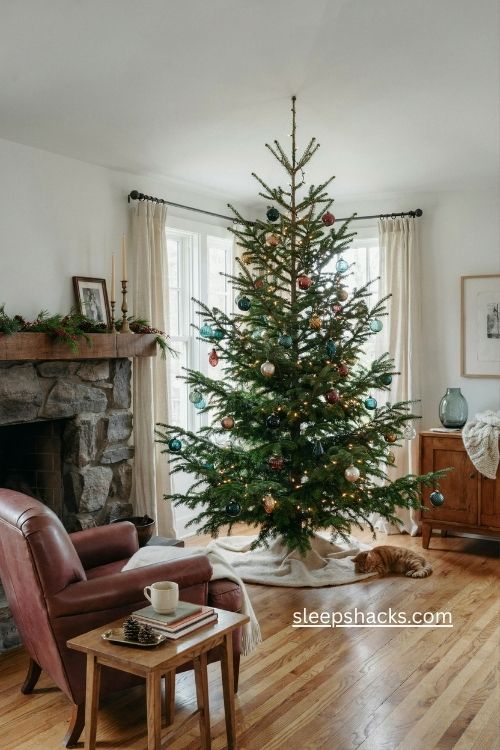
Noble fir lives up to its name. Its short blue-green needles have some of the best retention among Christmas tree species, and the stiff, well-shaped branches can carry your heaviest glass ornaments without bending. If your collection includes chunky family keepsakes, this is the tree for them.
It’s grown in the Pacific Northwest, so it’s easiest to find west of the Rockies. The trimmings are useful too, since noble fir is also used for wreaths and garland, so tuck any trimmed boughs along the mantel. Before you buy, look closely at the branches and pick one that isn’t netted yet, so you can see exactly what you’re getting.
3. Douglas Fir for Budget-Friendly Charm
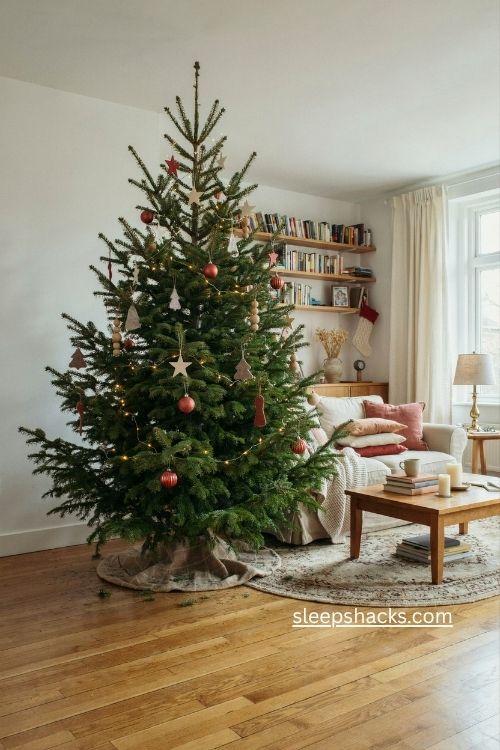
A Douglas fir is dense, soft, and light green, with a pleasant scent that says Christmas the moment you walk in. It’s one of the most popular species for a reason, and it’s also a smart pick when you’re watching your budget. Think of it as the friendly, no-fuss option for a first tree or a big family room.
The branches are softer than most, so go for lightweight ornaments like paper stars, wooden shapes, and shatterproof baubles. It grows in all the major tree states, which makes it easy to find almost anywhere. Skip any tree with browning needles or branch tips, and keep it away from radiators and fireplaces, because heat dries any cut tree out quickly.
4. Balsam Fir for Maximum Scent
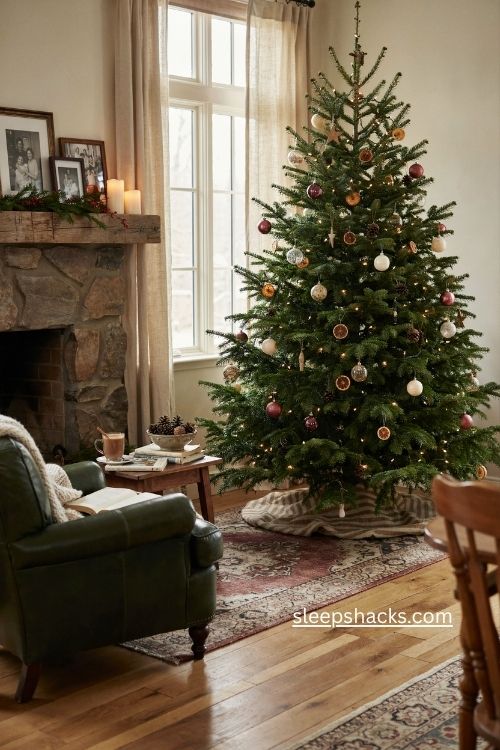
If you can’t get enough of that real tree smell, balsam fir is your answer. It’s among the most fragrant of all the species, and the short, dark green needles give it a rich color that makes string lights glow. Anyone who grew up with a farm-grown tree will recognize that smell instantly.
Balsam also has excellent form, so it shows off ornaments nicely. It grows in Canada, the northeastern states, the upper Great Lakes, and Pennsylvania, and you’ll often spot it at choose-and-cut farms in those areas. Because it’s so fragrant, put it in a main living area where everyone can enjoy it. Check the water level every morning, since a thirsty tree loses its needles quickly.
5. Nordmann Fir for Sensitive Noses
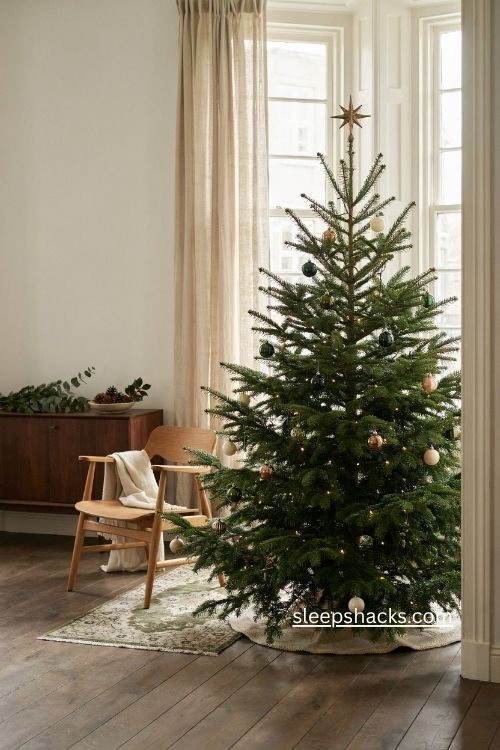
Not everyone wants a house that smells like a pine forest. Nordmann fir has glossy, dark green needles that are darker than almost any other fir, and it has very little fragrance, which makes it a great fit for anyone sensitive to scent. It’s a calm, polished option for a formal living room.
The branches grow in layered tiers and are sturdy enough for ornaments, and the needles hold on very well. It’s grown in the Pacific Northwest and mostly sold west of the Rockies. Since it hardly drops, it’s an easy choice for early decorators, homes with pets, and anyone who dreads vacuuming in January. Pair it with warm white lights and let the dark needles do the dramatic work.
6. Grand Fir for a Feathery Look
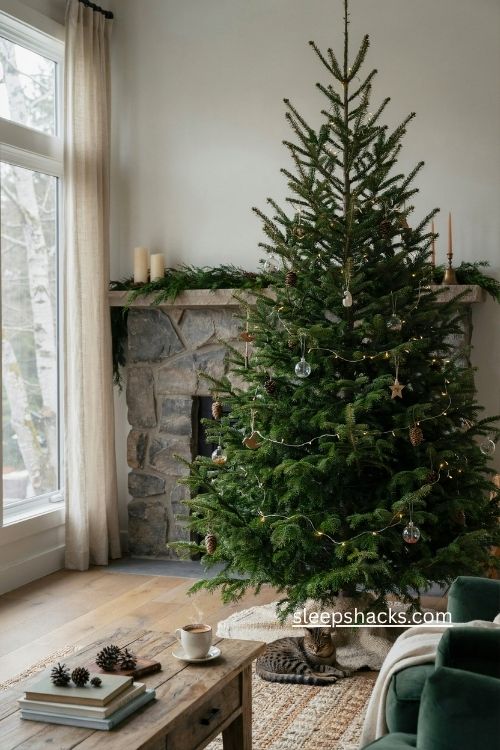
Grand fir has long, dark green needles that lie flat in two neat rows, which gives the branches an almost feathery look. The foliage is dense and glossy, and it keeps a pleasant fresh-cut scent. It’s a lovely option if you want something a little different from the usual lot favorites.
There’s a catch: because needle retention is shorter, it’s best displayed within two weeks of Christmas. Buy it a bit later in the season, and keep the stand topped up every day. It grows in the Pacific Northwest and shows up at retail lots west of the Rockies, with a few in the Great Lakes region. Light it with simple white or clear lights and let those long needles catch the glow.
7. Scotch Pine for Traditionalists
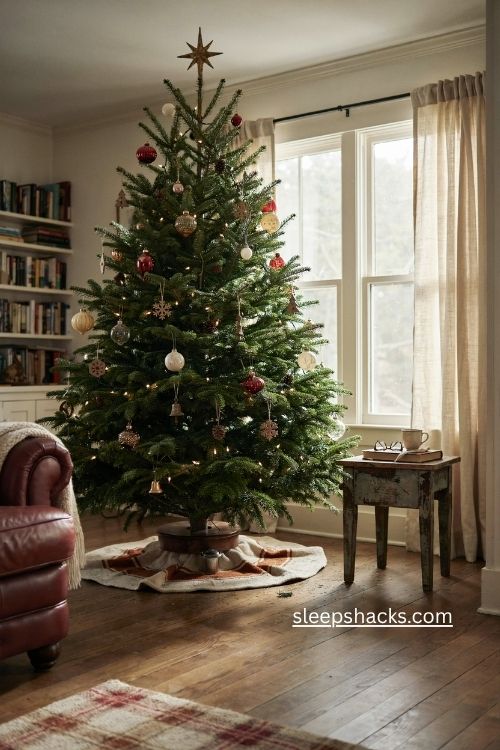
Scotch pine, also called Scots pine, was one of the first trees grown specifically for the Christmas market in the Midwest, and plenty of traditionalists still swear by it. The needles are dark green and dense, and they hold on really well. It has that sturdy, old-fashioned shape you probably remember from childhood holidays.
Stiff branches carry ornaments well, and it’s one of the better choices if you’re watching your budget. You’ll find it throughout the Midwest and east of the Rockies. Because the foliage is so dense, hang bigger ornaments near the tips and tuck smaller ones deeper inside so everything shows. Give the trunk a fresh cut and water it daily from day one.
8. Canaan Fir for the Best of Both
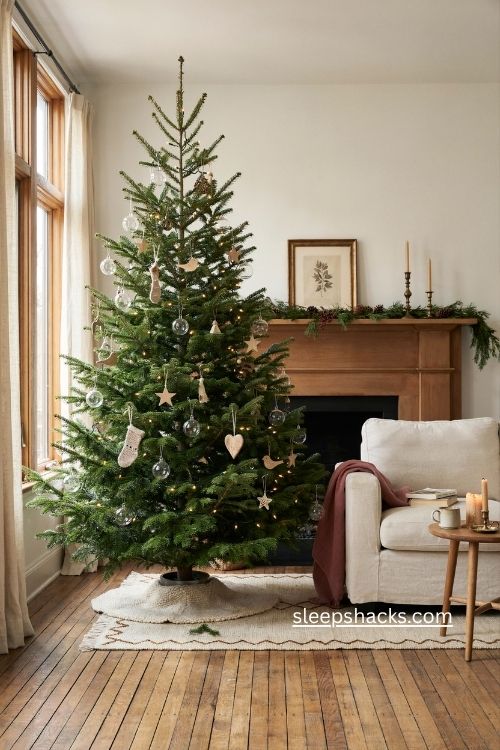
Canaan fir borrows the best traits from its cousins. It has the rich color and pleasant fragrance of a balsam, and the layered branching of a Fraser, with short, soft needles that feel gentle to hang ornaments on. It’s a lovely pick when you can’t decide between two favorites.
The attractive tiers give ornaments plenty of room to show. It grows in West Virginia, Ohio, Pennsylvania, and many Great Lakes states, so look for choose-and-cut farms in those areas or a few retail lots east of the Rockies. After you bring it home, saw another inch off the base so it can drink right away.
9. Colorado Blue Spruce for Silver-Blue Drama
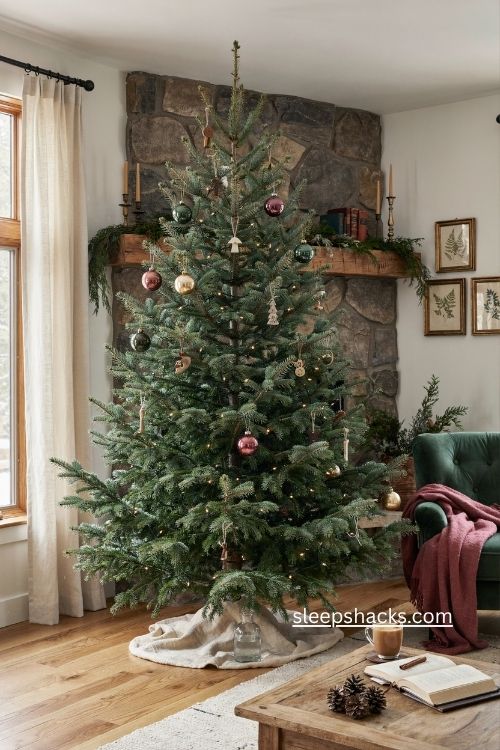
A Colorado blue spruce brings a silvery-blue color that looks like frost even before you add any decorations. The branches are stiff and hold heavy ornaments well, so it’s a good pick for a collection of glass baubles and keepsakes. It grows in the upper Great Lakes, the Midwest, and the northeast.
Be careful, though, because those needles are quite sharp. Wear gloves and long sleeves when you carry and decorate it. The upside is that the prickly needles can help keep curious pets away from the tree. It looks best for two to three weeks before needle retention starts to fade, so time your purchase accordingly, and keep the water topped up to give it the best chance.
10. White Pine for a Soft, Airy Tree
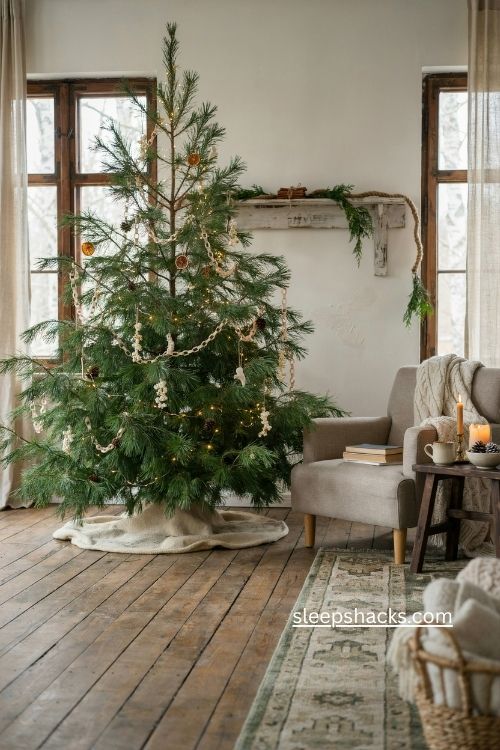
White pine is dense and full, but its long, soft green needles give it a softer, more relaxed look than most. It’s an easy tree to love if you prefer a natural shape over a stiff, formal one. Think cozy cabin rather than showroom.
Lightweight ornaments suit it best, since the branches are soft. Simple white lights show off its natural beauty, and the excellent needle retention makes it ideal for wreaths and roping, too. Grown across the Midwest, Great Lakes, Northeast, and Appalachians, it’s sold at many retail locations east of the Rockies. A garland of popcorn or paper chains looks right at home on its soft branches.
11. Concolor Fir for a Citrus Scent
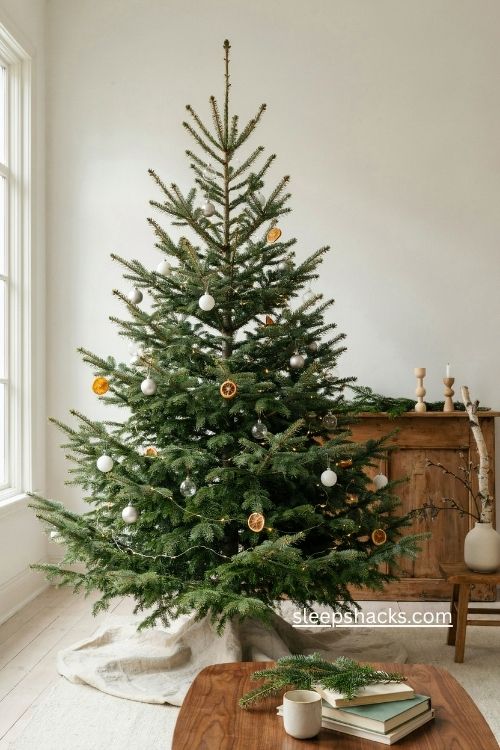
Concolor fir, sometimes called white fir, has a stately, symmetrical shape and needles that range from blue-green to a dramatic powder blue. The needles are longer than most firs, so the tree looks a little coarser and more rugged. It’s a standout in a room with white or silver decorations.
The real surprise is the scent. Concolor needles smell citrusy, almost like fresh oranges, which is a lovely change from the usual piney smell. It holds ornaments well and is sold at most retail locations east of the Rockies. Tuck a few dried orange slices among the branches to echo that scent, and the tree feels like it was designed on purpose.
12. Leyland Cypress for Southern Homes
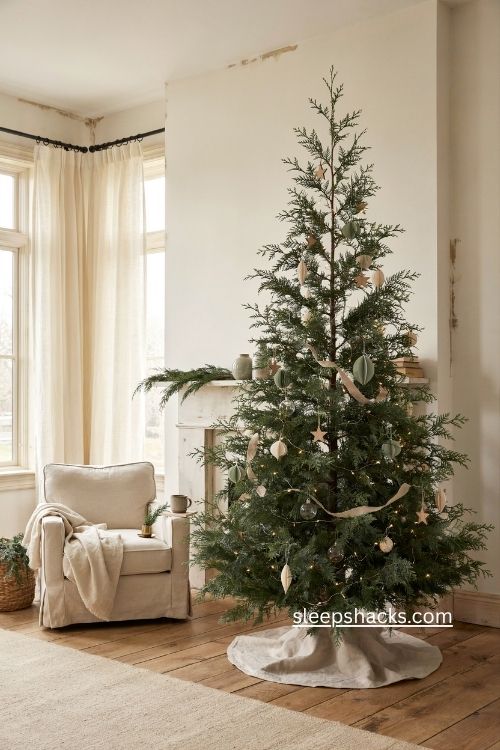
In the South, the Leyland cypress is one of the most popular choices, with dark green-gray foliage and very little aroma. It has a very attractive shape too, with upright, full branches and a feathery look that suits a light, airy decorating style.
Because the branches are feathery, stick to lightweight ornaments. Cypress trees dry out fast in a warm home, so check the water level every day, sometimes twice. You’ll find Leyland cypress almost exclusively in southern states. If you’re sensitive to scent, this low-aroma tree is a calm alternative to the stronger pines and firs. Set the stand where you can reach it easily so refilling never feels like a chore.
13. Virginia Pine for Heavy Keepsakes
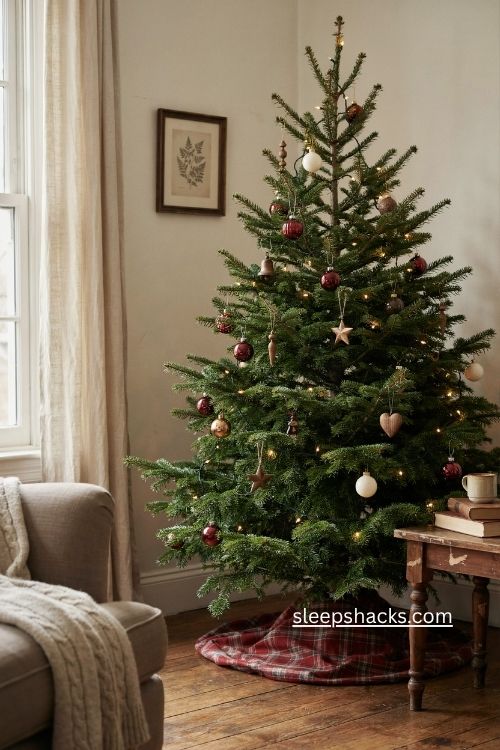
Virginia pine is a favorite in the South, with stout, woody branches that can support heavier ornaments. It’s a small to medium tree, and the foliage becomes extremely dense, which makes it look full even when it’s not tall. Hang chunky wooden or glass ornaments without worrying about drooping.
You’ll enjoy the rich, piney fragrance and good needle retention as long as you water it regularly. It’s a great pick for apartments, small rooms, or a tabletop corner. Look for it primarily in southern states, and give it a fresh cut at the base so it can drink right away. A tree skirt in deep red or plaid finishes the look.
14. Turkish Fir as a New Favorite
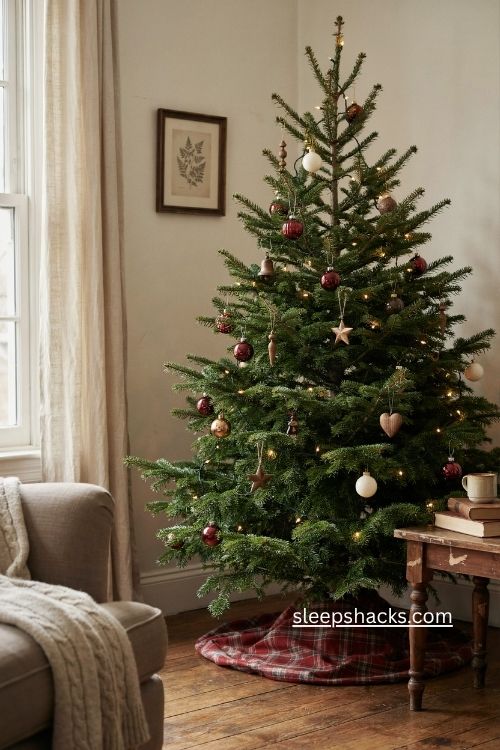
Turkish fir is a relative newcomer and a promising one. It’s closely related to the Nordmann fir, with deep green needles, a layered branch structure, and excellent needle retention that makes it a great choice for displaying ornaments. If you like the look of Nordmann but want to try something fresh, start here.
Because it’s still new on the market, you’ll most likely find it at choose-and-cut farms, garden centers, and seasonal lots near growers in the Pacific Northwest, the upper Great Lakes, and Pennsylvania. Call ahead to check availability, and ask the seller how recently the trees were cut. A fresh tree is the best head start for lasting through the season. Bring a tape measure so it fits under your ceiling.
Final Thoughts
Picking a tree can feel like a small decision, but it quietly sets the mood for the whole season. The smell in the hallway on a cold morning, the weight of your favorite ornament on a sturdy branch, the soft hush of a dark room with only the tree lit.
So what do you want your tree to give you this year: a scent that takes you back to childhood, a quiet glow that fills a small apartment, or simply a tree that stays green until the very last card is opened? Maybe the answer is different from last Christmas, and that’s part of the fun.
Frequently Asked Questions
Q: How long does a natural Christmas tree last indoors?
A cut tree rarely lasts longer than about six weeks in a centrally heated home, and some species, like Grand fir, are best displayed within two weeks of Christmas. Keep it watered and away from heat to stretch its life.
Q: Which natural Christmas tree drops the fewest needles?
Fraser fir, Noble fir, and Nordmann fir are known for excellent needle retention. Scotch pine and Turkish fir also hold their needles well when watered regularly.
Q: What should I do with my natural Christmas tree after the holidays?
Many local councils offer free recycling pickups, so check your council’s website for the date. You can also cut the tree up, strip the needles, and compost it, though pines, firs, and spruces break down slowly.