

Pumpkin contests are a strange kind of pressure. Everyone else’s entry looks effortless and clever, and you’re standing there with a plain orange gourd wondering how anyone has time to build a whole tiny hot air balloon out of a squash.
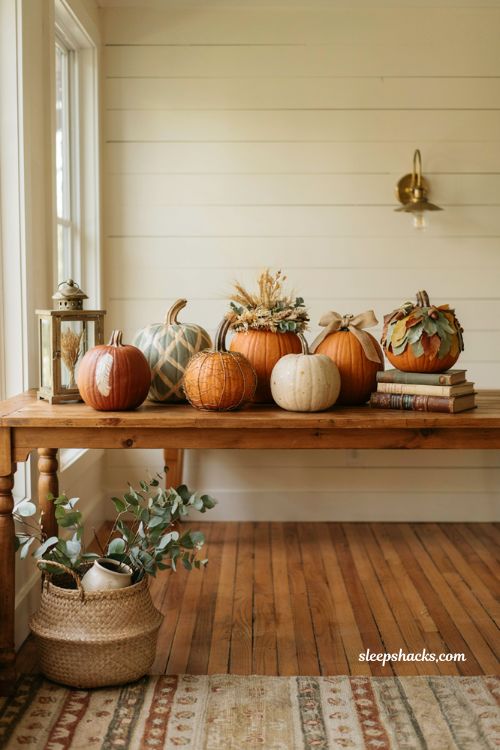
The good news is that most winning contest pumpkins aren’t actually about skill — they’re about one strong idea executed with a little patience. No knives, no scooping out stringy pumpkin guts, just paint, glue, and whatever craft supplies happen to be in your closet already. If you’ve got a school contest, a neighborhood competition, or just want your porch pumpkin to outshine everyone else’s this year, these fifteen ideas will get you there.
1. Stacked Character Pumpkin
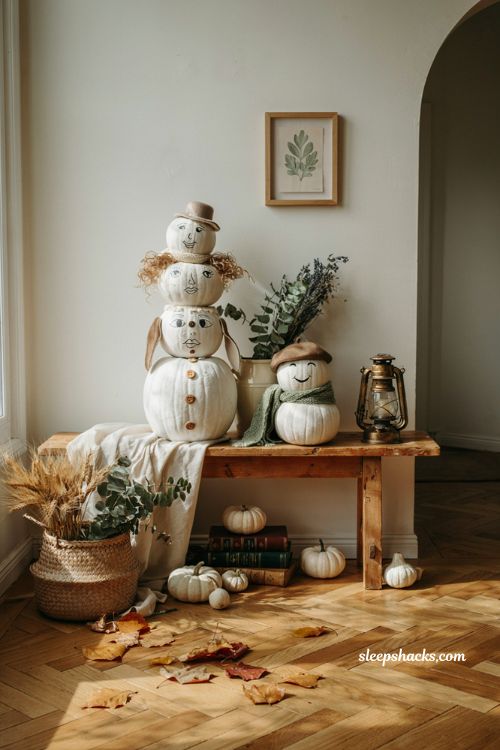
Two or three pumpkins stacked on top of each other instantly reads as a character rather than just a decorated gourd, which is exactly why judges tend to notice it first. Use a dab of hot glue or a wooden skewer through the center to keep the stack steady, then build a face or costume detail across the whole stack rather than just the top piece. A white base coat works well since it takes paint and props more evenly than natural orange skin. Adding felt ears, foam accessories, or a scarf around the “neck” where the pumpkins meet finishes the illusion and gives it real presence on a table.
2. Highland Cow Pumpkin
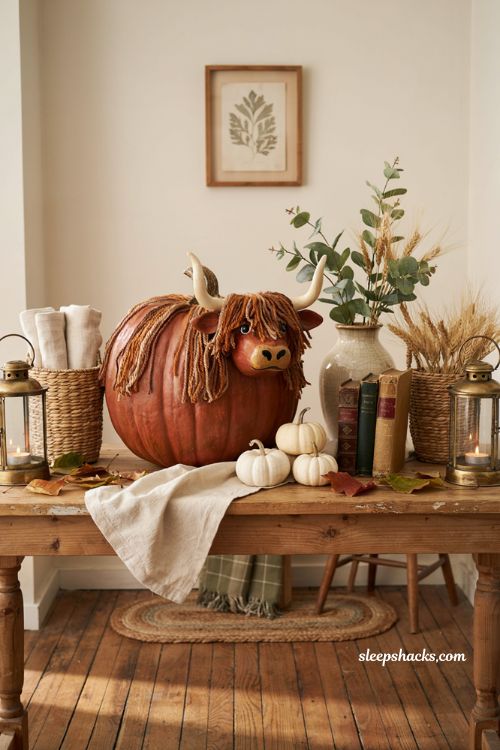
A shaggy Highland cow pumpkin stands out because almost nobody else in the room will have thought of it. Paint the pumpkin a warm reddish-brown, then glue on strands of yarn or brown yarn tufts across the top and sides to mimic the cow’s long, shaggy coat. Small black felt ovals make the nostrils, and two curved pieces of craft foam or cardboard, painted cream, become the horns pushed gently into the top. Leave a section near the eyes with shorter, brushed-out yarn so the “fringe” look reads clearly. It’s an unexpected animal choice that photographs beautifully against a plain fall backdrop.
3. Hot Air Balloon Pumpkin
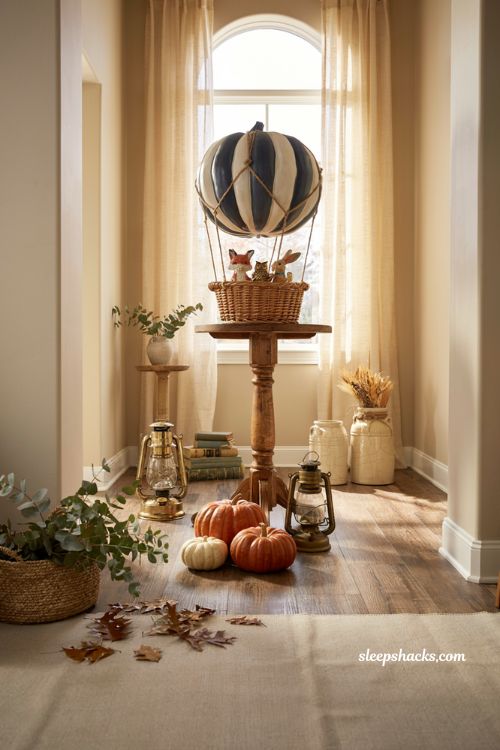
Turning a pumpkin into a hot air balloon basket is one of those ideas that looks far more complicated than it actually is to build. Rest the pumpkin sideways in an old wicker basket or a small crate, then wrap twine around the pumpkin in a crisscross pattern connecting it to the basket’s rim, just like real balloon rigging. Add a couple of small figures or skeleton toys peeking over the basket’s edge for scale and personality. Painting the pumpkin in bold panel stripes of two alternating colors sells the balloon look even from a distance, and it displays beautifully on a stand or pedestal.
4. Nesting Hen and Chicks Pumpkin
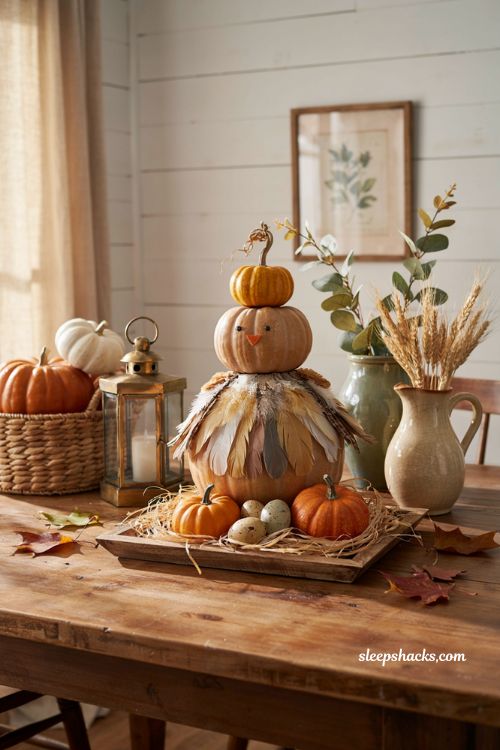
A hen sitting on a nest of eggs is a sweet, farmhouse-style entry that tends to charm judges looking for something outside the usual spooky lineup. Stack a smaller pumpkin on top of a larger one for the hen’s body and head, then glue on craft feathers or cut fabric scraps in layered rows to mimic real plumage. A small triangle of orange felt makes the beak, and two mini pumpkins or painted eggs nestled at the base complete the “nest” scene. Surrounding the whole display with straw or raffia grounds it and makes the barnyard theme feel complete.
5. Humpty Dumpty Pumpkin
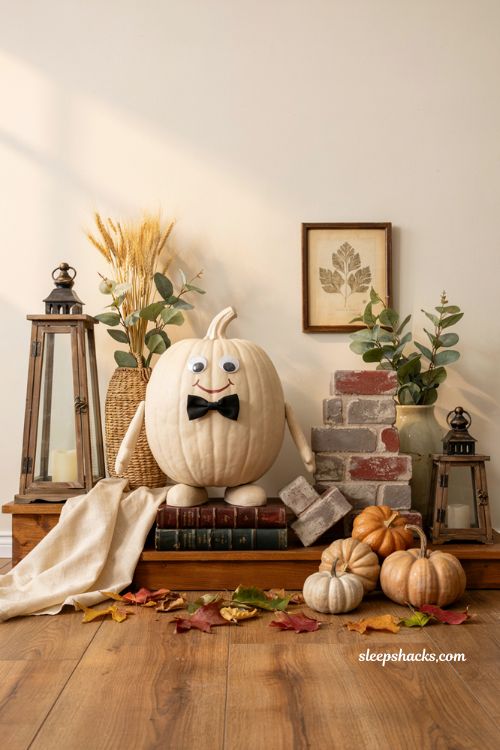
A book-character pumpkin gives judges an easy, recognizable reference point, and Humpty Dumpty happens to be one of the simplest to execute well. Paint the pumpkin white or cream as the “shell,” then add a black bowtie made from ribbon or felt just below where the face will go. Googly eyes, a painted smile, and small foam arms and legs glued to the sides bring the character fully to life. For extra polish, add a tiny brick wall prop behind the pumpkin using painted cardboard or foam blocks, referencing the nursery rhyme’s famous fall.
6. Gold Marbled Pumpkin
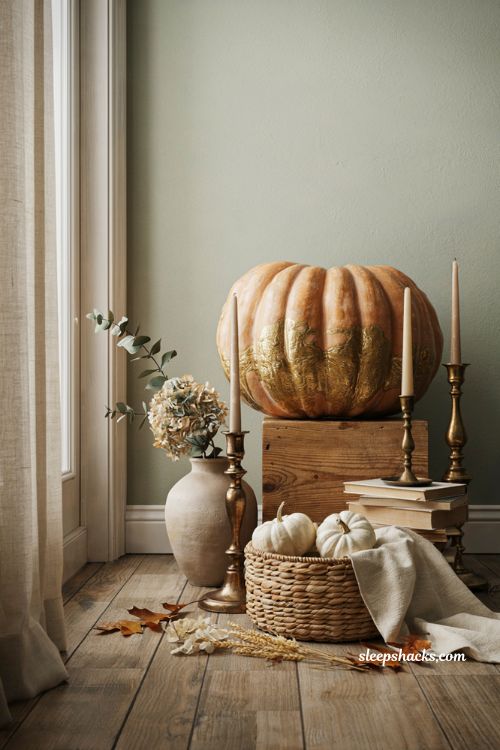
If the contest rewards elegance over cuteness, a gold-marbled pumpkin brings a completely different energy to the table. Fill a shallow container with water, drop small amounts of liquid gilding onto the surface until swirls form, then dip the pumpkin in briefly and lift it back out to transfer the marbled pattern onto the skin. Let it dry fully on wax paper before moving it, since the gilding stays tacky for a while. Doing only the bottom half in gold and leaving the top natural creates a striking two-tone effect that looks genuinely upscale next to typical painted entries.
7. Image Transfer Antique Pumpkin
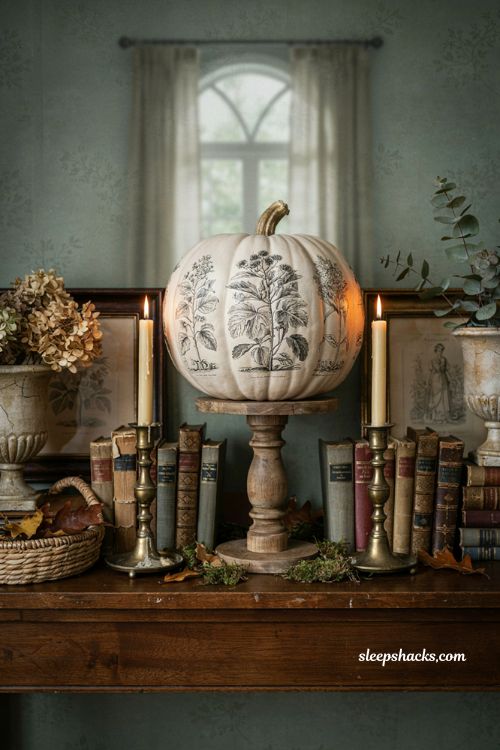
An image transfer technique gives a plain white pumpkin an aged, almost vintage-photograph look that reads as sophisticated rather than crafty. Print a black-and-white image onto transfer paper, press it face-down onto the pumpkin’s surface, and burnish it firmly with a spoon or credit card before peeling the backing away slowly. The image that’s left behind has a slightly distressed, antiqued quality that works especially well for a moody, gothic-leaning entry. Choosing a vintage illustration — an old botanical print or a Victorian-era face — over anything modern keeps the whole effect cohesive.
8. String Art Pumpkin
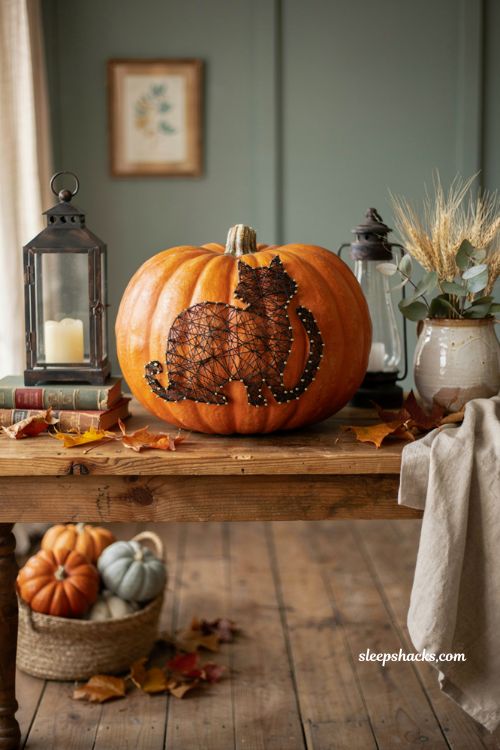
String art turns a pumpkin into a genuine handmade craft piece rather than a simple paint job, and it’s a strong choice if the contest rewards originality. Sketch a simple silhouette in chalk first — a cat, a bat, or a moon — then gently tap small nails into the pumpkin along the outline, spacing them about half an inch apart. Wrap yarn or embroidery thread back and forth between the nails until the shape fills in with color and texture. Black yarn against a natural orange pumpkin gives the cleanest, most graphic contrast for judges to spot from across the room.
9. Decoupage Napkin Pumpkin
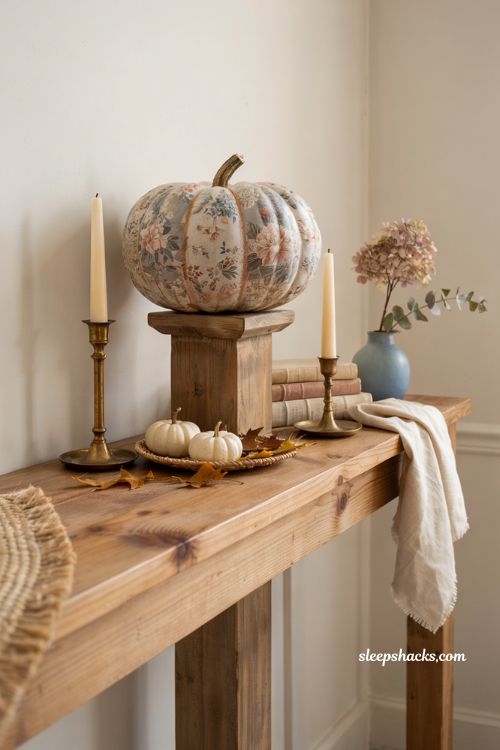
For anyone who can’t draw or paint freehand, a decoupage pumpkin using printed paper napkins solves that problem completely while still looking intricate. Choose a napkin pattern you like — florals, chinoiserie, or a Halloween print — separate the printed top layer from the thicker backing, and smooth it over the pumpkin with a coat of decoupage glue underneath and on top. Working in small sections keeps the delicate paper from tearing as you go. The finished pumpkin looks like it was hand-painted, and the patterned surface tends to draw people in for a closer look.
10. Candy Corn Painted Pumpkin
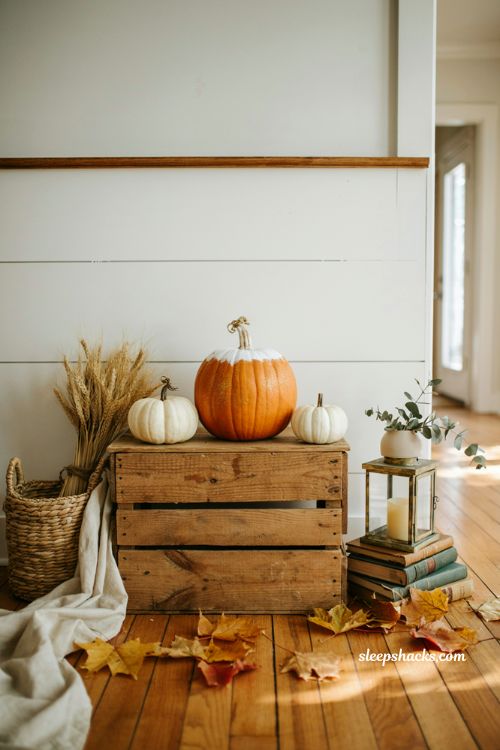
A candy corn pumpkin is a simple color-block idea that reads instantly recognizable from across a room, which matters a lot in a crowded contest table. Paint the bottom third in a rich marigold yellow and let the natural orange rind show through as the middle band, then paint the top section and stem bright white. Once everything’s dry, brushing a coat of gold glitter spray over the whole pumpkin ties the three sections together and adds shine under overhead lighting. It’s a fast project, but the crisp color transitions make it look far more polished than the effort it actually took.
11. Murder of Crows Pumpkin
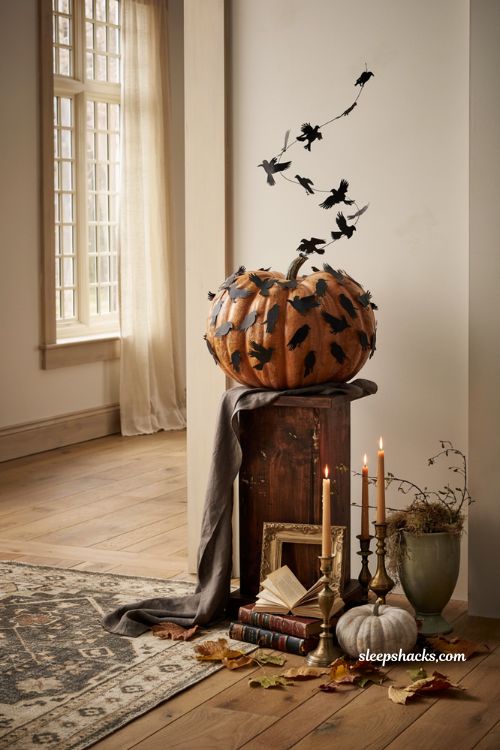
Covering a pumpkin in a swarm of black paper crows creates real drama on a table, and it takes surprisingly little material to pull off. Cut simple crow silhouettes from black cardstock, then attach them all over the pumpkin’s surface using small dabs of glue or double-sided tape, angling a few wings slightly upward for movement. Push a length of thin wire into the top of the pumpkin and attach a few more crows along it, so the flock appears to spiral up into the air above the display. Displayed on a dark tablecloth, this one has genuine gallery-piece presence.
12. Steampunk Gear Pumpkin
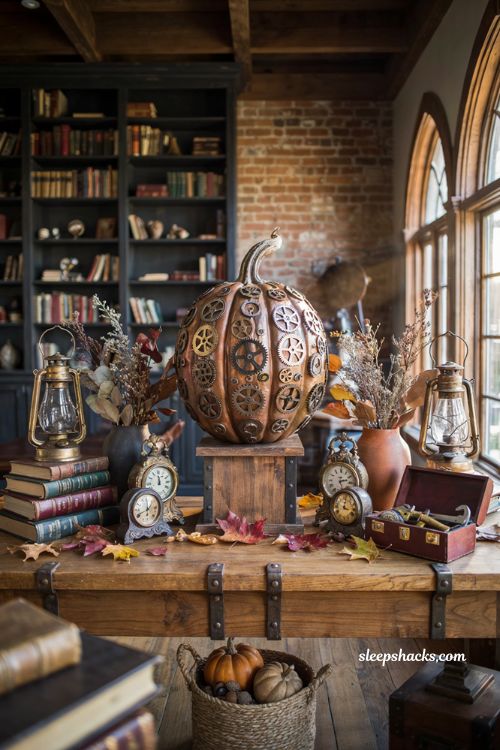
A steampunk pumpkin covered in old bolts, gears, and hardware scraps stands out because it looks industrial and detailed rather than crafty or cute. Raid a junk drawer or hardware store bargain bin for mismatched gears, washers, and small bolts, then attach them across the pumpkin’s surface with hot glue in a pattern that mimics clockwork or machinery. Spraying the whole thing with a metallic copper or bronze paint afterward unifies all the mismatched pieces into one cohesive finish. This idea rewards patience more than artistic skill, since the real work is in the layering and placement of the hardware.
13. Monogram Gold Leaf Pumpkin
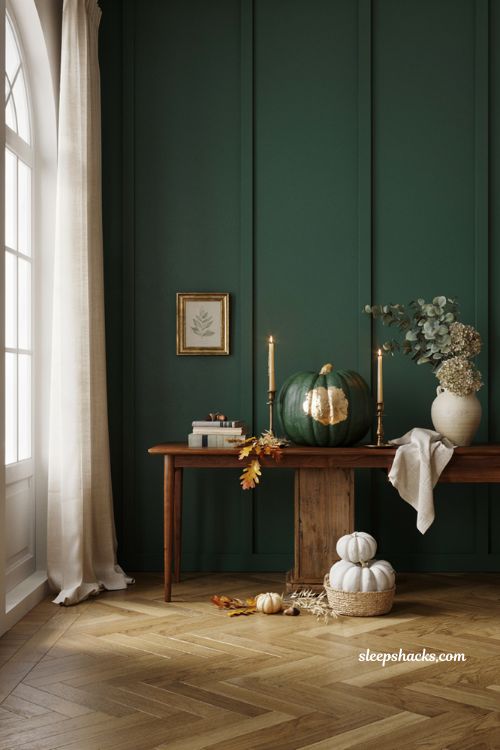
A single monogrammed letter in gold leaf brings a quiet, elegant statement to a contest table full of louder, busier entries. Paint the pumpkin a deep solid color like navy or forest green, sketch your letter lightly in pencil, then brush metal leaf adhesive over the design and press sheets of gold leaf onto it while the glue is still tacky. Once fully dry, gently brush away the excess flakes with a soft brush to reveal a crisp, gilded letter. This design photographs exceptionally well and tends to appeal to judges looking for something refined rather than spooky.
14. Teal Awareness Pumpkin
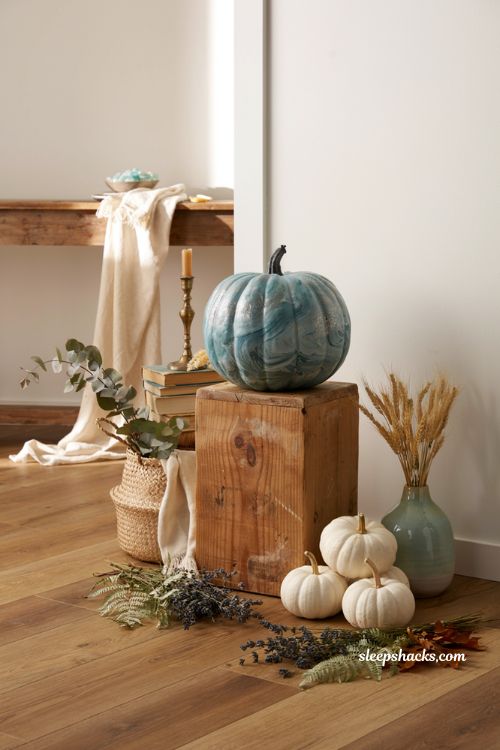
A teal pumpkin sends a meaningful message about food allergy awareness while still looking genuinely beautiful on display, which gives it an edge with judges who value substance alongside style. Use a marbleizing kit or simply layer varying shades of teal craft paint in a swirled, ombre pattern across a faux or real pumpkin. Adding a subtle coat of silver or white glitter to the very top near the stem keeps the whole design from feeling flat or one-note. Pairing your teal pumpkin with a small handwritten sign explaining its meaning adds context judges will genuinely appreciate.
15. Gumball Machine Pumpkin
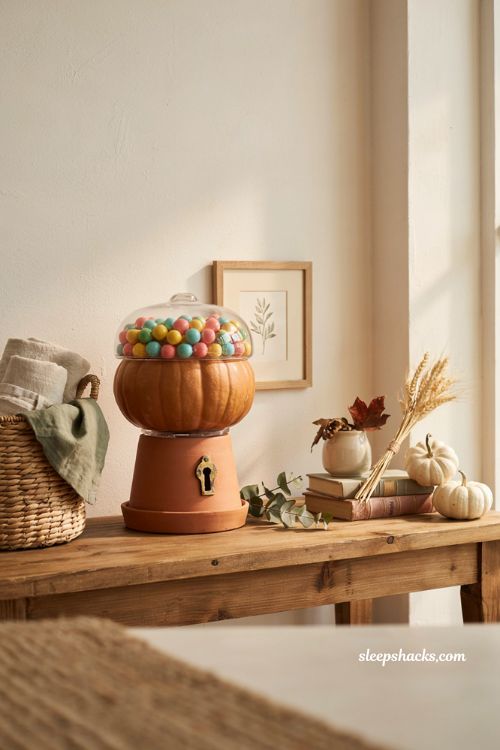
Turning a pumpkin and a terra cotta pot into a gumball machine is a playful idea that almost always gets a laugh from judges walking the table. Set the pumpkin on top of an upside-down terra cotta pot to form the machine’s base, then paint the pot a coordinating color and add a small painted “coin slot” detail near the top. Fill a clear glass bowl or dome with real gumballs and nestle it against the pumpkin to complete the illusion of a working machine. The unexpected combination of textures — smooth pumpkin, rough clay, glossy candy — is what makes this one memorable.
Final Thoughts
Winning a pumpkin contest usually comes down to picking one idea and actually finishing it well, rather than trying to cram in every trick you’ve seen online. Give yourself more time than you think you’ll need, since glue and paint always take longer to dry than expected the night before. Keep your workspace covered, gather your supplies ahead of time, and don’t be afraid to lean into something a little unexpected — the pumpkins people remember are rarely the safest ones on the table. Whichever idea you land on, have fun with it. That’s really what these contests are supposed to be about anyway.
Frequently Asked Questions
Q: What no-carve pumpkin ideas work best for judged contests?
Ideas with strong visual impact from a distance — like stacked characters, bold color blocking, or unexpected animal designs — tend to catch judges’ attention fastest.
Q: How far in advance should you decorate a contest pumpkin?
Start at least two to three days ahead so paint, glue, and any decoupage layers have plenty of time to fully dry before judging.
Q: Do faux pumpkins work as well as real ones for contests?
Yes, faux pumpkins hold paint and glued embellishments just as well as real ones and won’t soften or shrink if you need to display the entry for several days.